المعالجة بالدم السري في تركيا — احصل على 3 عيادات مطابقة مع التكاليف


تمت مراجعة المقالة طبيا من قبل
فهد مولود
ما هي تكلفة المعالجة بالدم السري في تركيا؟ اكتشف الآن
تتراوح تكلفة علاج الخلايا الجذعية من الحبل السري في تركيا بين السعر عند الطلب و السعر عند الطلب. يعتمد السعر النهائي على جرعة الخلايا، وعدد الجلسات، والحالة الطبية المراد علاجها. تشمل الباقات في العيادات التركية عادةً الفحوصات الأولية، والأتعاب الطبية، والانتقالات بين المطار والفندق والمستشفى.
- جرعة الخلايا: تختلف التكلفة بناءً على عدد الخلايا، مثل المقارنة بين 20 مليوناً و 150 مليون خلية.
- جلسات العلاج: تزيد الجلسات المتعددة لاضطرابات الأعصاب من الاستثمار الإجمالي مقارنة بالجلسة الواحدة.
- تعقيد الحالة: غالباً ما تكون تكلفة علاج التوحد أو المفاصل أقل من بروتوكولات التصلب المتعدد المتخصصة.
- الإقامة في المستشفى: تختلف أسعار الباقات بناءً على الحاجة لإقامة لمدة يوم واحد أو ثلاثة أيام.
رأي خبراء Bookimed: يوفر اختيار خبير مثل البروفيسور أردال كاراؤوز في مستشفى ليف أولوس قيمة سريرية كبيرة. فقد أسس أول مختبر بمعايير GMP في تركيا، مما يضمن جودة عالية في معالجة الخلايا. بينما تبدأ الباقات العادية في إسطنبول من حوالي 7,000 $، قد تصل تكلفة بروتوكولات جراحة الأعصاب في المنشآت الحاصلة على اعتماد JCI إلى 12,000 $. تشمل هذه الخيارات المتميزة غالباً دعم "نافذة اللدونة العصبية" لتحقيق أفضل نتائج علاجية.
المزايا الرئيسية
لماذا تختار تركيا لعلاج الخلايا الجذعية من الحبل السري؟
- عيادات معتمدة: المستشفيات المعتمدة من JCI والمراكز المعتمدة من وزارة الصحة التركية تقدم خدمات رعاية صحية عالية الجودة.
- تقنيات مبتكرة: تستخدم العيادات تقنيات متقدمة، بما في ذلك استخدام الخلايا الجذعية الميزانشيمية (MSCs) وطرق الحفظ بالتبريد المتطورة. هذه التقنيات تضمن بقاء الخلايا وفعاليتها بشكل مثالي.
- نسب نجاح عالية: يظهر علاج الخلايا الجذعية من الحبل السري معدل فعالية يتراوح بين 70-80% في علاج حالات مثل فقر الدم اللاتنسجي وأمراض الكلى المزمنة.
- جراحون خبراء: يقدم أخصائيون بارزون مثل البروفيسور الدكتور أيدين أونال، المعروف في مجال أمراض الكلى، خبرة واسعة مع أكثر من 500 حالة ناجحة من العلاج بالخلايا الجذعية. وهم مدعومون بشهادات دولية.
احصل على حلول متقدمة لعلاج الخلايا الجذعية من الحبل السري في عيادات موثوقة .
مزاياك وضماناتك مع Bookimed
أسعار مباشرة
Bookimed لا يضيف رسوماً إضافية على أسعار المعالجة بالدم السري. الأسعار مأخوذة من قوائم الأسعار الرسمية للعيادات. تدفع مباشرة في العيادة مقابل المعالجة بالدم السري عند وصولك.
عيادات وأطباء معتمدون فقط
Bookimed ملتزم بسلامتك. نحن نعمل فقط مع المؤسسات الطبية التي تحافظ على معايير دولية عالية في المعالجة بالدم السري ولديها التراخيص اللازمة لخدمة المرضى الدوليين في جميع أنحاء العالم.
مساعدة مجانية على مدار الساعة
Bookimed يقدم مساعدة خبراء مجانية. منسق طبي شخصي يدعمك قبل وأثناء وبعد العلاج، ويحل أي مشاكل. لن تكون وحيداً أبداً في رحلة المعالجة بالدم السري.

منسقك الطبي الشخصي في Bookimed
- يدعمك في كل مرحلة
- المساعدة في اختيار العيادة الطبية المناسبة والطبيب المناسب
- يضمن الوصول السريع والمريح إلى المعلومات
اكتشف أفضل المعالجة بالدم السري العيادات في تركيا: 7 خيارات معتمدة والأسعار









نظرة عامة على المعالجة بالدم السري في تركيا
- العلاج بالخلايا الجذعية - من $1,600
هذا العلاج هو علاج باستخدام خلايا الجسم لإصلاح الأنسجة التالفة. إنه فعال وآمن ومتعدد الاستخدامات.
- العلاج بالخلايا الجذعية لالتهاب المفاصل - من $4,400
يستخدم هذا العلاج خلايا الشخص لإصلاح المفاصل التالفة ، وتقليل الألم والالتهابات المصاحبة لالتهاب المفاصل.
- علاج التوحد بالخلايا الجذعية - من $7,500
يستخدم هذا العلاج خلايا الجسم لإصلاح تلف الدماغ المرتبط بالتوحد ، مما يوفر سلوكًا اجتماعيًا محسنًا.
- علاج الشلل الدماغي بالخلايا الجذعية - من $9,500
يستخدم هذا العلاج الخلايا المتجددة لعلاج تلف الدماغ وتحسين الوظائف الحركية لدى الأشخاص المصابين بالشلل الدماغي.
- علاج مرض باركنسون بالخلايا الجذعية - من $12,000
يستخدم هذا العلاج الخلايا التي يحافظ عليها الجسم لإبطاء تقدم مرض باركنسون ، وتعزيز وظائف المخ وقدرته على الحركة.
- علاج مرض السكري بالخلايا الجذعية - من $7,400
يستخدم هذا العلاج الخلايا الجذعية لإصلاح خلايا البنكرياس التالفة ، والسيطرة على أعراض مرض السكري.
- العلاج بالخلايا الجذعية للركبتين - من $4,000
يعتمد هذا العلاج على إمكانات الشفاء الذاتي ، عن طريق حقن الخلايا المحصودة في مفاصل الركبة لإصلاح الغضروف التالف.
- برنامج علاج بالخلايا الجذعية الخاصة - من $4,500
يستخدم هذا العلاج الخلايا الجذعية لإصلاح الخلايا والأنسجة التالفة وتحسين صحتك.
اليوم 1
- وصل إلى البلد واستقر في مكان إقامتك.
- استعد للانتقال المنتظم إلى العيادة.
اليوم الثاني
- اخضع لاستشارة طبيب أمراض الدم.
- احصل على مساعدة لغوية إذا لزم الأمر.
- إجراء الفحوصات الطبية اللازمة للعلاج.
يوم 3
- الخضوع لإجراءات إضافية إذا طلب المتخصصون ذلك.
- تلقي نتائج الفحوصات الطبية.
اليوم الرابع
- ابدأ عملية علاج دم الحبل السري.
- العلاج يستمر حوالي 2-3 ساعات.
- يتم استخدام التخدير الموضعي أثناء العملية.
يوم 5
- يتم تنفيذ إجراءات ما بعد العلاج في العيادة.
- البقاء في العيادة للمراقبة لمدة 24 ساعة.
الأسبوع 1
- ابدأ عملية إعادة التأهيل إذا لزم الأمر.
- يقترح نشاط محدود خلال هذا الأسبوع.
الأسبوع 2
- العودة تدريجيًا إلى العمل أو الأنشطة الأخرى.
- استمر في عملية إعادة التأهيل إذا لزم الأمر.
الأسبوع الثالث
- العودة إلى الرياضة أو الأنشطة الشاقة الأخرى.
- توقع أن ترى النتائج النهائية للعلاج.
يرجى ملاحظة أن حالة كل مريض فردية ويمكن أن تختلف. استشر المتخصص دائمًا للحصول على معلومات دقيقة.
- إيداع Bookimed: 200 دولار أو 200 يورو.
- وديعة العيادة: ادفع نسبة محددة مقدمًا.
احصل على تقييم طبي لـ المعالجة بالدم السري في تركيا: اختر أخصائيك من بين الأفضل في هذا المجال
عرض جميع الأطباء
Husrev Diktas
أستاذ مشارك في الأمراض المعدية مع أبحاث في كلية الطب بجامعة ييل - متخصص في العلاجات المتقدمة في مستشفى ميديبول أجيبادم الإقليمي.
- أجرى أبحاثاً حول تطوير لقاحات للأمراض المنقولة بالقراد في جامعة ييل
- رئيس سابق لوحدة السياحة الصحية بوزارة الصحة التركية
- حاصل على زمالة في الأمراض المعدية والأحياء الدقيقة السريرية
- أكثر من عقد من الخبرة في علاج الأمراض المعدية

Nail Paksoy
يتخصص الأستاذ المشارك نائل باكصوي في طب الأورام في مستشفى ميديبول بهجيليفلر، ولديه أبحاث مكثفة في علاجات السرطان المتقدمة.
- حاصل على شهادة البورد من الجمعية الأوروبية لطب الأورام (ESMO)
- شارك في 8 تجارب سريرية دولية لعلاجات جديدة
- نشر أكثر من 30 مقالاً علمياً محكماً حول نتائج علاج الأورام
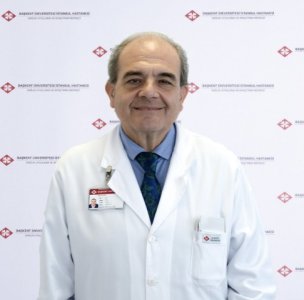
Ali Inal
يتمتع الأستاذ الدكتور علي إينال بـ 26 سنة من الخبرة المتخصصة في علم المناعة والعلاج بالخلايا الجذعية، ويقود حالياً الأبحاث في مستشفى جامعة باشكنت بإسطنبول.
- يرأس قسم المناعة والحساسية
- خبير في عواصف السيتوكين ومناعة زراعة الأعضاء
- له منشورات واسعة النطاق حول علاجات الجهاز المناعي
- يدرب الجيل القادم من أخصائيي المناعة

Sevil Bilir
تتخصص الدكتورة سيفيل بيلير في علاجات الخلايا الجذعية للأطفال في مستشفى ميديبول أجيبادم الإقليمي، وتتمتع بسنوات من الخبرة في الأبحاث الأكاديمية والسريرية.
- أكثر من _doctor_7668_عاماً_ من الخبرة في طب الأطفال وأبحاث الخلايا الجذعية
- أستاذ مشارك سابق في كلية الطب بجامعة أبانت عزت بايسال
- خلفية واسعة في الكيمياء الحيوية وصحة الأطفال
- عضو في مؤسسات طبية مرموقة
المراجعات
جميع المراجعات
مشاركة المحتوى
قصص فيديو من مرضى Bookimed
 Anna Leonova
أسئلة متكررة حول المعالجة بالدم السري في تركيا
ما هو أفضل وقت للذهاب إلى تركيا؟
الميزة الرئيسية للمنتجعات التركية هي موسم الشاطئ الطويل. على ساحل البحر الأبيض المتوسط ، يبدأ في أبريل ويستمر حتى نوفمبر. في منتجعات بحر إيجة - من مايو إلى أكتوبر. أفضل وقت للسباحة هو من منتصف يونيو حتى نهاية أكتوبر. يحدث تدفق كبير للسياح في الفترة من يوليو إلى أغسطس ، عندما تكون درجة حرارة الهواء + 38 درجة مئوية ، والماء دافئ حتى + 27 درجة مئوية.
ما هو مستوى الطب في تركيا؟
الرعاية الصحية هي قطاع التنمية الرئيسي للحكومة التركية. السلطات التركية مقتنعة بأن رعاية صحة المواطنين يجب أن تكون أولوية غير مشروطة في سياسة الدولة ، وتنفق سنويًا حوالي 77 مليار ليرة على الرعاية الصحية.
نتيجة لذلك ، توفر 28000 منشأة طبية رعاية طبية ممتازة في البلاد. تم اعتماد حوالي 50 مركزًا من قبل JCI (اللجنة الدولية المشتركة) - وهي هيئة دولية لتحسين جودة وسلامة الخدمات الطبية في جميع أنحاء العالم. فهرس الشهادات المتلقاة هو الأكبر. للمقارنة ، هناك 20 مؤسسة معتمدة من اللجنة الدولية المشتركة في إسرائيل ، و 10 عيادات فقط من هذا النوع في ألمانيا.
ماذا تريد أن تعرف عن تركيا قبل رحلتك؟
| عملة | الليرة (الدفع مقابل الخدمات ممكن أيضًا بالدولار واليورو) |
| أفضل فترة للسفر | مايو-أكتوبر |
| لغة | التركية (معظم الطاقم الطبي يجيد اللغة الإنجليزية) |
| تأشيرة | غير مطلوب للسفر لمدة 30 يومًا على الأقل لكل زيارة |
| فارق التوقيت مع أوروبا | 3 ساعات |
| فارق التوقيت من الولايات المتحدة الأمريكية | الساعة 8 |
| عاصمة | أنقرة |
| مركز السياحة العلاجية | اسطنبول |
| منتجعات رائجة | ألانيا ، أنطاليا ، كيمير ، مرماريس |
هل أحتاج إلى تأشيرة؟
لعام 2020 ، أبرمت جمهورية تركيا اتفاقيات بدون تأشيرة مع 89 دولة. يُعفى بعض الأجانب من الحصول على تأشيرة دخول ، ويتعين على البعض الآخر الحصول على تأشيرة إلكترونية (تأشيرة إلكترونية) ، ولا يزال يتعين على آخرين التقدم للحصول على تأشيرة في الممثليات التركية بالخارج.
ما هي الدول التي تحتاج إلى تأشيرة للعلاج في تركيا وأي الدول يمكنك عبورها بحرية بسهولة وببساطة هنا .
ما هي المستندات المطلوبة للتقدم للحصول على تأشيرة دخول إلى تركيا للعلاج؟
تتطلب تأشيرات السفر إلى تركيا عددًا من المستندات . يمكن تقديم الأوراق اللازمة قبل 90 يومًا من المغادرة المخطط لها. قائمة الوثائق تشمل:
- بطاقة الهوية
- تأكيد التسجيل عبر الإنترنت وملء الاستبيان
- شهادة الدخل وتوافر الأموال (50 دولارًا في اليوم للشخص الواحد)
- بوليصة تأمين للإقامة في تركيا (أصل وصورة)
- صورتان (5x6)
- الحصول على تأشيرة
- حجز الطيران والفنادق
- رأي الطبيب في الحاجة للعلاج.
ما هي الخدمات الفندقية المقدمة هنا؟
يوجد في تركيا فنادق ذات نطاقات أسعار ومستويات خدمة مختلفة . مستوى الفنادق التركية مشابه للفنادق في تونس أو المغرب أو مصر. يختار معظم السياح فنادق 4 و 5 نجوم مع وجبات شاملة كليًا. تحتوي هذه الفنادق على كل شيء لإقامة مريحة: طعام متنوع ، منطقة كبيرة جيدة الإعداد ، رسوم متحركة للأطفال والكبار. تحتوي بعض الفنادق على حديقة مائية خاصة بها ، والتي يمكن للضيوف استخدامها مجانًا. يمكن للمسافرين ذوي الميزانية المحدودة حجز فندق اقتصادي من فئة 3 نجوم مع نصف إقامة أو بدون وجبات على الإطلاق.