| تركيا | تايلاند | كوريا الجنوبية | |
| أجهزة التثبيت المؤقتة (TADs) | من $200 | من $60 | - |
يتضمن الإجراء براغي صغيرة ، وتعزيز علاج تقويم الأسنان ، وسهولة وضعه وإزالته ، والحد الأدنى من عدم الراحة ، ونتائج استثنائية.
اليوم الأول - الوصول
اليوم 2 - ما قبل العملية
اليوم 3 - وضع أجهزة التثبيت المؤقتة (TADs)
اليوم 4 - بعد العملية
الأسبوع 1 - بعد العملية
الأسبوع 2 إلى 6 - إعادة التأهيل
الأسبوع الثامن - النتيجة النهائية
يرجى ملاحظة: قد يختلف الجدول الزمني للشفاء لكل مريض حسب الظروف الفردية.
الدكتور كافوستران متخصص في تعويضات الأسنان وزراعة الأسنان في مستشفى ميموريال شيشلي، ولديه أكثر من 20 عامًا من الخبرة.
يتخصص البروفيسور ألتان فارول في جراحة الفم والوجه والفكين في مستشفى طب الأسنان بجامعة بهتشه شهير.
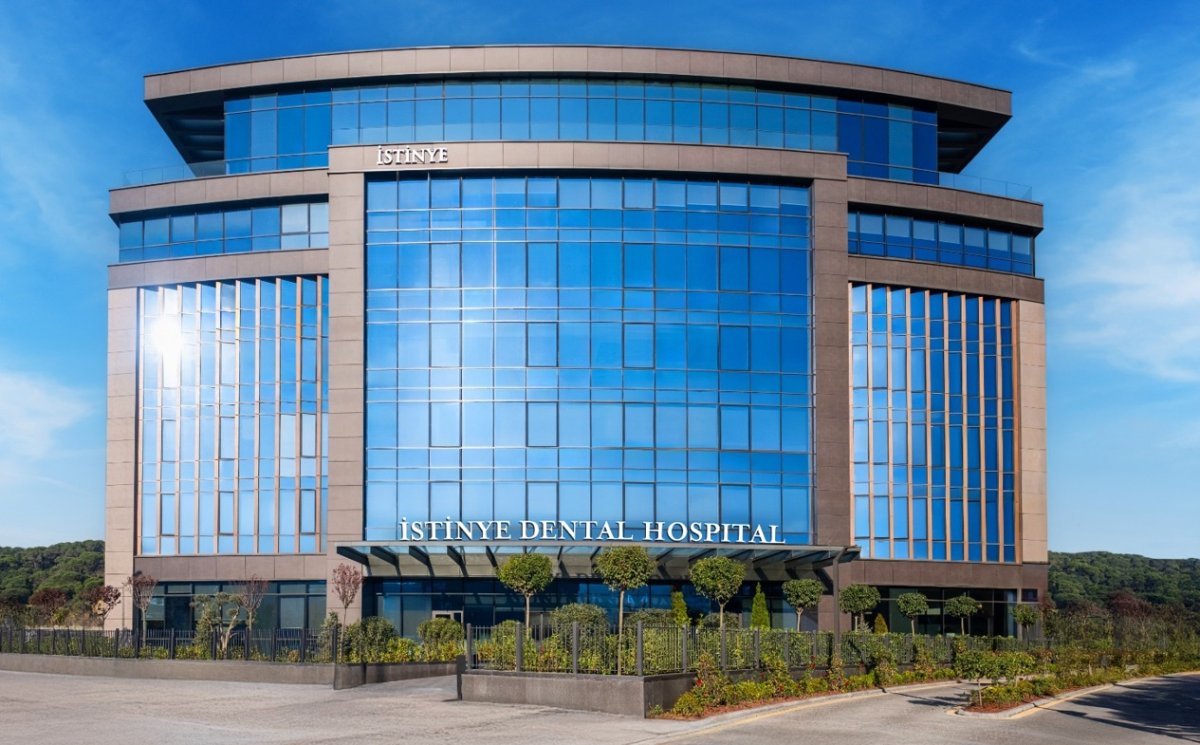
يتخصص الدكتور ديميريل في تقويم الأسنان مع تدريب متقدم في أنظمة Invisalign وDamon، ويقدم علاجات دقيقة لأجهزة الارتكاز المؤقتة (TADs) في مستشفى استينيا للأسنان.
متخصص في جراحة الفم والوجه والفكين مع تدريب مكثف في جامعة أنقرة - يقود الآن عيادة هوسبيتابرايم في إسطنبول.
Certified orthodontists and oral surgeons with advanced degrees are the primary specialists qualified to place temporary anchorage devices in Turkey. These experts complete specialized Ph.D. or residency programs. They possess the clinical training to calculate orthodontic forces and manage complex bone insertions.
Bookimed Expert Insight: Data shows that top-tier Turkish specialists often undergo advanced training at prestigious institutions like Hacettepe University or Marmara University. Patients should prioritize doctors with Ph.D. credentials and dual memberships in the American Association of Orthodontists and the Turkish Orthodontic Society. This combination typically indicates a high level of proficiency in international biomechanical standards.
Patient Consensus: Patients note it is important that the same doctor plans and places the device to keep care consistent. Many were surprised by how quickly the procedure was finished. They say checking how often a doctor performs these specific placements is more helpful than just looking at their title.
Finding an experienced orthodontist for temporary anchorage devices in Istanbul or Antalya involves selecting PhD-level specialists at clinics like Hospitaprime or Memorial Şişli. Qualified Turkish doctors hold Turkish Orthodontic Society (TOD) membership. They use 3D digital imaging to plan precise mini-screw placement into the jawbone.
Bookimed Expert Insight: Data shows that top-tier results in Turkey often come from clinics where orthodontists and oral surgeons co-work. For example, at Hospitaprime Clinic, Dr. Tugce Gurbuzturk handles the orthodontic planning while Dr. Eren Pera provides maxillofacial surgical support. This collaboration is vital for complex skeletal anchorage where bone density must be assessed before insertion.
Patient Consensus: Patients note it is important to ask for a case-specific explanation of why mini-screws are necessary. They suggest choosing a doctor who manages difficult movements regularly and focuses on hygiene and removal plans. People feel more comfortable when the clinic uses 3D scans to map the jaw before placement starts.
Ask about the orthodontist's specific training and membership in the Turkish Orthodontic Society (TOD). Verify if they use the Damon system or Invisalign for integration. Confirm if a maxillofacial surgeon like Dr. Altan Varol assists with complex anatomical placements for better stability.
Bookimed Expert Insight: Turkish orthodontists often hold dual expertise in academia and clinical practice. For instance, Dr. Betul Balli Demirel at İstinye Dental Hospital combines a Ph.D. in orthodontics with specialized Damon Master training. This academic background typically results in more precise TAD integration compared to general dental practitioners.
Patient Consensus: Patients often mention feeling surprised by how quickly the insertion process actually finishes. They note that clear communication about post-procedure cleaning tools makes the recovery much easier. Most feel relieved when the orthodontist explains the plan in fluent English.
Turkish orthodontists utilize modern minimally invasive Temporary Anchorage Device techniques to treat complex tooth alignments. Specialists apply these mini-screws with local anesthesia for precise results. Leading clinics integrate 3D digital planning and custom surgical guides. This approach minimizes discomfort and often replaces invasive jaw surgery.
Bookimed Expert Insight: Data shows a high concentration of TAD expertise in clinics holding international memberships. For example, Dr. Betul Balli Demirel at Istinye Dental Hospital combines Ph.D. research with Damon and Invisalign certifications. This dual proficiency in modern aligner systems and skeletal anchorage is a hallmark of Turkish orthodontic training.
Patient Consensus: Patients note that mini-screws feel more comfortable than traditional headgear. They mention being surprised that the placement only takes a few minutes. Many emphasize that these devices helped them avoid pulling teeth for overcrowding.
Getting Temporary Anchorage Devices (TADs) in Turkey is safe when performed by qualified orthodontists. Clinics there follow international sanitisation standards. Turkish specialists use mini-screw techniques under local anaesthesia to manage complex tooth movements. Leading centres often hold Joint Commission International (JCI) accreditation and serve thousands of international patients annually.
Bookimed Expert Insight: A major safety advantage in Turkey is the presence of university-affiliated hospitals. Facilities like Medipol University Ankara Dental Hospital treat 35,000 patients annually. They provide specialist-led care within an academic environment. This ensures access to the latest orthodontic research and emergency protocols.
Patient Consensus: Patients find Turkey reliable when specialists handle the placement rather than general dentists. They highlight the importance of obtaining clear aftercare plans. These records should be shared with their local Australian orthodontist.
Temporary Anchorage Devices (TADs) are medical-grade titanium mini-screws used as fixed anchor points to move teeth precisely. Specialists in Turkey insert these tiny implants into the jawbone under local anaesthetic. This technique corrects complex alignment issues. It often helps patients avoid invasive jaw surgery or extractions.
Bookimed Expert Insight: Turkish university hospitals like Medipol Ankara treat 35,000+ patients annually. This volume means clinicians have seen virtually every orthodontic complication. Patients often save _price_percent_discount_% compared to Australian costs. This applies even at JCI-accredited facilities like Memorial Bahçelievler. Many clinics bundle TADs into orthodontic packages to resolve complex bite issues.
Patient Consensus: Turkish specialists provide orthodontic plans explaining exactly why these screws are necessary for spacing. Patients feel reassured when surgeons and orthodontists collaborate on the placement levels.
Placement of Temporary Anchorage Devices (TADs) involves minimal discomfort rather than significant pain. Specialists use local anaesthetic or topical numbing jelly for a virtually pain-free insertion. The 10 to 20 second process typically feels like a brief sensation of pressure.
Bookimed Expert Insight: Turkish dental hospitals like Medipol University Ankara serve 35,000+ patients annually. These hospitals provide dedicated local anaesthesia rooms. This high volume means surgeons use refined, non-invasive techniques. For a comfortable experience, look for specialists like Dr Mira Kanal. She holds an MSc in Oral Surgery from the University of Sydney.
Patient Consensus: Patients at Turkish clinics describe the process as a quick poke or momentary sting. This sensation ends in seconds. The main reality is mild soreness when chewing for a day or two.
The clinical procedure for Temporary Anchorage Devices (TADs) in Turkey involves a multi-day process. This includes a consultation, 3D imaging, and minimally invasive placement. Specialists perform the 20-minute procedure under local anaesthesia. Costs typically range from $200 to $600. This offers significant savings compared to the $700 Australian average.
Bookimed Expert Insight: Many local clinics treat TADs as a standalone add-on. However, leading Turkish centres often bundle them into comprehensive orthodontic packages. Australian patients should look for clinics like Medipol University Ankara Dental Hospital. They provide free medical report translations and airport transfers to simplify the trip.
Patient Consensus: Patients in Turkey find the insertion a minor surgical step. It is often performed alongside braces fitting. Clinics frequently bundle TAD fees into the total treatment plan to avoid extra costs. Verify the appointment timing as insertion usually happens during the first orthodontic visit.
Temporary Anchorage Devices (TADs) usually stay in the jaw for 6 to 12 months. Simple tooth movements may require only a few months. Specialists in Turkish clinics remove these small titanium screws once the planned alignment is achieved.
Bookimed Expert Insight: Turkish dental clinics with university affiliations, such as Medipol University Ankara Dental Hospital, manage 35,000+ patients annually. These high-体积 centres often provide English report translations. This helps Australian patients show their local orthodontist exactly when and why TADs were placed.
Patient Consensus: Patients in Turkey report that TADs stay in place only while anchorage is active. Most found the removal window depends on how quickly their teeth responded to treatment.
Specialists in Turkey provide online consultations for Temporary Anchorage Devices (TADs). They assess orthodontic needs before travel. Registered clinics in Istanbul and Ankara review digital X-rays and scans to confirm suitability. They provide treatment plans and quotes starting from $200 to $600.
Bookimed Expert Insight: Data shows that choosing a university-affiliated centre like Medipol University Ankara Dental Hospital often secures a free second opinion. This helps clarify if TADs are the best solution before you commit to international travel.
Patient Consensus: Many find it helpful to send scans early to confirm if TADs suit their case. International patients appreciate that Turkish clinics often assess photos remotely to save time during the actual visit.
Choosing a clinic for temporary anchorage devices (TADs) in Turkey requires an orthodontist-led facility with expertise in biomechanics. Patients should prioritise clinics with Joint Commission International (JCI) accreditation. Look for surgeons with specialised postgraduate training in orthodontics or maxillofacial surgery.
Bookimed Expert Insight: Many Turkish clinics focus on cosmetic veneers. However, TADs are clinical orthodontic tools. Major hospitals like Memorial Şişli were the first in Turkey to earn JCI accreditation. These provide a higher safety tier for surgical placements than boutique cosmetic studios. Australians should choose clinics that treat international patients from the Commonwealth for smoother communication.
Patient Consensus: Patients in Turkey recommend requesting a written treatment plan. This应该 detail specific tooth movements and TAD placement locations. They suggest asking the clinic to coordinate with Australian orthodontists for long-term monitoring.
الرعاية الصحية هي قطاع التنمية الرئيسي للحكومة التركية. السلطات التركية مقتنعة بأن رعاية صحة المواطنين يجب أن تكون أولوية غير مشروطة في سياسة الدولة ، وتنفق سنويًا حوالي 77 مليار ليرة على الرعاية الصحية.
نتيجة لذلك ، توفر 28000 منشأة طبية رعاية طبية ممتازة في البلاد. تم اعتماد حوالي 50 مركزًا من قبل JCI (اللجنة الدولية المشتركة) - وهي هيئة دولية لتحسين جودة وسلامة الخدمات الطبية في جميع أنحاء العالم. فهرس الشهادات المتلقاة هو الأكبر. للمقارنة ، هناك 20 مؤسسة معتمدة من اللجنة الدولية المشتركة في إسرائيل ، و 10 عيادات فقط من هذا النوع في ألمانيا.
| عملة | الليرة (الدفع مقابل الخدمات ممكن أيضًا بالدولار واليورو) |
| أفضل فترة للسفر | مايو-أكتوبر |
| لغة | التركية (معظم الطاقم الطبي يجيد اللغة الإنجليزية) |
| تأشيرة | غير مطلوب للسفر لمدة 30 يومًا على الأقل لكل زيارة |
| فارق التوقيت مع أوروبا | 3 ساعات |
| فارق التوقيت من الولايات المتحدة الأمريكية | الساعة 8 |
| عاصمة | أنقرة |
| مركز السياحة العلاجية | اسطنبول |
| منتجعات رائجة | ألانيا ، أنطاليا ، كيمير ، مرماريس |
يوجد في تركيا فنادق ذات نطاقات أسعار ومستويات خدمة مختلفة . مستوى الفنادق التركية مشابه للفنادق في تونس أو المغرب أو مصر. يختار معظم السياح فنادق 4 و 5 نجوم مع وجبات شاملة كليًا. تحتوي هذه الفنادق على كل شيء لإقامة مريحة: طعام متنوع ، منطقة كبيرة جيدة الإعداد ، رسوم متحركة للأطفال والكبار. تحتوي بعض الفنادق على حديقة مائية خاصة بها ، والتي يمكن للضيوف استخدامها مجانًا. يمكن للمسافرين ذوي الميزانية المحدودة حجز فندق اقتصادي من فئة 3 نجوم مع نصف إقامة أو بدون وجبات على الإطلاق.
الميزة الرئيسية للمنتجعات التركية هي موسم الشاطئ الطويل. على ساحل البحر الأبيض المتوسط ، يبدأ في أبريل ويستمر حتى نوفمبر. في منتجعات بحر إيجة - من مايو إلى أكتوبر. أفضل وقت للسباحة هو من منتصف يونيو حتى نهاية أكتوبر. يحدث تدفق كبير للسياح في الفترة من يوليو إلى أغسطس ، عندما تكون درجة حرارة الهواء + 38 درجة مئوية ، والماء دافئ حتى + 27 درجة مئوية.
لعام 2020 ، أبرمت جمهورية تركيا اتفاقيات بدون تأشيرة مع 89 دولة. يُعفى بعض الأجانب من الحصول على تأشيرة دخول ، ويتعين على البعض الآخر الحصول على تأشيرة إلكترونية (تأشيرة إلكترونية) ، ولا يزال يتعين على آخرين التقدم للحصول على تأشيرة في الممثليات التركية بالخارج.
ما هي الدول التي تحتاج إلى تأشيرة للعلاج في تركيا وأي الدول يمكنك عبورها بحرية بسهولة وببساطة هنا .
تتطلب تأشيرات السفر إلى تركيا عددًا من المستندات . يمكن تقديم الأوراق اللازمة قبل 90 يومًا من المغادرة المخطط لها. قائمة الوثائق تشمل: