تتراوح تكلفة حشوات الصدر في تركيا عادة بين $2,300 و $6,500. يعتمد السعر النهائي على مادة الحشوة، وخبرة الجراح، واعتمادات العيادة. تبلغ تكلفة هذه الإجراءات في السعودية قرابة _price_compare_SA_average_ في المتوسط. يحقق المرضى توفيراً يصل إلى _price_percent_discount_% مقارنة بالسوق السعودية. تشمل الباقات القياسية الجراحة، والتخدير، والإقامة بالمستشفى، والتنقلات المحلية، وأدوية ما بعد العملية.
رأي خبراء Bookimed: يضمن اختيار عيادة ذات اعتمادات جراحة تجميل تخصصية تحقيق أفضل قيمة. يدير مستشفى كوارتز، على سبيل المثال، مدرب معتمد لتقنية VASER بخبرة 26 عاماً. قد تفرض بعض المراكز المتميزة أسعاراً أعلى، لكنها تحقق معدلات نجاح تصل إلى 96.3% في عمليات الثدي المماثلة. يُفضل اختيار المستشفيات المعتمدة من JCI مثل ميموريال شيشلي، أول مستشفى بتركيا ينال هذا المعيار الذهبي للسلامة.
| تركيا | تايلاند | كوريا الجنوبية | |
| الغرسات الصدرية | من $2,344 | من $3,800 | من $7,200 |
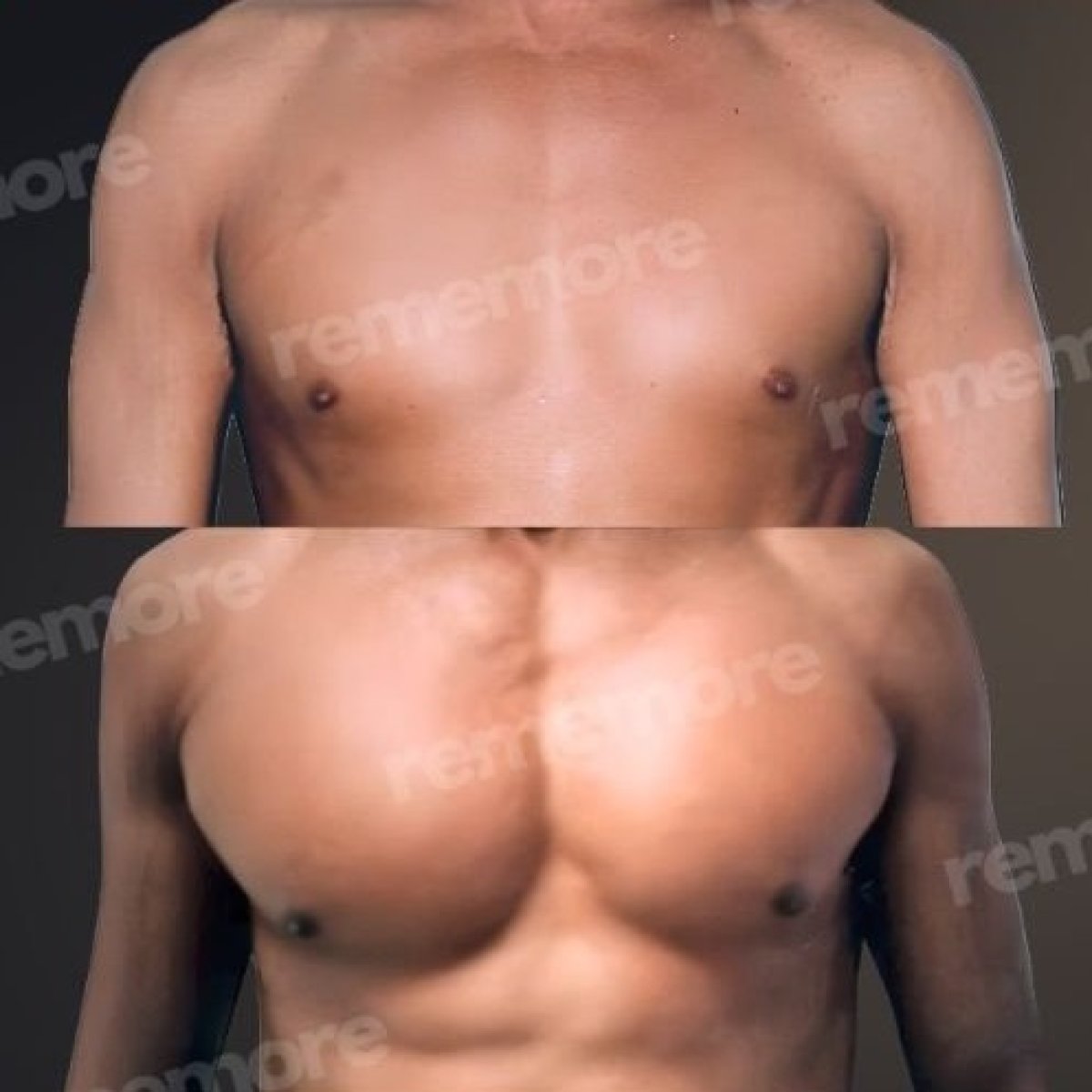
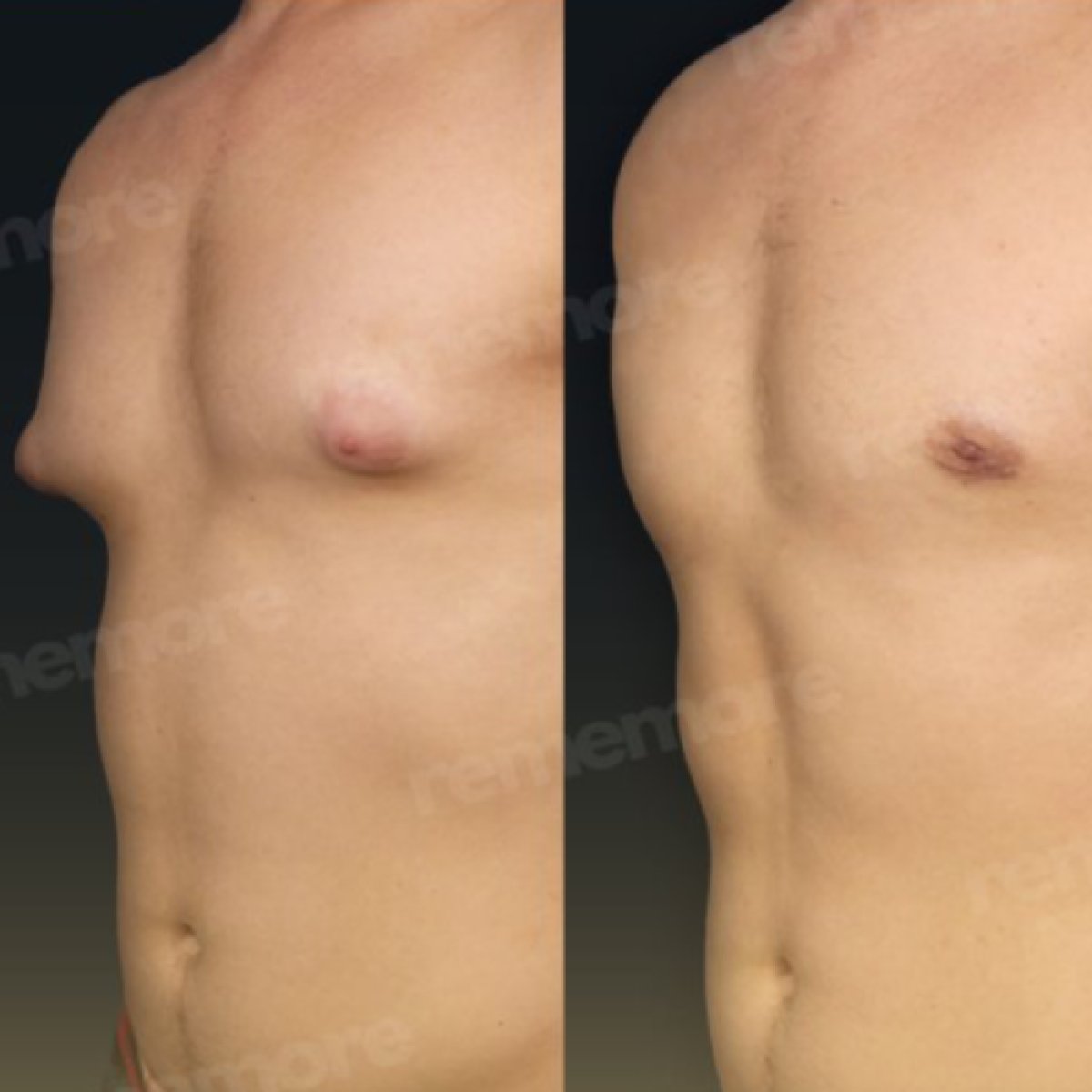
تعمل هذه العملية على تحسين حجم وشكل منطقة الصدر بمواد اصطناعية ، مما يمنح الرجال مظهرًا أكثر قوة.
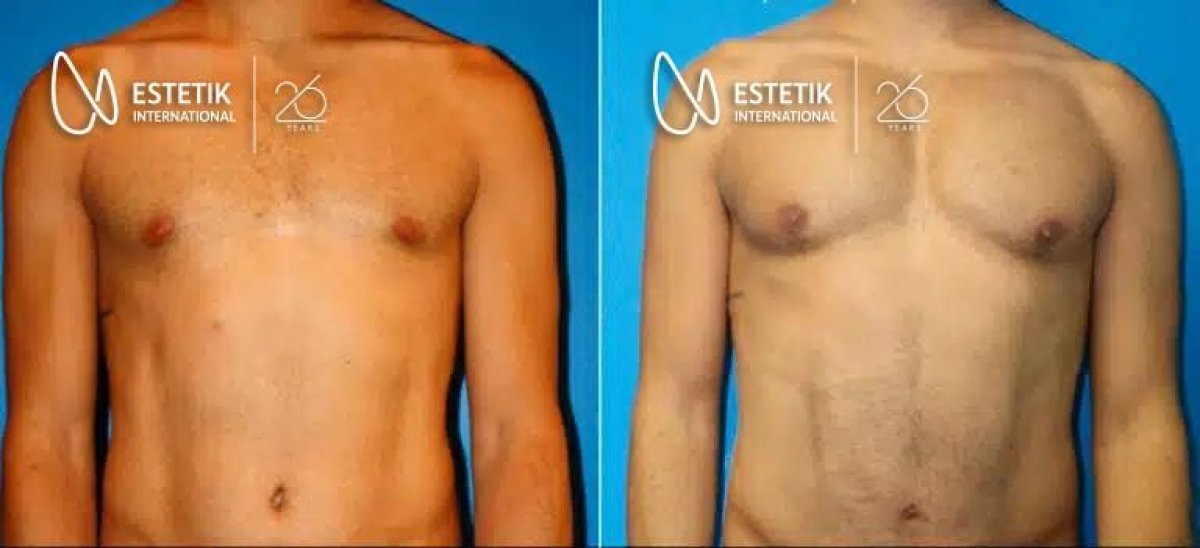
تعمل هذه العملية على تحسين حجم الصدر عند الرجال باستخدام الغرسات أو نقل الدهون للحصول على مظهر أكثر امتلاءً وذكورية.
اليوم 1
اليوم الثاني
يوم 3
اليوم الرابع
يوم 5
اليوم السادس
الأسبوع 1-2
الأسبوع 3-4
الأسبوع 5-6
الأسبوع 7-8
يرجى ملاحظة أن هذا هو جدول زمني عام وقد يختلف التعافي الفردي.
ماذا يحب المرضى:
ما لا يحبه المرضى:
الدكتورة أيسل باشازاده جرّاحة تجميل وترميم. تخرّجت في كلية طب جراح باشا بجامعة إسطنبول، وأتمّت تخصّصها في كلية الطب بجامعة أولوداغ في بورصة. تحمل شهادة EBOPRAS (المجلس الأوروبي لجراحة التجميل والترميم والجراحة التجميلية).
عملت في مستشفيات جامعية وعيادات خاصة. تحضر مؤتمرات دولية ودورات جراحية حيّة وتدريبات متقدمة، ما يبقي ممارستها مواكبة للمستجدات. تقدّم رعاية دقيقة وشخصية تركّز على سلامة المريض والوظيفة والنتائج الطبيعية.
أخصائي في الجراحة التجميلية والترميمية والجمالية في مستشفى ميموريال شيشلي (Memorial Şişli).
الدكتور إلكر مناف باشي هو عضو في جمعية تجميل الأنف المرموقة، ومعروف بخبرته في الجراحات التجميلية والترميمية.
متخصص في زراعة عضلات الصدر مع 14 عاماً من الخبرة في مستشفى إسكندرون الحكومي.
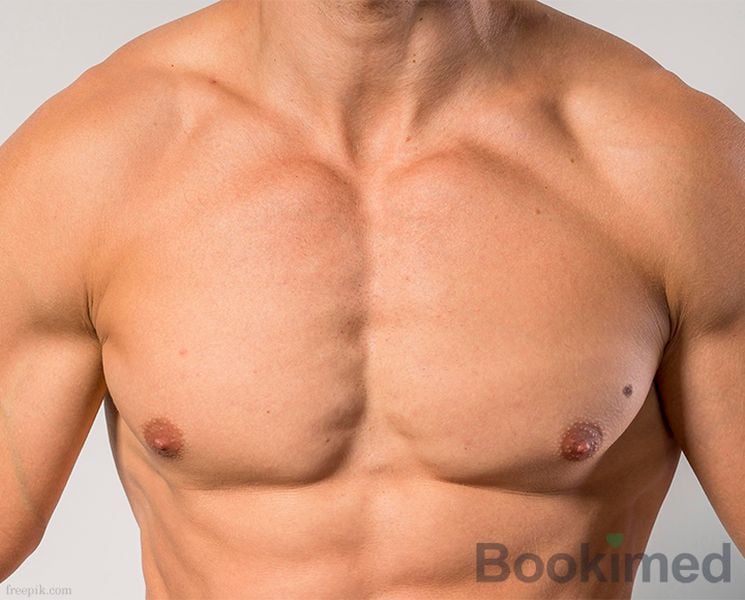
تتضمن زراعة العضلات الصدرية إدخال زراعة سيليكون صلبة في منطقة الصدر لتعزيز تعريف العضلات.
Scars from pectoral implant surgery are typically well-hidden and minimally visible once fully healed. Surgeons in Turkey commonly use endoscopic axillary incisions, placing a small 2-inch opening within the natural skin folds of the armpit to keep the chest area scar-free.
Bookimed Expert Insight: Clinics like Memorial Şişli and Quartz Hospital maintain lower complication rates by using sub-muscular placement. This technique reduces skin tension, which prevents scars from stretching or widening. Data shows that surgeons like Dr. Leyla Arvas, with 25 years of experience, prioritize this approach to ensure the most natural aesthetic outcome for international patients.
Patient Consensus: Patients report that scars become nearly imperceptible after 1 year, especially when using silicone sheets. Many emphasize that starting scar care in the first week and using high SPF protection are vital for the best results.
Pectoral implant surgery is safe with high success rates when performed by board-certified surgeons in JCI-accredited facilities. Common risks include seroma, hematoma, and infection, while long-term complications may involve capsular contracture or implant displacement. Most patients return to light activities within 1 week of the procedure.
Bookimed Expert Insight: While Turkey offers specialized care, medical data suggests prioritizing clinics like Memorial Şişli with JCI accreditation and ISO certification. High-volume centers often maintain lower complication rates due to advanced technologies like 4D ultrasound for precise placement. Surgeons with 30 years of experience, such as those at specialized Istanbul clinics, provide more predictable aesthetic integration.
Patient Consensus: Many patients find the physical results transformative but emphasize that following recovery protocols is vital. Numbness in the chest area is usually temporary, though some note it can persist for months after surgery.
Verifying a surgeon in Turkey requires confirming their Turkish Ministry of Health license and the International Health Tourism Authorization Certificate. Ensure the surgeon is a specialist in Plastic, Reconstructive and Aesthetic Surgery with Turkish Medical Association registration and ideally European Board of Plastic Reconstructive and Aesthetic Surgery certification.
Bookimed Expert Insight: While hospital-wide Joint Commission International accreditation is a prestige marker, surgeon-specific credentials like European Board of Plastic Reconstructive and Aesthetic Surgery certification are better quality indicators. Dr. Mehmet Mustafa Kiyar and Dr. Hakan Bulam both hold these dual certifications. This level of vetting often correlates with surgeons who have performed over 30,000 procedures, such as Dr. Ali Nurhan Özbaba.
Patient Consensus: Patients emphasize cross-checking the International Society of Aesthetic Plastic Surgery logo for authenticity and requesting long-term, unfiltered post-op photos. Many advise focusing on the surgeon's personal procedure count and specific experience with pectoral implants over general clinic marketing.
Pectoral implant complications include shifting, asymmetry, and capsular contracture where scar tissue tightens around the device. While generally safe when performed by International Society of Aesthetic Plastic Surgery (ISAPS) certified surgeons, risks like hematoma, seroma, or temporary nerve numbness can occur during the initial healing phase.
Bookimed Expert Insight: Data suggests that high-volume centers in Istanbul, like Memorial Şişli Hospital with its JCI accreditation, maintain lower complication rates through advanced pocket creation. Choosing a surgeon like Dr. Leyla Arvas, who has 25 years of experience, significantly reduces the risk of asymmetry compared to less experienced providers.
Patient Consensus: Many patients emphasize that while initial results look great, following strict rest protocols is vital. They warn that returning to the gym too early is the primary cause for implants sliding or becoming deformed.
Patients should plan to stay in Turkey for 10 to 14 days for pectoral implant surgery. This timeframe allows for necessary pre-operative consultations, the surgical procedure, and a critical 7 to 10-day initial recovery period to monitor for swelling or hematomas before a long-haul flight.
Bookimed Expert Insight: Data from 53,000+ Turkish medical requests shows a clear safety pattern for invasive male body contouring. While base packages start at $2,300, the most successful outcomes come from patients booking 12-day stays. This extra cushion allows surgeons like Dr. Bulam or Dr. Arvas to personally supervise the crucial first week when most minor adjustments occur.
Patient Consensus: Many patients regret planning only a 7-day trip. They emphasize that rushing home while still managing surgical drains increases stress and physical discomfort during the flight.
Recovery depends on your activity level, but most patients return to desk work within 7 to 14 days. Surgeons at JCI-accredited Istanbul clinics typically clear light walking immediately, while high-impact exercise or upper-body weight training requires a waiting period of 6 to 12 weeks.
Bookimed Expert Insight: While patients often feel `normal` by day 10, internal healing takes much longer. Data from clinics like Quartz Hospital shows that rushing upper-body training before week 8 significantly increases the risk of implant shifting. Stick to the 60-day rule for chest exercises to ensure the best long-term aesthetic result.
Patient Consensus: The first 2 weeks are often described as physically demanding due to tight compression and drains. Many regret traveling home too early and recommend taking a full 14 days off before returning to a professional environment.
Pectoral implant surgery in Turkey typically leaves minimal scarring by using discreet incision sites. Surgeons primarily place 1–2 inch incisions within the natural armpit crease or along the lower edge of the nipple. These strategic locations ensure scars remain hidden during normal movement or when wearing swimwear.
Bookimed Expert Insight: While many patients focus on scar length, the placement method is more critical for long-term aesthetics. Data shows that ISAPS-certified surgeons in Istanbul, like those at Quartz Hospital, prefer axillary incisions for larger implants. This specific approach prevents chest distortion and keeps the surgical site invisible even in tank tops or while lifting weights.
Patient Consensus: Patients emphasize that following sun avoidance protocols is vital for preventing dark pigmentation. Most report that armpit scars become nearly imperceptible once the natural skin texture returns after the first year.
Look for Turkish surgeons with European Board of Plastic Reconstructive and Aesthetic Surgery (EBOPRAS) or International Society of Aesthetic Plastic Surgery (ISAPS) certifications. Ensure they have 10-20 years of experience and operate in JCI-accredited hospitals like Memorial Şişli or Lokman Hekim to guarantee international safety standards.
Bookimed Expert Insight: Don't just look for a famous name; look for volume and tenure. Surgeons like Dr. Leyla Arvas at Quartz Hospital bring over 25 years of experience, which is a key quality signal. High-volume clinics often have more refined protocols for international patients, managing thousands of cases annually compared to smaller private practices.
Patient Consensus: Patients emphasize verifying certifications directly on official directories rather than relying on social media. They often recommend choosing hospital-affiliated surgeons to ensure better emergency protocols and comprehensive pre-operative screenings.
Pectoral implant packages in Turkey typically bundle the surgical procedure, solid silicone implants, and general anesthesia with essential travel logistics. These all-inclusive arrangements cover 1–2 nights of hospital monitoring, several nights in 4-star or 5-star hotels, and VIP ground transfers between the airport, clinic, and accommodation.
Bookimed Expert Insight: Quality varies significantly between budget and premium tiers in Istanbul. While most packages highlight 4-star hotels, some data shows patients are occasionally placed in guesthouses. I recommend requesting the specific hotel name and a written revision policy before booking. High-volume clinics like Memorial Şişli Hospital prioritize JCI-accredited safety, which is vital for invasive muscle-related surgeries.
Patient Consensus: Patients value the seamless airport-to-hotel transitions but often suggest budgeting 20–30% extra for unexpected local costs. Many emphasize confirming the specific implant brand and establishing a local follow-up doctor before traveling.
Plan for a 10 to 14 day stay in Turkey for pectoral implant surgery. This timeframe allows for 1 to 2 days of preoperative consultations, the surgical procedure, 1 to 2 nights of hospital monitoring, and essential post-operative follow-ups before flying home.
Bookimed Expert Insight: While many clinics offer packages with 7 nights of accommodation, our data shows patients staying 10+ days have fewer travel-related concerns. Surgeons like Ali Nurhan Özbaba, with 30,000 procedures, emphasize that submuscular implants require stricter monitoring than simpler cosmetic treatments.
Patient Consensus: Patients advise against booking non-refundable return flights before day 10. They recommend packing loose clothing and a travel pillow to ensure comfort during the long journey home.