عيادات دعامات السيراميك في تركيا


تمت مراجعة المقالة طبيا من قبل
فهد مولود
كيف نعمل؟
ما هي تكلفة دعامات السيراميك في تركيا؟ اكتشف الآن
تتراوح تكلفة تقويم الأسنان الخزفي في تركيا عادة بين $1,500 و $2,100. يعتمد السعر على درجة تعقيد الحالة، ونوع نظام التقويم المستخدم، وموقع العيادة. تشمل التكاليف الأساسية عادةً الاستشارة الأولية، والأشعة ثلاثية الأبعاد، والتركيب، وجلسات المتابعة.
- نوع النظام: تزيد أنظمة التقويم الخزفي ذاتية الربط المتقدمة، مثل Damon Clear، التكلفة الإجمالية بنسبة 15-25 %.
- تعقيد الحالة: تؤدي حالات اصطفاف الأسنان الصعبة إلى إطالة فترة العلاج وزيادة وتيرة الزيارات، مما يرفع التكلفة.
- اختلاف المدن: قد تزيد باقات العلاج في إسطنبول وأنطاليا بنسبة 15-20 % عنها في مراكز مثل إزمير.
- الأجهزة الإضافية: غالباً ما يتم تضمين مثبتات الأسنان ضمن الباقة، لكنها قد تزيد التكلفة في حال ضياعها أو تحديثها.
رأي خبراء Bookimed: يُعد اختيار مركز ذي كثافة تشغيلية عالية، مثل عيادة WestDent في إزمير، قراراً استراتيجياً صائباً. تُجري العيادة أكثر من 45,000 إجراء سنوياً، مع الحفاظ على معدل نجاح يصل إلى 99 %. يستخدم المتخصصون هناك، مثل الدكتور Gencer Huniler، بروتوكولات Diamond System الحديثة لتسريع حركة الأسنان. يقلل هذا غالباً من عدد الزيارات السريرية ويقدم قيمة أفضل للمرضى الدوليين.
| تركيا | تايلاند | كوريا الجنوبية | |
|---|---|---|---|
| دعامات السيراميك | من $1,500 | من $1,600 | ≈ $3,400 |
اكتشف أفضل دعامات السيراميك العيادات في تركيا: 73 خيارات معتمدة والأسعار
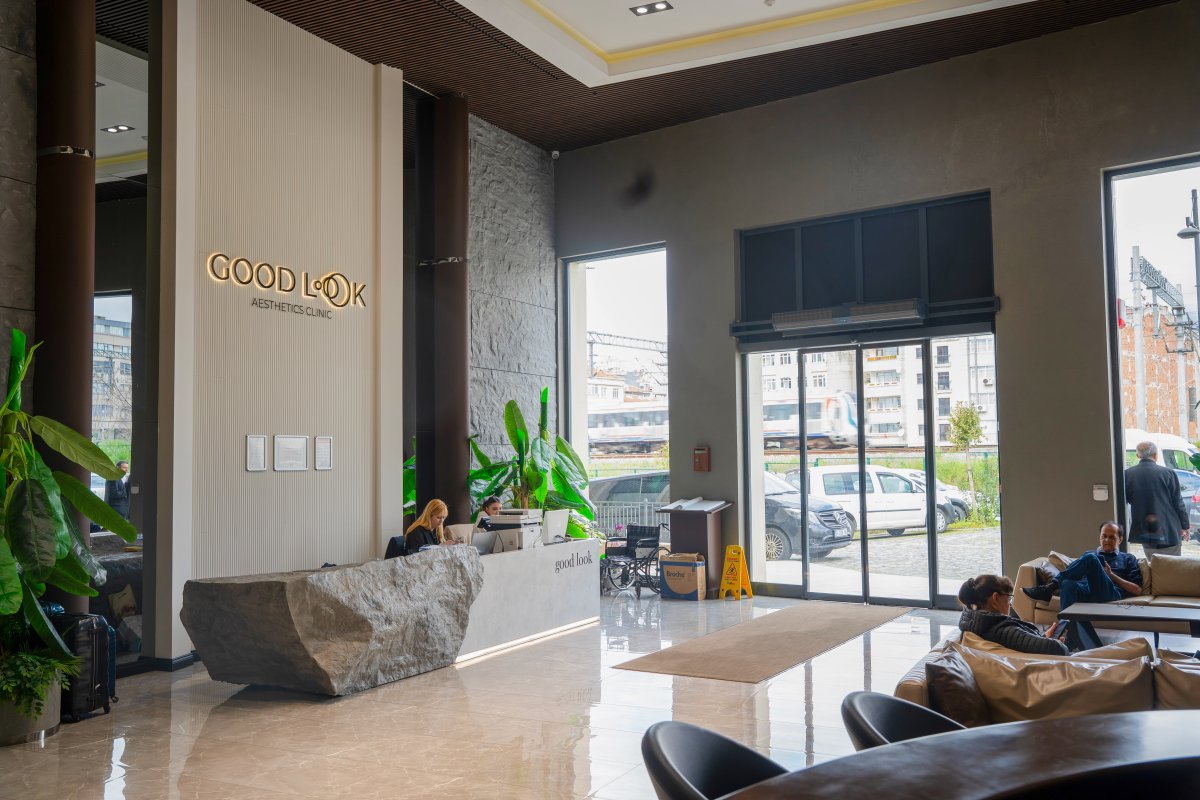









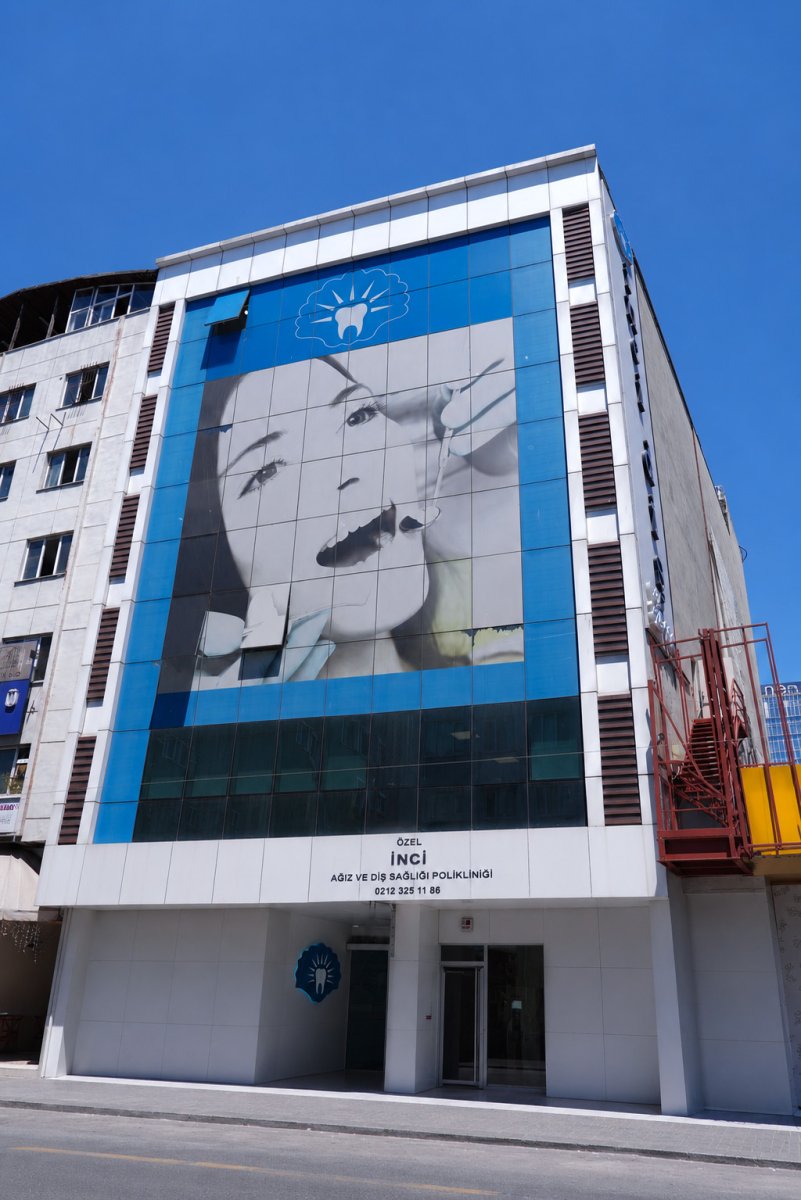

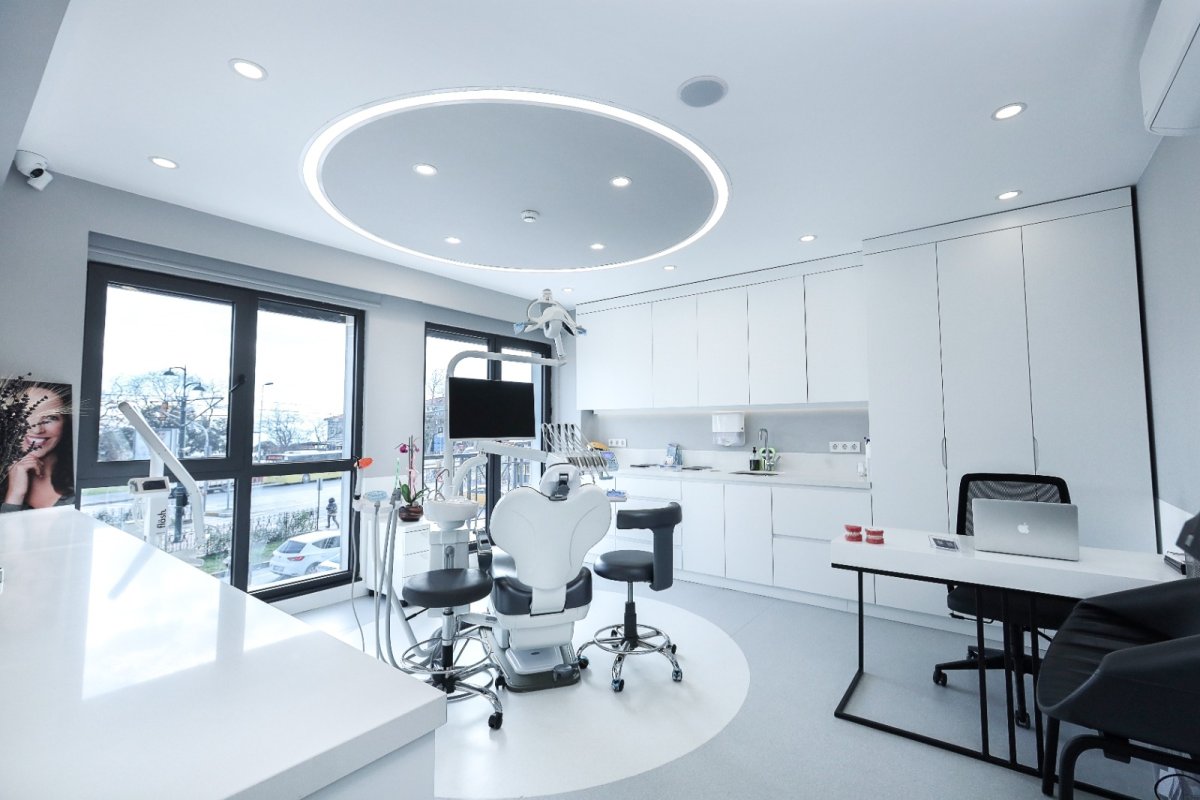
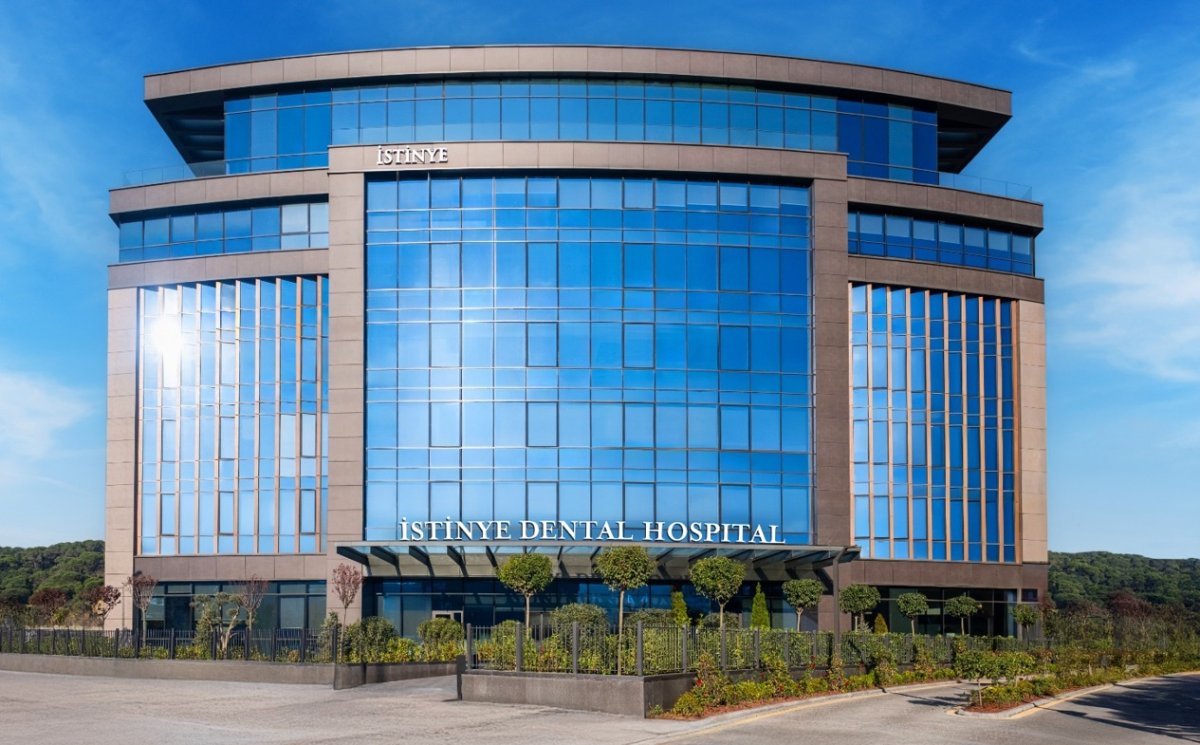
Dentavie Istanbul Dental Clinic

نظرة عامة على دعامات السيراميك في تركيا
- تقويم الأسنان (حاصرات تقويمية) - من $1,300
يساعد هذا العلاج على تقويم الأسنان ومحاذاة الفكين ، مما يتطلب تعديلات منتظمة على مدى فترة للحصول على أفضل النتائج.
- تركيب أقواس تقويم الأسنان اللغوية - من $1,400
يساعد هذا العلاج على تقويم الأسنان باستخدام الأقواس المرفقة بالخلف ، مما يوفر حل تقويم أسنان مخفي وفعال.
- دعامات السيراميك - من $1,500
يستخدم هذا العلاج الأقواس والأسلاك بلون الأسنان لتقويم الأسنان بطريقة أقل وضوحًا.
يستخدم الإجراء دعامات متطورة لمحاذاة فك واحد ، ويتميز بمعالجة سرية وفعالة وأقل قدر من الانزعاج وعلاج أسرع.
اليوم 1
- الوصول إلى المطار.
- نقل كبار الشخصيات إلى فندق 5 نجوم.
اليوم الثاني
- موعد مع أخصائي تقويم الأسنان.
- التقييم الأولي والاستشارة.
- أخذ صور الأشعة السينية وانطباعات الأسنان.
يوم 3
- تحضير الأقواس الخزفية.
- زيارة عيادة تركيب تقويم الاسنان.
- لا حاجة للتخدير ، تستغرق العملية من ساعة إلى ساعتين.
اليوم الرابع
- موعد الفحص مع أخصائي تقويم الأسنان.
- تعليمات حول العناية بالدعامة وصيانتها.
الأسبوع 1
- فترة التكيف في المنزل ، يوصى باتباع نظام غذائي ناعم.
- التنظيف المنتظم لتقويم الأسنان ضروري.
الأسبوع 2-6
- العودة إلى الأنشطة العادية.
- فحوصات منتظمة كل 4-6 أسابيع.
الشهر السادس - الإنجاز
- زيارات تقويم الأسنان المنتظمة لإجراء التعديلات.
- إزالة المشابك بعد تحقيق النتيجة المرجوة.
يرجى ملاحظة أن كل حالة فردية وقد تختلف مدة العلاج.
ماذا يحب المرضى:
- يكلف. تتراوح تكلفة الأقواس الخزفية في تركيا من 500 دولار إلى 2000 دولار. هذا أرخص بكثير من متوسط التكلفة في دول مثل الولايات المتحدة الأمريكية ، والذي يبلغ حوالي 5000 دولار.
- احتراف الأطباء . يقدر المرضى المستوى العالي من خبرة أطباء تقويم الأسنان الأتراك. يحمل العديد منهم شهادات دولية وهم أعضاء في منظمات طب الأسنان المرموقة.
- مستوى الخدمة. غالبًا ما يذكر المرضى خدمة العملاء الاستثنائية ، من الاستشارة الأولية إلى المتابعة النهائية.
- فعالية الأقواس الخزفية. أبلغ المرضى عن معدلات رضا عالية عن نتائج دعاماتهم الخزفية ، ويرجعون ذلك إلى التقنيات الحديثة المستخدمة في تركيا.
- الخدمات اللوجستية. يعد السفر إلى تركيا لإجراء إجراءات طب الأسنان أمرًا سهلاً نسبيًا ، حيث تقدم العديد من العيادات المساعدة في ترتيبات السفر والإقامة.
ما لا يحبه المرضى:
- وقت الانتظار. أعرب بعض المرضى عن عدم رضاهم عن فترات الانتظار الطويلة للمواعيد.
- حاجز اللغة. في حين أن معظم العيادات لديها موظفين يتحدثون الإنجليزية ، أبلغ بعض المرضى عن صعوبات لغوية.
- متابعة الرعاية. بسبب المسافة ، وجد بعض المرضى صعوبة في الحصول على رعاية متابعة مناسبة.
- إيداع Bookimed: 200 دولار أو 200 يورو.
- وديعة العيادة: ادفع نسبة محددة مقدمًا.
احصل على تقييم طبي لـ دعامات السيراميك في تركيا. استشر الآن 76 أطباء ذوي الخبرة.
عرض جميع الأطباء
Susana Akdash
يتخصص الدكتور أكداش في طب الأسنان التجميلي عالي الجودة، بما في ذلك تقويم الأسنان الخزفي، في عيادة WestDent.
- تخرج من جامعة إيجة مع التركيز على زراعة الأسنان والتجميل
- أكمل دورات متقدمة في تصميم الابتسامة الرقمي وتركيبات زراعة الأسنان
- خبير في الإجراءات التجميلية مثل ابتسامة هوليود وقشور اللامينيت
- مدرب على التقنيات التناظرية والرقمية للحصول على نتائج دقيقة
Taha Abbas Goktas
الدكتور طه عباس غوكتاش هو مؤسس عيادة TH للأسنان في إسطنبول. يتخصص في جراحة زراعة الأسنان وطب الأسنان التجميلي، مع دمج كلا التخصصين في خطة علاجية واحدة. يعتمد الدكتور غوكتاش في عمله على التخطيط الموجه بالترميم، حيث يتم تحديد موضع الزرعة بناءً على تصميم الابتسامة النهائي. وهو حاصل على ترخيص السياحة العلاجية الدولية من وزارة الصحة التركية.
- شارك في تأليف أبحاث حول زراعة الأسنان في المجلة الدولية لزراعة الفم والوجه والفكين (International Journal of Oral & Maxillofacial Implants).
Burak Buyukturk
يجمع الدكتور بوراك بويوكترك بين الخبرة الأكاديمية في تقويم الأسنان والرعاية التي تركز على المريض. بصفته طبيب تقويم أسنان حاصلاً على درجة الدكتوراه، يركز على تقديم نهج علاجية مخصصة.
- متخصص في تقويم الأسنان الخزفي - الذي يجمع بين الجماليات والوظيفة
- تدرب في برنامج تقويم الأسنان بجامعة سليمان ديميريل
- عضو في الجمعية الأوروبية لتقويم الأسنان والجمعية التركية لتقويم الأسنان
- أسس عيادة خاصة تقدم حلول تقويم أسنان مصممة خصيصاً

Gencer Huniler
متخصص في علاجات تقويم الأسنان، بما في ذلك تقويم الأسنان الخزفي، في عيادة WestDent. يجمع بين التقنيات المتقدمة والرعاية الشخصية للحصول على أفضل النتائج.
- تدرب في جامعة إيجة في مجال تقويم الأسنان
- أكمل دورات متخصصة في تخطيط علاج تقويم الأسنان
- ذو خبرة في استخدام التقويم الثابت والمصففات الشفافة
- يعالج عدم انتظام الفك والتصحيح التقويمي
قصص فيديو من مرضى Bookimed
المراجعات
جميع المراجعات

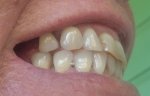
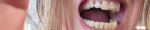
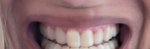
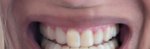
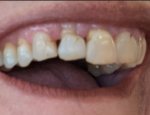
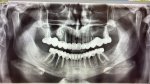


دعامات السيراميك: صور قبل/بعد
عرض جميع الصور قبل وبعد
مشاركة المحتوى
 Anna Leonova
حقائق سريعة عن دعامات السيراميك

تقويم الأسنان الخزفي
هذه هي تقويمات الأسنان التي تستخدم أقواسًا شفافة أو بلون الأسنان لتقويم الأسنان بشكل غير ملحوظ.
أسئلة متكررة حول دعامات السيراميك في تركيا
هل من الآمن الحصول على علاج تقويم الأسنان الخزفي في تركيا؟
تعتبر تقويمات الأسنان الخزفية في تركيا آمنة عند إجرائها من قبل أخصائيي تقويم الأسنان المسجلين في جمعية طب الأسنان التركية. غالبًا ما تحمل العيادات شهادات JCI أو ISO وتستخدم علامات تجارية متميزة مثل 3M أو Damon. تعتمد السلامة على رعاية المتابعة طويلة الأمد وإيجاد أخصائي محلي لإجراء التعديلات الشهرية.
- مؤهلات الأخصائي: يخضع أخصائيو تقويم الأسنان لـ 4 سنوات من الإقامة بعد إكمال درجة طب الأسنان لمدة 5 سنوات.
- المعايير السريرية: تحافظ المراكز ذات السمعة الطيبة مثل عيادة WestDent على معدلات نجاح تصل إلى 99% في جميع إجراءات طب الأسنان.
- جودة الجهاز: يستخدم كبار الممارسين أنظمة خزفية معترف بها عالميًا من أجل الموثوقية الجمالية والوظيفية.
- إشارات الاعتماد: ابحث عن ترخيص وزارة الصحة أو الشهادات الدولية مثل TEMOS و JCI.
رؤية خبير Bookimed: تشير البيانات إلى أن أحد عوامل السلامة الرئيسية هو حجم المرضى والبنية التحتية للعيادات. تخدم المراكز ذات السعة العالية مثل Dental Bosphorus أو WestDent من 6,000 إلى 45,000 مريض سنويًا، وغالبًا ما تحتفظ بفرق أكبر من 12 إلى 25 طبيبًا. يضمن هذا النطاق عادةً وصولًا أفضل إلى أخصائيي تقويم الأسنان (Ortodonti Uzmanı) بدلاً من أطباء الأسنان العامين، وهو أمر بالغ الأهمية لمحاذاة الخزف المعقدة.
إجماع المرضى: يؤكد المرضى على ضرورة تأمين أخصائي تقويم أسنان محلي لإجراء التعديلات قبل السفر. يوصي الكثيرون بتخصيص ميزانية لرحلتي عودة أو ثلاث في حال رفض الممارسون المحليون التعامل مع أجهزة الخزف في منتصف العلاج
كم تستغرق مدة علاج تقويم الأسنان الخزفي بالكامل؟
يستغرق علاج تقويم الأسنان الخزفي في تركيا عادةً ما بين 12 إلى 24 شهرًا. يحقق معظم المرضى الذين يعانون من ازدحام خفيف إلى متوسط استقامة كاملة للأسنان في غضون 14 إلى 18 شهرًا. قد تؤدي التصحيحات المعقدة التي تنطوي على مشاكل حادة في العضة أو عدم انتظام الفك إلى تمديد الجدول الزمني الإجمالي ليصل إلى 36 شهرًا.
- مرحلة الاستقامة: تستغرق حركة الأسنان الأولية عادةً من 3 إلى 6 أشهر للتموضع الأساسي.
- تصحيح العضة: يستغرق تعديل العضة الزائدة أو العضة السفلية وقتًا أطول بشكل طبيعي، حوالي 6 إلى 18 شهرًا.
- مرحلة اللمسات الأخيرة: يقوم الجراحون بإجراء تعديلات طفيفة نهائية خلال الأشهر الثلاثة إلى الستة الأخيرة.
- عمر المريض: غالبًا ما ينتهي الأطفال والمراهقون من العلاج بشكل أسرع بـ 9 إلى 15 شهرًا مقارنة بالمرضى البالغين.
رؤية خبير Bookimed: على الرغم من أن تقويم الأسنان الخزفي غير مرئي تقريبًا، إلا أنه أكثر هشاشة من المعدن. تؤكد العيادات الرائدة مثل عيادة WestDent في إزمير أو Dental Bosphorus في إسطنبول على أهمية التعديلات المنتظمة كل 4 إلى 8 أسابيع. إن تفويت موعدين فقط بسبب تأخيرات السفر يمكن أن يطيل وقت علاجك الإجمالي بمقدار 6 أشهر.
إجماع المرضى: أفاد العديد من المرضى بتحقيق ابتسامة متناسقة في ما يزيد قليلاً عن 12 شهرًا لحالات الازدحام البسيطة. يوصون بحجز جميع زيارات التعديل العشر إلى الاثنتي عشرة مسبقًا لتجنب أي تمديد غير ضروري للجدول الزمني.
هل تقويم الأسنان الخزفي فعال مثل تقويم الأسنان المعدني؟
يعتبر تقويم الأسنان الخزفي فعالاً تماماً مثل التقويم المعدني لتصحيح اصطفاف الأسنان ومشاكل العضة. يستخدم كلا النظامين مبادئ تقويم أسنان متطابقة لتحريك الأسنان. يوفر الخزف مظهراً سرياً بلون الأسنان، ولكنه قد يطيل فترة العلاج بمقدار شهر إلى شهرين بسبب زيادة الاحتكاك في الحاصرات (البراكتس).
- قدرة التصحيح: يعالج كلا النظامين بفعالية الازدحام، والمسافات، وسوء الإطباق المعقد.
- مدة العلاج: التقويم المعدني أسرع قليلاً لأن الاحتكاك الأقل يسمح بحركة أسرع للأسنان.
- متانة المادة: حاصرات الخزف أكثر هشاشة وقد تتعرض للكسر تحت ضغط عالٍ.
- الميزة الجمالية: تمتزج حاصرات الخزف الشفافة مع مينا الأسنان للحصول على مظهر غير مرئي تقريباً.
رؤية خبراء Bookimed: غالباً ما تقترح العيادات التركية نهجاً هجيناً لتحقيق أقصى قدر من الكفاءة. يحصل المرضى على حاصرات خزفية على الأسنان العلوية للجماليات ومعدنية على الأسنان السفلية للمتانة. يحافظ هذا المزيج في عيادات مثل WestDent Clinic على معدل نجاح يصل إلى 99% مع تقليل التكاليف الإجمالية.
إجماع المرضى: يشير المرضى إلى أنه على الرغم من أن الخزف يبدو أفضل، إلا أنه يتطلب تنظيفاً أكثر صرامة لتجنب التصبغات. ينصح معظمهم باتباع بروتوكولات النظافة لضمان بقاء الحاصرات الشفافة شفافة طوال فترة العلاج.
ما هي العيوب الرئيسية لتقويم الأسنان الخزفي (السيراميك)؟
تعتبر تقويمات الأسنان الخزفية أكثر هشاشة وعرضة للتشقق مقارنة بالبدائل المعدنية، مما يضاعف غالبًا من خطر كسر الأقواس. على الرغم من أنها جذابة جماليًا، إلا أنها أكثر ضخامة، ويمكن أن تلطخ الأربطة الشفافة، وعادة ما تطيل فترة العلاج من 6 إلى 12 شهرًا بسبب زيادة الاحتكاك والحاجة إلى الإصلاح.
- هشاشة المادة: الأقواس الخزفية الهشة أكثر عرضة للتشقق بمرتين مقارنة بالفولاذ المقاوم للصدأ.
- مدة العلاج: زيادة الاحتكاك بين السيراميك والأسلاك المعدنية غالبًا ما تبطئ حركة الأسنان بشكل كبير.
- خطر التصبغ: تتغير ألوان الأربطة المرنة الشفافة بسهولة بسبب القهوة أو الشاي أو النبيذ أو التوابل الداكنة.
- تكاليف أعلى: تتراوح تكاليف الإجراءات في تركيا لهذه المواد بين $1,500 و $2,100.
رؤية خبير Bookimed: تظهر البيانات من المراكز ذات الإقبال الكبير مثل عيادة WestDent أن أخصائيي تقويم الأسنان، مثل الدكتور جينسر هونيلر، غالبًا ما يوصون بالأقواس الخزفية للأسنان العلوية فقط. إن الجمع بين السيراميك في الأعلى والمعدن المتين في الأسفل يمنع السيراميك الكاشط من تآكل مينا الأسنان الطبيعية أثناء العض. يحافظ هذا النهج الهجين على الجماليات مع تقليل احتياطي الإصلاح بنسبة 30% الذي عادة ما يكون مطلوبًا للمجموعات الخزفية الكاملة.
إجماع المرضى: يجد العديد من المرضى أن الأقواس الأكثر ضخامة تسبب في البداية تهيجًا للثة أكثر مما كان متوقعًا. كما يشيرون إلى أنه على الرغم من بقاء الأقواس بيضاء، إلا أن الأربطة الشفافة تتطلب تغييرات كل أسبوعين لتجنب
هل تصاب تقويمات الأسنان الخزفية (السيراميك) بالتصبغ بسهولة؟
تُصنع حاصرات (براكيت) السيراميك الحديثة من مواد عالية الجودة وغير مسامية تقاوم التصبغ بشكل طبيعي. وبينما تظل الحاصرات نفسها بيضاء، يمكن أن يتغير لون الأربطة المطاطية الشفافة أو الأربطة المستخدمة لتثبيت الأسلاك بسبب المشروبات الداكنة أو الأطعمة ذات الصبغات العالية أو التدخين.
- مادة الحاصرات: السيراميك الطبي يقاوم امتصاص صبغات الطعام والنيكوتين.
- الأربطة المطاطية: الأربطة الشفافة المسامية غالبًا ما تتحول إلى اللون الأصفر بسبب القهوة أو الكركم.
- دورة التعديل: يتم استبدال الأربطة المطاطية المتصبغة عادةً كل 4 إلى 8 أسابيع.
- نصائح للوقاية: استخدام الماصات (الشاليموه) والمضمضة بعد الوجبات يساعد في الحفاظ على مظهر مشرق.
رؤية خبير Bookimed: بينما يقلق المرضى بشأن التصبغات، فإن الميزة الحقيقية في تركيا هي اختيار التكنولوجيا. تقدم عيادات مثل WestDent أو Dental Bosphorus أنظمة سيراميك ذاتية الربط تلغي الحاجة إلى الأربطة المطاطية تمامًا. من خلال إزالة الأربطة المسامية، تتجنب السبب الرئيسي للاصفرار مع الحفاظ على معدل نجاح 99% في تقويم الأسنان.
إجماع المرضى: يفيد المرضى أنه بينما تظل الحاصرات شفافة، فإن الأربطة البيضاء أو الشفافة تتصبغ في غضون أسابيع بسبب الشاي وصلصة الصويا. يقترح الكثيرون اختيار أربطة فضية أو لؤلؤية للحفاظ على مظهر التقويم نظيفًا بين زيارات تقويم الأسنان.
هل تقويم الأسنان الخزفي أكثر راحة من التقويم المعدني؟
يستخدم تقويم الأسنان الخزفي مادة الألومينا متعددة البلورات الأكثر نعومة واستدارة، مما يقلل من تهيج الأنسجة الرخوة مقارنة بالفولاذ المقاوم للصدأ. على الرغم من أنها توفر جمالية فائقة، إلا أنها أكثر ضخامة قليلاً. يعاني المرضى من ألم مشابه ناتج عن الضغط أثناء التعديلات كما هو الحال مع التقويم المعدني التقليدي، على الرغم من أن الأنواع الخزفية تسبب تآكلاً أقل في الخدين.
- ملمس المادة: تقلل أسطح السيراميك المصقولة من الاحتكاك وتقلل من تقرحات الفم المؤلمة أثناء العلاج.
- الملف الهيكلي: تكون الحاصرات (البراكتس) أكبر قليلاً من المعدن لمنع الكسور الناتجة عن قوى العض.
- حساسية التعديل: يظل الانزعاج الناتج عن حركة الأسنان متطابقاً لكلا النوعين بعد شد السلك الشهري.
- عامل المتانة: السيراميك أكثر هشاشة وقد يسبب حوافاً حادة إذا انكسرت إحدى الحاصرات.
رؤية خبير Bookimed: بينما يختار المرضى السيراميك من أجل الجماليات، تظهر بياناتنا أن عيادات مثل عيادة WestDent في إزمير تعالج أكثر من 45,000 مريض سنوياً وغالباً ما توصي بالمعدن للحالات المعقدة. يؤكد أطباء تقويم الأسنان مثل الدكتور جينسر هونيلر أنه على الرغم من أن السيراميك يبدو أكثر نعومة، إلا أن الحاصرات المعدنية أصغر بنسبة 30%. غالباً ما يؤدي هذا الحجم الأصغر إلى وضوح أفضل في الكلام وتقليل تداخل اللسان خلال الشهر الأول من التكيف.
إجماع المرضى: يلاحظ المرضى أنه على الرغم من أن السيراميك يبدو أفضل في الصور، إلا أن الحاصرات تبدو أكثر سمكاً بشكل ملحوظ على الشفاه. يقترح الكثيرون الاحتفاظ بشمع ال