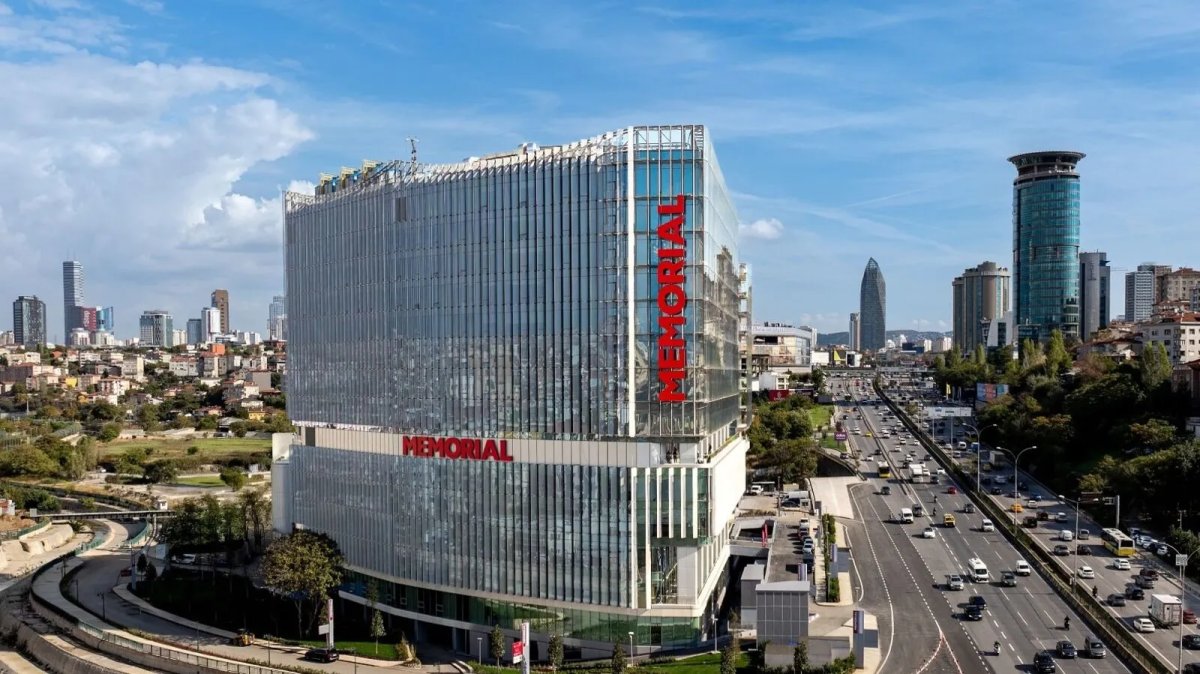
Memorial Göztepe Hospital
تركيا, إسطنبول


تمت مراجعة المقالة طبيا من قبل
فهد مولود
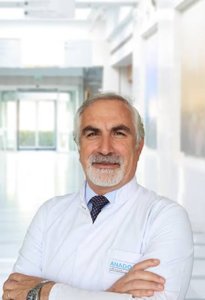
الدكتور زولفيكار بولات اختصاصي أمراض الجهاز الهضمي والطب الباطني. تدرّب في الأكاديمية الطبية العسكرية غولهانه في أنقرة، حيث أتمّ تخصّصه وترقّى إلى أستاذ مشارك. وهو أستاذ في جامعة إسطنبول آيدن. تشمل خبرته بعد التخرّج الأكاديمية الطبية العسكرية غولهانه وجامعة إسطنبول آيدن. كما عمل في مركز الأناضول الطبي التابع لطب جونز هوبكنز (الولايات المتحدة).
يركّز عمله السريري على أمراض الجهاز الهضمي، وأمراض الكبد والبنكرياس، وأمراض الأمعاء الالتهابية، وإجراءات التنظير التشخيصية والتداخلية. تشمل عضوي
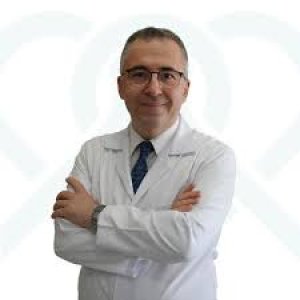
الأستاذ الدكتور موسى أيدنلي اختصاصي الطب الباطني وأمراض الجهاز الهضمي. حصل على شهادة الطب (MD) من جامعة Hacettepe عام 1997. أنهى تدريب اختصاص الطب الباطني عام 2003، وأمراض الجهاز الهضمي عام 2007 في المؤسسة نفسها. عمل في مستشفى قيصري التعليمي والبحثي بين عامي 2007 و2009، ثم في قسم أمراض الجهاز الهضمي بجامعة غازي عنتاب بين 2009 و2014. نال لقب أستاذ مشارك عام 2012، وأستاذ عام 2020. انضم إلى مستشفى غولهانه التعليمي والبحثي عام 2022، ويعمل حالياً في مستشفى كورو أنقرة الخاص.
مجالاته السريرية
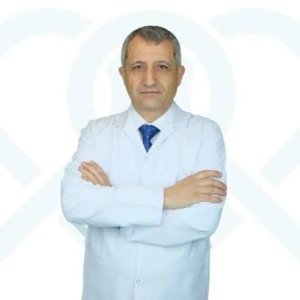
الأستاذ الدكتور إبراهيم دوغان اختصاصي أمراض الجهاز الهضمي. حصل على شهادة الطب (MD) من كلية الطب بجامعة أنقرة عام 1991. أصبح اختصاصيًا في الطب الباطني بجامعة غازي عام 1996، وأكمل تدريب التخصص الدقيق في أمراض الجهاز الهضمي بجامعة إنونو عام 2001.
كانت مسيرته الأكاديمية في جامعة غازي؛ شغل مناصب محاضر (2002)، وأستاذ مساعد (2003)، وأستاذ مشارك (2007)، وأستاذ (2012). عمل باحثًا في جامعة كاليفورنيا في سان دييغو بين عامي 2004 و2006. وهو يعمل في مستشفى كورو منذ يناير 2023.
تشمل مجالات ترك
 Anna Leonova
يتبع البروتوكول الطبي القياسي في تركيا لالتهاب الكبد المناعي الذاتي من النوع 1 إرشادات EASL الدولية. يتضمن العلاج كبت المناعة الأولي باستخدام الكورتيكوستيرويدات مثل بريدنيزولون لتقليل التهاب الكبد. ثم يضيف الأطباء أدوية الصيانة مثل آزاثيوبرين للحفاظ على الشفاء البيوكيميائي ومنع تليف الكبد على المدى الطويل.
رؤية خبير Bookimed: أطباء الجهاز الهضمي الأتراك مثل الدكتور ذو الفقار بولات في مركز الأناضول الطبي هم أعضاء في EASL و AASLD. وهذا يضمن حصول المرضى على بروتوكولات مطابقة لتلك الموجودة في أفضل المستشفيات الأمريكية والأوروبية. تظهر بياناتنا أن اختيار العيادات التابعة لمؤسسات عالمية غالباً ما يوفر وصولاً أفضل إلى تصوير الكبد التشخيصي الأحدث.
إجماع المرضى: يسلط المرضى الضوء على أن إدارة الآثار الجانبية للستيرويد مثل الأرق أمر بالغ الأهمية خلال فترة العلاج المبكرة. كما يؤكدون على أن الالتزام بعلاج الصيانة أمر حيوي لتجنب الانتكاسات الكبدية المفاجئة.
تقوم مراكز الكبد التركية بإجراء خزعات الكبد بأمان باستخدام تقنيات موجهة بالموجات فوق الصوتية. غالباً ما تكون الخزعة ضرورية لالتهاب الكبد المناعي الذاتي من النوع الأول لتأكيد التشخيص وتقييم التليف. يستخدم المتخصصون مثل الدكتور ذو الفقار بولات في مركز الأناضول الطبي هذه العينات لتوجيه علاج كبت المناعة بدقة.
رؤية خبير Bookimed: في حين يركز العديد من المرضى على الإجراء نفسه، تكمن القيمة الحقيقية في تركيا في الانتماءات المؤسسية. على سبيل المثال، يعمل مركز الأناضول الطبي بالتعاون مع جونز هوبكنز للطب. يضمن هذا أن يتم تفسير نتائج الخزعة من قبل فرق علم الأمراض المدربة على معايير التشخيص العالمية، وهو أمر حيوي لتحديد مراحل المناعة الذاتية.
إجماع المرضى: يشير المرضى إلى أن الإجراء أسرع بكثير وأقل إيلاماً مما كان متوقعاً، حيث غالباً ما يشعرون بضغط بسيط فقط. ويؤكدون على اختيار مستشفى كبير بدلاً من عيادة صغيرة لضمان الوصول إلى الرعاية الطارئة إذا لزم الأمر.
تُظهر فرق الكبد التركية خبرة عالية، حيث تحقق معدل بقاء على قيد الحياة بنسبة 99% لإدارة التهاب الكبد المناعي الذاتي في المجموعات المتخصصة. تدير المراكز أكثر من 40 منشأة معتمدة من قبل JCI. تستخدم فرق الخبراء مثل تلك الموجودة في مركز الأناضول الطبي بروتوكولات دولية من الجمعية الأمريكية لدراسة أمراض الكبد.
رؤية خبير Bookimed: تشير بيانات المرضى إلى أن النتائج الأكثر نجاحاً لحالات المناعة الذاتية النادرة تحدث في المراكز الأكاديمية المعتمدة من JCI في إسطنبول. على سبيل المثال، يعمل مركز الأناضول الطبي بالتعاون مع جونز هوبكنز للطب. توفر هذه المراكز ذات الحجم الكبير وصولاً مباشراً إلى خبرات على مستوى زراعة الأعضاء لا يمكن للعيادات الإقليمية الأصغر مطابقتها.
إجماع المرضى: يشير المرضى إلى أن الفرق ذات الخبرة ضرورية لإدارة التخفيض التدريجي الصعب للستيرويدات ومراقبة تحمل الآزاثيوبرين. ويؤكدون أن الحصول على الرعاية في المستشفيات الكبيرة يضمن تنسيقاً أفضل للقضايا المعقدة مثل متلازمة التداخل.
تعتبر عمليات زراعة الكبد ضرورية لـ 10% إلى 20% من مرضى التهاب الكبد المناعي الذاتي من النوع الأول. يحدث هذا إذا فشلت الأدوية المثبطة للمناعة أو إذا تطور تليف الكبد. توفر المراكز الطبية التركية عمليات زراعة كبد متقدمة للمرضى الدوليين. الأستاذ الدكتور ذو الفقار بولات في مركز الأناضول الطبي متخصص في حالات أمراض الكبد المعقدة.
رؤية خبير Bookimed: غالباً ما ترتبط مراكز أمراض الكبد التركية بمؤسسات أمريكية كبرى مثل جونز هوبكنز. يجمع الأستاذ الدكتور ذو الفقار بولات، على سبيل المثال، بين هذا التدريب الدولي و45 بحثاً منشوراً. يضمن هذا التركيز الأكاديمي حصول المرضى على بروتوكولات تعكس المعايير الأمريكية والأوروبية. اختيار مركز لديه فريق متخصص في أمراض الكبد والزراعة أمر حيوي للبقاء على قيد الحياة على المدى الطويل.
إجماع المرضى: يؤكد المرضى أن الزراعة هي الملاذ الأخير بعد فشل الأدوية. يشعر الكثيرون بالقلق من تطور المرض على الرغم من إظهار الفحوصات المختبرية تحسناً مؤقتاً أثناء العلاج.
تحدد معظم مراكز الكبد التركية الهجوع لالتهاب الكبد المناعي الذاتي من النوع الأول من خلال المؤشرات البيوكيميائية. تصل إلى مرحلة الهجوع عندما تعود مستويات AST و ALT و IgG إلى طبيعتها. يجب على معظم المرضى مواصلة العلاج الوقائي لمدة عامين على الأقل. لا يفكر الأطباء في تقليل الأدوية إلا بعد تحقيق استقرار بيوكيميائي مستدام.
رؤية خبير Bookimed: بينما يركز العديد من المرضى على التوقف عن تناول الدواء بسرعة، تشير بياناتنا إلى أن النهج المحافظ أكثر أماناً. يؤكد الأخصائيون في مراكز مثل مركز الأناضول الطبي، المرتبط بكلية جونز هوبكنز للطب، أن التقليل المبكر للجرعة يؤدي غالباً إلى الانتكاس. يوصون بالحفاظ على جرعة ثابتة حتى بعد أن تبدو نتائج المختبر مثالية. وهذا يضمن كبت الجهاز المناعي تماماً قبل إجراء أي تغييرات. تأكد دائماً مما إذا كان طبيبك يستهدف الهجوع البيوكيميائي أو الهجوع المؤكد نسيجياً قبل تقليل الجرعة.
إجماع المرضى: يحذر المرضى من أن الشعور بالتحسن لا يعني أنه يمكنك التوقف عن تناول الأدوية. يجب أن تظل الفحوصات طبيعية لسنوات لتجنب الانتكيمكن للمرضى متابعة المراقبة من بلدهم الأصلي بعد استقرار حالتهم في تركيا. يتطلب الانتقال الناجح للرعاية فحوصات وظائف الكبد المحلية ومشاركة البيانات الإلكترونية. يجب أن تحصل على ملخص شامل للعلاج. يجب أن يتضمن هذا الملف نتائج الخزعة، وخطط تقليل الأدوية تدريجياً، وفترات المراقبة المستهدفة.
رؤية خبير Bookimed: غالباً ما يحافظ أساتذة أمراض الجهاز الهضمي الأتراك مثل الدكتور ذو الفقار بولات على روابط أكاديمية مع هيئات دولية مثل EASL و AASLD. يضمن هذا التوافق أن البروتوكولات المستخدمة في إسطنبول تطابق المعايير العالمية، مما يبسط عملية التسليم لطبيبك المحلي. اطلب دائماً ملخص خروج باللغة الإنجليزية يذكر تحديداً الترميز الدولي الموحد.
إجماع المرضى: يؤكد المرضى على أهمية الحصول على ما يكفي من الأدوية للشهر الأول في المنزل. ويشيرون إلى أن الأطباء المحليين يشعرون براحة أكبر عندما تقدم قائمة واضحة بأعراض الخطر.