علاج النوع 1 من التهاب الكبد المناعي الذاتي في إسبانيا: 1 مستشفى


تمت مراجعة المقالة طبيا من قبل
فهد مولود
ما هي تكلفة النوع 1 من التهاب الكبد المناعي الذاتي إجراءات التشخيص والعلاج في إسبانيا؟ اعرف الآن
مزاياك وضماناتك مع Bookimed
أسعار مباشرة
Bookimed لا يضيف رسوماً إضافية على أسعار علاج النوع 1 من التهاب الكبد المناعي الذاتي. الأسعار مأخوذة من قوائم الأسعار الرسمية للعيادات. تدفع مباشرة في العيادة مقابل علاجك عند وصولك إلى البلد.
عيادات وأطباء معتمدون فقط
Bookimed ملتزم بسلامتك. نحن نعمل فقط مع المؤسسات الطبية التي تحافظ على معايير دولية عالية في علاج النوع 1 من التهاب الكبد المناعي الذاتي ولديها التراخيص اللازمة لخدمة المرضى الدوليين في جميع أنحاء العالم.
مساعدة مجانية على مدار الساعة
Bookimed يقدم مساعدة خبراء مجانية. منسق طبي شخصي يدعمك قبل وأثناء وبعد العلاج، ويحل أي مشاكل. لن تكون وحيداً أبداً في رحلة علاج النوع 1 من التهاب الكبد المناعي الذاتي.

منسقك الطبي الشخصي في Bookimed
- يدعمك في كل مرحلة
- المساعدة في اختيار العيادة الطبية المناسبة والطبيب المناسب
- يضمن الوصول السريع والمريح إلى المعلومات
اكتشف أفضل النوع 1 من التهاب الكبد المناعي الذاتي العيادات في إسبانيا: 1 خيار معتمدة والأسعار
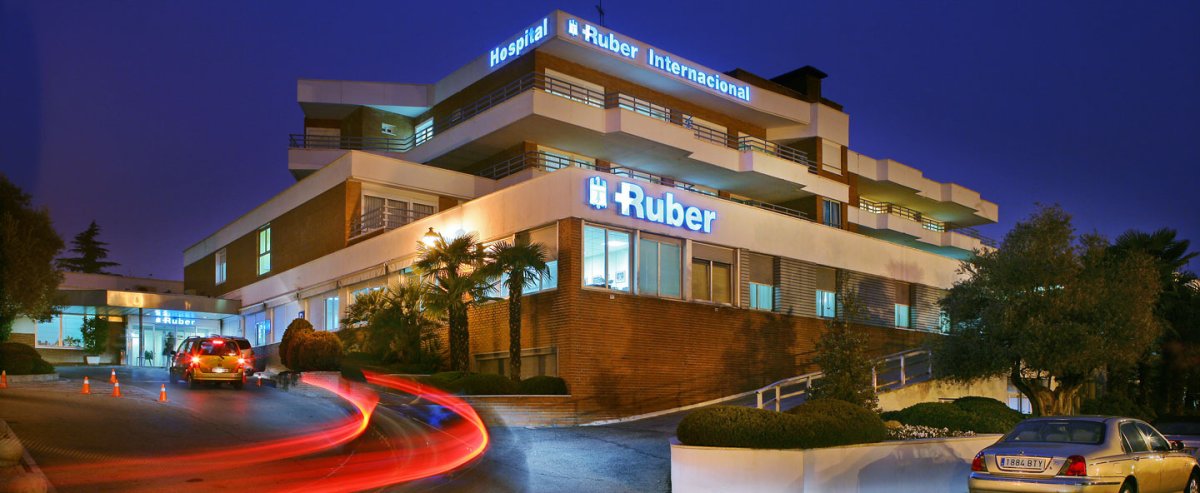


احصلوا على تقييم طبي لـ النوع 1 من التهاب الكبد المناعي الذاتي في إسبانيا: استشيروا أطباء ذوي خبرة الآن
عرض جميع الأطباء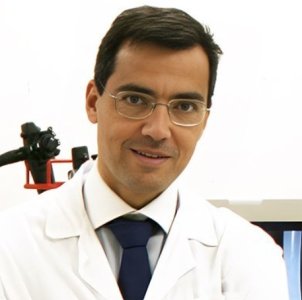
José Miguel Esteban Lopez-jamar
الدكتور خوسيه ميغيل إستيبان لوبيث-خامار طبيب أمراض الجهاز الهضمي. يتولى رئاسة وحدتي التنظير الهضمي وأمراض الجهاز الهضمي في مستشفى روبر إنترناسيونال منذ عام 2007. يمتلك خبرة تزيد على 20 عامًا، ويعد من الرواد الإسبان في التصوير بالموجات فوق الصوتية بالتنظير الداخلي (EUS). يشمل عمله التنظير التشخيصي والتداخلي، ويستخدم تقنيات مبتكرة طفيفة التوغل لعلاج أمراض الجهاز الهضمي المعقدة.
شغل منصب رئيس قسم التنظير (2008–2012) ورئيس الابتكار في مجال التنظير (2012–2014) في مستشفى كلينيكو سان كارلوس.
مشاركة المحتوى
قصص فيديو من مرضى Bookimed
 Anna Leonova
أسئلة متكررة حول علاج النوع 1 من التهاب الكبد المناعي الذاتي في إسبانيا
هل أحتاج إلى رؤية أخصائي في إسبانيا، وكيف يمكنني الوصول إليه؟
تعد الرعاية المتخصصة من قبل أخصائي الكبد أو الجهاز الهضمي ضرورية لعلاج التهاب الكبد المناعي الذاتي من النوع الأول في إسبانيا. يتطلب الوصول إحالة من طبيب الرعاية الأولية في النظام العام. بدلاً من ذلك، يمكن للمرضى الحجز مباشرة مع أخصائيين خاصين في مرافق معتمدة من JCI لتجنب فترات الانتظار التي تتراوح بين 60 و100 يوم.
- عملية الإحالة: يتطلب الوصول إلى النظام العام مذكرة إحالة تسمى "volante" من طبيب عام.
- اختيار الأخصائي: يجب على المرضى إعطاء الأولوية لأخصائيي الكبد لتقليل الستيرويد المعقد ومراقبة الآزاثيوبرين.
- الوصول الخاص: الحجز المباشر متاح في مراكز خاصة مثل مستشفى روبر الدولي (Hospital Ruber Internacional) في مدريد.
- الطلبات العاجلة: اطلب من طبيبك العام وضع علامة "عاجل" على الإحالات إذا كانت إنزيمات الكبد مرتفعة.
رؤية خبير Bookimed: توفر المستشفيات الخاصة في إسبانيا مثل مستشفى روبر الدولي وصولاً فورياً إلى أخصائيين كبار مثل الدكتور خوسيه ميغيل إستيبان لوبيز-جامار. تخدم هذه المنشأة 25,000 مريض سنوياً وتحمل اعتماد JCI. اختيار الرعاية الخاصة يتجاوز فترة الانتظار العامة المعتادة التي تتراوح من شهرين إلى 6 أشهر للاستشارات المتعلقة بالكبد.
إجماع المرضى: يشير المرضى إلى أنه من المهم إحضار سجلات منظمة لمستويات ALT/AST وتقارير الخزعة. ويقترحون الإصرار على مراجعة الأخصائي إذا عادت أعراض الكبد للظهور على الرغم من العلاج الأولي للرعاية الأولية.
ما هي المستشفيات الإسبانية المعترف بها للغاية لعلاج أمراض الكبد المناعية الذاتية؟
تستضيف إسبانيا العديد من المراكز المعترف بها دوليًا لعلاج أمراض الكبد المناعية الذاتية. تشمل المستشفيات الرائدة مستشفى كلينيك دي برشلونة ومستشفى فال ديهيبرون الجامعي. كلاهما ينتمي إلى الشبكة الأوروبية المرجعية لأمراض الكبد النادرة. تقدم هذه المؤسسات رعاية متخصصة لالتهاب الكبد المناعي الذاتي المعقد من النوع الأول.
- الشبكة المرجعية: تضمن العضوية في ERC RARE-LIVER الوصول إلى بروتوكولات العلاج الأوروبية المتخصصة.
- الخبرة السريرية: يدير مستشفى كلينيك دي برشلونة أكثر من 400 حالة نشطة لالتهاب الكبد المناعي الذاتي.
- التشخيص المتقدم: يستخدم مستشفى روبر الدولي التصوير المعتمد من JCI لمراقبة دقيقة للكبد.
- وحدات متخصصة: تتميز مرافق برشلونة بوجود وحدات العناية المركزة الكبدية عالية التعقيد الوحيدة في إسبانيا.
رؤية خبير Bookimed: بينما يبحث الكثيرون عن أمراض الجهاز الهضمي العامة، تشير البيانات الإسبانية إلى إعطاء الأولوية للمتخصصين مثل الدكتور خوسيه ميغيل إستيبان لوبيز-جامار. لقد كان رائدًا في التنظير البيئي في إسبانيا في مستشفى روبر الدولي. تعالج هذه العيادة 25,000 مريض سنويًا عبر 42 قسمًا. يضمن اختيار منشأة معتمدة من JCI في مدريد معايير الجودة الدولية لمراقبة كبت المناعة على المدى الطويل.
إجماع المرضى: يؤكد المرضى على أهمية العثور على أطباء كبد متخصصين في مناعة الكبد بدلاً من أطباء الجهاز الهضمي العام. يلاحظ الكثيرون أن إعطاء الأولوية للمستشفيات الجامعية الكبيرة في مدريد أو برشلونة يضمن إدارة أفضل للآثار الجانبية للأدوية.
ما هو بروتوكول الدواء القياسي للخط الأول لالتهاب الكبد المناعي الذاتي من النوع 1 في إسبانيا؟
تتبع إسبانيا إرشادات EASL لالتهاب الكبد المناعي الذاتي من النوع 1. يبدأ العلاج بمزيج من بريدنيزولون عن طريق الفم وآزاثيوبرين. تستهدف مرحلة التحريض هذه استجابة كيميائية حيوية سريعة. ثم يقوم الأطباء بنقل المرضى إلى علاج صيانة طويل الأمد. يعتمد النجاح على تطبيع إنزيمات الكبد ومستويات الغلوبولين المناعي G.
- مرحلة التحريض: بريدنيزولون بجرعة 0.5 إلى 1 مجم/كجم/يوم يقلل الالتهاب بسرعة.
- علاج الصيانة: آزاثيوبرين بجرعة 1 إلى 2 مجم/كجم/يوم يعمل كدواء موفر للستيرويد.
- عامل بديل: ميكوفينولات موفيتيل هو خيار صالح للخط الأول للمرضى الذين لم يتلقوا علاجاً من قبل.
- اختبارات السلامة: اختبار ثيوبورين ميثيل ترانسفيراز (TPMT) المطلوب يمنع سمية نخاع العظم الشديدة.
رؤية خبير Bookimed: بينما تعالج العديد من المرافق مشاكل الكبد الأساسية، تقدم الوحدات المتخصصة مثل تلك الموجودة في مستشفى روبر الدولي (Hospital Ruber Internacional) رعاية متكاملة من قبل خبراء مدربين دولياً. الدكتور خوسيه ميغيل إستيبان لوبيز-جامار هو رائد في الابتكار التنظيري في إسبانيا. اختيار مستشفى حاصل على اعتماد JCI يضمن أن بروتوكولات كبت المناعة المعقدة تلبي معايير السلامة العالمية. غالباً ما تتعامل هذه المراكز مع أكثر من 25,000 مريض دولي سنوياً، مما يوفر خبرة عميقة في إدارة الآثار الجانبية للأدوية.
إجماع المرضى: يشير المرضى إلى أن الأسابيع الأولى من تناول الستيرويدات تكون متطلبة جسدياً بسبب تقلبات المزاج والأرق. ويؤكدون أن فحوصات الدم المتكررة ضرورية لتعديل الجرعة بأمان خلا
هل سأحتاج إلى اختبار جيني قبل البدء في تناول الآزاثيوبرين في إسبانيا؟
توصي المبادئ التوجيهية الطبية الإسبانية بشدة بإجراء اختبار ثيوبورين ميثيل ترانسفيراز (TPMT) قبل البدء في تناول الآزاثيوبرين. هذا الاختبار هو ممارسة سريرية قياسية في إسبانيا. وهو يضمن سلامة الدواء لمرضى التهاب الكبد المناعي الذاتي. يستخدمه الأطباء المحليون لمنع سمية نخاع العظم. غالبًا ما يستغرق معالجة النتائج أقل من 48 ساعة.
- المعيار العالمي: يفرض معظم المتخصصين الإسبان إجراء اختبار TPMT قبل الجرعة الأولى.
- بروتوكول السلامة: يحدد الاختبار المرضى المعرضين لخطر تثبيط نخاع العظم الذي يهدد الحياة.
- دقة الجرعة: يحتاج حوالي 10% من الإسبان إلى جرعات أقل بناءً على نشاط الإنزيم.
- المراقبة المستمرة: تظل فحوصات الدم الأسبوعية ضرورية خلال الأسابيع الثمانية الأولى.
رؤية خبير Bookimed: بينما يتوقع الكثيرون اختبارًا جينيًا واحدًا، غالبًا ما تركز البروتوكولات الإسبانية على نشاط الإنزيم (النمط الظاهري). يقوم متخصصون مثل الدكتور خوسيه ميغيل إستيبان لوبيز-جامار في مستشفى روبر الدولي بدمج هذه التشخيصات في وحدات أمراض الجهاز الهضمي الأوسع. يجب على المرضى ملاحظة أنه حتى مع وجود نتائج جينية واضحة، تحافظ العيادات الإسبانية على مراقبة عالية التردد. هذا النهج ذو الطبقتين - الفحص المسبق والمختبرات الأسبوعية - هو سمة مميزة للمراكز الطبية ذات الحجم الكبير في إسبانيا.
إجماع المرضى: يشير المرضى إلى أن ممارسات الاختبار قد تختلف بين المستشفيات. يذكر الكثيرون تلقي تعديل في الجرعة أو دواء بديل فور التحقق من مستويات الإنزيم لديهم.
ما مدى تكرار حاجتي إلى مواعيد المتابعة وتحاليل الدم؟
يتطلب علاج التهاب الكبد المناعي الذاتي من النوع الأول في إسبانيا إجراء تحاليل دم كل أسبوع إلى أسبوعين خلال المرحلة الأولية. بمجرد استقرار إنزيمات الكبد وتحديد جرعات الأدوية، تنتقل المراقبة عادةً إلى كل 3 إلى 6 أشهر. تضمن التحاليل المخبرية المتكررة سلامة العلاج وتتبع حالة الهجوع.
- المراقبة الأولية: توقع إجراء تحاليل دم أسبوعية أو كل أسبوعين عند بدء تناول الستيرويدات أو مثبطات المناعة.
- مرحلة الاستقرار: تنخفض وتيرة الاختبارات عادةً إلى كل 4 إلى 8 أسابيع بعد تحسن الإنزيمات.
- روتين الصيانة: يحتاج المرضى المستقرون عادةً إلى مواعيد متابعة كل 3 إلى 6 أشهر.
- العلامات الرئيسية: يراقب المتخصصون إنزيمات الكبد، والبيليروبين، وتعداد الدم الكامل لضمان سلامة الأدوية.
رؤية خبير Bookimed: غالبًا ما يستخدم متخصصو الكبد الإسبان نهج مراقبة مرحلي. يقود الدكتور خوسيه ميغيل إستيبان لوبيز-جامار في مستشفى روبر الدولي وحدة هضمية متخصصة في مدريد. تشير البيانات إلى أن العيادات التي تضم مثل هذه الوحدات المتخصصة غالبًا ما تنسق نتائج المختبر المحلية عن بُعد. وهذا يسمح للمرضى بالحفاظ على استقرارهم دون الحاجة إلى السفر لإجراء كل سحب دم.
إجماع المرضى: يلاحظ المرضى أن الاختبارات المعملية تحدث بشكل متكرر أكثر من الزيارات الجسدية للطبيب. يقترح الكثيرون إجراء تحاليل الدم محليًا قبل مواعيد المتخصصين المجدولة لتبسيط الاستشارة.
هل يمكنني التوقف عن تناول أدوية التهاب الكبد المناعي الذاتي (AIH) بأمان في إسبانيا؟
التوقف عن تناول أدوية التهاب الكبد المناعي الذاتي في إسبانيا ممكن فقط بعد ثلاث سنوات من العلاج. يطلب الأطباء أولاً عامين من الهجوع الكيميائي الحيوي المستمر. يتبع أطباء الكبد الإسبان إرشادات الجمعية الأوروبية لدراسة الكبد (EASL) ويعطون الأولوية لخزعة الكبد للتأكد من عدم وجود التهاب نشط قبل بدء سحب الدواء.
- مدة العلاج: يجب إكمال ما لا يقل عن 3 سنوات من العلاج المثبط للمناعة المستمر أولاً.
- المؤشرات الكيميائية الحيوية: تتطلب عامين من مستويات طبيعية لإنزيمات ALT وAST والأجسام المضادة IgG.
- التأكيد النسيجي: يجب ألا تظهر خزعة الكبد أي التهاب نشط أو التهاب كبدي واجهي.
- تكرار المراقبة: اختبارات الدم الشهرية إلزامية خلال الأشهر الثلاثة الأولى من التخفيض التدريجي للجرعة.
رؤية خبير Bookimed: يركز المتخصصون الإسبان مثل الدكتور خوسيه ميغيل إستيبان لوبيز-جامار في مستشفى روبر الدولي على التشخيصات المتقدمة مثل التصوير بالموجات فوق الصوتية بالمنظار. تضمن هذه البيئة عالية التقنية أن تكون المراقبة دقيقة إذا حاولت التوقف عن تناول الدواء. تحدث الانتكاسات في 70% إلى 90% من الحالات، لذا فإن اختيار منشأة معتمدة من اللجنة الدولية المشتركة (JCI) في مدريد يوفر شبكة الأمان اللازمة خلال مرحلة التخفيض التدريجي الحرجة.
إجماع المرضى: يؤكد المرضى أن نتائج المختبر الطبيعية يمكن أن تكون مضللة لأن المرض غالباً ما يتطور بصمت. وينصحون بالتعامل مع التخفيض التدريجي كعملية تجريبية بطيئة بدلاً من اعتبارها ضماناً دائماً للتوقف.
ماذا يحدث إذا لم تنجح أدوية الخط الأول القياسية؟
إذا فشلت أدوية الخط الأول، يقوم أخصائيو الكبد الإسبان بنقل المرضى إلى مثبطات المناعة من الخط الثاني للسيطرة على التهاب الكبد. يتضمن هذا الانتقال تحسين الجرعة، أو إضافة معززات علاجية، أو تغيير الأدوية. يراقب المتخصصون في المراكز المعتمدة من قبل JCI مثل مستشفى روبر الدولي (Hospital Ruber Internacional) إنزيمات الكبد عن كثب لمنع التطور إلى تليف الكبد.
- علاج الخط الثاني: غالبًا ما يستبدل الأطباء الآزاثيوبرين بميكوفينولات موفيتيل أو تاكروليموس للعلاج المستمر.
- تحسين الجرعة: قد يقوم المتخصصون بزيادة الجرعات تدريجيًا للوصول إلى نطاق علاجي محدد.
- إعادة التقييم التشخيصي: يقوم الأطباء بإجراء خزعات أو اختبارات جينية لتحديد الطفرات النادرة أو المقاومة.
- الاستشارة الجراحية: إذا ساءت الإنزيمات على الرغم من تناول الدواء، تقوم الفرق بتقييم ضرورة إجراء زراعة كبد.
رؤية خبير Bookimed: تستفيد المراكز الإسبانية مثل مستشفى روبر الدولي من فرق متعددة التخصصات تضم أكثر من 800 طبيب لإدارة الحالات المستعصية. يركز نهجهم على تنظير الجهاز الهضمي المتقدم ووحدات الابتكار. تسمح هذه الخبرة بتشخيص دقيق عند فشل العلاجات القياسية، مما يضمن انتقال الرعاية من أمراض الجهاز الهضمي العامة إلى وحدات الكبد المتخصصة.
إجماع المرضى: يشير المرضى إلى أن تغيير الأدوية هو عملية تدريجية تتطلب الصبر حتى تعود نتائج المختبر إلى طبيعتها. ويؤكدون على أهمية العمل مع أخصائيي الكبد المتفانين لتوضيح ما إذا كانت المشكلة هي مقاومة الأدوية أو الآثار الجانبية.