علاج الانزلاق الفقاري في تركيا: 2 مستشفيات


تمت مراجعة المقالة طبيا من قبل
فهد مولود
كيف نعمل؟
ما هي تكلفة الانزلاق الفقاري إجراءات التشخيص والعلاج في تركيا؟ اعرف الآن
| تركيا | إسبانيا | ألمانيا | |
|---|---|---|---|
| استئصال الصفيحة القطنية وتثبيت مستوى واحد | من $4,800 | من $31,400 | ≈ $12,500 |
| استئصال الصفيحة الرقبية وتثبيت مستوى واحد | من $14,000 | من $28,100 | ≈ $16,500 |
اكتشف أفضل الانزلاق الفقاري العيادات في تركيا: 2 خيارات معتمدة والأسعار


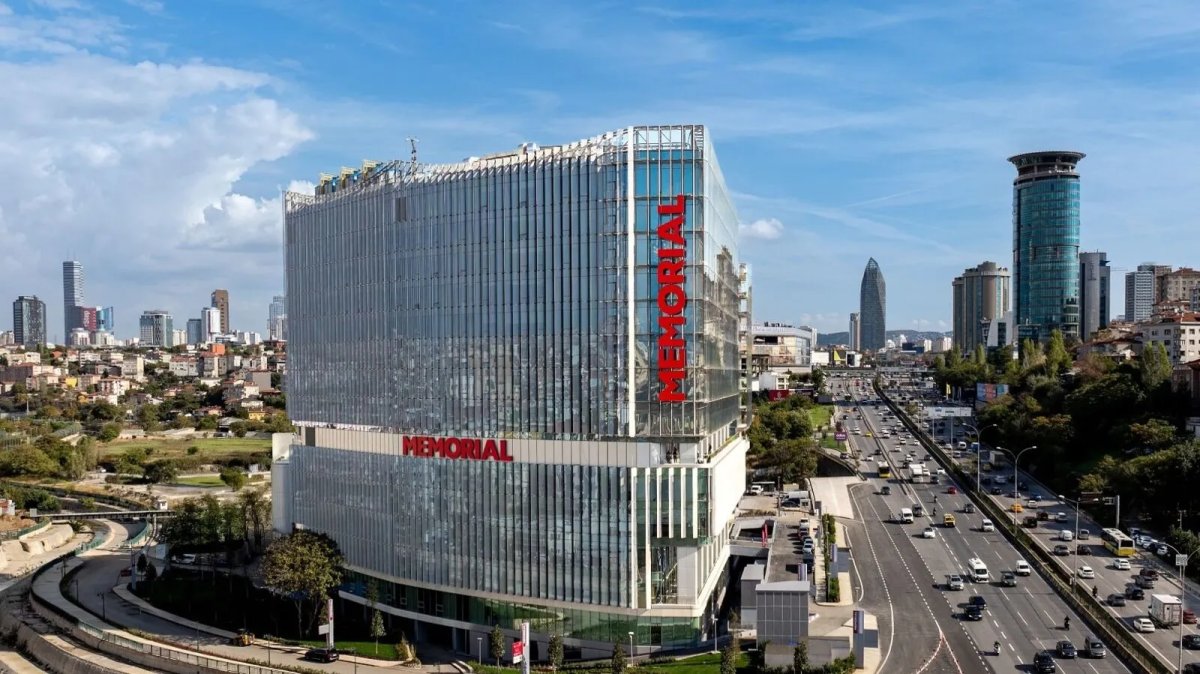
Memorial Göztepe Hospital
احصل على تقييم طبي لـ في تركيا. استشر الآن 12 أطباء ذوي الخبرة.
عرض جميع الأطباء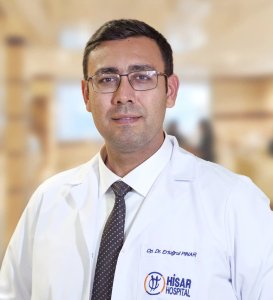
Ertugrul Pinar
الدكتور إرتوغرول بينار هو جراح أعصاب في مستشفى هيسار إنتركونتيننتال في إسطنبول. يعالج المرضى البالغين والأطفال المصابين بأمراض معقدة في الدماغ والعمود الفقري. يركز الدكتور بينار على أورام الدماغ، وتمدد الأوعية الدموية، وأمراض قاعدة الجمجمة. يعمل في مستشفى معتمد من اللجنة الدولية المشتركة (JCI) يخدم أكثر من 500,000 مريض سنوياً.
- يجري إجراءات متخصصة بما في ذلك استئصال الأورام عبر الأنف وإصلاح تمدد الأوعية الدموية في الدماغ.
- يعالج مجموعة واسعة من الحالات مثل أورام الغدة النخامي

Zafer Orkun Toktas
الطبيب هو جراح أعصاب ذو خبرة تزيد عن 15 عاماً من الممارسة السريرية في تركيا. طوال مسيرته المهنية المتميزة، عمل الطبيب في العديد من المؤسسات الطبية البارزة، بما في ذلك مستشفى ميموريال أتاشهير، ومستشفى في إم ميديكال بارك بنديك، ومستشفى جامعة بهجيشهر ميديكال بارك جوزتيبي.
يتخصص الطبيب في الإجراءات الجراحية العصبية، ويمتلك خبرة واسعة في إدارة الحالات العصبية المعقدة وتقديم رعاية شاملة للمرضى. بفضل عمله في كل من أنظمة المستشفيات الخاصة والمرافق الحكومية، يتمتع الطبيب بخلفية سريرية واسعة في ا
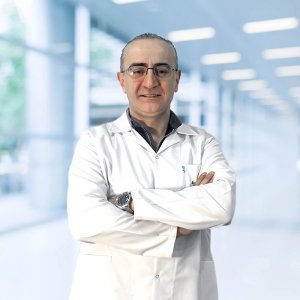
Umut Dogu
الدكتور أوموت دوغو هو جراح أعصاب ذو خبرة واسعة في رعاية العمود الفقري المتقدمة. حصل على شهادته الطبية من جامعة حاجت تبه، وأكمل تخصص جراحة الأعصاب في مستشفى ديشكابي يلدريم بيازيد للتدريب والبحوث. عمل كأخصائي في مستشفى مدينة يوزغات، مركز العمود الفقري المتقدم في مستشفى إمسي، ومستشفى ميموريال شيشلي. ويعمل حالياً في مستشفى لقمان حكيم إسطنبول.
يعالج الدكتور دوغو أمراض العمود الفقري التنكسية، وإصابات العمود الفقري الرضية، وأورام العمود الفقري، وأمراض العمود الفقري المعدية. كما يدير اضطرابات
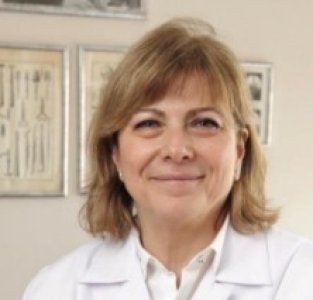
Nurperi Gazioglu
الدكتورة نوربيري غازيوغلو جرّاحة أعصاب. تخرّجت في كلية طب جراح باشا بجامعة إسطنبول، ونالت درجة الطب عام 1984 بعد دراسة بين 1978 و1984. أتمّت تدريب جراحة الأعصاب بين 1986 و1993. تناولت أطروحتها عام 1993 «زرع الغدة النخامية الجنينية تحت محفظة الكلية في الجرذان».
أكملت دورات متقدمة في جراحة الغدة النخامية بالمنظار (2005 و2007 و2008) وجراحة القرص القطني بالمنظار (2007). تلقت تدريباً في الوراثة الجزيئية للأطباء (2003) والتعليم الطبي المستمر مع الاتحاد العالمي لطب الأعصاب (2002). درست جراحة
مشاركة المحتوى
قصص فيديو من مرضى Bookimed
 Anna Leonova
أسئلة متكررة حول علاج الانزلاق الفقاري في تركيا
لماذا تختار تركيا تحديداً لعلاج الانزلاق الفقاري (Spondylolisthesis)؟
تعد تركيا وجهة رائدة لعلاج الانزلاق الفقاري بفضل الخبرة الجراحية العصبية المتخصصة وأوقات الانتظار الأقصر. تستخدم العيادات تقنيات متقدمة مثل استئصال الصفيحة الفقرية القطنية، وجراحات التثبيت، والتثبيت الفقري الخلفي. تجمع المرافق المعتمدة في إسطنبول بين الجودة الحاصلة على شهادة JCI والخدمات اللوجستية المتكاملة للمرضى الدوليين.
- جراحون خبراء: أجرى أخصائيون مثل الأستاذ المشارك الدكتور نجاتي كابلان أكثر من 60,000 عملية جراحية.
- إجراءات متقدمة: توفر المراكز تثبيتاً ديناميكياً خلفياً قطنياً وإزالة الضغط عن الفقرات العنقية مع وضع الطعوم.
- تكنولوجيا حديثة: تستخدم المستشفيات تقنيات التصوير بالرنين المغناطيسي 3 تسلا المدعومة بالذكاء الاصطناعي والأشعة المقطعية 512 شريحة للتشخيص الدقيق.
- مرافق معتمدة: تحافظ مراكز القمة مثل مستشفى ميموريال أتاشهير على الاعتماد العالمي من اللجنة الدولية المشتركة (JCI).
رؤية خبير Bookimed: بينما يركز العديد من المرضى على عيادات العظام العامة، تظهر بياناتنا نتائج متفوقة في مراكز العمود الفقري المتخصصة. تدمج مرافق مثل مستشفى ميموريال جوزتيبي بين الأورام والأعصاب والعظام تحت سقف واحد. هذا النهج متعدد التخصصات حيوي لإدارة حالات الانزلاق الفقاري المعقدة من الدرجة 3 أو 4.
إجماع المرضى: يشير المرضى إلى أن اختيار تركيا يسمح بجدولة أسرع بكثير للفحوصات التصويرية والجراحة. وغالباً ما يؤكدون على اختيار جراح قام بأكثر من 1,000 إجراء بدلاً من مجرد اختيار عيادة.
ما هي الأساليب الجراحية المستخدمة لعلاج انزلاق الفقرات (Spondylolisthesis) في العيادات التركية؟
تعالج العيادات التركية انزلاق الفقرات باستخدام تقنيات متقدمة للتثبيت وإزالة الضغط. يقوم الجراحون عادةً بإجراء استئصال الصفيحة الفقرية القطنية مع التثبيت الخلفي لتأمين الفقرات المنزاحة. تساهم أساليب الدقة العالية مثل الجراحة الروبوتية والجراحة المجهرية في تقليل تلف الأنسجة. توفر المنشآت المعتمدة من قبل اللجنة الدولية المشتركة (JCI) في إسطنبول رعاية شاملة لعدم استقرار العمود الفقري على مستوى واحد أو عدة مستويات.
- استئصال الصفيحة الفقرية (Laminectomy): إزالة الضغط عن أعصاب العمود الفقري عن طريق إزالة القوس الفقري للحصول على راحة فورية.
- التثبيت الخلفي: استخدام براغي وقضبان طبية لتثبيت العمود الفقري أثناء عملية الدمج.
- التثبيت الديناميكي: الحفاظ على بعض حركة العمود الفقري مع التحكم في الحركات المؤلمة للفقرات.
- الأنظمة الروبوتية: استخدام تقنية da Vinci XI لوضع البراغي والتثبيت بدقة عالية.
رؤية خبراء Bookimed: تظهر البيانات وجود فجوة كبيرة في التخصص بين العيادات. يدمج مستشفى ميموريال جوزتيبي (Memorial Göztepe) تقنيات التصوير المقطعي المحوسب بـ 512 شريحة والرنين المغناطيسي بقوة 3 تسلا للتخطيط قبل استخدام روبوت da Vinci XI. وفي الوقت نفسه، يحتفظ مستشفى ليف فاديستانبول (Liv Hospital Vadistanbul) بمركز مخصص للعمود الفقري. إن اختيار منشأة تضم مجالس أورام متعددة التخصصات وغرف عمليات هجينة يضمن أقصى درجات الأمان للحالات المعقدة ومتعددة المستويات.
إجماع المرضى: يشير المرضى إلى أهمية التأكد بدقة من الأجهزة التثبيتية المضمنة في الخط
ما هي مدة التعافي المعتادة بعد جراحة العمود الفقري في تركيا؟
يستغرق التعافي الأولي بعد جراحة العمود الفقري في تركيا عادةً من 4 إلى 6 أسابيع. يبقى المرضى عموماً في المستشفى لمدة تتراوح بين 1 إلى 3 أيام. وبينما تبدأ الأنشطة الخفيفة في غضون أسابيع، فإن الاندماج العظمي الكامل بعد إجراءات مثل تثبيت الانزلاق الفقاري يتطلب غالباً من 6 إلى 12 شهراً للتعافي البدني الكامل.
- الإقامة في المستشفى: يخرج معظم المرضى في غضون 1 إلى 3 أيام بعد جراحة التثبيت.
- النشاط الأولي: يتم تشجيع المشي لمسافات قصيرة بدءاً من الأسبوع الأول أو الثاني بعد الجراحة.
- العودة للعمل: تُستأنف الأعمال المكتبية عادةً بعد 4 إلى 6 أسابيع من فترة التعافي.
- الاندماج الكامل: يستغرق التئام العظام الكامل لإجراءات الاندماج ما بين 6 إلى 12 شهراً.
رؤية خبير Bookimed: يمكن أن يؤثر اختيار جراح أعصاب لديه حجم عمليات جراحية مرتفع للغاية على نتائج التعافي. على سبيل المثال، أجرى الدكتور نجاتي كابلان في مستشفى Optimed الدولي أكثر من 60,000 إجراء. غالباً ما يستخدم المتخصصون ذوو الخبرة العالية تقنيات الجراحة المجهرية المتقدمة ومفاهيم الجراحة بالمنظار. تقلل هذه التقنيات من تلف الأنسجة لمساعدة المرضى على الحركة بشكل أسرع.
إجماع المرضى: يشير المرضى إلى أن الأسبوعين الأولين يتطلبان راحة كبيرة وتجنب أي التواء. بينما يشعر البعض بتحسن سريع، يؤكد الكثيرون أن اضطرابات النوم وتعب العضلات أمر طبيعي خلال الأشهر الثلاثة الأولى.
ما هي معدلات النجاح المسجلة لجراحة الانزلاق الفقاري في تركيا؟
تبلغ مراكز العمود الفقري التركية عن معدلات نجاح تصل إلى 91% لجراحة الانزلاق الفقاري. يحقق حوالي 80.7% من المرضى اندماجاً إشعاعياً صلباً ونجاحاً سريرياً. تعتمد هذه النتائج على التقنيات الجراحية مثل التثبيت الفقري القطني الخلفي أو التثبيت الديناميكي. تستخدم المستشفيات المعتمدة من قبل اللجنة الدولية المشتركة (JCI) في إسطنبول أنظمة روبوتية وأقل تدخلاً جراحياً.
- الاندماج السريري: يحقق أكثر من 80% من المرضى اندماجاً عظمياً دائماً واستقراراً.
- تحسن الألم: يبلغ معظم المرضى عن انخفاض كبير في آلام الظهر والساق.
- الخبرة الجراحية: يتم إجراء العمليات من قبل جراحي الأعصاب المتخصصين في تثبيت العمود الفقري المتقدم.
- التكنولوجيا المتقدمة: تستخدم العيادات أنظمة دافنشي الروبوتية والتصوير المدعوم بالذكاء الاصطناعي لضمان الدقة.
رؤية خبير Bookimed: النجاح في تركيا متخصص للغاية حسب منطقة العمود الفقري. في حين أن التثبيت القطني هو الأكثر شيوعاً، تقدم عيادات مجموعة ميموريال الصحية (Memorial Health Group) عمليات إزالة الضغط والتثبيت العنقي المتخصصة مقابل 29,100 دولار. تضمن هذه الخبرة المستهدفة في المرافق المعتمدة من JCI إدارة الانزلاقات المعقدة متعددة المستويات بواسطة جراحين مثل الدكتور مصطفى سكار، الذي يقدم تقنيات تثبيت متنوعة.
إجماع المرضى: يؤكد المرضى أن النجاح غالباً ما يعني تخفيفاً مغيرًا للحياة من آلام عرق النسا. ويشيرون إلى أنه من المهم التأكد مما إذا كان الجراح يعطي الأولوية للأساليب الأقل تدخلاً جراحياً لتسريع الشفاء.
ما هي العيادات أو المستشفيات الأكثر شهرة في جراحة العمود الفقري في تركيا؟
تشمل مراكز جراحة العمود الفقري التركية المعترف بها مجموعة ميموريال للرعاية الصحية ومستشفى ليف فادي إسطنبول. تتخصص هذه المرافق المعتمدة من JCI في علاج انزلاق الفقار من خلال إزالة الضغط والتثبيت المتقدم. يركز كبار الجراحين مثل الأستاذ المشارك الدكتور إدريس سيرتباس على إجراءات الانزلاق القطني وكسور العمود الفقري المعقدة.
- جراحون خبراء: يقوم الدكتور مصطفى ساكار في مستشفى ميموريال جوزتيبي بإجراء استئصال الصفيحة الفقرية القطنية مع التثبيت الخلفي.
- مراكز متخصصة: يضم مستشفى ليف فادي إسطنبول مركزًا مخصصًا للعمود الفقري مع دعم متقدم لإعادة التأهيل.
- التقنيات الجراحية: تقدم العيادات استئصال الصفيحة الفقرية القطنية، والتثبيت، ووضع الطعوم لحالات العمود الفقري متعددة المستويات.
- التكنولوجيا المتقدمة: يستخدم ميموريال جوزتيبي الرنين المغناطيسي 3 تسلا المدعوم بالذكاء الاصطناعي وغرف العمليات الهجينة للدقة.
رؤية خبير Bookimed: تعمل مجموعة ميموريال للرعاية الصحية كشركة رائدة في تثبيت العمود الفقري ذات حجم كبير من الإجراءات. تتراوح باقاتهم لاستئصال الصفيحة الفقرية القطنية مع التثبيت بين 9700 دولار و29100 دولار اعتمادًا على عدد المستويات المعالجة. نرى أن جراحين مثل الدكتور مصطفى ساكار يقدمون أدوات تثبيت متخصصة لما يصل إلى 5 مستويات، وهو أمر بالغ الأهمية لحالات انزلاق الفقار المعقدة.
إجماع المرضى: يؤكد المرضى على أهمية العثور على جراح يشرح بوضوح الحاجة إلى الدمج. ويسلطون الضوء على أهمية وجود موظفين يتحدثون الإنجليزية ودعم قوي للعناية المركزةهل أحتاج إلى رأي ثانٍ قبل السفر إلى تركيا؟
يضمن الحصول على رأي ثانٍ لعلاج انزلاق الفقار في تركيا أن خطتك الجراحية تتطابق مع تشخيصك. تساعد المراجعات المستقلة لصور الرنين المغناطيسي في التأكد مما إذا كانت جراحة إزالة الضغط أو الدمج ضرورية. توفر المراكز المتخصصة المعتمدة من JCI في إسطنبول استشارات مفصلة قبل الجراحة للتحقق من بروتوكولات تثبيت العمود الفقري المعقدة.
- التحقق من العلاج: يتحقق الجراحون الخبراء مما إذا كنت بحاجة إلى تثبيت ديناميكي أو مجرد جراحة بسيطة لإزالة الضغط.
- الخبرة المتخصصة: يتخصص الأطباء السريريون البارزون مثل الأستاذ المشارك الدكتور إدريس سيرتباس في تثبيت العمود الفقري المعقد.
- المرافق المعتمدة: تمتلك عيادات مثل مستشفى ليف فادي إسطنبول شهادات JCI و ISO للسلامة.
- دقة التصوير: تمنع المراجعات المستقلة للأشعة المقطعية والرنين المغناطيسي عمليات دمج العمود الفقري غير الضرورية أو المبكرة.
رؤية خبير Bookimed: تظهر البيانات وجود فجوة سعرية هائلة بين إزالة الضغط البسيطة بسعر 9700 دولار والتثبيت الديناميكي المعقد بسعر 25600 دولار. يضمن الحصول على رأي ثانٍ أنك تدفع فعليًا مقابل مستوى التثبيت المحدد الذي يحتاجه عمودك الفقري. أجرى الجراحون ذوو الخبرة مثل الأستاذ المشارك الدكتور نجاتي كابلان أكثر من 60 ألف إجراء، مما يوفر الخبرة عالية الحجم اللازمة لمثل هذه القرارات.
إجماع المرضى: يشير المرضى إلى أهمية مراجعة جراح مستقل لفحوصاتك الفعلية. ويسلطون الضوء على أن التأكد من ضرورة الجراحة يقلل من الضغط عند السفر إلى الخارج.