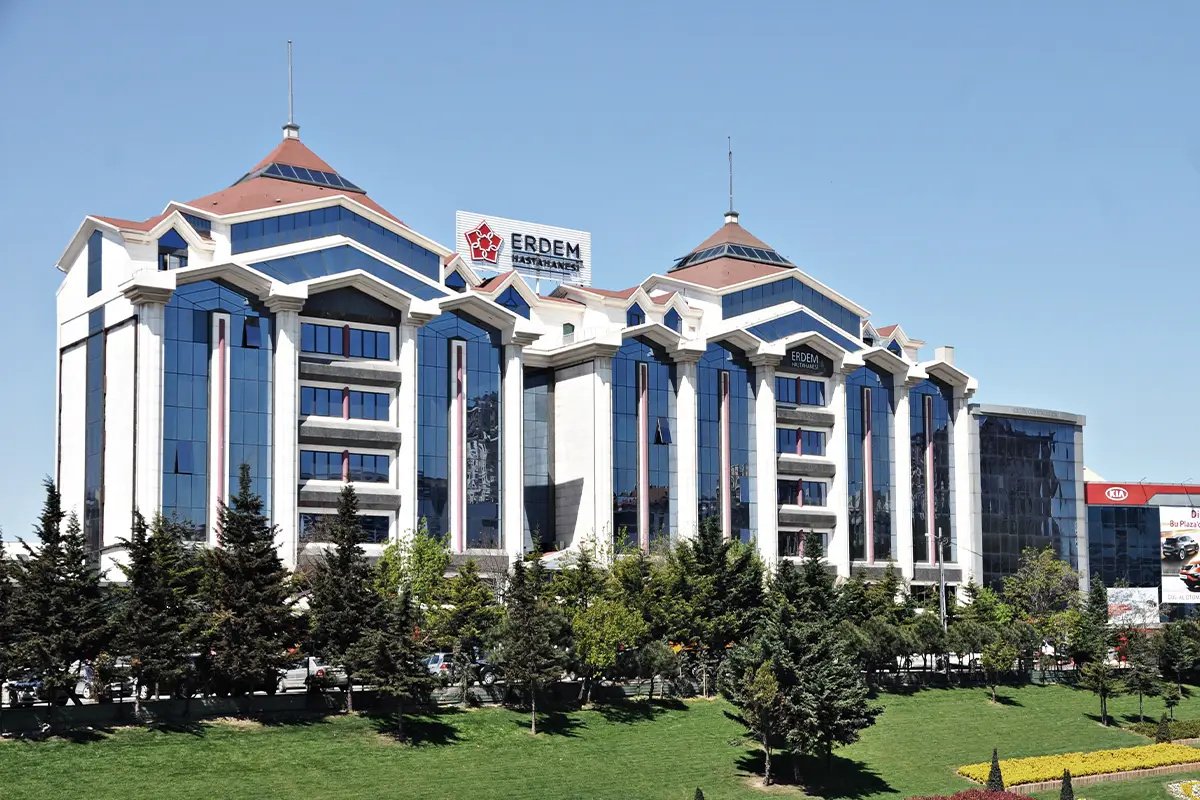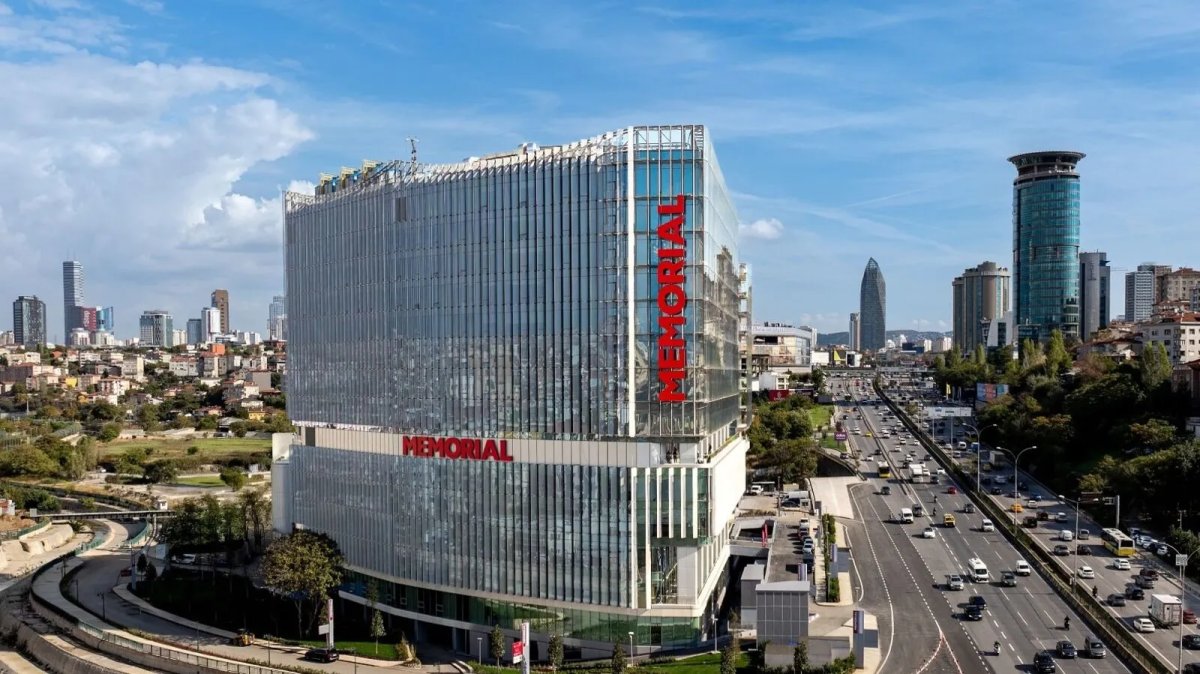
Memorial Göztepe Hospital
تركيا, إسطنبول


تمت مراجعة المقالة طبيا من قبل
فهد مولود
| تركيا | إسبانيا | ألمانيا | |
|---|---|---|---|
| تنظير المفصل | من $4,500 | ≈ $3,600 | من $5,600 |
| انسداد الشريان الركبي | من $16,000 | ≈ $3,600 | ≈ $4,200 |
| الانصمام الدقيق عبر الشرايين (TAME) | ≈ $3,800 | ≈ $4,200 | ≈ $5,500 |
| استبدال مفصل الركبة الكلي | من $9,300 | من $16,900 | ≈ $13,500 |




أكمل الطبيب التعليم الطبي في جامعة كارادينيز التقنية وتخصص في جامعة العلوم الصحية، مستشفى التدريب والبحث د. لطفي كردار كارتال. مع التركيز على جراحة العمود الفقري، جراحة الإصابات، وجراحة المفاصل، يهتم الطبيب بشكل خاص بجراحة الحوض-الحق. أجرى الطبيب العديد من العمليات الناجحة في مجال جراحة العظام والإصابات. في عام 2014، كان الطبيب من المتأهلين للتصفيات النهائية في جوائز التكنولوجيا XI Tubitak. حاليًا، يخدم الطبيب المرضى في قسم جراحة العظام والإصابات في مستشفى هيسار الدولي.<\/p>

الدكتور محمد تانر أوزدمير أخصائي عظام ذو خبرة تزيد عن 7 سنوات. يركز على علاج الأورام، إصابات العظام، الجراحة بالمنظار، وأورام العظام والأنسجة الرخوة. أكمل دراسته وتخصصه في كلية الطب العسكرية (GATA) بأنقرة، وتلقى تدريباً متقدماً في مستشفى الجراحة الخاصة بنيويورك، الولايات المتحدة الأمريكية.
الدكتور أوزدمير عضو في الجمعية التركية لجراحة العظام والكسور والجمعية الأوروبية لأورام الجهاز العضلي الهيكلي. لديه خمسة منشورات وطنية وثلاثة عشر منشوراً دولياً. يكرس جهوده لتطوير علم العظام، ويتميز

الدكتور خليل جان جمالماز هو أستاذ جراحة العظام والكسور في إسطنبول. وهو رائد في تركيا في إجراءات تقويم العظام ثلاثية الأبعاد المخصصة للمرضى. يتخصص الدكتور جمالماز في استبدال المفاصل بمساعدة الروبوت للركبة والورك. يشغل حالياً منصب عضو هيئة تدريس في كلية الطب بجامعة أطلس.
د. مهمت أيدوغان اختصاصي في جراحة العظام والكسور وجراحة العمود الفقري في مستشفى ميموريال شيشلي. عمل هناك في جراحة العمود الفقري خلال 2024–2025، ويعمل في جراحة العظام منذ 2026. ترأّس سابقاً مركز جراحة العظام والكسور وجراحة العمود الفقري المتقدمة في مستشفى إمسِي (2018–2022). وتشمل خبرته مركز التميّز الجراحي للعمود الفقري EURO SPINE في سويسرا (2022–2024) وزمالة بحثية في مركز العمود الفقري الشامل بجامعة كاليفورنيا في لوس أنجلوس (2009–2011). كما شغل مناصب في مركز بوغازيتشي للعمود الفقري، ميديكال با
 Anna Leonova
يشمل العلاج غير الجراحي لالتهاب مفاصل الركبة في تركيا العلاجات التجديدية، مثل حقن البلازما الغنية بالصفائح الدموية (PRP) والخلايا الجذعية، إلى جانب إدارة الألم التحفظية. يستخدم الأخصائيون الأتراك الحقن داخل المفصل والعلاج الطبيعي القائم على الأدلة لتأخير الجراحة. تقدم المراكز الطبية مثل مستشفى Gayrettepe Florence Nightingale هذه الخيارات لتحسين حركة المفاصل وتقليل الالتهاب.
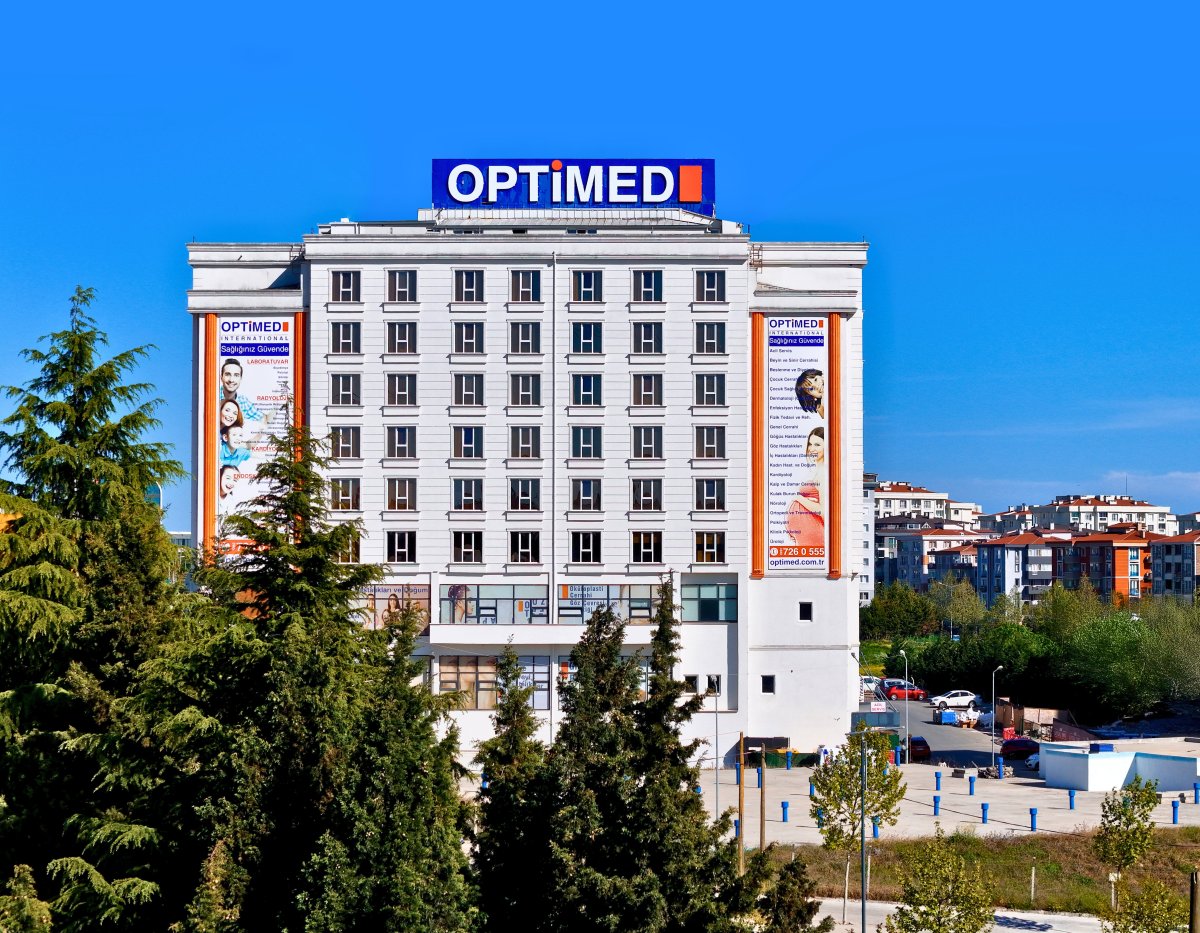
رأي خبير Bookimed: غالباً ما يتخصص جراحو العظام الأتراك في كل من الجراحة الروبوتية والعلاج التحفظي. يحمل البروفيسور الدكتور خير الدين كسميزاكار والبروفيسور الدكتور إبراهيم أزبوي شهادات من مؤسسات رائدة في الولايات المتحدة، مثل مستشفى الجراحة الخاصة (Hospital for Special Surgery). تضمن هذه الكفاءة المزدوجة حصول المرضى على علاجات غير جراحية فقط عندما يكون ذلك مبرراً سريرياً لمرحلة مرضهم المحددة. تخدم عيادات مثل Optimed Interna
تتوفر التقنيات الجراحية المتقدمة، بما في ذلك استبدال الركبة بمساعدة الروبوت، على نطاق واسع في تركيا. تستخدم مراكز العظام الرائدة أنظمة مثل Stryker Mako وأدلة ثلاثية الأبعاد خاصة بالمريض. تعمل هذه التقنيات على تحسين الدقة الجراحية في استبدال المفاصل. توفر مرافق متخصصة للغاية في إسطنبول وبورصة هذه الخدمات من خلال جراحين معتمدين.
رؤية خبراء Bookimed: في حين أن التكنولوجيا الروبوتية هي عامل جذب مهم، تظهر بياناتنا أن المرضى يمنحون الأولوية للجراحين الذين تلقوا تدريباً دولياً. على سبيل المثال، تدرب كل من الدكتور إبراهيم أزبوي والدكتور محمد تانر أوزدمير في مستشفى الجراحة الخاصة (Hospital for Special Surgery) في نيويورك. غالباً ما يرتبط هذا التعرض الدولي رفيع المستوى بنتائج أفضل في عمليات إعادة البناء المعقدة بمساعدة الروبوت.
إجماع المرضى: يؤكد المرضى على أهمية التحقق من وجود الروبوت فعلياً داخل المركز والتأكد من أن الباقة الكاملة تشمل جميع التصوير وإعادة التأهيل. يشير الكثيرون إلى أن حجم خبرة الجراح مع أدوات روبوتية محددة أكثر أهمية من
يجب على المرضى التخطيط لإقامة تتراوح من 10 إلى 14 يوماً في تركيا لجراحة هشاشة عظام الركبة. تغطي هذه الفترة الاختبارات قبل الجراحة، وإقامة في المستشفى لمدة 2 إلى 3 ليالٍ، ووقت التعافي الأساسي. يضمن البقاء لمدة أسبوعين القدرة على الحركة من أجل السفر الجوي الآمن وشفاء الجروح بشكل صحيح.
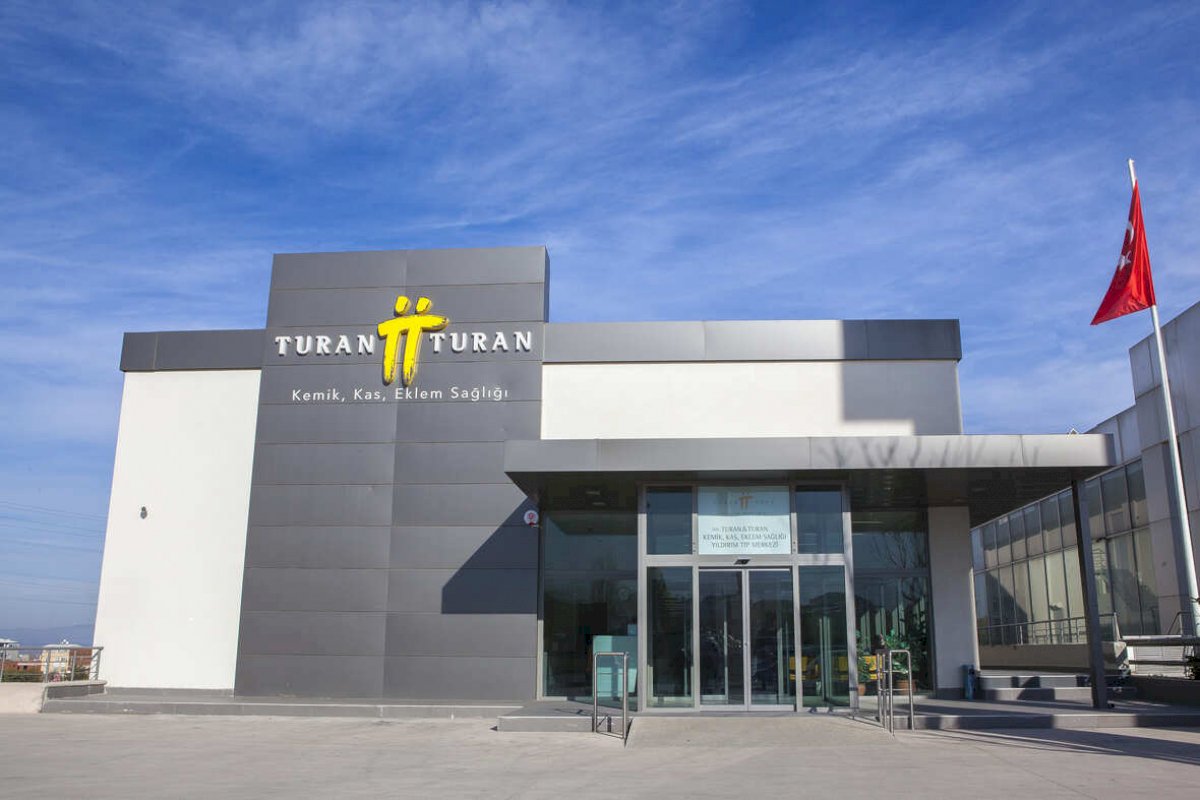
رؤية خبير Bookimed: بينما يتطلب التنظير الأساسي 7 أيام، غالباً ما تتطلب الإجراءات الروبوتية المتقدمة أو إصلاحات الرباط الصليبي الأمامي في مراكز مثل مجموعة توران توران الصحية من 11 إلى 12 يوماً من التعافي في الفندق. يسمح هذا الوقت الإضافي بمراقبة دقيقة للمشية ورعاية متخصصة بعد الجراحة، مما يساعد على وظيفة المفاصل على المدى الطويل.
إجماع المرضى: يؤكد المرضى على أهمية طلب المساعدة في المطار والجوارب الضاغطة قبل المغادرة لإدارة التورم أثناء رحلة العودة. يقترح الكثيرون البقاء لمدة أسبوعين كاملين لضمان قدرتهم على المشي بشكل مريح وصعود الدرج قبل العودة إلى المنزل.
للحصول على تقييم لهشاشة عظام الركبة في تركيا، قدم صور الأشعة السينية أثناء الوقوف (تحميل الوزن) وملفات التصوير بالرنين المغناطيسي الرقمية على قرص USB. قم بتضمين سجلات مفصلة للعلاجات التحفظية السابقة مثل العلاج الطبيعي أو الحقن. يتطلب المتخصصون الأتراك هذه المستندات لتحديد ما إذا كنت بحاجة إلى تنظير مفصلي أو جراحة بمساعدة الروبوت.
رؤية خبير Bookimed: بينما يحضر العديد من المرضى فحوصات الرنين المغناطيسي القياسية، تعطي مراكز العظام التركية مثل مجموعة توران توران الصحية الأولوية للأشعة السينية أثناء تحميل الوزن للتخطيط الجراحي. غالباً ما تغفل التقارير التي يزيد عمرها عن 6 أشهر التطور السريع للمرض. ضمان الحصول على صور حديثة يضمن قدرة الجراحين على استخدام الأنظمة الروبوتية المتقدمة مثل Stryker Mako بدقة.
إجماع المرضى: يؤكد المرضى أن إحضار الأقراص الفعلية بدلاً من التقارير الورقية فقط يمنع تأخير التشخيص. يوصي الكثيرون بتوثيق كل جلسة حقن أو علاج لإثبات أن الخيارات التحفظية قد استنفدت.