العودة إلى الصفحة الرئيسية

كيف نعمل؟

لقد قمنا بتحويل عملية البحث عن العيادة، وجعلناها بسيطة وسريعة وشخصية.
أجب عن بعض الأسئلة املأوا استمارة قصيرة لتخبرونا عن حالتكم الصحية واحتياجاتكم الطبية.
احصل على عروض مخصصة٣ عيادات تم اختيارها بعناية بناءً على إجاباتك، ستقدّم خطط علاج وتقديرات تكلفة مخصصة لك.
اختر الخيار الأفضلقارن بين العروض واختر العيادة الأنسب لك.
يمكنك أيضًا تصفح 21 عيادة أدناه.
820К+ مريضًا حصلوا على المساعدة منذ عام 2014
50 دول
1,500 عيادات
6K+ تقييمات
3K+ طبيب مؤهل

ما هي تكلفة التهاب الكبد إجراءات التشخيص والعلاج في تركيا؟ اعرف الآن

تختلف التكلفة الإجمالية لعلاج التهاب الكبد الوبائي سي في تركيا بناءً على خطة العلاج الخاصة بك. عادةً ما تكلف الاستشارة مع أخصائي حوالي 100$. قد تتضمن خطة التشخيص الشاملة اختبار HCV-RNA بحوالي 510$ وفحص الألياف بحوالي 460$. يتوفر خزعة الكبد عبر البطن بحوالي 1,450$. يتم تحديد برنامج العلاج بعد تقييم فردي من قبل الطبيب.

اكتشف أفضل التهاب الكبد العيادات في تركيا: 21 خيارات معتمدة والأسعار

تم تصنيف العيادات بواسطة نظام Bookimed الذكي، باستخدام تحليل علوم البيانات عبر 5 معايير رئيسية.
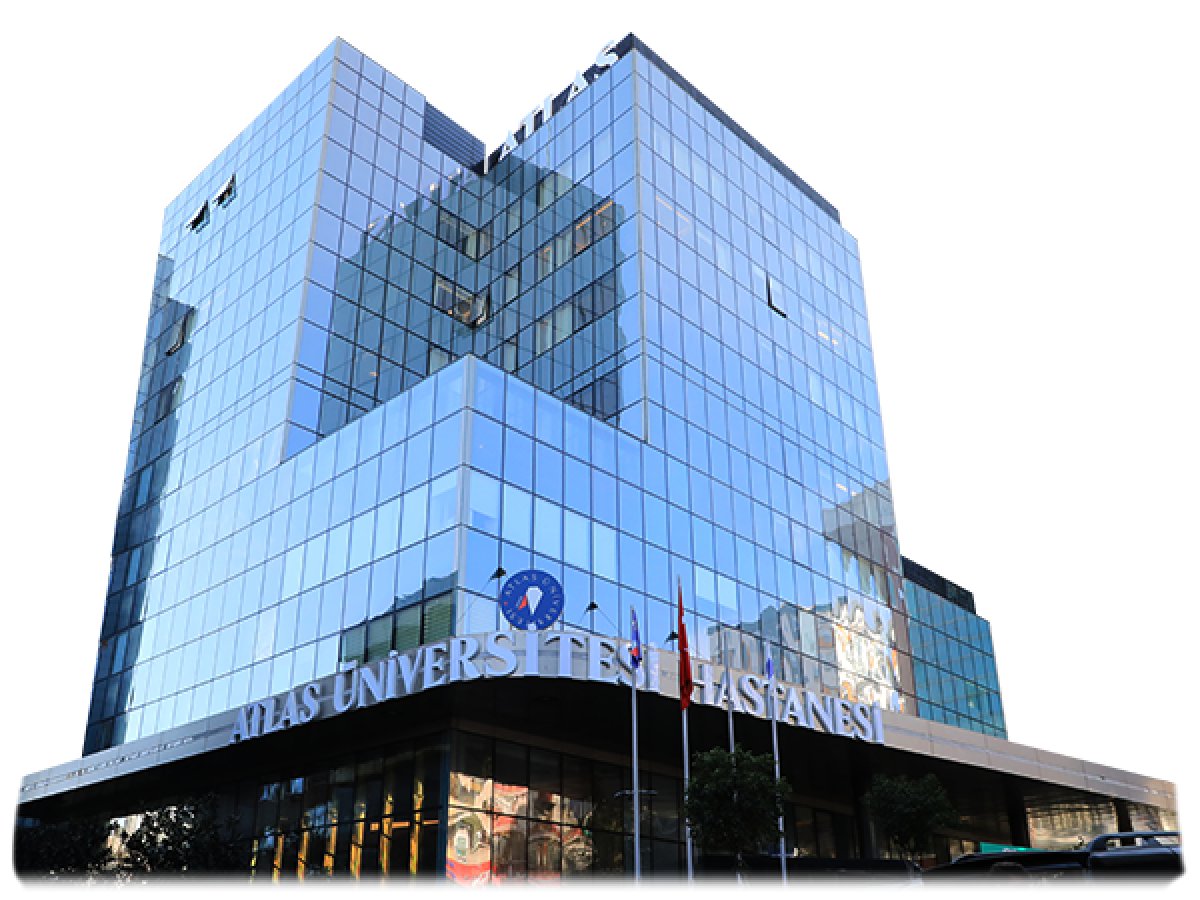
Hisar Intercontinental Hospital
Memorial Şişli Hospital
Memorial Bahçelievler Hospital
Anadolu Medical Center
Medipol Bahçelievler Hospital

Medipol Bahçelievler Hospital

تركيا, إسطنبول
العيادة معتمدة من قبل :

مستشفى ميديبول باهشيلييفلر هو مركز طبي خاص متعدد التخصصات يقع في اسطنبول، تركيا. الفريق متخصص في أمراض القلب والأورام وجراحة القلب والجراحة. مستشفى ميديبول باهشيلييفلر، جزء من مجموعة ميديبول هيلث المرموقة، هو رائد في مجال الرعاية الصحية مع 441 سريرًا واعتماد JCI. تركيزنا على التقنيات المتقدمة، مثل TrueBeam STx و Halcyon في علاج الأورام بالإشعاع، يميزنا. تشتهر بالرعاية الشاملة للسرطان، ودمج التصوير المقطعي بالإصدار البوزيتروني والتصوير المقطعي بالإصدار الفوتوني المفرد، ونعطي الأولوية لراحة المريض مع وحدات الأمومة الحديثة. يقع مستشفى ميديبول باهشيلييفلر في منطقة باهشيلييفلر في اسطنبول، ويخدم المرضى من جميع أنحاء العالم، مما يساهم في السياحة الصحية. يخدم مستشفى ميديبول باهشيلييفلر كل من البالغين والأطفال. يختار 600000 مريض مستشفى ميديبول باهشيلييفلر للحصول على الرعاية الطبية كل عام. يزور العيادة المرضى من أوروبا والكومنولث ودول الجامعة العربية والدول الناطقة بالروسية في أغلب الأحيان.

لقد شاهدتم 5 من 21 عيادات

احصل على تقييم طبي لـ في تركيا. استشر الآن 10 أطباء ذوي الخبرة.

عرض جميع الأطباء
يؤكد

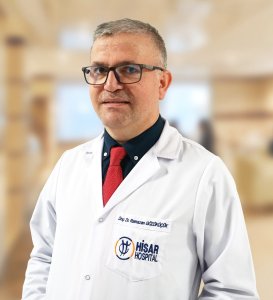
Ramazan Gozukucuk

25سنة خبره ١٦ سنة

عالَج الدكتور رمضان غوزوكوتشوك أكثر من 900 مريض مصاب بالتهاب الكبد الوبائي (سي)، مستنداً إلى 24 عاماً من الخبرة المتخصصة في الأمراض المعدية.

  • التخصص في التهاب الكبد الفيروسي، بما في ذلك الحالات المتقدمة والمعقدة
  • الحصول على بورد مزدوج في الأمراض المعدية والأحياء الدقيقة السريرية
  • تقديم أبحاث في 15 مؤتمراً طبياً دولياً
  • التركيز على بروتوكولات العلاج القائمة على الأدلة
يؤكد

Nurettin Demirkol

43سنة خبره ١٦ سنة

يتخصص الدكتور نور الدين دميركول في التهاب الكبد الوبائي (سي) في مستشفى حصار إنتركونتيننتال، ويتمتع بخبرة واسعة في إدارة الأمراض المزمنة.

  • تلقى تدريبه في كلية الطب بجامعة إسطنبول
  • التركيز على تشخيص ومتابعة الحالات المزمنة
  • ماجستير في الإدارة الصحية من جامعة أوكان
  • عمل في العديد من المستشفيات المرموقة في تركيا
يؤكد

Suveyda Gozukucuk

26سنة خبره ١٦ سنة

تتخصص الدكتورة سويدا جوزوكوتشوك في الأمراض المعدية مع التركيز على التهاب الكبد الوبائي (C) في مستشفى هيسار إنتركونتيننتال.

  • تلقي التدريب في جامعة إرجييس في تخصص الأمراض المعدية
  • الخبرة في إدارة العدوى للمرضى الذين يعانون من نقص المناعة
  • اهتمام خاص بعدوى المستشفيات وبروتوكولات التعقيم
يؤكد

sinan Mermer

16سنة خبره ١٦ سنة

يتخصص الدكتور ميرمر في الأمراض المعدية، مع التركيز على التهاب الكبد الفيروسي. وتشمل خبرته تشخيص وعلاج وإدارة العدوى المعقدة.

  • خبرة تزيد عن 10 سنوات في الأمراض المعدية والأحياء الدقيقة السريرية
  • أستاذ مساعد في كلية الطب بجامعة إزمير للاقتصاد
  • عضو في الجمعية الأوروبية لعلم الأحياء الدقيقة السريرية والأمراض المعدية
  • خبير في علاج مجموعة واسعة من أنواع العدوى، بما في ذلك التهاب الكبد الفيروسي

المراجعات

جميع المراجعات
Мнайдар • التهاب الكبد
روسيا الاتحادية
١٢ مارس ٢٠١٩
مراجعة تم التحقق منها.
اشتريناها عبوتين بسعر 22 ألف دولار
لقد تم وصف العلاج في "ميموريال" بأنهم لا يتطابقون بشكل صحيح مع التركيب الوراثي ؛ لدينا التركيب الوراثي 3a (datclatosvir sofosbuvir) وقاموا بتعيينه (Harvjni) الذي يتكون من (Lediplovir sofosburin) اشتريناها عبوتين بسعر 22 ألف دولار لن يكون هناك أي تأثير عندما يكون تحليل التركيب الوراثي مترددًا ، كتبوا لي إضافة {ريبافيرين} ، والد زوجته الذي وصفوه للعلاج دون انتظار اختبارات النمط الوراثي. سؤال ما يجب القيام به معهم قضيت 20 ألف دولار دون جدوى.

مشاركة المحتوى

Twitter XLinkedinFacebookWhatsAppEmail
أحصل على الرابط

قصص فيديو من مرضى Bookimed

Dayana
جمعت بين إجازتي في أنطاليا والفحص الطبي.
إجراء: فحص صحة الإناث (انظر فحص النساء)
Igor
كان رائعاً! التنقلات والإقامة والعلاج - كل شيء مشمول.
إجراء: زرع الأسنان
مستشفى: WestDent Clinic
Marina
قام Bookimed بكل شيء من أجلي. لم أضطر للقلق بشأن أي شيء.
إجراء: فحص صحة الإناث (انظر فحص النساء)
مستشفى: Severance Hospital
محدث: 03/12/2019
تأليف
Anna Leonova
Anna Leonova
رئيس فريق تسويق المحتوى
محررة طبية معتمدة لديها خبرة تزيد عن 10 سنوات، طوّرت محتوى Bookimed الموثوق، مدعومة بماجستير في علم اللغة ومقابلات مع خبراء طبيين من جميع أنحاء العالم.
تمت المراجعة من قبل المستشار الطبي في Bookimed
فهد مولود
محرر طبي وعالم بيانات
طبيب عام. حاصل على 4 جوائز علمية. خدم في غرب آسيا. رئيس الفريق الطبي الناطق بالعربية سابقا ومسؤول عن معالجة البيانات ودقة المحتوى الطبي حاليا.
فهد مولود Linkedin
قد تحتوي هذه الصفحة على معلومات تتعلق بمختلف الحالات الطبية والعلاجات وخدمات الرعاية الصحية المتوفرة في بلدان مختلفة. يرجى العلم أن المحتوى مقدم لأغراض إعلامية فقط ولا ينبغي تفسيره على أنه نصيحة أو إرشادات طبية. يرجى استشارة طبيبك أو أخصائي طبي مؤهل قبل البدء أو تغيير العلاج الطبي.

أسئلة متكررة حول علاج التهاب الكبد في تركيا

هذه الأسئلة الشائعة مأخوذة من مرضى حقيقيين يبحثون عن رعاية طبية عبر Bookimed. يتم تقديم الإجابات من قبل منسقين طبيين ذوي خبرة وممثلين موثوقين من العيادات.

Which hospitals in Turkey specialize in treating Hepatitis C and have international accreditation?

Anadolu Medical Center and Memorial Sisli Hospital are among the top JCI-accredited facilities for Hepatitis C. These centers offer advanced diagnostics like FibroScan and PCR testing. Modern antiviral therapies help achieve success rates over 95%. Istanbul remains the primary hub for these specialized gastroenterology services.

  • Accreditation standards: Most top-tier Turkish hospitals maintain JCI and ISO certifications for safety.
  • Advanced diagnostics: Clinics utilize FibroScan as a non-invasive alternative to traditional liver biopsy.
  • Specialized expertise: Memorial Sisli Hospital reports a 90% success rate specifically for liver-related procedures.
  • International volume: Medipol Mega University Hospital serves approximately 1,000,000 local and international patients annually.

Bookimed Expert Insight: While many choose Turkey for the high density of JCI-accredited hospitals, the real advantage is the affiliation with US institutions. Anadolu Medical Center operates in direct affiliation with Johns Hopkins Medicine. This ensures patients receive American treatment protocols for chronic viral hepatitis while paying Turkish medical rates. This combination of strict oversight and lower operational costs provides high value for complex long-term care.

Patient Consensus: Patients note it is absolutely vital to verify your specific virus genotype before starting expensive medications. They emphasize that professional translation and attentive doctors help make the complex diagnostic process much smoother.

How effective is Hepatitis C treatment in Turkey, and what cure rates can patients expect?

Hepatitis C treatment in Turkey yields cure rates between 95% and 99% using modern oral antiviral medications. Specialists use direct-acting antivirals to achieve a sustained virologic response within 8 to 12 weeks. These high success rates apply to most viral genotypes and complex cases like cirrhosis.

  • Success rates: Turkish clinics report 99% cure rates for patients using modern antiviral drug regimens.
  • Treatment duration: Most patients complete oral medication protocols in approximately 8 to 12 weeks.
  • Specialized expertise: Highly-rated specialists like Dr. Bengisu Ay have presented extensive research on hepatitis treatment.
  • Clinical standards: Accredited centers like Anadolu Medical Center maintain affiliations with institutions like Johns Hopkins.

Bookimed Expert Insight: Turkish gastroenterology and infectious disease departments are highly efficient, managing over 50,000 international patient requests yearly. Data from Medipol Mega University Hospital shows they serve over 1,000 daily patients across multiple buildings. This massive volume allows specialists to refine protocols for rare genotype variations that smaller clinics might see less often.

Patient Consensus: Patients emphasize the need for accurate genotype testing before starting medications to ensure the treatment works. Many note the high quality of translations and professional care provided by medical staff at JCI-accredited facilities.

What are the possible side effects or complications of modern Hepatitis C therapy in Turkey?

Modern Hepatitis C treatment in Turkey using direct-acting antivirals is generally well-tolerated. Minor side effects like fatigue, headache, and nausea occur in 9% to 29% of patients. Severe complications are exceptionally rare. These therapies achieve a 95% cure rate with minimal disruption to daily life.

  • Neurological symptoms: Headages affect 12% to 29% and fatigue impacts approximately 19% of patients.
  • Gastrointestinal response: Mild nausea or diarrhea occurs in 5% to 15% of treated individuals.
  • Dermatological reactions: Itching or mild rashes are reported by roughly 11% of those treated.
  • Rare complications: Complications like Hepatitis B reactivation or bradycardia occur in under 1% of cases.

Bookimed Expert Insight: Data suggests that choosing the correct medication for your specific genotype is the most critical step to avoid treatment failure. While modern drugs are highly effective, a mismatch in the therapeutic protocol can lead to significant financial loss and ineffective results. Experienced specialists like Prof. Dr. Ali Inal at Başkent University Istanbul Hospital emphasize precise diagnostic screening to ensure the correct drug pairing from day 1.

Patient Consensus: Patients often note that early fatigue feels like a temporary flu that passes by the sixth week. They emphasize that managing mild side effects is a small price for avoiding long-term liver damage.

Is a liver transplant ever needed for Hepatitis C patients in Turkey, and what are the outcomes?

Liver transplants are vital for Turkish Hepatitis C patients with decompensated cirrhosis or liver cancer. Turkish centers report a 99.5% success rate for these procedures. Outcomes remain high with 1-year survival around 95.7%. Modern antiviral therapies now cure over 95% of post-transplant cases.

  • Success rates: Memorial Atasehir Hospital reports a 99.5% success rate for liver transplants.
  • Long-term survival: Turkish survival rates reach 82.2% after 5 years and 75% after 10.
  • Clinical necessity: Surgery is required for acute liver failure or advanced hepatocellular carcinoma.
  • Antiviral impact: Direct-acting antivirals minimize viral recurrence risks in the new donor organ.

Bookimed Expert Insight: Turkish transplantation centers like Memorial Sisli benefit from massive patient volumes and JCI accreditation. Data show these hospitals treat patients from 167 countries. This international experience leads to specialized protocols for complex genotypes. High success rates are partly due to Turkey's world-leading living donor programs. These programs reduce waiting times significantly compared to European or American centers.

Patient Consensus: Patients emphasize that achieving a viral cure before surgery is crucial for the best recovery. They often note that getting an accurate genotype test is the most important first step.

What is the typical length of stay and overall liver-care travel timeline for international patients?

International liver-care patients in Turkey typically experience a hospital stay of 7 to 14 days. If a living donor transplant is required, patients should expect a 4 to 6-week local stay. Diagnostic evaluations for Hepatitis C usually take 3 to 5 days before starting medication protocols.

  • Evaluation period: Pre-treatment screening and genotype testing usually require 3 to 7 days.
  • Donor matching: Living donor assessments generally take 15 to 20 days for surgical readiness.
  • Hospitalization phase: Post-surgical recovery includes 1 to 3 days in specialized intensive care units.
  • Local monitoring: Patients remain near the clinic for 4 weeks to monitor medication response.

Bookimed Expert Insight: Data from top Istanbul clinics shows a massive volume of over 600,000 patients annually at facilities like Medipol. This high throughput across 390 Turkish clinics suggests streamlined logistics are standard. For Hepatitis C, travelers should confirm genotype-specific drug availability before arrival. Some centers like Memorial Sisli report a 90% success rate for complex liver procedures, making the 4-week local stay a vital window for ensuring long-term organ stability.

Patient Consensus: Patients note it is vital to wait for full genotype test results before starting expensive drug regimens. They emphasize that having a competent translator present during doctor consultations makes the extended stay much more manageable.

Which documents and recent tests should medical tourists bring to speed up Hepatitis C therapy in Turkey?

To speed up Hepatitis C therapy in Turkey, medical tourists must bring recent Hepatitis C Virus RNA quantitative tests and specific genotype results. Provide liver function panels and fibrosis staging reports from the last 3 months. These documents allow specialists to verify infection and begin antiviral treatment without repeating diagnostics.

  • Viral testing: Bring quantitative PCR results to confirm active viral load and infection status.
  • Genotype classification: Provide subtype results to determine the correct direct-acting antiviral medication regimen.
  • Liver assessment: Include FibroScan results or biopsy reports to assess current liver scarring levels.
  • Blood panels: Present a complete blood count and liver function tests including ALT and AST.

Bookimed Expert Insight: Turkish institutions like Memorial Sisli Hospital and Anadolu Medical Center maintain high success rates for liver-related care. Our data shows that top clinics typically serve thousands of international patients annually from over 160 countries. To avoid the significant expense of incorrect medication, ensure your genotype results are verified by specialists like Dr. Bengisu Ay before purchase.

Patient Consensus: Patients note it is vital to bring raw laboratory data files rather than just summaries. Providing these documents digitally before arrival often helps clinics coordinate same-day starts for antiviral therapy regimens.

Are Hepatitis C medications dispensed to foreigners identical to those approved in the EU/US?

Turkish clinics dispense medications chemically equivalent to those in the EU or US. These direct-acting antivirals contain the same active ingredients like sofosbuvir and daclatasvir. High-quality generics achieve cure rates of 95% to 98%. These mirror the success of original brand-name versions.

  • Active ingredients: Turkish generics use identical chemicals like ledipasvir and daclatasvir.
  • Success rates: Clinical studies report sustained virologic response rates up to 98%.
  • Regulatory standards: Hospitals like Anadolu Medical Center maintain Joint Commission International (JCI) accreditation.
  • Production quality: Licensed generics must meet international safety and efficacy standards for patients.

Bookimed Expert Insight: Turkish specialists provide treatment based on specific hepatitis genotypes. For instance, Dr. Bengisu Ay at Medipol University Pendik Hospital has published research on telaprevir and hepatitis C protocols. Choosing a clinic with infectious disease departments helps ensure the medication matches your exact viral genotype to avoid ineffective treatment cycles.

Patient Consensus: Patients note it is critical to confirm your genotype before purchasing medications. Some emphasize that skipping genotype tests can lead to using the wrong drug combination and wasting resources.

How effective is Hepatitis C treatment in Turkey?

Hepatitis C treatment in Turkey is highly effective. Modern direct-acting antiviral therapies achieve cure rates between 95% and 99%. JCI-accredited clinics in Istanbul use oral medications to eradicate the virus within 8 to 12 weeks. Leading specialists manage complex cases including cirrhosis.

  • Success rates: Direct-acting antiviral protocols report up to 99% cure rates in Turkish clinics.
  • Treatment duration: Most patients complete the oral medication course in 8 to 12 weeks.
  • Clinical expertise: Specialists like Dr Ramazan Gozukucuk hold competency certificates in infectious diseases.
  • Certified facilities: Major centres like Anadolu Medical Center maintain JCI accreditation and international affiliations.

Bookimed Expert Insight: Turkish clinics handle immense patient volumes. Medipol Mega University Hospital alone serves 1,000,000 patients annually. This high turnover means specialists manage varied Hepatitis C genotypes daily. Their familiarity with diverse viral strains often leads to more precise drug selection.

Patient Consensus: Patients in Turkey find the staff polite and translators very competent. They note that the process works best when clinics confirm the exact genotype before starting treatment.

What medications are used for Hepatitis C treatment in Turkey?

Turkish clinics treat Hepatitis C using direct-acting antivirals (DAAs) like Sofosbuvir, Ledipasvir, and Daclatasvir. These medications target specific viral genotypes to reach cure rates over 95%. Specialist infectious disease units in Istanbul and Antalya provide these personalised drug regimens. Treatments usually last between 8 and 12 weeks.

  • Regimen types: Specialists use pan-genotypic combinations like Sofosbuvir and Velpatasvir for all strains.
  • Genotype 1: Physicians often prescribe Ledipasvir with Sofosbuvir, known commercially as Harvoni.
  • Combination therapy: Doctors may add Ribavirin to DAA protocols for complex or previously treated cases.
  • Clinical expertise: Infectious disease specialists like Assoc. Prof. Ramazan Gozukucuk manage viral hepatitis cases.

Bookimed Expert Insight: Turkish clinical practice is shifting toward pan-genotypic drugs that work across all virus types. This reduces the risk of ineffective treatment if genotype testing is delayed. Patients should ask their specialist, such as Prof. Dr Ali İnal with 25 years of experience, to confirm the viral strain before starting medication cycles.

Patient Consensus: Patients note that confirming the correct genotype is vital for effective drug selection in Turkey. They often receive prescriptions for combinations like Daclatasvir and Sofosbuvir after meeting their specialist.

Are there significant side effects associated with Hepatitis C treatment in Turkey?

Modern Hepatitis C treatment in Turkey typically involves direct-acting antivirals (DAAs). These oral medications replace older interferon therapies. They generally cause only mild side effects. Common reactions include tiredness, headaches, and nausea. Most patients continue daily activities throughout the treatment without complications.

  • Primary symptoms: Patients often report mild fatigue, headaches, or stomach discomfort during therapy.
  • Treatment approach: Clinics use targeted DAAs that fight specific viral genotypes effectively.
  • Liver monitoring: Specialists use standard monitoring protocols to check liver function and response.
  • Risk factors: Patients with cirrhosis or kidney disease may require more frequent check-ups.

Bookimed Expert Insight: Turkish infectious disease specialists prioritise genotype-specific protocols for efficacy. Leading experts, such as Assoc. Prof. Dr. Ramazan Gozukucuk at Hisar Hospital Intercontinental, hold specialised competency certificates. This expertise helps prevent incorrect drug pairings that could lead to ineffective results.

Patient Consensus: Patients find modern Turkish treatment much easier than older regimens. Many emphasise the importance of double-checking drug interactions. Most manage to maintain their normal routines. They often note that polite staff and competent translators make the experience smoother.

How long is the typical duration for Hepatitis C treatment in Turkey?

Hepatitis C treatment in Turkey typically lasts 8 to 12 weeks. Specialists use oral direct-acting antiviral medicines to target the virus. Some complex cases involving cirrhosis may require up to 24 weeks. Doctors confirm a full cure with blood tests 12 weeks after finishing the medication.

  • Medication type: Patients take interferon-free tablets once daily to block viral replication.
  • Outpatient care: Treatment usually requires no hospital stay. Patients attend clinic appointments for monitoring.
  • Diagnostic phase: Gastroenterologists like Assoc. Prof. Dr. Ramazan Gozukucuk perform initial blood work and scans.
  • Monitoring: Full-body scans at Medipol Bahçelievler University Hospital take approximately 5 minutes for staging.

Bookimed Expert Insight: Turkish infectious disease specialists often have high success rates. This is because they handle a massive volume of complex cases. For example, Hisar Hospital Intercontinental serves 250,000 patients annually. This vast experience helps doctors like Dr. Sinan Mermer tailor antiviral regimens. They can accurately match treatments for specific genotypes and co-infections.

Patient Consensus: Patients find the once-daily pill routine easy to follow. They highlight the importance of triple-checking that the drug matches their specific genotype. This is vital before purchasing expensive medication.

Can I return home after initiating Hepatitis C treatment in Turkey?

Patients can typically return to Australia immediately after starting Hepatitis C treatment in Turkey. Specialists prescribe daily oral medications taken for 8 to 12 weeks. Major Istanbul centres like Memorial Şişli Hospital and Anadolu Medical Center provide the initial assessment and full drug supply.

  • Outpatient care: Doctors prescribe oral antiviral tablets that require no hospital admission or surgery.
  • Initial evaluation: Specialists conduct genotype testing and viral load blood scans before prescription.
  • Medication supply: Turkish clinics usually provide the complete 12-week course for use at home.
  • Remote follow-up: Doctors coordinate via digital channels to review tests taken in Australia.

Bookimed Expert Insight: Turkey serves over 50,000 international patients annually. Major hubs like Medipol Mega University Hospital manage 1,000,000 cases. Specialists such as Assoc. Prof. Dr. Ramazan Gozukucuk at Hisar Hospital often work with international congresses on antiviral protocols. This high-volume environment helps doctors coordinate care for patients finishing treatments across borders.

Patient Consensus: Patients note the importance of waiting for genotype results for the correct drug combination. Many suggest bringing all prescriptions in hand luggage. They also recommend arranging a local Australian GP for the 12-week post-treatment blood test.

What is the typical diagnostic process for Hepatitis C patients travelling to Turkey?

Hepatitis C diagnostics in Turkey involve specialist review, blood tests, and liver health assessments. JCI-accredited facilities in Istanbul and Antalya use PCR testing and FibroScan to confirm active infections and liver stiffness. Patients often receive results within 24 to 48 hours.

  • Expert review: Specialists like Assoc. Prof. Dr. Ramazan Gozukucuk assess medical history.
  • Liver imaging: Clinics use FibroScan or 3 Tesla MRI to check liver damage.
  • Viral confirmation: PCR tests identify active virus levels and specific viral genotypes.
  • Blood panels: Screens often include liver function, blood count, and co-infection checks.
  • Consultation fees: Specialist appointments in Istanbul typically cost around A$100 to A$150.

Bookimed Expert Insight: Turkish hospitals manage high patient volumes. Medipol Mega University Hospital serves 1,000,000 patients annually. Large centres often provide faster turnaround times for complex blood genetics and molecular biology tests. This speed helps international patients get accurate genotype confirmation before starting expensive antivirals.

Patient Consensus: Patients value the polite staff and competent interpreters at clinics like Memorial Antalya Hospital. They recommend getting basic PCR and genotype results before travel. This helps ensure physicians prescribe the correct medication. Providing specific genotype data avoids incorrect treatment or unnecessary costs.

Are visas required for Australians seeking Hepatitis C treatment in Turkey?

Australians visiting Turkey for Hepatitis C treatment must obtain a visa. Most medical travellers use the HealthTürkiye portal to apply for a specialised medical visa. This process generally takes 7 to 10 days. Always confirm entry rules before departure as travel requirements often change.

  • Visa type: Australians typically require a medical visa for treatment purposes in Turkey.
  • Processing time: Applications via official portals usually take about 10 days to finalise.
  • Documentation: Border officials may request clinic appointment letters or a confirmed treatment plan.
  • Consultation cost: Specialist gastroenterology consultations in Istanbul typically cost around A$100.

Bookimed Expert Insight: Turkey ranks as the top global destination in our network, serving over 53,000 patients. JCI-accredited centres like Hisar Hospital Intercontinental and Memorial Şişli handle large international volumes. These hospitals often have dedicated departments to assist with documentation for medical visa applications.

Patient Consensus: Patients in Turkey highlight the importance of verifying your specific virus genotype before starting medication. Travellers appreciate the polite staff and competent translators available at centres like Memorial Antalya Hospital.

احصل على استشارة مجانية

حدد أفضل طريقة للاتصال بك