علاج التهاب الكبد ب في تركيا — احصل على 3 عيادات مختارة خصيصاً لك


تمت مراجعة المقالة طبيا من قبل
فهد مولود
كيف نعمل؟
ما هي تكلفة التهاب الكبد ب إجراءات التشخيص والعلاج في تركيا؟ اعرف الآن
اكتشف أفضل التهاب الكبد ب العيادات في تركيا: 8 خيارات معتمدة والأسعار





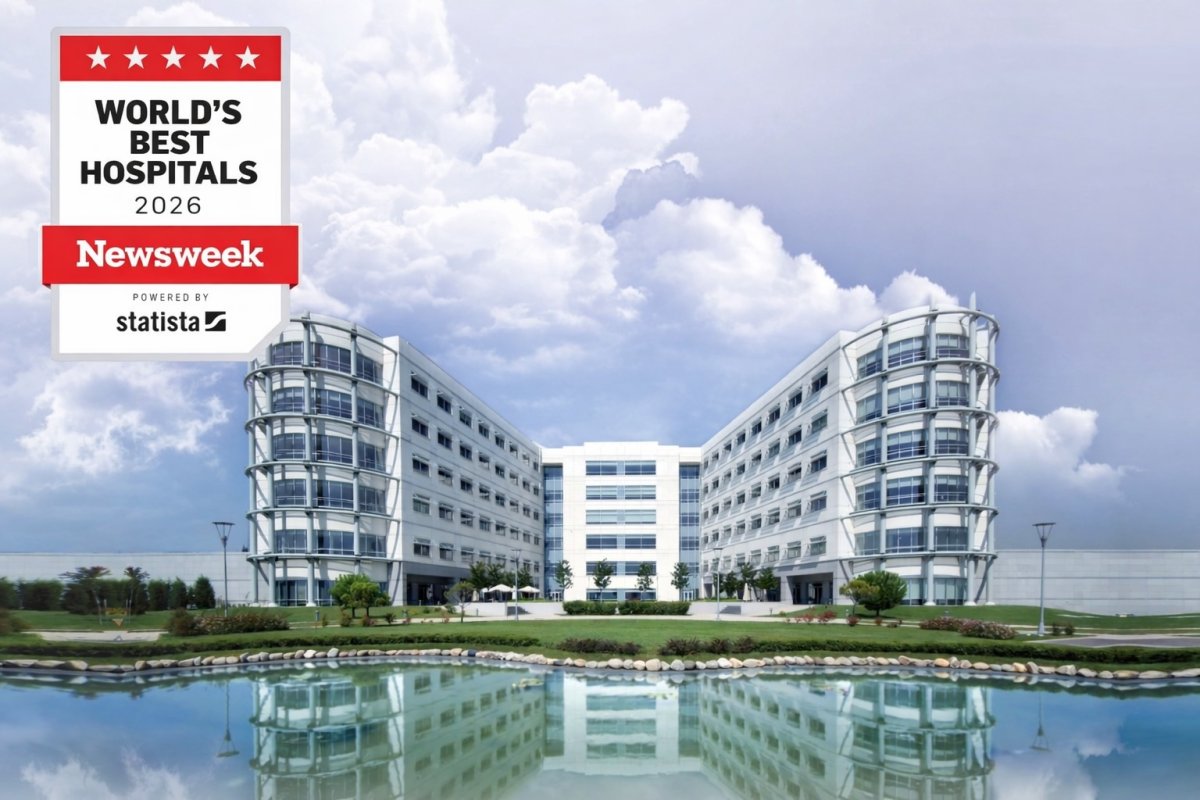



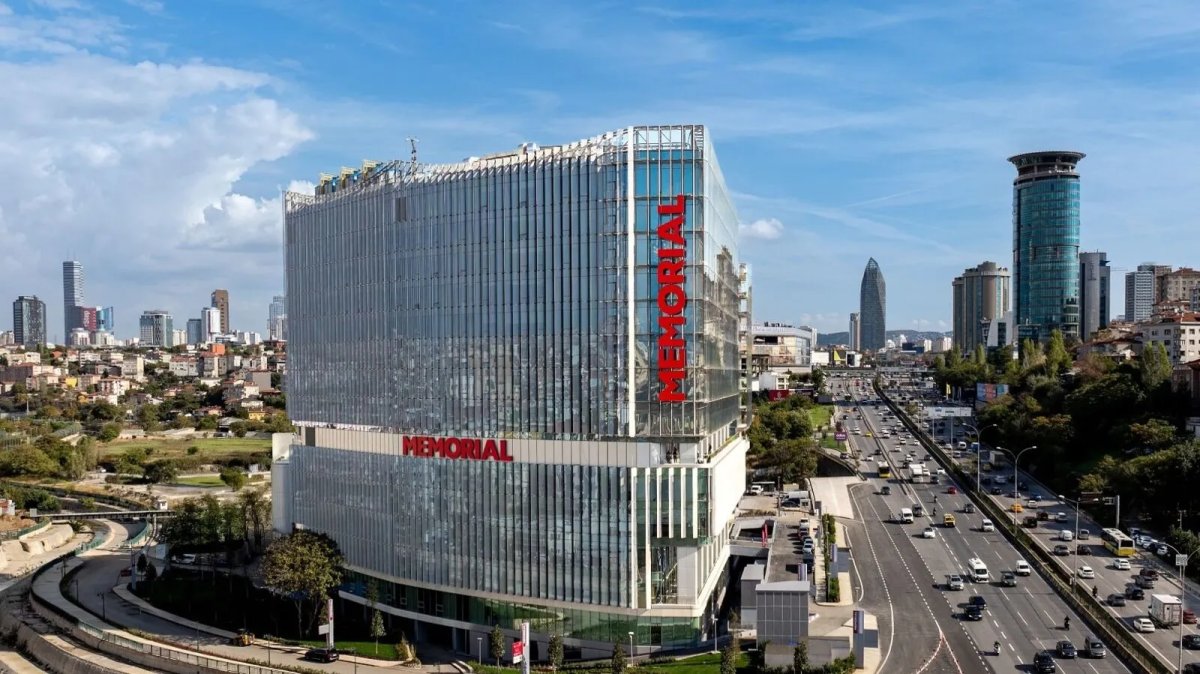
Memorial Göztepe Hospital



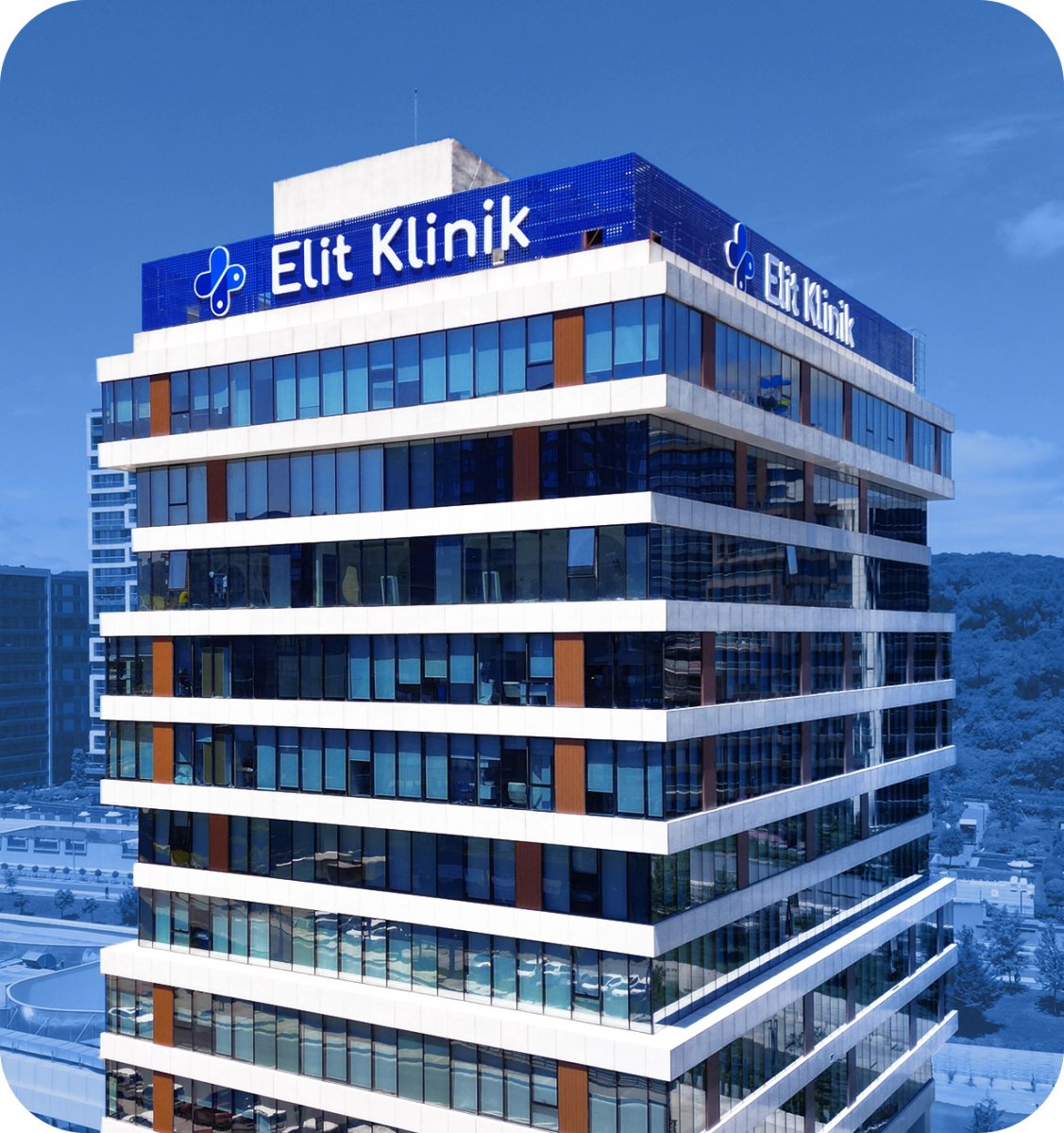
Elithair (Elit Hair Transplant & Medical Aesthetics Clinic / Elit Klinik)
احصل على تقييم طبي لـ في تركيا. استشر الآن 7 أطباء ذوي الخبرة.
عرض جميع الأطباء
Hasan Sahin
تخرج الطبيب من كلية الطب، GATA، وأكمل الإقامة في جامعة إزمير دوكوز إيلول. متخصص في جراحة التجميل والترميم، أجرى الطبيب أكثر من 12,000 عملية جراحية لأكثر من 5,000 مريض حول العالم. تشمل مجالات الخبرة جراحة الوجه والجمجمة، جراحة اليد، الإجراءات الجراحية الدقيقة، والعديد من الجراحات التجميلية مثل تجميل الأنف، تجميل الثدي، وشد البطن.<\/p>
الطبيب ماهر في الإجراءات التجميلية والوظيفية للوجه، الأنف، الثدي، والجسم، ويقدم خدمات استشارية للإجراءات الترميمية المعقدة. معتمد في تشريح السدائل، ش

Tarik Akar
تخرج الطبيب من كلية طب Cerrahpaşa، جامعة إسطنبول في عام 2000 وأكمل الإقامة في الطب الباطني في جامعة أنقرة بحلول عام 2004، وحصل على لقب طبيب باطني. مع مسيرة أكاديمية مثمرة، ساهم الطبيب في 19 ورقة دولية، و6 أوراق محلية، وقدم في 25 مؤتمرًا محليًا ودوليًا. حصل الطبيب على جوائز أفضل عرض شفهي وأفضل ملصق في المؤتمر الدولي السابع لسرطانات الجهاز الهضمي.<\/p>
متخصصًا في الإجراءات التنظيرية المتقدمة، يركز الطبيب على العلاجات مثل POEM للأكالازيا، وESD لسرطانات الجهاز الهضمي في مراحلها المبكر
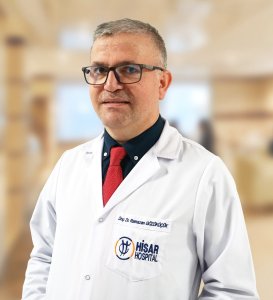
Ramazan Gozukucuk
الدكتور رمضان جوزوكوك هو أخصائي أمراض معدية في مستشفى هيسار إنتركونتيننتال في إسطنبول. وهو متخصص في علاج التهاب الكبد الفيروسي، والعدوى المكتسبة في المستشفيات، والأمراض المرتبطة بالسفر. حصل على شهادات كفاءة في الأمراض المعدية وعلم الأحياء الدقيقة السريري. يعمل الدكتور جوزوكوك في منشأة معتمدة من اللجنة الدولية المشتركة (JCI) تعالج أكثر من 500,000 مريض سنوياً.
- شارك في أكثر من 35 مؤتمراً طبياً وطنياً ودولياً.
- نشر 15 ورقة علمية حول البيولوجيا الجزيئية والعدوى الناشئة.
- ت
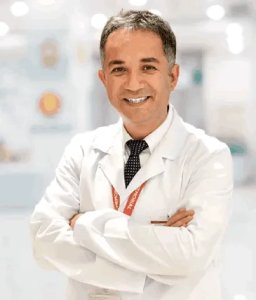
Erdem Akbal
الأستاذ الدكتور إردم أكبال اختصاصي أمراض الجهاز الهضمي في مستشفيَي Memorial Şişli وMemorial Bahçelievler في إسطنبول. عمل سابقًا في Liv Hospital Ulus وMedicana Ataşehir ومستشفيات Florence Nightingale وجامعة Çanakkale Onsekiz Mart. نال لقب أستاذ مشارك عام 2014 ثم أستاذ عام 2019.
تلقى تدريبًا متقدمًا في التنظير التدخلي. أكمل ESD في Jichi Medical University باليابان. تدرّب على POEM/ESD وحركية الجهاز الهضمي في Amsterdam Medical Center. وتدرّب على EUS في مستشفى Johns Hopkins بالولايات المتحد
مشاركة المحتوى
قصص فيديو من مرضى Bookimed
 Anna Leonova
أسئلة متكررة حول علاج التهاب الكبد ب في تركيا
هل التهاب الكبد ب قابل للشفاء، وما هو العلاج المقدم في تركيا؟
لا يمكن حالياً الشفاء من التهاب الكبد ب المزمن، ولكنه قابل للسيطرة عليه بدرجة عالية من خلال قمع الفيروس. توفر المستشفيات التركية المعتمدة من قبل JCI بروتوكولات مضادة للفيروسات باستخدام تينوفوفير أو إنتيكافير. تقلل هذه العلاجات من الحمل الفيروسي لمنع تليف الكبد وسرطان الكبد مع الحفاظ على وظائف الكبد على المدى الطويل.
- بروتوكولات الأدوية: يستخدم الأطباء مضادات فيروسات عالية الفعالية مثل تينوفوفير أو إنتيكافير للسيطرة طويلة الأمد.
- التشخيص المتقدم: تستخدم العيادات تقنيات التصوير بالرنين المغناطيسي 3 تسلا المدعومة بالذكاء الاصطناعي و PET-CT لتقييم صحة الكبد.
- أقسام متخصصة: يتم إدارة العلاج من قبل متخصصين في الأمراض المعدية أو أمراض الكبد في أكثر من 60 قسماً في المستشفيات.
- المعايير الدولية: تحافظ مرافق مثل مستشفى ميموريال شيشلي على اعتمادات ISO و JCI للسلامة.
رؤية خبير Bookimed: بنيت البنية التحتية في تركيا لرعاية الكبد ذات الحجم الكبير. يخدم مستشفى جامعة ميديبول ميغا أكثر من 1,000,000 مريض سنوياً. يضمن هذا النطاق الهائل أن الأطباء لديهم خبرة واسعة في إدارة الأحمال الفيروسية المعقدة. اختيار مركز متعدد التخصصات يضم أكثر من 70 قسماً يسمح بتنسيق أسرع في حال ظهور مضاعفات في الكبد.
- إجماع المرضى: يؤكد المرضى أن المراقبة طويلة الأمد وتحاليل الدم المنتظمة هي الأجزاء الأكثر أهمية في الرحلة. ويلاحظ الكثيرون أن الراحة العاطفية الناتجة عن خفض الحمل الفيروسي لا تقل أهمية عن العلاج الجسدي.
ما هي العيادات أو المستشفيات الأفضل لعلاج التهاب الكبد الوبائي (HBV) في تركيا؟
تشمل أفضل المستشفيات التركية لعلاج التهاب الكبد الوبائي ب (HBV) مستشفى جامعة ميديبول ميغا، ومستشفى ميموريال شيشلي، ومركز الأناضول الطبي. توفر هذه المرافق المعتمدة من قبل اللجنة الدولية المشتركة (JCI) أقساماً متخصصة في أمراض الجهاز الهضمي والأمراض المعدية. وهي تقدم العلاج المضاد للفيروسات الأساسي طويل الأمد، ومراقبة الحمل الفيروسي، وتحديد مرحلة تليف الكبد المتقدمة.
- جامعة ميديبول ميغا: واحدة من أكبر المجمعات في تركيا التي تعالج 1,000,000 مريض يومياً.
- مستشفى ميموريال شيشلي: أول مستشفى تركي يحصل على اعتماد JCI ونسبة نجاح في زراعة الأعضاء تصل إلى 90%.
- مركز الأناضول الطبي: تابع لمستشفى جونز هوبكنز ومصنف عالمياً من حيث الجودة.
- مستشفى هيسار إنتركونتيننتال: معترف به للتميز في خدمات المرضى الدوليين والسلامة.
رؤية خبير Bookimed: يجب على المرضى الذين يبحثون عن رعاية لالتهاب الكبد الوبائي ب إعطاء الأولوية للمستشفيات التي لديها أقسام زراعة أعضاء ذات حجم كبير، مثل ميموريال شيشلي أو ميديبول. تمتلك هذه المراكز بنية تحتية متطورة في مجال أمراض الكبد. وغالباً ما يكون لديهم خبرة أكبر في إدارة تلف الكبد المعقد. تضمن هذه الخبرة مراقبة دقيقة حتى لو كنت لا تحتاج إلى جراحة.
إجماع المرضى: يقدر المرضى الأطباء الذين يؤكدون على المراقبة طويلة الأمد بدلاً من الإجراءات الفورية. ويشيرون إلى أن اختيار مستشفى تعليمي كبير يضمن تتبعاً أكثر شمولاً لإنزيمات الكبد والحمل الفيروسي.
كيف يتم إدارة التهاب الكبد ب المزمن على المدى الطويل؟
تتطلب إدارة التهاب الكبد ب المزمن كبت الفيروس من خلال الأدوية المضادة للفيروسات طويلة الأمد ومراقبة الكبد بانتظام. تركز المراكز التركية على استخدام أدوية عالية الفعالية مثل إنتيكافير أو تينوفوفير. المراقبة مدى الحياة كل 6 إلى 12 شهراً ضرورية للحفاظ على معدل بقاء على قيد الحياة بنسبة 99% من خلال منع تليف الكبد.
- العلاج المضاد للفيروسات: يصف الأطباء أدوية ذات حاجز عالٍ مثل تينوفوفير لمنع مقاومة الفيروسات.
- المراقبة المنتظمة: تتحقق اختبارات الدم من مستويات ALT والحمل الفيروسي كل 6 أشهر.
- مراقبة السرطان: يستخدم الأخصائيون الموجات فوق الصوتية للكبد للكشف عن سرطان الخلايا الكبدية في مراحل مبكرة.
- تعديلات نمط الحياة: يجب على المرضى تجنب الكحول والحفاظ على نظام غذائي صحي لحماية الكبد.
رؤية خبير Bookimed: توفر المستشفيات التركية المعتمدة من اللجنة الدولية المشتركة (JCI) مثل Memorial Şişli وAnadolu Medical Center وحدات متكاملة للأورام وزراعة الأعضاء. هذه البنية التحتية حيوية لأن الإدارة المزمنة تنتقل أحياناً إلى رعاية معقدة. بينما تخدم العديد من العيادات آلاف المرضى، تحافظ هذه المراكز المحددة على معدلات نجاح تصل إلى 90% لإجراءات الكبد عالية المخاطر.
إجماع المرضى: يؤكد المرضى أن البقاء مع عيادة متخصصة ثابتة في تركيا أمر بالغ الأهمية للتتبع طويل الأمد. ويشيرون إلى أن الالتزام المستمر بالأدوية أمر حيوي لتجنب ارتداد الفيروس الخطير أو نوبات الكبد الحادة.
ما الذي يجب أن أتوقعه خلال الزيارة الأولى لعلاج التهاب الكبد ب؟
تركز الزيارة الأولى لالتهاب الكبد ب على تأكيد الحالة وتقييم صحة الكبد. يلتقي المرضى مع أخصائي أمراض الجهاز الهضمي أو أخصائي الأمراض المعدية في المستشفيات التركية المعتمدة من قبل اللجنة الدولية المشتركة (JCI). يتضمن التقييم اختبارات الحمل الفيروسي، وتحليل إنزيمات الكبد، والتصوير غير الجراحي مثل تصوير مرونة الكبد (Transient Elastography) لتحديد ما إذا كان الدواء الفوري ضرورياً.
- استشارة الأخصائي: قابل أطباء الكبد أو أخصائيي الجهاز الهضمي في مرافق مثل مستشفى ميموريال شيشلي.
- تحاليل الدم التشخيصية: تقيس المختبرات الحمل الفيروسي، ووظائف الكبد، وعلامات HBV المحددة.
- تقييم التليف: يستخدم الأخصائيون الموجات فوق الصوتية أو تصوير مرونة الكبد للتحقق من وجود تندب في الكبد.
- استراتيجية الإدارة: يقرر الأطباء بين العلاج الدوائي النشط أو مرحلة المتابعة والانتظار.
رؤية خبير Bookimed: تستفيد مراكز الأورام والكبد التركية مثل مركز الأناضول الطبي من ارتفاع أعداد المرضى. فهي تخدم أكثر من 65,000 مريض سنوياً. تسمح هذه المجموعة الضخمة من البيانات للأخصائيين بالتمييز بين التهاب الكبد ب النشط مناعياً وغير النشط بدقة أكبر. غالباً ما توفر العيادات ذات الحجم الكبير جداً جداول مراقبة طويلة الأمد أكثر موثوقية بسبب خبرتها الواسعة في التعامل مع اختلافات الحالات الدولية.
إجماع المرضى: يشير المرضى إلى أن الزيارة الأولى تتضمن الكثير من الاختبارات. ويؤكدون على أهمية إحضار سجلات المختبر السابقة لمساعدة الأطباء في تتبع استقرار الفيروس بمرور الوقت.
هل تتوفر زراعة الكبد في تركيا لأمراض الكبد في المرحلة النهائية المرتبطة بفيروس التهاب الكبد ب؟
تعد زراعة الكبد علاجًا أساسيًا لأمراض الكبد في المرحلة النهائية المرتبطة بفيروس التهاب الكبد ب في تركيا. يتسبب التهاب الكبد ب المزمن في أكثر من 35% من جميع عمليات زراعة الكبد في البلاد. تجري المراكز التركية المعتمدة من اللجنة الدولية المشتركة (JCI) عمليات جراحية من متبرعين أحياء ومتوفين بمعدلات نجاح تصل إلى 90% لزراعة الأعضاء.
- معدلات النجاح: يبلغ مستشفى ميموريال شيشلي عن وصول معدل النجاح إلى 90% في إجراءات زراعة الأعضاء.
- السبب الرئيسي: يعتبر التهاب الكبد ب السبب الرئيسي لـ 35.2% من عمليات زراعة الكبد في تركيا.
- سعة المستشفى: يعالج مستشفى جامعة ميديبول ميجا أكثر من 1,000,000 مريض سنويًا عبر أقسام متعددة التخصصات.
- الحجم الدولي: تخدم المراكز الكبيرة مثل مركز الأناضول الطبي مرضى من أكثر من 180 دولة.
رؤية خبير Bookimed: تظهر مراكز زراعة الأعضاء التركية كفاءة فنية عالية من خلال إدارة أعداد هائلة من المرضى. يخدم مستشفى ميديبول ميجا ومستشفى هيسار معًا أكثر من 1,500,000 مريض سنويًا. تسمح هذه الترددات العالية للفرق الجراحية بالحفاظ على أعلى مستويات الدقة السريرية. تقع معظم المستشفيات ذات التصنيف العالي في إسطنبول، مما يبسط الخدمات اللوجستية للعائلات الدولية.
إجماع المرضى: يشير المرضى إلى أن السيطرة على الفيروس قبل الجراحة ضرورية للتأهل لعملية الزرع. تعتبر المراقبة الموثوقة على المدى الطويل وخطة قوية للأدوية المضادة للفيروسات مدى الحياة أمورًا حيوية لمنع تكرار الإصابة.