العودة إلى الصفحة الرئيسية

كيف نعمل؟

لقد قمنا بتحويل عملية البحث عن العيادة، وجعلناها بسيطة وسريعة وشخصية.
أجب عن بعض الأسئلة املأوا استمارة قصيرة لتخبرونا عن حالتكم الصحية واحتياجاتكم الطبية.
احصل على عروض مخصصة٣ عيادات تم اختيارها بعناية بناءً على إجاباتك، ستقدّم خطط علاج وتقديرات تكلفة مخصصة لك.
اختر الخيار الأفضلقارن بين العروض واختر العيادة الأنسب لك.
يمكنك أيضًا تصفح 7 عيادة أدناه.
820К+ مريضًا حصلوا على المساعدة منذ عام 2014
50 دول
1,500 عيادات
6K+ تقييمات
3K+ طبيب مؤهل

ما هي تكلفة إدمان المخدرات إجراءات التشخيص والعلاج في تركيا؟ اعرف الآن

تختلف تكلفة علاج إدمان المخدرات في تركيا اعتمادًا على خطة العلاج والخدمات المقدمة. تتراوح برامج العلاج الشاملة، التي تشمل العلاج النفسي، والعلاج بالفن، والعلاج الدوائي، عادةً بين $14,000 و $15,000. تتوفر العلاجات المتقدمة مثل التحفيز المغناطيسي عبر الجمجمة بحوالي $12,000. بالنسبة لحزمة أكثر شمولاً تشمل الاستشفاء، وإزالة السموم، والعلاج السلوكي، يمكن أن تصل التكلفة إلى $45,000. قد يتم تضمين خدمات إضافية مثل التغذية الراجعة العصبية، والتحفيز المغناطيسي العميق للجمجمة، والعلاج بالصدمات الكهربائية بناءً على احتياجات المريض الفردية.

تركياإسبانياألمانيا
علاج إدمان المخدراتمن $3,000من $4,500من $12,000
تم التحقق من البيانات بواسطة Bookimed اعتبارًا من July 2026، استنادًا إلى طلبات المرضى والعروض الرسمية من 27 عيادة حول العالم. تستند التكاليف المتوسطة إلى الفواتير الحقيقية (2025–2026) ويتم تحديثها شهريًا. قد تختلف الأسعار الفعلية.

اكتشف أفضل إدمان المخدرات العيادات في تركيا: 7 خيارات معتمدة والأسعار

تم تصنيف العيادات بواسطة نظام Bookimed الذكي، باستخدام تحليل علوم البيانات عبر 5 معايير رئيسية.
Moodist Psychiatry and Neurology Hospital
NP Istanbul Brain Hospital
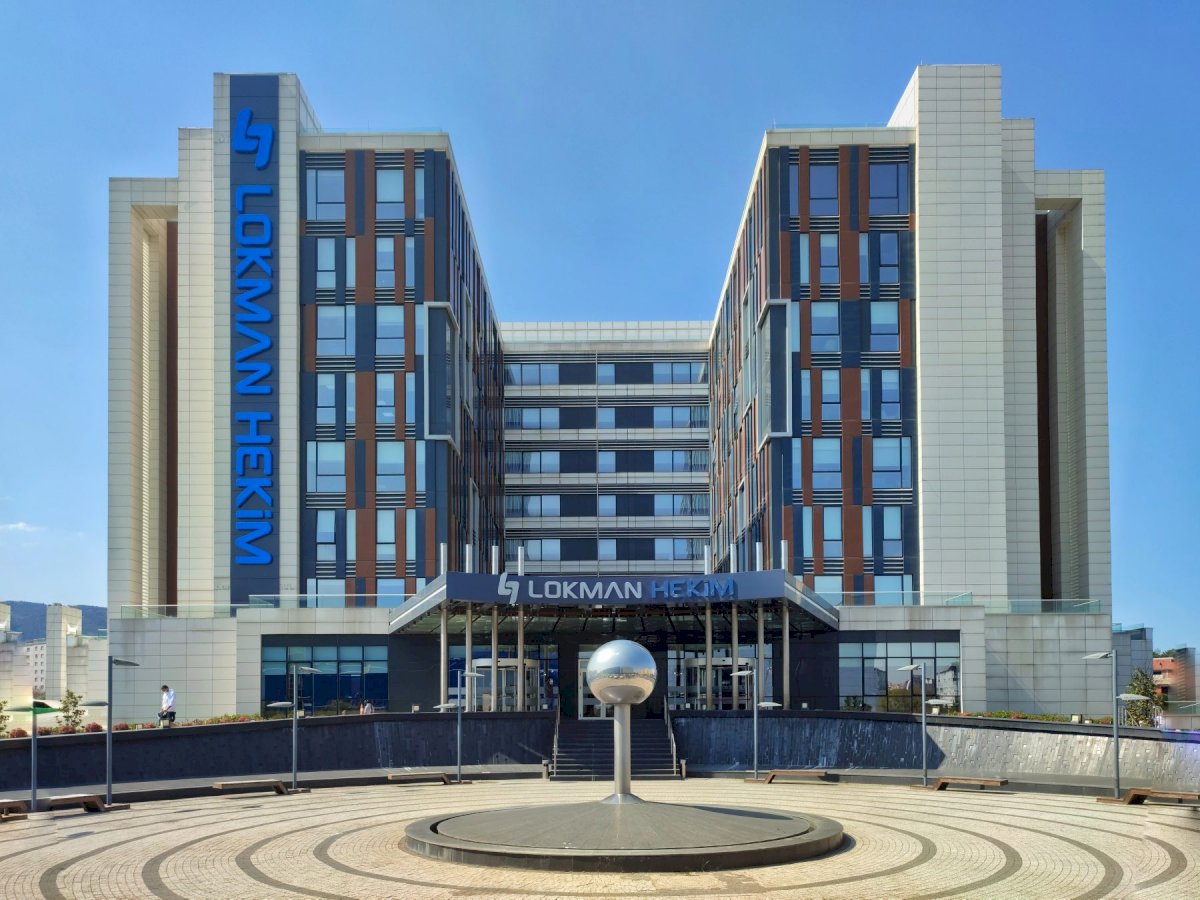
Lokman Hekim Istanbul Hospital
Dental Bosphorus
Emsey Hospital

احصلوا على تقييم طبي لـ إدمان المخدرات في تركيا: استشيروا أطباء ذوي خبرة الآن

عرض جميع الأطباء
يؤكد

Mehmet Besir Surme

12سنة خبره ١٦ سنة

Dr. Mehmet Besir Surme is a neurosurgeon at Eskişehir City Hospital in Turkey. He specializes in pediatric neurosurgery and complex brain tumor removal. Dr. Surme completed an international fellowship in pediatric neurosurgery in Rome, Italy. He has authored scientific publications with over 40 citations in his field.

  • Performs craniotomy, shunt surgeries for hydrocephalus, and brain cyst removal.
  • Treats Arnold Chiari syndrome and spinal stenosis using surgical techniques.
  • Expertise in deep brain stimulation for Parkinson's disease and spinal cord stimulation.
  • Uses 3D-printed molds for customized cranioplasty procedures.

المراجعات

جميع المراجعات
Nawaf Al obaibi • إدمان المخدرات
المملكة العربية السعودية
١٢ أكتوبر ٢٠٢٣
مراجعة تم التحقق منها.
لا أعرف

مشاركة المحتوى

Twitter XLinkedinFacebookWhatsAppEmail
أحصل على الرابط

قصص فيديو من مرضى Bookimed

Dayana
جمعت بين إجازتي في أنطاليا والفحص الطبي.
إجراء: فحص صحة الإناث (انظر فحص النساء)
Igor
كان رائعاً! التنقلات والإقامة والعلاج - كل شيء مشمول.
إجراء: زرع الأسنان
مستشفى: WestDent Clinic
Marina
قام Bookimed بكل شيء من أجلي. لم أضطر للقلق بشأن أي شيء.
إجراء: فحص صحة الإناث (انظر فحص النساء)
مستشفى: Severance Hospital
محدث: 10/12/2023
تأليف
Anna Leonova
Anna Leonova
رئيس فريق تسويق المحتوى
محررة طبية معتمدة لديها خبرة تزيد عن 10 سنوات، طوّرت محتوى Bookimed الموثوق، مدعومة بماجستير في علم اللغة ومقابلات مع خبراء طبيين من جميع أنحاء العالم.
تمت المراجعة من قبل المستشار الطبي في Bookimed
فهد مولود
محرر طبي وعالم بيانات
طبيب عام. حاصل على 4 جوائز علمية. خدم في غرب آسيا. رئيس الفريق الطبي الناطق بالعربية سابقا ومسؤول عن معالجة البيانات ودقة المحتوى الطبي حاليا.
فهد مولود Linkedin
قد تحتوي هذه الصفحة على معلومات تتعلق بمختلف الحالات الطبية والعلاجات وخدمات الرعاية الصحية المتوفرة في بلدان مختلفة. يرجى العلم أن المحتوى مقدم لأغراض إعلامية فقط ولا ينبغي تفسيره على أنه نصيحة أو إرشادات طبية. يرجى استشارة طبيبك أو أخصائي طبي مؤهل قبل البدء أو تغيير العلاج الطبي.

أسئلة متكررة حول علاج إدمان المخدرات في تركيا

هذه الأسئلة الشائعة مأخوذة من مرضى حقيقيين يبحثون عن رعاية طبية عبر Bookimed. يتم تقديم الإجابات من قبل منسقين طبيين ذوي خبرة وممثلين موثوقين من العيادات.

ما هي نسب نجاح علاج إدمان المخدرات في تركيا؟

في تركيا، تبلغ نسبة نجاح علاج إدمان المخدرات في البرامج المنظمة التي تستغرق ستة أسابيع حوالي 66%. وتختلف هذه النسبة باختلاف نوع المركز، حيث تصل نسبة النجاح في المراكز الخاصة المعتمدة إلى 70%. أما نسبة الامتناع المستمر عن تعاطي المخدرات فتبلغ عادةً 66% للمرضى الذين يواصلون العلاج لمدة ثلاثة أشهر على الأقل.

  • الاحتفاظ بالمرضى: تتحسن نتائج العلاج بشكل ملحوظ لدى المرضى الذين يكملون دورة العلاج الكاملة التي تستغرق 90 يومًا.
  • الشهادات السريرية: المؤسسات الطبية الرائدة معتمدة من قبل اللجنة الدولية المشتركة (JCI) وحاصلة على شهادة ISO لأنظمة إدارة الجودة.
  • التشخيص المتقدم: تستخدم العيادات تخطيط الدماغ الكهربائي الكمي ومراقبة العلاج الدوائي لتخصيص بروتوكولات التعافي.
  • الخبرة المتخصصة: يقود أساتذة ذوو خبرة مثل الدكتورة نسرين ديلباز فرقًا متعددة التخصصات في مستشفيات الأمراض العصبية والنفسية.

رأي خبراء بوكيمد: تُظهر البيانات تفوقًا واضحًا لاختيار مستشفيات الأمراض العصبية والنفسية المتخصصة على العيادات العامة. تعالج مؤسسات مثل مستشفى إسطنبول للأمراض العصبية والنفسية ومستشفى موديست للأمراض النفسية والعصبية ما بين 1200 و4000 مريض سنويًا. تشمل برامجها المكثفة التي تستمر 30 يومًا، والتي تتراوح تكلفتها بين 36000 و55000 دولار أمريكي، رعاية تمريضية على مدار الساعة ومراقبة أيضية دقيقة. غالبًا ما يؤدي هذا المستوى من الإشراف السريري إلى تعافٍ أولي أكثر استقرارًا مقارنةً بالعلاج الخارجي التقليدي.

رأي المرضى: يشير المرضى إلى أن التعافي على المدى الطويل يعتمد بشكل كبير على وجود خطة رعاية متابعة واضحة قبل الخروج من المستشفى. ويؤكدون على أهمية وجود طاقم عمل ناطق باللغة الإنجليزية في المنشأة لمعالجة تفاصيل العلاج النفسي بفعالية.

ما هي المعايير السريرية التي تتبعها مراكز إعادة التأهيل التركية؟

تلتزم مراكز إعادة التأهيل التركية بمعايير سريرية صارمة وضعتها وزارة الصحة ومنظمات دولية مثل اللجنة الدولية المشتركة (JCI). وتستخدم هذه المراكز بروتوكولات عصبية نفسية متطورة، بالإضافة إلى أدوات تشخيصية مثل تخطيط كهربية الدماغ الكمي ومراقبة وظائف الدماغ. وتضمن هذه المعايير رعاية عالية الجودة لإزالة السموم الطبية وعلاج الإدمان على المخدرات على المدى الطويل في إسطنبول.

  • الإشراف الحكومي: تقوم وزارة الصحة بإجراء عمليات تفتيش منتظمة لجميع مرافق إعادة التأهيل المرخصة.
  • الاعتماد الدولي: المراكز الرائدة مثل مستشفى إسطنبول إن. بي. لجراحة الأعصاب معتمدة من قبل اللجنة الدولية المشتركة.
  • إدارة الجودة: تنظم معايير ISO 9001 و TÜV NORD السلامة السريرية وصيانة المعدات.
  • التشخيص المتقدم: تشمل البروتوكولات تخطيط الدماغ الكمي (qEEG) ومراقبة جرعات الأدوية العلاجية لتحديد الجرعات بدقة.

رأي خبراء بوكيميد: تُظهر بيانات بوكيميد فرقًا واضحًا بين المستشفيات العادية والمراكز المتخصصة في الطب النفسي العصبي. توفر المرافق المتخصصة، مثل مستشفى إسطنبول لجراحة الأعصاب والطب النفسي العصبي أو مستشفى موديست للأمراض النفسية والعصبية، نهجًا تشخيصيًا أكثر تعمقًا. فبينما تركز العيادات العادية على إزالة السموم، تشمل هذه المراكز تخطيط الدماغ وتقييمات الصحة النفسية كجزء من الإقامة لمدة 30 يومًا. يضمن اختيار مستشفى نفسي متخصص معتمد من اللجنة الدولية المشتركة (JCI) الوصول إلى أكثر من 100 طبيب متخصص وأحدث الفحوصات المخبرية.

آراء المرضى: غالباً ما يؤكد المرضى أن البرامج التركية تُعطي الأولوية لإزالة السموم الطبية والاستقرار النفسي على حساب نماذج الخطوات الاثنتي عشرة التقليدية. ويشير الكثيرون إلى أهمية وجود مساعد لغوي متخصص لتسهيل فهم جداول الأدوية المعقدة وخطط العلاج.

كم تستغرق عادةً مدة برنامج إعادة تأهيل المدمنين المقيمين في تركيا؟

تستغرق برامج إعادة التأهيل من إدمان المخدرات في تركيا عادةً 30 يومًا، وتشمل الاستقرار القياسي والعلاج المكثف. أما برامج إعادة التأهيل الشاملة، فتتراوح مدتها غالبًا بين 28 و90 يومًا. وتعتمد المدة على نوع المادة المخدرة، وشدة أعراض الانسحاب، والتقييم العصبي النفسي المطلوب في المرافق المعتمدة من قبل اللجنة الدولية المشتركة في إسطنبول.

  • المدة القياسية: تتضمن معظم برامج العلاج الداخلي الخاصة إقامة في المستشفى لمدة 30 يومًا.
  • مرحلة إزالة السموم: عادةً ما يتم إجراء المراقبة الطبية لأعراض الانسحاب خلال الأيام السبعة إلى العشرة الأولى.
  • العلاج طويل الأمد: في الحالات الشديدة أو عند تقليل جرعة المواد الأفيونية تدريجياً، قد يتطلب الأمر من 60 إلى 90 يوماً.
  • فترة التشخيص: خلال الأسبوع الأول، يتم إجراء تخطيط الدماغ الكهربائي الكمي ورسم خرائط وظائف الدماغ في العيادات.

رأي خبراء بوكيمد: بينما تفصل العديد من البرامج الدولية بين إزالة السموم وإعادة التأهيل، تجمع المراكز التركية، مثل مستشفى إسطنبول للأمراض العصبية والنفسية، بينهما في وحدة واحدة للأمراض العصبية والنفسية مدتها 30 يومًا. يعتمد هذا النموذج على تقنيات متقدمة لرسم خرائط الدماغ ورعاية على مدار الساعة لتعديل العلاج بشكل فوري. يشمل اختيار باقة مدتها 30 يومًا عادةً جميع الاستشارات والتشخيصات المتخصصة، والتي قد تتراوح تكلفتها بين 36,000 و55,000 دولار أمريكي، وذلك حسب مستوى تخصص المركز.

آراء المرضى: يشير المرضى إلى أن فترة 60-90 يومًا غالبًا ما تكون الأكثر فعالية لتحقيق التعافي طويل الأمد. ويؤكد من يلجؤون إلى العيادات الخاصة على أهمية وجود طاقم عمل يتحدث الإنجليزية وتقديم دعم شامل خلال الشهر الأول من التعافي.

ما هي إجراءات الرعاية أو التعافي التي يتم تقديمها بعد انتهاء العلاج في المستشفى؟

في تركيا، تتضمن الرعاية اللاحقة لإدمان المخدرات عادةً نقل المرضى إلى برامج علاجية خارجية منظمة أو مراكز إعادة تأهيل. وتشمل أدوات التعافي خططًا فردية للوقاية من الانتكاس، ومتابعة مستمرة للأدوية، وعلاجًا فرديًا. وتستخدم مراكز مثل مستشفى إسطنبول إن. بي. لجراحة الأعصاب مراقبة الأدوية العلاجية لضمان السلامة خلال مرحلة الانتقال.

  • برامج التخفيف التدريجي: ينتقل المرضى إلى جلسات علاجية مكثفة للمرضى الخارجيين أو إلى دخول جزئي للمستشفى لتوفير الدعم اليومي.
  • المراقبة السريرية: تشمل فحوصات المتابعة المنتظمة مراقبة الفعالية العلاجية للأدوية لتتبع مدى فعاليتها.
  • الأدوات الرقمية: توفر العديد من المؤسسات تطبيقات لتتبع الحالة المزاجية وخطوط ساخنة على واتساب تعمل على مدار 24 ساعة لتقديم الدعم في حالات الأزمات.
  • الوصول إلى المجتمع: تساعد فرق إعادة التأهيل المرضى على التواصل مع مجموعات الدعم الدولية مثل مدمني المخدرات المجهولين (NA).

رأي خبراء بوكيمد: غالبًا ما تقدم المراكز الكبيرة، مثل مستشفى إسطنبول لإعادة التأهيل العصبي (NP) الذي يعالج 4000 مريض سنويًا، تشخيصات متقدمة. وتشمل باقات خدماتها، التي تصل تكلفتها إلى حوالي 55000 دولار أمريكي، قياسات فريدة لوظائف الدماغ تساعد في وضع خطط إعادة تأهيل طويلة الأمد. وتُعطي العيادات الخاصة الحديثة في تركيا الأولوية للتقنيات المتخصصة على مجرد إحالة المرضى إلى مراكز إعادة التأهيل التي توفر بيئة معيشية خالية من الإدمان، والتي قد توجد في مرافق أصغر.
ملاحظات المرضى: يشير المرضى إلى أن المراكز الخاصة غالباً ما توفر حزماً عند الخروج من المستشفى، تشمل أوراق عمل للوقاية من الانتكاس وقسائم للاستشارات الافتراضية. ويؤكد الكثيرون على ضرورة طلب جميع أدوات الدعم اللازمة وأرقام الاتصال كتابياً قبل الخروج.

Why is medical professional supervision recommended for drug addiction detoxification in Turkey?

Medical supervision for drug detoxification in Turkey protects patient safety during severe withdrawal phases. Specialists monitor vital signs around the clock. They use diagnostics like QEEG and EEG to track brain function. Professional care prevents life-threatening complications like seizures. It also allows for a smooth transition into long-term psychological rehabilitation.

  • Safety monitoring: Clinical teams track heart rate, blood pressure, and temperature to manage emergencies.
  • Neuro-mapping: Clinics like NP Istanbul Brain Hospital use QEEG and EEG to measure brain functions.
  • Withdrawal management: Specialists use specific medications and Therapeutic Drug Monitoring (TDM) to prevent complications.
  • Clinical environment: JCI-accredited facilities provide structured inpatient care with 24-hour nursing support.

Bookimed Expert Insight: Many detox programmes focus only on physical withdrawal. However, top Turkish psychiatric hospitals integrate neuro-technology. Packages at Moodist Hospital include Transcranial Magnetic Stimulation (TMS). These 30-day inpatient stays cost A$49,700. This combination of physical detox and brain stimulation aims to stabilise neuro-function faster. This often results in more resilient early recovery phases for complex cases.

Patient Consensus: Patients value the dedicated 24-hour nursing care and the structured inpatient environment in Turkey. They often note that having translations and airport transfers included makes the medical process feel less overwhelming during the difficult first month.

What should Australian patients ask when evaluating drug addiction treatment providers in Turkey?

Australian patients should evaluate Turkish addiction providers using local standards for clinical safety and evidence-based protocols. Key areas include JCI accreditation, English-speaking specialist availability, and structured detox monitoring. Many Istanbul centres provide 30-day inpatient packages. These include neurophysiological testing and 24-hour psychiatric nursing care. Confirmation of aftercare coordination with Australian GPs is essential for long-term recovery.

  • Clinical credentials: Check if psychiatrists hold international memberships or university professorships.
  • Diagnostic technology: Ask about QEEG or brain function measurements to tailor treatment.
  • Detox supervision: Confirm 24/7 medical monitoring to manage withdrawal risks and seizures.
  • Language support: Verify that clinical therapy occurs in English for clear communication.
  • Inpatient inclusions: Check that the package covers medications, pathology, 3 meals, and transfers.

Bookimed Expert Insight: Clinics like NP Istanbul Brain Hospital use therapeutic drug monitoring to adjust dosages in real-time. This precision medicine approach is rare in standard rehabs. High-volume centres here treat up to 4,000 patients annually. This means psychiatrists have often handled more complex dual-diagnosis cases than smaller private clinics. Patients should choose centres combining psychiatry with neurology for comprehensive care.

Patient Consensus: Patients note it is important to confirm the exact detox medicines used before arrival. Reviewers in Turkey emphasise the value of having a written discharge plan. This should be shared with Australian specialists to prevent relapse.

What types of drug addiction treatment programs are commonly available in Turkey?

Turkish clinics offer drug addiction treatment including medically supervised detoxification and long-term inpatient rehabilitation. High-end Istanbul facilities integrate neuroscientific approaches. These include transcranial magnetic stimulation (TMS) and deep brain function monitoring. Most programs provide 30-day residential stays with 24-hour medical supervision.

  • Inpatient programs: Specialised centres provide 30-day residential stays with individual rooms and nursing.
  • Clinical diagnostics: Clinics use quantitative electroencephalography (QEEG) to map brain activity during treatment.
  • Neuromodulation therapies: Facilities like Moodist Psychiatry and Neurology Hospital offer TMS to manage cravings.
  • Medical monitoring: Specialists perform therapeutic drug monitoring (TDM) to ensure medicine levels remain safe.

Bookimed Expert Insight: Istanbul serves as a global hub for neuropsychiatric addiction care. Leading facilities like NP Istanbul Brain Hospital hold JCI accreditation. They treat over 4,000 patients annually. This high volume allows clinics to offer specialised 'thought-focused' medicine. Such precision is often unavailable in general medical centres.

Patient Consensus: Patients note that Turkish inpatient programs provide a structured, supervised environment essential for severe dependence. They emphasise that doctors in Turkey combine physical detox with psychological support.

What is the difference between inpatient and outpatient drug addiction treatment in Turkey?

Inpatient treatment in Turkey involves a 30-day stay in a high-security hospital. It provides 24-hour medical supervision and intensive therapies. Outpatient care allows patients to live elsewhere while attending scheduled sessions. Inpatient programs prioritise safety through detox, constant monitoring, and separation from triggers.

  • Inpatient environment: Multi-departmental neuropsychiatric hospitals provide 24-hour nursing and medical support.
  • Clinical technologies: Inpatient care often uses brain mapping, deep brain stimulation, and neurofeedback.
  • Diagnostic depth: Programs include QEEG, biochemistry tests, and continuous therapeutic drug monitoring (TDM).
  • Support services: Inpatient packages typically bundle private rooms, nutritionist-prepared meals, and airport transfers.

Bookimed Expert Insight: While outpatient care offers flexibility, Turkish psychiatry centres report higher success with inpatient stays. This is especially true for international patients. Clinics like NP Istanbul Brain Hospital or Moodist use intensive 30-day protocols. These include specialised brain function measurements. This approach stabilises patients before they fly back to Australia.

Patient Consensus: Patients value being removed from daily triggers. They note the importance of choosing inpatient care for detox needs. They emphasise that professional accountability and 24-hour monitoring help them focus during early recovery.

How long does a typical drug addiction treatment programme in Turkey last?

Standard drug addiction programmes in Turkey typically require a 30-day inpatient stay for stabilisation. Intensive rehabilitation often spans 30 to 90 days. Factors like detox requirements and individual progress determine the total duration. Leading Turkish hospitals use neuro-diagnostics to customise stays for each patient.

  • Inpatient duration: Packages at Moodist Hospital include a 30-day stay with round-the-clock nursing.
  • Clinical stages: Programmes cover assessment, detox, and psychotherapy within the first 30 days.
  • Intensive monitoring: NP Istanbul Brain Hospital uses drug monitoring to adjust treatment timelines.
  • Specialised techniques: Facilities use brain function measurement and TMS to speed up recovery.

Bookimed Expert Insight: Many international programmes offer fixed 28-day blocks. However, Turkish neuropsychiatric centres like NP Istanbul Brain Hospital use brain mapping to decide stay length. Looking at 390 clinics in Turkey, we see the most successful outcomes occur when patients stay in hospital for at least 30 days.

Patient Consensus: Patients note that standard inpatient programmes usually last 30 days in Turkey. They suggest confirming whether detox is included and getting the full timeline in writing before travel.

How should an Australian patient prepare for travel to Turkey for drug addiction treatment?

Australian patients preparing for addiction treatment in Turkey must secure a valid visa. They should also carry original prescriptions for all medications. Local clinics often require a 30-day inpatient commitment. Patients should select JCI-accredited facilities that specialise in neuropsychiatry for clinical safety and high standards of care.

  • Clinical documentation: Carry a GP letter detailing dosages and the clinical reason for treatment.
  • Visa requirements: Apply for a Turkish e-visa online before departing from Australia.
  • Hospital stay: Most intensive recovery programs include a 30-day stay in a private room.
  • Medical transport: Packages from major clinics typically include VIP transfers between the airport and hospital.

Bookimed Expert Insight: While basic detox is common, top neuropsychiatric centres like NP Istanbul Brain Hospital use diagnostic tools like QEEG and Transcranial Magnetic Stimulation. These tools help doctors map brain function to customise treatment. Australian patients should look for facilities that serve over 1,000 international cases annually. These centres have established interpreters and streamlined logistics for foreign arrivals.

Patient Consensus: Patients value the high level of individual care. They report that having airport transfers and nursing support included helps reduce stress. Those travelling to Istanbul often appreciate the private rooms and comprehensive blood testing provided during the first week.

Does Australian private health insurance typically cover drug addiction treatment in Turkey?

Australian private health insurance typically does not cover drug addiction treatment in Turkey. Registered Australian insurers focus on domestic care within private hospitals. Patients should plan to self-fund international rehabilitation. International health insurance for residents abroad may offer partial support. However, standard domestic policies do not.

  • Out-of-pocket funding: Patients should budget for full treatment costs upfront for Turkish facilities.
  • Domestic policy focus: Australian private cover applies only to inpatient care within Australia.
  • Travel insurance limits: Standard travel insurance rarely covers planned elective addiction rehab abroad.
  • Specific rehab packages: Providers like NP Istanbul Brain Hospital offer inclusive 30-day inpatient stays.

Bookimed Expert Insight: Turkish addiction centres often bundle 30 days of inpatient stay into fixed prices. Packages at Moodist Psychiatry and Neurology Hospital include meals, 24-hour nursing, and diagnostics. These inclusions provide cost certainty that domestic Australian private hospitals may lack when self-funding locally.

Patient Consensus: Patients note it is essential to get written insurer approval before booking overseas. Most recommend treating treatment in Turkey as a self-paid expense from the start.

احصل على استشارة مجانية

حدد أفضل طريقة للاتصال بك