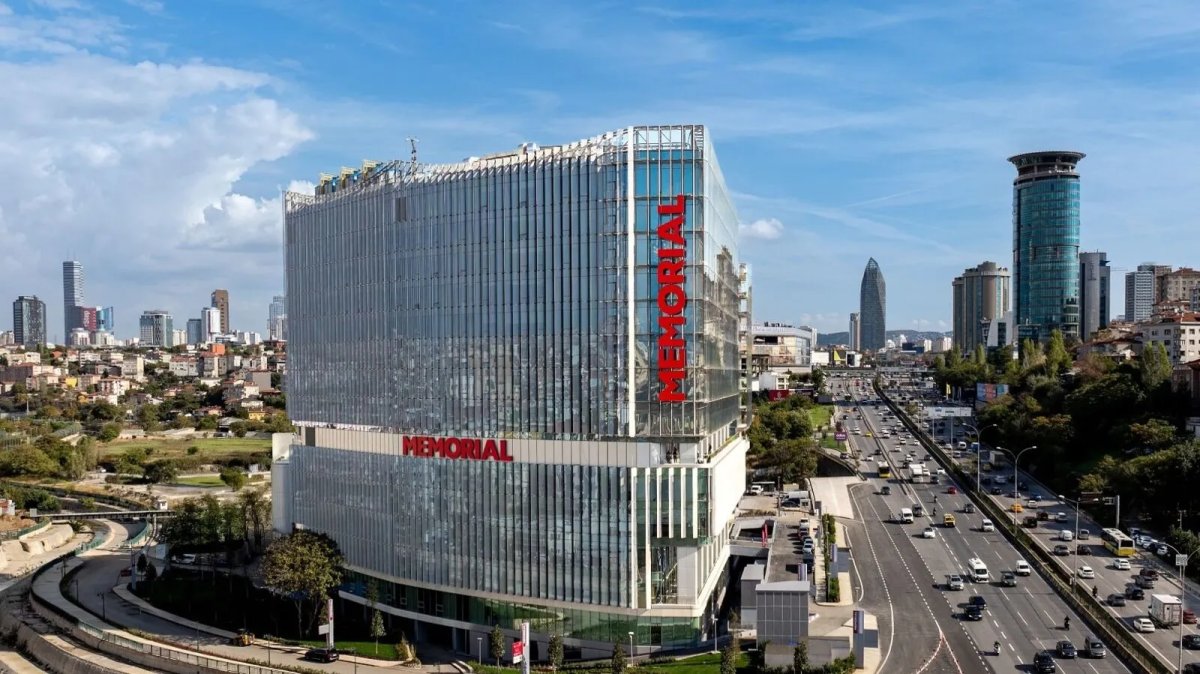
Memorial Göztepe Hospital
تركيا, إسطنبول


تمت مراجعة المقالة طبيا من قبل
فهد مولود
Bookimed لا يضيف رسوماً إضافية على أسعار علاج الأطراف الباردة. الأسعار مأخوذة من قوائم الأسعار الرسمية للعيادات. تدفع مباشرة في العيادة مقابل علاجك عند وصولك إلى البلد.
Bookimed ملتزم بسلامتك. نحن نعمل فقط مع المؤسسات الطبية التي تحافظ على معايير دولية عالية في علاج الأطراف الباردة ولديها التراخيص اللازمة لخدمة المرضى الدوليين في جميع أنحاء العالم.
Bookimed يقدم مساعدة خبراء مجانية. منسق طبي شخصي يدعمك قبل وأثناء وبعد العلاج، ويحل أي مشاكل. لن تكون وحيداً أبداً في رحلة علاج الأطراف الباردة.

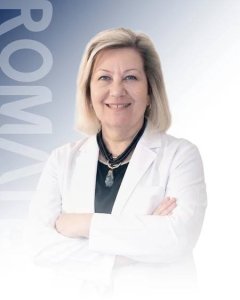
يشغل د. غونيش يافوزر منصب أستاذ في الطب الطبيعي وإعادة التأهيل منذ فبراير 2011. أصبح أستاذًا مشاركًا في أبريل 2003، ونال شهادة البورد الأوروبي عام 2004. تخرّج في كلية الطب بجامعة أنقرة، وأتمّ هناك تدريبه التخصّصي في قسم الطب الطبيعي وإعادة التأهيل. ثم حصل لاحقًا على درجة الدكتوراه من جامعة إيراسموس.
شملت أدواره السريرية والأكاديمية مستشفيات كلية الطب بجامعة أنقرة ومعهد ميشيغان لإعادة التأهيل التابع لجامعة وين ستيت (الولايات المتحدة). كما عمل مع كلية علوم الصحة بجامعة هاليج، وعيادة Form
 Anna Leonova
يعد علاج الأوعية الدموية للأطراف الباردة في تركيا آمناً بسبب المعايير الصارمة التي تضعها اللجنة الدولية المشتركة (JCI). تستخدم المستشفيات المعتمدة من قبل اللجنة الدولية المشتركة تصويراً طبياً متطوراً لتحديد مشاكل الدورة الدموية. تصل معدلات النجاح في إجراءات مثل دعامات الأوعية الدموية إلى 95%. يضمن الجراحون المعتمدون رعاية دقيقة باستخدام غرف عمليات هجينة متخصصة.
رؤية خبير Bookimed: السلامة لا تتعلق فقط بجودة الجراحة، بل بدقة التشخيص. يستخدم مستشفى ميموريال جوزتيبي (Memorial Göztepe) أشعة مقطعية بـ 512 شريحة للعثور على انسدادات الأوعية الدموية الدقيقة. تساعد هذه التقنية الأطباء على تجنب الجراحات غير الضرورية للأطراف الباردة التي لا تعاني من مشاكل وعائية. توفر المراكز ذات القدرة العالية التي تضم أكثر من 90 طبيباً أماناً أفضل من خلال المراجعة متعددة التخصصات.
إجماع المرضى: يشير المرضى إلى أنه من الضروري تأكيد تشخيص الأوعية الدموية قبل السفر. يوصون بطلب نتائج تصوير محددة بدلاً من قبول توصيات سريعة لإجراءات معينة. يشعر معظمهم بالأمان
يقوم الأطباء في تركيا بتشخيص برودة الأطراف باستخدام مسوحات الأوعية الدموية وفحوصات التمثيل الغذائي وفقًا لمعايير اللجنة الدولية المشتركة (JCI). يستخدم المتخصصون في مراكز مثل مستشفى ميموريال جوزتيبي (Memorial Göztepe) تصوير دوبلر بالموجات فوق الصوتية وتحاليل الدم. ويحددون متلازمة رينود الكامنة أو خلل الغدة الدرقية أو انسدادات الدورة الدموية لتحديد العلاجات المستهدفة.
رؤية خبراء Bookimed: تظهر بياناتنا أن سرعة التشخيص عالية في المراكز متعددة التخصصات مثل مستشفى ميموريال جوزتيبي. تضم هذه العيادات أكثر من 39 قسمًا تحت سقف واحد، مما يسمح لأخصائيي القلب والأوعية الدموية والطب الباطني بالتعاون الفوري بشأن الأعراض أحادية الجانب. يضمن الوصول السريع إلى تقنية التصوير المقطعي بـ 512 شريحة أن يتم رسم خرائط الأوعية الدموية في غضون ساعات، وليس أيام.
إجماع المرضى: يؤكد المرضى على أهمية تتبع ما إذا كانت هناك تغيرات في لون الجلد أو آلام. يقترحون إحضار صور ليديك أثناء التعرض للمحفزات الباردة لمساعدة الأطباء في تحديد ظاهرة رين
توفر المراكز التركية علاجات متقدمة داخل الأوعية الدموية للأطراف الباردة الناجمة عن أمراض الأوعية الدموية. يستخدم الجراحون رأب الأوعية، ووضع الدعامات، وانحلال الخثرة الموجه بالقسطرة لاستعادة الدورة الدموية. تستخدم هذه الإجراءات طفيفة التوغل التصوير المقطعي بـ 512 شريحة والتصوير عالي الدقة لإزالة الانسدادات في الشرايين المحيطية.
رؤية خبراء Bookimed: يمثل مستشفى ميموريال جوزتيبي (Memorial Göztepe) اتجاهًا جديدًا في الرعاية الوعائية التركية يركز على الدقة. تستخدم المرافق الآن التصوير بالرنين المغناطيسي بقوة 3 تسلا المدعوم بالذكاء الاصطناعي والتصوير المقطعي بـ 512 شريحة للتشخيص. يسمح هذا التصوير عالي الدقة لأخصائيي الأوعية الدموية برسم خرائط للأوعية الصغيرة قبل التدخل. غالبًا ما يؤدي هذا التخطيط التفصيلي إلى تحسين النتائج في الحالات المعقدة لأمراض الأوعية الصغيرة.
يجب طلب الرعاية المتخصصة إذا استمرت برودة الأطراف بغض النظر عن الطقس. التقييم الفوري ضروري في حال وجود تغير في لون الجلد، أو قروح لا تلتئم، أو تقلصات في الساق أثناء المشي. غالبًا ما تشير هذه العلامات إلى أمراض الأوعية الدموية أو تلف الأعصاب أو حالات المناعة الذاتية. توفر المستشفيات التركية متعددة التخصصات تشخيصات متقدمة لهذه المشكلات الأساسية.
رؤية خبراء Bookimed: تستخدم المراكز التركية متعددة التخصصات مثل مستشفى ميموريال جوزتيبي (Memorial Göztepe) تقنية التصوير المقطعي المحوسب بـ 512 شريحة والرنين المغناطيسي بقوة 3 تسلا. تكتشف هذه الأدوات المتقدمة انسدادات الدورة الدموية الدقيقة التي غالبًا ما تفوتها الفحوصات القياسية. اختيار منشأة تضم أقسام جراحة الأوعية الدموية والأعصاب يضمن تشخيصًا أسرع. يساعد هذا النهج المتكامل في تحديد ما إذا كان السبب متعلقًا بتدفق الدم أو الأعصاب.
إجماع المرضى: غالبًا ما يندم المرضى على انتظارهم حتى ملاحظة قروح بطيئة الالتئام أو تغيرات في اللون. يوصون بتتبع ما إذا كانت البرودة تحدث في جانب واحد فقط قبل موعد
عادة ما ينتهي التعافي بعد إجراءات الأوعية الدموية طفيفة التوغل في تركيا في غضون أسبوع إلى أسبوعين. غالباً ما يتمكن المرضى من الوقوف والمشي في غضون ساعتين بعد التدخل. يعود معظمهم إلى الأنشطة الخفيفة في غضون أيام. يحدث الشفاء التام لموقع الوصول عادةً بحلول الأسبوع الثاني.
رؤية خبير Bookimed: تشمل مؤشرات الجودة لرعاية الأوعية الدموية في تركيا البنية التحتية متعددة التخصصات. يستخدم مستشفى ميموريال جوزتيبي (Memorial Göztepe Hospital) غرفة عمليات هجينة. يسمح هذا الإعداد بإجراء تدخلات وعائية معقدة وتصوير في مكان واحد. تضمن هذه التكنولوجيا دقة أعلى ومراقبة أكثر أماناً للمريض خلال ساعات التعافي الأولى.
إجماع المرضى: يؤكد المرضى أن المشي والسفر يكون مريحاً في غضون أيام. يلاحظ معظمهم أن ضيق موقع الوخز هو العائق الرئيسي للتعافي قبل السفر جواً إلى الوطن.
تضع العيادات التركية الأولوية للعلاج التحفظي لتحسين الدورة الدموية الدقيقة وصحة الأوعية الدموية. تشمل الخيارات غير الجراحية أدوية توسيع الأوعية، وعلاج الميزوثيرابي بالفيتامينات، وطاقة الترددات الراديوية لتحفيز تدفق الدم. يعد الفحص للكشف عن الحالات الكامنة مثل خلل الغدة الدرقية أو فقر الدم الخطوة القياسية الأولى قبل التفكير في الجراحة.
رؤية خبير Bookimed: تستخدم المراكز متعددة التخصصات في تركيا مثل مستشفى ميموريال جوزتيبي (Memorial Göztepe Hospital) الأشعة المقطعية بـ 512 شريحة والرنين المغناطيسي بقوة 3 تسلا لرسم خرائط دقيقة للأوعية الدموية. تظهر البيانات أن العيادات تفضل الخطوات غير الجراحية عندما تكون الأعراض ثنائية أو متقطعة. يشير هذا إلى أن المشكلة غالباً ما تكون وظيفية وليست انسداداً هيكلياً يتطلب جراحة.
إجماع المرضى: يلاحظ المرضى أن الأطباء يركزون أولاً على تدابير التدفئة البسيطة ومراجعة ا
يمكن للمرضى الذين يخضعون لعلاج الأوعية الدموية في تركيا توقع معدل نجاح يصل إلى 90% لتدخلات الأوردة ومعدلات عالية لإنقاذ الأطراف. تشمل النتائج طويلة المدى تحسن القدرة على الحركة وتحسن الوظائف اليومية. تستخدم المراكز المتخصصة أشعة مقطعية بـ 512 شريحة ورنين مغناطيسي بقوة 3 تسلا لرسم خرائط دقيقة للأوعية الدموية وتخطيط العلاج.
رؤية خبير Bookimed: يعتمد النجاح في تركيا غالباً على البنية التحتية التكنولوجية للمستشفى. يستخدم مستشفى ميموريال جوزتيبي (Memorial Göztepe Hospital) غرفة عمليات هجينة للجمع بين التصوير والجراحة. يسمح هذا الإعداد للجراحين بالتحقق من استعادة تدفق الدم فوراً أثناء الإجراء. تساعد الأشعة المقطعية عالية الدقة بـ 512 شريحة في تحديد الانسدادات الصغيرة التي قد لا تظهر في التصوير الأساسي.
إجماع المرضى: يلاحظ المرضى أن الدفء على المدى الطويل يكون أكثر استدامة عند تصحيح انسداد محدد. ويؤكدون على أهمية إحضار صور الأشعة التفصيلية معهم لضمان استمرارية الرعاية والمتابعة مع الأطباء المحليين.