جراحة تذكير الصوت في تايلاند — احصل على 3 عيادات مطابقة مع التكاليف


تمت مراجعة المقالة طبيا من قبل
فهد مولود
ما هي تكلفة جراحة تذكير الصوت في تايلاند؟ اكتشف الآن
تتراوح تكلفة جراحة تفخيم الصوت في تايلاند عادةً بين $3,800 و $6,500. يعتمد السعر النهائي على التقنية الجراحية، وفئة العيادة، والمدينة المختارة. عادة ما تشمل الباقات الاستشارات، وأجور الجراحة، والتخدير، والإقامة بالمستشفى، والأدوية بعد العملية.
- التقنية الجراحية: غالباً ما تكون الإجراءات المفتوحة أقل تكلفة من الطرق التنظيرية نظراً لاحتياجات المعدات.
- موقع المركز الطبي: ترتفع الأسعار في بانكوك وبوكيت عادة بنسبة 15-20 % عن المراكز الإقليمية.
- اعتماد المنشأة: تعكس المستشفيات المتميزة الحاصلة على اعتماد JCI معايير أعلى في أسعارها.
- خبرة الأخصائي: قد يتقاضى الجراحون الحاصلون على شهادات دولية من ISAPS أو WPATH أجوراً أعلى.
رأي خبراء Bookimed: تقدم تايلاند قيمة فريدة تجمع بين حجم الجراحات المرتفع ومعايير المستشفيات العالمية. على سبيل المثال، يعد مستشفى بامرونجراد الدولي منشأة معتمدة من JCI ومصنفة ضمن أفضل 10 مستشفيات عالمياً. كما يخدم أكثر من 500,000 مريض دولي سنوياً. يضمن اختيار هذه المراكز الكبيرة الوصول إلى خبراء متخصصين في الأنف والأذن والحنجرة مثل الدكتور براباس تيركول. توفر هذه الخبرة المؤسسية قيمة أفضل غالباً من العيادات الصغيرة.
المزايا الرئيسية
- احصل على جراحة تعميق الصوت في تايلاند بأقل بنسبة 30-40% من السعودية وألمانيا.
- خيارات الجراحة: تعديل الحبال الصوتية، حقن السيليكون، وزراعة الأنسجة.
- استشارة مجانية من قبل طبيب لتحديد أفضل خيار لتعميق الصوت المناسب لك.
- ضمان 100% لحماية البيانات والسرية.
- عروض حصرية من عيادات تايلاند الموثوقة من $3,800.
| تايلاند | تركيا | إسبانيا | |
|---|---|---|---|
| جراحة تذكير الصوت | ≈ $3,800 | من $9,200 | ≈ $4,800 |
مزاياك وضماناتك مع Bookimed
أسعار مباشرة
Bookimed لا يضيف رسوماً إضافية على أسعار جراحة تذكير الصوت. الأسعار مأخوذة من قوائم الأسعار الرسمية للعيادات. تدفع مباشرة في العيادة مقابل جراحة تذكير الصوت عند وصولك.
عيادات وأطباء معتمدون فقط
Bookimed ملتزم بسلامتك. نحن نعمل فقط مع المؤسسات الطبية التي تحافظ على معايير دولية عالية في جراحة تذكير الصوت ولديها التراخيص اللازمة لخدمة المرضى الدوليين في جميع أنحاء العالم.
مساعدة مجانية على مدار الساعة
Bookimed يقدم مساعدة خبراء مجانية. منسق طبي شخصي يدعمك قبل وأثناء وبعد العلاج، ويحل أي مشاكل. لن تكون وحيداً أبداً في رحلة جراحة تذكير الصوت.

منسقك الطبي الشخصي في Bookimed
- يدعمك في كل مرحلة
- المساعدة في اختيار العيادة الطبية المناسبة والطبيب المناسب
- يضمن الوصول السريع والمريح إلى المعلومات
اكتشف أفضل جراحة تذكير الصوت العيادات في تايلاند: 3 خيارات معتمدة والأسعار







نظرة عامة على جراحة تذكير الصوت في تايلاند
- جراحة تأنيث الوجه - من $9,200
يغير هذا الإجراء ملامح الوجه الذكورية ، مما يجعلها أكثر نعومة وأكثر أنوثة بالنسبة للنساء المتحولات جنسياً.
- حلاقة القصبة الهوائية - من $1,000
يعمل هذا الإجراء على تقليل حجم تفاحة آدم ، بما في ذلك الحلاقة الدقيقة للغضروف الدرقي ، عادةً لتأنيث الصوت.
- جراحة إعادة تحديد الجنس - من $5,800
يحول هذا الإجراء الجنس عند الولادة ، بما في ذلك العديد من العمليات الجراحية ، مما يوفر التوافق الجسدي مع الهوية الجنسية.
- جراحة تفاحة آدم - من $1,400
يقلل هذا الإجراء من بروز الحلق للحصول على مظهر جانبي أكثر سلاسة ، وغالبًا ما يتم إجراؤه تحت التخدير الموضعي ، مع الحد الأدنى من التندب.
- إيداع Bookimed: 200 دولار أو 200 يورو.
- وديعة العيادة: ادفع نسبة محددة مقدمًا.
احصل على تقييم طبي لـ جراحة تذكير الصوت في تايلاند: اختر أخصائيك من بين الأفضل في هذا المجال
عرض جميع الأطباء
Dr Prapas Teerakul
متخصص في طب الأنف والأذن والحنجرة مع التركيز على جراحة تذكير الصوت في مستشفى إنتارات، ويقدم رعاية دقيقة لكل مريض.
- تخرج من مستشفى راماتيبودي، جامعة ماهيدول
- خبرة أستاذ مساعد في طب الأنف والأذن والحنجرة
- معتمد في طب الأنف والأذن والحنجرة مع ممارسة متخصصة
- يعمل بتقنيات متطورة لتعديل الصوت
قصص فيديو من مرضى Bookimed
المراجعات
جميع المراجعات
مشاركة المحتوى
 Anna Leonova
حقائق سريعة عن جراحة تذكير الصوت

جراحة تذكير الصوت
تهدف جراحة تذكير الصوت إلى تعميق الصوت عن طريق تغيير الحبال الصوتية.
أسئلة متكررة حول جراحة تذكير الصوت في تايلاند
ما هي جراحة تذكير الصوت (VMS)، ولماذا يحتاجها بعض الرجال العابرين جنسياً؟
جراحة تذكير الصوت هي إجراء دائم لتأكيد الجنس يعمل على خفض طبقة الصوت عن طريق تقليل شد الحبال الصوتية. وعادةً ما تستخدم جراحة رأب الغضروف الدرقي من النوع الثالث لإرخاء الحنجرة، مما يوفر نبرة أعمق بشكل طبيعي للرجال العابرين جنسياً الذين لم تنخفض أصواتهم بشكل كافٍ من خلال العلاج بالهرمونات البديلة.
- التقنيات المتاحة: يستخدم الجراحون رأب الغضروف الدرقي من النوع الثالث، أو رأب الحنجرة بالحقن الدهني، أو الجراحة المجهرية داخل الحنجرة.
- الهدف الأساسي: يغير الإجراء فيزيائياً الغضروف الدرقي لتقليل شد الطيات الصوتية.
- مدة الإجراء: تستغرق معظم العمليات حوالي 3 ساعات تحت التخدير العام في بانكوك.
- فترة التعافي: قد يستغرق استقرار وضوح الصوت عدة أشهر بعد العملية.
رؤية خبير Bookimed: تعد تايلاند رائدة عالمياً في هذا الإجراء النادر لأن عيادات مثل مستشفى بامرونجراد الدولي تجمع بين معايير السلامة الخاصة باللجنة الدولية المشتركة (JCI) والخبرة المتخصصة في الأنف والأذن والحنجرة. تشير البيانات إلى أن أطباء مثل الدكتور براباس تيركول في مستشفى إنتارارات يدمجون الجراحة المجهرية لحماية صحة الصوت. أوصي بجدولة هذا الإجراء كآخر جراحة لتأكيد الجنس. هذا يتجنب التنبيب المستقبلي، الذي قد يضر بالتعديلات الحنجرية الدقيقة التي تم إجراؤها أثناء جراحة الصوت.
إجماع المرضى: في حين يجد معظمهم أن التستوستيرون كافٍ، فإن أولئك الذين يختارون الجراحة يقدرون الراحة الدائمة من خلل النطق. غالباً ما يؤكد المرضى أن التدريب الصوتي بعد العملية يظل ضرورياً لتحقيق نطاق وظي
ما هي التقنيات الجراحية المستخدمة لتغليظ الصوت؟
تشمل التقنيات الجراحية لتغليظ الصوت بشكل أساسي رأب الحنجرة من النوع الثالث ورأب الحنجرة النافذي. تعمل هذه الإجراءات على إرخاء توتر الطيات الصوتية لخفض تردد النبرة. تزيد الخيارات طفيفة التوغل مثل حقن الدهون أو الفيلر من كتلة الطيات الصوتية لخلق نبرة أكثر امتلاءً وعمقاً بشكل دائم أو مؤقت.
- رأب الحنجرة من النوع الثالث: يقوم الجراح بتعديل الغضروف الدرقي لإرخاء الطيات الصوتية تحت التخدير الموضعي.
- رأب الحنجرة النافذي: إنشاء نافذة على شكل معين في الغضروف لتقليل التوتر الميكانيكي للصوت.
- رأب الحنجرة بالحقن: حقن دهون ذاتية أو مواد مالئة لزيادة حجم وكتلة الطيات الصوتية.
- حقن التستوستيرون: حقن مباشرة في الطيات الصوتية تُقدم كسلسلة علاجية غير جراحية في العيادة.
رؤية خبراء Bookimed: تُعد تايلاند مركزاً عالمياً لتأكيد الجنس، حيث تمتلك عيادات مثل مستشفى بامرونجراد الدولي اعتمادات JCI وGHA. يستخدم جراحون خبراء مثل الدكتور براباس تيركول في مستشفى إنتارارات جراحة مجهرية عالية التكبير لتقليل تلف الأنسجة. غالباً ما يختار المرضى التخدير الموضعي لتوفير تغذية راجعة صوتية فورية أثناء الإجراء.
إجماع المرضى: يقدر المرضى القدرة على ضبط نبرة صوتهم أثناء الجراحة وهم مستيقظون. يؤكد الكثيرون أنه على الرغم من أن الجراحة تخفض النبرة، إلا أن العلاج الصوتي المهني يظل ضرورياً للحصول على رنين طبيعي.
ما هو الجدول الزمني النموذجي للتعافي بعد جراحة تذكير الصوت؟
يتطلب التعافي من جراحة تذكير الصوت من أسبوع إلى أسبوعين من الراحة الصوتية المطلقة، تليها إعادة تدريجية لاستخدام الصوت. يخضع المرضى لجراحة مجهرية داخل الحنجرة لخفض طبقة الصوت، مع الوصول إلى تحسن أولي في الصوت في غضون 3 إلى 6 أشهر. يحدث الاستقرار الصوتي الكامل عادةً بين 8 إلى 12 شهرًا بعد الإجراء.
- فترة الراحة الصوتية: الصمت التام إلزامي لمدة 14 يومًا لمنع تلف الحبال الصوتية.
- قيود النشاط: تجنب رفع الأثقال، والتمارين الشاقة، والسعال لحماية الغرز الدقيقة.
- جودة الصوت المبكرة: توقع بحة أو خشونة أو ضعفًا خلال الأسابيع الأربعة الأولى.
- الاستقرار طويل الأمد: تستقر نتائج طبقة الصوت والرنين النهائية عادةً بين 6 و 12 شهرًا.
رؤية خبير Bookimed: تقود تايلاند مجال تأكيد الجنس لأن المرافق الرائدة مثل مستشفى بومرونجراد الدولي تجمع بين السلامة المعتمدة من JCI والخبرة المتخصصة. يستخدم جراحون مثل الدكتور براباس تيركول جراحة مجهرية عالية التكبير، وهو أمر بالغ الأهمية للدقة. يضمن اختيار المراكز التي توفر علاج النطق المتكامل انتقالات أكثر سلاسة خلال مرحلة إعادة التأهيل التي تستغرق 3 أشهر.
إجماع المرضى: يؤكد المرضى أن الشهرين الأولين يتطلبان انضباطًا شديدًا فيما يتعلق بالصمت. وينصحون بعدم الحكم على الصوت في وقت مبكر، حيث غالبًا ما تكون الأصوات الأولية مشوهة أو ضعيفة أثناء الشفاء.
أين يمكن للمرضى إجراء جراحة تذكير الصوت (VMS) في تايلاند، وما هي المدة التي يجب أن يقضوها هناك؟
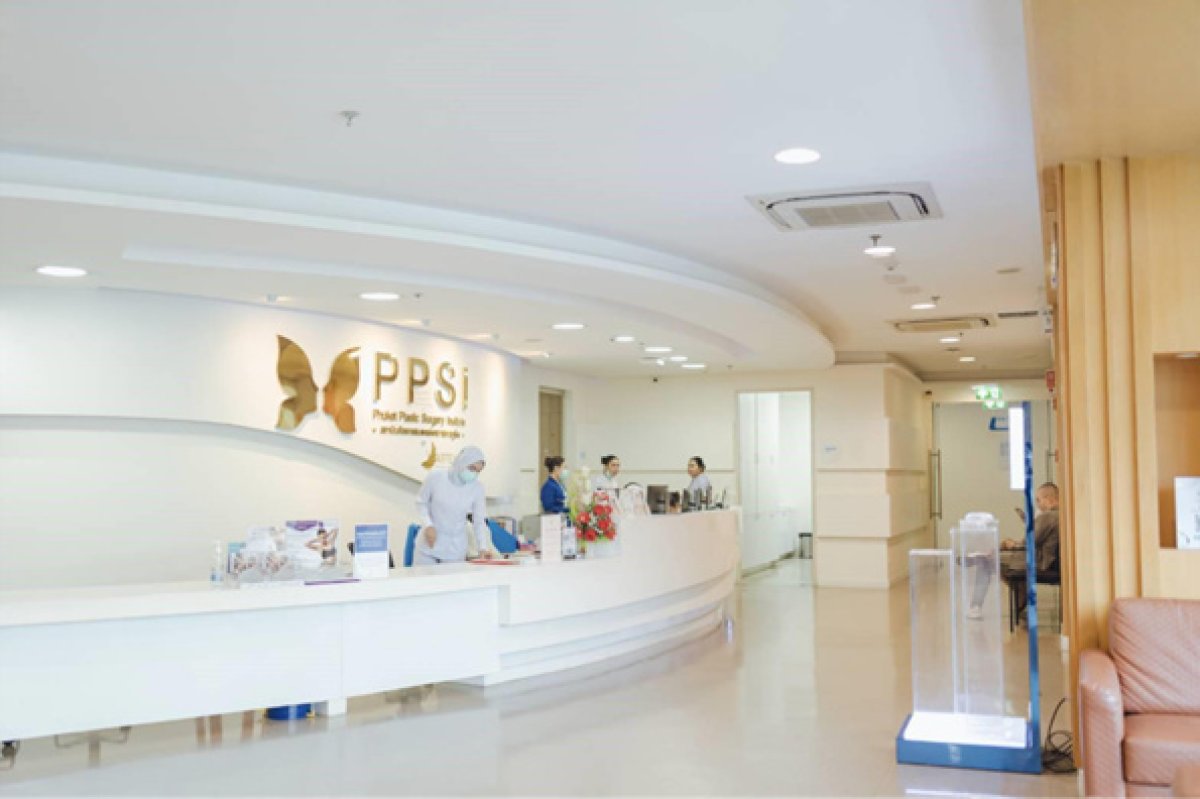
يمكن للمرضى إجراء جراحة تذكير الصوت (VMS) في مراكز متخصصة ومعتمدة من قبل اللجنة الدولية المشتركة (JCI) في بانكوك، بما في ذلك مستشفى بامرونجراد الدولي ومعهد فوكيت للجراحة التجميلية. يتطلب معظم الجراحين إقامة في المستشفى لمدة ليلتين ومدة إجمالية للرحلة تتراوح بين 7 إلى 21 يوماً للتعافي والمتابعة.
- المراكز المتخصصة: تشمل المراكز الرائدة مستشفى بامرونجراد الدولي ومستشفى كامول للجراحة التجميلية.
- الجراحون الخبراء: يقوم متخصصون مثل الدكتور براباس تيركول في مستشفى إنتارارات بإجراءات حنجرية متقدمة.
- الإقامة في المستشفى: توقع قضاء ليلتين من المراقبة الداخلية للتحكم في التورم وإدارة البلغم.
- فترة التعافي: خطط للبقاء في البلاد لمدة تتراوح بين أسبوع إلى 3 أسابيع لضمان سلامة السفر جواً.
- الرعاية بعد العملية: الراحة الصوتية الإلزامية مطلوبة لمدة 7 أيام على الأقل بعد الجراحة.
رؤية خبير Bookimed: تحتل تايلاند المرتبة الثانية عالمياً في طلبات تأكيد الجنس، لكن جراحة تذكير الصوت غالباً ما تتطلب أكثر من مجرد جراحة. تشير البيانات إلى ضرورة التنسيق مع مدربي الصوت المحليين في وقت مبكر، حيث أن الجراحة الفيزيائية تغير طبقة الصوت فقط. يتطلب تحقيق نبرة ذكورية طبيعية عادةً علاجاً احترافياً إلى جانب النتيجة الجراحية.
إجماع المرضى: يؤكد المرضى على أهمية بناء جداول السفر حول مواعيد الفحوصات بعد العملية بدلاً من تاريخ الجراحة فقط. يوصي الكثيرون بوضع خطة رعاية لاحقة مع معالج محلي قبل مغادرة تايلاند.