استئصال الأمعاء الغليظة في تايلاند — احصل على 3 عيادات مطابقة مع التكاليف


تمت مراجعة المقالة طبيا من قبل
فهد مولود
ما هي تكلفة استئصال الأمعاء الغليظة في تايلاند؟ اكتشف الآن
تتراوح تكلفة استئصال الأمعاء الغليظة في تايلاند عادةً بين $10,500 / 357,000฿ و $16,500 / 561,000฿. يعتمد السعر النهائي على التقنية الجراحية، وطبيعة الورم، ومدة الإقامة في المستشفى. تشمل الباقات القياسية عادةً أتعاب الجراح، والتخدير، والرعاية الداخلية لعدة أيام.
- استئصال الأمعاء الدقيقة: من $8,500 / 289,000฿ إلى $14,000 / 476,000฿ لإزالة الأنسجة الموضعية.
- الجراحة بالمنظار: تزيد التكلفة بنسبة 20-30% تقريباً مقارنة بالجراحة التقليدية.
- المراكز الجغرافية: تقع المراكز الطبية الكبرى في بانكوك، وفوكيت، وباتايا.
- التشخيص المتقدم: قد تزيد فحوصات PET قبل العملية أو التحليل المرضي من الميزانية الإجمالية.
رأي خبراء Bookimed: توفر تايلاند خبرة جراحية فائقة، خاصة في مؤسسات مثل مستشفى بانكوك فوكيت. يقود معهد أمراض القولون والمستقيم هناك أخصائيون معترف بهم دولياً. يضمن اختيار مراكز معتمدة من JCI مثل بامرونجراد الوصول إلى تقنية IBM Watson لعلاج الأورام. توفر هذه التقنية خطط علاج قائمة على البيانات للعمليات المعقدة. يستفيد المرضى الدوليون من خدمات دعم واسعة، تشمل أكثر من 150 مترجماً فورياً في الموقع.
| تايلاند | تركيا | إسبانيا | |
|---|---|---|---|
| استئصال الأمعاء الغليظة | ≈ $10,500 / 357,000฿ | من $14,000 / 476,000฿ | من $16,900 / 574,600฿ |
| استئصال الأمعاء الدقيقة | ≈ $8,500 / 289,000฿ | من $6,500 / 221,000฿ | من $14,300 / 486,200฿ |
مزاياك وضماناتك مع Bookimed
أسعار مباشرة
Bookimed لا يضيف رسوماً إضافية على أسعار استئصال الأمعاء الغليظة. الأسعار مأخوذة من قوائم الأسعار الرسمية للعيادات. تدفع مباشرة في العيادة مقابل استئصال الأمعاء الغليظة عند وصولك.
عيادات وأطباء معتمدون فقط
Bookimed ملتزم بسلامتك. نحن نعمل فقط مع المؤسسات الطبية التي تحافظ على معايير دولية عالية في استئصال الأمعاء الغليظة ولديها التراخيص اللازمة لخدمة المرضى الدوليين في جميع أنحاء العالم.
مساعدة مجانية على مدار الساعة
Bookimed يقدم مساعدة خبراء مجانية. منسق طبي شخصي يدعمك قبل وأثناء وبعد العلاج، ويحل أي مشاكل. لن تكون وحيداً أبداً في رحلة استئصال الأمعاء الغليظة.

منسقك الطبي الشخصي في Bookimed
- يدعمك في كل مرحلة
- المساعدة في اختيار العيادة الطبية المناسبة والطبيب المناسب
- يضمن الوصول السريع والمريح إلى المعلومات
اكتشف أفضل استئصال الأمعاء الغليظة العيادات في تايلاند: 3 خيارات معتمدة والأسعار





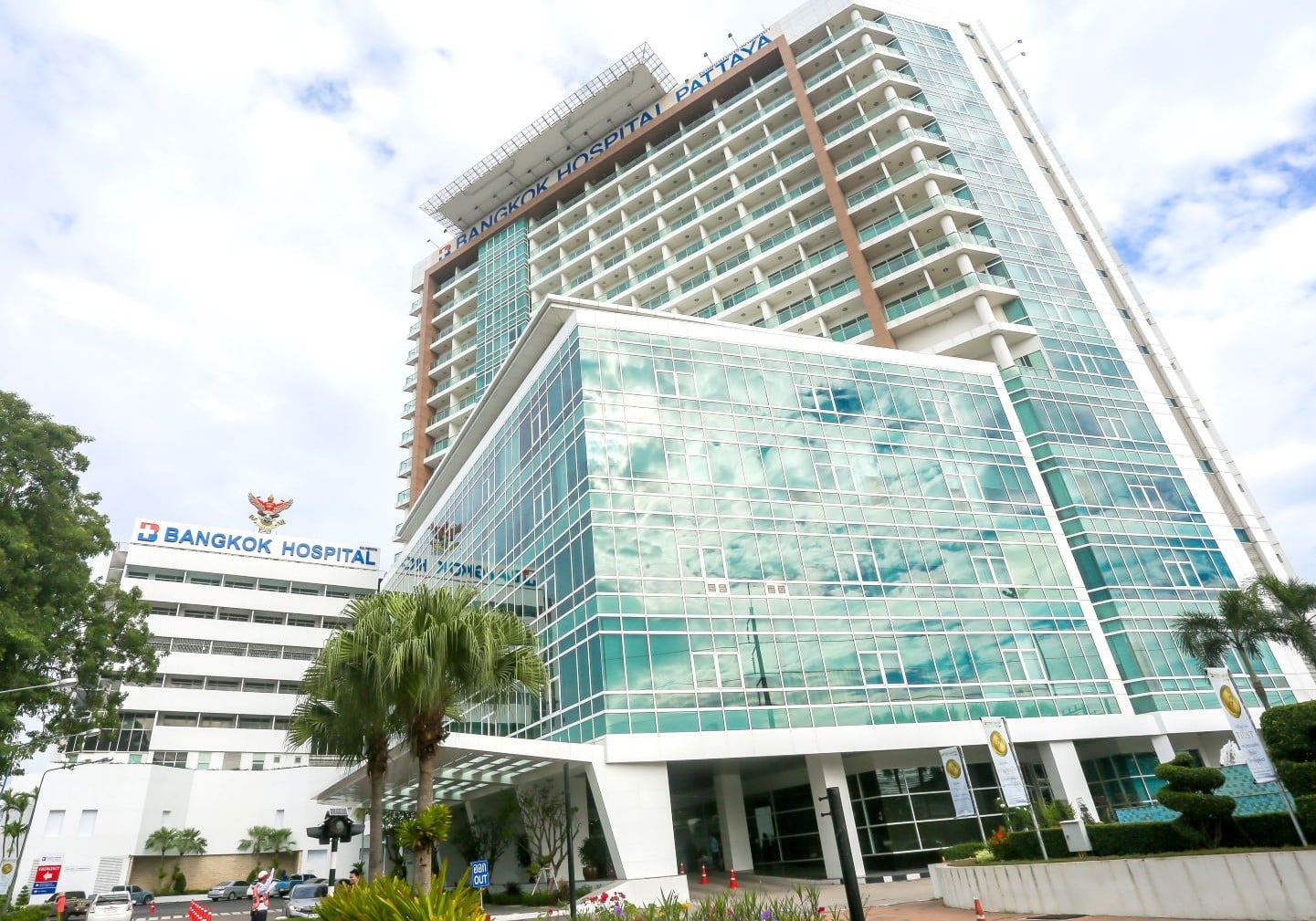



نظرة عامة على استئصال الأمعاء الغليظة في تايلاند
- استئصال الأمعاء الدقيقة - من $8,500
يزيل هذا الإجراء جزءًا من أمعائك لعلاج الأمراض وتحسين الهضم والصحة العامة.
- استئصال الأمعاء الغليظة - من $10,500
يتضمن هذا الإجراء الإزالة الجزئية للقولون لعلاج الأمراض وتعزيز صحة الجهاز الهضمي والراحة.
اليوم الأول: الوصول
- الوصول إلى العيادة واستكمال التسجيل.
- قابل الجراح للتشاور.
- قم بإجراء تقييمات ما قبل الجراحة مثل اختبارات الدم وتخطيط القلب.
اليوم الثاني: ما قبل العملية
- قابل طبيب التخدير لمناقشة خيارات التخدير.
- اخضع لتحضير الأمعاء المطلوب.
- الامتناع عن الأكل والشرب بعد منتصف الليل.
اليوم الثالث: العملية
- نقل إلى غرفة العمليات.
- اخضع للتخدير العام.
- يتم استئصال الأمعاء الغليظة.
- تستغرق العملية عادة 2-3 ساعات.
اليوم الرابع: ما بعد العملية
- استيقظ في غرفة الإنعاش.
- التحويل إلى العنبر للمراقبة.
- ابدأ بالتناول التدريجي للسوائل والطعام.
اليوم 5-7: الإقامة في المستشفى
- مواصلة الشفاء تحت إشراف طبي.
- زيادة مستويات النشاط تدريجيًا.
- يبدأ تخطيط التفريغ.
الأسبوع 2: استعادة المنزل
- الخروج من المستشفى.
- الراحة والتعافي في المنزل.
- اتبع النصائح الغذائية التي قدمها الطبيب.
الأسبوع 3-6: إعادة التأهيل
- العودة تدريجيًا إلى الأنشطة العادية.
- استمر في اتباع النصائح الغذائية.
- العودة إلى العمل عندما تكون مرتاحًا.
الأسبوع السابع وما بعده: النتيجة النهائية
- استأنف جميع الأنشطة العادية.
- استشارة متابعة مع الجراح.
- شاهد النتيجة النهائية.
يرجى ملاحظة أن هذا هو جدول زمني عام وقد تختلف التجارب الفردية.
- إيداع Bookimed: 200 دولار أو 200 يورو.
- وديعة العيادة: ادفع نسبة محددة مقدمًا.
بصفتنا المنصة العالمية الرائدة في مجال السياحة العلاجية ، فإننا نتحمل مسؤولية كبيرة تجاه عملائنا - المرضى والمراكز الطبية على حدٍ سواء. تستند جميع المعلومات المقدمة على Bookimed.com إلى البحث والاستبصار والخبرة وتفي بالاهتمام الكبير المتعلق بالمنتج وما يلي:
نظام التصنيف التلقائي الذكي
نحن نشكل قوائمنا للعيادات والأطباء مع لوائح صارمة لنظام التصنيف التلقائي الذكي الخاص بنا. يعتمد النظام على معدلات Bookimed الحقيقية للمرضى لتوفير المعلومات الأكثر موضوعية وشفافية حول استئصال عيادات الأمعاء الغليظة والخدمات الطبية في تايلاند هناك.
يجمع عالم البيانات ذو الخبرة لدينا البيانات يوميًا ، ويراقب ويحسن نظام التصنيف باستخدام التعلم الآلي والذكاء الاصطناعي لضمان تحديث نظام التصنيف وتقديم نتائج دقيقة.
تجربة الناس الحقيقية فقط
نقوم بجمع آراء عملاء Bookimed فقط بعد الحصول على خبرة طبية مع استئصال عيادة الأمعاء الغليظة في تايلاند - بحيث يمكن لكل شخص على المنصة الوثوق بالمنشأة التي يختارونها. نحن نسعى جاهدين لجعل المحتوى على منصتنا مفيدًا قدر الإمكان ونضمن حرية التعبير عن الآراء النقدية. وبالتالي ، ننشر مراجعات إيجابية وسلبية ، بهدف أن نكون مصدرًا لاتخاذ قرارات مستنيرة لعملائنا في المستقبل.
مواضيع ذات مستويات عالية من الخبرة والسلطة والجدارة بالثقة
على Bookimed.com ، قد تجد الاختيار والراحة للعثور على أفضل الحلول الطبية من كبار مزودي الخدمات الطبية في تايلاند في مكان واحد فقط وبأسعار تنافسية في كثير من الأحيان. للتأكد من تقديم أحدث المعلومات ، يقوم ممثلو العيادة بتحديث السير الذاتية للأطباء ، وقدرات العيادات ، والصور قبل وبعد ، والأسعار ، والحزم ، والعروض الخاصة بأنفسهم قريبًا. يمكنك مقابلة ممثل العيادة والتحقق من تاريخ المحتوى المحدث في صفحة كل عيادة للتأكد من مصداقيتها.
تم إنشاء مدونتنا والقطع الداعمة من قبل مؤلفين محترفين يتمتعون بخبرة لا تقل عن 3 سنوات في الكتابة الطبية ويتم تحريرها بواسطة متخصصين طبيين يتمتعون بخبرة إكلينيكية وبحثية ذات صلة - تم تعيينهم جميعًا بعناية في الفريق. نحن نسعى جاهدين لتعزيز وصول المريض إلى المعلومات الصحية ، مما يجعلها خبيرة ولكن يسهل فهمها. تتبع جميع القطع إرشادات التحرير الخاصة بـ Bookimed.
القيم المحجوزة
نحن مصنوعون من الناس ومن أجلهم - وهذه هي قيمتنا الأساسية. هذا هو السبب في أن جميع البيانات المقدمة على المنصة يتم جمعها وتحريرها ومراجعتها وتحديثها بانتظام من قبل مرضانا وعياداتنا الشريكة وفريقنا ، بما في ذلك المجلس الاستشاري الطبي Bookimed ، الذي يتكون من أطباء مشهورين عالميًا يتمتعون بخبرة قيمة في أكثر من 20 عاما من الممارسة وسمعة طيبة. تعلم المزيد عنا وعن مهمتنا .
في حال وجدت أي خطأ أو لديك أي أسئلة حول المعلومات المقدمة على Bookimed.com ، فلا تتردد في الاتصال بنا على marketing@bookimed.com .
قصص فيديو من مرضى Bookimed
المراجعات
جميع المراجعاتمشاركة المحتوى
 Anna Leonova
أسئلة متكررة حول استئصال الأمعاء الغليظة في تايلاند
ما هي معدلات نجاح استئصال الأمعاء الغليظة في تايلاند؟
يحافظ استئصال الأمعاء الغليظة في تايلاند على معدلات نجاح عالية تتراوح بين 95% و98% في المراكز المعتمدة من قبل اللجنة الدولية المشتركة (JCI). وغالباً ما تتجاوز هذه النتائج المتوسطات العالمية للإجراءات بالمنظار. أبلغت المرافق الرائدة عن معدل تحويل منخفض إلى الجراحة المفتوحة بنسبة 1.85% ومعدل بقاء على قيد الحياة لمدة 5 سنوات يتراوح بين 94.6% إلى 100% لسرطان القولون في المرحلة الأولى.
- الدقة الجراحية: غالباً ما يجري الجراحون في المراكز الكبرى مثل مستشفى بامرونجراد الدولي أكثر من 1000 إجراء للقولون والمستقيم.
- التكنولوجيا المتقدمة: تستخدم العيادات عالية المستوى أنظمة مدعومة بالذكاء الاصطناعي وأنظمة روبوتية لتعزيز دقة الجراحة طفيفة التوغل.
- بروتوكولات التعافي: تعمل برامج التعافي المعزز بعد الجراحة (ERAS) على تقليل فترات الإقامة المعتادة في المستشفى إلى 3-5 أيام.
- الجودة السريرية: تمتلك مراكز مثل مستشفى بانكوك باتايا اعتمادات دولية متعددة، بما في ذلك اللجنة الدولية المشتركة (JCI).
رؤية خبير Bookimed: تم بناء البنية التحتية الطبية في تايلاند لاستيعاب حجم كبير من المرضى. يخدم مستشفى بامرونجراد الدولي وحده أكثر من مليون مريض سنوياً. تظهر بياناتنا أن كبار الجراحين التايلانديين غالباً ما يكونون مدربين في الولايات المتحدة. ترتبط بيئة التكرار العالي هذه ارتباطاً مباشراً بمعدلات مضاعفات أقل من المتوسط بنسبة 5.56% للحالات الاختيارية.
إجماع المرضى: يبلغ المرضى السابقون عن رضا كبير عن التعافي بعد الجراحة بالمنظار، وغالباً ما يعودون إل
كم من الوقت يجب أن أخطط للبقاء في تايلاند لإجراء استئصال الأمعاء الغليظة؟
خطط لإقامة إجمالية تتراوح بين 21 إلى 28 يوماً في تايلاند لإجراء استئصال الأمعاء الغليظة. تشمل هذه الفترة التحضير قبل الجراحة، و3 إلى 10 أيام من الاستشفاء اعتماداً على التقنية الجراحية، وأسبوعين من التعافي المحلي لضمان الاستقرار الطبي للسفر الدولي.
- فترة ما قبل الجراحة: الوصول قبل 3 إلى 7 أيام لإجراء الفحوصات والتكيف مع البيئة.
- مدة الإقامة في المستشفى: يبلغ متوسط الإقامة للجراحة بالمنظار 3-5 أيام، بينما تتطلب الجراحة المفتوحة 7-10 أيام.
- الاستقرار السريري: يطلب الجراحون 10-14 يوماً بعد الخروج لمراقبة وظائف الأمعاء والشفاء.
- تصريح السفر: شهادة "Fit to Fly" إلزامية لتقليل مخاطر تجلط الدم.
رؤية خبير Bookimed: تخدم أفضل المرافق في تايلاند، مثل مستشفى بامرونجراد الدولي، أكثر من 500,000 مريض دولي سنوياً. تظهر البيانات أن المراكز المتطورة المعتمدة من اللجنة الدولية المشتركة (JCI) تعطي الأولوية للنهج بالمنظار لتقليل فترات الإقامة في المستشفى. يجب على المرضى اختيار العيادات ذات الحجم الدولي الكبير لضمان التنسيق السلس لوثائق السفر المطلوبة. غالباً ما تمتلك هذه المراكز الكبيرة فرقاً مخصصة لإدارة فترة التعافي الإلزامية التي تتراوح بين 14-21 يوماً بفعالية.
إجماع المرضى: يقترح الكثيرون تخصيص ميزانية لإقامة لمدة 5 أسابيع حيث قد تحدث تأخيرات في التعافي. يمكن أن يساعد إعطاء الأولوية للجراحة بالمنظار وترتيب المتابعة في بلدك الأصلي في إدارة الانتقال بأمان.
ما هي أفضل المستشفيات في تايلاند لجراحة القولون والمستقيم؟
يُعد مستشفى بامرونجراد الدولي ومستشفى بانكوك من أفضل المرافق تقييمًا لجراحة القولون والمستقيم في تايلاند. تتخصص هذه المراكز المعتمدة من قبل اللجنة الدولية المشتركة (JCI) في عمليات الاستئصال المعقدة باستخدام نظام دافنشي Xi الروبوتي وبروتوكولات التعافي المعزز بعد الجراحة (ERAS) لضمان معدلات نجاح عالية وفترات إقامة أقصر في المستشفى.
- التكنولوجيا المتخصصة: يستخدم بامرونجراد أنظمة دافنشي Xi الروبوتية لعلم الأورام عالي الدقة واستئصال المستقيم.
- الخبرة السريرية: يدير مستشفى ساميتيفيج سوخومفيت معهدًا متخصصًا للكبد والجهاز الهضمي لأمراض القولون والمستقيم.
- معايير الاعتماد: تحمل أفضل المرافق شهادات اللجنة الدولية المشتركة (JCI) والاعتماد العالمي للرعاية الصحية (GHA).
- بروتوكولات التعافي: يستخدم مستشفى بانكوك بروتوكولات ERAS لتقليل الألم بعد الجراحة وتسريع الخروج.
رؤية خبير Bookimed: تُظهر البيانات أن مستشفى بامرونجراد الدولي يدير أحجامًا كبيرة للغاية، حيث يخدم أكثر من 1,000,000 مريض سنويًا. يسمح هذا النطاق الهائل لأطبائهم البالغ عددهم 1,300 طبيب بالتخصص الدقيق. بالنسبة لجراحة القولون والمستقيم، يعني هذا أن المرضى يصلون إلى جراحين يجرون عمليات الاستئصال المحددة هذه يوميًا بدلاً من الجراحين العامين. يعد هذا الارتباط بين الحجم والنتائج إشارة أمان رئيسية للمرضى الدوليين.
إجماع المرضى: غالبًا ما يسلط المرضى الضوء على أن التقنيات المساعدة بالروبوت في هذه المستشفيات الكبرى تقلل بشكل كبير من وقت التعافي. وجد الكثيرون أن وجود فرق تنسيق
ما هو الجدول الزمني للتعافي الفوري بعد استئصال الأمعاء الغليظة؟
يتطلب التعافي الفوري بعد استئصال الأمعاء الغليظة عادةً البقاء في المستشفى لمدة تتراوح بين 3 إلى 7 أيام. يعود معظم المرضى إلى الأنشطة الخفيفة في غضون أسبوع إلى أسبوعين، بينما يستغرق الاستعادة الكاملة لانتظام الأمعاء وقوة البطن غالبًا من 4 إلى 8 أسابيع.
- الخروج من المستشفى: يغادر المرضى عادةً في غضون 3 إلى 5 أيام بعد إجراءات تنظير البطن طفيفة التوغل.
- وظيفة الأمعاء: عادةً ما تحدث أولى الغازات أو حركات الأمعاء بين اليوم الثاني واليوم الرابع.
- الحركة المبكرة: يجب المشي في غضون 24 ساعة لمنع تجلط الدم وتحفيز الأمعاء.
- التدرج الغذائي: عادةً ما يحدث الانتقال من السوائل الصافية إلى الأطعمة اللينة بحلول اليوم الثالث أو الرابع.
رؤية خبير Bookimed: تستخدم أفضل المرافق في تايلاند مثل مستشفى بامرونجراد الدولي الجراحة الروبوتية والتصوير الرقمي لتقصير فترة التعافي. تظهر البيانات اتجاهًا كبيرًا نحو نهج تنظير البطن الذي يقلل من فترات الإقامة في المستشفى إلى 3 أيام فقط. هذا أمر بالغ الأهمية للمرضى الدوليين من أكثر من 190 دولة الذين يحتاجون إلى السفر جوًا بأمان.
إجماع المرضى: يقترح العديد من المرضى حزم حفاضات للبالغين للأسبوع الأول للتعامل مع إلحاح الأمعاء الأولي. المشي مبكرًا وبشكل متكرر هو النصيحة الأكثر ذكرًا لمنع انتكاسات التعافي وإدارة الانتفاخ.
ما هي التغييرات الغذائية المطلوبة بعد استئصال الأمعاء الغليظة؟
تتبع الأنظمة الغذائية بعد استئصال القولون تدرجاً صارماً منخفض البقايا لمدة تتراوح من 2 إلى 8 أسابيع لتعزيز الشفاء. يبدأ المرضى بسوائل صافية قبل الانتقال إلى أطعمة لينة ومنخفضة الألياف مثل الأرز الأبيض والبروتين الخالي من الدهون. الوجبات الصغيرة والمتكررة وتناول كميات كبيرة من السوائل ضرورية للتعافي.
- نظام المرحلة الأولى: سوائل صافية مثل المرق ومشروبات الإلكتروليت وعصير التفاح لمدة 48 ساعة.
- نظام المرحلة الثانية: حساء مهروس، زبادي، وعصيدة الأرز (كونجي) خلال الأيام 3 إلى 5.
- الأطعمة الأساسية منخفضة الألياف: الخبز الأبيض، الموز، البيض، والدجاج المسلوق تقلل من إجهاد الأمعاء وحركة الأمعاء.
- أهداف الترطيب: اشرب 2 إلى 3 لترات يومياً مع خلطات الإلكتروليت لمنع الجفاف.
رؤية خبير Bookimed: غالباً ما تدمج المستشفيات التايلاندية مثل مستشفى بامرونجراد الدولي عصيدة الأرز (الكونجي) في التعافي بعد الجراحة. هذه العصيدة المكررة هي طعام انتقالي مثالي. فهي توفر سهولة في الهضم وترطيباً أساسياً. تعالج المراكز ذات الحجم الكبير في بانكوك أكثر من 1,000,000 مريض سنوياً، مما يعمل على تحسين بروتوكولات التعافي هذه.
إجماع المرضى: وجد الكثيرون أن الاحتفاظ بسجل غذائي لمدة 3 أشهر أمر حيوي لتحديد المحفزات. يساعد تتبع تناول الكافيين والسكر في إدارة المشكلات الشائعة مثل الإسهال بعد الجراحة أو الانتفاخ.