إعادة التأهيل (لكل يوم واحد) في تايلاند — احصل على 3 عيادات مطابقة مع التكاليف


تمت مراجعة المقالة طبيا من قبل
فهد مولود
ما هي تكلفة إعادة التأهيل (لكل يوم واحد) في تايلاند؟ اكتشف الآن
تتراوح تكلفة إعادة التأهيل في تايلاند عادةً بين السعر عند الطلب و السعر عند الطلب يومياً. تعتمد التكاليف على نوع المنشأة والتخصص الطبي ومستوى الرعاية التمريضية المطلوب. تشمل الأسعار اليومية عادةً الإقامة المشتركة أو الخاصة، وثلاث وجبات، وجلسات العلاج الأساسية.
- التعافي البدني وجراحة العظام: تبدأ تكلفة الجلسات اليومية الأساسية لاحتياجات ما بعد الجراحة أو الإصابات من 150 $ تقريباً.
- العلاج التقني المتقدم: قد تتطلب البروتوكولات المتخصصة التي تستخدم مساعدات آلية مثل أنظمة الهيكل الخارجي Exoskeleton تكاليف إضافية كبيرة.
- برامج الإقامة لعلاج الإدمان: تتراوح أسعار المراكز متوسطة المستوى عادةً بين 300 $ و 500 $ في اليوم.
- برامج النخبة الفاخرة: تتجاوز تكلفة المراكز الراقية التي توفر فيلات خاصة ورعاية شخصية على مدار الساعة 650 $ يومياً.
رأي خبراء Bookimed: يوفر التعافي طويل الأمد في مراكز متخصصة أفضل قيمة مالية للحالات المعقدة. يسجل مركز كين أوريجين للتأهيل نسبة تعافي تبلغ 95.9 % لمرضى السكتة الدماغية خلال ثلاثة أشهر. تبلغ تكلفة باقاتهم المنظمة لمدة 90 يوماً حوالي 17,600 $، مما يخفض التكلفة اليومية الفعلية بشكل كبير. يضمن اختيار المراكز المعتمدة من JCI مثل مستشفى سيكارين معايير السلامة الدولية لمرضى الجراحة الذين يحتاجون إلى تحريك فوري بعد العملية.
مزاياك وضماناتك مع Bookimed
أسعار مباشرة
Bookimed لا يضيف رسوماً إضافية على أسعار إعادة التأهيل (لكل يوم واحد). الأسعار مأخوذة من قوائم الأسعار الرسمية للعيادات. تدفع مباشرة في العيادة مقابل إعادة التأهيل (لكل يوم واحد) عند وصولك.
عيادات وأطباء معتمدون فقط
Bookimed ملتزم بسلامتك. نحن نعمل فقط مع المؤسسات الطبية التي تحافظ على معايير دولية عالية في إعادة التأهيل (لكل يوم واحد) ولديها التراخيص اللازمة لخدمة المرضى الدوليين في جميع أنحاء العالم.
مساعدة مجانية على مدار الساعة
Bookimed يقدم مساعدة خبراء مجانية. منسق طبي شخصي يدعمك قبل وأثناء وبعد العلاج، ويحل أي مشاكل. لن تكون وحيداً أبداً في رحلة إعادة التأهيل (لكل يوم واحد).

منسقك الطبي الشخصي في Bookimed
- يدعمك في كل مرحلة
- المساعدة في اختيار العيادة الطبية المناسبة والطبيب المناسب
- يضمن الوصول السريع والمريح إلى المعلومات
اكتشف أفضل إعادة التأهيل (لكل يوم واحد) العيادات في تايلاند: 14 خيارات معتمدة والأسعار


مركز سانبيتي لإعادة التأهيل



MALI CARE
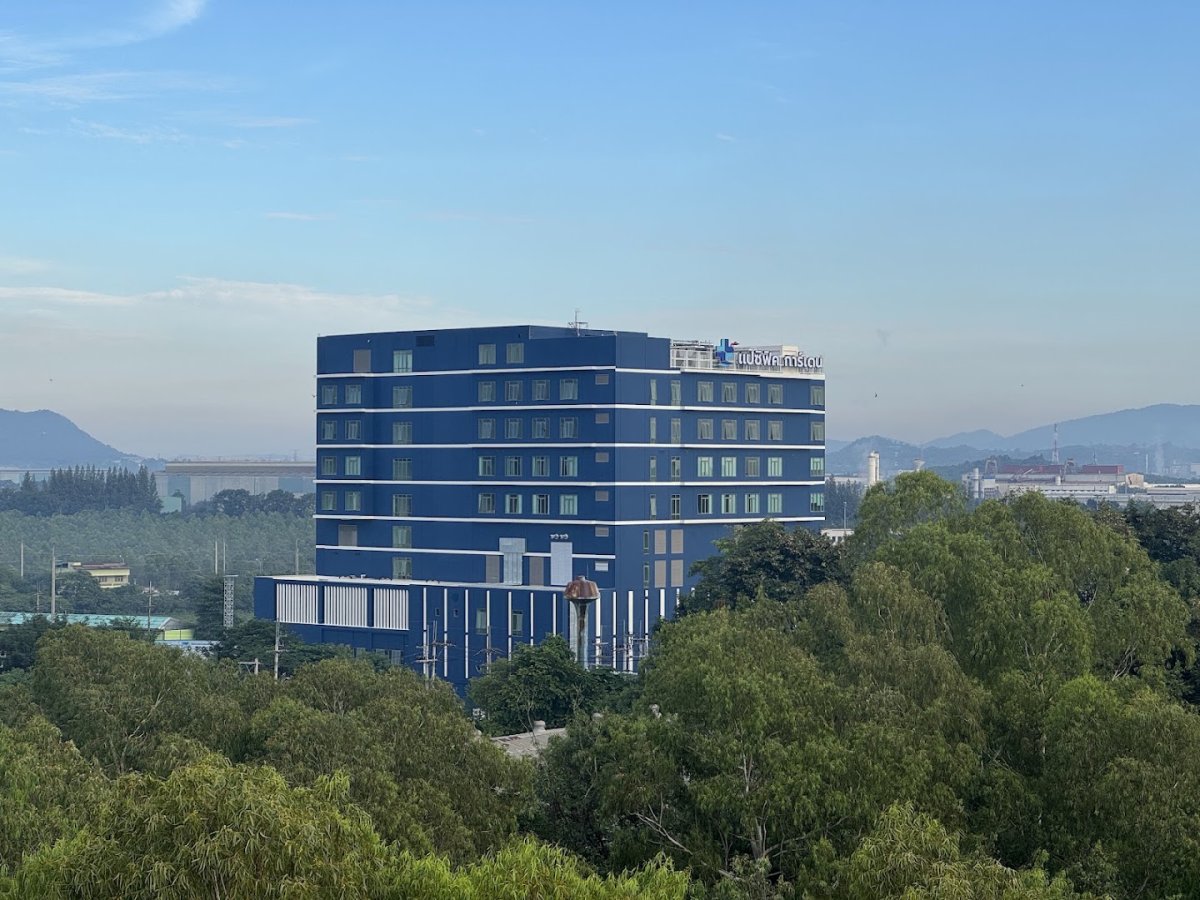
Pacific Garden Hospital
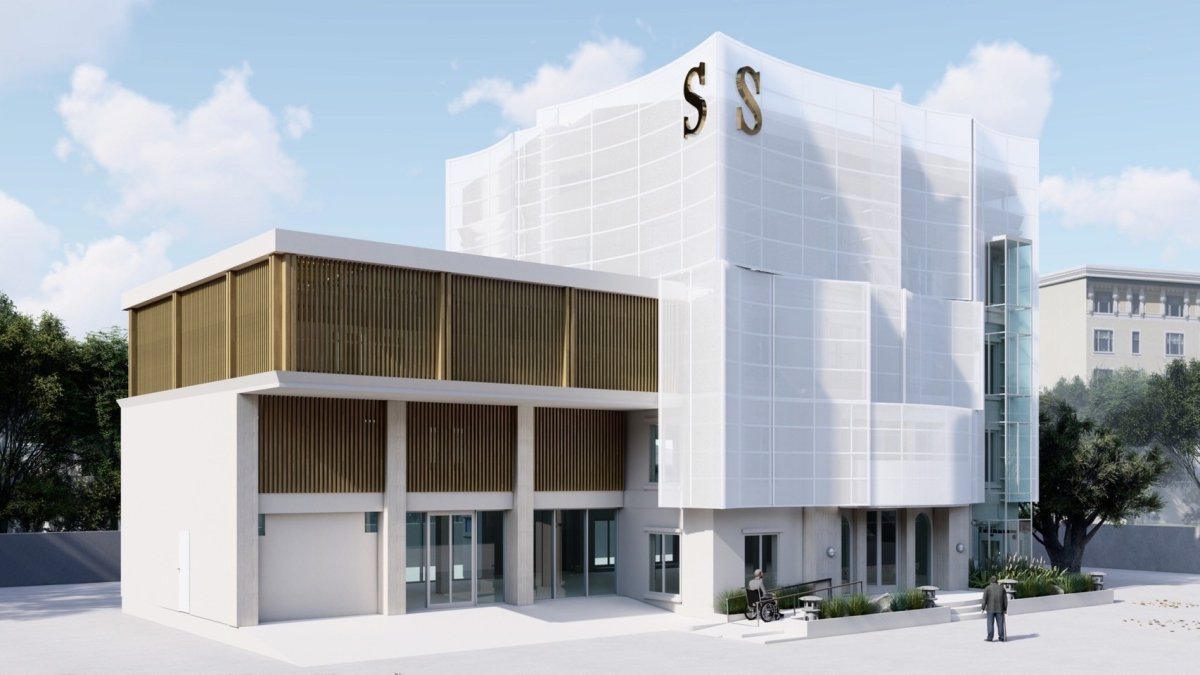



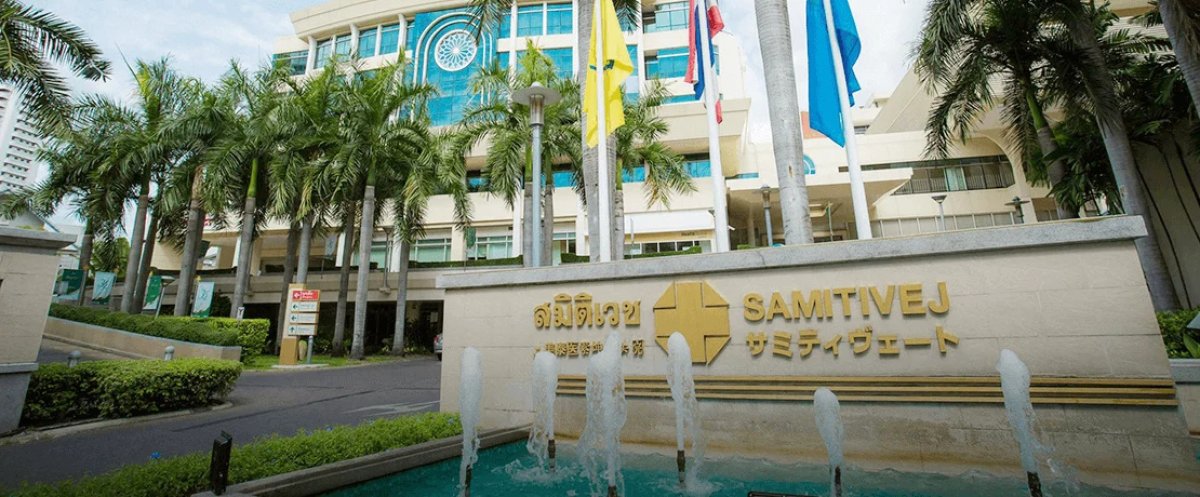


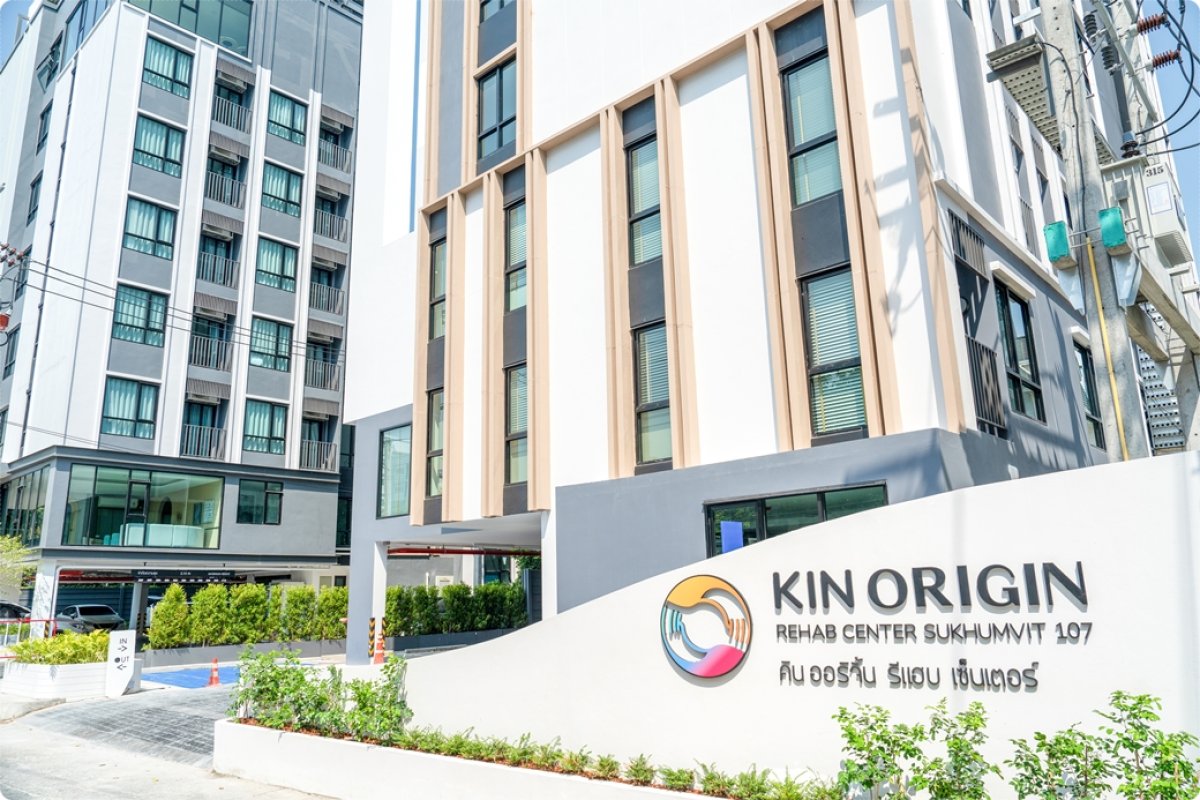
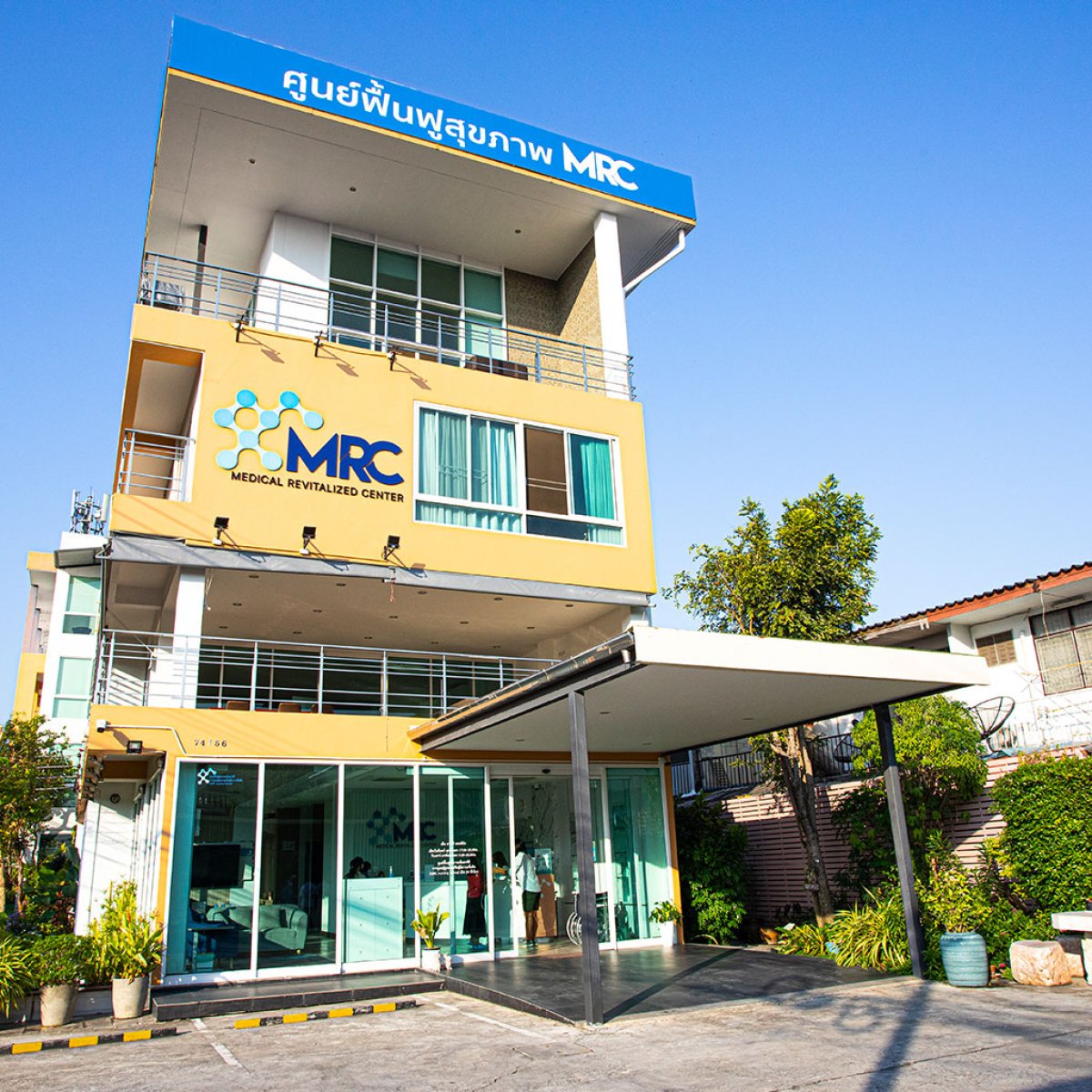
MRC Medical Revitalized Center
نظرة عامة على إعادة التأهيل (لكل يوم واحد) في تايلاند
- إعادة تأهيل العظام (لكل يوم واحد) - من $280
يساعد الإجراء على التعافي من إصابات العظام أو المفاصل أو العضلات مع العلاج اليومي ، مما يوفر سرعة في الشفاء واستعادة الحركة.
- العلاج التأهيلي بنظام Re-Step™ - من $70
يساعد هذا العلاج في استعادة حركة المريض باستخدام التكنولوجيا المتقدمة لتخصيص وتتبع التقدم بشكل فعال.
يدعم هذا العلاج التعافي من المشي مع دعم دقيق لوزن الجسم ، مما يعزز السلامة أثناء جلسات إعادة التأهيل المكثفة.
يستخدم هذا العلاج بدلات آلية لتحسين الحركة واستعادة قوة العضلات للأفراد المصابين بالشلل.
- العلاج التأهيلي بواسطة جهاز لوكومات (Lokomat) - من $3,500
يستخدم هذا العلاج أداة مساعدة في الحركة ، مما يعزز عملية تعافي المريض بعد الحالات العصبية أو العظام.
- العلاج التأهيلي بجهاز جري مضاد للجاذبية - من $700
يقلل هذا العلاج من وزن الجسم للمساعدة في التعافي ، وذلك باستخدام تقنية متخصصة للعودة التدريجية غير المؤلمة للحركة.
- إعادة تأهيل بواسطة بدلة الفضاء (TheraSuit) - من $2,500
يستخدم هذا العلاج بدلة فضائية فريدة من نوعها لتحسين الانتعاش البدني وتعزيز قوة العضلات وتنسيقها.
اليوم الأول: الوصول
- سافر إلى البلد واستقر في مكان إقامتك.
- يجب إدارة ترتيبات التحويل بشكل مستقل.
اليوم الثاني: إعادة التأهيل
- حدد موعدًا مع المختص للتشاور.
- اخضع لفحص لكامل الجسم كجزء من الفحوصات الطبية.
- سيتم مناقشة إجراءات إضافية إذا لزم الأمر.
اليوم الثالث: إعادة التأهيل
- تستغرق جلسات إعادة التأهيل عادةً ما يصل إلى ساعة إلى ساعتين.
- سيتم إجراء العلاجات تحت إشراف خبير.
- لا حاجة للتخدير لجلسات إعادة التأهيل.
اليوم الرابع: إعادة التأهيل
- تتضمن عملية ما بعد إعادة التأهيل مراقبة التقدم.
- مدة البقاء تعتمد على سرعة الشفاء للفرد.
الأسبوع 1-2: استئناف الأنشطة
- ومن المتوقع استئناف بطيء لأنشطة العمل.
- ابدأ تمارين خفيفة تحت إشراف الخبراء.
الأسبوع 3-4: النتائج النهائية
- العودة التدريجية للأنشطة الرياضية.
- الشفاء التام والنتائج النهائية مرئية.
يرجى ملاحظة أن هذا دليل وقد تختلف الحالات الفردية.
- إيداع Bookimed: 200 دولار أو 200 يورو.
- وديعة العيادة: ادفع نسبة محددة مقدمًا.
بصفتنا المنصة العالمية الرائدة في مجال السياحة العلاجية ، فإننا نتحمل مسؤولية كبيرة أمام عملائنا - المرضى والمراكز الطبية على حد سواء. تستند جميع المعلومات المقدمة على Bookimed.com إلى البحث والاستبصار والخبرة وتفي بالاهتمام الكبير المتعلق بالمنتج وما يلي:
نظام التصنيف التلقائي الذكي
نحن نشكل قوائمنا للعيادات والأطباء مع لوائح صارمة لنظام التصنيف التلقائي الذكي الخاص بنا. يعتمد النظام على معدلات Bookimed الحقيقية للمرضى لتوفير المعلومات الأكثر موضوعية وشفافية حول العيادات والخدمات الطبية المتاحة في تايلاند.
يجمع عالم البيانات ذو الخبرة لدينا البيانات يوميًا ، ويراقب ويحسن نظام التصنيف باستخدام التعلم الآلي والذكاء الاصطناعي لضمان تحديث نظام التصنيف وتوفير نتائج دقيقة لإعادة التأهيل (لكل يوم واحد) في تايلاند.
تجربة الناس الحقيقية فقط
نحن نجمع آراء عملاء Bookimed فقط بعد الحصول على خبرة طبية مع العيادة - لذلك يمكن للجميع على المنصة الوثوق بالمنشأة التي يختارونها لإعادة التأهيل (لكل يوم واحد) في تايلاند. نحن نسعى جاهدين لجعل المحتوى على منصتنا مفيدًا قدر الإمكان ونضمن حرية التعبير عن الآراء النقدية. وبالتالي ، ننشر مراجعات إيجابية وسلبية ، بهدف أن نكون مصدرًا لاتخاذ قرارات مستنيرة لعملائنا في المستقبل في تايلاند.
مواضيع ذات مستويات عالية من الخبرة والسلطة والجدارة بالثقة
على موقع Bookimed.com ، قد تجد الخيار والراحة للعثور على أفضل الحلول الطبية من كبار مزودي الخدمات الطبية في مكان واحد فقط ، وغالبًا ما تكون بأسعار تنافسية لإعادة التأهيل (لكل يوم واحد) في تايلاند. للتأكد من تقديم أحدث المعلومات ، يقوم ممثلو العيادة بتحديث السير الذاتية للأطباء ، وقدرات العيادات ، والصور قبل وبعد ، والأسعار ، والحزم ، والعروض الخاصة بأنفسهم قريبًا. يمكنك مقابلة ممثل العيادة والتحقق من تاريخ المحتوى المحدث في صفحة كل عيادة للتأكد من مصداقيتها في تايلاند.
تم إنشاء مدونتنا والقطع الداعمة من قبل مؤلفين محترفين يتمتعون بخبرة لا تقل عن 3 سنوات في الكتابة الطبية ويتم تحريرها بواسطة متخصصين طبيين يتمتعون بخبرة إكلينيكية وبحثية ذات صلة - تم تعيينهم جميعًا بعناية في الفريق. نحن نسعى جاهدين لتعزيز وصول المريض إلى المعلومات الصحية ، مما يجعلها خبيرة ولكن يسهل فهمها. تتبع جميع القطع إرشادات التحرير الخاصة بـ Bookimed.
القيم المحجوزة
نحن مصنوعون من الناس ومن أجلهم - وهذه هي قيمتنا الأساسية. هذا هو السبب في أن جميع البيانات المقدمة على المنصة يتم جمعها وتحريرها ومراجعتها وتحديثها بانتظام من قبل مرضانا وعياداتنا الشريكة وفريقنا ، بما في ذلك المجلس الاستشاري الطبي Bookimed ، الذي يتكون من أطباء مشهورين عالميًا يتمتعون بخبرة قيمة في أكثر من 20 عامًا من الممارسة ، وسمعة طيبة في تايلاند. تعلم المزيد عنا وعن مهمتنا .
في حال وجدت أي خطأ أو لديك أي أسئلة حول المعلومات المقدمة على Bookimed.com ، فلا تتردد في الاتصال بنا على marketing@bookimed.com .
احصل على تقييم طبي لـ إعادة التأهيل (لكل يوم واحد) في تايلاند: اختر أخصائيك من بين الأفضل في هذا المجال
عرض جميع الأطباء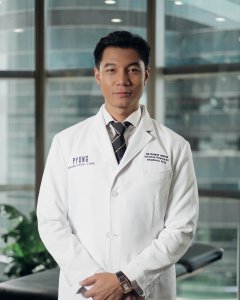
Kantaphong Thongrong
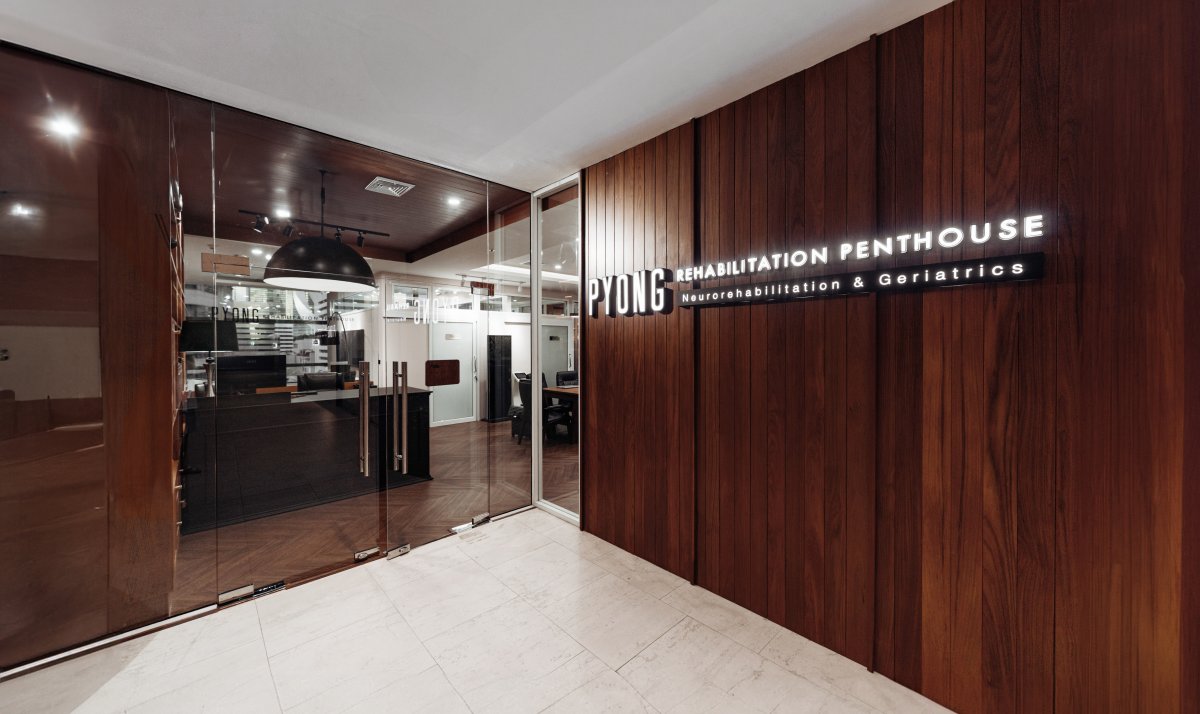
يدمج الدكتور ثونغرونغ الروبوتات المتقدمة والتقنيات غير الجراحية في إعادة التأهيل في مجموعة PYONG لإعادة التأهيل، مما يعزز التعافي العصبي وإدارة الألم المزمن.
- طبيب فيزيائي معتمد يتمتع بخبرة في التعافي من السكتة الدماغية ورعاية المسنين
- رائد في تدريب المشي باستخدام الهياكل الخارجية القابلة للارتداء والتدخلات الموجهة بالموجات فوق الصوتية
- مؤسس مركز إعادة تأهيل متميز يركز على العلاجات المبتكرة
- مدرب رئيسي في طب الأعصاب السريري وطب إعادة التأهيل في KMITL

Sirinat Phuengcharoen
الدكتورة سيرينات فونجتشاروين هي طبيبة أعصاب في مركز كين أوريجين لإعادة التأهيل. وهي حاصلة على شهادة في السكتة الدماغية والموجات فوق الصوتية للأوعية العصبية. تتخصص الدكتورة سيرينات في علاج السكتة الدماغية والدوار والدوخة. تعمل في مركز يعود فيه 95% من مرضى السكتة الدماغية إلى منازلهم في غضون ثلاثة أشهر.
- حاصلة على شهادة البورد في طب الأعصاب من الكلية الملكية للأطباء في تايلاند.
- خبيرة في الاضطرابات العصبية وإعادة التأهيل من الشلل الدماغي.
- نشرت أبحاثاً تعليمية حول تحديد

Iraya Pinyoprakan

المراجعات
جميع المراجعاتمشاركة المحتوى
قصص فيديو من مرضى Bookimed
 Anna Leonova
أسئلة متكررة حول إعادة التأهيل (لكل يوم واحد) في تايلاند
ما هي مدة الإقامة الموصى بها لبرنامج إعادة التأهيل السكني؟
يتطلب برنامج إعادة التأهيل السكني عادةً من 30 إلى 90 يومًا للتعافي الفعال، حيث تُعتبر 90 يومًا هي المعيار الذهبي للنجاح على المدى الطويل. يُنصح بالإقامات الممتدة لمدة 6 أشهر أو أكثر لأنماط الانتكاس المزمنة أو الحالات العصبية المعقدة التي تتطلب تدريبًا مكثفًا على المشي باستخدام الروبوت وعلاجًا طبيعيًا متخصصًا.
- إعادة الضبط الأساسية: تركز برامج الـ 30 يومًا على الاستقرار الطبي، وإزالة السموم، وتأسيس مهارات التأقلم السريرية الأساسية.
- الشفاء النفسي: توفر برامج الـ 60 يومًا الوقت اللازم لمعالجة الصدمات الكامنة والقضايا العاطفية الأعمق.
- نجاح التعافي: تضاعف برامج الـ 90 يومًا تقريبًا مقاييس النجاح من خلال السماح بشفاء الدماغ وتكوين عادات جديدة.
- الرعاية المتخصصة: غالبًا ما تتطلب إعادة التأهيل العصبي للتعافي من السكتة الدماغية 90 يومًا لتحقيق مكاسب وظيفية كبيرة.
رؤية خبير Bookimed: تسمح هيكلة الأسعار اليومية الفريدة في تايلاند، والتي تتراوح من السعر عند الطلب إلى السعر عند الطلب، بمرونة لا مثيل لها مقارنة بالعقود الغربية الثابتة. تشير عيادات مثل مركز Kin Origin Rehab Center إلى معدل تعافي بنسبة 95.9% لمرضى السكتة الدماغية تحديدًا خلال فترة 90 يومًا، مؤكدة أن النتائج السريرية تصل إلى ذروتها عندما يبقى المرضى بعد علامة الـ 60 يومًا الأولية.
إجماع المرضى: على الرغم من أن 30 يومًا تعمل كنقطة دخول قياسية، يجد العديد من المرضى أن هذه المدة غير كافية ويفضلون تمديد إقامتهم. تجعل التكاليف اليومية المعقولة في تايلاند التزامات
هل يتم توفير غرفة خاصة أثناء إعادة التأهيل الداخلي، أم سأشارك السكن؟
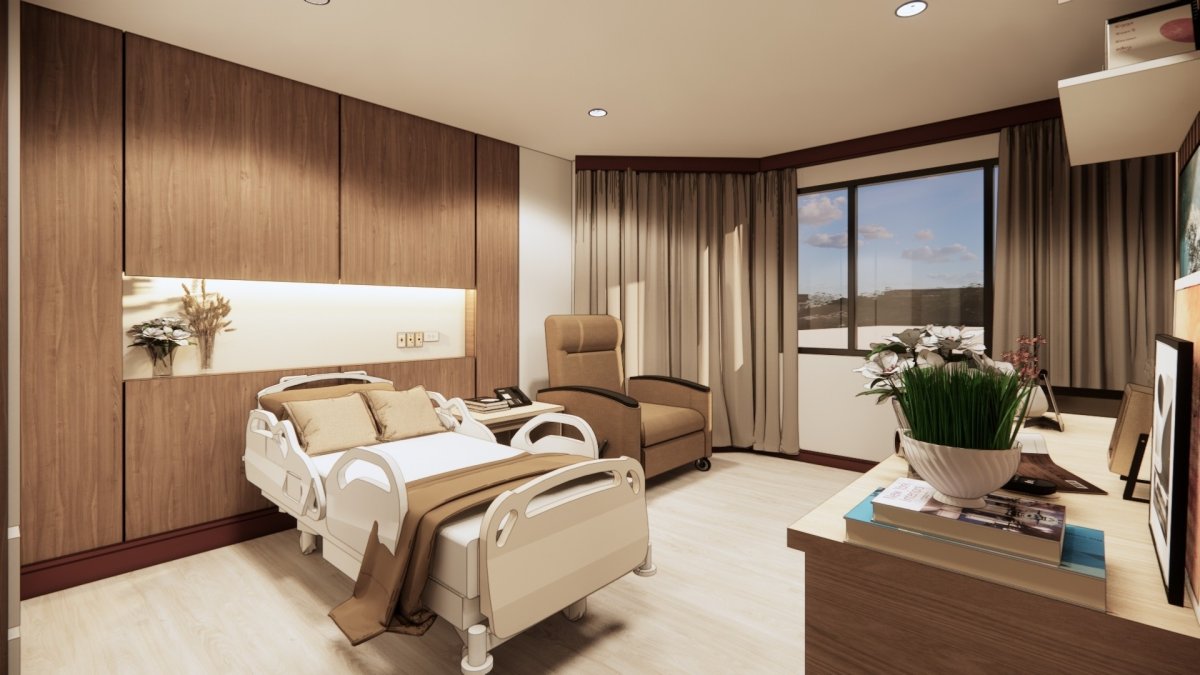
عادةً ما توفر إعادة التأهيل الداخلي في تايلاند غرفاً خاصة للمرضى الدوليين، خاصة داخل المرافق المتميزة في بانكوك وساموت براكان. في حين أن الرعاية المحلية القياسية قد تتضمن أجنحة مشتركة، فإن المراكز المتخصصة مثل مركز "كين أوريجين" لإعادة التأهيل تعطي الأولوية لغرف VIP الخاصة لضمان الراحة أثناء إعادة التأهيل العصبي طويل الأمد.
- نوع الغرفة: توفر معظم مراكز إعادة التأهيل الخاصة أجنحة فردية مع حمامات داخلية.
- خيارات فاخرة: توفر المرافق الراقية فيلات خاصة أو أجنحة تنفيذية لمزيد من العزلة.
- المراقبة السريرية: تستخدم بعض وحدات ما بعد الجراحة غرفاً شبه خاصة للسماح بالإشراف الطبي المستمر.
- مشمولات الباقة: غالباً ما يتم تضمين غرف VIP في برامج إعادة التأهيل العصبي الشاملة لمدة 90 يوماً.
رؤية خبير Bookimed: تظهر البيانات اتجاهاً واضحاً حيث تركز المرافق الأحدث مثل مجموعة "بيونغ" لإعادة التأهيل على بيئات خاصة وحديثة. في حين أن باقة VIP لمدة 90 يوماً في "كين أوريجين" تكلف 17,600 دولار أمريكي، إلا أنها تحقق معدل تعافي بنسبة 95.9%. الغرف الخاصة في هذه المراكز المتخصصة هي المعيار، وليست خدمة إضافية، مما يساعد المرضى على تجنب ضجيج المستشفيات العامة التي تضم 200 سرير.
إجماع المرضى: يوصي المرضى بتأكيد حالة الغرفة الفردية كتابياً قبل الوصول لتجنب المفاجآت. يتم تقدير السكن الخاص بشكل كبير لتقليل التوتر وتحسين النوم أثناء عملية التعافي المكثفة.