ID Clinic Bangkok
تايلاند, بانكوك
Dr Phatcharasak Kraisornphongsakul Md
34سنة خبره ١٦ سنة • تم تنفيذ 20000+ علاجات

حافظة الجراح
العيادة معتمدة من قبل : 


تمت مراجعة المقالة طبيا من قبل
فهد مولود
تتراوح تكلفة عملية تصغير الحلمة في تايلاند بين $1,200 / 40,800฿ و $1,400 / 47,600฿. تعتمد الأسعار على التقنية الجراحية ومدى التصحيح ومستوى العيادة في مراكز مثل بانكوك. تشمل الباقات القياسية في تايلاند رسوم الجراحة والتخدير الموضعي والفحوصات المخبرية والاستشارات اللاحقة.
رأي خبراء Bookimed: يضمن اختيار مرافق معتمدة من JCI مثل مستشفى Asia Cosmetic أو مستشفى Wansiri معايير سلامة عالية. يقدم مستشفى Asia Cosmetic باقات تبدأ من 1,400 $ مع جراحين أعضاء في ISAPS. يوفر مستشفى Wansiri غرف تعافي فاخرة. تشمل هذه الخيارات المتميزة غالباً تنقلات VIP ورعاية متابعة طويلة الأمد. يمنح ذلك قيمة أكبر مقارنة بالعيادات الصغيرة التي قد لا تشمل هذه الخدمات الجراحية الأساسية.
| تركيا | تايلاند | كوريا الجنوبية | |
|---|---|---|---|
| تصغير الحلمة | من $1,900 / 64,600฿ | من $1,200 / 40,800฿ | من $2,000 / 68,000฿ |


يعمل هذا العلاج على إعادة تشكيل الحلمات البعيدة للحصول على متعة جمالية ، باستخدام طرق طفيفة التوغل للحصول على نتائج طبيعية مع تعافي سريع.
تعمل هذه الجراحة على إعادة تشكيل الحلمات المتضخمة من أجل التحسين التجميلي ، ويتم إجراؤها تحت التخدير الموضعي ، مما يوفر مظهرًا أكثر تناسقًا.
تعمل هذه العملية على تصحيح الحلمتين اللتين تتجهان نحو الداخل ، مما يعزز المظهر والقدرة على الرضاعة الطبيعية مع الحد الأدنى من الندوب.
اليوم 1
اليوم الثاني
يوم 3
اليوم الرابع
يوم 5
الأسبوع 2
الأسبوع 3-4
الأسبوع السادس
الأسبوع الثامن
يرجى ملاحظة أن الجدول الزمني للتعافي لكل مريض قد يختلف بناءً على العوامل الفردية ومدى تعقيد الجراحة.
بصفتنا المنصة العالمية الرائدة في مجال السياحة العلاجية ، فإننا نتحمل مسؤولية كبيرة تجاه عملائنا - المرضى والمراكز الطبية على حدٍ سواء. تستند جميع المعلومات المقدمة على Bookimed.com إلى البحث والاستبصار والخبرة وتفي بالاهتمام الكبير المتعلق بالمنتج وما يلي:
نحن نشكل قوائمنا للعيادات والأطباء مع لوائح صارمة لنظام التصنيف التلقائي الذكي الخاص بنا استنادًا إلى معدلات المرضى الحقيقية لتقليل الحلمة في تايلاند لتوفير المعلومات الأكثر موضوعية وشفافية حول العيادات والخدمات الطبية هناك.
يجمع عالم البيانات ذو الخبرة لدينا البيانات يوميًا ، ويراقب ويحسن نظام التصنيف باستخدام التعلم الآلي والذكاء الاصطناعي لضمان تحديث نظام التصنيف وتقديم نتائج دقيقة.
نحن نجمع آراء عملاء Bookimed فقط بعد الحصول على خبرة طبية مع عيادة تصغير الحلمة في تايلاند - بحيث يمكن لكل شخص على المنصة الوثوق بالمنشأة التي يختارونها. نحن نسعى جاهدين لجعل المحتوى على منصتنا مفيدًا قدر الإمكان ونضمن حرية التعبير عن الآراء النقدية. وبالتالي ، ننشر مراجعات إيجابية وسلبية ، بهدف أن نكون مصدرًا لاتخاذ قرارات مستنيرة لعملائنا في المستقبل.
قد تجد على Bookimed.com الاختيار والراحة للعثور على أفضل الحلول الطبية من كبار مزودي الخدمات الطبية لتقليل حجم الحلمة في تايلاند في مكان واحد فقط ، وغالبًا بأسعار تنافسية. للتأكد من تقديم أحدث المعلومات ، يقوم ممثلو العيادة بتحديث السير الذاتية للأطباء ، وقدرات العيادات ، والصور قبل وبعد ، والأسعار ، والحزم ، والعروض الخاصة بأنفسهم قريبًا. يمكنك مقابلة ممثل العيادة والتحقق من تاريخ المحتوى المحدث في صفحة كل عيادة للتأكد من مصداقيتها.
تم إنشاء مدونتنا والقطع الداعمة من قبل مؤلفين محترفين يتمتعون بخبرة لا تقل عن 3 سنوات في الكتابة الطبية ويتم تحريرها بواسطة متخصصين طبيين يتمتعون بخبرة إكلينيكية وبحثية ذات صلة - تم تعيينهم جميعًا بعناية في الفريق. نحن نسعى جاهدين لتعزيز وصول المريض إلى المعلومات الصحية ، مما يجعلها خبيرة ولكن يسهل فهمها. تتبع جميع القطع إرشادات التحرير الخاصة بـ Bookimed.
نحن مصنوعون من الناس ومن أجلهم - وهذه هي قيمتنا الأساسية. هذا هو السبب في أن جميع البيانات المقدمة على المنصة يتم جمعها وتحريرها ومراجعتها وتحديثها بانتظام من قبل مرضانا وعياداتنا الشريكة وفريقنا ، بما في ذلك المجلس الاستشاري الطبي Bookimed ، الذي يتكون من أطباء مشهورين عالميًا يتمتعون بخبرة قيمة تزيد عن 20 سنوات من الممارسة ، وسمعة طيبة. تعلم المزيد عنا وعن مهمتنا .
في حال وجدت أي خطأ أو كان لديك أي أسئلة حول المعلومات المقدمة على Bookimed.com لتقليل حجم الحلمة في تايلاند ، فلا تتردد في الاتصال بنا على marketing@bookimed.com .
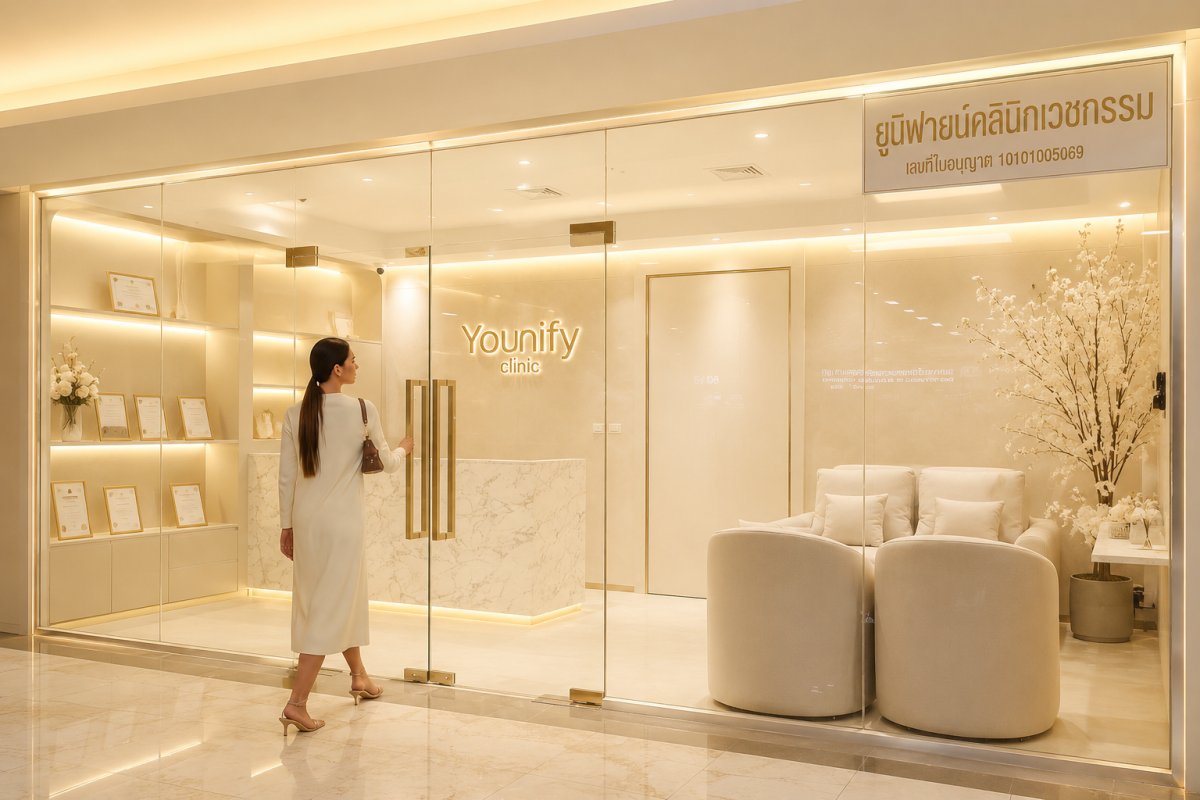
يتخصص الدكتور باتشاراساك كرايسورنفونجساكول في تصغير الحلمة في عيادة ID Clinic في بانكوك، مع التركيز على نتائج دقيقة وطبيعية المظهر.
يتمتع الدكتور ساران واناكامراس بخبرة تزيد عن _doctor_8533_ عاماً في الجراحة التجميلية والترميمية، مع تدريب متخصص من الولايات المتحدة الأمريكية.
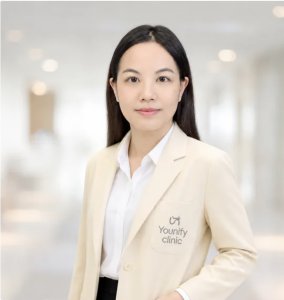
الدكتورة Phattrapohn Liangcheep، M.D.، جرّاحة تجميل وترميم حاصلة على شهادة البورد. تتخصص في جراحات تجميل الوجه وتجديد الشباب والجراحات الترميمية. تعالج شيخوخة الوجه، وتدلّي الجفون، وأكياس الجفون، وتشوهات الأنف، وعدم تماثل الوجه، وتشوهات الأذن أو الشفاه، وندبات الوجه، والآفات الحميدة للجلد والأنسجة الرخوة، وتراكمات الدهون الموضعية.
الاعتمادات: دبلوم البورد التايلاندي في جراحة التجميل والترميم. تدريب في جراحة التجميل والترميم في مستشفى سيريراج، جامعة ماهيدول. درجة M.D. من كلية طب فرامونغ

يتخصص الدكتور راتاناشيناكورن في الجراحة التجميلية والترميمية في مستشفى إنتارارات، مع تدريب متقدم في تقنيات جراحة الوجه والفكين.
 Anna Leonova
تشمل المخاطر المحتملة لتصغير الحلمة في تايلاند فقدان الإحساس المؤقت أو الدائم، والندبات المرئية، والنتائج غير المتماثلة. في حين أن معظم النتائج الجراحية ناجحة، فإن عوامل مثل المناخ الاستوائي والسفر لمسافات طويلة يمكن أن تساهم في مضاعفات محددة مثل تكوين الجُدرة (keloid) أو تجلط الأوردة العميقة.
رؤية خبير Bookimed: تُظهر البيانات الواردة من أفضل العيادات في بانكوك مثل مستشفى آسيا التجميلي (Asia Cosmetic Hospital) تركيزاً قوياً على معايير السلامة الدولية، مثل اعتماد اللجنة الدولية المشتركة (Joint Commission International). ومن المثير للاهتمام أنه على الرغم من قلق بعض المرضى بشأن المراجعات، فإن عيادات مثل مستشفى وانسيري (Wansiri Hospital) تبلغ عن معدلات نجاح تقارب 99% في عمليات نحت الجسم المعقدة. لتقليل المخاطر، اختر جراحين أعضاء في الجمعية الدولية لجراحة التجميل (International Society of Aesthetic Plastic Surgery)، حيث يتبعون بروتوكولات السلامة العالمية بصرامة.
إجماع المرضى: يقترح العديد من المرضى التخطيط لزيارة متابعة بعد حوالي 6 أشهر من العملية، حيث أن ع
تسمح عملية تصغير الحلمة في تايلاند عمومًا بالرضاعة الطبيعية، بشرط بقاء قنوات الحليب والأعصاب سليمة. غالبًا ما يستخدم الجراحون في عيادات بانكوك تقنيات متخصصة لإعادة وضع الأنسجة مع الحفاظ على وظيفة القنوات. يعتمد النجاح على مدى إزالة الأنسجة والنهج الجراحي المحدد المستخدم.
رؤية خبير Bookimed: اختيار عيادة حاصلة على اعتمادات JCI وISO، مثل مستشفى آسيا التجميلي، يضمن الالتزام بمعايير السلامة الدولية. يجب على المرضى إعطاء الأولوية للجراحين الذين يقدمون صراحةً إعادة وضع قنوات الحليب بدلاً من إزالة الأنسجة البسيطة. هذا التمييز يحسن بشكل كبير من احتمالية الحفاظ على منعكس إدرار الحليب الوظيفي بعد الجراحة.
إجماع المرضى: توصي العديد من المريضات بوجود خطة تغذية احتياطية وواقيات للحلمة جاهزة. غالبًا ما تركز المخاوف العملية على صعوبات الالتقام المحتملة والحاجة إلى دعم الرضاعة المبكر.
تعد عملية تصغير الحلمة في تايلاند إجراءً جراحيًا دقيقًا يتم في العيادات الخارجية، وعادةً ما يتم إجراؤها تحت التخدير الموضعي مع التهدئة. يستخدم الجراحون شقوقًا دائرية أو تقنيات تصغير إسفينية لإعادة تشكيل الحلمة أو الهالة. تستغرق العملية عادةً من 30 إلى 60 دقيقة لكل ثدي في المرافق المعتمدة من قبل اللجنة الدولية المشتركة (JCI).
رؤية خبير Bookimed: أصبحت تايلاند مركزًا عالميًا لهذه الجراحة المحددة لأن العيادات مثل مستشفى آسيا التجميلي غالبًا ما تجمع بين تصغير الحلمة وتصحيح الهالة. في حين أن العديد من العيادات الغربية تعالج هذه الإجراءات كرسوم منفصلة، غالبًا ما يقدم الجراحون التايلانديون باقات تجميلية شاملة. يضمن هذا النهج أن يبدو مجمع الحلمة والهالة بأكمله متناسبًا بدلاً من مجرد تقصير الطرف.
إجماع المرضى: يصف المرضى التعافي بأنه يمكن التحكم فيه مع ألم مشابه لألم وشم جديد. يوصي معظمهم بالبقاء في بانكوك لمدة 5 إلى 7 أيام لإكمال جميع فحوصات المتابعة.
يستغرق التعافي بعد تصغير الحلمة في تايلاند عادةً من أسبوع إلى أسبوعين حتى يزول التورم والانزعاج الرئيسي. يعود معظم المرضى إلى الأنشطة الخفيفة في غضون 4 إلى 7 أيام. يكتمل التئام الأنسجة والشكل الجمالي النهائي بشكل عام خلال 4 إلى 6 أسابيع.
رؤية خبير Bookimed: تحافظ العيادات التايلاندية مثل مستشفى آسيا التجميلي (Asia Cosmetic Hospital) على معدل مضاعفات بنسبة 0% باستخدام تقنيات طفيفة التوغل محددة. تظهر البيانات أن المرضى غالبًا ما يزيلون الضمادات بحلول اليوم الثالث. حتى أن البعض يعود إلى العمل الخفيف في اليوم الرابع لأن هذه الأساليب المتقدمة تقلل بشكل كبير من فترة التوقف المعتادة.
إجماع المرضى: يبلغ المرضى عن تعافٍ أسرع مما كان متوقعًا ولكنهم يؤكدون على ارتداء ملابس فضفاضة لمدة شهرين. ينصح الكثيرون بالبقاء في مناطق مكيفة الهواء خلال الأسبوع الأول للتحكم في التورم الناجم عن الحرارة المحلية.
تجمع باقة جراحة تصغير الحلمة النموذجية في تايلاند بين الرسوم الجراحية والتخدير الموضعي والرعاية المتخصصة في تكلفة واحدة. يشمل معظمها تحاليل الدم قبل الجراحة، والإجراء التصحيحي، وخدمات نقل VIP مخصصة من المطار إلى العيادة. تغطي هذه الترتيبات الشاملة غالبًا الرسوم المهنية لجراحي التجميل المعتمدين ومرافق المستشفيات الحاصلة على اعتماد ISO.
رؤية خبير Bookimed: على الرغم من أن العديد من العيادات مثل مستشفى آسيا للتجميل تقدم باقات شاملة، إلا أن الإقامة نادرًا ما تكون مشمولة في باقة تصغير الحلمة الأساسية. ومع ذلك، غالبًا ما تؤمن العيادات ذات الإقبال الكبير أسعارًا مؤسسية في فنادق 4 نجوم قريبة للمرضى. تحقق دائمًا مما إذا كانت ملابس الضغط بعد الجراحة مشمولة، حيث غالبًا ما يتم إدراج هذه المستلزمات الطبية المحددة كإضافات منفصلة.
إجماع المرضى: يؤكد المرضى على أهمية الحصول على قائمة مكتوبة بجميع المزايا المشمولة في وقت مبكر. يشير الكثيرون إلى أنه على الرغم من تغطية الأساسيات، إلا أن التكاليف الإضافية لعمليات المراجعة أو ملابس الضغط المحددة غ