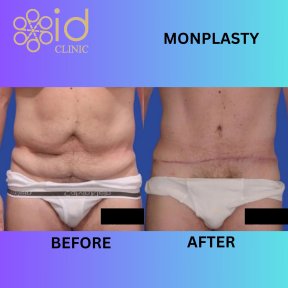
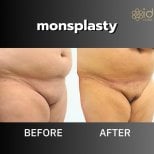
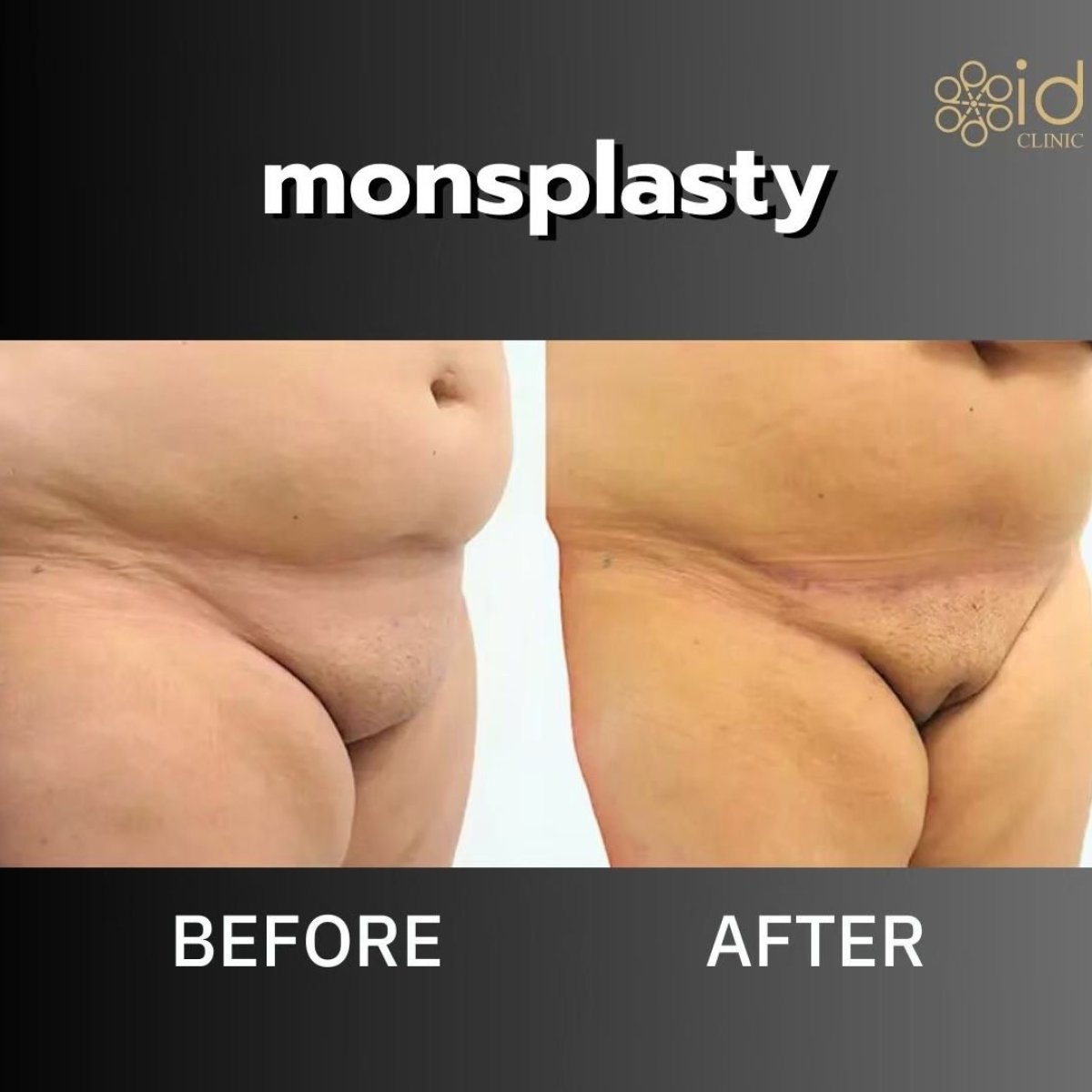
تشمل مخاطر عملية تجميل العانة التورم والكدمات المتوقعة، إلى جانب مخاوف جراحية محددة مثل الورم الدموي، أو الورم المصلي، أو التغيرات الحسية في منطقة العانة. على الرغم من ندرة المضاعفات الخطيرة، يجب على المرضى مراعاة احتمالية حدوث عدوى، أو تندب، أو عدم تناسق. تحافظ العديد من العيادات التايلاندية على معدلات نجاح عالية وتستخدم تقنية VASER لتقليل الصدمات الجراحية.
- التغيرات الحسية: قد يحدث خدر مؤقت أو دائم بسبب اضطراب الأعصاب المحلية أثناء شفط الدهون.
- التئام الجروح: قد تؤدي الرطوبة في منطقة العانة إلى زيادة مخاطر العدوى المحلية.
- تكون الندبات: قد يؤدي سوء التئام الجروح إلى تكون جدرة أو ندبات واسعة، خاصة في الشقوق الرأسية.
- عدم الانتظام الجمالي: يمكن أن تؤدي إزالة الأنسجة غير المتوازنة إلى عدم التماثل أو تكتل الجلد المعروف باسم "آذان الكلب".
رؤية خبير Bookimed: تعد تايلاند رائدة عالمياً في هذا الإجراء، حيث أجرى جراحون مثل أولئك الموجودين في عيادة ID Clinic أكثر من 20,000 عملية. غالباً ما توفر المراكز ذات الحجم الكبير تقنية VASER. هذا النهج القائم على الموجات فوق الصوتية يقلل من النزيف وتلف الأنسجة. اختيار المرافق المعتمدة من قبل JCI مثل مستشفى آسيا التجميلي (Asia Cosmetic Hospital) يضمن الإشراف القلبي والتخديري لتحقيق أقصى درجات الأمان.
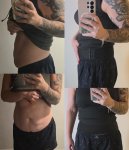
إجماع المرضى: يؤكد المرضى أن الألم والتورم في هذه المنطقة الحساسة غالباً ما يستمر لأشهر. ويوصون بتأجيل الرحلات الجوية لمدة 10-14 يوماً لمنع تجلط الدم وضمان استقرار الجرح بشكل صحيح.