حقن البوتوكس تحت العينين في تايلاند — احصل على أفضل 3 عيادات مع التكاليف


تمت مراجعة المقالة طبيا من قبل
فهد مولود
كيف نعمل؟
ما هي تكلفة حقن البوتوكس تحت العينين في تايلاند؟ اكتشف الآن
تتراوح تكلفة البوتوكس تحت العين في تايلاند عادة بين $100 / 3,400฿ و $170 / 5,800฿. يعتمد السعر النهائي على العلامة التجارية للبوتوكس، واعتماد العيادة، وعدد الوحدات المطلوبة. تشمل الباقات القياسية عادةً استشارة متخصص، وجلسة الحقن، وزيارة متابعة.
- عدد الوحدات: تختلف علاجات تحت العين حسب الجرعة، حيث يترواح سعر الوحدة عادة بين 5 و 10 $.
- العلامة التجارية للبوتوكس: عادة ما تكون العلامات التجارية الأمريكية المتميزة مثل Allergan أغلى من البدائل الكورية مثل Nabota.
- موقع العيادة: تشمل المراكز الطبية الرئيسية لهذا العلاج بانكوك، وتشيانغ مي، وفوكيت.
- عامل الاعتماد: غالباً ما تكون تكلفة المرافق المعتمدة من JCI أو تلك التي تضم متخصصين ذوي خبرة عالية أعلى بنسبة 15-20 %.
رأي خبراء Bookimed: يضمن اختيار مستشفى مثل Wansiri Hospital أو Asia Cosmetic Hospital الحصول على معايير معتمدة من JCI. بينما توفر العيادات الصغيرة في فوكيت أو تشيانغ مي أسعاراً أولية أقل، توفر مستشفيات بانكوك الكبيرة قيمة إضافية عبر باقات علاج التجاعيد المجمعة. على سبيل المثال، تقدم المراكز الكبيرة التي تستقبل أكثر من 2,500 مريض سنوياً استشارات طبية رقمية وإشرافاً جلدياً متخصصاً ضمن أسعارها القياسية.
المزايا الرئيسية
- احصل على البوتوكس تحت العينين في تايلاند بأقل بنسبة 40-60٪ من السعر في السعودية وألمانيا.
- أبرز العلامات التجارية: Botox®, Dysport®, Xeomin® وغيرها.
- مراجعة مجانية للصور بواسطة طبيب مختص لتحديد أفضل خيار وتقنية لتحسين منطقة تحت العينين.
- ضمان حماية البيانات والسرية بنسبة 100٪.
- عروض حصرية من عيادات موثوقة في تايلاند من $100.
| تركيا | تايلاند | كوريا الجنوبية | |
|---|---|---|---|
| حقن البوتوكس تحت العينين | من $140 / 4,800฿ | من $100 / 3,400฿ | من $15 / 510฿ |
اكتشف أفضل حقن البوتوكس تحت العينين العيادات في تايلاند: 19 خيارات معتمدة والأسعار
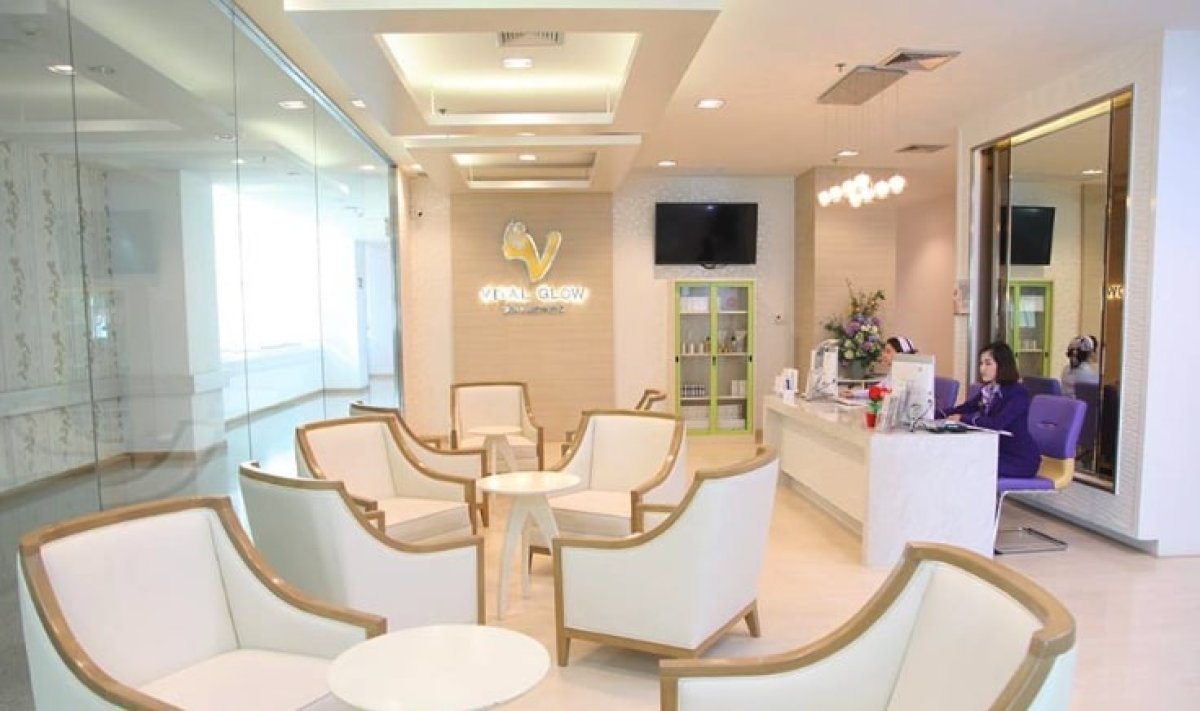




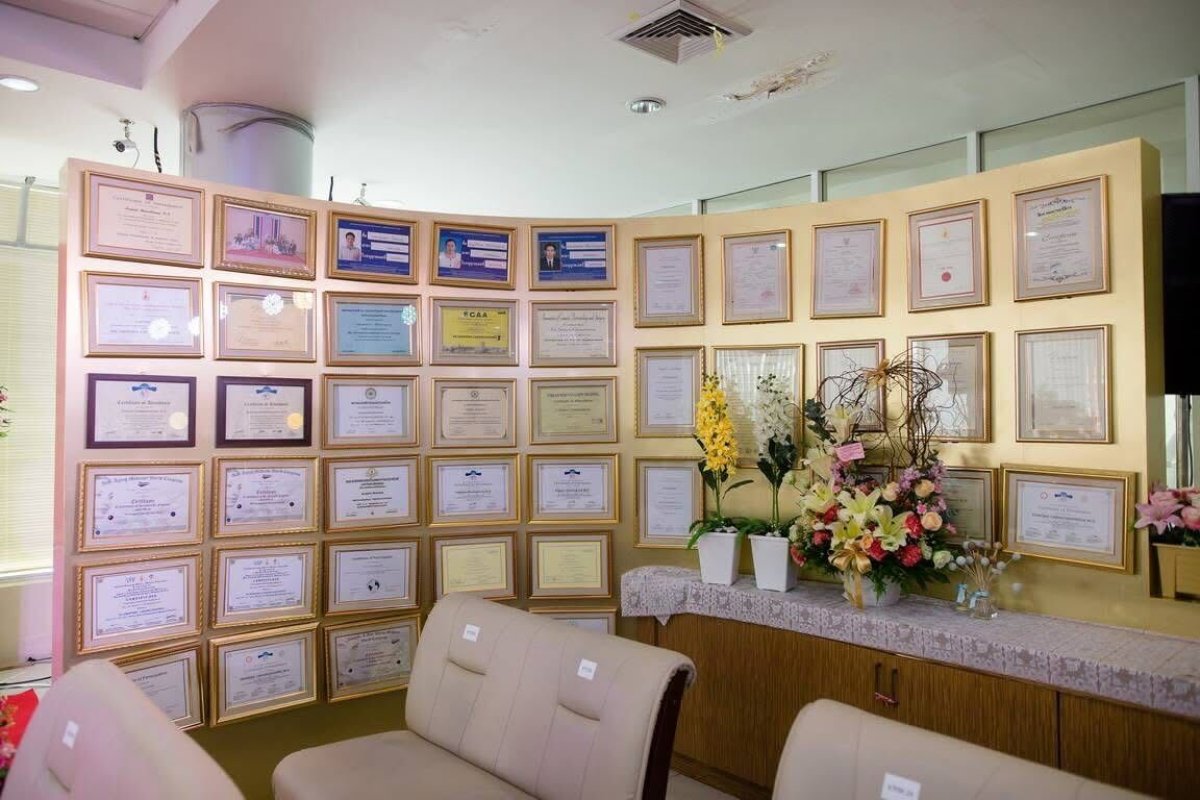
عيادة سومشاي للأمراض الجلدية والطب التجميلي
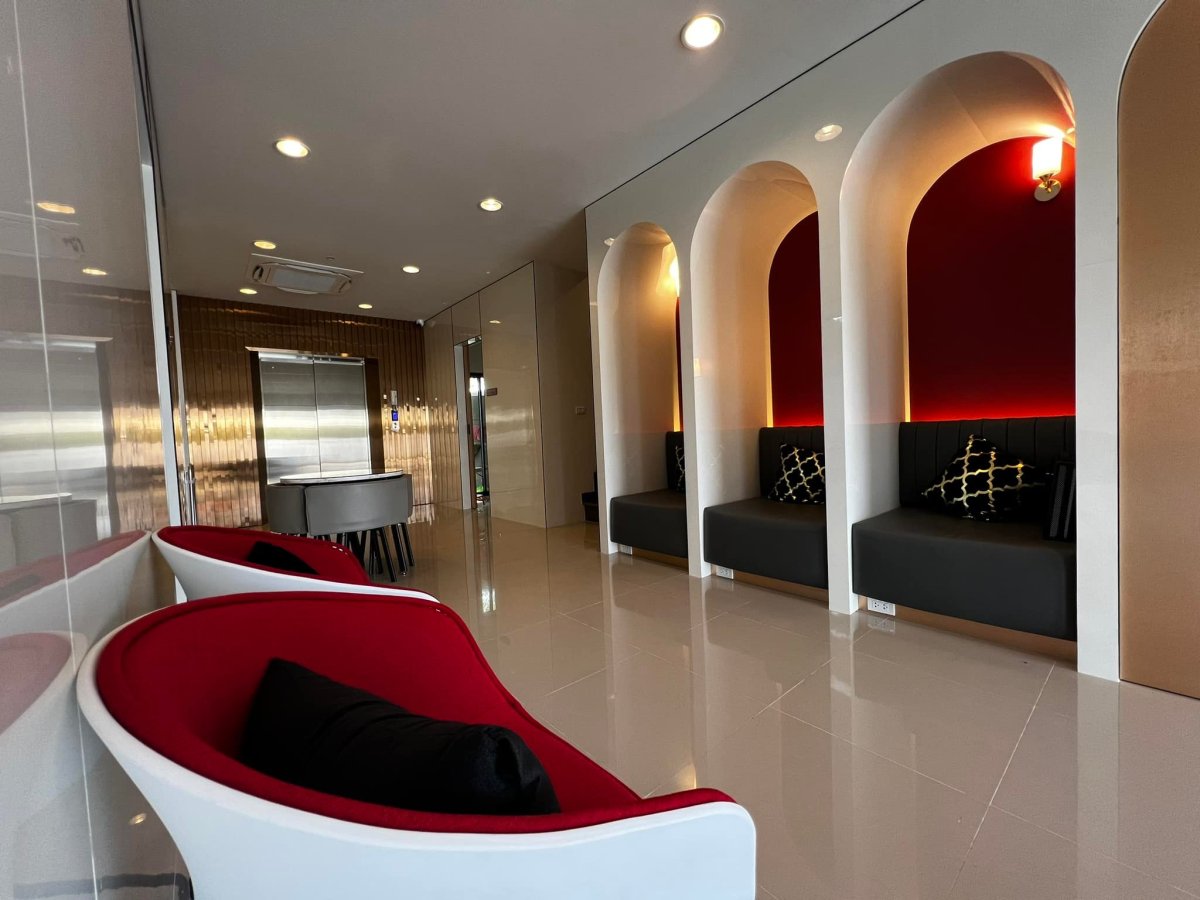
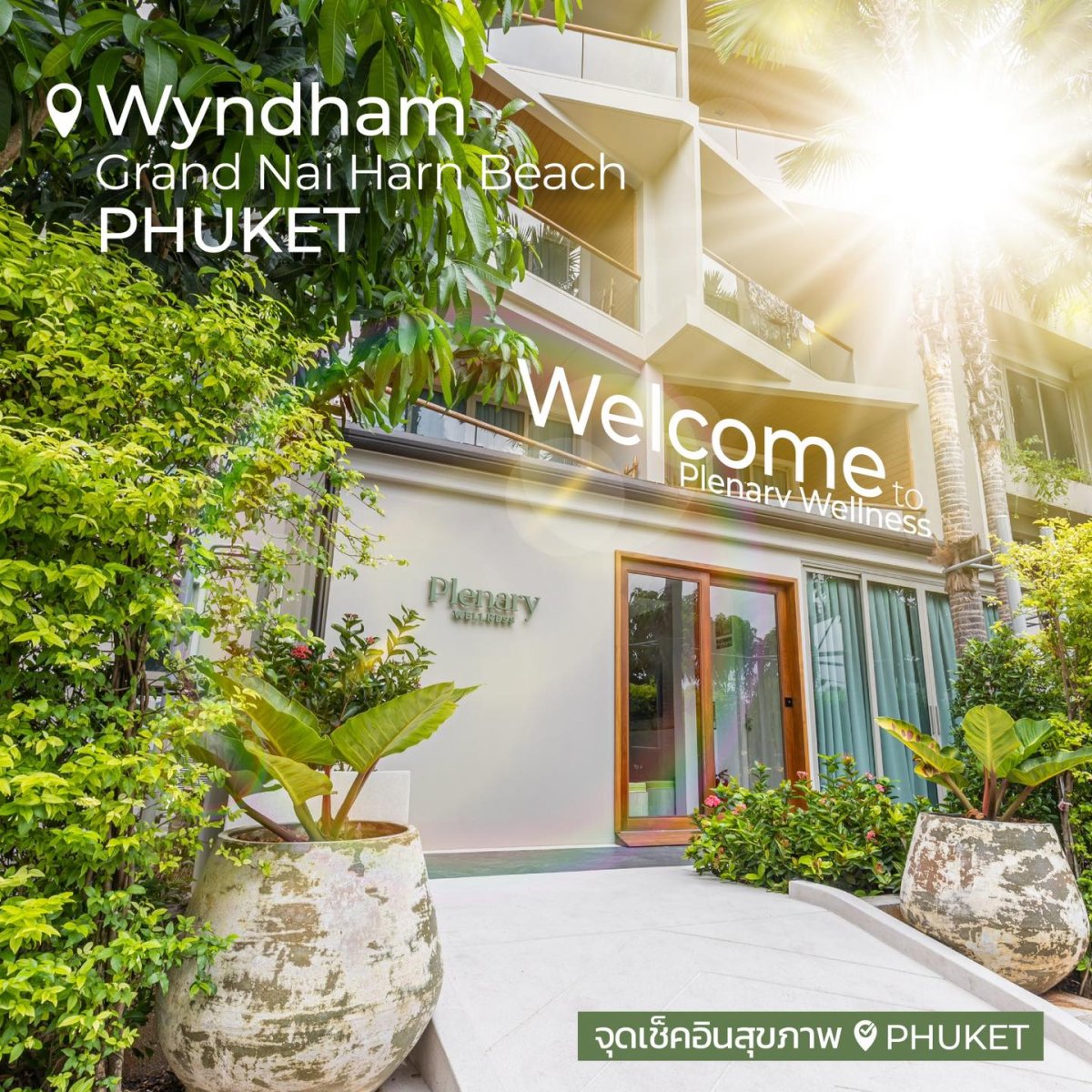
مركز Plenary Wellness

STC Clinic

Anjali Clinic
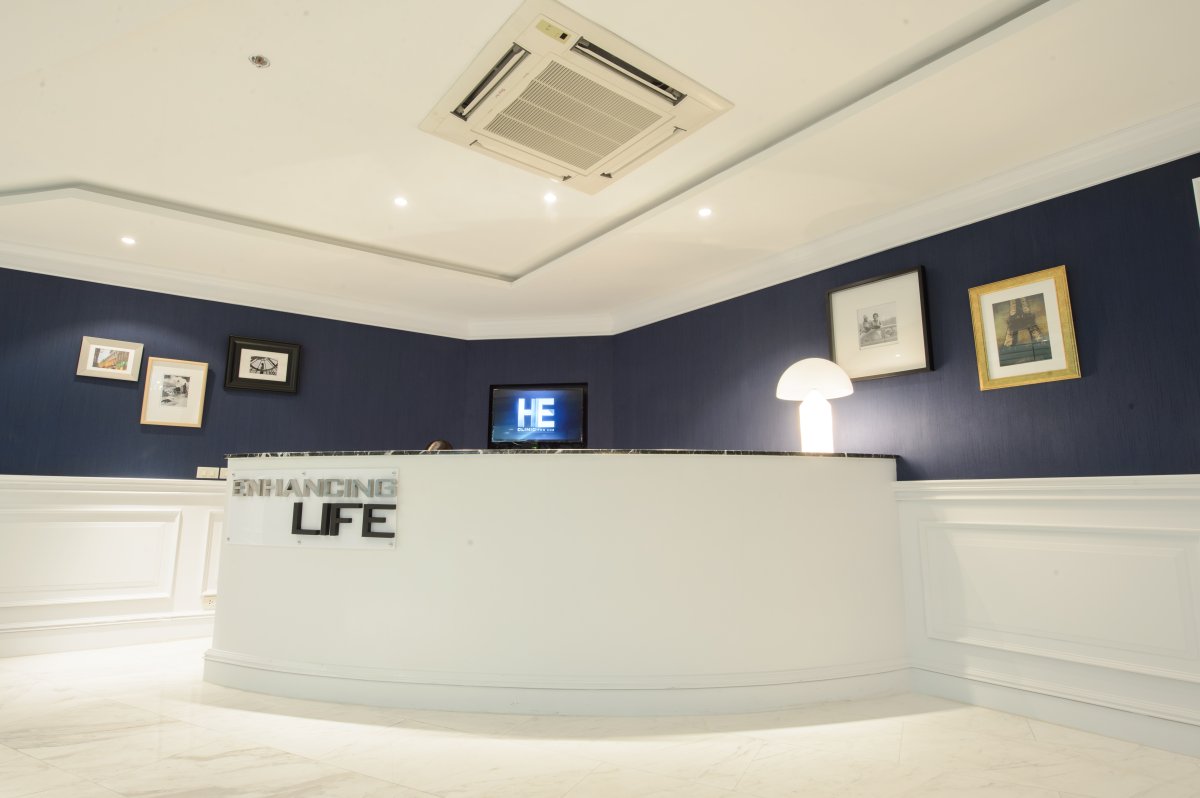
He Clinic Bangkok
نظرة عامة على حقن البوتوكس تحت العينين في تايلاند
- حقن البوتوكس - من $110
هذا العلاج ، باستخدام توكسين البوتولينوم ، ينعم التجاعيد عن طريق إرخاء عضلات الوجه ، مما يمنحك مظهرًا شابًا.
- البوتوكس للرجال - من $140
يوفر هذا العلاج للرجال مظهرًا أصغر سنًا عن طريق تقليل التجاعيد واستخدام الحقن بأقل وقت للشفاء.
- البوتوكس للجبين - من $100
يقلل هذا العلاج من تجاعيد الجبهة عن طريق الحقن المهدئة للعضلات ، مما يمنحك مظهرًا شابًا وناعمًا.
- حقن البوتوكس تحت العينين - من $100
يخفف هذا الإجراء من تجاعيد ما تحت العين من خلال حقن صغيرة وموجهة ، مما يمنحك مظهرًا شبابيًا ومنتعشًا.
- تجاعيد البوتوكس - من $130
يهدف هذا العلاج إلى تلطيف خطوط الوجه باستخدام الحقن ، مما يوفر مظهرًا أكثر شبابًا وانتعاشًا بسرعة وأمان.
- مادة البوتوكس الوقائية - من $100
هذا العلاج هو الاستخدام المبكر لحقن البوتوكس الصغيرة لردع التجاعيد المستقبلية ، والحفاظ على بشرة شابة بأقل قدر من الانزعاج.
- البوتوكس لقلب الشفاه - من $150إجراء تجميلي غير جراحي يستخدم حقن البوتوكس لإرخاء عضلات الشفة العلوية مما يخلق مظهراً أكثر امتلاءً عن طريق قلب الشفة إلى الخارج بمهارة.
اليوم الأول: الوصول
- وصل إلى البلد واستقر في مكان إقامتك.
- استرح وتأقلم مع البيئة الجديدة.
اليوم الثاني: ما قبل العملية
- استشر أخصائي لإجراء تقييم أولي.
- اخضع لاختبارات الجلد المطلوبة لتوافق البوتوكس.
- ناقش توقعاتك والنتيجة المرجوة مع الأخصائي.
اليوم الثالث: إجراء البوتوكس
- الوصول إلى العيادة لإجراء عملية البوتوكس المجدولة.
- لا حاجة للتخدير لأن هذا الإجراء يتم بأقل تدخل جراحي.
- تستغرق العملية حوالي ساعة إلى ساعتين.
- يتم حقن البوتوكس تحت الجلد حول العينين.
- بعد الإجراء ، يمكنك مغادرة العيادة بحرية.
اليوم 4-7: ما بعد العملية
- ابق في مسكنك واسترح.
- تجنب لمس أو فرك مكان الحقن.
- توقع حدوث تورم وكدمات طفيفة ، والتي ستختفي بمرور الوقت.
الأسبوع 1-2: إعادة التأهيل
- يمكنك العودة إلى العمل بعد الأسبوع الأول بعد العملية.
- تجنب الأنشطة والرياضات الشاقة في أول أسبوعين.
- ستكون النتائج النهائية مرئية بعد حوالي أسبوعين.
يرجى ملاحظة أن الجدول الزمني والإجراءات قد تختلف حسب الحالات الفردية والمتطلبات المحددة.
- إيداع Bookimed: 200 دولار أو 200 يورو.
- وديعة العيادة: ادفع نسبة محددة مقدمًا.
احصل على تقييم طبي لـ حقن البوتوكس تحت العينين في تايلاند. استشر الآن 26 أطباء ذوي الخبرة.
عرض جميع الأطباء
Dr Phatcharasak Kraisornphongsakul Md
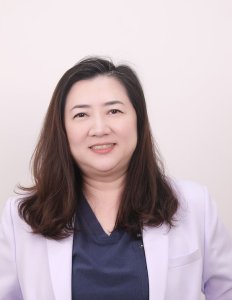
Ariyapon Lortaraprasert
يركز الدكتور Ariyapon Lortaraprasert على جراحة ترميم الشعر وطب الأمراض الجلدية والطب التجميلي. وهو عضو في الجمعية الدولية لجراحة ترميم الشعر (ISHRS)، وFUE Europe، ومعهد World FUE. وهو حاصل على اعتماد تدريب على نظام ARTAS الروبوتي.
تشمل مؤهلاته شهادة في طب الأمراض الجلدية (الجمعية التايلاندية للأمراض الجلدية) وشهادة في الطب التجميلي (AAAM). تدرّب على Thermage وRestylane وBotox وDysport وJuvederm وUlthera. حضر سبعة اجتماعات لـ ISHRS (2014–2020) واجتماعين لـ FUE Europe (2016، 2019). كما ش

Palapong Chayangsu
الدكتور بالابونج تشايانجسو هو جراح تجميل وجه معتمد ولديه 22 سنة من الخبرة في جراحة الجفون في عيادة BKFL.
- متخصص في تجميل الجفون (جراحة الجفون) من بين إجراءات الوجه الأخرى
- معتمد من المجلس الدولي لجراحة تجميل وترميم الوجه
- يركز على تحقيق نتائج جمالية طبيعية ومتوازنة وطويلة الأمد
- خبرة واسعة في إجراءات الوجه التجميلية والترميمية

Doctor Sirintip Jira-adisai
تتخصص الدكتورة سيرينتيب في طب مكافحة الشيخوخة والأمراض الجلدية، وتساعد المرضى في الحصول على بشرة شابة في مستشفى آسيا للتجميل.
- سنوات من الخبرة في طب مكافحة الشيخوخة والأمراض الجلدية
- تدريب متخصص في الطب التجديدي
- تمارس عملها في عيادة ذات مرافق حديثة ومتطورة
قصص فيديو من مرضى Bookimed
المراجعات
جميع المراجعاتمشاركة المحتوى
 Anna Leonova
أسئلة متكررة حول حقن البوتوكس تحت العينين في تايلاند
هل من الآمن إجراء حقن البوتوكس تحت العينين في تايلاند؟
يُعد بوتوكس تحت العين في تايلاند آمنًا عند إجرائه بواسطة أطباء جلدية معتمدين من المجلس في مستشفيات معتمدة من اللجنة الدولية المشتركة (JCI). وتتطلب الممارسة الآمنة استخدام علامات تجارية معتمدة من إدارة الغذاء والدواء الأمريكية، مثل Allergan أو Dysport أو Aestox، لتجنب مضاعفات مثل تدلي الجفن أو ارتخاء العضلات المفرط في هذه المنطقة التشريحية المعقدة من الوجه.
- مؤهلات الطبيب: ابحث عن أطباء مثل Sasinan Rassameejarukit، وهي حاصلة على دبلوم من المجلس الأمريكي لمكافحة الشيخوخة.
- المعايير السريرية: اختر مرافق مثل Asia Cosmetic Hospital الحاصل على اعتمادات JCI وISO.
- سلامة المنتج: تستخدم العيادات المتميزة علامات تجارية معتمدة مثل Aestox لضمان نتائج طبيعية ومتوقعة.
- وقت التعافي: حقن تحت العين هي إجراءات تُجرى للمرضى الخارجيين، وتسمح بالتعافي الفوري دون فترة نقاهة.
رؤية خبير Bookimed: غالبًا ما تتماشى مؤشرات الجودة في بانكوك مع عدد المرضى وجوائز السلامة المحددة. فعلى سبيل المثال، يحافظ Asia Cosmetic Hospital على معدل 0% من مضاعفات ما بعد الجراحة مع خدمة 2,500 مريض سنويًا. وعادةً ما يضمن اختيار العيادات ذات الخبرة في التعامل مع أعداد كبيرة من المرضى والشهادات الدولية معايير سلامة أعلى للأعمال الحقنية الدقيقة.
إجماع المرضى: يؤكد المرضى أن هذه المنطقة الدقيقة تتطلب مختصًا خبيرًا بالحقن، وليس عيادة منخفضة التكلفة. ويقترح كثيرون التأكد خلال الاستشارة مما إذا كان البوتوكس أو الفيلر هو الأنسب لمخاوفك المحددة تحت العين.
ما الذي يعالجه البوتوكس تحت العين في تايلاند؟
يعالج البوتوكس تحت العين في تايلاند الخطوط الدقيقة الديناميكية، وثنيات الجفن السفلي، وتأثير «اللفافة الهلامية» الناتج عن العضلة الدويرية العينية. يستخدم اختصاصيو عيادات بانكوك حقنًا دقيقة جدًا لتنعيم خطوط التحديق مع منح العينين مظهرًا أكثر نعومة واتساعًا أثناء تعابير الوجه.
- التجاعيد الديناميكية: ينعّم الخطوط الدقيقة التي تظهر تحت العينين عند الابتسام أو التحديق.
- اللفافة الهلامية: يرخي البروز العضلي الصغير تحت خط الرموش للحصول على ملامح أكثر نعومة.
- امتداد أقدام الغراب: يخفف الحواف الداخلية للتجاعيد الجانبية حول العين التي تمتد باتجاه الخد.
- حدود العلاج: لا يعالج أخاديد الدموع الغائرة أو الأكياس البنيوية تحت العين أو التصبغ الداكن في الجلد.
رؤية خبير Bookimed: رغم أن العيادات الصغيرة تقدم أسعارًا منخفضة، تخدم مستشفيات بانكوك مثل Navamin9 أو Wansiri ما يصل إلى 500,000 مريض سنويًا. وغالبًا ما توفر هذه المنشآت الأكبر إمكانية الوصول إلى أطباء جلدية معتمدين من المجلس الأمريكي. يضمن اختيار بيئة المستشفى للمنطقة الدقيقة حول العين معايير سلامة أعلى لإجراء تبلغ تكلفته نحو $100.
إجماع المرضى: يؤكد المرضى أن هذا العلاج يستهدف حركة العضلات وليس الغؤور. ويقترح كثيرون اختيار أطباء جلدية ذوي خبرة للعمل حول العين لتجنب الجرعات المفرطة بالقرب من أخدود الدموع.
كم تدوم نتائج البوتوكس تحت العينين في تايلاند؟
تدوم نتائج بوتوكس تحت العين في تايلاند عادةً من شهرين إلى 4 أشهر. وتعتمد مدة استمرارها على معدل الأيض الفردي والجرعة المستخدمة تحديدًا. وبينما تظهر النتائج الكاملة خلال 10 إلى 14 يومًا، يستقلب الجسم المادة تدريجيًا، مما يستدعي في النهاية جلسة متابعة للحفاظ على نعومة البشرة.
- بداية المفعول: يبدأ ارتخاء العضلات خلال يومين إلى 5 أيام بعد الحقن.
- ذروة النتائج: يظهر التنعيم الكامل للخطوط الدقيقة بعد أسبوعين من الإجراء.
- موعد المتابعة: احجز جلسة صيانة كل 3 إلى 4 أشهر للحفاظ على النتائج.
- العلامات التجارية للمنتجات: تستخدم عيادات مثل Wansiri Hospital علامات تجارية مثل Aestox للحصول على نتائج طبيعية المظهر.
رؤية خبير Bookimed: غالبًا ما تتخصص العيادات التايلاندية في الجرعات الدقيقة والمحافظة للمنطقة الحساسة تحت العين. فعلى سبيل المثال، تقدم الدكتورة Pimpa Tantanasrigul في Wansiri Hospital باقات تتضمن 100 وحدة من Aestox، ما يتيح تعديلات دقيقة. ويساعد هذا النهج الموجّه على تجنب المظهر الخالي من التعبير الذي يُلاحظ أحيانًا مع الجرعات الأعلى.
إجماع المرضى: قد تتلاشى النتائج في منطقة الجفن السفلي بشكل أسرع لدى الأشخاص النشطين ذوي معدلات الأيض المرتفعة. وتُفضَّل الجرعات الصغيرة والمحافظة لضمان حركة طبيعية مع تخفيف التجاعيد الديناميكية في الوقت نفسه.
ما هي العلامات التجارية لبوتوكس المتاحة لعلاج المنطقة تحت العين في تايلاند؟
تقدم العيادات في تايلاند علامات تجارية فاخرة واقتصادية من توكسين البوتولينوم لعلاجات منطقة تحت العينين، بما في ذلك Allergan من الولايات المتحدة وDysport من المملكة المتحدة وXeomin من ألمانيا. وتشمل البدائل الكورية الشائعة المعتمدة من هيئة الغذاء والدواء التايلاندية Nabota وAestox وHugel، وغالبًا ما تُفضَّل لنتائجها الطبيعية بأسعار أقل.
- العلامات التجارية المتاحة: تستخدم العيادات Allergan وDysport وXeomin وعلامات كورية مثل Nabota أو Aestox.
- النطاق السعري: تتراوح تكلفة علاجات منطقة تحت العينين في تايلاند عادةً من $100 إلى $170.
- مؤهلات الاختصاصيين: يحمل أفضل مقدمي الخدمة غالبًا شهادات من American Board of Anti-Aging and Regenerative Medicine.
رؤية خبير Bookimed: رغم أن Allergan يُعد المعيار الذهبي للدقة، فإن العلامات الكورية مثل Aestox أصبحت المفضلة محليًا لتنعيم منطقة تحت العينين. يقدم مستشفى Wansiri باقات Aestox بجرعة 100 وحدة مقابل $360، وهي كمية من السم أكبر بكثير مما يلزم عادةً للعينين فقط، مما يتيح للمرضى علاج عدة مناطق من الوجه في جلسة واحدة.
إجماع المرضى: يؤكد المرضى أن العثور على مختص حقن ذي خبرة أهم من اختيار علامة تجارية محددة لأن منطقة العين حساسة جدًا. ويقترح كثيرون أن تطلب من العيادة فتح القارورة بحضورك للتحقق من ملصق هي