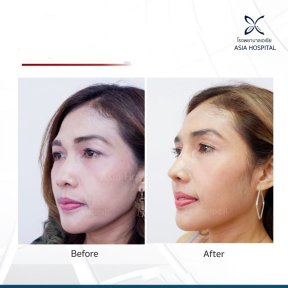
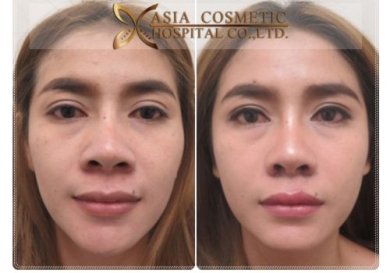
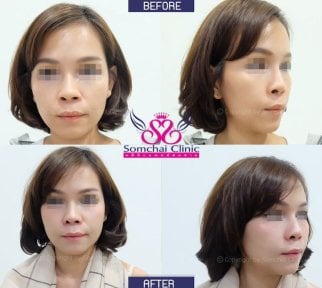
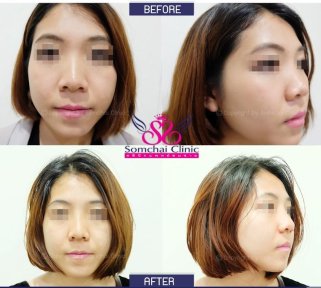
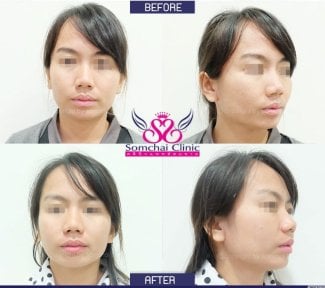
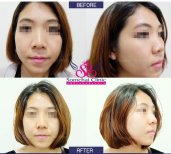
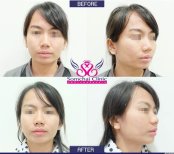
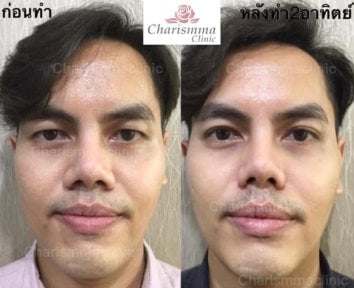
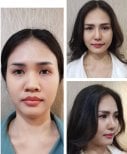
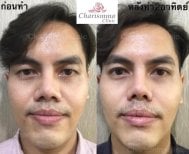
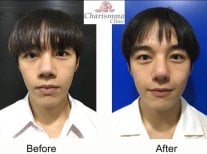
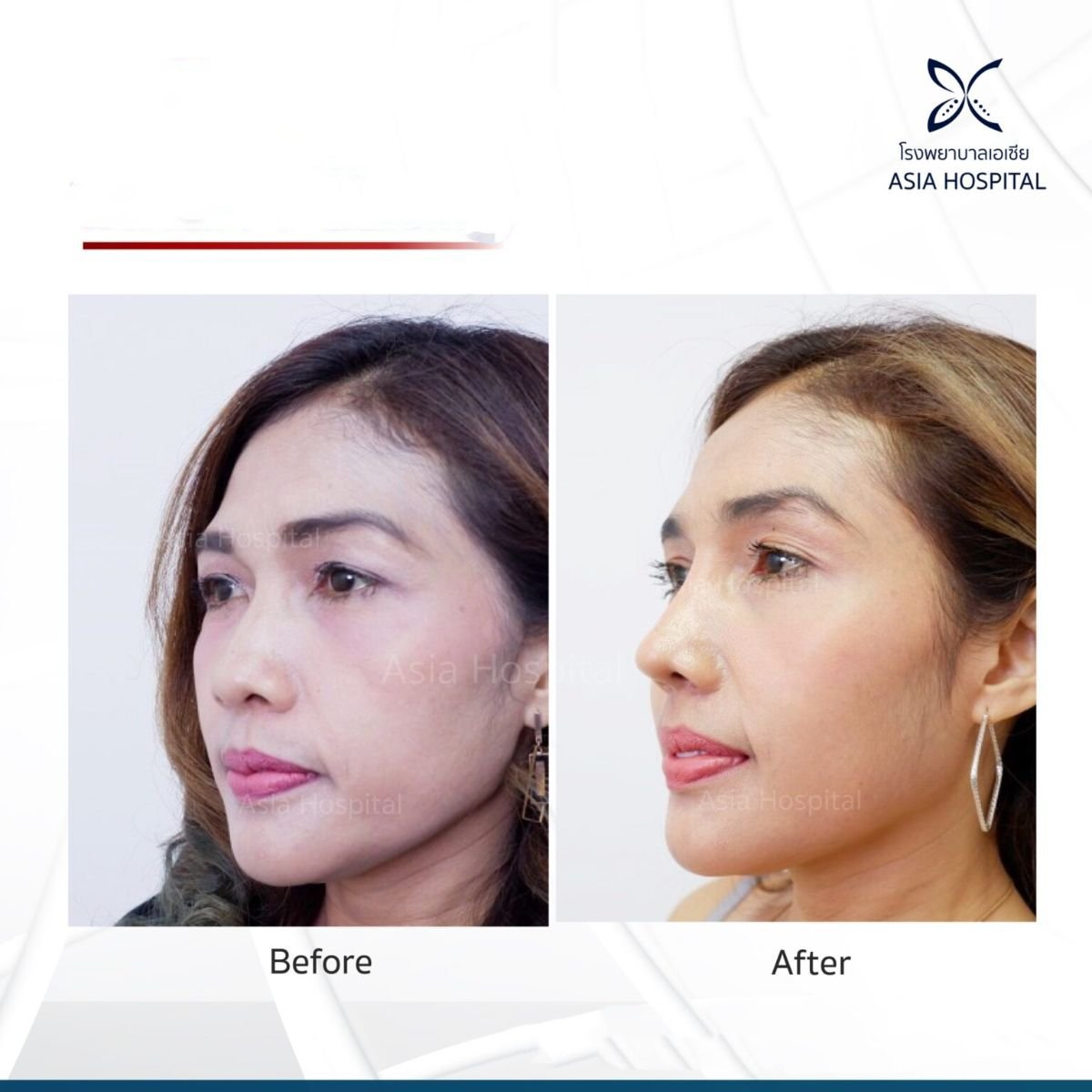
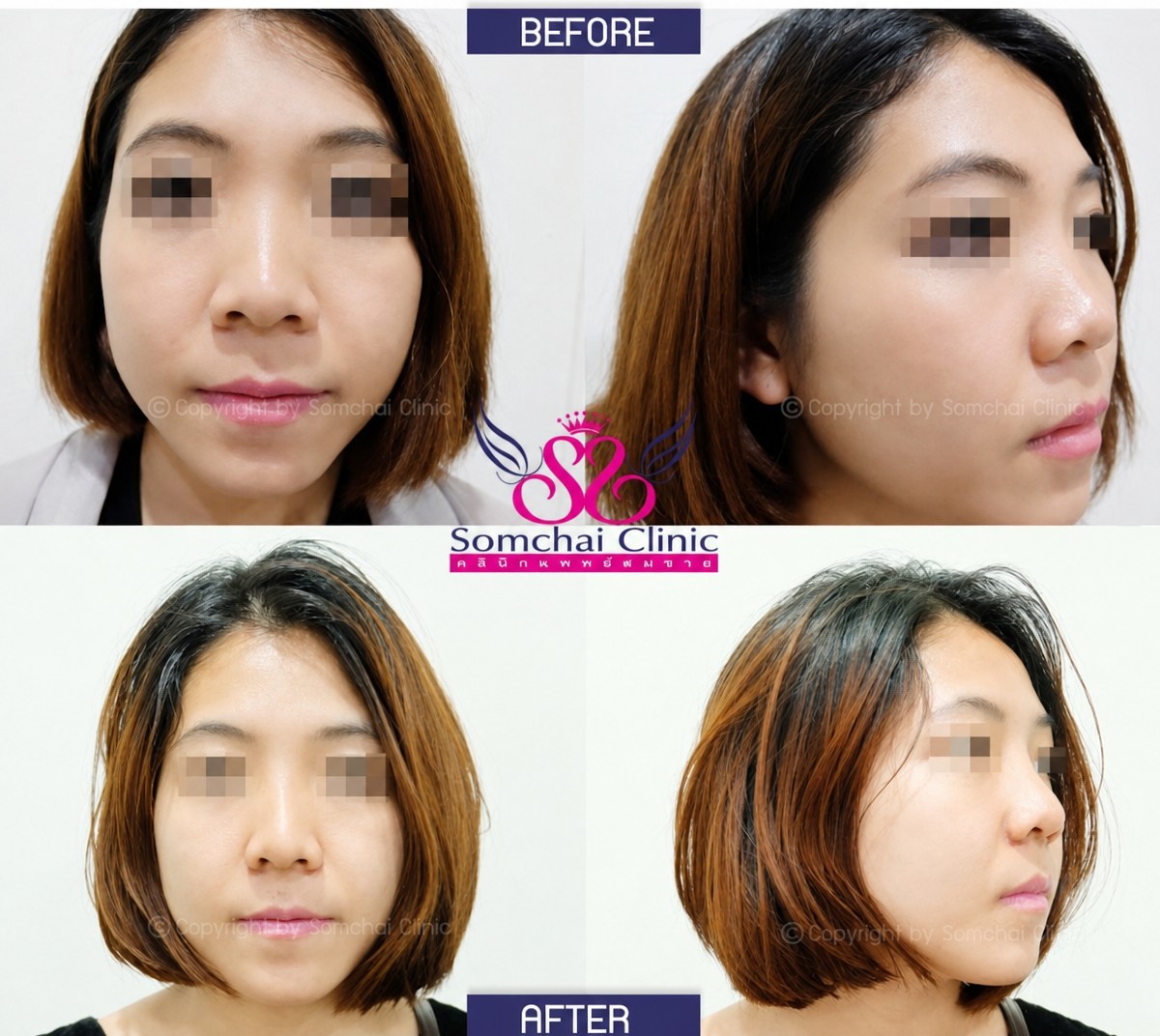
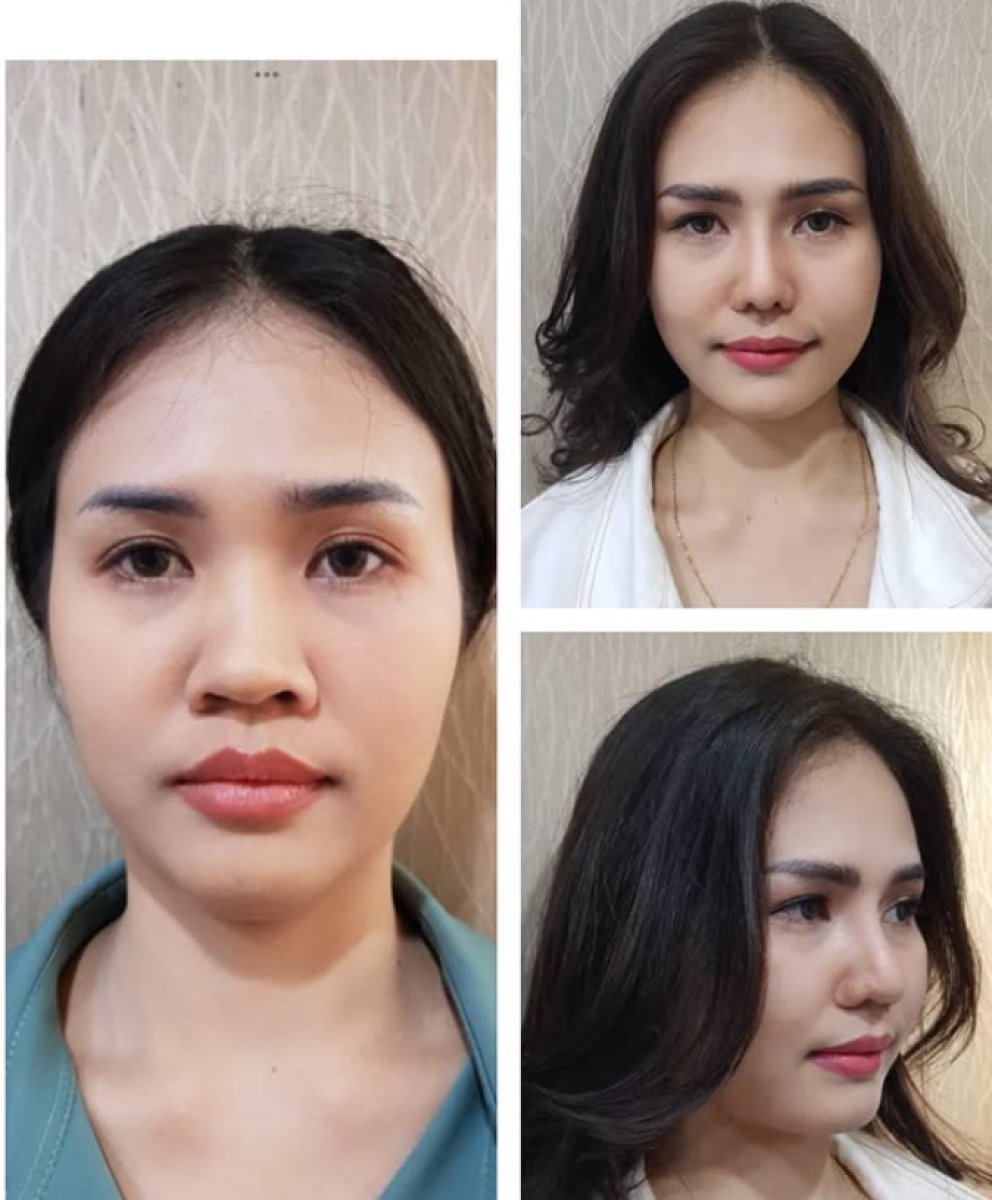
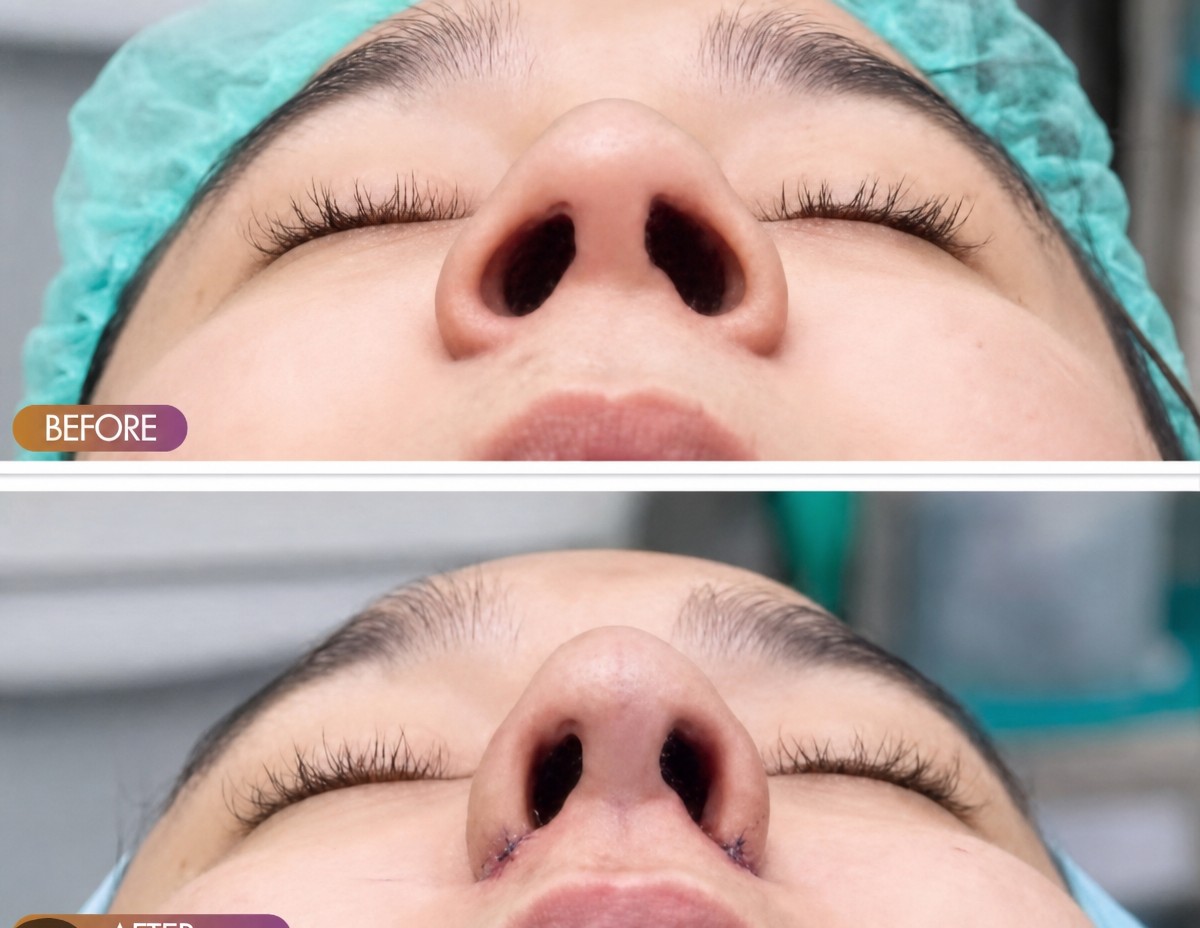
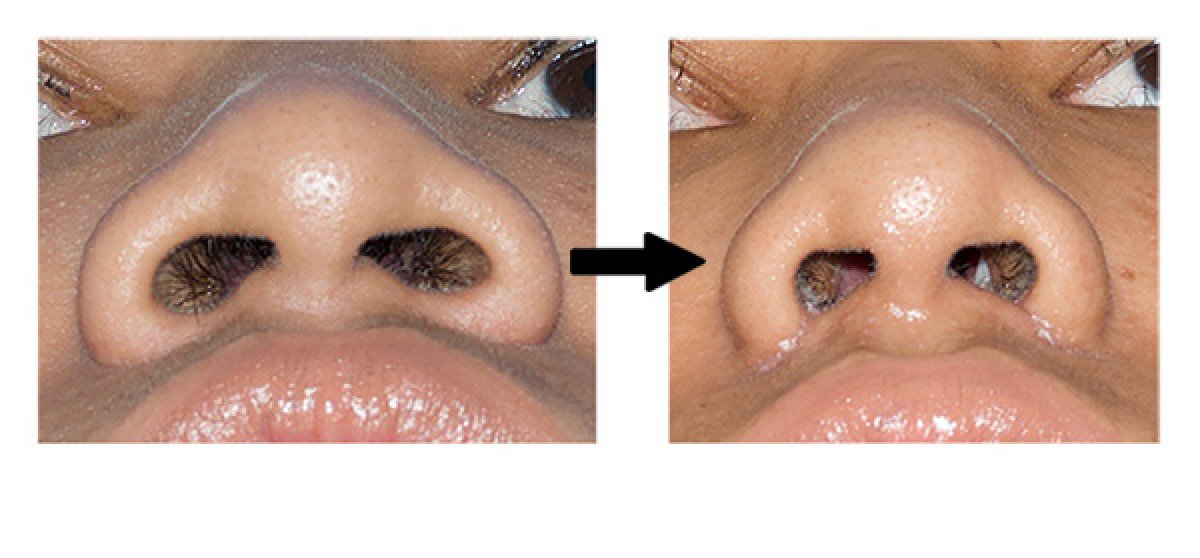
تترك عملية تجميل فتحات الأنف ندوباً دائمة من الناحية التقنية، ولكنها عادة ما تكون مصممة لتكون غير مرئية تقريباً. يقوم الجراحون المهرة في تايلاند بوضع الشقوق بشكل استراتيجي داخل الثنية الطبيعية بين الأنف والخد. هذه التقنية تخفي العلامات بشكل طبيعي حيث تلتقي فتحات الأنف بالخدين، مما يضمن بقاءها مخفية أثناء الأنشطة اليومية.
- الجدول الزمني للشفاء: تتلاشى الندوب عادةً لتصبح غير مرئية تقريباً في غضون 6 إلى 12 شهراً بعد الجراحة.
- تقنيات التصغير: غالباً ما يستخدم الجراحون استئصال عتبة فتحة الأنف للحفاظ على الشقوق داخل قاعدة الأنف.
- أساسيات الرعاية اللاحقة: استخدام هلام السيليكون وتجنب الشمس لمدة 6 أشهر يمنع ظهور خطوط وردية مرئية.
- اعتبارات الجلد: قد يحتاج المرضى الذين لديهم تاريخ من الجدرة (keloid) إلى شريط ستيرويدي لضمان الحصول على ندوب مسطحة وشاحبة.
رؤية خبير Bookimed: غالباً ما تفضل المراكز ذات الحجم الكبير في تايلاند، مثل مستشفى يانهي الدولي الذي يخدم 450,000 مريض سنوياً، تقنية عتبة فتحة الأنف الداخلية. تظهر البيانات أن عيادات مثل مستشفى آسيا التجميلي تحافظ على معدل مضاعفات 0% من خلال الجمع بين معايير JCI والخياطة الدقيقة. اختيار جراح لديه تدريب كوري محدد، وهو أمر شائع في بانكوك، غالباً ما يؤدي إلى شقوق أدق وأكثر سرية، وهي سمة نموذجية لمعايير الجمال في شرق آسيا.
إجماع المرضى: يصف الكثيرون النتائج النهائية بأنها نقاط صغيرة أو خطوط دقيقة مخفية داخل فتحات الأنف. يلاحظ معظمهم أن أي احمرار أولي يختفي تماماً بعد 3 أشهر عند اتب