إدمان البنزوديازيبينات العلاج في تايلاند - التكاليف 2026


تمت مراجعة المقالة طبيا من قبل
فهد مولود
ما هي تكلفة إدمان البنزوديازيبينات إجراءات التشخيص والعلاج في تايلاند؟ اعرف الآن
مزاياك وضماناتك مع Bookimed
أسعار مباشرة
Bookimed لا يضيف رسوماً إضافية على أسعار علاج إدمان البنزوديازيبينات. الأسعار مأخوذة من قوائم الأسعار الرسمية للعيادات. تدفع مباشرة في العيادة مقابل علاجك عند وصولك إلى البلد.
عيادات وأطباء معتمدون فقط
Bookimed ملتزم بسلامتك. نحن نعمل فقط مع المؤسسات الطبية التي تحافظ على معايير دولية عالية في علاج إدمان البنزوديازيبينات ولديها التراخيص اللازمة لخدمة المرضى الدوليين في جميع أنحاء العالم.
مساعدة مجانية على مدار الساعة
Bookimed يقدم مساعدة خبراء مجانية. منسق طبي شخصي يدعمك قبل وأثناء وبعد العلاج، ويحل أي مشاكل. لن تكون وحيداً أبداً في رحلة علاج إدمان البنزوديازيبينات.

منسقك الطبي الشخصي في Bookimed
- يدعمك في كل مرحلة
- المساعدة في اختيار العيادة الطبية المناسبة والطبيب المناسب
- يضمن الوصول السريع والمريح إلى المعلومات
اكتشف أفضل إدمان البنزوديازيبينات العيادات في تايلاند: 5 خيارات معتمدة والأسعار

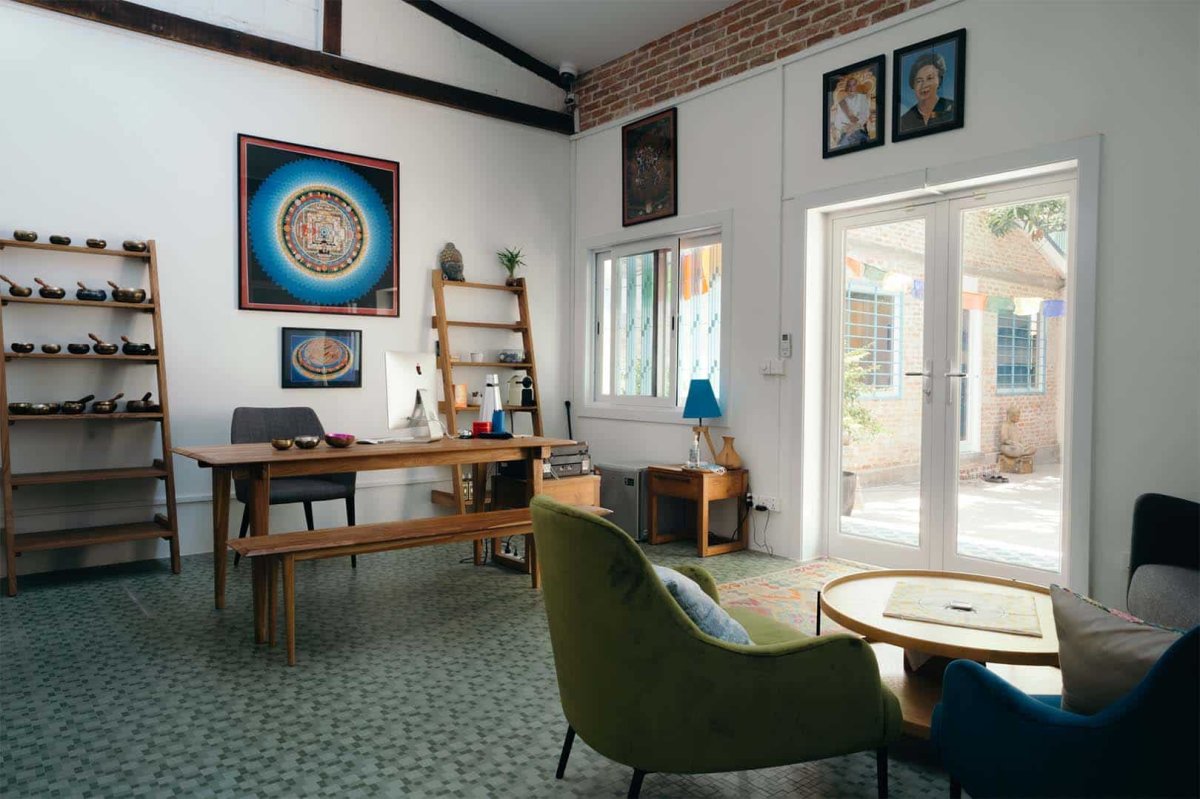
The Beekeeper House
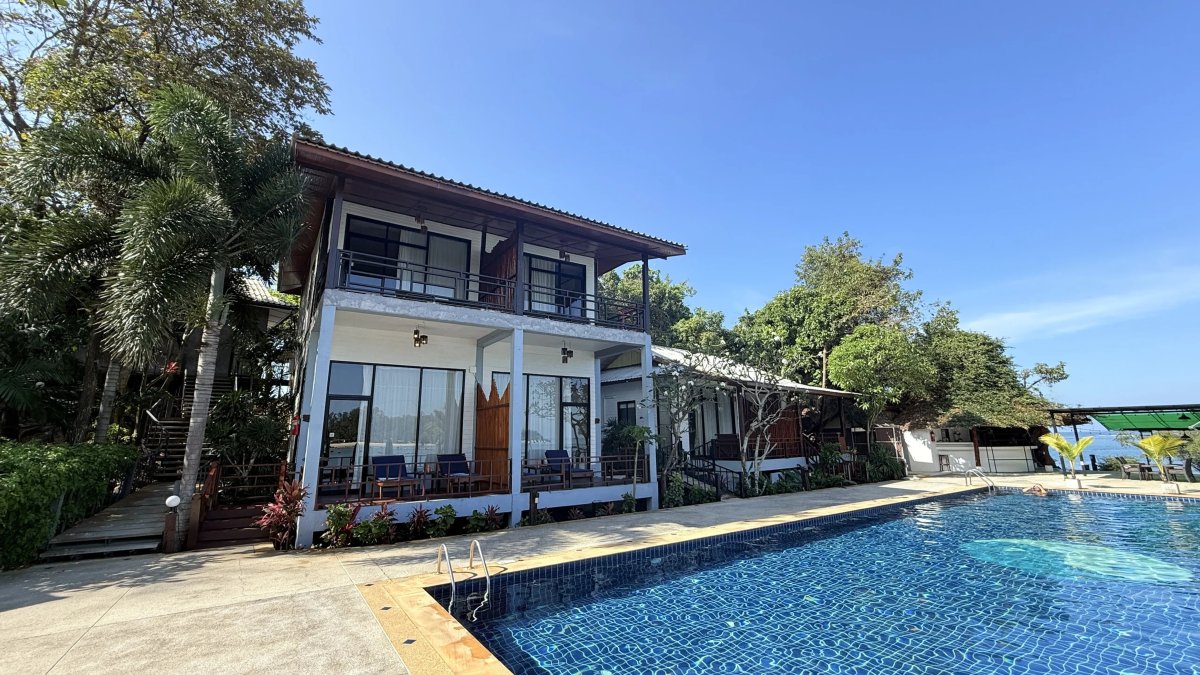

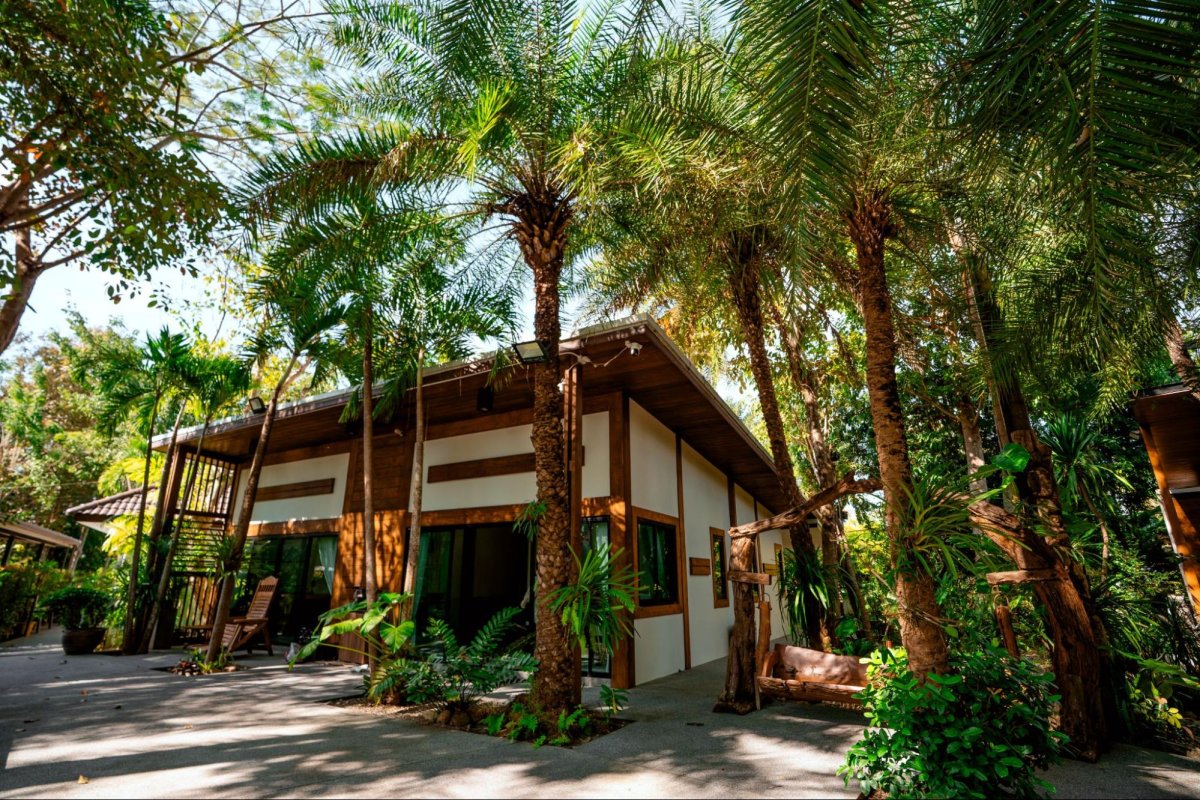
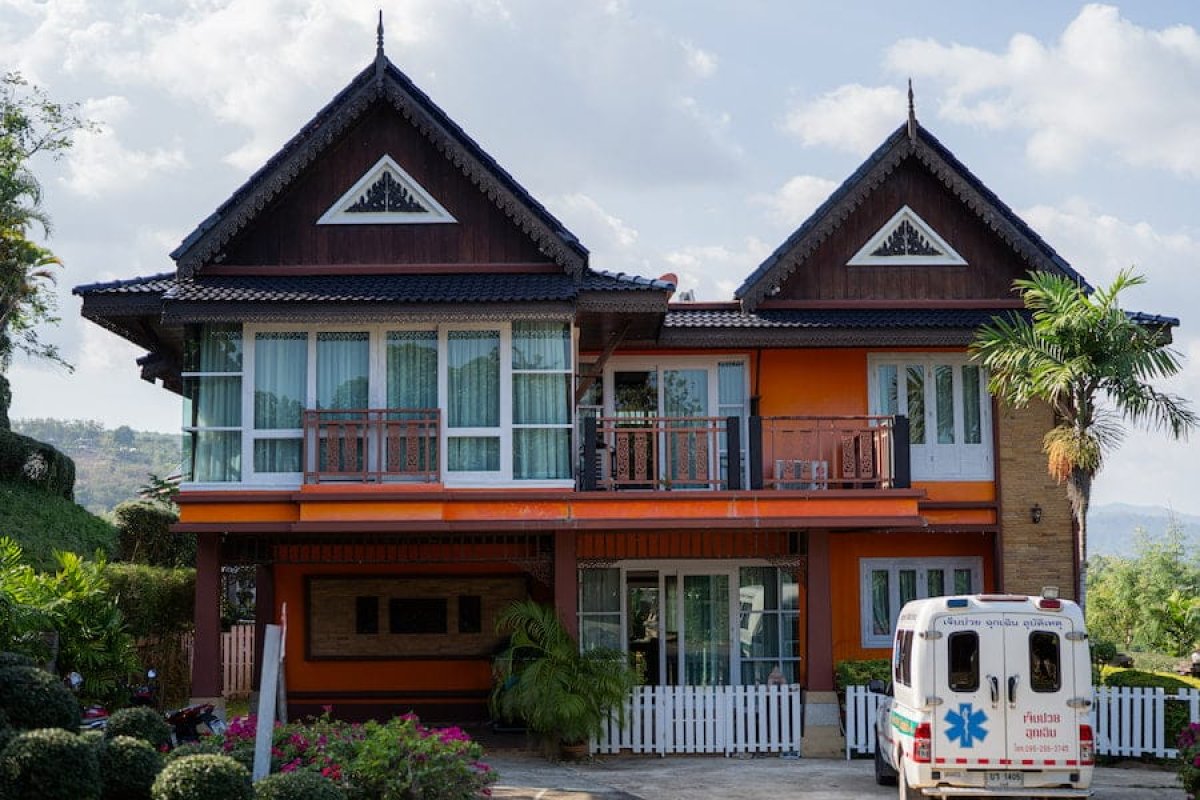
Phuket Island Rehab
احصلوا على تقييم طبي لـ إدمان البنزوديازيبينات في تايلاند: استشيروا أطباء ذوي خبرة الآن
عرض جميع الأطباء
Pichayut Kasemphakdeephong
تم إجراء أكثر من 900 علاج للإدمان – يتخصص بيتشايوت كاسيمفاكدي فونغ في رعاية إدمان البنزوديازيبين في مركز داي ون لإعادة التأهيل.
- _doctor_9781_سنوات_ من الخبرة في الطب النفسي، مع التركيز على اضطرابات تعاطي المخدرات
- عضو لجنة الجمعية التايلاندية للطب النفسي للإدمان
- يجري أبحاثاً حول علاج الإدمان ونتائج إعادة التأهيل
- يدرس أفضل الممارسات في الطب النفسي كأستاذ طبي
Aviva Wolf

مشاركة المحتوى
قصص فيديو من مرضى Bookimed
 Anna Leonova
أسئلة متكررة حول علاج إدمان البنزوديازيبينات في تايلاند
هل إزالة السموم الطبية ضرورية عند الإدمان على البنزوديازيبينات، وهل هي متاحة في تايلاند؟
تعد إزالة السموم الطبية عند الإدمان على البنزوديازيبينات ضرورية بسبب ارتفاع خطر الإصابة بنوبات الصرع والذهان أثناء الانسحاب. توجد في تايلاند مراكز متخصصة للمرضى الداخليين. توفر هذه المؤسسات إشرافاً تحت قيادة طبيب نفسي وبروتوكولات لتقليل الجرعة تدريجياً. يتم ضمان السلامة من خلال المراقبة السريرية على مدار الساعة والدعم النفسي متعدد التخصصات.
- المراقبة السريرية: يضمن الأطباء النفسيون والممرضون مراقبة العلامات الحيوية على مدار الساعة والرعاية الطارئة.
- بروتوكولات تقليل الجرعة: تستخدم الفرق الطبية البنزوديازيبينات طويلة المفعول لتقليل الجرعة بشكل آمن وتدريجي.
- الاعتماد: توفر مراكز مثل مركز Day One Rehabilitation Center علاجاً للإدمان للمرضى الداخليين مع اعتماد حكومي.
- التكامل العلاجي: يجمع العلاج بين الاستقرار الطبي والعلاج السلوكي المعرفي القائم على الأدلة وممارسات اليقظة الذهنية.
رأي خبراء Bookimed: تعد تايلاند وجهة عالمية رائدة لعلاج الإدمان. يستقبل مركز Day One Rehabilitation Center حوالي 120 مريضاً سنوياً. يسمح هذا النطاق الصغير للأطباء النفسيين، مثل الدكتور Pichayut Kasemphakdeephong، باتباع نهج فردي في عملية تقليل الجرعة. غالباً ما تستخدم المراكز الكبيرة بروتوكولات صارمة مدتها 7 أيام. تتعامل العيادات التايلاندية الصغيرة بشكل أفضل مع الجداول الزمنية التي تستغرق عدة أسابيع، والتي غالباً ما تكون ضرورية عند علاج الإدمان على البنزوديازيبينات.
رأي المرضى: يحذر المرضى من أن انسحاب البنزوديازيبينات يستمر لفترة أطول بكثير
ما هي المؤهلات التي يتمتع بها الطاقم الطبي في مراكز إعادة التأهيل التايلاندية لعلاج الإدمان على البنزوديازيبين؟
يخضع الطاقم الطبي في مراكز إعادة التأهيل في تايلاند لشهادات وطنية ودولية صارمة لإدارة أعراض انسحاب البنزوديازيبين بأمان. تشمل الفرق المؤهلة أطباء نفسيين متخصصين في الإدمان، وعلماء نفس بدرجة الدكتوراه، وممرضين مرخصين. تضم المراكز الرائدة مثل مركز Day One لإعادة التأهيل أعضاء في لجنة الجمعية التايلاندية للطب النفسي للإدمان.
- القيادة النفسية: يدير أطباء نفسيون معتمدون التخفيض الطبي للجرعة ويعالجون اضطرابات التشخيص المزدوج الكامنة.
- إشراف التمريض: يوفر الممرضون المرخصون مراقبة على مدار الساعة طوال أيام الأسبوع لإدارة أعراض الانسحاب التي قد تهدد الحياة.
- المؤهلات الدولية: غالباً ما يحمل المستشارون شهادات IC&RC أو GCCC لعلاج الإدمان.
- الفرق متعددة التخصصات: يشمل الموظفون أساتذة في الطب وباحثين متخصصين في إعادة تأهيل متعاطي المواد المخدرة.
رؤية خبير Bookimed: غالباً ما تستخدم مراكز إعادة التأهيل التايلاندية أساتذة في الطب، مثل الدكتور بيشا يوت كاسيمفاكدي فونغ، الذين يدمجون البحث الأكاديمي في إزالة السموم العملية. يخلق هذا معياراً أعلى للرعاية حيث يقوم الموظفون أيضاً بتدريب الجيل القادم من أطباء نفس الإدمان. هذا المستوى من الخبرة نادر في المراكز القياسية التي تركز على العافية.
إجماع المرضى: يؤكد المرضى على العثور على مرافق بها أطباء في الموقع يفهمون مخاطر التوقف المفاجئ عن المهدئات. يحذرون من البرامج التي تبدو كمنتجعات ولكنها تفتقر إلى طاقم طبي على مدار الساعة للتعامل مع الانسحاب الشديد.
ما هي العلاجات المستخدمة لعلاج الإدمان على البنزوديازيبين في تايلاند؟
تستخدم مراكز علاج الإدمان في تايلاند مزيجاً من التخفيض الطبي للجرعة والعلاجات السلوكية. تتميز البرامج بالتخفيض تحت إشراف طبي مع استبدال ببدائل مثل الديازيبام أو الكلورديازيبوكسيد. يشرف أطباء نفسيون مرخصون على الرعاية في مراكز معتمدة من CARF. يخضع المرضى للعلاج السلوكي المعرفي (CBT) ونموذج الـ 12 خطوة لمنع الانتكاس على المدى الطويل وإدارة أعراض الانسحاب.
- التخفيض الطبي للجرعة: يستخدم المتخصصون بروتوكولات استبدال بطيئة على مدار أشهر لضمان السلامة.
- العلاج القائم على الأدلة: توفر المراكز العلاج السلوكي المعرفي وعلاج التعزيز التحفيزي (MET).
- الأساليب الشمولية: تشمل البرامج اليقظة الذهنية، والعلاج بالفن، والعلاج بالموسيقى، والعلاج بالبستنة.
- الدعم النفسي: يقدم متخصصون مثل الدكتور بيشا يوت كاسيمفاكدي فونغ إشرافاً طبياً متعدد التخصصات على مدار الساعة طوال أيام الأسبوع.
رؤية خبير Bookimed: بينما يبحث الكثيرون عن إزالة سموم سريعة لمدة 3-7 أيام، تُظهر بياناتنا أن المراكز المعتمدة في تايلاند تركز على الإقامات السكنية طويلة الأمد. يدير مركز Day One لإعادة التأهيل مجموعات صغيرة من 22 سريراً لضمان رعاية مخصصة. تعتبر هذه النسبة العالية بين الموظفين والمرضى حيوية لمراقبة أعراض انسحاب البنزوديازيبين المعقدة بأمان.
إجماع المرضى: يشير المرضى إلى أن التخفيض البطيء للجرعة ضروري لأن التوقف المفاجئ يسبب ذعراً شديداً وأرقاً. يوصي الكثيرون باستخدام بدائل غير البنزوديازيبين مثل غابابنتين تحت إشراف الطبيب للسيطرة على القلق أثناء فترة الانتقال.
كم تستغرق فترة علاج البنزوديازيبين عادةً في تايلاند؟
يستغرق علاج البنزوديازيبين في تايلاند عادةً من 28 إلى 90 يوماً لإعادة التأهيل السكني. يمكن أن يمتد التخفيض التدريجي للجرعة تحت إشراف طبي للمستخدمين على المدى الطويل إلى 6 أشهر. يتطلب الانسحاب الآمن تقليل الجرعة تدريجياً لمنع حدوث نوبات صرع. تتطلب معظم العيادات تقييماً طبياً محلياً من قبل طبيب نفسي.
- مرحلة إزالة السموم: يتطلب الاستقرار الطبي عادةً من 7 إلى 14 يوماً من المراقبة على مدار الساعة طوال أيام الأسبوع.
- إعادة التأهيل السكني: تستمر البرامج المكثفة القياسية في مراكز مثل Day One لمدة 30 يوماً.
- التخفيض التدريجي طويل الأمد: غالباً ما يستغرق تقليل الجرعة تدريجياً من أجل السلامة من 3 إلى 6 أشهر.
- دمج العلاج: يساعد العلاج السلوكي المعرفي (CBT) في إدارة أعراض الانسحاب على مدار عدة أسابيع.
رؤية خبير Bookimed: تعتبر تايلاند وجهة عالمية رائدة لرعاية الإدمان، حيث تحتل المرتبة الثالثة في بيانات السوق لدينا. تدير مراكز مثل مركز Day One لإعادة التأهيل 22 سريراً فقط في كل مرة. يضمن هذا الإطار الصغير رعاية عالية الكثافة مع دعم متعدد التخصصات على مدار الساعة طوال أيام الأسبوع. يتخصص خبراء مثل الدكتور بيشا يوت كاسيمفاكدي فونغ في التشخيص المزدوج لعلاج المحفزات الأساسية إلى جانب الإدمان.
إجماع المرضى: يؤكد المرضى على أن التخفيض التدريجي للجرعة يجب أن يكون تدريجياً لتجنب مخاطر الانسحاب الخطيرة. يشير الكثيرون إلى أن العيادات المحلية تتطلب تقييماً جديداً لأن الوصفات الطبية الأجنبية غير معترف بها.
هل يتم توفير رعاية لاحقة للمرضى الدوليين بعد العلاج الداخلي للبنزوديازيبين في تايلاند؟
توفر مراكز الإدمان في تايلاند رعاية لاحقة منظمة للمرضى الدوليين الذين ينتقلون من العلاج الداخلي للبنزوديازيبين. تقدم مرافق متخصصة مثل مركز Day One لإعادة التأهيل استشارات عن بُعد ووقاية من الانتكاس. غالباً ما تتضمن هذه الخطط علاجاً عبر الإنترنت وتنسيقاً طبياً مع طبيبك في بلدك الأم لإدارة مخاطر الانسحاب.
- الاستشارات عن بُعد: تقدم العيادات علاجاً افتراضياً فردياً أو جماعياً بعد عودتك إلى المنزل.
- خطط التخفيف التدريجي: يقدم المتخصصون بروتوكولات طبية مكتوبة لضمان تقليل الدواء بشكل آمن وتدريجي.
- الإحالات المحلية: يربطك المنسقون بمعالجين أو مجموعات دعم في مدينتك الأصلية.
- دعم الانتقال: تتضمن البرامج مكالمات متابعة لمراقبة القلق وأنماط النوم بعد الخروج من المستشفى.
رؤية خبير Bookimed: تظهر بياناتنا أن المراكز الراقية في بانكوك غالباً ما تحد من طاقتها الاستيعابية إلى 22 سريراً. يسمح هذا النطاق الصغير لأعضاء اللجنة النفسية مثل الدكتور بيتشايوت كاسمفاكدي فونغ بتخصيص كل خطة رعاية لاحقة. عادة ما تؤدي أحجام المرضى الصغيرة إلى متابعة مستمرة عن بُعد أكثر من المستشفيات الإقليمية الكبيرة ذات حركة المرور العالية.
إجماع المرضى: يلاحظ المرضى أنه على الرغم من أن تايلاند توفر سهولة الوصول إلى الأدوية الاحتياطية، إلا أنها تقدم أيضاً مخاطر الانتكاس. يقترح المسافرون ذوو الخبرة تأمين طبيب نفسي في بلدك الأم قبل مغادرة تايلاند لمواصلة عملية التخفيف التدريجي بأمان.