رأب الأوعية الدموية الشرياني عبر الشرايين (PTA) والدعامات في إسبانيا: 2 عيادتين


تمت مراجعة المقالة طبيا من قبل
فهد مولود
ما هي تكلفة رأب الأوعية الدموية الشرياني عبر الشرايين (PTA) والدعامات في إسبانيا؟ اكتشف الآن
من $22,500. يعتمد السعر النهائي على موقع الشريان، وعدد الدعامات المستخدمة، ومكانة العيادة. تشمل الباقات غالباً استشارات القلب، وتصوير الأوعية، وأجور الجراحة، وإقامة في المستشفى لمدة يوم أو يومين.
- الموقع التشريحي: تزيد تكلفة إجراءات شرايين القلب أو الشرايين السباتية بنسبة 20-50 % عن دعامات الأطراف.
- تقنية الدعامات: تتميز الدعامات الدوائية بسعر أعلى من الدعامات المعدنية العادية بسبب تكاليف المواد.
- المراكز الإقليمية: تتقاضى المراكز في برشلونة ومدريد أسعاراً أعلى بنسبة 15-20 % من عيادات ماربيا أو توريفايخا.
- الاعتماد الطبي: قد تعكس المستشفيات المتقدمة والحاصلة على شهادات JCI أو EFQM معايير جودتها في أسعارها.
رأي خبراء Bookimed: يوفر اختيار مركز عالي الكفاءة مثل مركز تكنون الطبي في برشلونة قيمة استثنائية. يخدم المركز 10,000 مريض سنوياً ويحمل اعتمادات JCI و EFQM. رغم ارتفاع أسعار برشلونة، توفر هذه المراكز رعاية متميزة يثق بها الرياضيون المحترفون والمشاهير عالمياً. يضمن اختيار متخصصين مرموقين مثل دكتور خوسيه أنخيل كابريرا رودريغيز في مدريد الحصول على خبرة تداخلية فائقة بتكاليف أقل بكثير من أسعار الرعاية الصحية الخاصة في السعودية.
| تركيا | إسبانيا | ألمانيا | |
|---|---|---|---|
| رأب الأوعية الدموية الشرياني عبر الشرايين (PTA) والدعامات | من $1,800 | من $22,500 | ≈ $15,000 |
مزاياك وضماناتك مع Bookimed
أسعار مباشرة
Bookimed لا يضيف رسوماً إضافية على أسعار رأب الأوعية الدموية الشرياني عبر الشرايين (PTA) والدعامات. الأسعار مأخوذة من قوائم الأسعار الرسمية للعيادات. تدفع مباشرة في العيادة مقابل رأب الأوعية الدموية الشرياني عبر الشرايين (PTA) والدعامات عند وصولك.
عيادات وأطباء معتمدون فقط
Bookimed ملتزم بسلامتك. نحن نعمل فقط مع المؤسسات الطبية التي تحافظ على معايير دولية عالية في رأب الأوعية الدموية الشرياني عبر الشرايين (PTA) والدعامات ولديها التراخيص اللازمة لخدمة المرضى الدوليين في جميع أنحاء العالم.
مساعدة مجانية على مدار الساعة
Bookimed يقدم مساعدة خبراء مجانية. منسق طبي شخصي يدعمك قبل وأثناء وبعد العلاج، ويحل أي مشاكل. لن تكون وحيداً أبداً في رحلة رأب الأوعية الدموية الشرياني عبر الشرايين (PTA) والدعامات.

منسقك الطبي الشخصي في Bookimed
- يدعمك في كل مرحلة
- المساعدة في اختيار العيادة الطبية المناسبة والطبيب المناسب
- يضمن الوصول السريع والمريح إلى المعلومات
اكتشف أفضل رأب الأوعية الدموية الشرياني عبر الشرايين (PTA) والدعامات العيادات في إسبانيا: 2 خيارات معتمدة والأسعار






نظرة عامة على رأب الأوعية الدموية الشرياني عبر الشرايين (PTA) والدعامات في إسبانيا
- الدعامات الوعائية المحيطية - من $7,200
يفتح هذا العلاج الأوعية الضيقة عبر أنابيب صغيرة ، مما يساعد على تدفق الدم ويقلل الألم ، ويوفر الشفاء السريع.
- رأب الأوعية الدموية - من $20,200
يعمل هذا العلاج على توسيع الشرايين الضيقة باستخدام بالون صغير ودعامات لتحسين تدفق الدم بشكل فعال وآمن.
- رأب الأوعية السباتية والدعامات - من $17,100
يوسع الإجراء الشرايين الضيقة في الرقبة عن طريق نفخ البالون ووضع الدعامة ، مما يقلل من خطر الإصابة بالسكتة الدماغية.
- رأب الأوعية الشريانية داخل القحف وتركيب الدعامات - من $14,000
هذا الإجراء يفتح الشرايين الضيقة بالمخ ويدخل دعامة لمنع السكتة الدماغية ، مما يعزز تدفق الدم بكفاءة.
- رأب الشريان الفقري والدعامة - من $39,300
تتضمن العملية توسيع الشرايين الفقرية الضيقة ووضع دعامة لتحسين تدفق الدم لتقليل مخاطر السكتة الدماغية.
- رأب الأوعية الدموية الشرياني عبر الشرايين (PTA) والدعامات - من $22,500
يوسع هذا العلاج الأوعية الدموية الضيقة باستخدام بالون ويضع دعامة للانفتاح المستمر ، مما يحسن تدفق الدم.
- وضع دعامات لتسلخ الشرايين - من $6,500
يتضمن هذا العلاج إدخال أنبوب شبكي لفتح الشريان الممزق ، وتعزيز التدفق الآمن للدم والوقاية من المضاعفات.
اليوم الأول - الوصول
- الوصول إلى المستشفى وتسجيل الوصول.
- استقر في غرفتك الفردية.
- استشارة أولية مع طبيب قلب.
اليوم 2 - ما قبل العملية
- الخضوع للفحوصات الطبية اللازمة.
- اختبارات الدم الكاملة على النحو الموصى به.
- استشارة ما قبل العملية مع الفريق الجراحي.
اليوم 3 - إجراء PTA والدعامات
- ابدأ الإجراء تحت تأثير التخدير الموضعي.
- يتم إجراء رأب الوعاء عن طريق شق صغير.
- يتم إدخال الدعامة بعد رأب الوعاء.
- مدة الإجراء حوالي ساعتين.
اليوم 4 - بعد العملية
- استرح في غرفتك بعد العملية.
- راقب حالتك عن كثب.
- البقاء في المستشفى للمراقبة.
الأسبوع الأول - إعادة التأهيل
- ابدأ العلاج الطبيعي اللطيف.
- استشارة اختصاصي تغذية لتخطيط نظام غذائي صحي للقلب.
- متابعة طبيب القلب لفحص التقدم.
الأسبوع الثاني - إعادة التأهيل
- استمر في العلاج الطبيعي.
- يمكنك العودة إلى العمل إذا كانت وظيفتك لا تتطلب مجهودًا بدنيًا.
- ابدأ التمارين الخفيفة مثل المشي.
الأسبوع السادس - إعادة التأهيل
- استأنف الأنشطة العادية.
- استمر في اتباع نظام غذائي صحي للقلب.
- انظر النتيجة النهائية للإجراء.
يرجى ملاحظة أن العملية يمكن أن تختلف قليلاً لكل مريض حسب الظروف الصحية الفردية. استشر دائمًا فريقك الطبي للحصول على رعاية شخصية.
- إيداع Bookimed: 200 دولار أو 200 يورو.
- وديعة العيادة: ادفع نسبة محددة مقدمًا.
احصل على تقييم طبي لـ رأب الأوعية الدموية الشرياني عبر الشرايين (PTA) والدعامات في إسبانيا: اختر أخصائيك من بين الأفضل في هذا المجال
عرض جميع الأطباء
José Ángel Cabrera Rodríguez
يقود الدكتور كابريرا قسم أمراض القلب في مستشفى كيرونسالود مدريد - وهو رائد في علاج عدم انتظام ضربات القلب مع أكثر من 29 سنة من الخبرة.
- متخصص في أمراض القلب التداخلية في مؤسسة خيمينيز دياز
- رئيس قسم أمراض القلب في العديد من المستشفيات المرموقة
- أستاذ في الجامعة الأوروبية بمدريد
- عضو في الجمعية الأوروبية لأمراض القلب وجمعية إيقاع القلب
- مُراجع منشور في كبرى مجلات أمراض القلب

Francisco Javier Alzueta Rodriguez
طبيب قلب رائد يتمتع بخبرة في عدم انتظام ضربات القلب والإجراءات المعقدة مثل استئصال القسطرة وزراعة أجهزة تنظيم ضربات القلب في كيرونسالود ماربيا.
- مؤلف أكثر من 100 منشور علمي
- عضو الجمعية الأوروبية لأمراض القلب
- رئيس وحدة عدم انتظام ضربات القلب في عيادة بويرتا دي هيرو
- خبرة تدريسية واسعة في جامعة مالقة
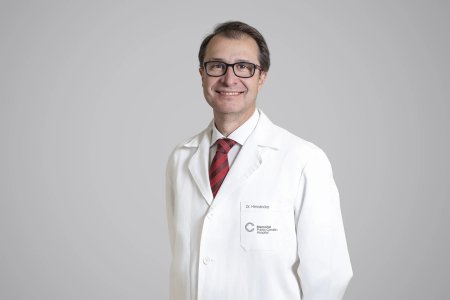
Felipe Hernández Hernández
الدكتور فيليبي هيرنانديز هيرنانديز هو استشاري أمراض القلب التداخلية في مستشفى بوبليو كوردون التذكاري في مدريد. يعالج حالات القلب مثل تصلب الشرايين ومرض الشريان التاجي. يجري الدكتور هيرنانديز هيرنانديز إجراءات طفيفة التوغل، بما في ذلك استبدال الصمام الأبهري عبر القسطرة (TAVI). يمارس عمله في منشأة معتمدة من اللجنة الدولية المشتركة (JCI).
يعمل على استعادة تدفق الدم من خلال دعامات الشريان التاجي ورأب الأوعية الدموية. تسمح هذه التقنيات بإصلاح صمامات القلب وتنظيف الأوعية الدموية دون الحاجة إل

Angel Pinto Gonzalez
الدكتور أنخيل بينتو غونزاليس هو استشاري أمراض القلب التداخلية في مستشفى جامعة إتش إم مونتيبرينسيبي (Hospital Universitario HM Montepríncipe) في مدريد. يعالج الدكتور حالات مرض الشريان التاجي، وتصلب الشرايين، واضطرابات صمامات القلب. كما يجري عمليات تركيب الدعامات، والاستئصال بالترددات الراديوية، وتركيب أجهزة تنظيم ضربات القلب. يعمل في مستشفى معتمد من المنظمة الدولية للمعايير (ISO) يستقبل 500,000 مريض سنوياً.
- يجري عمليات رأب الأوعية السباتية وتركيب الدعامات للوقاية من السكتات الدماغية
قصص فيديو من مرضى Bookimed
المراجعات
جميع المراجعاتمشاركة المحتوى
 Anna Leonova
حقائق سريعة عن رأب الأوعية الدموية الشرياني عبر الشرايين (PTA) والدعامات
رأب الأوعية الدموية الشرياني عبر الشرايين (PTA) والدعامات
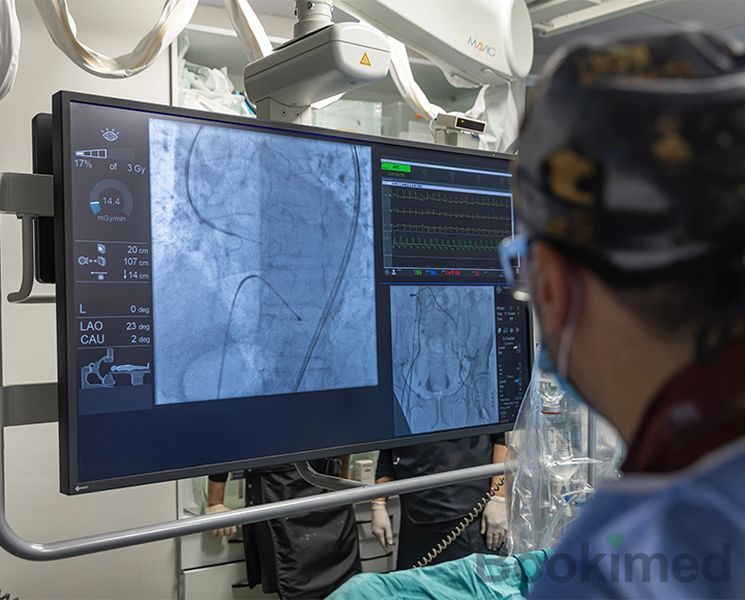
ينطوي هذا الإجراء على استخدام قسطرة بالونية لتوسيع الشرايين المسدودة أو الضيقة، وغالبًا ما يتبعها وضع دعامة لإبقاء الشريان مفتوحًا واستعادة تدفق الدم.
أسئلة متكررة حول رأب الأوعية الدموية الشرياني عبر الشرايين (PTA) والدعامات في إسبانيا
هل هناك مخاطر مرتبطة برأب الأوعية الدموية (PTA) ووضع الدعامات؟
تعتبر عملية رأب الأوعية الدموية عبر اللمعة ووضع الدعامات في إسبانيا آمنة بشكل عام، ولكنها تنطوي على مخاطر مثل تلف الأوعية الدموية، أو جلطات الدم، أو تضيق الأوعية مرة أخرى. تحدث مضاعفات خطيرة مثل السكتة الدماغية أو النوبة القلبية في أقل من 1% من الحالات. يتعافى معظم المرضى بسرعة تحت رعاية متخصصين معتمدين من قبل اللجنة الدولية المشتركة (JCI).
- إصابة الأوعية الدموية: احتمالية حدوث تمزق أو تشنجات أثناء إدخال القسطرة طفيفة التوغل.
- مخاطر التجلط: قد تتكون جلطات دموية داخل الدعامة أو تسبب انسداداً في مجرى الدم.
- رد فعل تجاه الصبغة: خطر حدوث إصابة مؤقتة في الكلى بسبب الصبغة المستخدمة في التصوير ثلاثي الأبعاد.
- مضاعفات موقع الإدخال: قد يحدث نزيف بسيط، أو كدمات، أو أم الدم الكاذبة في نقطة الوصول.
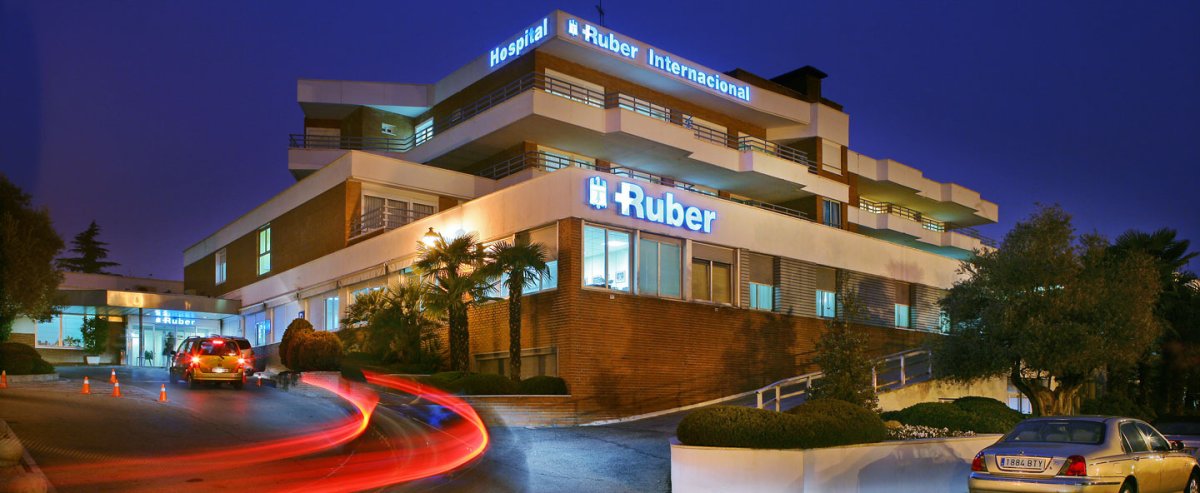
رؤية خبير Bookimed: توفر مراكز القلب والأوعية الدموية في إسبانيا ميزة أمان من خلال الخبرة العالية. على سبيل المثال، يعالج مستشفى روبير الدولي (Hospital Ruber Internacional) 25,000 مريض سنوياً. غالباً ما يرتبط اختيار العيادات ذات الخبرة العالية بانخفاض معدلات المضاعفات. كما يتمتع جراحون مثل الدكتور فرانسيسكو خافيير ألزويتا رودريغيز بمؤهلات واسعة في إدارة اضطرابات النظم المعقدة ووضع الدعامات.
إجماع المرضى: يؤكد المرضى على ضرورة مناقشة بروتوكولات الوقاية من السكتة الدماغية مع الجراحين قبل الإجراء. يذكر معظمهم أنهم بدأوا في المشي خلال 48 ساعة، لكنهم ينصحون بشدة بتجنب رفع الأثقال لمدة أسبوع.
هل يعتبر رأب الأوعية الدموية عبر الجلد (PTA) والدعامات فعالاً لعلاج أمراض الشرايين المحيطية؟
يعد رأب الأوعية الدموية عبر الجلد (PTA) ووضع الدعامات علاجات فعالة للغاية وبسيطة التوغل لأمراض الشرايين المحيطية. تعمل هذه الإجراءات على استعادة تدفق الدم عن طريق ضغط اللويحات ووضع دعامة شبكية معدنية. يوفر هذا النهج سالكية أفضل للأوعية على المدى الطويل مقارنة برأب الأوعية بالبالون وحده.
- تفوق الدعامات: توفر الدعامات نتائج أفضل للانسدادات المزمنة والآفات التي يزيد طولها عن 6 سنتيمترات.
- التكنولوجيا المتقدمة: تقلل البالونات المطلية بالأدوية من نمو الأنسجة وتزيد من معدلات النجاح على المدى الطويل بشكل كبير.
- بسيطة التوغل: تستخدم الإجراءات نهجاً داخل الأوعية الدموية، مما يسمح بتعافٍ أسرع وتقليل الصدمات.
- إدارة اللويحات: قد يستخدم الجراحون استئصال العصيدة للشرايين المتكلسة بشدة قبل وضع الدعامة.
رؤية خبراء Bookimed: تدمج المراكز الإسبانية الرائدة مثل Hospital Ruber Internacional و Centro Médico Teknon تقنيات رسم الخرائط ثلاثية الأبعاد المتقدمة. تسمح هذه التكنولوجيا للجراحين بالتنقل عبر انسدادات الشرايين المعقدة بدقة أعلى. يضمن اختيار المرافق المعتمدة من قبل JCI في إسبانيا الوصول إلى هذه الابتكارات داخل الأوعية الدموية بتوفير كبير.
إجماع المرضى: يبلغ العديد من المرضى عن راحة فورية من آلام الساق وتحسن في مسافة المشي. ويؤكدون أن إدارة صحة القلب والأوعية الدموية بشكل عام بعد الإجراء أمر حيوي للنجاح على المدى الطويل.
ما هو رأب الأوعية الدموية عبر الجلد (PTA) ووضع الدعامة؟
رأب الأوعية الدموية عبر الجلد (PTA) ووضع الدعامة هي إجراءات طفيفة التوغل داخل الأوعية الدموية تُستخدم لفتح الشرايين المسدودة. يقوم بالون موجه بالقسطرة بتوسيع الأوعية الضيقة، بينما توفر الدعامة الشبكية هيكلاً دائماً. تعالج هذه التقنيات بشكل فعال أمراض الشرايين المحيطية وتستعيد الدورة الدموية دون جراحة كبرى.
- الإجراء الأساسي: يستخدم المتخصصون التنظير الفلوري لتوجيه القساطر عبر الفخذ أو الرسغ.
- نفخ البالون: يقوم بالون صغير بضغط اللويحات مقابل جدران الشرايين لتحسين التدفق.
- وظيفة الدعامة: تبقى الأنابيب الشبكية القابلة للتوسيع بشكل دائم لمنع تضيق الوعاء مرة أخرى.
- تعافي المريض: يعود معظم المرضى إلى منازلهم في غضون 24 ساعة بسبب صغر مواقع الثقب.
رؤية خبير Bookimed: تحتل إسبانيا مرتبة عالية في طب القلب المعقد، مع مرافق مثل مستشفى روبر الدولي (Hospital Ruber Internacional) ضمن أفضل 6 مرافق على المستوى الوطني. يعطي كبار المتخصصين هنا الأولوية للتقنيات المشتركة مثل رأب الأوعية التاجية ووضع الدعامة في جلسات واحدة.
كيف يتم إجراء رأب الأوعية الدموية (PTA) وتركيب الدعامة؟
يتضمن رأب الأوعية الدموية عبر الجلد (PTA) وتركيب الدعامة إدخال قسطرة في شريان مسدود لاستعادة تدفق الدم. يقوم الجراحون بنفخ بالون لتوسيع الوعاء الدموي وغالباً ما يضعون دعامة شبكية دائمة لإبقاء الممر مفتوحاً أثناء هذا الإجراء طفيف التوغل.
- الوصول الوعائي: يقوم الجراحون بإدخال قسطرة عبر الشريان الفخذي أو الكعبري تحت التخدير الموضعي.
- التصوير بالتباين: يحقن الأطباء صبغة خاصة لتصوير الانسدادات باستخدام توجيه الأشعة السينية المباشر (التنظير التألقي).
- نفخ البالون: يضغط البالون اللويحات مقابل جدران الشريان لمدة تتراوح بين 15 إلى 60 ثانية.
- نشر الدعامة: تتوسع أنبوب شبكي سلكي دائم لتثبيت الوعاء الضيق مفتوحاً.
رؤية خبير Bookimed: تجمع المراكز الإسبانية مثل Centro Médico Teknon أو Hospital Ruber Internacional بين السلامة المعتمدة من JCI وحجم العمليات الجراحية الكبير. يجلب الدكتور فرانسيسكو خافيير ألزويتا رودريغيز في Quirónsalud Marbella خبرة متخصصة من أكثر من 100 منشور علمي. يضمن هذا التكامل الأكاديمي والسريري العالي اتباع البروتوكولات لأحدث إرشادات الجمعية الأوروبية لأمراض القلب.
إجماع المرضى: يقدر المرضى الانتقال السريع من الإجراء إلى التعافي، وغالباً ما يعودون إلى المنزل في غضون 24 إلى 48 ساعة. يصف الكثيرون شعوراً قصيراً بالدفء أثناء مرحلة التصوير لكنهم يقدرون التحسن الفوري في الدورة الدموية.
كم تستغرق فترة التعافي بعد إجراء توسيع الأوعية (PTA) وتركيب الدعامات؟
عادةً ما يسمح التعافي بعد إجراء توسيع الأوعية وتركيب الدعامات في إسبانيا بالحركة الفورية في غضون 24-48 ساعة. يعود معظم المرضى إلى الأنشطة الخفيفة في غضون 3-7 أيام، مع العودة الكاملة إلى الروتين الطبيعي بحلول اليوم السابع، اعتماداً على موقع الإدخال والحالة الصحية العامة.
- الحركة الأولية: يبدأ المرضى عادةً في المشي في غضون 24-48 ساعة بعد الإجراء.
- النشاط الخفيف: استئناف المهام اليومية الأساسية والحركة الخفيفة في غضون 3-7 أيام.
- العودة للعمل: يمكن للأفراد الذين يتمتعون بلياقة بدنية العودة إلى العمل في غضون 3 أيام بعد الحصول على موافقة طبية.
- قيود رفع الأثقال: تجنب رفع أكثر من 20 رطلاً (حوالي 9 كجم) لمدة 7 أيام على الأقل.
رؤية خبراء Bookimed: اختيار عيادات مثل Centro Médico Teknon أو Hospital Ruber Internacional يوفر الوصول إلى تقنيات الوصول عبر الشريان الكعبري (في الذراع). تظهر بياناتنا أن هذا النهج يتيح عموماً تعافياً أسرع من الوصول التقليدي عبر الفخذ. كما تحافظ هذه المراكز المعتمدة من قبل JCI في إسبانيا على أعداد كبيرة من المرضى، مما يضمن أن الجراحين يتمتعون بخبرة عالية في هذه الأساليب التي تسرع التعافي.
إجماع المرضى: غالباً ما يشعر المرضى بالاستعداد لاستئناف الحياة الطبيعية بسرعة، لكنهم يؤكدون على البدء بمشي قصير لمدة 5 دقائق. يوصي الكثيرون بالحفاظ على رطوبة الجسم والراحة فوراً في حال حدوث دوار خلال الأسبوع الأول.
ما هي الشرايين التي يمكن علاجها باستخدام رأب الأوعية عبر الجلد (PTA) والدعامات؟
يعالج رأب الأوعية عبر الجلد (PTA) والدعامات بفعالية الآفات التصلبية في الشرايين المحيطية، والكلوية، والسباتية، والتاجية. تعمل هذه الإجراءات طفيفة التوغل على استعادة تدفق الدم في أنظمة الشرايين الحرقفية والفخذية والمأبضية في الأطراف السفلية، بالإضافة إلى الشرايين تحت الترقوة والعضدية في الذراعين.
- الأطراف السفلية: تستهدف الشرايين الحرقفية والفخذية والمأبضية والظنبوبية والشظوية لتخفيف العرج.
- الأطراف العلوية: تعالج الانسدادات في أنظمة الشرايين العضدية الرأسية، وتحت الترقوة، والإبطية، والعضدية.
- الأعضاء الحيوية: تعالج تضيق الشريان الكلوي للتحكم في ضغط الدم والحفاظ على وظائف الكلى.
- الدماغ والقلب: تعالج إعادة تضيق الشريان السباتي والانسدادات التاجية عبر قسطرة القلب المتخصصة.
رؤية خبير Bookimed: بينما يركز الكثيرون على إصلاح وعاء واحد، غالبًا ما تقوم المراكز الإسبانية مثل مستشفى روبر الدولي (Hospital Ruber Internacional) بإجراء دعامات حرقفية ثنائية حتى لو ظهرت الأعراض من جانب واحد. يوفر هذا النهج استقرارًا هيكليًا فائقًا لجدار الشريان. هذه الاستراتيجية شائعة في العيادات الكبيرة المعتمدة من JCI لمنع تحرك اللويحات مستقبلاً وضمان استمرار تدفق الدم على المدى الطويل.
إجماع المرضى: أفاد معظم المرضى بقدرتهم على الحركة في غضون 48 ساعة، لكنهم يؤكدون على الحاجة إلى برنامج مشي تدريجي. تُظهر التجربة أن النجاح على المدى الطويل يعتمد بشكل كبير على المتابعة السنوية في مختبر الأوعية الدموية المتخصص.
لماذا يجب التفكير في إسبانيا لإجراءات رأب الأوعية الدموية (PTA) وتركيب الدعامات؟
تقدم إسبانيا إجراءات عالية الجودة لرأب الأوعية الدموية (PTA) وتركيب الدعامات داخل مرافق معتمدة من اللجنة الدولية المشتركة (JCI)، حيث تجمع بين تكنولوجيا القلب والأوعية الدموية المتقدمة وتوفير مالي كبير. من $22,500.
- كفاءة التكلفة: تتراوح تكلفة الإجراءات في إسبانيا بين من $22,500.
- التميز السريري: تُصنف مراكز مثل مستشفى روبير الدولي (Hospital Ruber Internacional) من بين الأفضل وفقاً لمجلة فوربس.
- الخبرة المتخصصة: يحمل جراحون مثل الدكتور خوسيه أنخيل كابريرا رودريغيز زمالات الجمعية الأوروبية لأمراض القلب.
- التكنولوجيا المتقدمة: تستخدم العيادات دعامات دوائية ورسم خرائط ثلاثي الأبعاد للحالات الوعائية المعقدة.
رؤية خبير Bookimed: بينما يسعى الكثيرون للتوجه إلى العواصم الكبرى، برزت ماربيا كمركز لأمراض القلب والأوعية الدموية. يقدم الدكتور فرانسيسكو خافيير ألزويتا رودريغيز في Quirónsalud Marbella خبرة متخصصة في كل من تركيب الدعامات وعدم انتظام ضربات القلب. غالباً ما يوفر اختيار هذه المراكز الساحلية المتخصصة إمكانية الوصول إلى خبراء من الطراز الأول مع فترات انتظار أقل للمرضى.
إجماع المرضى: يؤكد المرضى على أهمية التحقق من شهادات البورد من خلال وزارة الصحة الإسبانية. يوصي الكثيرون باختيار المستشفيات المعتم