مراجعة استبدال مفصل الورك بالكامل (رأب مفصل الورك) في إسبانيا: 1 عيادة


تمت مراجعة المقالة طبيا من قبل
فهد مولود
ما هي تكلفة مراجعة استبدال مفصل الورك بالكامل (رأب مفصل الورك) في إسبانيا؟ اكتشف الآن
عادةً ما تتراوح تكلفة إعادة استبدال مفصل الورك الكلي (إعادة تقويم المفصل) في إسبانيا من $14,500 إلى $21,000. تختلف الأسعار حسب المستشفى، خبرة الجراح، نوع الزرعة (مثبتة بالإسمنت أو بدون إسمنت)، وما إذا كانت هناك حاجة لإعادة جزئية أو كاملة. في ألمانيا، يبلغ متوسط التكلفة $11,200 (وفقًا لـ AAOS). هذا يعني أن المرضى يمكنهم توفير حوالي 0% عند اختيار إسبانيا لهذا الإجراء.
عادةً ما تشمل العيادات الإسبانية الفحوصات قبل الجراحة، والتخدير، ومكونات الأطراف الاصطناعية عالية الجودة، والإقامة في المستشفى لمدة 5–7 أيام، والأدوية، والعلاج الطبيعي الأولي ضمن الباقة. في ألمانيا، غالبًا ما يتم احتساب تكلفة الطرف الاصطناعي والتخدير وإعادة التأهيل بشكل منفصل عن رسوم المستشفى والجراح. يجب دائمًا التأكد بدقة مما هو مشمول في كل عيادة.
| تركيا | إسبانيا | ألمانيا | |
|---|---|---|---|
| مراجعة استبدال مفصل الورك بالكامل (رأب مفصل الورك) | من $10,500 | ≈ $14,500 | من $11,200 |
مزاياك وضماناتك مع Bookimed
أسعار مباشرة
Bookimed لا يضيف رسوماً إضافية على أسعار مراجعة استبدال مفصل الورك بالكامل (رأب مفصل الورك). الأسعار مأخوذة من قوائم الأسعار الرسمية للعيادات. تدفع مباشرة في العيادة مقابل مراجعة استبدال مفصل الورك بالكامل (رأب مفصل الورك) عند وصولك.
عيادات وأطباء معتمدون فقط
Bookimed ملتزم بسلامتك. نحن نعمل فقط مع المؤسسات الطبية التي تحافظ على معايير دولية عالية في مراجعة استبدال مفصل الورك بالكامل (رأب مفصل الورك) ولديها التراخيص اللازمة لخدمة المرضى الدوليين في جميع أنحاء العالم.
مساعدة مجانية على مدار الساعة
Bookimed يقدم مساعدة خبراء مجانية. منسق طبي شخصي يدعمك قبل وأثناء وبعد العلاج، ويحل أي مشاكل. لن تكون وحيداً أبداً في رحلة مراجعة استبدال مفصل الورك بالكامل (رأب مفصل الورك).

منسقك الطبي الشخصي في Bookimed
- يدعمك في كل مرحلة
- المساعدة في اختيار العيادة الطبية المناسبة والطبيب المناسب
- يضمن الوصول السريع والمريح إلى المعلومات
اكتشف أفضل مراجعة استبدال مفصل الورك بالكامل (رأب مفصل الورك) العيادات في إسبانيا: 1 خيار معتمدة والأسعار
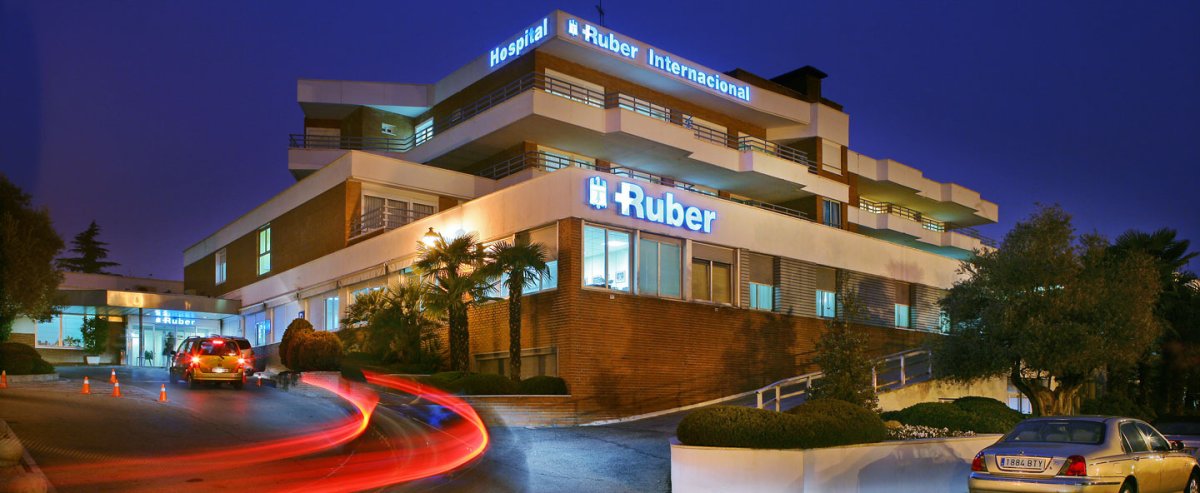


نظرة عامة على مراجعة استبدال مفصل الورك بالكامل (رأب مفصل الورك) في إسبانيا
- جراحة ماكوبلاستي Makoplasty - من $9,800
يستخدم الإجراء الروبوتات لاستبدال الركبة والورك بدقة ، مما يقلل من وقت الشفاء ويعزز الحركة.
- استبدال مفصل الورك - من $23,600
تستبدل العملية مفاصل الورك التالفة بمفاصل صناعية ، مما يقلل الألم ويحسن الحركة.
- استبدال مفصل الورك بتقنية Makoplasty - من $15,500
هذه العملية عبارة عن جراحة ورك بمساعدة الروبوت ، من أجل تحديد مفصل دقيق وتقليل الألم وتعزيز الحركة.
- الميس - الحد الأدنى من مفاصل الورك الغازية - من $11,500
يتم إجراء العملية عن طريق شقوق صغيرة لاستبدال أجزاء الورك التالفة ، مما يوفر ألمًا أقل وتعافيًا أسرع ومضاعفات أقل.
- تنظير مفصل الورك - من $20,200
يتضمن هذا العلاج استخدام كاميرا وأدوات صغيرة لتشخيص وعلاج مشاكل مفصل الورك ، مما يوفر أقل وقت للشفاء.
- الاستبدال الكلي للورك - من $11,500
تستبدل العملية مفصل الورك التالف بأجزاء اصطناعية ، مما يحسن الحركة ويخفف الألم.
- مراجعة استبدال مفصل الورك بالكامل (رأب مفصل الورك) - من $14,500
يراجع الإجراء عملية زرع مفصل الورك القديمة ، مما يحسن الحركة ويقلل الألم ، باستخدام تقنيات ومواد جراحية حديثة.
يحل هذا الإجراء محل مفصل الورك المشوه ، مما يحسن الحركة ويقلل الألم لمن يعانون من خلل التنسج الوركي.
اليوم الأول - الوصول
- الوصول إلى العيادة.
- استكمال إجراءات تسجيل الوصول.
- قابل الجراح الاستشاري.
اليوم 2 - ما قبل العملية
- الخضوع للفحوصات الطبية بما في ذلك فحوصات الدم والتصوير.
- قابل طبيب التخدير للتقييم قبل الجراحة.
- تلقي معلومات حول الجراحة والرعاية بعد الجراحة.
اليوم الثالث - الجراحة
- الوصول إلى غرفة العمليات.
- الحصول على تخدير عام.
- يتم إجراء جراحة مراجعة استبدال مفصل الورك بالكامل ، وعادة ما تستغرق من 2 إلى 4 ساعات.
- نقل إلى غرفة الإنعاش بعد الجراحة.
اليوم 4-7 - بعد العملية
- البقاء في العيادة للمراقبة وإدارة الألم.
- اخضع لجلسات العلاج الطبيعي.
- تعرف على تمارين ما بعد الجراحة والرعاية الذاتية.
الأسبوع 1-2 - إعادة التأهيل
- تواصل مع جلسات العلاج الطبيعي.
- زيادة مستوى النشاط تدريجيًا.
- أول موعد متابعة مع الجراح.
الأسبوع 3-6 - إعادة التأهيل
- تقدم مع تمارين حمل الأثقال.
- العودة إلى العمل (حسب نوع الوظيفة).
الأسبوع 7-12 - إعادة التأهيل
- العودة التدريجية إلى الأنشطة العادية.
- واصل تمارين التقوية.
الشهر 3-6 - إعادة التأهيل
- العودة إلى الأنشطة الرياضية.
- موعد المتابعة النهائي مع الجراح.
- من المتوقع أن نرى النتيجة النهائية.
يرجى ملاحظة أن الجدول الزمني والإجراءات يمكن أن تختلف تبعًا لظروف المريض الفردية وممارسات العيادة.
- إيداع Bookimed: 200 دولار أو 200 يورو.
- وديعة العيادة: ادفع نسبة محددة مقدمًا.
احصل على تقييم طبي لـ مراجعة استبدال مفصل الورك بالكامل (رأب مفصل الورك) في إسبانيا: اختر أخصائيك من بين الأفضل في هذا المجال
عرض جميع الأطباء
Rafael González-adrio Wagner
الطبيب هو جراح رائد في استبدال الركبة متخصص في علم الإصابات والجراحة العظمية. تدرب في مرافق طبية مرموقة في أستراليا والمملكة المتحدة، يستخدم الطبيب تقنيات متقدمة في الإجراءات الجراحية.<\/p>
باستخدام نظام الملاحة Brain Lab المحدد أثناء جراحات استبدال المفاصل، يضمن الطبيب التركيب الدقيق للأطراف الصناعية، مما يقلل من خطر التراخي المبكر.<\/p>

Inmaculada Gómez Arrayás
تُعد الدكتورة إنماكولادا غوميز أراياس واحدة من أفضل 100 طبيب في إسبانيا وفقاً لمجلة فوربس. تشغل منصب رئيس قسم جراحة العظام في مستشفى روبر الدولي في مدريد. تُعتبر الدكتورة أراياس رائدة في استخدام أنظمة الملاحة لإجراء جراحات دقيقة لاستبدال المفاصل. وهي متخصصة في الإجراءات طفيفة التوغل للورك والركبة وبروتوكولات التعافي السريع.
- حاصلة على شهادة ISO 9001 للجودة في جراحات استبدال الورك والركبة.
- تُجري عمليات تنظير الركبة والورك بالإضافة إلى عمليات إعادة بناء المفاصل المعقدة والمراج
Pablo De La Cuadra
يقود الدكتور بابلو دي لا كوادرا فريق الصدمات في مستشفى روبر الدولي (Hospital Ruber Internacional) – وهو متخصص في التقنيات طفيفة التوغل لإعادة بناء المفاصل.
- أكثر من 25 عاماً في جراحة العظام للحالات المعقدة
- خبير في تقنيات تنظير المفاصل وإعادة البناء
- رئيس فريق الصدمات المتخصص في مستشفى روبر الدولي
- أستاذ مشارك في جامعة مدريد المستقلة
- يركز على التعافي السريع والعودة إلى الوظيفة الحركية

Javier Albiñana
يتخصص الدكتور خافيير ألبينيانا في خلل التنسج الوركي وحالات تقويم عظام الأطفال المعقدة، مع 41 سنة من الخبرة في أفضل المستشفيات مثل لا باز وكويرون.
- رئيس قسم تقويم عظام الأطفال في مستشفى لا باز لمدة 41 سنة
- تدرب في جامعة أيوا وجامعة أكسفورد
- نشر أبحاثاً حول تطور الحق وخلل التنسج الوركي
- أستاذ مشارك في جامعة مدريد المستقلة
المراجعات
جميع المراجعاتمشاركة المحتوى
قصص فيديو من مرضى Bookimed
 Anna Leonova
أسئلة متكررة حول مراجعة استبدال مفصل الورك بالكامل (رأب مفصل الورك) في إسبانيا
ما هي جراحة مراجعة استبدال مفصل الورك الكلي؟
مراجعة استبدال مفصل الورك الكلي هي إجراء جراحي تصحيحي لإصلاح أو استبدال مفصل صناعي متآكل أو مصاب بالعدوى أو تالف. تتضمن هذه الجراحة المعقدة إزالة الغرسات الأصلية وتركيب مكونات جديدة. وهي تعالج الإخفاقات التي تحد من الحركة، أو تسبب الألم، أو تهدد بنية العظام.
- تعقيد الجراحة: يستخدم الجراحون تقنيات متخصصة مثل التموضع الموجه بالملاحة والأسلاك الفخذية لضمان الاستقرار.
- تقنيات المراجعة: تتراوح الإجراءات من استبدال البطانة البسيط إلى استخراج السيقان من خلال قطع العظام.
- الحفاظ على العظام: يستخدم المتخصصون غرسات ذات ساق طويلة لتثبيت المفصل الجديد في أنسجة العظام السليمة.
- المؤهلات المتقدمة: غالبًا ما يكون كبار الأطباء الإسبان، مثل المتخصصين المدرجين في قائمة فوربس، أعضاء في الأكاديمية الأمريكية لجراحي العظام.
رؤية خبير Bookimed: تستفيد جراحات المراجعة في إسبانيا من مستويات تكنولوجية عالية عادة ما تكون مخصصة للحالات الأولية. في مراكز مثل مستشفى روبير الدولي (Hospital Ruber Internacional)، يستخدم الجراحون أنظمة موجهة بالملاحة لضمان محاذاة دقيقة للغرسة. يعد هذا التتبع الرقمي أمرًا حيويًا لأن حالات المراجعة غالبًا ما تنطوي على فقدان كبير في العظام. وهو يقلل بشكل كبير من خطر الخلع المتكرر مقارنة بالوضع اليدوي التقليدي.
إجماع المرضى: يجد العديد من المرضى أن التعافي أكثر كثافة من الجراحة الأولية. ويؤكدون على أهمية اختيار متخصص في المراجعة بدلاً من جراح عام لهذا الانتقال المعقد.
لماذا قد يحتاج الشخص إلى جراحة مراجعة مفصل الورك؟
تصبح جراحة مراجعة مفصل الورك ضرورية عندما يفشل استبدال الورك الأولي بسبب التآكل الميكانيكي، أو العدوى البيولوجية، أو عدم استقرار المفصل. في حين أن معظم الغرسات تدوم لعقود، قد يحتاج المرضى النشطون أو أولئك الذين يعانون من مضاعفات تشريحية إلى جراحة ثانوية لاستعادة الحركة والقضاء على الألم المزمن.
- ارتخاء الطرف الاصطناعي: تفقد المكونات الاصطناعية ارتباطها الآمن بالعظم، مما يسبب عدم استقرار كبير.
- العدوى حول الطرف الاصطناعي: تستعمر البكتيريا سطح الغرسة، مما يتطلب تنظيفاً دقيقاً أو استبدال الأجزاء المعدنية.
- التآكل الميكانيكي: يمكن أن تؤدي حطام البطانة البلاستيكية إلى تحلل العظام، وهي عملية تذوب فيها العظام.
- الخلع المتكرر: غالباً ما يتطلب انزلاق المفصل المستمر تعديل محاذاة المكونات لتحسين الاستقرار.
رؤية خبير Bookimed: تجذب إسبانيا مرضى المراجعة بسبب المتخصصين ذوي الخبرة العالية مثل الدكتورة إنماكولادا غوميز أراياس في مستشفى روبر الدولي. وهي حاصلة على شهادة ISO 9001:2008 المحددة للجودة في استبدال الورك. هذه الدرجة العالية من التخصص غير شائعة وتضمن إجراء تقنيات إعادة البناء المعقدة تحت بروتوكولات سلامة مراقبة بصرامة.
إجماع المرضى: يؤكد المرضى أن الكشف المبكر عن الطقطقة أو التورم أمر حيوي. يوصي معظمهم بالتحول من الجري إلى ركوب الدراجات أو السباحة لحماية غرسة المراجعة الجديدة.
ما هي مخاطر ومضاعفات جراحة مراجعة مفصل الورك؟
تشمل مضاعفات جراحة مراجعة مفصل الورك العدوى، وخلع الغرسة، وكسور العظام. على الرغم من كونها أكثر تعقيداً من عمليات الاستبدال الأولية، تستخدم المراكز الإسبانية مثل مستشفى روبر الدولي (Hospital Ruber Internacional) بروتوكولات اللجنة الدولية المشتركة (JCI) للحفاظ على معايير سلامة عالية. يعود معظم المرضى إلى نشاطهم بعد فترة تعافي مدتها 6 أسابيع مع تحميل خفيف للوزن.
- مكافحة العدوى: يراقب المتخصصون خطر الإصابة بعدوى عميقة في المفصل، والتي تحمل خطراً محتملاً بنسبة 17.3%.
- استقرار المفصل: يحدث الخلع في 5.43% من الحالات، وغالباً ما يتطلب استخدام الروبوت لضمان الاستقرار.
- صحة العظام: يتعامل الجراحون مع الكسور أثناء العملية وفقدان العظام أثناء إزالة الغرسة القديمة.
- السلامة الوعائية: تعالج البروتوكولات مخاطر الأمراض التجلطية الوريدية، بما في ذلك تجلط الأوردة العميقة والانسداد.
رؤية خبير Bookimed: يستخدم جراحون متقدمون مثل الدكتورة إنماكولادا غوميز أراياس في مستشفى روبر الدولي تقنيات الملاحة الموجهة بالكمبيوتر لتقليل هذه المخاطر. تظهر بياناتنا أن أفضل المراكز الإسبانية تدمج العلاجات التجديدية مثل البلازما الغنية بالصفائح الدموية (PRP) إلى جانب جراحة المراجعة. تهدف هذه المعززات البيولوجية إلى تحسين تكامل العظام والشفاء الموضعي، وهو أمر بالغ الأهمية للإجراءات المعقدة للمرة الثانية.
إجماع المرضى: يؤكد الأفراد أنه على الرغم من أن الخوف من العدوى مرتفع، فإن اختيار المراكز التي تلتزم بصرامة بالبروتوكولات يوفر راحة البال. يشير الكثيرون
ما هي المؤهلات التي يجب أن يتمتع بها الجراح لإجراء جراحة مراجعة مفصل الورك؟
يجب أن يكون الجراحون المتخصصون في مراجعة مفصل الورك حاصلين على شهادة البورد في جراحة العظام والرضوض، مع خبرة في إجراءات المفاصل الترميمية. تشمل المؤهلات الأساسية تدريباً خاصاً في مراجعة المفاصل، وعضوية في الأكاديمية الأمريكية لجراحي العظام (AAOS)، وإتقان تقنيات الجراحة بمساعدة الروبوت أو الموجهة بالملاحة.
- شهادة البورد: يجب أن يحمل الجراح شهادة طبية ولقب متخصص في جراحة العظام.
- التخصص المتقدم: إعطاء الأولوية لرؤساء أقسام الرضوض المتخصصين في مراجعة المفاصل والجراحة الترميمية.
- إتقان التكنولوجيا: ابحث عن الخبرة في الأنظمة المساعدة بالروبوت مثل Mako والجراحة الموجهة بالملاحة.
- حجم الخبرة: ابحث عن الجراحين الذين يجرون أكثر من 200 عملية مفصل سنوياً داخل مرافق معتمدة من اللجنة الدولية المشتركة (JCI).
رؤية خبير Bookimed: غالباً ما يقود كبار المتخصصين في إسبانيا فرقاً في مراكز النخبة مثل مستشفى روبر الدولي (Hospital Ruber Internacional). هؤلاء الجراحون، بمن فيهم الأطباء المصنفون ضمن قائمة فوربس، غالباً ما يحملون درجات الدكتوراه ومناصب أكاديمية. تضمن هذه الخلفية الأكاديمية استخدامهم لأحدث التقنيات الترميمية والغرسات المتخصصة المطلوبة لفقدان العظام. اختيار جراح يلتزم بمعايير الجودة المعتمدة من ISO لاستبدال مفصل الورك يوفر طبقة إضافية من الأمان.
إجماع المرضى: يؤكد المرضى على أهمية الحصول على رأي ثانٍ واختيار متخصصين لديهم خبرة محددة في المراجعة بدلاً من العودة إلى الجراح الأصلي. ويوصون بالتأكد من استخدام المساعدة الروبوتية لتحس
ما هو الجدول الزمني للتعافي بعد جراحة مراجعة مفصل الورك؟
يتطلب التعافي من مراجعة مفصل الورك 6 أسابيع لتحقيق الاستقرار الأولي للعظام و6 أشهر للشفاء التام. يشعر معظم المرضى بأنهم طبيعيون تقريبًا بعد 3 أشهر. غالبًا ما يستخدم الجراحون في إسبانيا تقنيات بمساعدة الروبوت في المراكز المعتمدة من JCI لتحسين الدقة وتسريع النتائج الوظيفية طويلة المدى.
- الاستقرار الأولي: يستغرق تحقيق الاستقرار الأساسي للعظام حوالي 6 أسابيع من الحركة الحذرة.
- حدود الوزن: غالبًا ما يحافظ المرضى على تحميل وزن خفيف بنسبة 20% لمدة 6 إلى 8 أسابيع.
- وسائل المساعدة على الحركة: ينتقل معظم المرضى من المشاية إلى العكاز في غضون 2 إلى 4 أسابيع.
- تدريبات القوة: تبدأ تمارين الجزء السفلي من الجسم وتمارين الأثقال في الصالة الرياضية عادةً بعد 8 أسابيع.
- التعافي الكامل: تستغرق استعادة قوة العضلات والتطبيع الكامل للمفصل عادةً 6 أشهر أو أكثر.
رؤية خبير Bookimed: تحقق المراكز ذات الحجم الكبير مثل مستشفى روبير الدولي (Hospital Ruber Internacional) نتائج أفضل باستخدام الجراحة الموجهة بالملاحة. تستخدم الدكتورة إنماكولادا غوميز أراياس، وهي أخصائية مدرجة في قائمة فوربس، هذه الأدوات لتقليل الصدمات الجراحية. غالبًا ما يبلغ المرضى الذين يختارون المراجعة بمساعدة الروبوت عن حركة مفصل أكثر طبيعية عند علامة الـ 3 أشهر.
إجماع المرضى: أول أسبوعين هما الأكثر صعوبة بسبب ضعف النوم ومحدودية الحركة. يعد اتباع حدود تحميل الوزن الصارمة أمرًا حيويًا لضمان استقرار الغرسة الجديدة بشكل صحيح في العظم.
ما هي أنواع الغرسات المستخدمة في جراحة مراجعة مفصل الورك؟
تستخدم جراحة مراجعة مفصل الورك مكونات متخصصة مثل سيقان الفخذ المعيارية وأكواب الحق (acetabular shells) لاستبدال الأجزاء البالية. غالبًا ما تتميز هذه الغرسات بأسطح تحمل متينة للغاية مثل السيراميك على السيراميك أو المعدن على البولي إيثيلين. يستخدم الجراحون في إسبانيا مرافق معتمدة من اللجنة الدولية المشتركة (JCI) ونظام ملاحة موجه بالكمبيوتر لضمان الدقة أثناء تصحيح تشوهات العظام.
- السيقان المعيارية: مكونات قابلة للتعديل تتجاوز فقدان العظام لتحقيق استقرار أفضل في عظم الفخذ.
- أكواب الحق: أكواب التنتالوم أو التيتانيوم المسامية تشجع على نمو العظام الطبيعي لضمان الأمان.
- دعامات العظام: أقفاص معدنية أو أسافين تملأ الفجوات الحوضية الكبيرة وتوفر الدعم.
- خيارات التحمل: يجمع السيراميك على البولي إيثيلين بين التآكل المنخفض وتقليل خطر هشاشة الغرسة.
رؤية خبير Bookimed: غالبًا ما ترتبط الجودة بالبنية التحتية للمستشفيات في إسبانيا. تدمج مقدمو الخدمات من الدرجة الأولى مثل مستشفى روبير الدولي (Hospital Ruber Internacional) التصوير بالرنين المغناطيسي بقوة 3 تسلا والبروتوكولات الروبوتية في تخطيط المراجعة. تستفيد الدكتورة إنماكولادا غوميز أراياس من معايير الجودة ISO 9001 خصيصًا لإعادة بناء المفاصل. يساعد هذا النهج عالي التقنية في إدارة الحالات المعقدة التي تنطوي على فقدان كبير في العظام.
إجماع المرضى: يؤكد المرضى على أهمية تتبع العلامة التجارية للغرسة الأولية الخاصة بك لضمان توافق الأجزاء في المستقبل. الحفاظ على كثافة العظام بعد الجراحة الأ
من هو المرشح لجراحة مراجعة مفصل الورك؟
المرشحون لجراحة مراجعة مفصل الورك هم أولئك الذين لديهم غرسات اصطناعية موجودة تفشل بسبب التراخي الميكانيكي أو العدوى أو الخلع المتكرر. يُظهر المرضى المثاليون ألمًا مستمرًا أو عدم استقرار يحد من الحركة اليومية، مما يؤكد الحاجة إلى استبدال المكونات البالية داخل المرافق المعتمدة من JCI في إسبانيا.
- التراخي الميكانيكي: يتحرك الغرسة أو يفقد ارتباطه بالعظم المحيط.
- العدوى المستمرة: تتطلب التهابات المفاصل الاصطناعية العميقة إزالة الجهاز واستبداله.
- عدم استقرار المفصل: تشير حالات الخلع المتكررة أو أحاسيس الطقطقة إلى أن الغرسة الأولية تفشل.
- فقدان العظام: يتطلب انحلال العظم حول الطرف الاصطناعي إجراء مراجعة لمنع الكسور التي تغير مجرى الحياة.
رؤية خبير Bookimed: تعطي المراكز ذات الحجم الكبير في مدريد الأولوية للملاحة بمساعدة الروبوت للمراجعات للتغلب على التغيرات التشريحية الناتجة عن العمليات الجراحية السابقة. على سبيل المثال، تستخدم الدكتورة إنماكولادا غوميز أراياس في مستشفى روبر الدولي تقنيات ملاحة محددة لضمان محاذاة دقيقة للغرسة. هذا النهج التكنولوجي بالغ الأهمية لأن المفاصل التي خضعت للمراجعة غالبًا ما يكون لديها دعم عظمي أقل من البدائل الأولية.
إجماع المرضى: يجد العديد من المرضى أن الانتظار لفترة طويلة جدًا لإجراء المراجعة يمكن أن يؤدي إلى فقدان العظام الذي يمكن الوقاية منه. ويوصون باختيار جراح يتعامل مع الحالات المعقدة لضمان العودة إلى المشي بدون ألم.