جسر الأسنان المؤقت في إسبانيا — احصل على 3 عيادات مطابقة مع التكاليف


تمت مراجعة المقالة طبيا من قبل
فهد مولود
ما هي تكلفة جسر الأسنان المؤقت في إسبانيا؟ اكتشف الآن
تتراوح تكلفة الجسر السني المؤقت في إسبانيا عادةً من $140 إلى $300. يمكن أن تختلف الأسعار حسب العيادة، خبرة طبيب الأسنان، عدد الوحدات (الأسنان المستبدلة)، والمواد المستخدمة (أكريليك، كومبوزيت، أو مدعمة بالمعدن).
عادةً ما تشمل العيادات الإسبانية الاستشارة الأولية، أخذ الطبعات، تصنيع الجسر المؤقت وتركيبه. غالبًا ما تكون التعديلات وزيارة المتابعة جزءًا من الباقة. في ألمانيا، قد تفرض العيادات رسومًا منفصلة على الطبعات، المواد المؤقتة، والرعاية اللاحقة. يجب دائمًا التأكد بدقة مما هو مشمول في العيادة المختارة.
مزاياك وضماناتك مع Bookimed
أسعار مباشرة
Bookimed لا يضيف رسوماً إضافية على أسعار جسر الأسنان المؤقت. الأسعار مأخوذة من قوائم الأسعار الرسمية للعيادات. تدفع مباشرة في العيادة مقابل جسر الأسنان المؤقت عند وصولك.
عيادات وأطباء معتمدون فقط
Bookimed ملتزم بسلامتك. نحن نعمل فقط مع المؤسسات الطبية التي تحافظ على معايير دولية عالية في جسر الأسنان المؤقت ولديها التراخيص اللازمة لخدمة المرضى الدوليين في جميع أنحاء العالم.
مساعدة مجانية على مدار الساعة
Bookimed يقدم مساعدة خبراء مجانية. منسق طبي شخصي يدعمك قبل وأثناء وبعد العلاج، ويحل أي مشاكل. لن تكون وحيداً أبداً في رحلة جسر الأسنان المؤقت.

منسقك الطبي الشخصي في Bookimed
- يدعمك في كل مرحلة
- المساعدة في اختيار العيادة الطبية المناسبة والطبيب المناسب
- يضمن الوصول السريع والمريح إلى المعلومات
اكتشف أفضل جسر الأسنان المؤقت العيادات في إسبانيا: 1 خيار معتمدة والأسعار
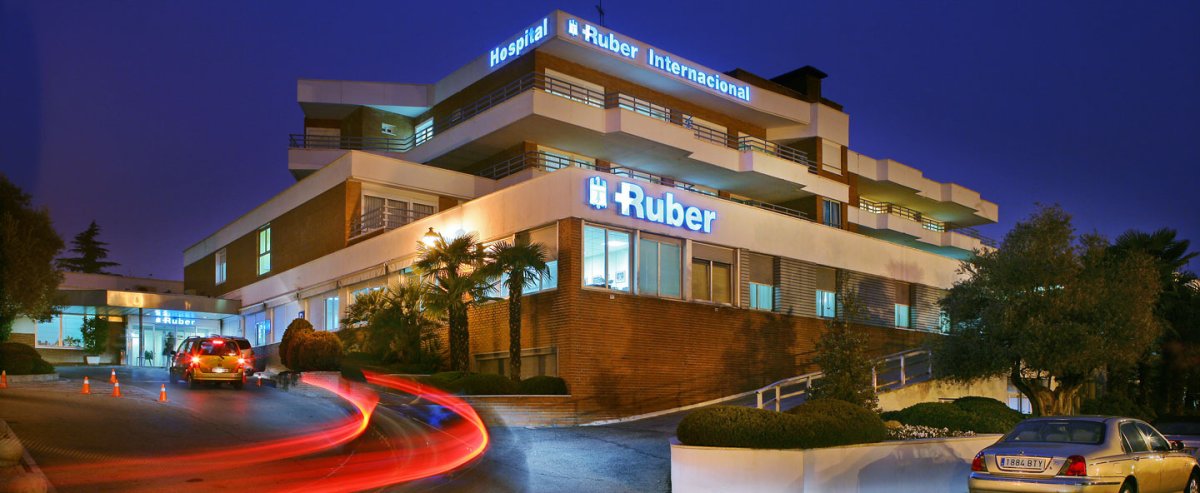


نظرة عامة على جسر الأسنان المؤقت في إسبانيا
- جسر الأسنان المؤقت - من $140
يتضمن هذا العلاج استبدالًا مؤقتًا للأسنان ، وتخفيف الوظائف والجمال حتى تركيب الجسر الدائم.
اليوم 1
- الوصول إلى البلاد والانتقال إلى الفندق.
- الاستشارة المجدولة مع جراح الوجه والفكين.
اليوم الثاني
- يتم إجراء الفحوصات الطبية التحضيرية.
- الجراح يشرح طريقة عمل جسر الأسنان المؤقت.
يوم 3
- المريض مستعد لإجراء جراحة الأسنان.
- يتم إعطاء التخدير الموضعي قبل العملية.
اليوم الرابع
- يتم وضع جسر الأسنان المؤقت ، وعادة ما يستغرق من ساعة إلى ساعتين.
- يتم إجراء فحوصات ما بعد العملية.
يوم 5
- استشارة ما بعد الجراحة مع الجراح لتقييم التعافي.
- الانتقال من العيادة الى الفندق.
الأسبوع 1
- يحتاج المريض إلى اتباع نظام غذائي طري لبضعة أيام.
- ينصح بالتنظيف المنتظم للجسر.
الأسبوع 2
- العودة إلى العمل ممكنة في هذه المرحلة ، مع اتخاذ الاحتياطات.
- يمكن استئناف الأنشطة العادية بحذر.
الأسبوع الرابع
- عادة ما تظهر النتيجة النهائية بعد شهر من الإجراء.
يرجى ملاحظة أن كل حالة فردية وقد تختلف.
- إيداع Bookimed: 200 دولار أو 200 يورو.
- وديعة العيادة: ادفع نسبة محددة مقدمًا.
احصل على تقييم طبي لـ جسر الأسنان المؤقت في إسبانيا: اختر أخصائيك من بين الأفضل في هذا المجال
عرض جميع الأطباء
Dr Alaa Ghuzlan
الدكتورة آلاء غزلان طبيبة أسنان بخبرة تزيد على عشر سنوات. عالجت آلاف المرضى في عدة بلدان. حاصلة على تخصص في زراعة الأسنان من جامعة برشلونة، وتواصل تدريبها لتقديم علاجات حديثة.
تستخدم عيادتها الأشعة ثنائية وثلاثية الأبعاد وماسح داخل الفم ثلاثي الأبعاد. تُحسّن هذه الأدوات تجربة المريض وتُسهّل سير العمل، كما تُسهم في تقديم الرعاية بسرعة أكبر.
قصص فيديو من مرضى Bookimed
المراجعات
جميع المراجعاتمشاركة المحتوى
 Anna Leonova
أسئلة متكررة حول جسر الأسنان المؤقت في إسبانيا
ما هو جسر الأسنان المؤقت، ولماذا أحتاجه؟
جسر الأسنان المؤقت هو جهاز مؤقت مصنوع من الراتنج أو الأكريليك يتم وضعه أثناء قيام المختبر بتصنيع ترميمك الدائم. وهو يحمي الأسنان الداعمة التي تم تشكيلها من الحساسية، ويمنع الأسنان المجاورة من التحرك، ويحافظ على وظائف النطق والمضغ الطبيعية خلال فترة الانتظار التي تتراوح من أسبوعين إلى 4 أسابيع.
- حماية الأسنان: يحمي العاج المكشوف من التسوس وحساسية درجات الحرارة بعد التحضير.
- الحفاظ على المسافات: يضمن عدم ميل الأسنان المجاورة أو تحركها نحو الفراغ.
- استعادة الوظائف: يتيح النطق الواضح والمضغ المريح قبل التركيب النهائي.
- المظهر الجمالي: يملأ فراغ الابتسامة باستخدام أسمنت وراتنج مؤقت يبدو طبيعياً.
رؤية خبير Bookimed: تجذب إسبانيا المرضى بفضل أدوات التشخيص عالية التقنية مثل الماسحات الضوئية داخل الفم ثلاثية الأبعاد التي يستخدمها متخصصون مثل الدكتور علاء غزلان. تضمن هذه الطبعات الرقمية ملاءمة الجسور المؤقتة بشكل لا تشوبه شائبة. تقلل هذه الدقة من وقت الجلوس على كرسي الأسنان وتمنع تهيج اللثة الذي يظهر غالباً مع قوالب المعجون التقليدية.
إجماع المرضى: يؤكد المرضى على أهمية التحقق مما إذا كانت الأسنان المؤقتة مشمولة في عرض السعر الأولي. يشير معظمهم إلى أن وجود جسر وظيفي أمر ضروري للراحة أثناء رحلات السياحة العلاجية للأسنان متعددة المراحل.
كم من الوقت سأرتدي الجسر المؤقت؟
يرتدي المرضى في إسبانيا جسر الأسنان المؤقت لمدة تتراوح بين أسبوعين إلى 3 أسابيع في حالات الترميم غير المتعلقة بالزراعة. أما بالنسبة للإجراءات المدعومة بالزراعة مثل تقنية "الكل على 4" (All-on-4)، فيبقى الجسر المؤقت في مكانه لمدة تتراوح بين 3 إلى 12 شهراً لحماية الموقع أثناء عملية التئام العظام الحاسمة والاندماج العظمي.
- مدة الترميم: تتطلب الجسور البسيطة من أسبوعين إلى 3 أسابيع فقط للتصنيع في المختبر.
- بروتوكول الزراعة: تحمي الجسور المؤقتة مواقع الجراحة لمدة تتراوح بين 3 إلى 12 شهراً بعد الزراعة.
- التعافي بعد الخلع: تتطلب عمليات الخلع المعقدة من 10 إلى 12 أسبوعاً لاستقرار أنسجة اللثة.
- ضرورة المتابعة: يجب على المرضى ارتداء الجسر المؤقت حتى وصول الترميم النهائي المصمم خصيصاً لهم.
رؤية خبير Bookimed: تستخدم العيادات الإسبانية مثل Clinica Dental Raices ماسحات ضوئية ثلاثية الأبعاد متطورة داخل الفم لضمان دقة التركيب. في حين أن الجسور البسيطة سريعة، فإن الجسور المؤقتة المدعومة بالزراعة تعد أدوات هيكلية. فهي تحافظ على جمالية ابتسامتك بينما يندمج التيتانيوم مع عظم الفك على مدى عدة أشهر.
إجماع المرضى: يجد الكثيرون أن المرحلة المؤقتة أطول مما كان متوقعاً في حالات الزراعة، لكنهم يقدرون التحسن الجمالي الفوري. يجب عليك التخطيط لزيارات متعددة للعيادة للحصول على الترميم النهائي الدائم.
ماذا يجب أن أفعل إذا كان الجسر المؤقت الخاص بي مرتخيًا؟
اتصل بطبيب أسنانك على الفور لإعادة تثبيت الجهاز بشكل احترافي. يمكن أن يؤدي الجسر المرتخي إلى تحرك الأسنان المحيطة. قد تمنع هذه الحركة التاج الدائم من التثبيت بشكل صحيح لاحقًا. تجنب المضغ على هذا الجانب وامتنع عن استخدام غراء غير مخصص للأسنان لإصلاحه.
- الاتصال الفوري: تواصل مع Clinic Dental Raices أو Hospital Ruber Internacional للحصول على المساعدة.
- إعادة التثبيت المؤقت: استخدم معجون الأسنان أو إسمنت الأسنان المؤقت لتثبيت الجسر في مكانه.
- نظافة الفم: نظف الجسر والأسنان الموجودة تحته بلطف لمنع تهيج اللثة.
- تدابير وقائية: ارتدِ واقيًا ليليًا إذا كنت تصك أسنانك لتجنب الارتخاء.
رؤية خبير Bookimed: تحافظ العيادات الإسبانية مثل Hospital Ruber Internacional على معايير عالية باستخدام بروتوكولات معتمدة من JCI. إذا استمر الجسر المؤقت في الارتخاء، فهذا يشير غالبًا إلى ضعف الحواف. يستخدم المتخصصون المهرة مثل الدكتور علاء غزلان ماسحات ضوئية ثلاثية الأبعاد لضمان ملاءمة الجسر النهائي بشكل مثالي. تمنع هذه الدقة المشكلة الشائعة المتمثلة في فشل اللاصق المؤقت التي تظهر في العيادات العادية.
إجماع المرضى: يقترح المرضى تنظيف الجسر جيدًا قبل محاولة إعادة تثبيته بنفسك. يتفق معظمهم على أن تجنب الأطعمة اللزجة والمضغ على الجانب الآخر يمنع الجسر من السقوط تمامًا.
هل يمكنني تناول الطعام بشكل طبيعي مع الجسر المؤقت؟
لا، لا يمكنك تناول الطعام بشكل طبيعي مع جسر الأسنان المؤقت. تستخدم هذه الترميمات إسمنتًا مؤقتًا ضعيفًا وراتنجات أكريليك هشة. يضمن هذا التصميم سهولة الإزالة لاحقًا ولكنه يجعل الجسر عرضة للتشقق أو الخلع خلال فترة الانتظار التي تتراوح من 2 إلى 3 أسابيع في إسبانيا.
- تجنب الأطعمة اللزجة: تجنب الكراميل، أو الحلوى الهلامية، أو الموز الذي قد يسحب الجسر.
- الحد من القوام الصلب: الخبز المقرمش، والمكسرات، والرقائق يمكن أن تكسر المادة المؤقتة بسهولة.
- المضغ على الجانب الآخر: امضغ حصريًا على الجانب المقابل لتقليل الضغط المباشر.
- التركيز على النظام الغذائي اللين: اختر المعكرونة، والبيض، والأرز اللين خلال مرحلة التعافي الأولية.
رؤية خبير Bookimed: تستخدم العيادات الإسبانية مثل Clinica Dental Raices ماسحات ضوئية ثلاثية الأبعاد داخل الفم لضمان ملاءمة دقيقة للجسر المؤقت. حتى مع المسح الضوئي عالي التقنية، يظل الإسمنت المؤقت هو الحلقة الأضعف. ينسى العديد من المرضى أن حتى الأطعمة اللزجة «الصحية» مثل الموز يمكن أن تخلق قوة شفط كافية لرفع الجسر. التزم بنظام غذائي يعتمد على الشوكة فقط لحماية ابتسامتك حتى وصول النسخة الخزفية الدائمة.
إجماع المرضى: يؤكد المرضى أنه على الرغم من أن الجسر يبدو مستقرًا، إلا أنه ليس غير قابل للتلف. يقترح الكثيرون الاحتفاظ بمادة لاصقة لأطقم الأسنان كخيار احتياطي في حال ارتخاء الجسر خلال عطلة نهاية الأسبوع.
هل الجسور المؤقتة في إسبانيا مريحة؟
توفر جسور الأسنان المؤقتة في إسبانيا راحة ممتازة بفضل المعايير العالية لطب الأسنان الرقمي. تستخدم العيادات المسح الضوئي ثلاثي الأبعاد داخل الفم لضمان ملاءمة دقيقة ومخصصة. تحمي هذه الجسور الأسنان المحضرة، وتحافظ على محاذاة العضة الصحيحة، وتستعيد المظهر الجمالي أثناء انتقالك إلى السيراميك الدائم.
- دقة مخصصة: تنشئ الماسحات الضوئية ثلاثية الأبعاد داخل الفم طبعات رقمية دقيقة لملاءمة أفضل.
- مواد متطورة: تمنع الراتنجات عالية الجودة الحساسية وتوفر شعوراً طبيعياً أثناء الأكل.
- محاذاة العضة: يتم تعديل الجسور للحفاظ على وظيفة الفك ومنع إجهاد العضلات.
- الخبرة السريرية: يستخدم متخصصون مثل الدكتور علاء غزلان في عيادة Clinica Dental Raices التشخيص ثلاثي الأبعاد.
رؤية خبير Bookimed: غالباً ما تدمج العيادات الإسبانية الجسور المؤقتة في بروتوكولات All-on-4 أو All-on-6. يسمح هذا النهج باستعادة الوظيفة في نفس اليوم أثناء التئام الغرسات. يقلل استخدام طب الأسنان الرقمي بشكل كبير من الشعور بالضخامة الشائع في نماذج الراتنج القديمة.
إجماع المرضى: يجد المرضى أن التكنولوجيا في إسبانيا متفوقة على الرعاية في المملكة المتحدة. يبلغ الكثيرون عن تجربة مريحة للغاية أثناء أعمال الترميم المعقدة وإصلاحات الأسنان الطارئة.
كم يستغرق الحصول على جسر مؤقت في إسبانيا؟
يحصل المرضى في إسبانيا على جسر أسنان مؤقت في غضون يوم إلى 3 أيام من التحضير. يقوم معظم أطباء الأسنان بتركيب جسر مؤقت فوراً بعد تهيئة الأسنان الداعمة. يتم هذا التركيب الأولي خلال الموعد الأول لحماية جذور الأسنان والحفاظ على المظهر الجمالي.
- مدة الإجراء: تستغرق زيارة التحضير والتركيب من 60 إلى 120 دقيقة.
- وقت التصنيع: تستغرق الجسور المؤقتة المصنوعة خصيصاً في المختبر عادةً من يوم إلى 3 أيام.
- فترة الشفاء: يتطلب التعافي من عمليات الخلع من 6 إلى 8 أسابيع قبل تركيب الجسر النهائي.
- الجدول الزمني طويل الأمد: تستغرق عملية الترميم الكاملة عادةً من أسبوعين إلى 4 أسابيع إجمالاً.
رؤية خبير Bookimed: تستخدم العيادات عالية الجودة في إسبانيا، مثل مستشفى روبر الدولي (Hospital Ruber Internacional)، ماسحات ضوئية ثلاثية الأبعاد داخل الفم. يستخدم الأخصائي الدكتور علاء غزلان هذه التقنية لضمان ملاءمة الجسور المؤقتة بشكل مثالي. وهذا يمنع تهيج اللثة الذي يُلاحظ عادةً مع الجسور المؤقتة التقليدية المصنوعة من قوالب المعجون.
إجماع المرضى: يجب عليك التأكد مسبقاً مما إذا كان الجسر سيتم تركيبه مباشرة بعد الخلع. يؤكد المرضى أن الشفاء البيولوجي يستغرق وقتاً، لذا تجنب العيادات التي تعد بحلول دائمة في زيارة واحدة.