جسر الزرع المحتجز بالبرغي في إسبانيا — احصل على 3 عيادات مطابقة مع التكاليف


تمت مراجعة المقالة طبيا من قبل
فهد مولود
ما هي تكلفة جسر الزرع المحتجز بالبرغي في إسبانيا؟ اكتشف الآن
تتراوح تكلفة جسر الزرع المثبت ببرغي في إسبانيا عادةً من $3,800 إلى $6,400. تختلف الأسعار بناءً على عدد الغرسات، ومدى تعقيد حالتك، والعيادة، وخبرة جراح الفم لديك.
عادةً ما تشمل العيادات الإسبانية الاستشارة الأولية، والتقييم قبل الجراحة، والأشعة السينية أو التصوير ثلاثي الأبعاد، والتخدير الموضعي، وجراحة الزرع، والطرف الاصطناعي المؤقت، والجسر النهائي، وأدوية ما بعد الجراحة، والمتابعات. غالباً ما تغطي الأسعار في الولايات المتحدة أتعاب الجراح فقط، مع إصدار فواتير منفصلة للتصوير والتخدير والأطراف الاصطناعية. تأكد دائماً مما هو مشمول بالضبط في كل عيادة.
مزاياك وضماناتك مع Bookimed
أسعار مباشرة
Bookimed لا يضيف رسوماً إضافية على أسعار جسر الزرع المحتجز بالبرغي. الأسعار مأخوذة من قوائم الأسعار الرسمية للعيادات. تدفع مباشرة في العيادة مقابل جسر الزرع المحتجز بالبرغي عند وصولك.
عيادات وأطباء معتمدون فقط
Bookimed ملتزم بسلامتك. نحن نعمل فقط مع المؤسسات الطبية التي تحافظ على معايير دولية عالية في جسر الزرع المحتجز بالبرغي ولديها التراخيص اللازمة لخدمة المرضى الدوليين في جميع أنحاء العالم.
مساعدة مجانية على مدار الساعة
Bookimed يقدم مساعدة خبراء مجانية. منسق طبي شخصي يدعمك قبل وأثناء وبعد العلاج، ويحل أي مشاكل. لن تكون وحيداً أبداً في رحلة جسر الزرع المحتجز بالبرغي.

منسقك الطبي الشخصي في Bookimed
- يدعمك في كل مرحلة
- المساعدة في اختيار العيادة الطبية المناسبة والطبيب المناسب
- يضمن الوصول السريع والمريح إلى المعلومات
اكتشف أفضل جسر الزرع المحتجز بالبرغي العيادات في إسبانيا: 1 خيار معتمدة والأسعار
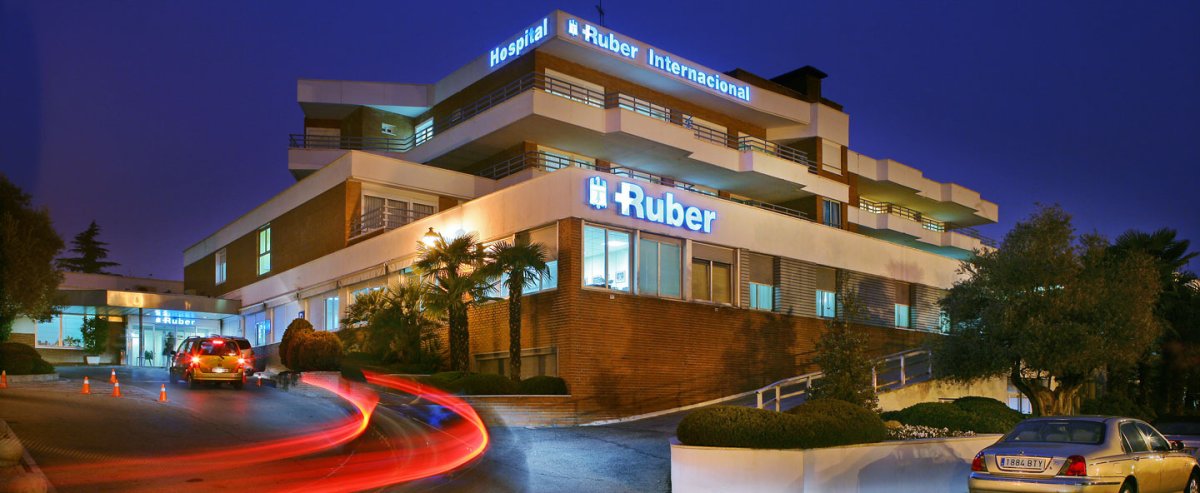


نظرة عامة على جسر الزرع المحتجز بالبرغي في إسبانيا
- جسر الأسنان المدعوم بزراعة الأسنان - من $3,400
يستبدل الإجراء الأسنان المفقودة باستخدام أسنان اصطناعية مثبتة بزرعين أو أكثر من الأسنان ، مما يضمن الاستقرار.
- جسر الزرع - من $3,600
يتم في العملية وضع أسنان صناعية باستخدام البراغي ، مما يوفر حلاً دائمًا للعديد من الأسنان المفقودة.
- جسر الزرع المحتجز بالبرغي - من $3,800
يستخدم هذا العلاج مسامير لتأمين جسر الأسنان للزرع ، مما يوفر المتانة ، والإصلاح السهل ، وتحسين نظافة الفم.
اليوم 1
- وصوله الى البلاد.
- الانتقال إلى فندق 4 نجوم.
اليوم الثاني
- التشاور مع جراح الأسنان.
- الاختبارات والامتحانات ما قبل الجراحة.
يوم 3
- التحضير لإجراء جسر الزرع المثبت بالبرغي.
- يتم إعطاء التخدير الموضعي.
اليوم الرابع
- إجراء جسر الزرع المحبوس بالبراغي والذي قد يستغرق 2-4 ساعات.
- فترة النقاهة في العيادة.
يوم 5
- فحص ما بعد الجراحة.
- الخروج من العيادة.
الأسبوع 1
- الراحة والانتعاش في الفندق.
- استشارة متابعة مع الجراح.
الأسبوع 2-3
- التعافي المستمر والحفاظ على نظافة الفم.
- العودة إلى الأنشطة الخفيفة.
الأسبوع 4-6
- العودة إلى العمل والأنشطة العادية.
- النتيجة النهائية مرئية.
يرجى ملاحظة أن عملية الشفاء وإعادة التأهيل لكل مريض قد تختلف بناءً على الظروف الفردية والحالة الصحية.
- إيداع Bookimed: 200 دولار أو 200 يورو.
- وديعة العيادة: ادفع نسبة محددة مقدمًا.
قصص فيديو من مرضى Bookimed
المراجعات
جميع المراجعاتمشاركة المحتوى
 Anna Leonova
أسئلة متكررة حول جسر الزرع المحتجز بالبرغي في إسبانيا
ما هو جسر الزرع المثبت ببراغي؟
جسر الزرع المثبت ببراغي هو تعويض سنّي ثابت يستبدل عدة أسنان مفقودة عن طريق تثبيته مباشرة في الغرسات. على عكس النسخ المثبتة بالأسمنت، يستخدم هذا النظام براغي صغيرة لتأمين الجسر، مما يسهل إزالته مهنياً للتنظيف أو الصيانة أو الإصلاحات الهيكلية الضرورية.
- عدم استخدام الأسمنت: يزيل مخاطر الالتهاب الناتجة عن بقايا الأسمنت السني المحتبسة تحت أنسجة اللثة.
- سهولة الاسترجاع: يسمح لأطباء الأسنان بإزالة الجسر بسرعة دون الإضرار بالغرسات الأساسية.
- الوصول للصيانة: يبسط التنظيف العميق المهني الدوري والتعديلات الطفيفة على وحدة التعويض.
- التوضع الدقيق: يتطلب محاذاة دقيقة للغرسات لإخفاء فتحات البراغي على الجزء الخلفي من الأسنان.
رؤية خبير Bookimed: تستخدم العيادات الإسبانية مثل مستشفى روبر الدولي (Hospital Ruber Internacional) معايير اعتماد JCI، والتي غالباً ما تفضل التصاميم المثبتة ببراغي لصحة طويلة الأمد. على الرغم من أن الخيارات المثبتة بالأسمنت تبدو أرخص في البداية، إلا أن قابلية استرجاع الجسور المثبتة ببراغي تمنع الحاجة لاستبدال كامل إذا احتاج مكون واحد للإصلاح.
إجماع المرضى: يقدر المرضى راحة البال بمعرفة أن الجسر مثبت بإحكام. يجد معظمهم أن فتحات الوصول الصغيرة المملوءة بالكومبوزيت غير مرئية تقريباً ويقدرون سهولة عملية الإصلاح.
هل يمكن استخدام جسر مثبت ببرغي إذا كنت أعاني من فقدان العظام؟
يعد الجسر المثبت ببرغي فعالاً للغاية للمرضى الذين يعانون من فقدان العظام. غالباً ما يفضل المتخصصون هذه الطريقة على خيارات التثبيت بالأسمنت لأنها تلغي الحاجة إلى المواد اللاصقة الكيميائية. وهذا يمنع التهاب ما حول الزرعة وتدهور العظام. تضمن التقنيات المتقدمة مثل زيادة سماكة العظم ووضع الغرسات بشكل استراتيجي الاستقرار على الرغم من انخفاض الكثافة.
- الحفاظ على العظام: تتجنب التصاميم المثبتة ببرغي استخدام الأسمنت، مما يقلل من مخاطر الالتهاب التي تسبب المزيد من فقدان العظام.
- التوضع الاستراتيجي: يستخدم الجراحون قنوات براغي مائلة لتثبيت الغرسات في المناطق ذات الكثافة القصوى.
- التشخيص المتقدم: يحدد التصوير المقطعي المحوسب ثلاثي الأبعاد (CBCT) حجم العظام الموجود بدقة.
- استقرار الترميم: يمكن دمج زيادة سماكة العظم أو تطعيم العظام لدعم هذه الترميمات المحددة.
رؤية خبير Bookimed: تستضيف إسبانيا أكثر من 80 عيادة، مثل مستشفى روبر الدولي (Hospital Ruber Internacional) في مدريد، المتخصصة في الحالات المعقدة. تظهر البيانات أن هذه المراكز الرائدة تفضل الجسور المثبتة ببرغي لترميم كامل القوس السني. يوفر هذا الخيار صيانة أسهل على المدى الطويل. يمكن لأطباء الأسنان إزالة الجسر للتنظيف العميق دون الإضرار بالغرسات.
إجماع المرضى: وجد الكثيرون أن الجسور التقليدية كانت تزيد من سوء كثافة عظامهم. وفر الانتقال إلى الغرسات المثبتة ببرغي تحفيزاً أفضل. وأكدوا على استخدام قواعد دعامات بيضاء للحفاظ على مظهر طبيعي للابتسامة حتى في حالة حدوث انحسار في اللثة.
لماذا يجب أن أختار جسراً مثبتاً ببراغي في إسبانيا؟
اختر جسراً مثبتاً ببراغي في إسبانيا للحصول على قابلية استرجاع فائقة ونظافة طويلة الأمد. تستخدم عيادات الأسنان الإسبانية سير عمل رقمي متطور (CAD/CAM) لإنشاء هياكل دقيقة.
- سهولة الصيانة: يمكن لأطباء الأسنان إزالة الجسر ببساطة عن طريق الوصول إلى فتحات البراغي.
- نظافة فائقة: القضاء على الأسمنت يمنع التهابات اللثة مثل التهاب ما حول الزرعة حول موقع الزرع.
- التحميل الفوري: تسمح هذه التقنية بإجراءات الأسنان في نفس اليوم دون انتظار الأسمنت.
- تكنولوجيا متقدمة: تستخدم عيادات مثل مستشفى روبير الدولي (Hospital Ruber Internacional) الطحن خماسي المحاور للحصول على دقة عالية.
رؤية خبير Bookimed: تحتل إسبانيا مرتبة عالية من حيث الموثوقية مقارنة بالأسواق التي تركز على الميزانية. تظهر البيانات أن العيادات المتخصصة في مدريد وبرشلونة تحافظ على معدلات مضاعفات أقل. ويرجع ذلك إلى استخدام مكونات عالية الجودة مثل الزركونيوم. غالباً ما يضمن اختيار العيادات المستقلة بدلاً من السلاسل الكبيرة نتائج شخصية أفضل.
إجماع المرضى: يقدر المرضى التجربة المبسطة والخالية من المتاعب الموجودة في البنية التحتية الإسبانية الحديثة. يقدر الكثيرون الجمع بين أعمال الترميم عالية الجودة وقضاء عطلة في بيئة موثوقة.
ما هي المواد المستخدمة في هذه الجسور؟
تستخدم جسور الزرع المثبتة ببراغي في إسبانيا بشكل أساسي زركونيا كاملة الكنتور عالية القوة للترميمات الدائمة. يتم ربط هذه الجسور بدعامات وبراغي من التيتانيوم الطبي. يستخدم أطباء الأسنان الأكريليك أو PMMA للجسور المؤقتة، بينما تُستخدم راتنجات الكومبوزيت لإغلاق فتحات الوصول إلى البراغي النهائية من أجل الجماليات.
- المادة الأساسية: توفر الزركونيا كاملة الكنتور أقصى قدر من المتانة ومظهراً طبيعياً.
- المكونات الهيكلية: تتكون البراغي والدعامات من التيتانيوم المتوافق حيوياً لضمان الاندماج العظمي.
- الخيارات المؤقتة: تعمل مواد الأكريليك أو PMMA كجسور مؤقتة أثناء فترة الشفاء.
- مواد الإغلاق: تعمل راتنجات الكومبوزيت المتينة بلون الأسنان على إخفاء وحماية نقاط الوصول إلى البراغي.
رؤية خبير Bookimed: تحتل إسبانيا مكانة قوية في مجال ترميم الأسنان، حيث تخدم 84 عيادة المرضى الدوليين. يظهر التحليل أن عيادات مثل مستشفى روبر الدولي (Hospital Ruber Internacional) تحافظ على اعتماد JCI مع تقديم جسور الزركونيا. اختيار الزركونيا كاملة الكنتور بدلاً من الأكريليك يضمن أن ترميمك يتحمل قوى المضغ بفعالية دون تآكل مبكر.
إجماع المرضى: يؤكد المرضى أن الزركونيا تبدو أشبه بالأسنان الطبيعية، لكنهم يشيرون إلى أن سمك المادة مهم. إذا كان الجسر رقيقاً جداً، فقد يظهر برغي التيتانيوم الرمادي قليلاً من خلال المادة الشفافة.
كم تستغرق العملية؟
عادةً ما تستغرق مرحلة الجراحة لتركيب جسر الزرع المثبت ببرغي في إسبانيا من ساعتين إلى 4 ساعات. هذا الإجراء هو عملية متعددة المراحل تتضمن وضع غرسات الأسنان في عظم الفك. يجب على المرضى السماح بفترة شفاء تتراوح من 3 إلى 6 أشهر قبل تركيب الجسر النهائي.
- مدة الجراحة: توقع أن تستغرق جراحة وضع الغرسات ما بين ساعتين إلى 4 ساعات.
- الجدول الزمني للشفاء: يتطلب اندماج العظام، أو الاندماج العظمي، عادةً من 3 إلى 6 أشهر من الشفاء الطبيعي.
- تطعيم العظام: إذا كان تطعيم العظام ضرورياً، فقد يمتد الجدول الزمني الإجمالي إلى 12 شهراً.
- متطلبات السفر: خطط لرحلتين منفصلتين إلى إسبانيا للجراحة والتركيب النهائي.
رؤية خبير Bookimed: بينما تستغرق الجراحة بضع ساعات فقط، فإن الجدول الزمني اللوجستي أطول. تستخدم أفضل العيادات في مدريد مثل مستشفى روبر الدولي (Hospital Ruber Internacional) التصوير بالرنين المغناطيسي بقوة 3 تسلا للتخطيط الدقيق. نلاحظ توجهاً حيث توفر العيادات جسوراً مؤقتة على الفور. ومع ذلك، فإن الترميم النهائي المثبت ببرغي يتطلب دائماً زيارة ثانية بعد الاندماج العظمي.
إجماع المرضى: غالباً ما يؤكد المرضى على أهمية عدم استعجال عملية الشفاء. وينصحون بالاستعداد لجسر مؤقت في البداية، حيث يعتمد الترميم النهائي على نجاح اندماج العظام.
هل فتحة البرغي مرئية؟
عادةً ما تكون فتحات البراغي في جسور الزرعات غير مرئية للعين المجردة. يقوم أطباء الأسنان بإغلاق نقاط الوصول هذه براتنج مركب مطابق للون الأسنان. في حين أن الفتحة تسمح بسهولة الصيانة، تضمن الحشوات عالية الجودة أن تبدو الترميمات طبيعية وتندمج بسلاسة مع الأسنان المحيطة.
- التوضع الاستراتيجي: يقوم الفنيون بوضع الفتحات على أسطح المضغ أو الجوانب الخلفية للترميمات.
- الإغلاق المركب: تعمل الراتنجات المطابقة للون أو حشوات السيراميك على إخفاء نقطة دخول برغي التيتانيوم.
- الوصول للصيانة: يسمح التصميم لأطباء الأسنان بشد أو إزالة الجسور دون إتلافها.
- التآكل المحتمل: قد تتصبغ الحشوات أو تتآكل بمرور الوقت، مما يتطلب استبدالاً سريعاً.
رؤية خبير Bookimed: على الرغم من أن الجسور المثبتة ببراغي توفر قابلية استرجاع فائقة، إلا أن بيانات المرضى تظهر أن مادة الحشو هي الحلقة الأضعف. تستخدم المراكز المعتمدة من JCI مثل مستشفى روبر الدولي (Hospital Ruber Internacional) راتنجات ممتازة لمنع تغير اللون على المدى الطويل. تأكد دائماً من أن عيادتك تستخدم حشوات عالية التعتيم لحجب ظل التيتانيوم الرمادي.
إجماع المرضى: يجد معظم المرضى نقاط الوصول غير ملحوظة ما لم ينظروا عن كثب بحثاً عن انخفاضات صغيرة. يتضمن التحذير الشائع الأطعمة اللزجة، التي يمكن أن تؤدي أحياناً إلى فك الحشوة.