تشريح العقدة اللمفاوية في إسبانيا — احصل على 3 عيادات مطابقة مع التكاليف


تمت مراجعة المقالة طبيا من قبل
فهد مولود
ما هي تكلفة تشريح العقدة اللمفاوية في إسبانيا؟ اكتشف الآن
تتراوح تكلفة استئصال العقد اللمفاوية في إسبانيا عادةً من $6,500 إلى $10,500. تختلف الأسعار حسب المستشفى، خبرة الجراح، عدد العقد اللمفاوية التي يتم استئصالها، وما إذا كانت العملية مفتوحة أو طفيفة التوغل. في ألمانيا، يبلغ متوسط التكلفة $22,500 (حسب DGCH). هذا يعني أن استئصال العقد اللمفاوية في إسبانيا أقل تكلفة بحوالي 62% مقارنة بألمانيا.
عادةً ما تشمل المستشفيات الإسبانية الاستشارات قبل العملية، والتخدير، والجراحة نفسها، والمواد الجراحية اللازمة، وإقامة قصيرة في المستشفى، والرعاية القياسية بعد العملية ضمن السعر. في ألمانيا، غالبًا ما يغطي السعر المعلن أتعاب الجراحة فقط، بينما يتم احتساب التخدير، والإقامة في المستشفى، والفحوصات الباثولوجية بشكل منفصل. يجب دائمًا التأكد من التفاصيل الدقيقة لما هو مشمول في كل عيادة.
| تركيا | إسبانيا | ألمانيا | |
|---|---|---|---|
| تشريح العقدة اللمفاوية | من $5,700 | ≈ $6,500 | ≈ $15,000 |
مزاياك وضماناتك مع Bookimed
أسعار مباشرة
Bookimed لا يضيف رسوماً إضافية على أسعار تشريح العقدة اللمفاوية. الأسعار مأخوذة من قوائم الأسعار الرسمية للعيادات. تدفع مباشرة في العيادة مقابل تشريح العقدة اللمفاوية عند وصولك.
عيادات وأطباء معتمدون فقط
Bookimed ملتزم بسلامتك. نحن نعمل فقط مع المؤسسات الطبية التي تحافظ على معايير دولية عالية في تشريح العقدة اللمفاوية ولديها التراخيص اللازمة لخدمة المرضى الدوليين في جميع أنحاء العالم.
مساعدة مجانية على مدار الساعة
Bookimed يقدم مساعدة خبراء مجانية. منسق طبي شخصي يدعمك قبل وأثناء وبعد العلاج، ويحل أي مشاكل. لن تكون وحيداً أبداً في رحلة تشريح العقدة اللمفاوية.

منسقك الطبي الشخصي في Bookimed
- يدعمك في كل مرحلة
- المساعدة في اختيار العيادة الطبية المناسبة والطبيب المناسب
- يضمن الوصول السريع والمريح إلى المعلومات
اكتشف أفضل تشريح العقدة اللمفاوية العيادات في إسبانيا: 1 خيار معتمدة والأسعار
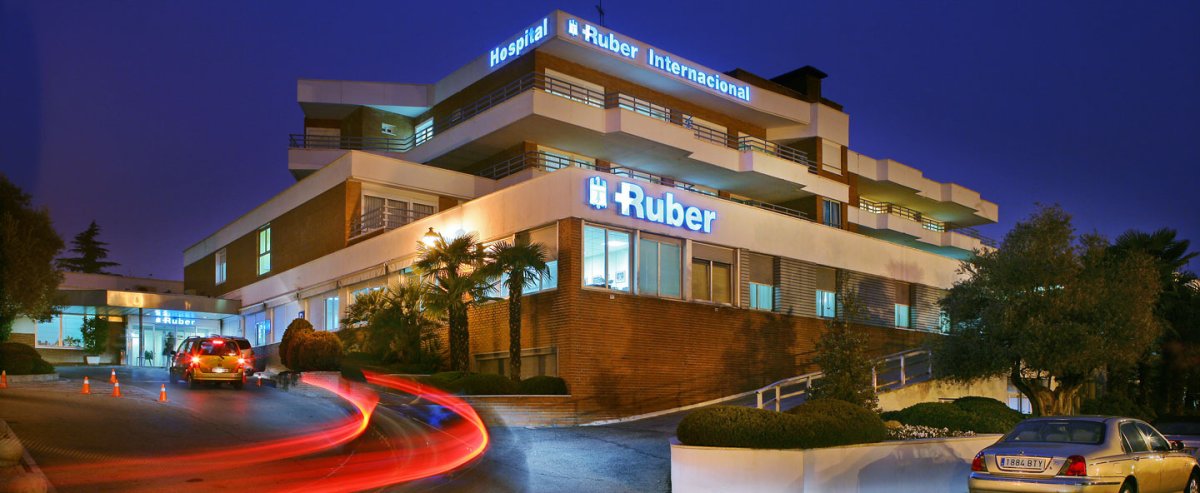


نظرة عامة على تشريح العقدة اللمفاوية في إسبانيا
- استئصال العقدة اللمفية - من $11,300
تستهدف هذه الجراحة الغدد الليمفاوية وتزيلها لوقف انتشار السرطان ، مما يوفر تشخيصًا أفضل للمرضى.
- تشريح العقدة اللمفاوية - من $6,500
يتضمن الإجراء إزالة العقد الليمفاوية للوقاية من السرطان أو اكتشافه أو علاجه ، وضمان احتواء المرض.
اليوم الأول: الوصول
- الوصول إلى المستشفى واستكمال التسجيل.
- استشر الجراح وطبيب التخدير.
اليوم الثاني: ما قبل العملية
- اخضع لفحص جسدي كامل.
- سيتم إجراء اختبارات الدم قبل العملية.
- يمكن إجراء اختبار رسم القلب إذا لزم الأمر.
- قد تحتاج إلى تصوير الصدر بالأشعة السينية حسب حالتك.
اليوم الثالث: يوم العملية
- سيتم إجراء تشريح العقدة الليمفاوية تحت تأثير التخدير العام.
- قد تستغرق العملية ما بين 2 إلى 3 ساعات.
- سيقوم الجراح بإزالة العقد الليمفاوية عبر شقوق صغيرة.
- قد يتم وضع المصارف لحمل السوائل بعد الجراحة.
اليوم الرابع - اليوم السابع: ما بعد العملية
- البقاء في المستشفى للشفاء والمراقبة.
- سيتم إعطاء المسكنات حسب الحاجة.
- ستتم إزالة المصارف عندما ينخفض إنتاج السوائل.
- قد يُقترح العلاج الطبيعي لاستعادة حركة الذراع.
الأسبوع الأول - الأسبوع الثالث: إعادة التأهيل
- العودة تدريجيًا إلى الأنشطة الخفيفة.
- استمر في تمارين العلاج الطبيعي في المنزل.
- احضر مواعيد المتابعة مع الجراح.
الأسبوع الرابع
- عد إلى العمل ، مع مراعاة مستوى راحتك.
- يمكن استئناف الأنشطة الرياضية حسب نصيحة الطبيب.
- يجب أن تكون النتائج النهائية مرئية الآن.
يرجى تذكر أن حالة كل مريض فريدة من نوعها وقد يختلف وقت الشفاء. استشر طبيبك دائمًا قبل استئناف الأنشطة العادية.
- إيداع Bookimed: 200 دولار أو 200 يورو.
- وديعة العيادة: ادفع نسبة محددة مقدمًا.
قصص فيديو من مرضى Bookimed
المراجعات
جميع المراجعات


مشاركة المحتوى
 Anna Leonova
أسئلة متكررة حول تشريح العقدة اللمفاوية في إسبانيا
ما هو استئصال العقد الليمفاوية وما الذي يتضمنه؟
استئصال العقد الليمفاوية هو إجراء جراحي لإزالة عقدة ليمفاوية واحدة أو أكثر لتحديد مرحلة السرطان أو علاجه. يتم إجراؤه تحت التخدير العام، حيث يقوم الجراحون بإزالة العقد من مناطق مثل الرقبة أو الإبط أو الفخذ لفحصها بحثاً عن خلايا سرطانية. تساعد هذه العملية في تحديد مدى تقدم السرطان وتوجيه خطط العلاج اللاحقة.
- أنواع الإجراءات: يقوم الجراحون باستئصال العقد الليمفاوية الإقليمي أو الجذري، حيث يتم إزالة بعض أو كل العقد الإقليمية.
- المواقع الشائعة: تشمل المواقع القياسية العقد الإبطية لسرطان الثدي والعقد الأربية للسرطانات المتعلقة بمنطقة الفخذ.
- المسار التشخيصي: غالباً ما تسبق خزعة العقدة الحارسة الاستئصال الكامل لتحديد نقطة التصريف الأساسية.
- الهدف الجراحي: الهدف الأساسي هو إزالة الأنسجة التي قد تكون سرطانية ومنع انتشار المرض بشكل أكبر.
رؤية خبراء Bookimed: تستخدم المراكز الإسبانية الرائدة مثل مستشفى روبر الدولي (Hospital Ruber Internacional) أنظمة روبوتية مثل Da Vinci Xi لعمليات الاستئصال. غالباً ما تؤدي هذه الأساليب طفيفة التوغل إلى عودة 90% من المرضى إلى أنشطتهم الطبيعية في غضون 14 يوماً. هذه السرعة أسرع بكثير من الجراحة المفتوحة التقليدية. اسأل دائماً عن إعادة البناء الليمفاوي خلال نفس الجلسة لتقليل مخاطر التورم على المدى الطويل.
إجماع المرضى: توقع التعامل مع المصارف الجراحية لمدة تتراوح بين أسبوعين إلى 4 أسابيع وتسجيل كمية السوائل يومياً. يجد العديد من المرضى أن بدء العلاج الطبيعي في اليوم الأول ضروري للحفاظ على الحركة ا
ما هي أنواع السرطانات التي تتطلب عادةً استئصال العقد الليمفاوية في إسبانيا؟
تعطي البروتوكولات الأورامية الإسبانية الأولوية لاستئصال العقد الليمفاوية في حالات سرطان الثدي، الميلانوما، والأورام الخبيثة في الجهاز الهضمي والجهاز البولي التناسلي. يستخدم الخبراء في المراكز المعتمدة من قبل اللجنة الدولية المشتركة (JCI) في مدريد خزعة العقدة الليمفاوية الخافرة (SLNB) لتأكيد الانتشار قبل المضي قدماً في إجراءات جراحية أكثر توغلاً أو استئصال العقد الليمفاوية الإبطية.
- سرطان الثدي: يقوم الجراحون بإجراء استئصال إبطي إذا أكدت العقد الخافرة وجود خلايا خبيثة.
- علاج الميلانوما: يمثل استئصال العقد الليمفاوية الكامل الاستجابة القياسية لنتائج الخزعة الإيجابية.
- أورام الجهاز الهضمي: تشمل الإجراءات استئصال المساريق المستقيمية لسرطان القولون والمستقيم وأخذ عينات إقليمية للمعدة.
- سرطانات الجهاز البولي التناسلي: يقوم الأطباء بإجراء استئصال حوضي محدود أو موسع للبروستاتا والمثانة.
رؤية خبراء Bookimed: تجمع المراكز الإسبانية مثل مستشفى روبر الدولي (Hospital Ruber Internacional) بين الخبرة الجراحية والتقنيات الروبوتية المتقدمة مثل Da Vinci Xi. تظهر البيانات أن هذه المستشفيات عالية القدرة تعالج أكثر من 25,000 مريض سنوياً. يسمح هذا الحجم للجراحين بإتقان بروتوكولات أقل توغلاً مثل Z0011. غالباً ما تحل هذه البروتوكولات محل الاستئصال الكامل بالعلاج الإشعاعي الموجه لتقليل مخاطر الوذمة الليمفاوية.
إجماع المرضى: يؤكد المرضى على أهمية السؤال عن خزعات العقدة الخافرة أولاً بدلاً من التوجه مباشرة إلى الاستئصال الكامل. وغالباً ما يعبر
هل توجد أنواع مختلفة من استئصال العقد الليمفاوية؟
تشمل أنواع استئصال العقد الليمفاوية خزعة العقدة الحارسة، والإزالة الانتقائية الإقليمية، والاستئصال الجذري الكامل. يختار الجراحون النهج بناءً على مرحلة السرطان وموقعه. تشمل المواقع الشائعة الإبط لسرطان الثدي، والرقبة لأورام الرأس، والحوض أو الفخذ للسرطانات التناسلية.
- خزعة العقدة الحارسة: إزالة 1-3 عقد فقط للتحقق من انتشار السرطان المبكر.
- الاستئصال الجذري: إزالة معظم أو كل العقد في منطقة ما، وغالبًا ما يتم ذلك في حالات السرطان المؤكدة.
- استئصال العقد الإبطية: يستهدف 30-39 عقدة في الإبط، وهو شائع في سرطان الثدي المتقدم.
- الاستئصال الإقليمي: يركز على مجموعة محددة من العقد المجاورة مباشرة للورم.
رؤية خبراء Bookimed: تدمج عيادات مثل مستشفى روبر الدولي (Hospital Ruber Internacional) في مدريد أنظمة Da Vinci Xi الروبوتية. تسمح هذه التقنية بدقة متناهية أثناء استئصال الحوض أو البطن. يضمن توحيد الرعاية في المرافق المعتمدة من JCI التزام الجراحين ببروتوكولات صارمة للحفاظ على الأعصاب أثناء هذه الإجراءات المعقدة.
إجماع المرضى: يؤكد المرضى على البدء بخزعة العقدة الحارسة لتقليل مخاطر الوذمة الليمفاوية. يوصي العديد من الناجين بالعلاج الطبيعي فورًا بعد الجراحة للتعامل مع خدر الذراع أو مشاكل الحركة.
ما هو تشريح العقد الليمفاوية الإبطية (ALND) ومتى يتم استخدامه؟
تشريح العقد الليمفاوية الإبطية (ALND) هو جراحة لإزالة 10 إلى 40 عقدة ليمفاوية من الإبط. يعالج هذا الإجراء سرطان الثدي أو الورم الميلانيني الذي انتشر بالفعل. وهو يحدد مرحلة السرطان، ويمنع التكرار الموضعي، ويساعد في توجيه خطط العلاج الجهازية للحالات العدوانية.
- نطاق الإجراء: يقوم الجراحون عادةً بإزالة الوسائد الدهنية التي تحتوي على العقد الليمفاوية من المستوى الأول والمستوى الثاني.
- دواعي الجراحة: يتم إجراؤها إذا أظهرت خزعات العقدة الحارسة وجود سرطان في 3 عقد أو أكثر.
- المؤشرات السريرية: تُستخدم للأورام التي يزيد حجمها عن 5 سنتيمترات أو في حالة وجود إصابة عقدية مرئية في الموجات فوق الصوتية.
- المرض المستمر: مطلوب عندما يظل السرطان في العقد بعد علاجات العلاج الكيميائي أو الإشعاعي.
رؤية خبير Bookimed: تدمج المرافق الإسبانية رفيعة المستوى، مثل مستشفى روبر الدولي (Hospital Ruber Internacional)، تقنيات متقدمة مثل التصوير بالرنين المغناطيسي 3-تسلا لرسم خرائط إصابة العقد قبل الجراحة. تساعد هذه الدقة الجراحين في تحديد ما إذا كان التشريح الكامل ضروريًا حقًا أم أن خزعة العقدة الحارسة كافية. غالبًا ما توفر المراكز ذات الحجم الكبير التي تجري أكثر من 6000 عملية جراحية سنويًا إمكانية الوصول إلى إعادة البناء الليمفاوي خلال نفس الجلسة لتقليل مخاطر التورم بشكل استباقي.
إجماع المرضى: يؤكد الكثيرون على أهمية مناقشة إعادة البناء الليمفاوي مبكرًا لإدارة مخاطر التورم المزمن العالية. غالبًا ما يتضمن التعافي التعامل مع ضيق الجلد المؤقت ومراقبة