عيادة الأسنان Clínica Dental Raíces
إسبانيا, تنريفي


تمت مراجعة المقالة طبيا من قبل
فهد مولود
من $11,800. تختلف الأسعار حسب العيادة، خبرة طبيب الأسنان، نوع الزرعات المستخدمة (مثل Nobel Biocare أو Straumann)، وما إذا كانت هناك حاجة لإجراءات إضافية مثل تطعيم العظم أو الخلع.
عادةً ما تشمل العيادات الإسبانية الاستشارة الأولية، التشخيص الرقمي (تصوير CBCT)، الخلع، ستة زرعات لكل فك، جسر أكريليك ثابت فوري، التخدير، وزيارات المتابعة ضمن السعر. في ألمانيا، غالبًا ما يتم احتساب العديد من هذه الخدمات – خاصة الأسنان المؤقتة والرعاية اللاحقة – بشكل منفصل. يجب دائمًا التأكد مما هو مشمول في السعر مع العيادة المختارة.
| إسبانيا | تركيا | تايلاند | |
|---|---|---|---|
| زراعة الأسنان بالتحميل الفوري الكل على 6 | من $11,800 | من $2,400 | من $9,000 |
يعيد هذا الإجراء الابتسامات على الفور ، باستخدام غرستين فقط ، مما يضمن الراحة ، والتعافي السريع ، والتحسين الجمالي الدراماتيكي.
يوفر هذا العلاج استبدالًا سريعًا لكامل الأسنان باستخدام 4 عمليات زرع ، مما يقلل من وقت الشفاء والإجراءات الجراحية.
يتضمن الإجراء وضع ستة غرسات على الفور ، وتأمين قوس كامل من الأسنان للاستخدام الفوري.
يستبدل الإجراء جميع الأسنان في اليوم باستخدام ستة غرسات ، مما يوفر حلاً سريعًا وفعالًا بجماليات رائعة.
يحل هذا العلاج محل الأسنان المفقودة على الفور ، ويقدم نتائج فورية ، وأقل إزعاجًا ، ومظهرًا طبيعيًا.
اليوم 1
اليوم الثاني
يوم 3
اليوم الرابع
يوم 5
الأسبوع 1
الأسبوع 2-8
الأسبوع 9-12
يرجى ملاحظة أن كل حالة فردية وقد يختلف الجدول الزمني حسب الحالة الصحية للمريض وعملية الشفاء.
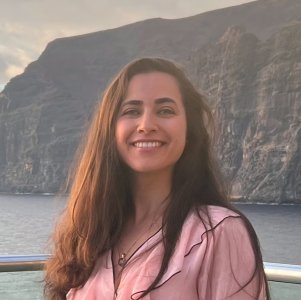
الدكتورة آلاء غزلان طبيبة أسنان بخبرة تزيد على عشر سنوات. عالجت آلاف المرضى في عدة بلدان. حاصلة على تخصص في زراعة الأسنان من جامعة برشلونة، وتواصل تدريبها لتقديم علاجات حديثة.
تستخدم عيادتها الأشعة ثنائية وثلاثية الأبعاد وماسح داخل الفم ثلاثي الأبعاد. تُحسّن هذه الأدوات تجربة المريض وتُسهّل سير العمل، كما تُسهم في تقديم الرعاية بسرعة أكبر.
 Anna Leonova
يتضمن التحميل الفوري لزراعة الأسنان بتقنية All-on-6 تركيب جسر مؤقت ثابت في غضون 48 إلى 72 ساعة من الجراحة. يوفر هذا البروتوكول أسنانًا مؤقتة وظيفية على الفور بينما تخضع الغرسات لعملية الاندماج العظمي. يتطلب ذلك ثباتًا أوليًا عاليًا وتثبيتًا صلبًا عبر القوس لجميع الغرسات الست.
رؤية خبير Bookimed: في حين يوفر التحميل الفوري جماليات في نفس اليوم، فإن الدقة الرقمية هي المحرك الحقيقي للنجاح في إسبانيا. تستخدم عيادات مثل Clinica Dental Raices ماسحات ضوئية ثلاثية الأبعاد داخل الفم لضمان ملاءمة الجسر المؤقت بشكل مثالي. يقلل سير العمل الرقمي هذا من خطر الإجهاد الميكانيكي على الغرسات الجديدة خلال الأسابيع الأولى الحرجة.
إجماع المرضى: يقدر الكثيرون مغادرة العيادة بابتسامة وظيفية على الفور. ومع ذلك، يؤكد المرضى أن الجسر المؤقت يبدو هشًا، مما يتطلب الالتزام بنظام غذائي سائل أو لين لضمان نجاح الزرعة على المدى الطويل.
تعتبر زراعة الأسنان بالتحميل الفوري موثوقة للغاية للمرضى الذين يتمتعون بكثافة عظمية كافية وثبات أولي عالٍ. يعتمد النجاح على التقنيات الجراحية الدقيقة والاختيار الدقيق للمرضى. عند استيفاء هذه الشروط، يوفر هذا النهج أحادي المرحلة نتائج وظيفية في غضون 48 ساعة مع الحفاظ على الاستقرار على المدى الطويل.
رؤية خبراء Bookimed: بينما يعتقد الكثيرون أن التحميل الفوري هو حل ليوم واحد، تستخدم أفضل العيادات في إسبانيا نهجاً متعدد المراحل. غالباً ما يجمع جراحون مثل الدكتور علاء غزلان في عيادة Clinica Dental Raices بين التخطيط الرقمي ثلاثي الأبعاد وفترة شفاء مدتها 6 أشهر قبل وضع التاج النهائي. يحمي هذا البروتوكول استثمارك الذي يتراوح بين 18,000 و 28,000 دولار من خلال ضمان الاندماج العظمي الكامل قبل بدء المضغ الثقيل.
إجماع المرضى: يقدر المرضى تعزيز الثقة الفوري لكنهم يؤكدون على الحاجة إلى الصبر. يقترح معظمهم اختيار جراح فم معتمد لتجنب مخاطر مثل تلف الجيوب الأنفية أو حركة الزرعة.
الفرق الرئيسي هو عدد الغرسات المستخدمة لدعم قوس الأسنان الكامل. تستخدم تقنية All-on-4 أربع غرسات، غالباً ما يتم وضعها بزاوية لتحقيق أقصى استفادة من العظام الموجودة. بينما تستخدم تقنية All-on-6 ست غرسات لتوفير ثبات فائق، وتوزيع أكثر طبيعية لقوة المضغ، وزيادة المرونة في حال فشل إحدى الغرسات.
رؤية خبير Bookimed: بينما تُعد All-on-4 المعيار المعتمد في حالات فقدان العظام، غالباً ما تُفضل All-on-6 في إسبانيا للمرضى الأصغر سناً. تستخدم عيادات مثل Clinica Dental Raices التصوير الإشعاعي ثلاثي الأبعاد لضمان الدقة في هذه التكوينات الأكثر كثافة المكونة من ست غرسات. اختيار All-on-6 يضيف هامش أمان، حيث يظل الطرف الاصطناعي فعالاً حتى لو فقدت إحدى الغرسات اندماجها بمرور الوقت.
إجماع المرضى: يؤكد المرضى أن All-on-6 تبدو أشبه بالأسنان الطبيعية عند المضغ القوي. يقترح الكثيرون التأكد من أن الجسر ثابت تماماً وليس من النوع الذي يتم تركيبه بالضغط لضمان أفضل راحة على المدى الطويل.
بعد جراحة "الكل على 6" (All-on-6) مع التحميل الفوري في إسبانيا، التزم بنظام غذائي سائل إلى لين صارم لمدة أسبوعين للسماح بالتحام العظم مع الغرسات. انتقل إلى الأطعمة الصلبة اللينة التي يمكنك تقطيعها بالشوكة بحلول الأسبوع الثالث. تجنب جميع الأطعمة المقرمشة أو الصلبة أو اللزجة لمنع إزاحة الغرسات.
رؤية خبراء Bookimed: بينما يتوقع العديد من المرضى شهرًا من السوائل فقط، تستخدم العيادات الإسبانية الكبيرة مثل Clinica Dental Raices التخطيط الرقمي ثلاثي الأبعاد لتحسين الاستقرار الأولي. تسمح هذه الدقة غالبًا بانتقال أسرع إلى الأطعمة اللينة التي يمكن تقطيعها بالشوكة مثل المعكرونة المطهية جيدًا بحلول بداية الأسبوع الثالث. يمكن أن يساعد استخدام خلاط قوي لهرس الوجبات العادية في الحفاظ على التغذية دون الشعور بالتقيد بالمرق الأساسي.
إجماع المرضى: يوصي المرضى بالعصائر الباردة والزبادي خلال الأسبوع الأول لتهدئة اللثة. يقترح الكثيرون المضغ بوعي على الجانب المقابل للغرسات حتى عند تناول الأطعمة اللينة لضمان استمرار الشفاء دون إزع
يجب على المرضى التخطيط للبقاء في إسبانيا لمدة تتراوح بين 4 إلى 7 أيام لإجراء جراحة "الكل على 6" (All-on-6) الأولية ذات التحميل الفوري. يسمح هذا الإطار الزمني بإجراء مسح رقمي ثلاثي الأبعاد، ووضع الغرسات، وتركيب الأسنان المؤقتة. عادة ما تكون هناك حاجة لزيارة متابعة بعد 3 إلى 8 أسابيع من الإجراء.
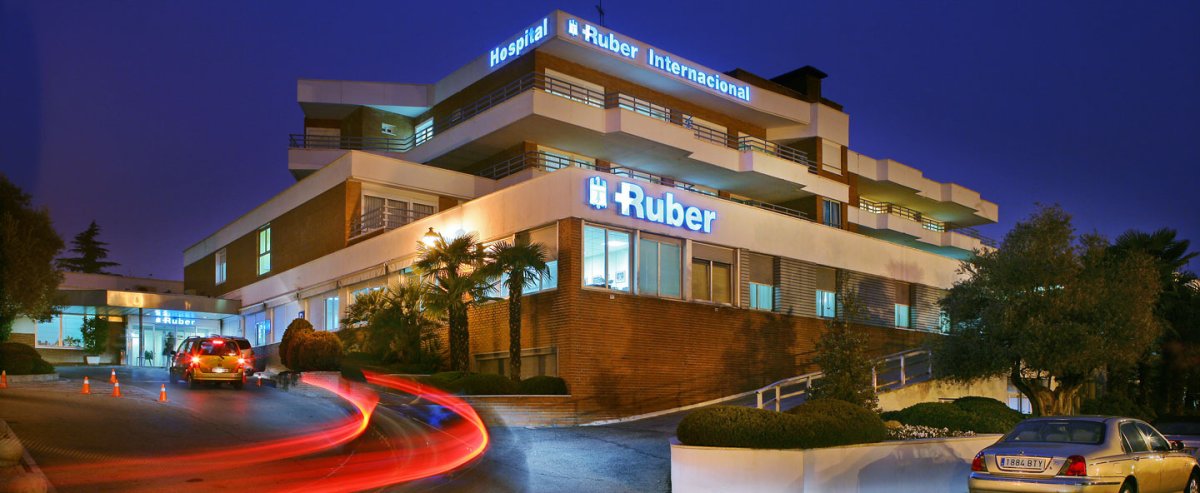
رؤية خبير Bookimed: على الرغم من أن الكثيرين يسعون للحصول على نتائج سريعة، فإن النهج الأكثر أماناً يتضمن رحلتين منفصلتين. تخدم بعض العيادات مثل Clinica Dental Raices في تينيريفي 1000 مريض سنوياً باستخدام طب الأسنان الرقمي ثلاثي الأبعاد. اختيار منشأة معتمدة من JCI مثل مستشفى روبير الدولي (Hospital Ruber Internacional) يضمن معايير سلامة عالية لإعادة تأهيل الفم المعقدة.
إجماع المرضى: خطط لرحلتين منفصلتين للسماح بالتئام العظام الضروري قبل تركيب التيجان النهائية. يوصي المرضى بإحضار جميع السجلات الطبية للأسنان والأشعة السينية لتجنب التأخير خلال أسبوعك الأول.
تتركز أفضل العيادات لتقنية All-on-6 في إسبانيا في مدريد وتينيريفي وماربيا، وتتميز بوجود مستشفيات معتمدة من اللجنة الدولية المشتركة (JCI) وعيادات أسنان متخصصة. يتخصص جراحون مثل الدكتور علاء غزلان في عيادة Clinica Dental Raices في إعادة تأهيل كامل الفك باستخدام طب الأسنان الرقمي ثلاثي الأبعاد المتقدم وبروتوكولات التحميل الفوري.
رؤية خبراء Bookimed: توفر إسبانيا ميزة فريدة للترميمات المعقدة من خلال الجمع بين سلامة المستشفيات المعتمدة من JCI والرعاية المتخصصة في عيادات الأسنان. بينما تستقبل المستشفيات الكبيرة مثل مستشفى Ruber Internacional حوالي 25,000 مريض سنوياً، تقدم العيادات الخاصة في تينيريفي غرسات تحميل فوري متخصصة بالقرب من مواقع ساحلية مناسبة للاستشفاء. يضمن هذا التوازن معايير طبية أوروبية عالية مع تجربة متميزة للمريض.
إجماع المرضى: يقدر المرضى إسبانيا كبديل موثوق من الفئة المتوسطة يوازن بين توفير كبير في التكاليف ومعايير الجودة العالية المتوقعة داخل الاتحاد الأوروبي. يوصي الكثيرون بطلب عروض أسعار مفصلة تشمل المسح ثلا
تشمل المضاعفات الشائعة لزراعة الأسنان بالتحميل الفوري بتقنية الكل على 6 فشل الزرعة المبكر بسبب عدم كفاية الاندماج العظمي، والحركات الدقيقة التي تمنع التحام العظام، وكسور الأطراف الاصطناعية. قد يعاني المرضى أيضاً من ارتخاء البراغي، أو تراجع الأنسجة الرخوة، أو التهاب ما حول الزرعة إذا لم يتم الالتزام ببروتوكولات نظافة الفم أو الاستقرار الأولي بدقة.
رؤية خبير Bookimed: تشير البيانات إلى أن متخصصين مثل الدكتور علاء غزلان في عيادة Clinica Dental Raices يستخدمون بشكل متزايد التخطيط الرقمي ثلاثي الأبعاد لتجنب أخطاء اختيار الموقع. في حين يركز الكثيرون على الجراحة، فإن الجسر المؤقت هو نقطة الضعف. الانتقال إلى استخدام قطع الغيار الأصلية من الشركة المصنعة بدلاً من المكونات الخارجية يقلل بشكل كبير من خطر الفشل الهيكلي خلال فترة الشفاء الحرجة التي تبلغ 4 أشهر.
إجماع المرضى: يؤكد المرضى أن أطقم الأسنان المؤقتة هي جبائر تجميلية وليست أسنانًا وظيفية بالكامل. أفاد الكثيرون بالحاجة إلى تعديلات متكررة في العضة واستخدام واقيات ليل