استئصال القيلة المائية في إسبانيا: 1 عيادة


تمت مراجعة المقالة طبيا من قبل
فهد مولود
ما هي تكلفة استئصال القيلة المائية في إسبانيا؟ اكتشف الآن
تتراوح تكلفة استئصال القيلة المائية في إسبانيا عادةً من $2,600 إلى $3,900. قد تختلف الأسعار حسب العيادة، خبرة الجراح، تعقيد القيلة المائية، وما إذا كان الإجراء يتم تحت التخدير الموضعي أو العام. في ألمانيا، يبلغ متوسط التكلفة $3,700 (حسب DGU). هذا يعني أن استئصال القيلة المائية في إسبانيا أقل تكلفة بحوالي 30% مقارنة بألمانيا.
عادةً ما تشمل العيادات الإسبانية الاستشارة قبل الجراحة، الإجراء الجراحي، التخدير، الإقامة في المستشفى (غالبًا في نفس اليوم)، الأدوية، وزيارات المتابعة. في ألمانيا، غالبًا ما يغطي السعر المعلن الجراحة فقط، بينما يتم احتساب التخدير، ورسوم المستشفى، والرعاية اللاحقة بشكل منفصل. يجب دائمًا التأكد من العيادة المختارة ما هي الخدمات المشمولة في السعر المقدم.
| تركيا | إسبانيا | ألمانيا | |
|---|---|---|---|
| استئصال القيلة المائية | من $3,700 | ≈ $2,600 | ≈ $2,800 |
| جراحة القيلة المائية | ≈ $1,100 | ≈ $2,300 | ≈ $2,400 |
مزاياك وضماناتك مع Bookimed
أسعار مباشرة
Bookimed لا يضيف رسوماً إضافية على أسعار استئصال القيلة المائية. الأسعار مأخوذة من قوائم الأسعار الرسمية للعيادات. تدفع مباشرة في العيادة مقابل استئصال القيلة المائية عند وصولك.
عيادات وأطباء معتمدون فقط
Bookimed ملتزم بسلامتك. نحن نعمل فقط مع المؤسسات الطبية التي تحافظ على معايير دولية عالية في استئصال القيلة المائية ولديها التراخيص اللازمة لخدمة المرضى الدوليين في جميع أنحاء العالم.
مساعدة مجانية على مدار الساعة
Bookimed يقدم مساعدة خبراء مجانية. منسق طبي شخصي يدعمك قبل وأثناء وبعد العلاج، ويحل أي مشاكل. لن تكون وحيداً أبداً في رحلة استئصال القيلة المائية.

منسقك الطبي الشخصي في Bookimed
- يدعمك في كل مرحلة
- المساعدة في اختيار العيادة الطبية المناسبة والطبيب المناسب
- يضمن الوصول السريع والمريح إلى المعلومات
اكتشف أفضل استئصال القيلة المائية العيادات في إسبانيا: 1 خيار معتمدة والأسعار
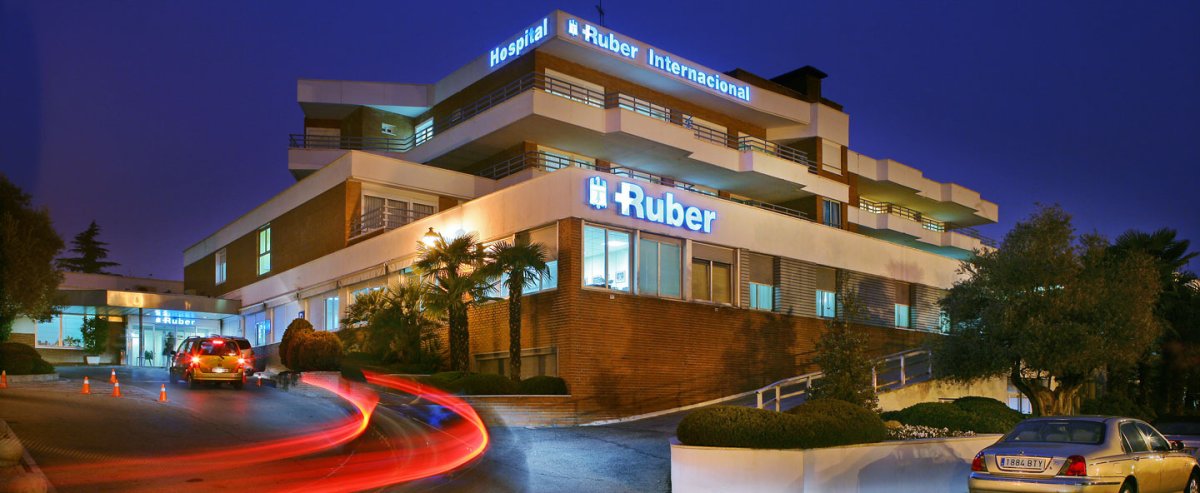


نظرة عامة على استئصال القيلة المائية في إسبانيا
- استئصال القيلة المائية - من $2,600
يزيل هذا الإجراء الماء الزائد في الجسم ، ويساعد في علاج أمراض الكلى ، من خلال عملية جراحية بسيطة وطفيفة التوغل.
اليوم الأول - الوصول
- الوصول إلى المستشفى وتسجيل الوصول.
- التقِ بفريقك الجراحي لاستشارة ما قبل الجراحة.
اليوم 2 - ما قبل العملية
- قابل طبيب التخدير لمناقشة خيارات التخدير.
- الخضوع للفحوصات الطبية اللازمة مثل تحاليل الدم.
اليوم الثالث - استئصال العضلة المائيّة
- الوصول إلى المستشفى في الصباح الباكر لإجراء عملية جراحية.
- تستغرق العملية عادة من ساعة إلى ساعتين.
- سيتم استخدام التخدير العام أو التخدير النخاعي.
اليوم 4 - بعد العملية
- استرح في المستشفى تحت إشراف طبي.
- ابدأ بالأنشطة البدنية الخفيفة تحت التوجيه.
اليوم الخامس - التفريغ
- استشارة الطبيب حول نتائج الجراحة والعناية بالجروح.
- الخروج من المستشفى بالأدوية إذا لزم الأمر.
الأسبوع الأول - إعادة التأهيل
- استرح في المنزل وقلل من الأنشطة البدنية.
- اتبع تعليمات العناية بالجروح بعناية.
الأسبوع الثاني - إعادة التأهيل
- زيادة الأنشطة البدنية تدريجيًا.
- احضر مواعيد المتابعة مع الجراح.
الأسبوع الثالث - إعادة التأهيل
- عد إلى العمل إذا لم يكن العمل شاقًا بدنيًا.
- تواصل مع مواعيد المتابعة والعناية بالجروح.
الشهر الثاني - إعادة التأهيل
- العودة إلى المزيد من الأعمال والأنشطة الشاقة.
- بحلول هذا الوقت ، يجب أن ترى النتيجة النهائية.
يرجى ملاحظة أن تجربة كل مريض قد تختلف وأن الجدول الزمني هو تقدير يعتمد على متوسط أوقات الشفاء.
- إيداع Bookimed: 200 دولار أو 200 يورو.
- وديعة العيادة: ادفع نسبة محددة مقدمًا.
احصل على تقييم طبي لـ استئصال القيلة المائية في إسبانيا: اختر أخصائيك من بين الأفضل في هذا المجال
عرض جميع الأطباء
Josep Torremade Barreda
رئيس قسم أمراض الذكورة في مستشفيين رائدين – يتخصص الدكتور توريماد في الصحة الإنجابية والجنسية للرجال في مركز تكنون الطبي ومستشفى كلينيك في برشلونة.
- _doctor_8195_سنوات_ من الخبرة في جراحة المسالك البولية وأمراض الذكورة
- تدرب في مركز ميموريال سلون كيترينج للسرطان في نيويورك
- محرر المجلة الدولية لأمراض الذكورة
- عضو اللجنة الأوروبية للطب الجنسي
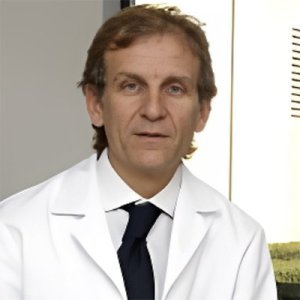
Antonio Alcaraz Asensio
الطبيب هو أخصائي مسالك بولية وأورام مسالك بولية متميز للغاية، متخصص في العلاجات الجراحية المعقدة لسرطان البروستاتا والكلى والمثانة. بفضل خبرته الواسعة في الجراحة الروبوتية وبالمنظار، كان للطبيب دور فعال في تطوير تقنيات المسالك البولية طفيفة التوغل، بما في ذلك تنفيذ نظام دافنشي الروبوتي. يشغل الطبيب حالياً منصب رئيس قسم المسالك البولية في مركز تكنون الطبي (Centro Médico Teknon) ورئيس قسم المسالك البولية وزراعة الكلى في مستشفى كلينيك دي برشلونة (Hospital Clínic de Barcelona).
تم تصنيفه كو

Navarro Vilches
تلقى الدكتور نافارو فيلتشيس تدريبه في وحدة الأورام بمركز ميموريال سلون كيترينج للسرطان، وهو أحد أفضل مستشفيات السرطان في العالم. يرأس حالياً قسم المسالك البولية في كيرونسالود ماربيا.
- أخصائي في جراحة المسالك البولية السفلية والمسالك البولية للذكور
- شارك في تأسيس معهد جراحة المسالك البولية في مالقة
- عضو في وحدة زراعة الكلى في مستشفى كارلوس هايا
- مؤلف مقالات للمجلات الوطنية والدولية
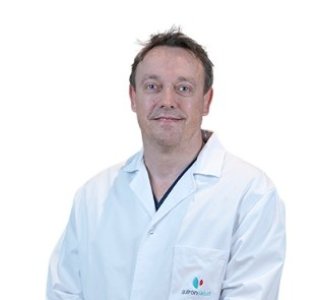
Sven Jorg Petry
الطبيب هو أخصائي مسالك بولية ذو خبرة عالية، ويشغل منصب رئيس قسم المسالك البولية في مستشفى كيرونسالود توريفاييجا منذ عام 2017. بفضل حصوله على شهادة الطب والتخصص من جامعة يوهانس جوتنبرج في ألمانيا، يتمتع الطبيب بخبرة سريرية واسعة تعود إلى عام 2007. تشمل خبرة الطبيب طب المسالك البولية الأورامي، وأمراض البروستاتا، وحالات المسالك البولية المعقدة.
ينصب تركيز رئيسي في ممارسة الطبيب على جراحة المسالك البولية الروبوتية، وتحديداً استخدام نظام دافنشي الجراحي لإجراءات سرطان البروستاتا. وقد ساهم الط
قصص فيديو من مرضى Bookimed
المراجعات
جميع المراجعاتمشاركة المحتوى
 Anna Leonova
أسئلة متكررة حول استئصال القيلة المائية في إسبانيا
ما هي فترة التعافي بعد استئصال القيلة المائية؟
يتعافى معظم المرضى من استئصال القيلة المائية في غضون أسبوعين إلى 4 أسابيع. يمكنك عادةً استئناف الأنشطة الخفيفة بعد يومين إلى 3 أيام والعودة إلى روتين العمل المعتاد في غضون 7 إلى 10 أيام. يسمح الشفاء التام بممارسة التمارين الشاقة ورفع الأثقال بعد شهر واحد.
- النشاط المبكر: استأنف المشي الخفيف والعمل المكتبي في غضون يومين إلى 3 أيام بعد الجراحة.
- العودة للعمل: يعود معظم المرضى إلى الأدوار المكتبية غير اليدوية في غضون 7 إلى 10 أيام.
- القيود البدنية: تجنب رفع الأثقال والتمارين المكثفة لمدة أسبوعين إلى 4 أسابيع من أجل السلامة.
- استشارة المختص: يقدم الجراحون مثل الدكتور جوزيب توريماد باريدا جداول زمنية مخصصة بناءً على الشفاء.
رؤية خبير Bookimed: على الرغم من سرعة التعافي، فإن اختيار المراكز المعتمدة من قبل JCI مثل مستشفى روبر الدولي يضمن دقة جراحية متقدمة. هذا مهم لأن العيادات الإسبانية رفيعة المستوى تستخدم التصوير بالرنين المغناطيسي بقوة 3 تسلا لرسم خرائط دقيقة قبل الجراحة. تساعد هذه الدقة المهنية في تقليل حجم الشق وعادة ما تقصر مرحلة الالتهاب الأولية للمرضى.
إجماع المرضى: يؤكد المرضى أنه على الرغم من شعورك بالحركة بسرعة، تظل منطقة كيس الصفن حساسة لعدة أسابيع. اتباع النصيحة بتجنب الحركة الشاقة يمنع تكرار السوائل النادر ولكنه ممكن بعد سنوات.
كم تستغرق الجراحة؟
تستغرق عملية استئصال القيلة المائية (Hydroselectomy) في إسبانيا عادةً من 30 إلى 60 دقيقة. هذا الإجراء المسالك البولية البسيط مباشر بشكل عام ويتم إجراؤه في العيادات الخارجية. يقضي معظم المرضى ساعة إضافية في منطقة التعافي قبل السماح لهم بالخروج في نفس اليوم.
- مدة الإجراء: تنتهي معظم العمليات الجراحية في غضون 30 إلى 60 دقيقة.
- الإقامة في المستشفى: توقع الخروج في نفس اليوم أو البقاء لليلة واحدة كحد أقصى.
- مراقبة التعافي: يبقى المرضى عادةً لمدة 60 دقيقة تحت الملاحظة بعد العملية.
- إجمالي الوقت في المنشأة: توقع قضاء من 3 إلى 5 ساعات للتحضير والجراحة والتعافي.
رؤية خبير Bookimed: مؤشرات الجودة في إسبانيا عالية للغاية، حيث تمتلك عيادات مثل مستشفى روبر الدولي (Hospital Ruber Internacional) اعتماد JCI ومعايير ISO. على الرغم من أن الجراحة سريعة، يؤكد أطباء المسالك البولية الإسبان مثل الدكتور جوزيب توريماد باريدا أن التصريف الدقيق للسوائل واستئصال الكيس أمر بالغ الأهمية. تضمن هذه الدقة أنه على الرغم من سرعة الإجراء، يظل حل التورم دائمًا.
إجماع المرضى: يجد المرضى أن وقت الجراحة القصير والخروج في نفس اليوم أمر مريح. يوصي الكثيرون بارتداء ملابس داخلية داعمة أو حزام رياضي لمدة 3 إلى 4 أسابيع بعد العملية للتحكم في التورم الموضعي خلال مرحلة التعافي الأولية التي تستغرق 8 أسابيع.
ما هو نوع التخدير المستخدم في إسبانيا؟
تستخدم إسبانيا بروتوكولات تخدير متقدمة تشمل التخدير العام، والتقنيات الناحية، والتخدير الواعي داخل المرافق المعتمدة من قبل اللجنة الدولية المشتركة (JCI). يعتبر التخدير العام هو المعيار الذهبي للإجراءات الجراحية مثل استئصال القيلة المائية. تضمن المهدئات المتخصصة مثل الميدازولام راحة المريض قبل بدء التخدير في حالات الأطفال.
- البروتوكول القياسي: يُستخدم التخدير العام بشكل أساسي لاستئصال القيلة المائية الجراحي النهائي.
- الخيارات الناحية: استخدام واسع النطاق للتخدير فوق الجافية والنخاعي لإجراءات الجزء السفلي من الجسم.
- استخدام التخدير الواعي: الميدازولام والبروبوفول شائعان للتدخلات التنظيرية والصغرى.
- معايير السلامة: تُجرى العمليات في بيئات عالية التقنية مثل مستشفى روبر الدولي (Hospital Ruber Internacional) في مدريد.
رؤية خبير Bookimed: تعطي أقسام المسالك البولية الإسبانية الأولوية للأدوية التمهيدية المتخصصة لجراحة الأطفال. تظهر البيانات أن عيادات مثل مستشفى روبر الدولي تخدم 25,000 مريض سنوياً بوجود 800 طبيب. يسمح هذا الحجم الكبير بضبط جرعات التخدير بدقة مما يقلل من النعاس والمضاعفات بعد الجراحة.
إجماع المرضى: يفيد المرضى بأن الاستئصال الجراحي للقيلة المائية يتطلب صياماً صارماً لمدة 8 ساعات. ويؤكدون أنه على الرغم من أن الشفط يستخدم التخدير الموضعي، إلا أن الجراحة توفر النتائج الدائمة الوحيدة.
هل استئصال القيلة المائية ضروري؟
يعد استئصال القيلة المائية ضرورياً عندما تصبح الكيسة المليئة بالسوائل مصحوبة بأعراض مثل الألم المستمر أو الانزعاج أو تقييد الحركة. في حين أن القيلة المائية الصغيرة غير المؤلمة غالباً ما تتطلب المراقبة فقط، تظل الجراحة هي العلاج النهائي للقيلة المائية المتصلة أو تلك التي تسبب تورماً كبيراً وإحراجاً اجتماعياً.
- ضرورة العلاج: اختيارية للحالات الصغيرة؛ أساسية في حال حدوث ألم أو تورم كبير.
- الحل النهائي: توفر الجراحة نتائج دائمة مع معدل تكرار منخفض يتراوح بين 5-8%.
- قيود التقنية: لا يُنصح عموماً بالشفط بسبب مخاطر التكرار العالية بشكل ملحوظ.
- معايير الأطفال: عادة ما يتم تأجيل التدخل الجراحي حتى بلوغ عمر سنة واحدة.
رؤية خبراء Bookimed: بينما يعطي العديد من المرضى الأولوية للتكلفة المنخفضة، فإن اختيار عيادات مثل Hospital Ruber Internacional أو Quirónsalud Marbella يضمن الوصول إلى معايير معتمدة من JCI. تظهر البيانات أن أطباء المسالك البولية الخبراء في إسبانيا غالباً ما يفضلون الاستئصال الجراحي على الشفط لأنه يمنع تكرار الإجراءات. اختيار الجراحة النهائية في البداية يمكن أن يوفر تكاليف طويلة الأمد ويتجنب الانزعاج الجسدي الناتج عن محاولات التصريف المتعددة.
إجماع المرضى: يؤكد المرضى أنه على الرغم من أن الجراحة اختيارية، فإن الرغبة في التخلص من الإحراج الجسدي والانزعاج تفوق عادةً الألم المؤقت أثناء التعافي. يوصي الكثيرون بالتخطيط لما لا يقل عن 3 أسابيع من تقييد النشاط البدني للتحكم في التورم بعد الجراحة.
أين يمكنني العثور على أفضل مستشفيات المسالك البولية في إسبانيا؟
تشمل أفضل مستشفيات المسالك البولية في إسبانيا مستشفى روبير الدولي (Hospital Ruber Internacional) في مدريد ومركز تكنون الطبي (Centro Médico Teknon) في برشلونة. تتخصص هذه المراكز الحاصلة على اعتماد اللجنة الدولية المشتركة (JCI) في الجراحة الروبوتية، والعلاج بالليزر، والتدخلات الجراحية المجهرية، وتجذب أكثر من 25,000 مريض دولي سنوياً للحصول على رعاية متقدمة في المسالك البولية.
- مستشفى روبير الدولي (Hospital Ruber Internacional): صُنف ضمن أفضل 6 مستشفيات إسبانية من قبل مجلة فوربس؛ ويستخدم نظام دافنشي Xi.
- مركز تكنون الطبي (Centro Médico Teknon): يضم الدكتور جوزيب توريمادي باريدا، وهو خبير في جراحة المسالك البولية المجهرية وأمراض الذكورة.
- مستشفى كيرونسالود ماربيا (Quirónsalud Marbella): بقيادة الدكتور نافارو فيلتشيس، ويركز على استئصال البروستاتا الروبوتي وجراحات الكلى المعقدة.
- المدن الرئيسية: تتركز المراكز الرئيسية في مدريد وبرشلونة وماربيا لتقديم الرعاية الجراحية المتخصصة.
رؤية خبير Bookimed: تقود إسبانيا مجال ابتكارات المسالك البولية الروبوتية، حيث تمتلك مستشفيات مثل روبير الدولي شهادات ISO متعددة إلى جانب اعتماد JCI. وبينما يركز المرضى غالباً على مدريد أو برشلونة، يستضيف مستشفى كيرونسالود في ماربيا جراحين عالميين تدربوا في مركز ميموريال سلون كيترينج. تضمن هذه الخبرة الإقليمية معدلات نجاح عالية للإجراءات الأورام المعقدة خارج المراكز الحضرية الرئيسية.
إجماع المرضى: يؤكد المرضى على أهمية استشارة أطباء المسالك البولية الم