تنظير الحالب المرن في إسبانيا — احصل على 3 عيادات مطابقة مع التكاليف


تمت مراجعة المقالة طبيا من قبل
فهد مولود
ما هي تكلفة تنظير الحالب المرن في إسبانيا؟ اكتشف الآن
تتراوح تكلفة تنظير الحالب المرن (URS) في إسبانيا عادةً من $4,300 إلى $6,300. يعتمد التسعير على العيادة، وخبرة الجراح، وما إذا كان الإجراء أحادي الجانب أو ثنائي الجانب، ومدى تعقيد إزالة الحصوات.
تشمل معظم العيادات الإسبانية الاستشارة الأولية، وتحاليل الدم قبل العملية، وأدوية ما بعد العملية، وزيارات المتابعة، وطاقماً يتحدث الإنجليزية، وخطط رعاية مخصصة، ووجبات الطعام أثناء الإقامة في العيادة. غالباً ما تغطي الأسعار في الولايات المتحدة الإجراء نفسه فقط، مع وجود رسوم إضافية للتخدير والأدوية والمتابعة. تأكد دائماً مما هو مشمول بالضبط مع العيادة التي اخترتها.
المزايا الرئيسية
لماذا تختار إسبانيا لإجراء تنظير الحالب المرن (URS)؟
- عيادات معتمدة: تحتضن إسبانيا مستشفيات معتمدة من JCI. تقدم هذه المرافق رعاية عالية الجودة وتلتزم بالمعايير الدولية.
- أحدث التقنيات: تستخدم إسبانيا أجهزة متطورة مثل منظار الحالب الرقمي Flex-Xc من شركة Karl Storz. كما يُستخدم منظار الحالب الرقمي المرن للاستخدام الواحد LithoVue من شركة Boston Scientific، مما يضمن الدقة والسلامة أثناء الإجراءات.
- نسب نجاح عالية: يحقق تنظير الحالب المرن (URS) نسبة فعالية تتراوح بين 85-95%. يتضمن هذا الإجراء مضاعفات قليلة ويسمح بفترات تعافي سريعة.
- جراحون خبراء: أبرز أطباء المسالك البولية في إسبانيا معتمدون من المجلس الأوروبي للمسالك البولية. وقد أجروا أكثر من 500 عملية URS، مما يبرز خبرتهم والتزامهم بنتائج المرضى.
احصل على حلول متقدمة لتنظير الحالب المرن (URS) في عيادات موثوقة من $4,300.
| تركيا | إسبانيا | ألمانيا | |
|---|---|---|---|
| تنظير الحالب المرن | من $3,800 | ≈ $4,300 | ≈ $4,800 |
مزاياك وضماناتك مع Bookimed
أسعار مباشرة
Bookimed لا يضيف رسوماً إضافية على أسعار تنظير الحالب المرن. الأسعار مأخوذة من قوائم الأسعار الرسمية للعيادات. تدفع مباشرة في العيادة مقابل تنظير الحالب المرن عند وصولك.
عيادات وأطباء معتمدون فقط
Bookimed ملتزم بسلامتك. نحن نعمل فقط مع المؤسسات الطبية التي تحافظ على معايير دولية عالية في تنظير الحالب المرن ولديها التراخيص اللازمة لخدمة المرضى الدوليين في جميع أنحاء العالم.
مساعدة مجانية على مدار الساعة
Bookimed يقدم مساعدة خبراء مجانية. منسق طبي شخصي يدعمك قبل وأثناء وبعد العلاج، ويحل أي مشاكل. لن تكون وحيداً أبداً في رحلة تنظير الحالب المرن.

منسقك الطبي الشخصي في Bookimed
- يدعمك في كل مرحلة
- المساعدة في اختيار العيادة الطبية المناسبة والطبيب المناسب
- يضمن الوصول السريع والمريح إلى المعلومات
اكتشف أفضل تنظير الحالب المرن العيادات في إسبانيا: 1 خيار معتمدة والأسعار


نظرة عامة على تنظير الحالب المرن في إسبانيا
- تنظير الحالب المرن - من $4,300
تستخدم العملية أنبوبًا رفيعًا ومرنًا لتشخيص وعلاج أمراض الكلى والحالب بكفاءة وأمان.
اليوم الأول: الوصول
- الوصول إلى المستشفى وتسجيل الوصول.
- قابل طبيب التخدير وطبيب المسالك البولية.
- اخضع لاختبارات روتينية قبل الجراحة مثل اختبارات الدم وتخطيط القلب.
اليوم الثاني: ما قبل العملية
- قابل اختصاصي تغذية لمناقشة إرشادات الصيام.
- تلقي تعليمات بشأن النظافة والملابس قبل الجراحة.
- ناقش جميع الأدوية والمكملات مع أطبائك.
اليوم الثالث: تنظير الحالب المرن (URS)
- الوصول إلى المستشفى في الصباح الباكر.
- اخضع للتخدير ، عامةً ، قبل الإجراء.
- يبدأ الإجراء بإدخال جهاز تلسكوبي رفيع في مجرى البول.
- تحديد الأحجار أو العوائق وإزالتها أو تجزئتها.
- تستغرق العملية عادة ما بين 1-3 ساعات.
اليوم الرابع: ما بعد العملية
- البقاء في المستشفى طوال الليل للمراقبة.
- احصل على مسكنات الآلام إذا لزم الأمر.
- اخضع لاختبارات ما بعد الجراحة مثل الأشعة السينية أو الموجات فوق الصوتية.
الأسبوع 1-2: إعادة التأهيل
- استرح وتجنب الأنشطة البدنية الشاقة.
- راقب أي علامات للعدوى أو المضاعفات.
- موعد المتابعة مع طبيب المسالك البولية بعد أسبوع.
- العودة إلى العمل بعد أسبوعين إذا كان التعافي سلسًا.
يرجى ملاحظة أن الجدول الزمني وعملية التعافي يمكن أن تختلف اختلافًا كبيرًا لكل فرد اعتمادًا على صحته العامة ، وتعقيد الإجراء ، ووجود أي مضاعفات.
- إيداع Bookimed: 200 دولار أو 200 يورو.
- وديعة العيادة: ادفع نسبة محددة مقدمًا.
احصل على تقييم طبي لـ تنظير الحالب المرن في إسبانيا: اختر أخصائيك من بين الأفضل في هذا المجال
عرض جميع الأطباء
Josep Torremade Barreda
رئيس قسم أمراض الذكورة في مركز تكنون الطبي – الدكتور توريماد متخصص في الإجراءات المسالك البولية مع التركيز على الطب الإنجابي.
- _doctor_8195_سنوات_ من الخبرة في المسالك البولية
- تدرب في مستشفى جامعة بيلفيتج ومركز ميموريال سلون كيترينج
- محرر المجلة الدولية لأمراض الذكورة
- عضو اللجنة الأوروبية للطب الجنسي
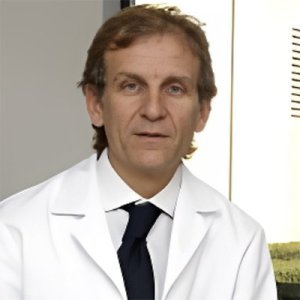
Antonio Alcaraz Asensio
الطبيب هو أخصائي مسالك بولية وأورام مسالك بولية متميز للغاية، متخصص في العلاجات الجراحية المعقدة لسرطان البروستاتا والكلى والمثانة. بفضل خبرته الواسعة في الجراحة الروبوتية وبالمنظار، كان للطبيب دور فعال في تطوير تقنيات المسالك البولية طفيفة التوغل، بما في ذلك تنفيذ نظام دافنشي الروبوتي. يشغل الطبيب حالياً منصب رئيس قسم المسالك البولية في مركز تكنون الطبي (Centro Médico Teknon) ورئيس قسم المسالك البولية وزراعة الكلى في مستشفى كلينيك دي برشلونة (Hospital Clínic de Barcelona).
تم تصنيفه كو

Navarro Vilches
متخصص في المسالك البولية مع تدريب متقدم في جراحة الكلى – يقود الدكتور فيلتشيس وحدة المسالك البولية في Quirónsalud Marbella.
- تدرب في مركز ميموريال سلون كيترينج للسرطان في نيويورك
- مؤسس مشارك لمعهد جراحة المسالك البولية في مالقة
- عضو وحدة زراعة الكلى في مستشفى كارلوس هايا
- مؤلف العديد من المقالات حول أمراض المسالك البولية
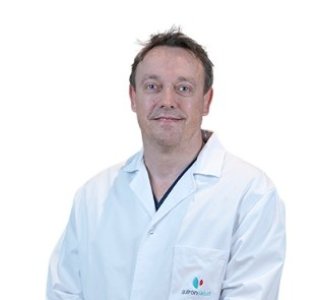
Sven Jorg Petry
الطبيب هو أخصائي مسالك بولية ذو خبرة عالية، ويشغل منصب رئيس قسم المسالك البولية في مستشفى كيرونسالود توريفاييجا منذ عام 2017. بفضل حصوله على شهادة الطب والتخصص من جامعة يوهانس جوتنبرج في ألمانيا، يتمتع الطبيب بخبرة سريرية واسعة تعود إلى عام 2007. تشمل خبرة الطبيب طب المسالك البولية الأورامي، وأمراض البروستاتا، وحالات المسالك البولية المعقدة.
ينصب تركيز رئيسي في ممارسة الطبيب على جراحة المسالك البولية الروبوتية، وتحديداً استخدام نظام دافنشي الجراحي لإجراءات سرطان البروستاتا. وقد ساهم الط
قصص فيديو من مرضى Bookimed
المراجعات
جميع المراجعاتمشاركة المحتوى
 Anna Leonova
أسئلة متكررة حول تنظير الحالب المرن في إسبانيا
ما هو تنظير الحالب المرن (URS)؟
تنظير الحالب المرن (URS) هو إجراء طفيف التوغل يستخدم منظارًا مرنًا بالألياف البصرية لعلاج حصوات الكلى وحالات المسالك البولية. يقوم الجراحون بتوجيه المنظار عبر الإحليل والمثانة إلى الكلية دون الحاجة إلى شقوق جراحية. تسمح هذه التقنية بتفتيت الحصوات بالليزر التي يقل حجمها عن 2 سم.
- جراحة بدون شقوق: يصل الجراحون إلى المسالك البولية العلوية من خلال الفتحات الطبيعية بدلاً من الشقوق الخارجية.
- علاج الحصوات: تقوم ألياف الليزر بتفتيت الحصوات بينما تقوم سلال صغيرة باستخراج الشظايا لإزالتها فورًا.
- الإقامة في المستشفى: معظم الإجراءات تتم في العيادات الخارجية أو تتطلب ليلة واحدة فقط للمراقبة.
- جدول التعافي: يصل الانزعاج الأولي إلى ذروته خلال 48 ساعة، ويزول حرقان البول خلال 3 أيام.
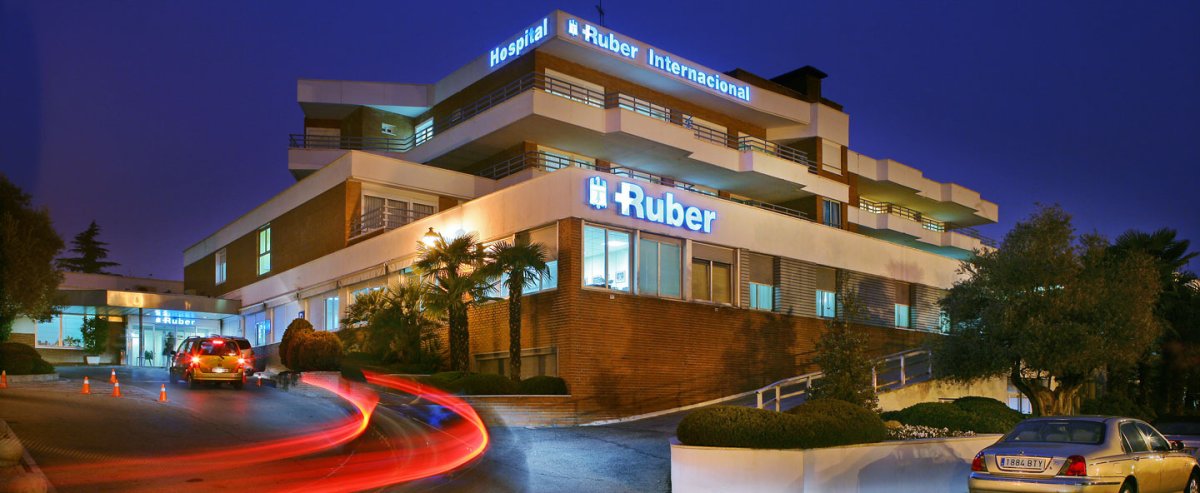
رؤية خبير Bookimed: بينما تغطي الباقات الأساسية التي تبدأ من $4,300 الجراحة، فإن وجود تقنيات روبوتية متقدمة ومرافق معتمدة من JCI مثل مستشفى روبر الدولي (Hospital Ruber Internacional) في مدريد يضمن معايير سلامة عالية. عند اختيار متخصص، ابحث عن أطباء مثل نافارو فيلتشيس الذين لديهم تدريب خاص في مؤسسات مثل ميموريال سلون كيترينج لضمان التمكن من إدارة الحصوات وحالات الأورام المعقدة.
إجماع المرضى: توقع وجود دم مؤقت في البول ورغبة قوية في التبول مباشرة بعد الإجراء. يوصي الكثيرون بطلب خيط لإزالة الدعامة لجعل عملية المتابعة سريعة وغير مؤلمة.
هل تنظير الحالب المرن أفضل من الصلب؟
لا يعتبر تنظير الحالب المرن أفضل بطبيعته من التنظير الصلب، ولكنه يوفر وصولاً فائقاً لحصوات الكلى. بينما تتفوق المناظير الصلبة في الجزء السفلي من الحالب، يمكن للأدوات المرنة التنقل في كامل الكلية والمسالك البولية العلوية. يستخدم الجراحون تفتيت الحصوات بالليزر عبر المناظير المرنة لتفتيت الحصوات في المواقع المعقدة.
- نطاق الوصول: تصل المناظير المرنة إلى حوض الكلية والكؤوس للحصوات العلوية.
- تقليل الصدمات: تسمح القدرة على المناورة للمنظار باتباع المنحنيات الطبيعية، مما يقلل من إصابة الحالب.
- معدلات النجاح: يحقق تفتيت الحصوات بالليزر عبر المناظير المرنة نجاحاً بنسبة 90% تقريباً لحصوات الكلى.
- إزالة الشظايا: تلغي هذه الطريقة التنظيرية الحاجة إلى تمرير شظايا الحصوات بشكل طبيعي.
رؤية خبير Bookimed: تصنف إسبانيا ضمن أفضل وجهتين في مجال المسالك البولية بفضل البنية التحتية الطبية. تستخدم مرافق مثل مستشفى روبر الدولي (Hospital Ruber Internacional) معايير معتمدة من JCI، والتي غالباً ما ترتبط بدمج التكنولوجيا العالية. يفضل جراحون مثل الدكتور نافارو فيلتشيس في كيرونسالود ماربيا (Quirónsalud Marbella) غالباً تنظير الحالب المرن (URS) للحالات المعقدة. هذا الخيار يتجنب تحديداً الحاجة إلى إجراءات أكثر توغلاً مثل استخراج الحصوات عن طريق الجلد (PCNL) لحصوات الكلى.
إجماع المرضى: توقع انزعاجاً مؤقتاً من الدعامة الداخلية، والذي عادة ما يصل إلى ذروته خلال 48 ساعة. يقترح المرضى طلب دعامة بخيط لتجنب زيارة إضافية للطبيب لإزالتها.
كيف تتم إزالة حصوات الكلى أثناء الإجراء؟
يتم إزالة حصوات الكلى في إسبانيا عن طريق تنظير الحالب والمرونة الكلوية باستخدام تلسكوب رفيع وقابل للتوجيه يتم تمريره عبر الإحليل. يحدد الجراحون مكان الحصوات في المسالك البولية دون أي شقوق خارجية. يستخدمون الليزر لتفتيت الحصوات الكبيرة أو سلالاً متخصصة لاستخراج الحطام الصغير مباشرة.
- الوصول الرجوعي: يدخل المنظار عبر فتحة البول الطبيعية دون شقوق جلدية.
- التفتيت بالليزر: يستخدم الجراحون أشعة ليزر عالية الدقة لتفتيت الحصوات إلى غبار دقيق.
- استخراج الحصوات: تلتقط سلال جراحية متخصصة القطع المفتتة وتزيلها من الكلية.
- جراحة طفيفة التوغل: تستخدم العملية مناظير مرنة للتنقل عبر الهياكل المعقدة داخل الكلى.
رؤية خبير Bookimed: تدمج المراكز الإسبانية مثل مستشفى روبر الدولي (Hospital Ruber Internacional) تقنية التصوير بالرنين المغناطيسي بقوة 3 تسلا وبروتوكولات السلامة المعتمدة من اللجنة الدولية المشتركة (JCI). يسمح هذا للجراحين مثل نافارو فيلتشيس في كيرونسالود ماربيا (Quirónsalud Marbella) بالجمع بين تنظير الحالب المرن والتخطيط بمساعدة الروبوت. يضمن هذا التآزر عالي التقنية استهدافاً دقيقاً للحصوات حتى في الحالات الصعبة تشريحياً.
إجماع المرضى: يذكر المرضى أن نهج المنظار المرن يبدو أقل توغلاً من الطرق التقليدية. يؤكد معظمهم على أهمية التأكد من تقنية الليزر المحددة التي يستخدمها الجراح للتفتيت.
هل الدعامة ضرورية دائمًا؟
الدعامة ليست ضرورية دائمًا بعد تنظير الحالب المرن، على الرغم من أن المتخصصين يوصون بها في ما يقرب من 100% من الحالات. فهي تمنع انهيار الحالب، والتضيق، والمضاعفات التي تهدد الحياة مثل تعفن الدم البولي. لا يتخلى أطباء المسالك البولية عن وضع الدعامة إلا في حالات نادرة وغير معقدة لتجنب تشنجات المثانة الشائعة بعد الجراحة والرغبة الملحة في التبول.
- معيار الرعاية: يقلل من مخاطر التورم بعد الجراحة وانسداد تصريف الكلى.
- الجراح المتخصص: يقود الدكتور نافارو فيلتشيس في كيرونسالود ماربيا وحدات جراحة المسالك البولية المتقدمة.
- الاعتماد السريري: تحافظ مستشفيات مثل روبر إنترناشيونال على معايير السلامة الخاصة باللجنة الدولية المشتركة (JCI).
- اختيار المادة: قد تقلل الدعامات المصنوعة من السيليكون أو ذات القطر الأصغر بشكل كبير من مستويات عدم الراحة لدى المريض.
رؤية خبير Bookimed: في حين أن المرضى غالبًا ما يخشون من عدم الراحة بسبب الدعامة، فإن العامل الحقيقي المميز في إسبانيا هو الوصول إلى جراحين معتمدين من المجلس الأوروبي للمسالك البولية (EBU). يستخدم خبراء مثل الدكتور جوزيب توريماد باريدا تقنيات مرنة دقيقة يمكن أن تقلل من المدة التي يجب أن تبقى فيها الدعامة في مكانها، وغالبًا ما تقصر فترة التعافي القياسية.
إجماع المرضى: يؤكد المرضى أنه على الرغم من أن الرغبة الملحة في التبول والحرقان أمر شائع، إلا أن مجموعة أدوات البقاء التي تحتوي على وسادات تدفئة وترطيب عالٍ ضرورية. يجد معظمهم أن عملية الإزالة سريعة بشكل مدهش، ولا تنطوي إلا على إحساس
كم تستغرق فترة التعافي؟
عادةً ما يستغرق التعافي بعد تنظير الحالب المرن (URS) في إسبانيا من 3 إلى 7 أيام للشعور بالراحة الأولية. يعود معظم المرضى إلى أنشطتهم الطبيعية في غضون أسبوع إلى أسبوعين. يحدث الشفاء الداخلي الكامل وزوال الأعراض عادةً في غضون 3 إلى 4 أسابيع، خاصة إذا قام الجراحون بوضع دعامة حالبية.
- الأنشطة اليومية: العودة إلى العمل الخفيف أو الروتين المنزلي بعد 3 إلى 7 أيام.
- المجهود البدني: تجنب رفع الأثقال والتمارين المكثفة لمدة أسبوعين على الأقل.
- الشفاء الداخلي: يستغرق التعافي الكامل للأنسجة عادةً من 3 إلى 4 أسابيع بعد الإجراء.
- عدم الراحة بسبب الدعامة: توقع الشعور بألم في الخاصرة أو إلحاح في التبول لمدة 48 ساعة إذا تم استخدام دعامة.
رؤية خبير Bookimed: تستخدم مراكز المسالك البولية الإسبانية مثل مستشفى روبير الدولي (Hospital Ruber Internacional) ليزر هولميوم المتقدم وأنظمة دافنشي لتقليل صدمات الأنسجة. تظهر البيانات أن المراكز في ماربيا ومدريد غالباً ما تجري هذه العمليات كإجراءات خارجية. وهذا يسمح للمرضى الدوليين بالانتقال إلى فندق في غضون 24 ساعة بعد الجراحة.
إجماع المرضى: توقع الشعور بحرقة أثناء التبول وبول بلون النبيذ خلال الأسبوع الأول. يساعد استخدام وسادات التدفئة والحفاظ على رطوبة الجسم في إدارة ذروة الانزعاج خلال أول 48 ساعة.
من هم أفضل أطباء المسالك البولية في إسبانيا لهذا الإجراء؟
من بين أفضل أطباء المسالك البولية في إسبانيا لإجراء تنظير الحالب المرن الدكتور نافارو فيلتشيس في Quirónsalud Marbella والدكتور كارلوس توريسيلا أورتيز في مستشفى HM Nou Delfos. يستخدم هؤلاء المتخصصون تقنيات تفتيت الحصوات بالليزر المتقدمة والتقنيات التنظيرية داخل مرافق معتمدة من JCI لعلاج حصوات الكلى المعقدة وأمراض المسالك البولية.
- الدكتور نافارو فيلتشيس: رئيس قسم المسالك البولية في ماربيا والمتخصص في تنظير الحالب المرن وجراحة الأورام.
- الدكتور كارلوس توريسيلا: خبير وطني في تنظير المسالك البولية بخبرة تزيد عن 43 عاماً في التركيز على حصوات الكلى.
- الدكتور جوزيب توريمادي: رئيس قسم الذكورة في Teknon والمتخصص في إجراءات المسالك البولية والجراحة المجهرية بمساعدة الروبوت.
- مستشفى روبير الدولي (Hospital Ruber Internacional): منشأة من الدرجة الأولى في مدريد مصنفة من قبل فوربس، وتتميز باعتمادات مزدوجة من JCI و ISO.
رأي خبير Bookimed: في حين يركز العديد من الجراحين على المسالك البولية العامة، فإن اختيار متخصص مثل الدكتور نافارو فيلتشيس أمر مهم. تركيزه المزدوج على الأورام وإزالة الحصوات يضمن رعاية شاملة. تظهر بياناتنا أن إسبانيا لا تزال وجهة رئيسية لتنظير المسالك البولية المعقد.
إجماع المرضى: غالباً ما يذكر المرضى أنه على الرغم من أن الإجراء طفيف التوغل، إلا أن الانزعاج من الدعامة يظل عاملاً مؤثراً. يشعر معظمهم براحة كبيرة م
ما الذي يجب أن أبحث عنه في عيادة المسالك البولية في إسبانيا؟
عند اختيار عيادة للمسالك البولية في إسبانيا، أعط الأولوية للمرافق الحاصلة على اعتماد اللجنة الدولية المشتركة (JCI) والجراحين الحاصلين على شهادة المجلس الأوروبي للمسالك البولية (EBU). تستخدم المراكز الرائدة في مدريد وبرشلونة تقنيات متقدمة مثل أنظمة Da Vinci Xi الروبوتية والمناظير المرنة الرقمية لإزالة الحصوات طفيفة التوغل.
- مؤهلات الجراح: ابحث عن متخصصين أعضاء في المجلس الأوروبي للمسالك البولية (EBU) وحاصلين على تدريب زمالة متخصص.
- التكنولوجيا المتقدمة: تأكد من توفر روبوتات Da Vinci Xi، وليزر هولميوم، ومناظير الحالب المرنة الرقمية.
- الشهادات السريرية: أعط الأولوية للمستشفيات الحاصلة على اعتماد اللجنة الدولية المشتركة (JCI) أو شهادات إدارة الجودة ISO 9001.
- دقة التشخيص: تحقق من توفر تصوير الرنين المغناطيسي 3-Tesla ومسح PET-CT للتخطيط الدقيق قبل الجراحة.
رؤية خبير Bookimed: غالبًا ما يقود وحدات المسالك البولية النخبوية في إسبانيا خبراء تلقوا تدريبًا مرموقًا في الولايات المتحدة. أكمل كل من الدكتور جوزيب توريماد باريدا والدكتور نافارو فيلتشيس زمالات في مركز ميموريال سلون كيترينج للسرطان. إن اختيار جراح يتمتع بهذه الخلفية الدولية في الأورام يضمن مستوى أعلى من الدقة الجراحية حتى في إجراءات إزالة الحصوات الروتينية.
إجماع المرضى: يؤكد المرضى ذوو الخبرة على أهمية التحقق من حجم عمليات الجراح المحددة باستخدام المناظير المرنة الرقمية بدلاً من الجراحة العامة. كما يوصون بطلب خطة واضحة بعد الجراحة لإزالة الدعامة والتصوير المتابعة.