حفظ الجنين بالتبريد في إسبانيا — احصل على 3 عيادات مطابقة مع التكاليف


تمت مراجعة المقالة طبيا من قبل
فهد مولود
ما هي تكلفة حفظ الجنين بالتبريد في إسبانيا؟ اكتشف الآن
تتراوح تكلفة تجميد الأجنة في إسبانيا بين $390 و $500 في المتوسط. يعتمد السعر النهائي على عدد الأجنة، وتقنيات التزجيج المختبرية، والمركز الطبي المختار. تشمل معظم العيادات الإسبانية في هذا السعر الأولي التزجيج، وأتعاب أخصائي الأجنة، وتكاليف التخزين لأول 12 شهراً.
- التزجيج والتجميد: من $390 إلى $500 مقابل المعالجة المختبرية والمواد الأولية.
- رسوم التخزين السنوية: تُضاف عادةً 20-30% من التكلفة الأولية للصيانة بعد العام الأول.
- نقل الأجنة المجمدة: يتطلب الإجراء عادةً ميزانية إضافية تبلغ حوالي 1,000 $ إلى 1,200 $.
- الأدوية الهرمونية: قد تزيد أدوية دعم عملية النقل من الميزانية الإجمالية بنسبة تتراوح بين 20-40%.
رأي خبراء Bookimed: يمنح اختيار عيادة توفر ضماناً للحمل أماناً مالياً كبيراً. تقدم عيادة فيرتي إنترناشيونال في برشلونة استرداداً كاملاً للمبالغ إذا لم يتحقق الحمل. يعكس هذا المعايير السريرية العالية في المرافق المعتمدة من JCI أو ESHRE. تخدم مراكز رائدة مثل سنترو ميديكو تكنون شخصيات عالمية شهيرة. تشتمل هذه المراكز غالباً على تشخيصات متقدمة تبرز مكانتها وتستحق استثماراً أولياً أعلى لتحقيق نتائج أفضل.
المزايا الرئيسية
لماذا تختار إسبانيا لحفظ الأجنة بالتجميد؟
- عيادات معتمدة: تحتضن إسبانيا مستشفيات معتمدة من JCI. تلتزم هذه المرافق بمعايير الجودة الدولية في الطب التناسلي.
- أحدث التقنيات: تستخدم العيادات تقنيات مبتكرة مثل التزجيج. كما تستعمل أجهزة مثل نظام Cryotop® ومواد عالية الجودة من علامات تجارية مثل Kitazato، مما يعزز معدلات بقاء الأجنة.
- نسب نجاح عالية: تحقق عملية حفظ الأجنة بالتجميد في إسبانيا نسبة نجاح تصل إلى 95% في ظل ظروف مرضية مواتية. وتظل النتائج مرتفعة باستمرار عبر مختلف الفئات السكانية.
- ممارسون خبراء: يعد أخصائيو الخصوبة الرائدون في إسبانيا، والعديد منهم حاصلون على شهادات ESHRE، من بين الأكثر خبرة حيث أجروا أكثر من 10,000 عملية حفظ أجنة بالتجميد. وهذا يبرز خبرتهم الواسعة وكفاءتهم.
احصل على حلول متقدمة لحفظ الأجنة بالتجميد في عيادات موثوقة من $390.
| تركيا | إسبانيا | ألمانيا | |
|---|---|---|---|
| حفظ الجنين بالتبريد | من $600 | من $390 | ≈ $700 |
مزاياك وضماناتك مع Bookimed
أسعار مباشرة
Bookimed لا يضيف رسوماً إضافية على أسعار حفظ الجنين بالتبريد. الأسعار مأخوذة من قوائم الأسعار الرسمية للعيادات. تدفع مباشرة في العيادة مقابل حفظ الجنين بالتبريد عند وصولك.
عيادات وأطباء معتمدون فقط
Bookimed ملتزم بسلامتك. نحن نعمل فقط مع المؤسسات الطبية التي تحافظ على معايير دولية عالية في حفظ الجنين بالتبريد ولديها التراخيص اللازمة لخدمة المرضى الدوليين في جميع أنحاء العالم.
مساعدة مجانية على مدار الساعة
Bookimed يقدم مساعدة خبراء مجانية. منسق طبي شخصي يدعمك قبل وأثناء وبعد العلاج، ويحل أي مشاكل. لن تكون وحيداً أبداً في رحلة حفظ الجنين بالتبريد.

منسقك الطبي الشخصي في Bookimed
- يدعمك في كل مرحلة
- المساعدة في اختيار العيادة الطبية المناسبة والطبيب المناسب
- يضمن الوصول السريع والمريح إلى المعلومات
اكتشف أفضل حفظ الجنين بالتبريد العيادات في إسبانيا: 13 خيارات معتمدة والأسعار






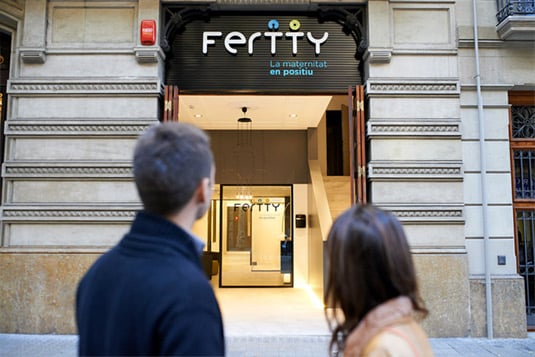
Fertty International IVF Clinic
ProcreaTec
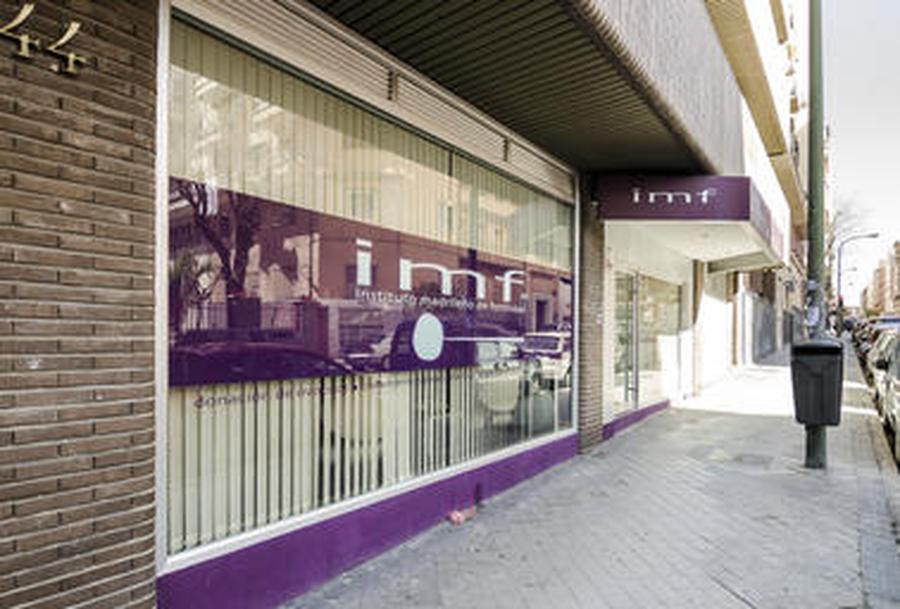
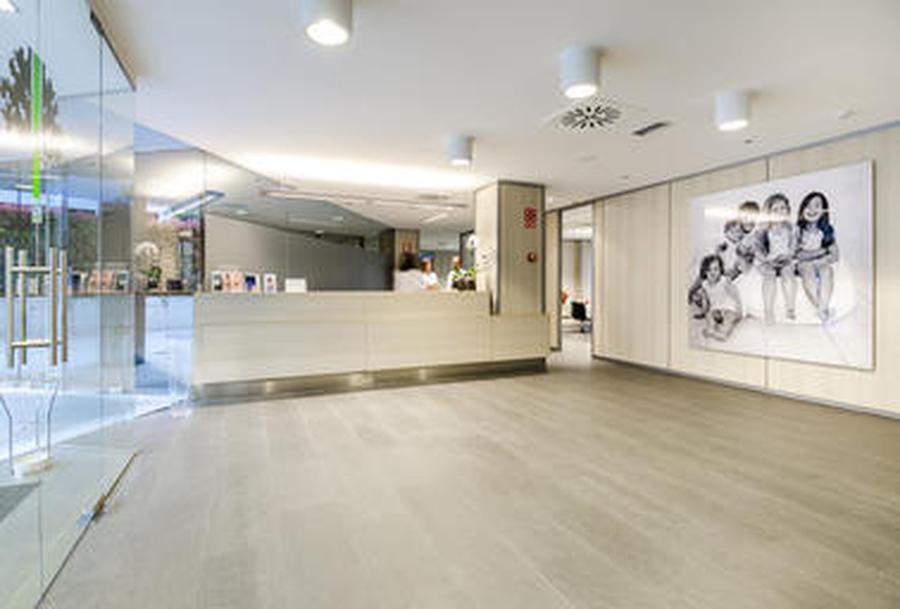
FIV Center Madrid





نظرة عامة على حفظ الجنين بالتبريد في إسبانيا
- الحقن المجهري او اطفال الأنابيب - من $6,000
يساعد الإجراء على الحمل عن طريق البويضات المخصبة في المختبر المزروعة في الرحم ، مما يمنح الأمل لأولئك الذين يعانون من العقم.
- الولادة - من $9,100
يتضمن الإجراء ولادة طفل ، عادةً بعد تسعة أشهر من الحمل ، مما يوفر متعة الأبوة.
- حفظ الجنين بالتبريد - من $390
يجمد الإجراء الأجنة في مراحلها المبكرة لاستخدامها في المستقبل ، مما يحافظ على الخصوبة ويحسن نجاح الإخصاب في المختبر.
- التلقيح الاصطناعي مع اختيار جنس المولود - من $7,800
يساعد هذا الإجراء الأزواج على إنجاب طفل من جنس معين من خلال الإخصاب في المختبر ، مما يوفر معدلات نجاح متزايدة.
- التلقيح الاصطناعي - من $700
يساعد هذا العلاج على الحمل عن طريق إدخال الحيوانات المنوية مباشرة في رحم المرأة ، مما يزيد من فرص نجاح الإخصاب.
- التحفيز الدوائي لأطفال الأنابيب - من $1,800
يعزز الإجراء إنتاج البويضات من أجل الإخصاب في المختبر ، باستخدام الأدوية لزيادة فرص الحمل الناجح.
- قسم القيصرية - من $6,000
تتضمن العملية ولادة طفل من خلال شقوق جراحية في بطن ورحم الأم.
اليوم 1
- الوصول إلى المنشأة الطبية.
- التسجيل والاستشارة الأولية مع أخصائي الخصوبة.
- الفحص البدني ومراجعة التاريخ الطبي.
اليوم 2-3
- اختبار احتياطي المبيض.
- فحص الأمراض المعدية.
- تحليل السائل المنوي للشريك الذكر ، إن وجد.
يوم 4-14
- بدء تناول أدوية الخصوبة لتحفيز إنتاج البويضات.
- الموجات فوق الصوتية واختبارات الدم بانتظام لمراقبة نمو البويضة.
اليوم الخامس عشر
- إجراء سحب البويضات تحت التخدير.
- إخصاب البويضات في المختبر.
اليوم 16-17
- مراقبة تطور الجنين.
- تجميد الأجنة (الحفظ بالتبريد) والتخزين.
اليوم الثامن عشر
- استشارة ما بعد العملية مع أخصائي الخصوبة.
- مناقشة خطط نقل الأجنة المستقبلية.
يرجى ملاحظة أن الجدول الزمني أعلاه هو دليل عام ويمكن أن يختلف حسب الظروف الفردية.
- إيداع Bookimed: 200 دولار أو 200 يورو.
- وديعة العيادة: ادفع نسبة محددة مقدمًا.
احصل على تقييم طبي لـ حفظ الجنين بالتبريد في إسبانيا: اختر أخصائيك من بين الأفضل في هذا المجال
عرض جميع الأطباء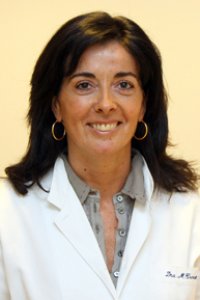
Monserrat Twose
الطبيب هو أخصائي ذو خبرة عالية في أمراض النساء والتوليد مع أكثر من ثلاثة عقود من الممارسة السريرية. منذ عام 1994، كان الطبيب عضواً رئيسياً في الكادر الطبي في مركز تيكنون الطبي (Centro Médico Teknon) في برشلونة، حيث يشغل حالياً منصب رئيس قسم أمراض النساء والتوليد. يركز الطبيب سريرياً على تشخيص العقم، وتقنيات المساعدة على الإنجاب، وتخطيط التلقيح الصناعي (IVF)، ومتابعة الحمل الشاملة، ورعاية الولادة، والتشخيص قبل الولادة.
بالإضافة إلى الخبرة الواسعة في الموجات فوق الصوتية لأمراض النساء وإدا
المراجعات
جميع المراجعاتمشاركة المحتوى
قصص فيديو من مرضى Bookimed
 Anna Leonova
أسئلة متكررة حول حفظ الجنين بالتبريد في إسبانيا
ماذا يحدث للأجنة المخزنة بعد انفصال الزوجين في إسبانيا؟
في إسبانيا، تتطلب الأجنة المخزنة موافقة مشتركة من كلا الشريكين لأي استخدام أو تخلص منها بعد الانفصال. يعامل القانون الإسباني الأجنة ككيانات قانونية تتطلب اتفاقاً متبادلاً وليس كممتلكات. إذا لم يتم التوصل إلى إجماع، تظل الأجنة عادةً مجمدة بينما تستمر رسوم التخزين السنوية في التراكم.
- الموافقة المشتركة: يجب على كلا الشريكين تقديم تفويض كتابي جديد للنقل أو التبرع أو التدمير.
- حدود التخزين: تظل الأجنة مجمدة عموماً لمدة تصل إلى 5 سنوات وفقاً للدورات التنظيمية الإسبانية القياسية.
- الأولوية التعاقدية: تتبع العيادات بدقة اتفاقية الخصوبة الموقعة التي توضح خيارات التخلص في حالة الانفصال.
- حل النزاعات: تؤدي الخلافات إلى فترة تهدئة مدتها 12 شهراً قبل التدمير المحتمل أو التدخل القضائي.
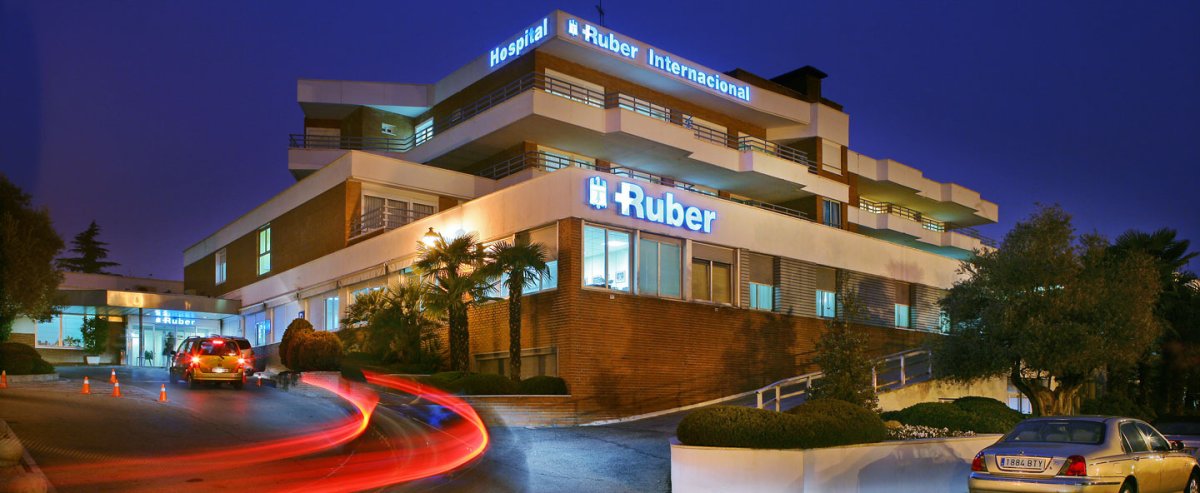
رؤية خبير Bookimed: بينما يركز الكثيرون على النزاعات القانونية، فإن الواقع المالي هو أن رسوم التخزين تستمر أثناء الانفصال. تعطي المراكز الرائدة مثل Centro Médico Teknon أو Hospital Ruber Internacional الأولوية لتجنب المسؤولية من خلال الالتزام الصارم بالعقود الأولية. إذا انفصلت، تحرك بسرعة لتحديث اتفاقيتك لتجنب دفع رسوم سنوية يمكن أن تصل إلى 1000 يورو.
إجماع المرضى: غالباً ما يشعر المرضى بأنهم محاصرون بسبب شرط التوقيع المزدوج حتى بعد الانفصال القانوني. ينصح الكثيرون بالتأكد من أن عقد الخصوبة الأصلي يحدد بوضوح من يحتفظ بالسيطرة لتجنب رسوم التخزين غير المحددة أو الجمود القانوني.
لماذا تعد إسبانيا وجهة رائدة لتجميد الأجنة؟
تعد إسبانيا رائدة عالمياً في تجميد الأجنة بفضل التشريعات التقدمية التي تسمح بالعلاج بغض النظر عن الحالة الاجتماعية. تجري المراكز ذات الكثافة العالية 120,000 إجراء سنوياً باستخدام تقنية التزجيج المتقدمة. يستفيد المرضى الدوليون من عدم وجود قوائم انتظار ومن المرافق المعتمدة من قبل اللجنة الدولية المشتركة (JCI) في مدريد وبرشلونة.
- معدلات النجاح: تجري إسبانيا أكبر عدد من إجراءات الخصوبة في أوروبا بمعدلات نجاح عالية.
- الإطار القانوني: تسمح القوانين بعلاجات الخصوبة لجميع النساء، بغض النظر عن توجههن الجنسي.
- الخبرة الطبية: أجرى متخصصون مثل الدكتور رامون أوريل باليستيروس أكثر من 800 إجراء.
- المعايير السريرية: تحمل مستشفيات القمة مثل Centro Médico Teknon اعتماد اللجنة الدولية المشتركة المرموق.
رؤية خبير Bookimed: يخلق الحجم الكبير للمرضى الدوليين في إسبانيا، والذي يتجاوز 55%، كفاءة فريدة في معايير المختبرات. تقدم عيادات مثل Fertty International ضمانات استرداد بنسبة 100% في حالات فشل الحمل. وهذا يعكس الدقة الشديدة والثقة في بروتوكولات التجميد والتذويب الإسبانية.
إجماع المرضى: يقدر المرضى الوفورات الكبيرة مقارنة بالتكاليف في الولايات المتحدة وقوانين إخفاء هوية المتبرعين الإلزامية. إنهم يقدرون الرعاية المتخصصة للمقيمين الدوليين ولكنهم يلاحظون أن الشحن العالمي للمواد المجمدة محظور بشكل عام.
هل يوجد حد قانوني للسن لتجميد الأجنة في إسبانيا؟
لا يحدد القانون الإسباني 14/2006 حداً قانونياً صارماً للسن لتجميد الأجنة، لكن العيادات تطبق عادةً حداً عملياً يتراوح بين 50 و52 عاماً للنقل. يتبع هذا الحد توصيات الجمعية الإسبانية للخصوبة لتقليل المخاطر الصحية على المرضى أثناء الحمل والولادة.
- حد النقل: تقصر معظم العيادات عمليات نقل الأجنة على النساء اللواتي تتراوح أعمارهن بين 50 و52 عاماً.
- مدة التخزين: تبقى الأجنة مجمدة حتى تصبح المريضة غير قادرة طبياً على الحمل.
- الضرورة الطبية: غالباً ما يتطلب تجميد الأجنة أسباباً طبية أو استخداماً فورياً في غضون 6 أشهر.
- تجميد البويضات: يوصي العديد من المتخصصين بتجميد البويضات قبل سن 35 لضمان نجاح أفضل في المستقبل.
رؤية خبير Bookimed: بينما يتوفر تجميد الأجنة، يظهر حجم الطلبات المرتفع في مراكز مثل Centro Médico Teknon تحولاً نحو تجميد البويضات. غالباً ما يعطي الدكتور رامون أوريل باليستيروس، الذي أجرى أكثر من 800 إجراء، الأولوية لتجميد البويضات لأنه يوفر مرونة قانونية وشخصية أكبر لتخطيط الأسرة في المستقبل في إسبانيا.
إجماع المرضى: غالباً ما يشير المرضى إلى أنه على الرغم من شمول التخزين في البداية، إلا أن الرسوم السنوية التي تتراوح من 300 إلى 550 دولاراً تُطبق عادةً بعد السنوات الخمس الأولى.
ما هي النتائج السريرية التي يمكنني توقعها من استخدام أجنّتي المجمدة؟
يؤدي نقل الأجنة المجمدة (FET) في إسبانيا إلى نتائج سريرية عالية، حيث تتجاوز معدلات بقاء الأجنة على قيد الحياة غالباً 95% بعد التذويب. يمكن للمرضى توقع معدلات ولادة تبلغ حوالي 26.7% لكل عملية نقل. هذه النتائج تتفوق غالباً على دورات الأجنة الطازجة بسبب تحسن تقبل الرحم وتقنيات التزجيج المتقدمة المستخدمة في المراكز المعتمدة من قبل اللجنة الدولية المشتركة (JCI).
- البقاء بعد التذويب: يضمن التزجيج الحديث بقاء أكثر من 95% من الأجنة قابلة للحياة بعد عملية التذويب.
- نجاح الانغراس: يسمح نقل الأجنة المجمدة باستقرار مستويات الهرمونات، مما يخلق بيئة أكثر تقبلاً للانغراس.
- الفحص الجيني: الجمع بين نقل الأجنة المجمدة والاختبار الجيني قبل الزرع (PGT) يقلل بشكل أكبر من مخاطر الإجهاض والفشل.
- نتائج المرضى: تسجل العيادات الإسبانية معدل ولادة 26.7% لكل عملية نقل في التلقيح الصناعي (IVF) ونقل الأجنة المجمدة (FET).
رؤية خبير Bookimed: بينما يركز الكثيرون على العمر، تظهر بياناتنا أن تخصصات العيادات تؤثر بشكل كبير على النتائج. تدمج مراكز مثل Centro Médico Teknon الخبرة الجراحية عالية المستوى مع الطب الإنجابي. وهذا يخلق بيئة أكثر أماناً للمرضى الذين يعانون من أمراض مصاحبة. تشير اعتماداتهم إلى أن جودة البنية التحتية ترتبط بزيادة ثقة المريض والأمان أثناء عمليات النقل المعقدة.
إجماع المرضى: يبلغ المرضى باستمرار أن الأجنة أكثر مرونة من البويضات المجمدة أثناء عملية التذويب. يؤكد الكثيرون على أهمية فهم رسوم التخزين السنوية، والتي يبلغ متوسطها حوالي
ما هي القواعد القانونية التي تنطبق إذا أردت استخدام أجنة تم إنشاؤها مع شريك سابق؟
تتمحور القواعد القانونية لاستخدام الأجنة مع شريك سابق في إسبانيا حول استمرار الموافقة المتبادلة. يتطلب القانون الإسباني من كلا الفردين تقديم تفويض صريح تحديداً في وقت النقل. يمكن لأي من الطرفين إلغاء اتفاقية سابقة تم توقيعها أثناء تجميد الأجنة قانوناً بعد الانفصال.
- الموافقة المتبادلة: يجب على كلا الشريكين تقديم إذن كتابي مرة أخرى قبل حدوث أي نقل للأجنة.
- حقوق السحب: يمكن للشريك السابق إلغاء الموافقة قانوناً في أي وقت لمنع استخدام الجنين.
- الحدود التعاقدية: تعتبر اتفاقيات العيادة الأولية ملزمة بشكل عام، ولكن موافقة المرحلة الثانية لها الأولوية القانونية.
- خيارات التصرف: يجب على الأزواج اختيار مصير الأجنة في سيناريوهات الانفصال أثناء عملية التجميد الأولية.
رؤية خبير بوكيميد (Bookimed): تتبع العيادات الإسبانية مثل Centro Médico Teknon أو IREMA معايير ISO و JCI صارمة تعكس القوانين الوطنية. تقترح العديد من العيادات الآن استراتيجية هجينة. غالباً ما تقوم المرضى بتجميد نصف بويضاتهن غير المخصبة والنصف الآخر كأجنة. هذا يوفر شبكة أمان قانونية في حالة انتهاء العلاقة. ويضمن لك الاحتفاظ بحقوق الملكية الوحيدة على موادك الجينية دون الحاجة إلى إذن الشريك السابق بعد سنوات.
إجماع المرضى: يؤكد المرضى أن العيادات الإسبانية تطلب من الطرفين توقيع وثائق في كل مرحلة. يوصي الكثيرون بتجميد البويضات غير المخصبة لتجنب العوائق القانونية من شريك سابق لاحقاً.
ماذا يحدث للأجنة الخاصة بي إذا توقفت عن دفع رسوم التخزين؟
يحظر القانون الإسباني 14/2006 بصرامة تدمير الأجنة بسبب عدم دفع رسوم التخزين. إذا توقفت عن الدفع، تحافظ العيادات على الحضانة تحت حماية قانونية. يتم عادةً تحويل أجنّتك إلى أوضاع بديلة، مثل التبرع لأزواج آخرين، أو البحث العلمي، أو الحفظ المستمر طويل الأجل.
- الحماية القانونية: يضمن القانون الإسباني عدم إمكانية تدمير الأجنة المجمدة بسبب عدم الدفع وحده.
- الموافقة الإلزامية: يجب أن يقدم طبيبان مستقلان موافقة خطية قبل حدوث أي تدمير للأجنة.
- التصرف البديل: يمكن إعادة تخصيص الأجنة المهجورة قانوناً للتبرع لمرضى خصوبة آخرين.
- استرداد الحقوق مستقبلاً: يحتفظ المرضى عادةً بالحق في استعادة الأجنة من خلال استئناف دفع رسوم التخزين الفائتة.
رؤية خبير بوكيميد (Bookimed): الإطار القانوني الصارم في إسبانيا يجعلها وجهة رئيسية، حيث تحتل المرتبة الثانية عالمياً في طلبات الخصوبة. بينما تحتفظ عيادات مثل Centro Médico Teknon أو مستشفى روبر الدولي (Hospital Ruber Internacional) بتخزين معتمد من JCI، فإن القانون يعطي الأولوية للحياة؛ حتى في حالة عدم الدفع، غالباً ما تنتظر العيادات حتى تصبح فرق البحث جاهزة قبل نقل الملكية، مما يعني أن موادك البيولوجية تظل محمية لفترة أطول بكثير مما هي عليه في الولايات المتحدة.
إجماع المرضى: التوقف عن الدفع لا يعني الفقدان الفوري. يجد المرضى راحة البال بمعرفة أن الأجنة تظل آمنة تحت الحفظ القانوني، على الرغم من أن الرسوم السنوية تتراوح عادةً بين 340 دولاراً و540 دولاراً بعد انتهاء أي فترات مجانية أولية.