علاج الأسنان بالتخدير في إسبانيا — احصل على أفضل 3 عيادات مع التكاليف


تمت مراجعة المقالة طبيا من قبل
فهد مولود
كيف نعمل؟
ما هي تكلفة علاج الأسنان بالتخدير في إسبانيا؟ اكتشف الآن
من $980. يعتمد السعر النهائي على طريقة التخدير، وتعقيد الإجراء، وموقع العيادة. تشمل المراكز الطبية الرئيسية مدريد وبرشلونة، وتُدرج العيادات غالباً التقييمات قبل الجراحة ضمن أسعارها الأساسية.
- علاج التسوس: من $150 لإزالة نخر الأسنان مهنياً.
- حشوة كومبوزيت: من $78 باستخدام مواد راتنجية متينة مطابقة للون الأسنان.
- حشوة كومبوزيت تجميلية: من $100 إلى $160 للترميم المرئي المتطور للأسنان الأمامية.
- أنواع التخدير: عادةً ما يضيف التخدير الوريدي الواعي زيادة تتراوح بين 20-30 % عن التخدير الموضعي التقليدي.
- عوامل الموقع: غالباً ما تكون الأسعار في مدريد وبرشلونة أعلى بنسبة 15-20 % مقارنة بالمناطق الجنوبية.
رأي خبراء Bookimed: تقدم إسبانيا رعاية متميزة كانت حكراً على الشخصيات البارزة، وذلك بتكاليف دولية ميسورة. على سبيل المثال، يحمل مركز تيكنون الطبي في برشلونة اعتماد JCI ويقدم الرعاية لمشاهير عالميين. يضمن اختيار هذه المراكز الكبرى الوصول إلى فرق تخدير متخصصة. يُعد هذا أمراً حيوياً للحالات المعقدة أو رعاية الأطفال. يصنف مستشفى سان خوان دي ديو في برشلونة ضمن أفضل ثلاثة مستشفيات في أوروبا للرعاية التخصصية.
| إسبانيا | تركيا | تايلاند | |
|---|---|---|---|
| علاج الأسنان بالتخدير | من $980 | من $350 | ≈ $1,000 |
| علاج التسوس | من $150 | من $43 | من $40 |
| حشوة تجميلية | من $78 | من $84 | ≈ $90 |
| الكحت | من $840 | من $85 | ≈ $180 |
| الحشو المركب التجميلي المركب | ≈ $100 | من $70 | من $150 |
اكتشف أفضل علاج الأسنان بالتخدير العيادات في إسبانيا: 8 خيارات معتمدة والأسعار




عيادة الأسنان Clínica Dental Raíces


SJD Barcelona Children’s Hospital

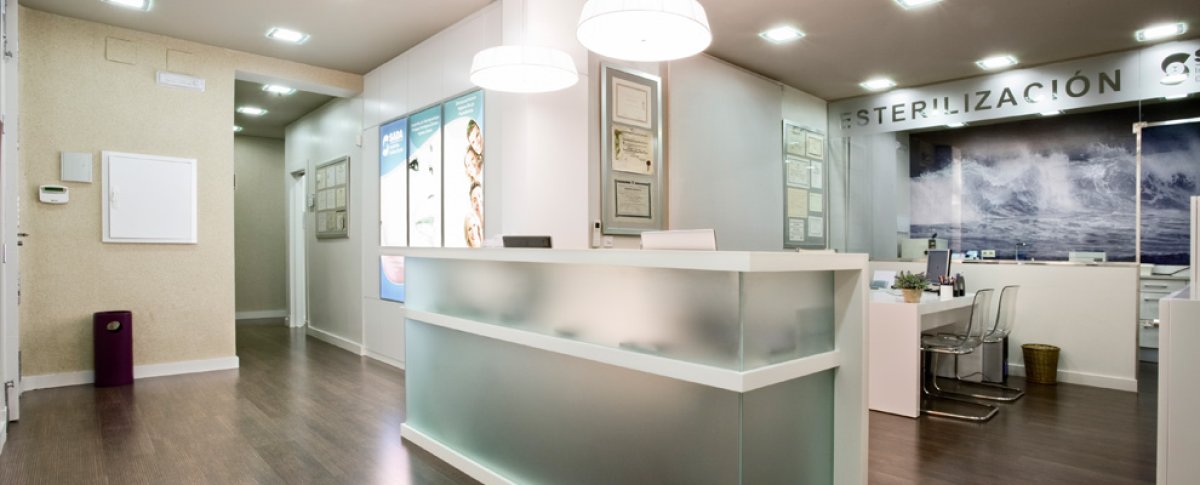
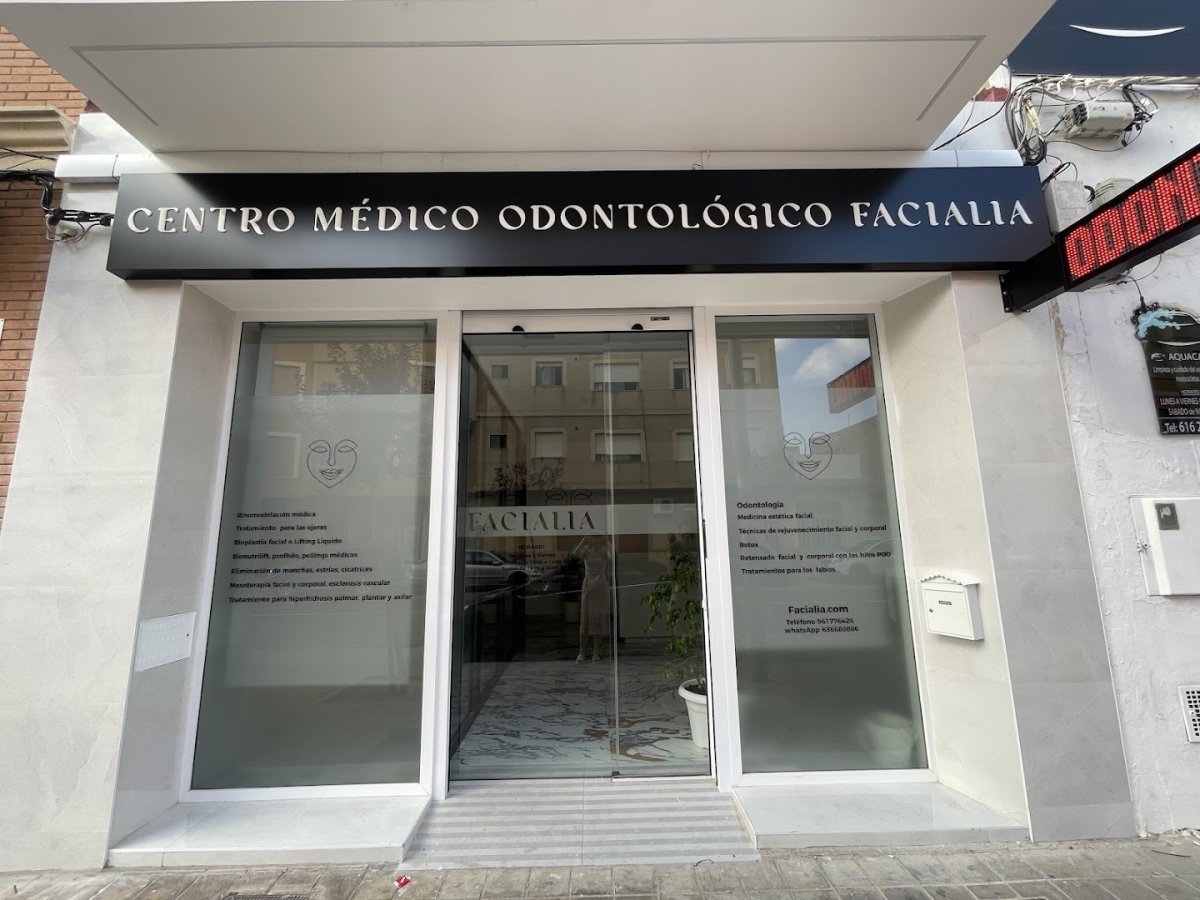

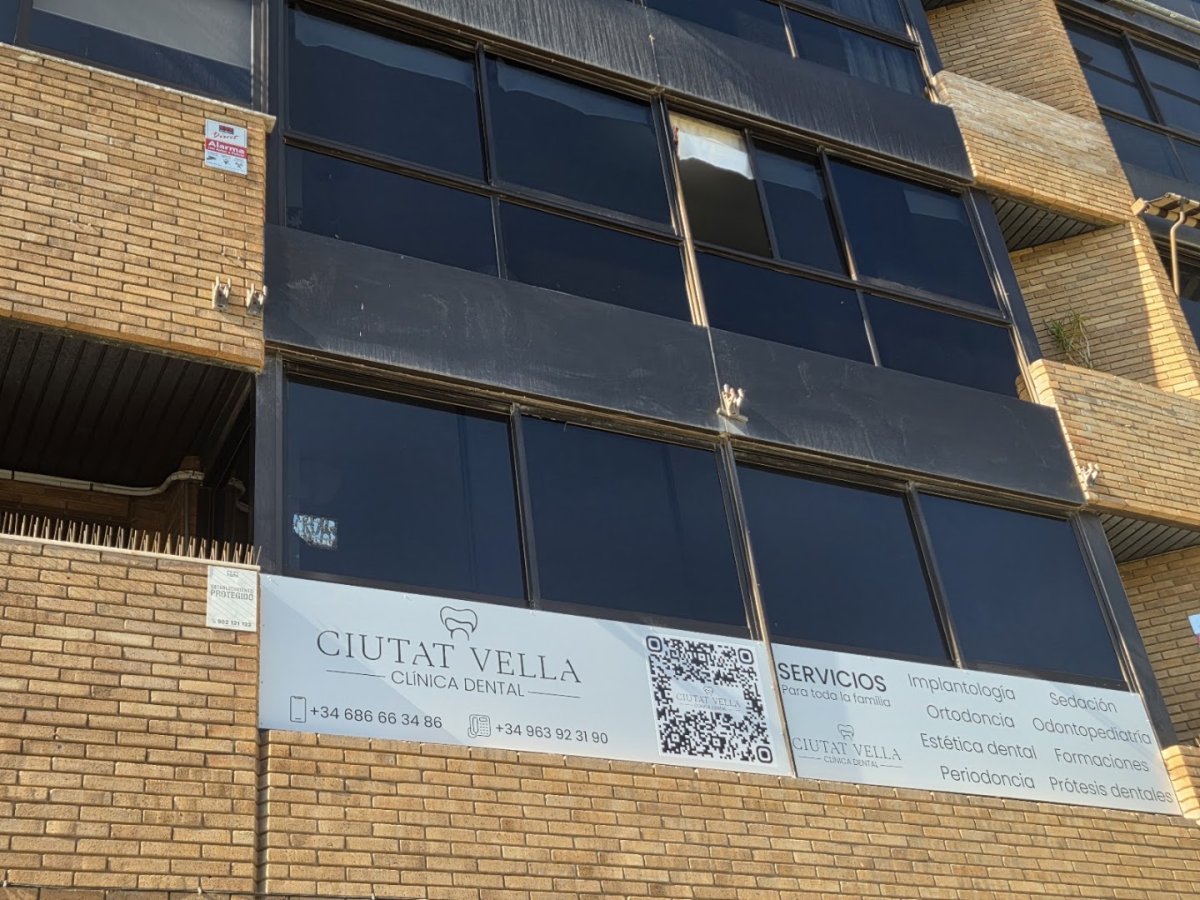
clinic Dental Ciutat Vella
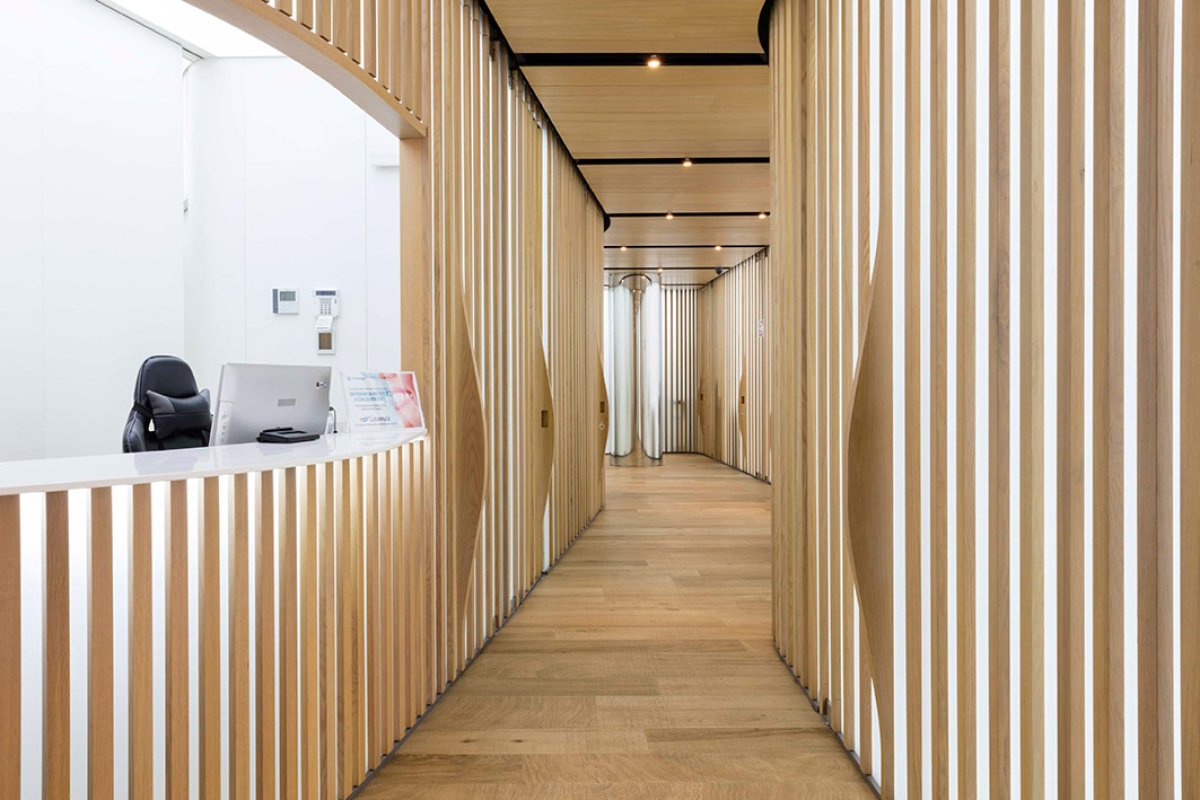
Clínicas Udemax
نظرة عامة على علاج الأسنان بالتخدير في إسبانيا
- علاج التسوس - من $150
يهدف هذا العلاج إلى القضاء على تسوس الأسنان ، واستعادة صحة الأسنان ومنع المزيد من الضرر من خلال الحشو أو قناة الجذر.
- الكحت - من $840
يزيل هذا الإجراء الأنسجة من الجسم باستخدام مكشطة ، مما يعزز الشفاء وتشخيص الحالات.
- علاج الأسنان بالتخدير - من $980
يوفر الإجراء العناية بالفم في ظل الهدوء ، مما يضمن الراحة أثناء العمليات الجراحية ، وهو مفيد بشكل خاص للمرضى القلقين.
- الحشو المركب التجميلي المركب - من $100
يتضمن الإجراء مادة بلون الأسنان لإصلاح التجاويف ، والحصول على نتائج طبيعية المظهر وتقوية الأسنان.
اليوم 1
- وصوله الى البلاد.
- نقل من المطار إلى الفندق.
اليوم الثاني
- استشارة ما قبل العملية مع طبيب الأسنان.
- الخضوع للفحوصات الطبية اللازمة.
يوم 3
- مناقشة نتائج الاختبار وخطة العلاج.
- إجراءات إضافية إذا لزم الأمر.
اليوم الرابع
- علاج الأسنان بالتخدير.
- شرح تفاصيل الإجراء ومدته.
- توضيح نوع التخدير المستخدم.
يوم 5
- عملية ما بعد العملية في العيادة.
- المراقبة والبقاء في العيادة للشفاء.
الأسبوع 2
- بدء عملية إعادة التأهيل إذا لزم الأمر.
- العودة التدريجية لأنشطة العمل.
الأسبوع الثالث
- استمرار عملية إعادة التأهيل.
- العودة التدريجية للأنشطة الرياضية.
الأسبوع الرابع
- نهاية عملية إعادة التأهيل.
- العودة الكاملة للأنشطة العادية.
يرجى ملاحظة أن كل حالة فردية والجدول الزمني أعلاه هو تقدير متوسط. قد تختلف خطة العلاج الخاصة بك بناءً على احتياجاتك وحالتك الخاصة.
- إيداع Bookimed: 200 دولار أو 200 يورو.
- وديعة العيادة: ادفع نسبة محددة مقدمًا.
احصل على تقييم طبي لـ علاج الأسنان بالتخدير في إسبانيا: اختر أخصائيك من بين الأفضل في هذا المجال
عرض جميع الأطباء
Dr Alaa Ghuzlan
الدكتورة آلاء غزلان طبيبة أسنان بخبرة تزيد على عشر سنوات. عالجت آلاف المرضى في عدة بلدان. حاصلة على تخصص في زراعة الأسنان من جامعة برشلونة، وتواصل تدريبها لتقديم علاجات حديثة.
تستخدم عيادتها الأشعة ثنائية وثلاثية الأبعاد وماسح داخل الفم ثلاثي الأبعاد. تُحسّن هذه الأدوات تجربة المريض وتُسهّل سير العمل، كما تُسهم في تقديم الرعاية بسرعة أكبر.

Carlos Aguado Blas
قصص فيديو من مرضى Bookimed
المراجعات
جميع المراجعاتمشاركة المحتوى
 Anna Leonova
أسئلة متكررة حول علاج الأسنان بالتخدير في إسبانيا
هل التخدير الواعي آمن في عيادات الأسنان الإسبانية؟
يعد التخدير الواعي آمناً للغاية في عيادات الأسنان الإسبانية بسبب لوائح الاتحاد الأوروبي الصارمة والإشراف الطبي الإلزامي. يتطلب القانون الإسباني عادةً وجود أطباء تخدير متخصصين للتخدير الوريدي، مما يضمن المراقبة المستمرة للعلامات الحيوية بينما يظل المرضى مسترخين ولكن مستجيبين أثناء إجراءات الأسنان المعقدة.
- الإشراف الطبي: يدير أطباء تخدير مؤهلون التخدير الوريدي، ويراقبون معدل ضربات القلب ومستويات الأكسجين.
- الفحص قبل الجراحة: تجري العيادات فحوصات إلزامية لضغط الدم واختبارات التخثر قبل الموافقة على التخدير.
- معدات السلامة: تستخدم المرافق من الدرجة الأولى أنظمة Master Flux Smart المتقدمة لتوصيل الغاز بدقة.
- بروتوكول التعافي: يخضع المرضى لتعافي مراقب ويجب أن يكون لديهم مرافق عند مغادرة العيادة.
رؤية خبير Bookimed: توفر عيادات الأسنان الإسبانية ميزة أمان فريدة من خلال العمل بشكل متكرر داخل مراكز طبية متعددة التخصصات مثل Centro Médico Teknon. توفر هذه المرافق المعتمدة من JCI وصولاً فورياً إلى فرق طوارئ المستشفيات الكاملة، وهو ترقية كبيرة في السلامة مقارنة بعيادات الأسنان المستقلة الموجودة عادةً في مناطق أخرى.
إجماع المرضى: يؤكد المرضى أن التخدير الواعي يشبه القيلولة الخفيفة مع فجوات في الذاكرة بدلاً من النوم التام. وينصحون بشدة بالتأكد من وجود متخصص مراقبة مخصص بدلاً من طبيب أسنان يدير الجراحة والتخدير بمفرده.
ما هي الآثار الجانبية الرئيسية للتخدير الواعي؟
يسبب التخدير الواعي لإجراءات الأسنان بشكل أساسي نعاساً مؤقتاً، وفقدان ذاكرة، وضعفاً في التنسيق. تصل هذه التأثيرات عادةً إلى ذروتها بعد الموعد بفترة وجيزة وتزول في غضون 24 ساعة. يظل المرضى مستيقظين ولكنهم يعانون من استرخاء كبير، وانخفاض في القلق، وذاكرة محدودة للعملية الطبية أثناء التعافي.
- النعاس: غالباً ما يشعر المرضى بالخمول أو النعاس لعدة ساعات بعد الإجراء.
- فقدان الذاكرة: من الشائع عدم القدرة المؤقتة على تذكر تفاصيل محددة لعلاج الأسنان.
- بطء ردود الفعل: يظل التنسيق وأوقات رد الفعل الجسدي ضعيفين حتى يتم التخلص من الدواء تماماً.
- الغثيان: يعاني بعض الأفراد من انزعاج خفيف في المعدة أو دوار عند الوقوف بسرعة.
رؤية خبير Bookimed: بينما يتوقع الكثيرون تعافياً سريعاً، غالباً ما تعطي المراكز ذات الحجم الكبير مثل Centro Médico Teknon الأولوية لفترات مراقبة أطول. تظهر البيانات أن العيادات التي تجري آلاف العمليات الجراحية سنوياً تحافظ على سجلات سلامة أفضل من خلال مراقبة استقرار القلب والأوعية الدموية حتى تعود ردود الفعل. يضمن هذا الوقت الإضافي عدم تصاعد التأثيرات الشائعة مثل جفاف الفم إلى مشاكل تنفسية.
إجماع المرضى: يصف العديد من المرضى شعوراً بـ "السكر" ويوصون بالتخطيط للنوم لبقية اليوم. من الضروري أن يكون هناك شخص يساعدك في الحركة، حيث يمكن أن تؤدي فجوات التنسيق إلى التعثر أو السقوط العرضي.
هل سأكون نائماً تماماً أثناء التخدير الواعي؟
التخدير الواعي لا يجعلك نائماً تماماً. أنت تدخل في حالة من الاسترخاء العميق، وهي حالة تشبه الغيبوبة حيث تظل واعياً وقادراً على اتباع التعليمات اللفظية من طبيب الأسنان. يعاني معظم المرضى من فقدان ذاكرة مؤقت، مما يجعلهم يعتقدون أنهم ناموا خلال الإجراء على الرغم من أنهم كانوا مستيقظين تقنياً.
- حالة الوعي: أنت تتنفس بشكل مستقل وتستجيب للمس الخفيف أو الأصوات.
- تأثيرات الذاكرة: تسبب الأدوية حظراً جزئياً للذاكرة، مما يخلق وهماً بالنوم.
- إدارة الألم: تضمن أدوية التخدير الموضعي الراحة بينما تشعر بالانفصال والهدوء.
- احتياجات التعافي: تستمر التأثيرات بعد العلاج، مما يتطلب يوماً كاملاً دون قيادة أو اتخاذ قرارات.
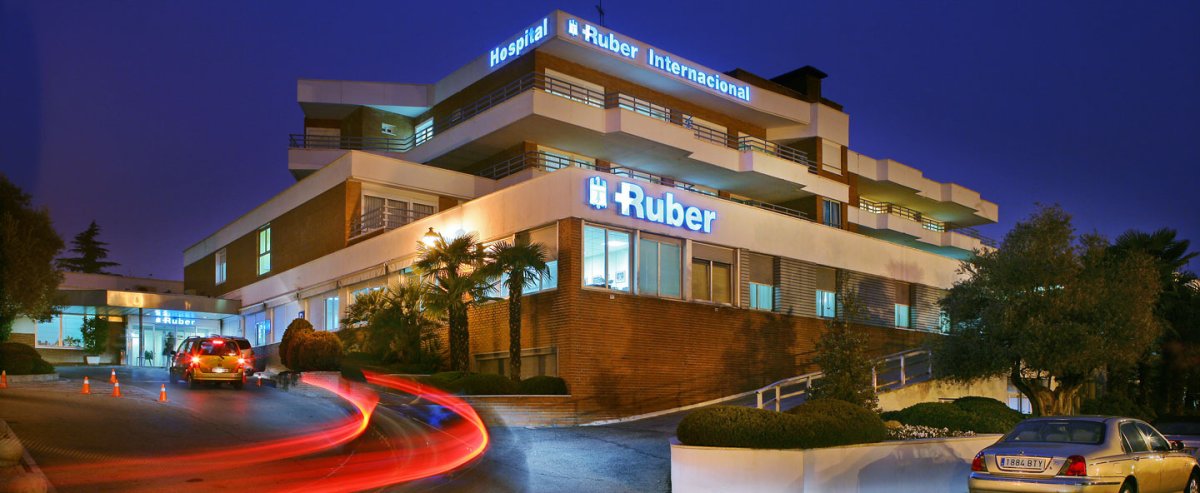
رؤية خبير Bookimed: حجم المرضى في إسبانيا مرتفع، حيث تخدم مراكز مثل مستشفى روبر الدولي 25,000 مريض سنوياً. بينما يفترض الكثيرون أن التخدير هو معيار واحد، غالباً ما يقوم كبار الأطباء الإسبان بتعديل الجرعات بناءً على التمثيل الغذائي الفردي. هذا النهج الشخصي هو السبب في أن معظم المرضى يبلغون عن عدم شعورهم بأي ألم حتى لو كانوا يتذكرون بشكل غامض سماع أصوات أثناء الموعد.
إجماع المرضى: يصف معظم الناس شعورهم بالتشوش والنعاس مع وجود فجوات كبيرة في الذاكرة بعد ذلك. غالباً ما يذكر المرضى شعورهم بالضغط أو سماع الموظفين، لكن الاسترخاء العميق يمنع أي قلق أو انزعاج.
كم تستغرق فترة التعافي ومتى يمكنني العودة إلى المنزل؟
يتعافى معظم المرضى من التخدير السني في غضون 24 ساعة، لكن توقيت السفر يعتمد على مدى تعقيد الإجراء. بينما يمكنك غالبًا السفر جوًا بعد 24 إلى 72 ساعة من العلاجات البسيطة، تتطلب الإجراءات الجراحية مثل زراعة الأسنان أو الخلع الانتظار من 3 إلى 7 أيام قبل العودة إلى المنزل.
- نافذة السفر: انتظر 24 ساعة على الأقل حتى تزول آثار التخدير تمامًا قبل السفر جوًا.
- ذروة التورم: خطط لمواجهة ذروة الانزعاج والتورم بعد حوالي 48 إلى 72 ساعة من الإجراء.
- تعقيد الجراحة: توقع الخروج في نفس اليوم للحالات البسيطة؛ واسمح بـ 7 أيام لجراحات الفم الكبرى.
- سلامة الطيران: يمكن أن تؤدي تغيرات ضغط الهواء إلى زيادة الانزعاج بعد إجراءات الفك العلوي أو رفع الجيوب الأنفية.
رؤية خبراء Bookimed: تشير البيانات الواردة من عيادات مثل Centro Médico Teknon إلى أن المرضى غالبًا ما يقللون من شأن الضبابية الذهنية في اليوم التالي. إن جدولة إجراءك في بداية الأسبوع خطوة ذكية. فهذا يسمح لك بمعالجة أي مشكلات متابعة مع طبيب أسنانك في إسبانيا قبل إغلاق العيادات في عطلة نهاية الأسبوع أو موعد رحلتك إلى المنزل.
إجماع المرضى: يجد الكثيرون أن اليوم الثاني أصعب من اليوم الأول بسبب ذروة الالتهاب. يوصي المسافرون بحزم أطعمة لينة وصرف الوصفات الطبية محليًا قبل التوجه إلى المطار لتجنب توتر يوم السفر.