عيادات ترابط الأسنان في إسبانيا


تمت مراجعة المقالة طبيا من قبل
فهد مولود
ما هي تكلفة ترابط الأسنان في إسبانيا؟ اكتشف الآن
تتراوح تكلفة ربط الأسنان في إسبانيا عادةً بين $110 و $220. يعتمد السعر النهائي على عدد الأسنان، وجودة المواد، وموقع العيادة. تشمل التكاليف عادةً الاستشارة الأولية، ومواد الراتنج المركب، وفحوصات المتابعة.
- ترميم الأسنان (الربط): من $100 لإصلاح الكسور الطفيفة أو التسوس.
- إعادة تشكيل الأسنان: من $150 إلى $400 لتصحيح طول السن أو محيط سطحه.
- الربط التجميلي: ترتفع التكلفة عادةً بنسبة 15-20% عند إجراء تصميمات معقدة للابتسامة في المراكز الكبرى.
- اختلافات المدن: تقع المراكز الطبية الرئيسية في مدريد وبرشلونة ومالقة وبالما دي مايوركا.
رأي خبراء Bookimed: توفر إسبانيا توازناً فريداً بين المعايير السريرية العالية وسهولة الوصول. كانت عيادة جامعة نافارا هي الأولى في إسبانيا التي تحصل على اعتماد JCI. وتدرج العيادة باستمرار ضمن قائمة نيوزويك لأفضل مستشفيات العالم. يمكن أن يوفر اختيار عيادات في مدن مثل مالقة أو ألمرية وفراً كبيراً. يستخدم أخصائيون مثل دكتور علاء غزلان ماسحات ضوئية ثلاثية الأبعاد للحصول على نتائج دقيقة. تضمن هذه التقنية توافقاً طبيعياً أكثر مقارنة بالطرق اليدوية التقليدية.
| إسبانيا | تركيا | تايلاند | |
|---|---|---|---|
| ترابط الأسنان | ≈ $110 | من $90 | من $80 |
| ربط سني | من $100 | من $95 | من $80 |
| إعادة تشكيل الأسنان | ≈ $150 | من $50 | من $50 |
مزاياك وضماناتك مع Bookimed
أسعار مباشرة
Bookimed لا يضيف رسوماً إضافية على أسعار ترابط الأسنان. الأسعار مأخوذة من قوائم الأسعار الرسمية للعيادات. تدفع مباشرة في العيادة مقابل ترابط الأسنان عند وصولك.
عيادات وأطباء معتمدون فقط
Bookimed ملتزم بسلامتك. نحن نعمل فقط مع المؤسسات الطبية التي تحافظ على معايير دولية عالية في ترابط الأسنان ولديها التراخيص اللازمة لخدمة المرضى الدوليين في جميع أنحاء العالم.
مساعدة مجانية على مدار الساعة
Bookimed يقدم مساعدة خبراء مجانية. منسق طبي شخصي يدعمك قبل وأثناء وبعد العلاج، ويحل أي مشاكل. لن تكون وحيداً أبداً في رحلة ترابط الأسنان.

منسقك الطبي الشخصي في Bookimed
- يدعمك في كل مرحلة
- المساعدة في اختيار العيادة الطبية المناسبة والطبيب المناسب
- يضمن الوصول السريع والمريح إلى المعلومات
اكتشف أفضل ترابط الأسنان العيادات في إسبانيا: 6 خيارات معتمدة والأسعار






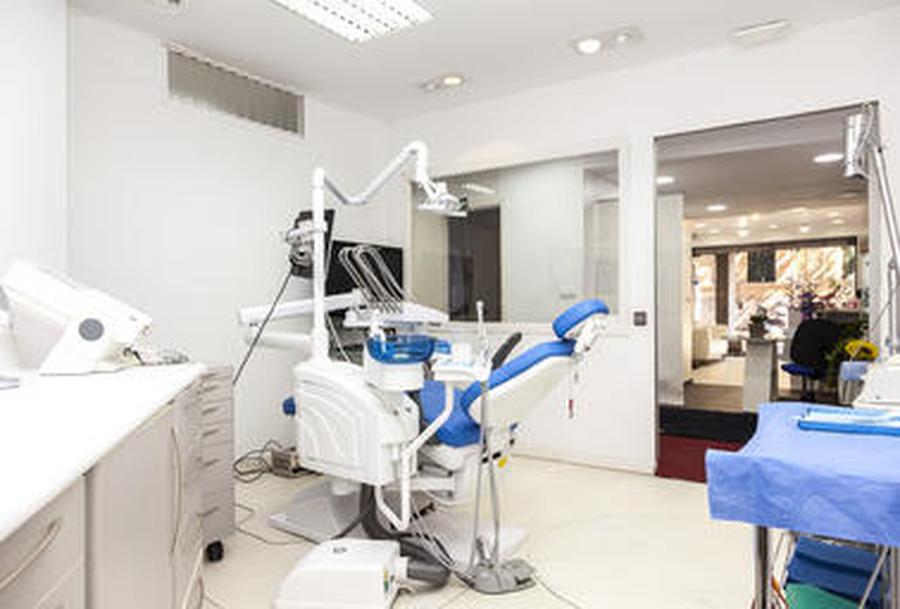
Fernandez & Ayora Dental
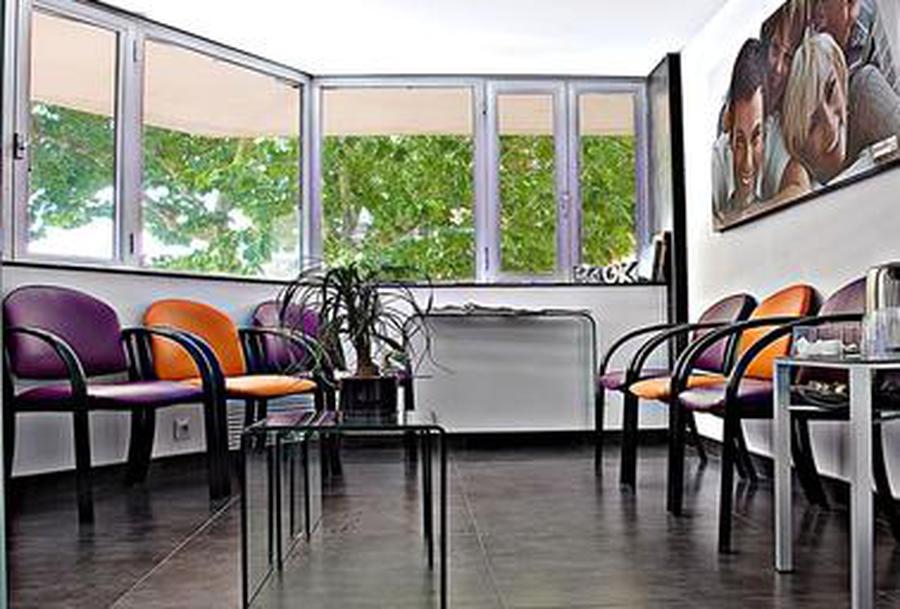
Disseny de Somriures


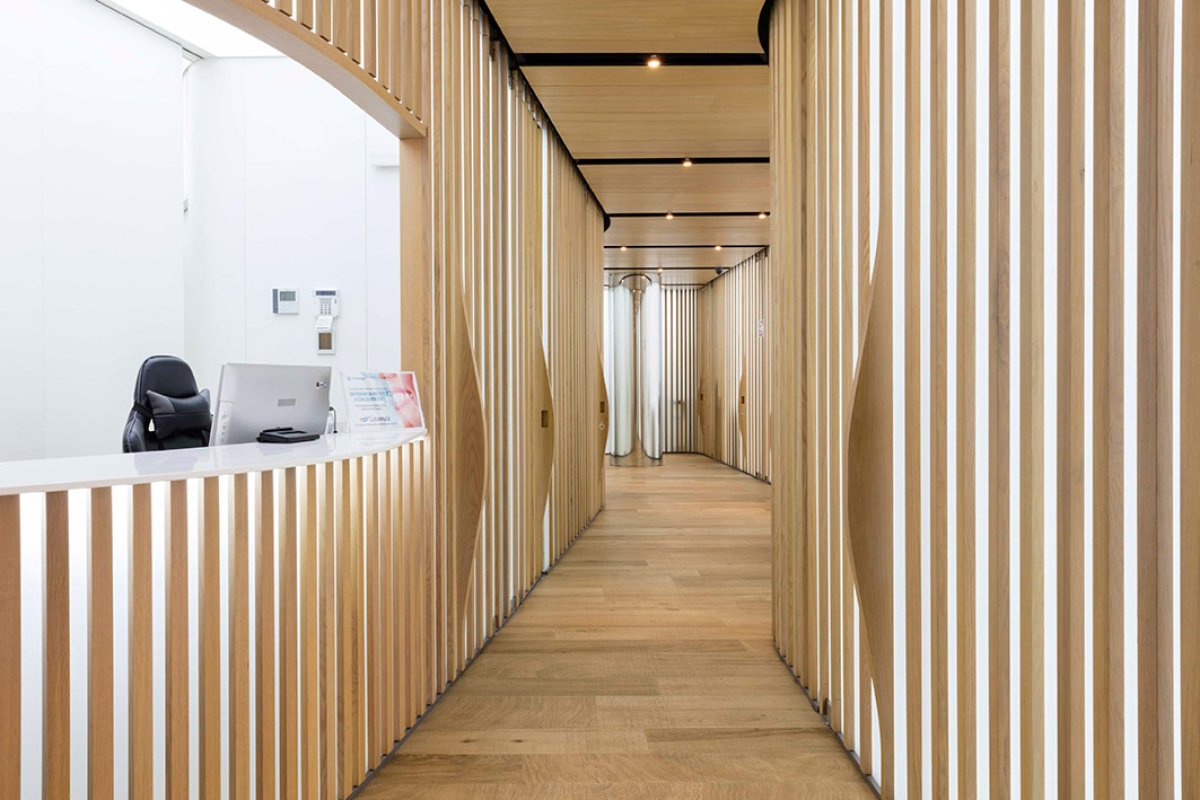
Clinica Cuevas Queipo
Clínicas Udemax
نظرة عامة على ترابط الأسنان في إسبانيا
- ربط سني - من $100
يقوم هذا العلاج بإصلاح الأسنان التالفة باستخدام مادة صمغية بلون الأسنان ، مما يعزز المظهر ويمنع المزيد من التسوس.
- إعادة تشكيل الأسنان - من $150
يعيد الإجراء تشكيل الأسنان للحصول على مظهر أفضل وقضم أفضل ، عن طريق إزالة كميات صغيرة من المينا.
- ترابط الأسنان - من $110
يصحح هذا العلاج عيوب الأسنان باستخدام الراتنج ، ويحسن جماليات الابتسامة ، ويوفر حلًا سهلًا وسريعًا.
اليوم الأول: الوصول
- وصوله الى البلاد.
- الانتقال إلى فندق 5 نجوم.
- استرح بعد الرحلة.
اليوم الثاني: ما قبل العملية
- نقل إلى المستشفى.
- استشارة طبيب الأسنان.
- إجراء الفحوصات الطبية اللازمة.
اليوم الثالث: إجراء ربط الأسنان
- التحويل لعيادة الأسنان.
- يتم إعطاء التخدير الموضعي.
- يبدأ إجراء ربط الأسنان.
- تستغرق العملية حوالي ساعة إلى ساعتين.
- أعطيت تعليمات الرعاية بعد الإجراء.
اليوم الرابع: بعد العملية
- استرح في الفندق.
- يتم توفير المساعدة اللغوية إذا لزم الأمر.
الأسبوع الأول: إعادة التأهيل
- فحوصات منتظمة في عيادة الأسنان.
- نظام غذائي صحي لتعزيز الشفاء.
- العودة إلى العمل غير الشاق.
الأسبوع 2: النتيجة النهائية
- الشفاء التام من الترابط السني.
- العودة إلى الأنشطة العادية.
- الفحص النهائي قبل المغادرة.
يرجى ملاحظة أن حالة كل مريض فردية وقد تختلف العملية.
- إيداع Bookimed: 200 دولار أو 200 يورو.
- وديعة العيادة: ادفع نسبة محددة مقدمًا.
احصل على تقييم طبي لـ ترابط الأسنان في إسبانيا: اختر أخصائيك من بين الأفضل في هذا المجال
عرض جميع الأطباء
Dr Alaa Ghuzlan
الدكتورة آلاء غزلان طبيبة أسنان بخبرة تزيد على عشر سنوات. عالجت آلاف المرضى في عدة بلدان. حاصلة على تخصص في زراعة الأسنان من جامعة برشلونة، وتواصل تدريبها لتقديم علاجات حديثة.
تستخدم عيادتها الأشعة ثنائية وثلاثية الأبعاد وماسح داخل الفم ثلاثي الأبعاد. تُحسّن هذه الأدوات تجربة المريض وتُسهّل سير العمل، كما تُسهم في تقديم الرعاية بسرعة أكبر.
قصص فيديو من مرضى Bookimed
المراجعات
جميع المراجعاتمشاركة المحتوى
 Anna Leonova
أسئلة متكررة حول ترابط الأسنان في إسبانيا
ما هي الخطوات المتبعة في عملية ربط الأسنان (Dental Bonding) في إسبانيا؟
تتضمن عملية ربط الأسنان في إسبانيا تحضير سطح السن باستخدام هلام التخريش، ووضع مادة لاصقة سائلة، ونحت راتنج مركب بلون الأسنان لإصلاح العيوب. يستخدم أطباء الأسنان ضوءاً أزرق متخصصاً لتصلب المادة قبل إجراء فحص نهائي لمحاذاة العضة والتلميع.
- التقييم الأولي: يقوم أطباء الأسنان بإجراء الفحوصات وتقديم عرض سعر رسمي يُعرف بـ "presupuesto".
- مطابقة الظل: يتم مطابقة الراتنج مع الأسنان الطبيعية باستخدام أدلة متخصصة للحصول على مزيج جمالي سلس.
- تحضير السن: يتم تخريش المينا قليلاً لإنشاء سطح خشن لالتصاق أفضل للراتنج.
- عملية المعالجة: يعمل ضوء أزرق عالي الكثافة على تصلب طبقات الراتنج المركب في ثوانٍ.
- اللمسات النهائية: يقوم الجراحون بإزالة المواد الزائدة وتلميع السن للوصول إلى لمعان طبيعي.
رؤية خبير Bookimed: تعطي العيادات الإسبانية مثل Global Dent Balear الأولوية للاعتماد المتخصص من الجمعية الإسبانية لأمراض اللثة. هذا التركيز على صحة اللثة يضمن بقاء ربط الأسنان لفترة أطول. تمنع الأنسجة السليمة تلوث الرطوبة أثناء الإجراء. يساعد اختيار هذه العيادات المعتمدة في ضمان التصاق الراتنج بشكل صحيح من المرة الأولى.
إجماع المرضى: يؤكد المرضى أن مطابقة الظل والتحكم في الرطوبة أمران حاسمان للحصول على نتائج طبيعية. يقدر معظمهم أن الإجراء غير مؤلم وعادة لا يتطلب تخديراً أو حفراً.
كم تدوم عملية تجميل الأسنان بالراتنج (Dental bonding)؟
تدوم عملية تجميل الأسنان بالراتنج عادةً من 3 إلى 10 سنوات قبل أن تتطلب استبدالاً أو تعديلات. تعتمد طول العمر على مكان وضع المادة، وضغط العض، والعادات الفموية. على الرغم من أن الراتنج المركب يوفر حلاً تجميلياً سريعاً، إلا أنه يظل أقل متانة من المينا الطبيعية أو قشور البورسلين.
- موقع الإجراء: التجميل على حواف الأسنان الأمامية يتشقق بشكل أسرع بسبب ضغط العض المباشر.
- الغرض من العلاج: غالباً ما تتجاوز حشوات التسوس 10 سنوات عندما تكون محمية بمينا الأسنان المحيطة.
- العادات اليومية: صرير الأسنان، أو قضم الأظافر، أو مضغ الثلج يقلل بشكل كبير من عمر الراتنج.
- صيانة المادة: الراتنج مسامي ويتطلب تلميعاً منتظماً للتعامل مع بقع القهوة أو التبغ.
رؤية خبير Bookimed: تحتل إسبانيا المرتبة السابعة عالمياً في الطلبات الطبية على منصتنا، مع وجود عيادات أسنان متخصصة مثل Global Dent Balear الحاصلة على اعتمادات في طب اللثة. تشير البيانات إلى أن المرضى يختارون العيادات الإسبانية لتوفير 24% مقارنة بتكاليف الولايات المتحدة، وغالباً ما يختارون الراتنج كبديل محافظ وقابل للعكس بدلاً من قشور البورسلين الأكثر توغلاً.
إجماع المرضى: يجد العديد من المرضى أن 3 إلى 7 سنوات هي المعيار الواقعي لإصلاحات الأسنان الأمامية. على الرغم من أن التصبغ الناتج عن القهوة لا يزال شكوى شائعة، إلا أن معظمهم يتفقون على أن التكلفة المنخفضة تجعل الصيانة الدورية مقايضة عادلة.
كم عدد المواعيد التي أحتاجها لعملية تجميل الأسنان (Dental Bonding) في إسبانيا؟
تتطلب عملية تجميل الأسنان (Dental Bonding) في إسبانيا عادةً من موعد واحد إلى موعدين. يكمل معظم المرضى الإجراء في زيارة واحدة تستغرق من 30 دقيقة إلى 3 ساعات. الحالات المعقدة التي تتضمن تغيير شكل الابتسامة بالكامل أو معالجة 8 إلى 10 أسنان تتطلب غالباً جلسة ثانية للنحت والتعديل الدقيق.
- جلسة واحدة: مثالية لإصلاح الكسور البسيطة، الفراغات، أو معالجة ما يصل إلى 3 أسنان.
- التخطيط المتقدم: زيارتان هما أمر شائع عند استخدام الماسحات الضوئية داخل الفم ثلاثية الأبعاد لتصميم الابتسامة.
- الإطار الزمني للعلاج: غالباً ما تستوعب العيادات في برشلونة ومدريد التقييمات وعملية التجميل في نفس الأسبوع.
- مطابقة الألوان: يجب على المرضى الذين يحتاجون إلى تبييض احترافي إكماله قبل 14 يوماً من موعد التجميل.
رؤية خبير Bookimed: بينما تتعامل العديد من العيادات العامة مع عمليات التجميل، فإن اختيار مراكز طبية كبيرة مثل Clinica Universidad de Navarra أو Hospital Ruber Internacional يضمن الوصول إلى معايير معتمدة من JCI. تظهر البيانات أن أفضل المراكز الإسبانية تستخدم التصوير الرقمي والماسحات الضوئية ثلاثية الأبعاد، مما يستلزم غالباً عملية من خطوتين لضمان تطابق مثالي في العضة واللون.
إجماع المرضى: يجد المرضى أن إعادة التشكيل البسيطة سريعة بشكل مدهش، لكن أولئك الذين يسعون للحصول على تحولات كاملة للابتسامة يوصون بجدولة زيارة متابعة لإجراء التعديلات النهائية على العضة والتلميع.
كم من الوقت أحتاج للبقاء في إسبانيا من أجل العلاج؟
يحتاج المرضى عادةً إلى البقاء في إسبانيا لمدة تتراوح بين يومين إلى 5 أيام لإجراء ربط الأسنان (dental bonding). في حين أن التطبيق الفعلي غالبًا ما يكون علاجًا يتم في نفس اليوم أو اليوم التالي، فإن البقاء لبضعة أيام إضافية يسمح بإجراء تعديلات العضة الضرورية، والتلميع، وتصحيحات الظل من قبل طبيب الأسنان.
- مدة الإجراء: يتم إكمال معظم جلسات ربط الأسنان في موعد واحد.
- فترة التعديل: يوصي الأطباء بالبقاء لمدة 24 إلى 48 ساعة لإجراء تحسينات المتابعة.
- توافر العيادات: توفر المراكز الرائدة في مدريد وبرشلونة وتينيريفي جدولة سريعة.
- لوجستيات السفر: تجنب جداول السفر السريعة لضمان الحصول على كونتور فني ومعالجة مناسبة.
رؤية خبير Bookimed: على الرغم من أن ربط الأسنان سريع، إلا أن الجودة تختلف باختلاف المهارة الفنية لطبيب الأسنان. تستخدم عيادات مثل Clínica Dental Raíces ماسحات ضوئية داخل الفم ثلاثية الأبعاد لضمان الدقة. نلاحظ أن المرضى يكونون أكثر رضا عندما يبقون لمدة 4 أيام. وهذا يسمح بيوم راحة قبل زيارة التلميع النهائية.
إجماع المرضى: يجد الكثيرون أن الإجراء أكثر تقنية مما كان متوقعًا. ينصح معظمهم بحجز استشارة أولاً بدلاً من مجرد زيارة للإجراء. ويوصون بتخصيص يومين لإجراء تعديلات محتملة على الظل أو العضة بعد الربط الأولي.
ما الذي يجب أن أتجنبه بعد إجراء ربط الأسنان (Dental Bonding) في إسبانيا؟
بعد إجراء ربط الأسنان في إسبانيا، تجنب المواد المسببة للبقع مثل النبيذ الأحمر والقهوة والزعفران لمدة 48 ساعة حتى تتصلب الراتنج (الريزين). ابتعد عن الأطعمة الصلبة مثل خبز البوكاديلو المقرمش، والزيتون بالبذور، واللحوم المعالجة القاسية لمنع تشقق مادة الكومبوزيت.
- مسببات البقع: تجنب النبيذ الأحمر والقهوة السوداء والمقبلات (التاباس) التي تحتوي على حبر الحبار أو الزعفران.
- القوام الصلب: تجنب العض مباشرة على الخبز الريفي أو المكسرات أو قشور لحم الخنزير بالأسنان المعالجة.
- الإجهاد الميكانيكي: توقف عن قضم الأظافر أو استخدام الأسنان كأدوات لفتح العبوات المحلية.
- التحلل الكيميائي: تجنب غسولات الفم التي تحتوي على الكحول والتي يمكن أن تليّن مصفوفة راتنج الكومبوزيت بمرور الوقت.
رؤية خبراء Bookimed: على الرغم من أن إسبانيا تحتل المرتبة السابعة عالمياً في السياحة العلاجية، إلا أن المرضى غالباً ما يتجاهلون المخاطر الغذائية الإقليمية. في مدن مثل مالقة أو برشلونة، أدت كثرة الخبز المقرمش والزيتون بالبذور إلى طلبات إصلاح مبكرة. تظهر بياناتنا أن اختيار العيادات الحاصلة على اعتماد JCI، مثل مستشفى روبر الدولي (Hospital Ruber Internacional)، يضمن متانة أعلى للراتنج.
إجماع المرضى: يوصي العديد من المرضى بتقطيع جميع الأطعمة إلى قطع صغيرة والمضغ فقط بالأسنان الخلفية. كما أفادوا بأن التبغ والتدخين الإلكتروني يصبغان الراتنج المربوط بشكل أسرع بكثير من مينا الأسنان الطبيعية.
هل يمكن لربط الأسنان (Dental bonding) إصلاح الفراغات الكبيرة أو الأسنان غير المتراصة؟
لا يمكن لربط الأسنان إصلاح الفراغات الكبيرة أو الأسنان غير المتراصة بشدة بشكل فعال. في حين أنه يعالج الفراغات التي تقل عن 3 مليمترات، فإن المساحات الأكبر تتطلب كمية مفرطة من الراتنج التي تبدو ضخمة بشكل غير طبيعي. الربط هو تمويه تجميلي؛ فهو لا يحرك الأسنان جسديًا ولا يصحح مشاكل العض الهيكلية كما تفعل تقويم الأسنان.
- قيود الحجم: غالبًا ما يؤدي إغلاق الفراغات التي تزيد عن 3 مم إلى ظهور الأسنان عريضة بشكل غير متناسب أو غير طبيعية.
- المخاطر الهيكلية: تفتقر تطبيقات الراتنج الكبيرة إلى الدعم وغالبًا ما تتشقق تحت ضغط العض الطبيعي.
- الطبيعة التجميلية: يخلق هذا النهج الإضافي وهمًا بصريًا ولكنه يتجاهل المحاذاة الأساسية للجذر والفك.
- مخاوف النظافة: تغطية الأسنان غير المتراصة براتنج سميك يخلق حوافًا تحبس البلاك والبكتيريا.
رؤية خبير Bookimed: يحتل سوق طب الأسنان في إسبانيا المرتبة السابعة عالميًا، مع مراكز معتمدة من JCI مثل مستشفى روبير الدولي (Hospital Ruber Internacional) التي تقدم تشخيصات عالية المستوى. وذلك لأن راتنج الربط مسامي وعرضة للتصبغ، بينما توفر القشور الخزفية متانة فائقة للمساحات السطحية الأكبر.
إجماع المرضى: يجد العديد من المرضى أن الربط هو `خدعة بصرية` مثالية للكسور الصغيرة، لكنهم يحذرون من أنه يبدو ضخمًا عند استخدامه للفراغات الكبيرة. غالبًا ما يوصون بتقويم