عيادات زراعة الأسنان بمساعدة الحاسوب في إسبانيا


تمت مراجعة المقالة طبيا من قبل
فهد مولود
ما هي تكلفة زراعة الأسنان بمساعدة الحاسوب في إسبانيا؟ اكتشف الآن
تتراوح تكلفة زراعة الأسنان بمساعدة الكمبيوتر في إسبانيا عادةً من $1,200 إلى $2,400. تختلف الأسعار حسب عدد الزرعات، ونظام الزرع المستخدم (مثل الجراحة الموجهة مع التخطيط ثلاثي الأبعاد)، والعيادة، وخبرة طبيب الأسنان.
عادةً ما تشمل العيادات الإسبانية الاستشارة الأولية، التصوير ثلاثي الأبعاد (CBCT)، التخطيط الرقمي، جراحة الزرع، الدعامة القياسية، والتاج المؤقت. غالبًا ما يتم تغطية زيارات المتابعة والأشعة السينية بعد العملية. في ألمانيا، من الشائع إصدار فواتير منفصلة للفحوصات الرقمية، والقوالب الجراحية، والدعامات، والرعاية اللاحقة. يجب دائمًا التحقق مما يشمله سعر كل عيادة قبل الحجز.
| إسبانيا | تركيا | تايلاند | |
|---|---|---|---|
| زراعة الأسنان بمساعدة الحاسوب | ≈ $1,200 | من $510 | من $1,300 |
| زراعة الأسنان الموجهة بالكمبيوتر All-on-6 | ≈ $15,000 | من $2,700 | من $10,000 |
| زراعة الأسنان الموجهة بالكمبيوتر All-on-4 | ≈ $14,000 | من $1,600 | من $8,000 |
مزاياك وضماناتك مع Bookimed
أسعار مباشرة
Bookimed لا يضيف رسوماً إضافية على أسعار زراعة الأسنان بمساعدة الحاسوب. الأسعار مأخوذة من قوائم الأسعار الرسمية للعيادات. تدفع مباشرة في العيادة مقابل زراعة الأسنان بمساعدة الحاسوب عند وصولك.
عيادات وأطباء معتمدون فقط
Bookimed ملتزم بسلامتك. نحن نعمل فقط مع المؤسسات الطبية التي تحافظ على معايير دولية عالية في زراعة الأسنان بمساعدة الحاسوب ولديها التراخيص اللازمة لخدمة المرضى الدوليين في جميع أنحاء العالم.
مساعدة مجانية على مدار الساعة
Bookimed يقدم مساعدة خبراء مجانية. منسق طبي شخصي يدعمك قبل وأثناء وبعد العلاج، ويحل أي مشاكل. لن تكون وحيداً أبداً في رحلة زراعة الأسنان بمساعدة الحاسوب.

منسقك الطبي الشخصي في Bookimed
- يدعمك في كل مرحلة
- المساعدة في اختيار العيادة الطبية المناسبة والطبيب المناسب
- يضمن الوصول السريع والمريح إلى المعلومات
اكتشف أفضل زراعة الأسنان بمساعدة الحاسوب العيادات في إسبانيا: 3 خيارات معتمدة والأسعار
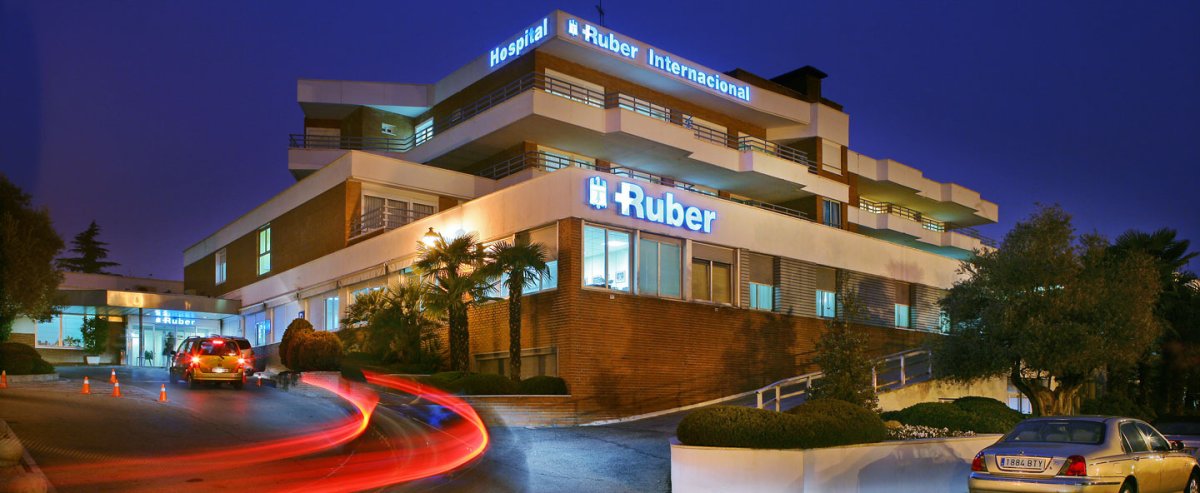


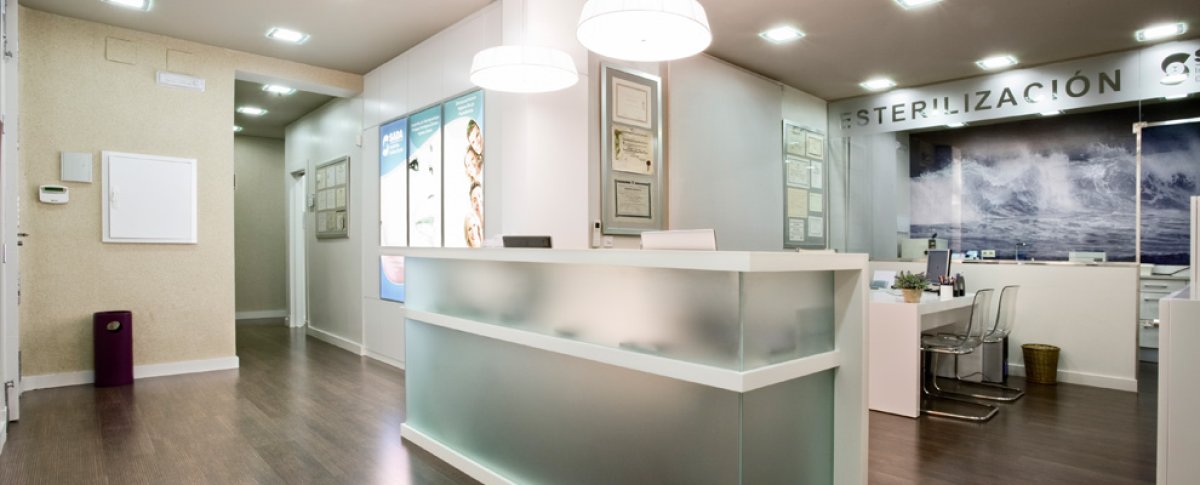

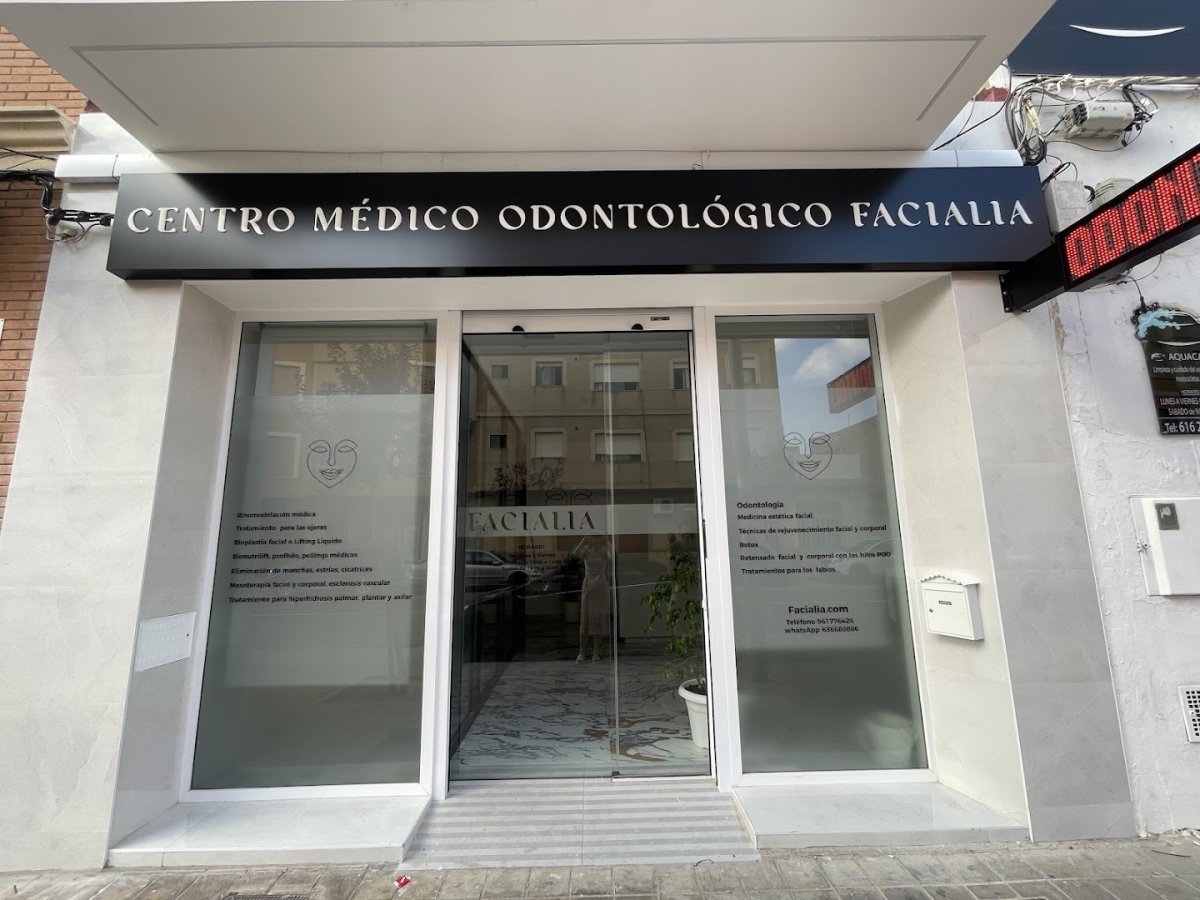

نظرة عامة على زراعة الأسنان بمساعدة الحاسوب في إسبانيا
- زراعة الأسنان الموجهة بالكمبيوتر All-on-4 - من $14,000
يستبدل هذا العلاج الأسنان المفقودة باستخدام أربع عمليات زرع وبرامج متقدمة ، مما يضمن نتائج دقيقة ومتينة وجمالية.
- زراعة الأسنان الموجهة بالكمبيوتر All-on-6 - من $15,000
يتضمن هذا العلاج التخطيط الرقمي لوضع ستة غرسات ، والمساعدة في الدقة ، وتقليل وقت الشفاء ، وتحسين وظيفة الأسنان.
- زراعة الأسنان بمساعدة الحاسوب - من $1,200
يستخدم هذا العلاج الدقة الموجهة بالكمبيوتر في وضع غرسات الأسنان وتعزيز الدقة والأمان والنتائج.
اليوم 1
- الوصول إلى المطار.
- الانتقال إلى الفندق.
- الراحة والتأقلم.
اليوم الثاني
- استشارة جراح أسنان.
- تفصيل إجراءات زراعة الأسنان بمساعدة الحاسوب.
- إجراء الفحوصات الطبية اللازمة.
يوم 3
- التحضير للجراحة ، بما في ذلك تعليمات نظافة الفم.
- إجراءات إضافية إذا لزم الأمر بناءً على نتائج الاختبار.
اليوم الرابع
- جراحة زراعة الأسنان بمساعدة الحاسوب (حوالي 2-3 ساعات).
- يستخدم التخدير الموضعي.
- مراقبة ما بعد الجراحة في العيادة.
يوم 5
- تعليمات الفحص والرعاية بعد الجراحة.
- الراحة والانتعاش في الفندق.
الأسبوع 1-2
- زيارة متابعة للعيادة لإزالة الغرز.
- الاستئناف البطيء للنظام الغذائي والأنشطة المنتظمة.
الأسبوع 3-4
- العودة إلى العمل.
- العودة التدريجية لممارسة الرياضة والأنشطة الأخرى.
الأسبوع 5-6
- النتائج النهائية مرئية وزرع يعمل بكامل طاقته.
ملاحظة: كل حالة مختلفة وقد يختلف الجدول الزمني حسب معدل الاسترداد الفردي ومدى تعقيد الإجراء.
- إيداع Bookimed: 200 دولار أو 200 يورو.
- وديعة العيادة: ادفع نسبة محددة مقدمًا.
قصص فيديو من مرضى Bookimed
المراجعات
جميع المراجعاتمشاركة المحتوى
 Anna Leonova
أسئلة متكررة حول زراعة الأسنان بمساعدة الحاسوب في إسبانيا
ما هي زراعة الأسنان بمساعدة الكمبيوتر؟
تستخدم زراعة الأسنان بمساعدة الكمبيوتر التصوير ثلاثي الأبعاد والبرمجيات الرقمية لتخطيط ووضع بدائل الأسنان بدقة عالية. تستخدم هذه التقنية مسوحات التصوير المقطعي المحوسب بالحزمة المخروطية (CBCT) وأدلة جراحية مطبوعة ثلاثية الأبعاد للقضاء على التخمين اليدوي، مما يضمن زاوية غرس مثالية وسلامة الوضع.
- تكنولوجيا التخطيط: توفر مسوحات CBCT بيانات ثلاثية الأبعاد لتقييم كثافة العظام ومواقع الأعصاب.
- سير العمل الرقمي: تقوم برمجيات CAD/CAM بتصميم وطحن تيجان مخصصة للترميم في نفس اليوم حيثما أمكن ذلك.
- الأدلة الجراحية: توجه القوالب المخصصة المطبوعة ثلاثية الأبعاد المثقاب إلى العمق المخطط له مسبقًا بدقة.
- السلامة السريرية: يساعد التخطيط الرقمي الدقيق الجراحين على تجنب الهياكل الحيوية مثل الجيوب الأنفية أو الأعصاب.
رؤية خبير Bookimed: بينما تقدم العديد من العيادات التصوير الرقمي، تتطلب الجراحة الحقيقية بمساعدة الكمبيوتر كلاً من مسوحات CBCT وطحن CAD/CAM. تستفيد المستشفيات في مدريد مثل Ruber Internacional من التصوير بالرنين المغناطيسي عالي الجودة بقوة 3 تسلا ومعايير اعتماد JCI للحالات المعقدة. يضمن الجمع بين هذه التقنيات اندماج الغرسة بشكل مثالي مع تصميم الطرف الاصطناعي الرقمي منذ اليوم الأول.
إجماع المرضى: يقدر المرضى كيف تمنع المسوحات ثلاثية الأبعاد سوء الزاوية والميل. يسلط الكثيرون الضوء على أن سير العمل الرقمي يؤدي إلى إجراءات أقل توغلاً ونتائج أسنان أكثر قابلية للتنبؤ.
ما هي مزايا اختيار زراعة الأسنان الموجهة؟
تستخدم زراعة الأسنان الموجهة تخطيط التصوير المقطعي المحوسب ثلاثي الأبعاد (CBCT) وقوالب جراحية دقيقة لضمان الوضع الدقيق داخل عظم الفك. يلغي هذا النهج الرقمي الخطأ البشري، ويحمي الأعصاب الحيوية، ويسمح بتقنيات طفيفة التوغل بدون شقوق، مما يقلل بشكل كبير من التورم وعدم الراحة بعد العملية مقارنة بالجراحة التقليدية.
- دقة جراحية معززة: يحدد التصوير ثلاثي الأبعاد كثافة العظام المثالية لوضع الزرعة بشكل آمن.
- نهج طفيف التوغل: تلغي التقنيات بدون شقوق الحاجة إلى جروح كبيرة أو غرز.
- تقليل وقت الإجراء: تستغرق الجراحة الموجهة بالحاسوب عادةً حوالي 30 دقيقة لإكمالها.
- فترة تعافي سريعة: يعود معظم المرضى إلى أنشطتهم الطبيعية في غضون 7 إلى 10 أيام.
رؤية خبير Bookimed: تدمج المرافق الرائدة في إسبانيا مثل مستشفى روبر الدولي (Hospital Ruber Internacional) تخطيط CBCT ثلاثي الأبعاد في سير العمل في العيادات الخارجية. يتيح هذا الإعداد الرقمي التحميل الفوري للأسنان المؤقتة في نفس اليوم. غالبًا ما يضمن اختيار هذه العيادات عالية التقنية مستويات أمان أعلى لإعادة تأهيل الفك الكامل المعقدة مثل All-on-4 أو All-on-6.
إجماع المرضى: يبلغ المرضى عن ألم أقل بكثير مما كان متوقعًا ويقدرون عدم وجود غرز. يؤكد الكثيرون أن التأكد من استخدام مسح ثلاثي الأبعاد مسبقًا يوفر راحة البال التي تشتد الحاجة إليها أثناء السفر.
ما هو معدل نجاح زراعة الأسنان الموجهة؟
تحافظ زراعة الأسنان بمساعدة الكمبيوتر في إسبانيا على معدل نجاح مرتفع يتراوح بين 90% و95%. يوفر هذا النهج الرقمي معدلات فشل أقل بثلاث مرات تقريبًا مقارنة بالتقنيات التقليدية. تتحسن الدقة من خلال التخطيط ثلاثي الأبعاد قبل الجراحة، مما يضمن الوضع الأمثل وبقاء الأجهزة لفترة أطول.
- القدرة على التنبؤ: تسمح التصوير ثلاثي الأبعاد للجراحين بتحديد كثافة العظام قبل إجراء أي شقوق.
- أقل تدخل جراحي: تدعم الجراحة الموجهة تقنيات بدون شق جراحي، مما يقلل بشكل كبير من التورم وعدم الراحة بعد العملية.
- معدل البقاء: تظهر البيانات طويلة المدى نجاحًا يزيد عن 90% بعد 10 سنوات مع الصيانة المناسبة.
- وقت التعافي: التوضع الدقيق يسرع الشفاء، مما يسمح للمرضى باستئناف أنشطتهم الطبيعية بشكل أسرع.
رؤية خبير Bookimed: توضح عيادات مثل مستشفى روبر الدولي (Hospital Ruber Internacional) في مدريد أن النجاح يعتمد على الجمع بين التكنولوجيا والخبرة العالية. في حين أن التوجيه بالكمبيوتر يقلل من الخطأ البشري، فإن النتائج الأكثر موثوقية تأتي من العيادات التي تجري آلاف العمليات الرقمية. غالبًا ما تستخدم المرافق الإسبانية بروتوكولات حفر متخصصة، والتي تمنع ارتفاع درجة حرارة العظام وتحافظ على استقرار الزرعة.
إجماع المرضى: يقدر المرضى كيف يجعل التوجيه بالكمبيوتر الإجراء يبدو أسرع وأقل عدوانية. يشير الكثيرون إلى أن المحاكاة الرقمية توفر راحة البال فيما يتعلق بالنتيجة الجمالية النهائية.
لماذا يختار الناس إسبانيا لزراعة الأسنان؟
يختار المرضى إسبانيا لزراعة الأسنان للوصول إلى معايير الرعاية الصحية الأوروبية النخبوية مع توفير كبير في التكاليف. القرب من المراكز الأوروبية الرئيسية، والمرافق الحديثة المعتمدة من JCI، والتكنولوجيا المتقدمة مثل الجراحة الموجهة بالكمبيوتر تجعلها وجهة متميزة. تتراوح التكاليف غالبًا من $1,200 إلى $2,400 لكل غرسة.
- تكنولوجيا رقمية متقدمة: تستخدم العيادات الجراحة الموجهة بالكمبيوتر وتصميم الابتسامة الرقمي للوضع الدقيق.
- معايير سلامة صارمة: تتبع المرافق لوائح الاتحاد الأوروبي الصارمة والمعايير العالمية للجنة الدولية المشتركة (JCI).
- بنية تحتية طبية للنخبة: تُصنف مراكز مثل مستشفى روبر الدولي (Hospital Ruber Internacional) ضمن أفضل المرافق الأوروبية.
رؤية خبير Bookimed: تقدم إسبانيا توازناً فريداً بين الجودة العالية والقيمة. في حين أن الأسعار أقل مما هي عليه في الولايات المتحدة، تستثمر العيادات بكثافة في التكنولوجيا المتطورة. تستخدم العديد من المرافق التصوير بالرنين المغناطيسي 3-تسلا والأنظمة الروبوتية. هذا يجعل إسبانيا مثالية للحالات المعقدة التي تتطلب دقة بمساعدة الكمبيوتر بدلاً من مجرد عمليات الزرع الأساسية.
إجماع المرضى: يقدر المرضى المعايير الطبية العالية وغالباً ما يجمعون بين العلاج والعطلة. يوصي الكثيرون بالتأكد من أن العيادات تستخدم تصميم الابتسامة
كيف تعمل الإجراء؟
تستخدم زراعة الأسنان بمساعدة الكمبيوتر في إسبانيا التصوير ثلاثي الأبعاد والتخطيط الرقمي لوضع دعامات التيتانيوم بدقة متناهية. يستخدم الجراحون الأشعة المقطعية المخروطية (CBCT) وبرامج متخصصة لرسم خرائط كثافة العظام ومواقع الأعصاب، مما يخلق دليلاً مادياً مخصصاً لتوجيه مثقاب الجراحة.
- الخرائط الرقمية: تلتقط مسوحات CBCT ثلاثية الأبعاد عالية الدقة تفاصيل دقيقة لهيكل الفك وحجم العظام.
- التخطيط الافتراضي: يحدد البرنامج الزاوية والعمق والموضع الدقيق للزرعة قبل الجراحة.
- الأدلة الجراحية: تقوم قوالب ثلاثية الأبعاد مصنعة خصيصاً بتثبيت المثقاب مادياً في المسار المخطط له مسبقاً.
- ترميم CAD/CAM: تقنية الطحن الرقمي مثل CEREC تنشئ تيجان الأسنان غالباً خلال زيارة واحدة.
رؤية خبير Bookimed: بينما تقدم العديد من العيادات جراحة موجهة بالكمبيوتر، فإن الميزة الحقيقية هي توفر طحن CAD/CAM. يمكن للعيادات في مدريد وبرشلونة التي تستخدم تقنية CEREC غالباً توفير ترميم التاج النهائي بشكل أسرع بكثير من المختبرات التقليدية. هذا يقلل من الوقت الإجمالي اللازم لإقامة المرضى الدوليين في إسبانيا.
إجماع المرضى: يقدر المرضى رؤية خطتهم الجراحية ثلاثية الأبعاد على الشاشة قبل بدء الإجراء. يوصي الكثيرون بطلب آراء متعددة لمقارنة كيفية تعامل العيادات المختلفة مع تطعيم العظام إذا كان حجم عظامك منخفضاً.
هل جراحة زراعة الأسنان بمساعدة الكمبيوتر مناسبة لجميع المرضى؟
تعد جراحة زراعة الأسنان بمساعدة الكمبيوتر آمنة لمعظم الناس ولكنها ليست عالمية. في حين أنها توفر دقة فائقة للحالات المعقدة مثل ترميم القوس الكامل، تظل العوامل البيولوجية هي القيد الأساسي. يستخدم الجراحون فحوصات الأشعة المقطعية مخروطية الحزمة (CBCT) للتحقق مما إذا كان حجم العظام يمكنه دعم الخطة الرقمية قبل المتابعة.
- متطلبات كثافة العظام: يلزم وجود حجم عظمي كافٍ لتثبيت الغرسات، بغض النظر عن التوجيه الرقمي.
- أدوات رقمية محددة: تستخدم العيادات فحوصات CBCT وأنظمة CAD/CAM لرسم خريطة لتشريح الأسنان الفردي.
- المرشحون المثاليون: يتفوق هذا النهج في حالات الغرسات المتعددة أو المرضى الذين يحتاجون إلى تحميل فوري.
- القيود السريرية: قد تتطلب حالات نقص الأنسجة الشديدة تطعيماً تقليدياً قبل استخدام الأساليب المساعدة بالكمبيوتر.
رؤية خبير Bookimed: التكنولوجيا لا يمكنها تجاوز البيولوجيا. تؤكد بعض العيادات في مدريد، مثل مستشفى روبر الدولي (Hospital Ruber Internacional)، على التشخيص قبل الجراحة وفقاً لمعايير اللجنة الدولية المشتركة (JCI) أكثر من الأدوات نفسها. تشير البيانات إلى أنه على الرغم من أن التخطيط الموجه بالكمبيوتر يضمن دقة 0.5 مم، إلا أن النجاح لا يزال يعتمد على تقييم الجراح الأولي للعظام. أعط الأولوية دائماً للعيادات التي تتضمن فحص CBCT ثلاثي الأبعاد في تقييمها الأولي لتأكيد صحة عظامك أولاً.
إجماع المرضى: يجد العديد من المرضى أن التخطيط الرقمي يوفر راحة البال أثناء الإجراءات المعقدة. ومع ذلك، يتفق معظمهم على أن مهارة الجراح أهم
ما هي فترة التعافي بعد جراحة زراعة الأسنان بمساعدة الكمبيوتر؟
يتطلب التعافي من زراعة الأسنان بمساعدة الكمبيوتر في إسبانيا عادةً من 2 إلى 5 أيام لالتئام الأنسجة الرخوة الأولي. أما الاندماج العظمي الكامل، حيث يلتحم عظم الفك مع الغرسة، فيستغرق من 3 إلى 6 أشهر. تقلل هذه التقنية الموجهة من الصدمات، مما يضمن تعافيًا أكثر قابلية للتنبؤ وغالبًا ما يكون أسرع.
- الالتئام الأولي: يعود معظم المرضى إلى الأنشطة الخفيفة في غضون 24 إلى 48 ساعة بعد الجراحة.
- إجازة العمل: خطط لأخذ إجازة من 2 إلى 5 أيام، خاصة إذا تلقيت تخديرًا وريديًا.
- ذروة الأعراض: عادة ما يتضاءل الألم الخفيف والتورم بشكل ملحوظ بعد أول 72 ساعة.
- اندماج العظام: يتطلب الاستقرار الدائم من خلال الاندماج العظمي من 3 إلى 6 أشهر للترميم النهائي.
رؤية خبير Bookimed: غالبًا ما تستخدم الجراحة الموجهة في إسبانيا تخطيط CAD/CAM للقضاء على الشقوق الكبيرة. في مرافق مثل مستشفى روبير الدولي (Hospital Ruber Internacional)، يقلل هذا النهج الدقيق بشكل كبير من خطر التورم بعد الجراحة مقارنة بالطرق التقليدية. عادة ما ينتقل المرضى إلى الأنظمة الغذائية العادية بشكل أسرع بكثير عند وضع الغرسات عبر الملاحة ثلاثية الأبعاد.
إجماع المرضى: أفاد العديد من المرضى بأنهم يشعرون بالاستعداد للعمل المكتبي في غضون يومين من الإجراء. وغالبًا ما يؤكدون أن تجنب التدخين والمضغ القوي في البداية أمر حيوي لتعافي سلس.