تقويم الأسنان في سن المراهقة في إسبانيا: 2 عيادتين


تمت مراجعة المقالة طبيا من قبل
فهد مولود
ما هي تكلفة تقويم الأسنان في سن المراهقة في إسبانيا؟ اكتشف الآن
تتراوح تكلفة تقويم الأسنان للمراهقين في إسبانيا عادةً من $3,000 إلى $6,000. تختلف الأسعار حسب نوع التقويم (معدني، خزفي، أو التقويم الشفاف مثل Invisalign Teen)، وخبرة أخصائي تقويم الأسنان، وتعقيد الحالة.
عادةً ما تشمل العيادات الإسبانية الاستشارة الأولية، والأشعة السينية التشخيصية، والانطباعات أو المسح الرقمي، وتركيب الجهاز، والمتابعات الشهرية، والمثبتات النهائية ضمن السعر. في ألمانيا، يتم احتساب العديد من هذه الخدمات – خاصة المثبتات وزيارات الطوارئ – بشكل منفصل. يجب دائمًا التأكد من تفاصيل ما يتضمنه العرض في كل عيادة.
| إسبانيا | تركيا | تايلاند | |
|---|---|---|---|
| تقويم الأسنان في سن المراهقة | ≈ $3,000 | ≈ $1,300 | من $900 |
مزاياك وضماناتك مع Bookimed
أسعار مباشرة
Bookimed لا يضيف رسوماً إضافية على أسعار تقويم الأسنان في سن المراهقة. الأسعار مأخوذة من قوائم الأسعار الرسمية للعيادات. تدفع مباشرة في العيادة مقابل تقويم الأسنان في سن المراهقة عند وصولك.
عيادات وأطباء معتمدون فقط
Bookimed ملتزم بسلامتك. نحن نعمل فقط مع المؤسسات الطبية التي تحافظ على معايير دولية عالية في تقويم الأسنان في سن المراهقة ولديها التراخيص اللازمة لخدمة المرضى الدوليين في جميع أنحاء العالم.
مساعدة مجانية على مدار الساعة
Bookimed يقدم مساعدة خبراء مجانية. منسق طبي شخصي يدعمك قبل وأثناء وبعد العلاج، ويحل أي مشاكل. لن تكون وحيداً أبداً في رحلة تقويم الأسنان في سن المراهقة.

منسقك الطبي الشخصي في Bookimed
- يدعمك في كل مرحلة
- المساعدة في اختيار العيادة الطبية المناسبة والطبيب المناسب
- يضمن الوصول السريع والمريح إلى المعلومات
اكتشف أفضل تقويم الأسنان في سن المراهقة العيادات في إسبانيا: 2 خيارات معتمدة والأسعار


Clínicas Udemax
نظرة عامة على تقويم الأسنان في سن المراهقة في إسبانيا
- تقويم الأسنان في سن المراهقة - من $3,000
يقوم هذا الإجراء بتقويم أسنان الشباب ، ويتضمن ربط الأقواس والأسلاك المعدنية ، ويعزز صحة الفم.
اليوم الأول - الوصول
- الوصول إلى عيادة الأسنان.
- التسجيل في مكتب الاستقبال واستكمال الأوراق اللازمة.
اليوم 2 - ما قبل العملية
- التشاور مع أخصائي تقويم الأسنان.
- إجراء فحص الفم والأشعة السينية.
- ناقش خطة العلاج وخيارات الدعامة.
- خذ انطباعات إذا لزم الأمر.
اليوم 3 - تركيب الدعامة
- تطبيق تقويم الأسنان من قبل أخصائي تقويم الأسنان.
- مدة الإجراء عادة من ساعة إلى ساعتين.
- لا حاجة للتخدير ، قد يشعر المريض بعدم الراحة.
الأسبوع 1-4 - بعد العملية
- فحوصات منتظمة كل 3-4 أسابيع.
- يتم إجراء التعديلات على تقويم الأسنان حسب الحاجة.
- التزم بروتين نظافة الفم.
الأسبوع الرابع وما بعده - إعادة التأهيل
- العودة التدريجية لعادات الأكل الطبيعية.
- تواصل مع زيارات تقويم الأسنان المنتظمة.
- توقع نتائج كاملة بعد 1-3 سنوات ، تختلف من شخص لآخر.
يرجى ملاحظة أن كل حالة فردية وأن الجدول الزمني الدقيق والنتائج قد تختلف.
- إيداع Bookimed: 200 دولار أو 200 يورو.
- وديعة العيادة: ادفع نسبة محددة مقدمًا.
قصص فيديو من مرضى Bookimed
المراجعات
جميع المراجعاتمشاركة المحتوى
 Anna Leonova
أسئلة متكررة حول تقويم الأسنان في سن المراهقة في إسبانيا
ما هو أفضل عمر للمراهق لتركيب تقويم الأسنان في إسبانيا؟
أفضل عمر للمراهقين لتركيب تقويم الأسنان في إسبانيا هو ما بين 12 و 15 عاماً. تتوافق هذه الفترة مع بزوغ الأسنان الدائمة. يستفيد أطباء تقويم الأسنان الإسبان من طفرة النمو الأخيرة في مرحلة البلوغ خلال هذه الفترة. وهذا يجعل إعادة تموضع الفك وتصحيح العضة فعالاً للغاية ويمكن التنبؤ بنتائجه.
- الفترة المثالية: يبدأ معظم المراهقين العلاج بمجرد ظهور جميع الأسنان الدائمة، وعادةً في سن 12 عاماً.
- مرونة الفك: يسمح النمو النشط قبل سن 16 عاماً بحركة أسرع وأكثر فعالية للأسنان.
- التقييم المبكر: يقترح المتخصصون إجراء تقييم أولي في سن 7 سنوات لمتابعة نمو الفك.
- نهج المرحلتين: يحتاج البعض إلى علاج وقائي (المرحلة 1) بين سن 6 و 10 سنوات.
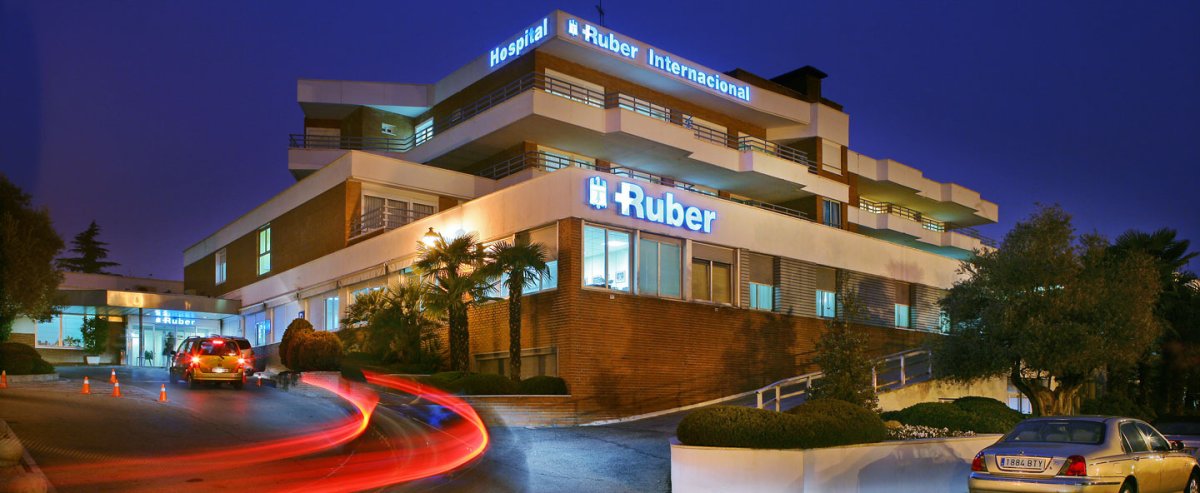
رؤية خبراء Bookimed: بينما يبدأ تقويم الأسنان (المرحلة 2) عادةً في سن 12 عاماً، يجب أن يتم توسيع الحنك في وقت مبكر. يكون هذا الإجراء أكثر نجاحاً قبل سن 14 عاماً للفتيات و16 عاماً للأولاد. تشهد مراكز مثل مستشفى روبير الدولي (Hospital Ruber Internacional) في مدريد نجاحاً كبيراً من خلال توقيت هذه المعالم التنموية.
إجماع المرضى: توقع أن تشجع العيادات الإسبانية استقلالية المراهقين أثناء المواعيد. يلاحظ العديد من المرضى أن الأطفال في سن 8 سنوات فما فوق غالباً ما يحضرون جلسات تعديل التقويم بمفردهم.
هل يتم تغطية تقويم الأسنان من قبل نظام الصحة العامة الإسباني (Seguridad Social)؟
لا يغطي نظام الصحة العامة الإسباني (Seguridad Social) تقويم الأسنان للمراهقين أو البالغين. يستبعد التغطية الوطنية تقويم الأسنان باعتباره رعاية تجميلية. حوالي 95% من أعمال طب الأسنان في إسبانيا خاصة. ينطبق التمويل العام فقط على التشوهات الخلقية الشديدة، أو الشفة المشقوقة، أو تشوهات الهيكل العظمي الكبرى التي تتطلب جراحة.
- استثناءات التغطية: يتم استبعاد تقويم الأسنان القياسي بشكل صارم من خطط الرعاية الصحية العامة الإسبانية.
- الخدمات المشمولة: توفر المراكز العامة فقط فحوصات الطوارئ، والخلع، والتنظيف الأساسي للأطفال.
- الأسعار الخاصة: عادة ما تتراوح تكلفة تقويم الأسنان للمراهقين في إسبانيا بين $3,000 و $6,000.
- البدائل المالية: غالبًا ما تستخدم العائلات التأمين الخاص أو خطط التقسيط على مدى 12-24 شهرًا.
رؤية خبير Bookimed: على الرغم من أن تقويم الأسنان خاص، يمكنك التوفير في أعمال التحضير. استخدم النظام العام لعمليات الخلع الضرورية المتعلقة بازدحام الأسنان. هذا يقلل من الفاتورة الإجمالية الخاصة. اختر دائمًا المراكز المعتمدة من JCI مثل مستشفى روبير الدولي (Hospital Ruber Internacional) للحالات المعقدة المتعلقة بالفك. يضمن حجم مرضاهم الكبير الخبرة في عمليات تقويم الأسنان الصعبة.
إجماع المرضى: يجد المرضى أنه على الرغم من عدم وجود خيارات عامة لتقويم الأسنان، فإن العيادات الخاصة تقدم مدفوعات شهرية يمكن إدارتها. يذكر الكثيرون أن حتى عمليات الخلع بسبب الازدحام يتم تغطيتها أحيانًا من قبل الأطباء العامين الم
كم من الوقت يحتاج المراهقون لارتداء تقويم الأسنان؟
يرتدي معظم المراهقين تقويم الأسنان لمدة تتراوح بين 18 إلى 24 شهراً. وعادة ما يتراوح إجمالي وقت العلاج من سنة إلى 3 سنوات. تعتمد هذه الجداول الزمنية على مدى خطورة عدم انتظام الأسنان. غالباً ما تسمح فكوك المراهقين النامية بتحريك الأسنان بشكل أسرع مقارنة بالبالغين.
- شدة عدم الانتظام: يتطلب الازدحام البسيط 12–18 شهراً. قد تتطلب مشاكل الإطباق الشديدة 24–30 شهراً.
- إعادة التشكيل البيولوجي: يحتاج عظم الفك المحيط بجذور الأسنان إلى وقت لإعادة التشكيل بأمان أثناء الحركة.
- التزام المريض: كسر الأقواس أو تفويت المواعيد يضيف أشهراً إلى الإطار الزمني الأولي.
- اختيار الجهاز: تعمل الأقواس الثابتة على مدار الساعة طوال أيام الأسبوع. وهي تمنع التأخير الناتج عن نسيان أجهزة التقويم القابلة للإزالة.
رؤية خبير Bookimed: تُعد إسبانيا وجهة أوروبية رائدة تضم 84 عيادة متخصصة. تمتلك المستشفيات عالية المستوى مثل مستشفى روبير الدولي (Hospital Ruber Internacional) اعتماد JCI. وغالباً ما تستخدم تقنية المسح الضوئي ثلاثي الأبعاد المتقدمة. يمكن لهذه الدقة أن تقلل من الحاجة إلى التعديلات اليدوية وتقصر وقت الارتداء الإجمالي. يضمن اختيار منشأة حاصلة على شهادة ISO 9001 سير عمل سريري موحد وفعال.
إجماع المرضى: يفضل العديد من الآباء الأقواس الثابتة للمراهقين لضمان استمرارية العلاج. كما يلاحظون أن المراهقين في إسبانيا غالباً ما يديرون زيارات المتابعة الخاصة بهم بشكل مستقل.
هل تقويم الأسنان مؤلم؟
لا يسبب تقويم الأسنان الألم أثناء التركيب، لكن عادة ما يشعر المرضى بألم خفيف وضغط بعد 4 إلى 6 ساعات. يصل هذا الانزعاج إلى ذروته خلال يومين إلى 3 أيام مع بدء تحرك الأسنان. يتكيف معظم المراهقين تمامًا في غضون أسبوع من التركيب أو التعديلات.
- مدة الألم: يستمر الألم عادةً حوالي أسبوع واحد بعد التركيب أو شد السلك الروتيني.
- ذروة الانزعاج: يكون ألم الفك وحساسية العض في أشد حالاته في اليومين الثاني والثالث.
- ميزة التقنية: غالبًا ما تتطلب التقويمات ذاتية الربط المستخدمة في إسبانيا تعديلات أقل وتقلل من الانزعاج العام.
- تخفيف الألم في المنزل: يساعد الباراسيتامول المتاح دون وصفة طبية، وشمع تقويم الأسنان، والأطعمة الباردة في إدارة التهاب الأربطة الموضعي بفعالية.
رؤية خبير Bookimed: على الرغم من شيوع التقويم التقليدي، فإن اختيار الأنظمة ذاتية الربط المتاحة في أفضل المراكز الإسبانية مثل مستشفى روبر الدولي (Hospital Ruber Internacional) يمكن أن يحسن التجربة. تستخدم هذه الأنظمة مشابك متخصصة بدلاً من الأربطة المطاطية. يقلل هذا التصميم من الاحتكاك بالأسنان وغالبًا ما يؤدي إلى عدد أقل من زيارات العيادة. إنه خيار ذكي للمرضى الدوليين الذين يسعون إلى تقليل السفر والحساسية الجسدية.
إجماع المرضى: يجد العديد من المراهقين الأسبوع الأول صعبًا ولكنه محتمل مع الأطعمة اللينة مثل الزبادي. وغالبًا ما يلاحظون أن الفوائد طويلة المدى لصحة العضة ونظافة الفم تفوق بكثير الضغط المؤقت الذي يشعرون به أثناء التعديلات.
كم مرة يتم إجراء الفحوصات؟
يحتاج المراهقون الذين يضعون تقويم الأسنان في إسبانيا عادةً إلى فحوصات تعديل تقويم الأسنان كل 4 إلى 6 أسابيع. تسمح هذه الزيارات للمتخصصين بشد الأسلاك ومراقبة استقامة الأسنان. تنظيف الأسنان التكميلي ضروري كل 3 إلى 6 أشهر لمنع تراكم الجير حول الأقواس.
- تكرار التعديل: حدد مواعيد زيارات تقويم الأسنان كل 4 إلى 6 أسابيع لشد الأسلاك.
- تنظيف الأسنان: التنظيف المهني مطلوب كل 3 إلى 6 أشهر لصحة اللثة.
- الفحوصات الروتينية: تتم فحوصات صحة الأسنان العامة في إسبانيا مرة أو مرتين في السنة.
- زيارات الطوارئ: اتصل بأخصائي تقويم الأسنان على الفور إذا لاحظت وجود أقواس مفكوكة أو أسلاك وخزة.
رؤية خبير Bookimed: بينما تعد الرعاية الخاصة هي المعيار، تقدم إسبانيا برامج أسنان إقليمية محددة للمراهقين. تدمج عيادات مثل مستشفى روبر الدولي (Hospital Ruber Internacional) في مدريد خدمات الأطفال والبالغين. وهذا يضمن انتقال المراهقين بسلاسة من فحوصات الطفولة إلى رعاية تقويم الأسنان المتقدمة داخل نفس المنشأة عالية المستوى.
إجماع المرضى: يؤكد المرضى أن الالتزام بنافذة الـ 4 أسابيع يمنع تأخير العلاج. كما يقترحون التحقق من تغطية التأمين العام لخفض تكاليف زيارات النظافة الروتينية.
هل يمكن للمراهق ممارسة الرياضة أو العزف على الآلات الموسيقية أثناء وضع تقويم الأسنان؟
يمكن للمراهقين ممارسة الرياضة والعزف على الآلات الموسيقية أثناء وضع تقويم الأسنان. استخدم واقيات الفم التقويمية المتخصصة للرياضات التي تتطلب احتكاكاً بدنياً لمنع الإصابات. يستخدم عازفو الآلات النحاسية والخشبية الشمع التقويمي خلال فترات التكيف الأولية. تضمن هذه الاحتياطات السلامة مع الحفاظ على التقدم نحو ابتسامة صحية.
- الحماية الرياضية: ارتدِ واقيات الفم المخصصة للتقويم عند ممارسة رياضات مثل كرة القدم أو كرة السلة.
- التعديلات الموسيقية: استخدم شرائط السيليكون أو الشمع لحماية الشفاه من ضغط الأقواس.
- الملاءمة المخصصة: قم بتحديث قوالب واقي الفم بعد مواعيد شد التقويم لضمان محاذاة الأسنان بشكل صحيح.
- الوقاية من الإصابات: تحمي واقيات الفم مزدوجة القوس الشفتين العلوية والسفلية من الجروح المعدنية.
رؤية خبير Bookimed: تحتل إسبانيا المرتبة الثالثة عالمياً في الطلبات الطبية ضمن شبكتنا. تتمتع المراكز الرائدة مثل مستشفى روبر الدولي (Hospital Ruber Internacional) في مدريد باعتماد اللجنة الدولية المشتركة (JCI). وهذا يضمن معايير سلامة عالية للمراهقين النشطين. نلاحظ أن التقويم المعدني غالباً ما يتفوق على التقويم الشفاف للطلاب المشغولين. فهو يظل ثابتاً أثناء التدريب، مما يضمن حركة مستمرة للأسنان دون مشاكل تتعلق بالالتزام.
إجماع المرضى: غالباً ما يجد المراهقون أن الشمع التقويمي ضروري خلال الأسبوعين الأولين من تدريبات الفرقة الموسيقية. ويؤكد الآباء أن واقيات الفم المصممة خصيصاً توفر راحة فائقة مقارنة بالخيارات القياسية التي يتم تشكيلها ب