تصلب الجلد العلاج في إسبانيا - التكاليف 2026


تمت مراجعة المقالة طبيا من قبل
فهد مولود
ما هي تكلفة تصلب الجلد إجراءات التشخيص والعلاج في إسبانيا؟ اعرف الآن
مزاياك وضماناتك مع Bookimed
أسعار مباشرة
Bookimed لا يضيف رسوماً إضافية على أسعار علاج تصلب الجلد. الأسعار مأخوذة من قوائم الأسعار الرسمية للعيادات. تدفع مباشرة في العيادة مقابل علاجك عند وصولك إلى البلد.
عيادات وأطباء معتمدون فقط
Bookimed ملتزم بسلامتك. نحن نعمل فقط مع المؤسسات الطبية التي تحافظ على معايير دولية عالية في علاج تصلب الجلد ولديها التراخيص اللازمة لخدمة المرضى الدوليين في جميع أنحاء العالم.
مساعدة مجانية على مدار الساعة
Bookimed يقدم مساعدة خبراء مجانية. منسق طبي شخصي يدعمك قبل وأثناء وبعد العلاج، ويحل أي مشاكل. لن تكون وحيداً أبداً في رحلة علاج تصلب الجلد.

منسقك الطبي الشخصي في Bookimed
- يدعمك في كل مرحلة
- المساعدة في اختيار العيادة الطبية المناسبة والطبيب المناسب
- يضمن الوصول السريع والمريح إلى المعلومات
اكتشف أفضل تصلب الجلد العيادات في إسبانيا: 1 خيار معتمدة والأسعار


مشاركة المحتوى
قصص فيديو من مرضى Bookimed
 Anna Leonova
أسئلة متكررة حول علاج تصلب الجلد في إسبانيا
ما هي المستشفيات الإسبانية المعتمدة وطنياً كمراكز تميز لعلاج تصلب الجلد؟
تحدد إسبانيا مراكز التميز الوطنية من خلال شهادة CSUR (Centros, Servicios y Unidades de Referencia). بالنسبة لتصلب الجلد، فإن مستشفيات مثل Clinic Barcelona و Hospital Gregorio Marañón معتمدة رسمياً. توفر هذه المراكز رعاية متخصصة متعددة التخصصات لأمراض المناعة الذاتية الجهازية.
- Hospital Clinic Barcelona: معروف بقسمه الرائد في أمراض المناعة الذاتية.
- Hospital Gregorio Marañón: يضم وحدة طبية مخصصة لتصلب الجلد الجهازي المعقد.
- Hospital Vall d'Hebron: يدير الحالات المتقدمة من خلال فرق طبية متخصصة في أمراض المناعة الذاتية الجهازية.
- Hospital La Paz: يوفر رعاية سريرية متكاملة لتصلب الجلد لدى البالغين والأطفال.
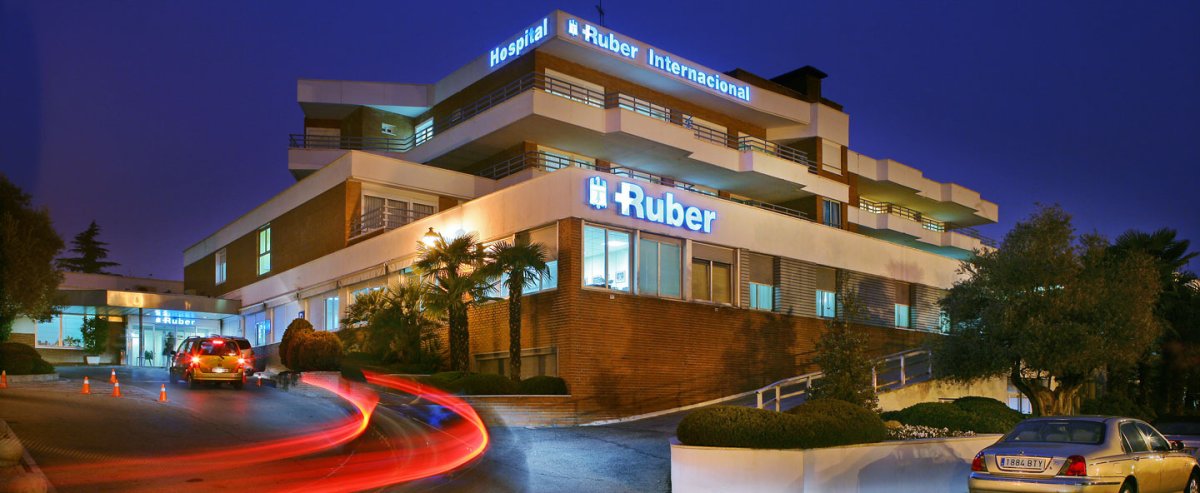
رؤية خبير Bookimed: تصنف إسبانيا ضمن أفضل 5 وجهات عالمية للطلبات الطبية المتخصصة. بينما تحدد مراكز CSUR العامة المعايير الوطنية، توفر المؤسسات الخاصة مثل Hospital Ruber Internacional بنية تحتية معتمدة من JCI. تضم هذه العيادة 42 قسماً و800 طبيب لدعم تشخيص أمراض المناعة الذاتية متعددة الأعضاء. غالباً ما تضمن هذه النسبة العالية من الأطباء إلى الأسرة وصولاً أسرع إلى تحاليل الدم المكثفة اللازمة لتحديد مرحلة المرض.
إجماع المرضى: يشير المرضى إلى أنه من الضروري العثور على مستشفيات تنسق بين طب الروماتيزم، وطب الرئة، وطب القلب. ويوصون بالسؤال تحديداً عن عدد مرضى التصلب الجهازي الذين تعالجهم العيادة سنوياً.
كيف يمكن للسياح الطبيين الوصول إلى علاج تصلب الجلد في القطاع العام من خلال نظام الصحة الوطني في إسبانيا؟
لا يمكن للسياح الطبيين شراء رعاية اختيارية لتصلب الجلد مباشرة من نظام الصحة العامة في إسبانيا. يتطلب الوصول إقامة أو أطر قانونية محددة مثل إجراء S2 للاتحاد الأوروبي. غالبًا ما يستخدم المرضى الدوليون بوابات خاصة مثل مستشفى روبر الدولي (Hospital Ruber Internacional). وهناك يصلون إلى نفس المتخصصين الذين يعملون في الشبكات العامة.
- مسار S2 للاتحاد الأوروبي: يتطلب الوصول العام لمواطني الاتحاد الأوروبي الحصول على إذن مسبق من بلد المنشأ.
- التوجيه عبر الحدود: يدفع مرضى الاتحاد الأوروبي مقدمًا ويطلبون استرداد التكاليف من بلدهم الأصلي.
- المعاهدات الثنائية: يحتاج المواطنون من خارج الاتحاد الأوروبي من دول مثل تشيلي إلى شهادات صحية محددة.
- تغطية الطوارئ: تحصل المضاعفات التي تهدد الحياة على رعاية عامة مجانية مضمونة في المستشفيات.
رؤية خبير Bookimed: خبرة القطاع العام الإسباني في علاج تصلب الجلد يمكن الوصول إليها بالفعل عبر قنوات خاصة. العديد من المتخصصين في العيادات المعتمدة من JCI مثل مستشفى روبر الدولي يقودون أيضًا أقسامًا عامة. وهذا يسمح للمرضى الدوليين بتجاوز متطلبات الإقامة الإدارية الثقيلة. أنت تحصل على نفس الخبرة متعددة التخصصات دون البيروقراطية الرسمية للنظام العام.
إجماع المرضى: يشير المرضى إلى أن الدخول الإداري هو أكبر عائق. ويؤكدون على أهمية حمل السجلات الطبية المترجمة ولوحات الأجسام المضادة لمنع تأخير التشخيص. غالبًا ما تكون المتابعات المستمرة ضرورية للتنقل بين الرعاية الأولية وفرق الروماتيزم المتخصصة.
ما هي العلاجات الطبية القائمة على الأدلة التي يتم وصفها بشكل روتيني لتصلب الجلد في المستشفيات الإسبانية؟
تصف المستشفيات الإسبانية بروتوكولات قائمة على الأدلة تتبع إرشادات التحالف الأوروبي لجمعيات الروماتيزم (EULAR). يركز العلاج على المضاعفات الخاصة بالأعضاء باستخدام موسعات الأوعية الدموية، ومثبطات المناعة، ومضادات التليف. تستخدم المراكز المتخصصة مثل مستشفى روبر الدولي (Hospital Ruber Internacional) في مدريد فرقاً متعددة التخصصات لإدارة الإصابات الوعائية والرئوية والكلوية من خلال مسارات سريرية موحدة.
- العلاج الوعائي: تعمل حاصرات قنوات الكالسيوم مثل نيفيديبين كعلاج خط أول لظاهرة رينود.
- مثبطات المناعة: يعتبر ميكوفينولات موفيتيل (MMF) الخيار الأساسي لتليف الجلد والرئة.
- العلاجات البيولوجية: يتم وصف ريتوكسيماب أو توسيليزوماب لحالات الحفاظ على الرئة والجلد المتقدمة.
- حماية الكلى: تعتبر مثبطات الإنزيم المحول للأنجيوتنسين (ACE) مثل كابتوبريل ضرورية لإدارة أزمة الكلى الناتجة عن تصلب الجلد.
رؤية خبير Bookimed: بينما يركز العديد من المرضى على أدوية محددة، تؤكد العيادات الإسبانية المعتمدة من اللجنة الدولية المشتركة (JCI) مثل مستشفى روبر الدولي على حجم التشخيص. تخدم هذه المنشأة أكثر من 25,000 مريض سنوياً عبر 42 قسماً. غالباً ما يرتبط تدفق المرضى المرتفع بوصول أسرع إلى الفحوصات المتخصصة مثل تخطيط القلب وتحاليل الدم الموسعة. هذه التشخيصات ضرورية لنهج العلاج التصاعدي المستخدم في إسبانيا.
إجماع المرضى: يؤكد المرضى أن الرعاية المتخصصة ليست مقاساً واحداً يناسب الجميع وعادة ما تشمل مراقبة صارمة لوظائف الرئة والقلب. ويشيرون إلى أن أدوية مث
هل يتوفر زرع الخلايا الجذعية المكونة للدم الذاتي (aHSCT) للأجانب وما هي المعايير التي يجب استيفاؤها؟
يتوفر زرع الخلايا الجذعية المكونة للدم الذاتي (aHSCT) للأجانب في العيادات الإسبانية الخاصة. يجب أن يعاني المرضى من تصلب الجلد النشط والشديد الذي يقاوم العلاجات القياسية. تتطلب الأهلية الطبية وظائف قلب ورئة مستقرة. يتراوح عمر المرشحين عمومًا بين 16 و 70 عامًا ولا يعانون من أي عدوى مزمنة.
- نشاط المرض: توثيق تطور المرض على الرغم من استخدام علاجات مثبطة للمناعة سابقة.
- وظائف الأعضاء: يجب أن تؤكد الفحوصات السريرية أن الكسر القذفي للقلب أعلى من 45%.
- صحة الرئة: يجب أن تظل سعة الرئة الكلية عادةً أعلى من 60% مع ضغط منخفض.
- فحص العدوى: مطلوب نتائج مصلية سلبية لفيروس نقص المناعة البشرية (HIV) والتهاب الكبد B (HBV) والتهاب الكبد C (HCV).
رؤية خبير Bookimed: تحتل إسبانيا مرتبة عالية في السياحة العلاجية مع توفر أكثر من 80 عيادة. يعالج مستشفى روبير الدولي وحده 25,000 مريض سنويًا. بينما يبحث الكثيرون عن مراكز أكاديمية كبيرة، غالبًا ما توفر المرافق الخاصة الإسبانية وصولاً أسرع. وهي تقبل بشكل متكرر مرضى دوليين من الولايات المتحدة وأستراليا. يتجاوز هذا المسار قوائم الانتظار الطويلة القائمة على التجارب الموجودة في الأنظمة العامة.
إجماع المرضى: يشير المرضى إلى أن الجزء الأصعب هو جعل المركز يقبل الملفات الطبية من الخارج. يجب عليك إعداد السجلات الطبية المترجمة وتقييمات الأعضاء قبل بدء العملية.
هل من الضروري أن يتم العلاج من قبل أخصائي روماتيزم أم يمكن لأخصائي الطب الباطني إدارة تصلب الجلد بنفس الكفاءة في إسبانيا؟
تسمح البنية التحتية الطبية الإسبانية لكل من أخصائيي الروماتيزم وأخصائيي الطب الباطني بإدارة تصلب الجلد بفعالية. توفر المجموعات الإسبانية المتخصصة في أمراض المناعة الذاتية الجهازية (GEAS و SEMI) تدريباً متخصصاً لكليهما. يعتمد النجاح على الوصول إلى وحدة متعددة التخصصات بدلاً من لقب الأخصائي وحده.
- وحدات متخصصة: ابحث عن Unidad de Enfermedades Autoinmunes Sistémicas للحصول على رعاية متكاملة.
- بيانات السجل: يدير أخصائيو الطب الباطني RESCLE، وهو أكبر سجل وطني لتصلب الجلد في إسبانيا.
- أدوات التشخيص: يجب أن يوفر الأخصائيون وصولاً فورياً إلى تنظير الشعيرات الدموية في طية الظفر للمراقبة.
- تكامل الفريق: تستخدم المستشفيات الكبرى مثل مستشفى روبر الدولي (Hospital Ruber Internacional) أقساماً كبيرة متعددة التخصصات.
رؤية خبراء Bookimed: تقدم إسبانيا حالة فريدة حيث يتجذر الطب الباطني بعمق في أبحاث المناعة الذاتية. في حين يفترض المرضى غالباً أن الروماتيزم هو المسار الوحيد، تدير مراكز الطب الباطني الإسبانية أعداداً هائلة من المرضى. على سبيل المثال، يخدم مستشفى روبر الدولي 25,000 مريض سنوياً من خلال 42 قسماً. غالباً ما يؤدي هذا الحجم الكبير إلى تنسيق أفضل بين الأقسام للمضاعفات الجهازية مثل إصابة الرئة أو الكلى.
إجماع المرضى: يشير المرضى إلى أنه على الرغم من كفاءة الطب الباطني، غالباً ما يكون أخصائيو الروماتيزم هم الأكثر دراية بالأدوية المعدلة للمرض. ينصحون بالتأكد من أن طبيبك لديه تركيز تخصصي فرعي قوي على أمراض النسيج الضام لتجنب تفويت
هل توفر المستشفيات الإسبانية الكبرى دعمًا لغويًا للسياح الطبيين الناطقين بالإنجليزية؟
توفر المستشفيات الإسبانية الخاصة الكبرى أقسامًا دولية مخصصة مع منسقين متعددي اللغات لدعم المرضى الناطقين بالإنجليزية. تخدم المرافق الرائدة مثل مستشفى روبير الدولي (Hospital Ruber Internacional) آلاف المرضى الأجانب سنويًا. وهي توفر مترجمين فوريين في الموقع، وسجلات طبية ثنائية اللغة، وخدمات ترجمة فورية رقمية على مدار الساعة طوال أيام الأسبوع لضمان تواصل سريري واضح.
- الأقسام الدولية: أجنحة مخصصة تدير الجدولة والفواتير والتواصل للمرضى الأجانب.
- طلاقة الأطباء: العديد من المتخصصين مدربون دوليًا ويقدمون استشارات باللغة الإنجليزية.
- أدوات اللغة: تستخدم المرافق أجهزة لوحية بشاشة مزدوجة للترجمة الفورية المهنية عن بُعد أثناء المواعيد.
- حدود القطاع العام: تفتقر المستشفيات العامة إلى منسقين مخصصين وتستخدم بشكل أساسي الترجمة عبر الهاتف.
رؤية خبير Bookimed: تظهر البيانات أن المراكز المعتمدة من اللجنة الدولية المشتركة (JCI) مثل مستشفى روبير الدولي في مدريد مهيكلة خصيصًا للمرضى العالميين. على الرغم من أن إسبانيا لديها أكثر من 80 عيادة كبرى، إلا أن أفضل تجربة للحالات المعقدة مثل تصلب الجلد توجد في المرافق الخاصة. غالبًا ما تحتوي هذه العيادات على أكثر من 40 قسمًا متخصصًا، مما يضمن أن أخصائي الروماتيزم وطاقم التمريض الداعم هم جزء من حلقة رعاية منسقة وناطقة بالإنجليزية.
إجماع المرضى: يؤكد المرضى أنه على الرغم من أن المستشفيات الخاصة أفضل في الخدمات اللوجستية، يجب عليك التأكد من أن متخصصك يتحدث الإنجليزية قبل الوصول. يوصي العديد من المساف
كيف يجب على السائح الطبي إعداد الوثائق للزيارة الأولية لأخصائي إسباني؟
يتطلب إعداد الوثائق لأخصائي إسباني ملفاً طبياً مترجماً يحتوي على سجلات تعود إلى 3 إلى 6 أشهر. يجب على المرضى تقديم صور DICOM رقمية وقائمة بالأدوية تتضمن الأسماء الكيميائية. غالباً ما يحتاج المقيمون من خارج الاتحاد الأوروبي إلى تصديق (أبوستيل) وخطاب دعوة من العيادة للدخول القانوني.
- السجلات الأساسية: قدم ملخصات سريرية وتحاليل دم حديثة مترجمة إلى الإسبانية.
- ملفات التصوير: احمل ملفات DICOM الخام على وحدة USB للمراجعة المباشرة من قبل الأخصائي.
- قائمة الأدوية: اذكر الأسماء الكيميائية النشطة بدلاً من الأسماء التجارية لضمان الدقة المحلية.
- البيانات الإضافية: أدرج نتائج تخطيط القلب الحديثة ولوحات الأجسام المضادة الذاتية الشاملة لتصلب الجلد.
- الإثبات القانوني: احمل خطاب دعوة أصلي من المنشأة الإسبانية للتحقق الإداري.
رؤية خبير Bookimed: تتعامل المراكز الإسبانية مثل مستشفى روبير الدولي (Hospital Ruber Internacional) مع أكثر من 25,000 مريض سنوياً وتعمل وفق معايير JCI و ISO الصارمة. تظهر بياناتنا أن أفضل المؤسسات في مدريد تفضل الملخصات الزمنية على أكوام الورق الكبيرة. إن تقديم ملخص رئيسي من صفحة واحدة يسرع بشكل كبير عملية القبول في هذه العيادات ذات الحجم الكبير. غالباً ما تحدد هذه الكفاءة ما إذا كان بإمكان الأخصائي بدء تكرار التشخيص خلال أول 48 ساعة لك في البلاد.
إجماع المرضى: يلاحظ المرضى أنه من المفيد تضمين صور لتغيرات الجلد أو نوبات رينود لتوثيق التطور. يقترحون ترجمة الصفحات ذات التأثير العالي فقط لتو