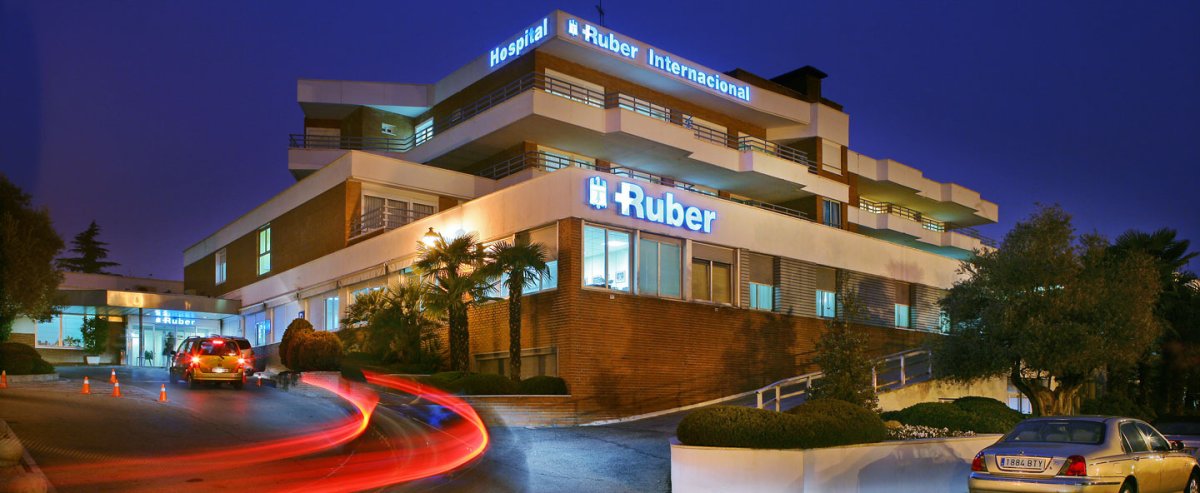
Centro Médico Teknon
إسبانيا, برشلونة
Joan Carles Galceran
39سنة خبره ١٦ سنة • تم تنفيذ 1200+ علاجات

العيادة معتمدة من قبل : 





تمت مراجعة المقالة طبيا من قبل
فهد مولود
تختلف التكلفة الإجمالية لعلاج سرطان البروستاتا في إسبانيا بناءً على النهج الطبي المختار. تبلغ تكلفة الاستشارة الأولية في مركز العلاج بالبروتونات حوالي $650، بينما تتراوح تقييمات ما قبل العلاج من $1,100 إلى $1,100. يتم تسعير العلاج بالبروتونات، وهو علاج غير جراحي، بين $54,600 و $76,440. تتراوح تكلفة استئصال البروستاتا الجذري بمساعدة الروبوت دا فينشي بين $19,620 و $27,250. يتم تحديد برنامج العلاج بعد تقييم شامل لحالة المريض واحتياجاته.
| تركيا | إسبانيا | ألمانيا | |
|---|---|---|---|
| نانو نايف NanoKnife | ≈ $9,500 | ≈ $9,500 | ≈ $9,500 |
| منظومة دا فينشي الجراحية | من $23,900 | ≈ $9,500 | ≈ $17,500 |
| العلاج بالهرمونات | من $1,100 | من $600 | ≈ $1,800 |
| العلاج بالبروتون (انظر العلاج بحزم البروتون) | من $25,000 | من $43,300 | ≈ $24,000 |
| العلاج الإشعاعي الموضعي | من $6,500 | من $8,100 | من $8,000 |
يرأس البروفيسور غالسيران وحدة سرطان الجهاز البولي التناسلي في إسبانيا في مستشفى فال ديبرون، وهو متخصص في سرطان البروستاتا مع أكثر من 900 إجراء وتجارب سريرية وطنية.

يجري البروفيسور ميرالبيل أكثر من 120 دورة علاج إشعاعي سنويًا في مركز تكنون الطبي (Centro Médico Teknon) - الرائد في علاج سرطان البروستاتا عالي الدقة.

ترأس الدكتورة كارمي أريس قسم علاج الأورام بالإشعاع في مركز كيرونسالود للعلاج بالبروتون في مدريد. وهي متخصصة في العلاج بالبروتون وعلاج الأورام بالإشعاع. أكملت الدكتورة أريس زمالة سريرية في مستشفى ماساتشوستس العام، التابع لكلية الطب بجامعة هارفارد. وقد مارست عملها في أفضل العيادات في سويسرا وهولندا.
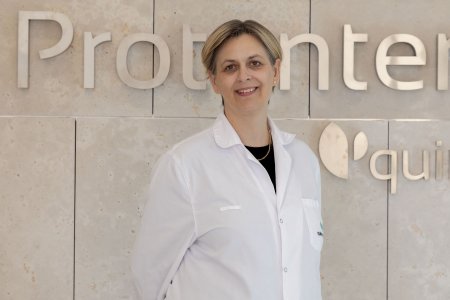
الدكتورة ستيفاني ليليان إي. بولي اختصاصية علاج الأورام بالإشعاع ورئيسة قسم علاج الأورام بالإشعاع في مركز كيرونسالود للعلاج بالبروتون في مدريد. تتولى قيادة القسم منذ يوليو/تموز 2024. يُعد المركز أول مرفق للعلاج بالبروتون في إسبانيا.
دكتوراه في الطب، جامعة لييج (1998). حاصلة على البورد في علاج الأورام بالإشعاع (2003). عضو نشط في الجمعية الأوروبية لطب أورام الأطفال وتعمل مع مجموعة أورام الدماغ ومجموعة عمل علاج الأورام بالإشعاع التابعة لها.
نشرت أكثر من 120 مقالة علمية حول أورام دما

كتب بواسطة Olena Sikoza

كتب بواسطة Anna Leonova

كتب بواسطة Anna Leonova

كتب بواسطة Veronika Kazina

كتب بواسطة Veronika Kazina
 Anna Leonova
تقدم إسبانيا علاجات عالية الدقة لسرطان البروستاتا بما في ذلك الجراحة الروبوتية، والعلاج بالبروتون، والعلاج الإشعاعي المتقدم. يصل المرضى إلى هذه العلاجات عبر مراكز معتمدة من JCI في برشلونة ومدريد. توفر الخيارات المتخصصة مثل نظام دافنشي الروبوتي وعلاج البروتون Proteus ONE بدائل طفيفة التوغل مع تعافٍ سريع.
رؤية خبير Bookimed: بينما يبحث الكثيرون عن جراحين، فإن الميزة الخفية في إسبانيا هي تكامل مراكز الأبحاث المتخصصة. على سبيل المثال، يتعاون الدكتور رايمون ميرالبيل في Centro Médico Teknon مباشرة مع CERN في بروتوكولات العلاج الإشعاعي. هذا الارتباط الأكاديمي يعني غالباً أن المرضى يصلون إلى تقنيات ناشئة قبل وقت طويل من تحولها إلى معايير عالمية.
إجماع المرضى: يؤكد المرضى أنه على الرغم من أن أوقات الانتظار في القطاع العام قد تصل إلى 6 أشهر، إلا أن العيادات الخاصة غالباً ما تحدد موعد الجراحة في غضون أسبوعين. يلاحظ الكثيرون أن طلب مسح PSMA-PET في وقت مبكر كان أمراً حاسماً لتحديد المرحلة بدقة وتخطيط العلاج.
تصل معدلات نجاح سرطان البروستاتا في المرحلة المبكرة في إسبانيا إلى حوالي 100% للبقاء على قيد الحياة النسبي لمدة 5 سنوات. تظل الأورام الموضعية محصورة داخل البروستاتا، مما يجعلها قابلة للعلاج بشكل كبير. تستخدم المراكز الإسبانية المتخصصة الجراحة الروبوتية والإشعاع الموجه للحفاظ على هذه النتائج العلاجية العالية مع الحفاظ على جودة الحياة.
رؤية خبير Bookimed: تهيمن إسبانيا على مجال الأورام من خلال الجمع بين الخبرة الجراحية عالية الحجم وشراكات البحث الأكاديمي. على سبيل المثال، يتعاون الدكتور رايمون ميرالبيل في Centro Médico Teknon مباشرة مع CERN في بروتوكولات العلاج المتقدمة. يسمح هذا التكامل بين فيزياء الجسيمات والرعاية السريرية للمرضى بالوصول إلى تقنيات إشعاعية غالبًا ما تكون غير متوفرة في إعدادات المستشفيات القياسية.
إجماع المرضى: يشير المرضى إلى أن الكشف المبكر من خلال فحص PSA المنتظم في إسبانيا أمر حيوي لتحقيق أفضل النتائج. يؤكد الكثيرون على أهمية طلب آراء ثانية حول مجموعات المخاطر للاختيار بين
غالبًا ما تؤثر علاجات سرطان البروستاتا في إسبانيا على الوظيفة الجنسية والبولية، ومع ذلك تساعد التقنيات المتقدمة في الحفاظ على جودة الحياة. تعمل الجراحة الروبوتية للحفاظ على الأعصاب والعلاج بالبروتون على تقليل الضرر الذي يلحق بالأنسجة المحيطة. تعتمد النتائج على الإجراء المحدد، ومرحلة الورم، وخبرة الفريق الجراحي.
رؤية خبير Bookimed: إسبانيا رائدة في جراحة المسالك البولية الروبوتية، حيث يجري مستشفى كيرون برشلونة أكثر من 40,000 إجراء سنويًا. تظهر بياناتنا أن كبار الجراحين مثل الدكتور أنطونيو ألكاراز هم رواد عالميون في هذه التقنيات. يعد اختيار مركز ذو حجم كبير أمرًا حيويًا لأن الجراحين الذين يجرون أكثر من 1000 عملية عادة ما يكون لديهم معدلات أفضل للحفاظ على الوظائف. على الرغم من أن الجراحة الروبوتية أكثر تكلفة، حوالي 31,000 دولار، إلا أن الدقة غالبًا ما تؤدي إلى تعافي بولي أسرع ونتائج أفضل في القدرة الجنسية.
إجماع المرضى: يلاحظ المرضى أن التحكم في البول غالبًا ما يعود بشكل أسرع من الوظيفة الجنسية، والتي قد تستغرق أكثر من عام. يوصون ببدء تما
يتوفر استئصال البروستاتا الروبوتي على نطاق واسع في إسبانيا من خلال المراكز الطبية الخاصة في برشلونة ومدريد. في حين لا يزال تنظير البطن التقليدي شائعًا في المستشفيات العامة، توفر المرافق الخاصة المعتمدة من اللجنة الدولية المشتركة (JCI) نظام دافنشي الروبوتي. أصبح هذا النهج الآن خيارًا جراحيًا قياسيًا لسرطان البروستاتا الموضعي.
رؤية خبراء Bookimed: تظهر البيانات تركيزًا عاليًا للخبرة الروبوتية في برشلونة، حيث تتشارك عيادات مثل مستشفى كيرون برشلونة ومركز تكنون الطبي في جراحين من النخبة. على سبيل المثال، يرأس الدكتور أنطونيو ألكاراز قسم المسالك البولية في كلتا المؤسستين. يضمن هذا التداخل حصول المرضى على نفس الجودة الجراحية بغض النظر عن المرفق رفيع المستوى الذي يختارونه لإجراء العملية.
إجماع المرضى: يشير المرضى إلى أنه على الرغم من محدودية الخيارات الروبوتية في النظام العام، فإن العيادات الخاصة في المدن الكبرى توفر وصولاً سريعًا. ويؤكدون أن التعافي الأقصر الذي يتراوح بين أسبوع إلى أسبوعين يبرر التكاليف الشخصية
يتوفر العلاج البؤري في إسبانيا كبديل دقيق للاستئصال الكامل للبروستاتا. يستهدف هذا النهج الآفة السرطانية فقط باستخدام تقنيات مثل HIFU أو NanoKnife. وهو مثالي للمرضى ذوي المخاطر المتوسطة الذين يعانون من أورام موضعية مرئية في فحوصات التصوير بالرنين المغناطيسي.
رؤية خبير Bookimed: تظهر البيانات من المراكز الإسبانية الرائدة مثل Centro Médico Teknon و Hospital Quiron Barcelona تحولًا نحو تقنيات الحفاظ على الأعضاء. في حين يظل استئصال البروستاتا الروبوتي ركيزة أساسية للحالات المتقدمة، فإن توفر أدوات متخصصة مثل NanoKnife والإشعاع المتخصص مثل SIRT و IMRT في Teknon يسمح بتخطيط شخصي للغاية. إذا كان ورمك مرئيًا في تصوير بالرنين المغناطيسي 3 تسلا ومحصورًا في منطقة واحدة، فإن هذه الخيارات البؤرية توفر جسرًا بين المراقبة النشطة والجراحة الكبرى.
إجماع المرضى: يشير المرضى إلى أن العلاج البؤري يتطلب التزامًا بالمراقبة طويلة المدى، بما في ذلك اختبارات PSA المنتظمة وتصوير المتابعة. يؤكد الكثيرون على أهمية العثور على جراحين لديهم حجم كبير من الحالات في ت
خطط للبقاء في إسبانيا لمدة تتراوح بين 14 إلى 21 يوماً لإجراء جراحة سرطان البروستاتا. تسمح هذه المدة بإجراء العملية الأولية، والإقامة في المستشفى لمدة تتراوح بين 2 إلى 5 أيام، والرعاية اللاحقة اللازمة. يطلب معظم الجراحين من المرضى البقاء محلياً حتى إزالة القسطرة، والتي تحدث عادةً بعد 7 إلى 14 يوماً من العملية.
رؤية خبير Bookimed: بينما تشير عروض الأسعار السريرية الأساسية إلى إقامة لمدة 7 أيام، تظهر بياناتنا أن المرضى يحتاجون غالباً إلى 14 إلى 21 يوماً لمراعاة فحوصات صحة المسالك البولية. في عيادات مثل سنترو ميديكو تكنون (Centro Médico Teknon)، تحدد حزم التشخيص وحدها جدولاً زمنياً مدته 10 أيام. إن تضمين فترة احتياطية للمراقبة بعد إزالة القسطرة يمنع العودة الطارئة بسبب مشاكل احتباس البول المحتملة.
إجماع المرضى: يؤكد المرضى على البقاء لمدة أسبوعين على الأقل لأن السفر بالطائرة مع وجود قسطرة أمر غير مريح للغاية. كما يقترحون حجز رحلات طيران مرنة في حال تأخرت فحوصات التصوير أو اختبارات
تعتمد متطلبات التأشيرة لإسبانيا على جنسيتك ومدة العلاج. لا يحتاج مواطنو الولايات المتحدة والمملكة المتحدة وكندا والاتحاد الأوروبي إلى تأشيرة للإقامات التي تقل عن 90 يومًا. يجب على الآخرين التقدم بطلب للحصول على تأشيرة شنغن من الفئة (C) للرعاية الطبية قصيرة الأجل.
رؤية خبير Bookimed: تُظهر بيانات المرضى أن 90 يومًا عادة ما تكون كافية للإجراءات الرئيسية. يتطلب استئصال البروستاتا الروبوتي في مستشفى كويرون برشلونة أو التشخيص في مركز تيكنون الطبي عادةً من 10 إلى 15 يومًا. حتى علاج البروتون المعقد Proteus ONE في كويرونسالود مدريد يتناسب عمومًا مع نافذة الـ 45 يومًا. من المحتمل ألا تحتاج إلى تأشيرة طويلة الأجل من الفئة (D) لهذه العلاجات.
إجماع المرضى: يشير المرضى إلى أن ترتيب تأشيرة سياحية قياسية عادة ما يكون كافيًا للرعاية في المستشفيات الخاصة. ويؤكدون أن إثبات القدرة المالية للعيادة غالبًا ما يكون أكثر إلحاحًا من أوراق التأشيرة المتخصصة.