اصطدام الكاحل الخلفي العلاج في إسبانيا - التكاليف 2026


تمت مراجعة المقالة طبيا من قبل
فهد مولود
ما هي تكلفة اصطدام الكاحل الخلفي إجراءات التشخيص والعلاج في إسبانيا؟ اعرف الآن
مزاياك وضماناتك مع Bookimed
أسعار مباشرة
Bookimed لا يضيف رسوماً إضافية على أسعار علاج اصطدام الكاحل الخلفي. الأسعار مأخوذة من قوائم الأسعار الرسمية للعيادات. تدفع مباشرة في العيادة مقابل علاجك عند وصولك إلى البلد.
عيادات وأطباء معتمدون فقط
Bookimed ملتزم بسلامتك. نحن نعمل فقط مع المؤسسات الطبية التي تحافظ على معايير دولية عالية في علاج اصطدام الكاحل الخلفي ولديها التراخيص اللازمة لخدمة المرضى الدوليين في جميع أنحاء العالم.
مساعدة مجانية على مدار الساعة
Bookimed يقدم مساعدة خبراء مجانية. منسق طبي شخصي يدعمك قبل وأثناء وبعد العلاج، ويحل أي مشاكل. لن تكون وحيداً أبداً في رحلة علاج اصطدام الكاحل الخلفي.

منسقك الطبي الشخصي في Bookimed
- يدعمك في كل مرحلة
- المساعدة في اختيار العيادة الطبية المناسبة والطبيب المناسب
- يضمن الوصول السريع والمريح إلى المعلومات
اكتشف أفضل اصطدام الكاحل الخلفي العيادات في إسبانيا: 1 خيار معتمدة والأسعار
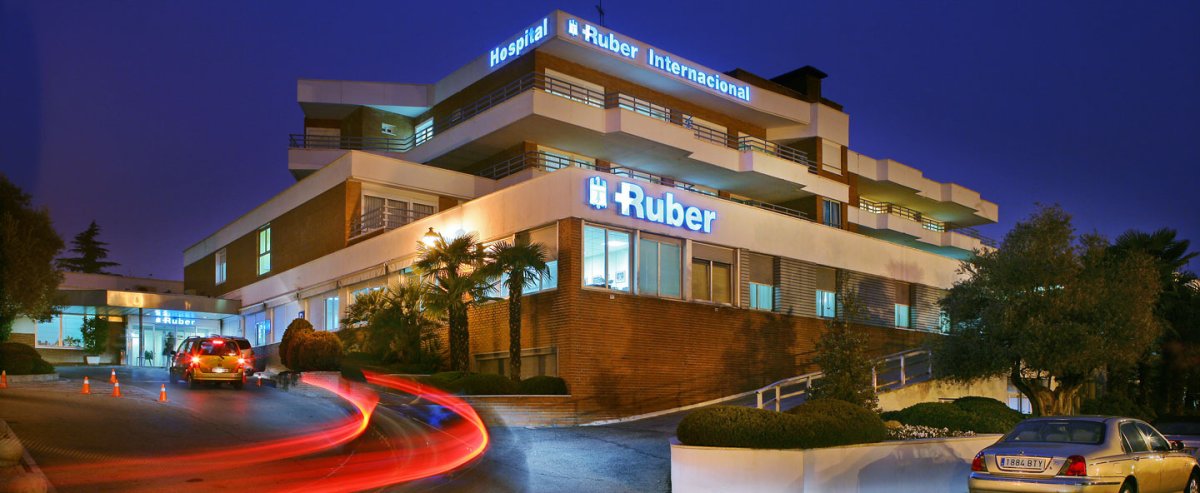


احصلوا على تقييم طبي لـ اصطدام الكاحل الخلفي في إسبانيا: استشيروا أطباء ذوي خبرة الآن
عرض جميع الأطباء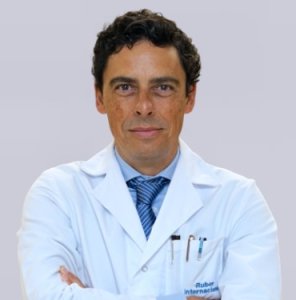
Pablo De La Cuadra
الدكتور بابلو دي لا كوادره (Pablo Cuadra de la Virgili) جرّاح عظام واختصاصي طب الرضوح في مدريد. يختص بإصابات الرياضيين وجراحة الكتف في Hospital Ruber Internacional، حيث يعمل منذ عام 1999. لديه خبرة تفوق 25 عامًا. يقود وحدة متعددة التخصصات ويرأس فريقًا متخصصًا في طب الرضوح. يُعد خبيرًا معترفًا به في اضطرابات الكتف المعقدة. يستخدم تقنيات تنظير مفصلي وترميم متقدمة لعلاج عدم الاستقرار وإصابات الكفة المدورة.
المؤهلات: دكتور في الطب (1993) ودكتوراه في الطب (2001) من جامعة مدريد المستقلة. اخت
مشاركة المحتوى
قصص فيديو من مرضى Bookimed
 Anna Leonova
أسئلة متكررة حول علاج اصطدام الكاحل الخلفي في إسبانيا
ما الذي يسبب انحشار الكاحل الخلفي، ولماذا تعتبر إسبانيا وجهة رائدة لعلاجه؟
يحدث انحشار الكاحل الخلفي عندما تنضغط الأنسجة الرخوة أو شظايا العظام بين قصبة الساق والكعب. وغالباً ما ينتج هذا عن الوقوف المتكرر على أطراف الأصابع أو الإصابات الرياضية. تعد إسبانيا وجهة رائدة بفضل مرافقها المعتمدة من اللجنة الدولية المشتركة (JCI) وجراحيها المتخصصين في تنظير المفصل الخلفي للقدم بأقل تدخل جراحي.
- المحفزات التشريحية: العظم المثلثي (Os trigonum)، وهو عظم إضافي، يسبب غالباً ضغطاً مؤلماً أثناء الثني الأخمصي.
- البنية التحتية للنخبة: تستخدم المراكز الإسبانية مثل مستشفى روبر الدولي (Hospital Ruber Internacional) التصوير بالرنين المغناطيسي بقوة 3 تسلا للتشخيص الدقيق.
- التقنية الجراحية: يستخدم المتخصصون تنظير المفصل بمدخلين لتعافٍ أسرع مقارنة بالجراحة المفتوحة.
- معايير عالية: تمتلك المرافق شهادات الأيزو (ISO) التي تضمن بروتوكولات صارمة للجودة وسلامة المرضى.
رؤية خبير Bookimed: بينما تقدم العديد من العيادات خدمات تقويم العظام العامة، توفر مراكز إسبانيا ذات الحجم الكبير ميزة واضحة للرياضيين. أجرى مستشفى روبر الدولي وحده أكثر من 6000 عملية جراحية في عام 2022. يتمتع الدكتور بابلو دي لا كوادرا بأكثر من 25 عاماً من الخبرة في إعادة البناء بالمنظار. يضمن هذا العمق في الخبرة التعامل بدقة مع المشكلات المعقدة، مثل التمييز بين الانحشار واعتلال وتر العرقوب.
إجماع المرضى: يلاحظ المرضى أن الألم الخلفي غالباً ما يتم تشخيصه بشكل خاطئ على أنه مشاكل في وتر العرقوب في أماكن أخرى. ويؤكدون أن المتخصصين الإسبان يوفرون وصولاً أسرع إل
كيف يتم إجراء جراحة القدم الخلفية طفيفة التوغل في إسبانيا فعلياً؟
يقوم الجراحون في إسبانيا بإجراء جراحة القدم الخلفية طفيفة التوغل باستخدام تنظير مفصل الكاحل الخلفي. يستخدمون شقوقاً دقيقة تتراوح من 2 إلى 5 ملم للوصول عبر ثقب المفتاح. يدمج المتخصصون التوجيه الفلوري في الوقت الفعلي لإعادة تشكيل العظام أو إزالة العظم المثلثي (os trigonum). تسمح هذه التقنية عادةً بتحميل الوزن فوراً باستخدام أحذية تقويم العظام.
- الوصول الجراحي: يستخدم الجراحون منفذين صغيرين في الجزء الخلفي من الكاحل.
- استئصال العظام: تقوم مثاقب آلية بإزالة العظم المثلثي مع حماية وتر العضلة المثنية الطويلة لإبهام القدم (FHL).
- الأنسجة الرخوة: يقوم التنظير الداخلي بتنظيف الأنسجة الملتهبة التي تسبب انحشاراً خلفياً مؤلماً.
- طريقة الإغلاق: غالباً ما يستخدم الأطباء شريطاً جراحياً أو غراء الجلد بدلاً من الغرز.
رؤية خبير Bookimed: غالباً ما تسد فرق تقويم العظام الإسبانية الفجوة بين الجراحة والأداء الرياضي للنخبة. يدمج الدكتور بابلو دي لا كوادرا في مستشفى روبر الدولي بروتوكولات التعافي التي تركز على الرياضة مباشرة في خطط علاجه. تستفيد المراكز المعتمدة من اللجنة الدولية المشتركة (JCI) في مدريد من التصوير بالرنين المغناطيسي بقوة 3 تسلا للتشخيص الدقيق قبل استخدام مثاقب متخصصة تمنع الضرر الحراري لأنسجة العظام.
إجماع المرضى: يشير المرضى إلى أنه على الرغم من أن الندبات صغيرة جداً والألم منخفض، فإن استعادة الأداء الرياضي الكامل تتطلب صبراً. من الضروري التأكد مما إذا كان الجراح يجري تنظير المفصل الخلفي بانتظام نظراً للمساحة الضيقة بالقر
ما هي العلاجات التحفظية التي تقدمها العيادات الإسبانية قبل اللجوء للجراحة؟
تعطي العيادات الإسبانية الأولوية للعلاجات التحفظية لانحشار الكاحل الخلفي لتجنب الجراحة. تشمل البروتوكولات الأولية الراحة، وتعديل النشاط، والعلاج الطبيعي لتحسين ميكانيكا الكاحل. تتوفر خيارات متقدمة مثل الحقن الموجه بالموجات فوق الصوتية والعلاجات البيولوجية في المراكز المعتمدة من JCI لتقليل الالتهاب العميق بفعالية.
- العلاج الميكانيكي الحيوي: يستخدم المتخصصون تحليل المشية لتصميم تقويمات مخصصة لتخفيف ضغط المفاصل.
- الحقن التجديدية: يساعد البلازما الغنية بالصفائح الدموية (PRP) وحمض الهيالورونيك في إصلاح الأنسجة الرخوة التالفة.
- الكورتيكوستيرويدات الموجهة: تستهدف الحقن الموجهة بالموجات فوق الصوتية المحفظة الخلفية لحل الالتهاب الحاد الشديد.
- إعادة التأهيل الوظيفي: تركز البرامج على مرونة وتقوية ربلة الساق لاستعادة أنماط الحركة الطبيعية.
رؤية خبير Bookimed: تستفيد مراكز العظام الإسبانية مثل مستشفى روبر الدولي (Hospital Ruber Internacional) من خبرتها التشخيصية الكبيرة للتمييز بين الألم الالتهابي والهيكلي. مع 93,000 استشارة سنوية، غالباً ما يحدد متخصصوهم مثل الدكتور بابلو دي لا كوادرا حالات يمكن فيها للتوصيف الميكانيكي الحيوي تأجيل الجراحة إلى أجل غير مسمى. يجب على المرضى إعطاء الأولوية للعيادات التي تستخدم تقنية الرنين المغناطيسي 3-تسلا لضمان أن الخطط التحفظية تعالج المصدر الدقيق للانحشار.
إجماع المرضى: يلاحظ المرضى أن المتخصصين غالباً ما يوصون باستخدام دعامة أو حذاء طبي لتهدئة الأعراض قبل بدء إعادة التأهيل النشط. يؤكد الكثيرون
ما هو الجدول الزمني المنظم للتعافي بعد إزالة الضغط بالمنظار؟
يستغرق التعافي الكامل بعد إزالة الضغط بالمنظار عادةً من 3 إلى 6 أشهر. غالبًا ما يتخلص المرضى من أحذية المشي في غضون أسبوعين إلى 4 أسابيع. تركز المراحل المبكرة على إدارة الالتهاب بينما يتم استئناف العمل المكتبي الخفيف في غضون 7 أيام. تحدث إعادة التأهيل الرياضي الكامل بعد تقوية متسقة واستعادة التوازن.
- المرحلة الحادة: تتم إزالة الغرز في غضون 7 إلى 10 أيام في عيادات مدريد.
- نافذة الحركة: يبدأ العلاج الطبيعي بحلول الأسبوع الثالث للتخلص من تصلب المفاصل.
- بناء القوة: يستهدف تدريب المقاومة مثبتات الساق والكاحل بحلول الأسبوع السابع.
- العودة للرياضة: تُستأنف الأنشطة عالية التأثير والركض عادةً بين 4 و 6 أشهر.
رؤية خبير Bookimed: يركز كبار المتخصصين في إسبانيا مثل الدكتور بابلو دي لا كوادرا بشكل كبير على إعادة التأهيل الوظيفي. تُظهر البيانات من مستشفى روبر الدولي أن المراكز المعتمدة من اللجنة الدولية المشتركة (JCI) تعطي الأولوية للحركة المبكرة. نظرًا لأن هذه العيادة تعالج أكثر من 25000 مريض سنويًا، فإن بروتوكولاتها موحدة للغاية. يعد التركيز على قوة الساق قبل الشهر الثالث هو العامل الأكثر شيوعًا للتعافي بشكل أسرع.
إجماع المرضى: يلاحظ المرضى أن المشي يبدو طبيعيًا بسرعة، لكن الجاهزية الرياضية الحقيقية للقفز أو الركض تستغرق وقتًا أطول بكثير. كما يؤكدون أن التورم غالبًا ما يزداد بعد الأيام النشطة، مما يجعل التقدم غير الخطي جزءًا طبيعيًا من الشفاء.
ما هي المراكز أو المجموعات الطبية الإسبانية الرائدة في تنظير مفصل الكاحل الخلفي للمرضى الدوليين؟
يعد مستشفى روبير الدولي (Hospital Ruber Internacional) ومركز تيكنون الطبي (Centro Medico Teknon) رائدين في إسبانيا في مجال تنظير مفصل الكاحل الخلفي. تحمل هذه المراكز اعتماد اللجنة الدولية المشتركة (JCI) وتحتفظ بأقسام متخصصة في الطب الرياضي. يستخدم جراحون بارزون مثل الدكتور بابلو دي لا كوادرا التنظير طفيف التوغل لعلاج انحشار الكاحل الخلفي بدقة.
- خبرة متخصصة: يتمتع الدكتور بابلو دي لا كوادرا بأكثر من 25 عاماً من الخبرة في جراحة العظام.
- حجم كبير من المرضى: أجرى مستشفى روبير الدولي أكثر من 6000 عملية جراحية في عام 2022 وحده.
- اعتمادات متقدمة: تحمل المرافق شهادات الجودة من اللجنة الدولية المشتركة (JCI) و ISO 9001.
- اعتراف دولي: تم اختيار مستشفى روبير الدولي كأفضل مستشفى للمرضى الدوليين من قبل IMTJ.
رؤية خبير Bookimed: تدير المراكز الإسبانية الرائدة غالباً أكثر من 90,000 استشارة سنوية. يسمح هذا الحجم الكبير للجراحين مثل أولئك الموجودين في مستشفى روبير الدولي بالتخصص بعمق. يرأس الدكتور بابلو دي لا كوادرا فريقاً مخصصاً للصدمات. تضمن هيكلية الفريق المركزة هذه حصول المرضى على رعاية من متخصصين يركزون بشكل خاص على إعادة بناء المفاصل والتنظير.
إجماع المرضى: يشير المرضى إلى أن السفر لرؤية جراح لديه خبرة محددة في تنظير القدم الخلفية أمر حيوي. غالباً ما يطلبون مراجعة عن بُعد لصور الرنين المغناطيسي قبل السفر للتأكد من وضوح الخطة الجراحية.