علاج مرض بيروني في إسبانيا — احصل على 3 عيادات مختارة خصيصاً لك


تمت مراجعة المقالة طبيا من قبل
فهد مولود
كيف نعمل؟
ما هي تكلفة مرض بيروني إجراءات التشخيص والعلاج في إسبانيا؟ اعرف الآن
تختلف تكلفة علاج مرض بيروني في إسبانيا اعتمادًا على خطة العلاج المختارة. عادةً ما تكلف الاستشارة الأولية حوالي $320، بينما تتراوح تكلفة الاختبارات التشخيصية مثل الموجات فوق الصوتية أو التصوير بالرنين المغناطيسي بين $450 و $750. تتوفر العلاجات غير الجراحية، بما في ذلك الأدوية الفموية والعلاج بالموجات الصدمية. تتراوح الخيارات الجراحية، مثل استئصال اللويحة وزرع الطعوم، بين $4,600 و $8,250. تبلغ تكلفة الاستشارات في بعض المستشفيات حوالي $250، مع بدء الحقن داخل الآفة من $1,800 وتصحيحات الجراحة تتراوح بين $9,150 و $10,100. يتم تخصيص خطة العلاج بعد تقييم شامل لحالة المريض.
| تركيا | إسبانيا | ألمانيا | |
|---|---|---|---|
| تصحيح انحناء القضيب (العلاج الجراحي لمرض بيروني) | من $4,800 | من $9,000 | ≈ $5,200 |
اكتشف أفضل مرض بيروني العيادات في إسبانيا: 5 خيارات معتمدة والأسعار









احصل على تقييم طبي لـ في إسبانيا. استشر الآن 7 أطباء ذوي الخبرة.
عرض جميع الأطباء
Antonio Alcaraz
أجرى الدكتور أنطونيو ألكاراز أكثر من 500 عملية جراحية ناجحة في الجهاز البولي التناسلي، وهو متخصص في التقنيات طفيفة التوغل والإجراءات بمساعدة الروبوت.
- 38 سنة من الخبرة في جراحة المسالك البولية وأورام المسالك البولية
- يرأس قسم جراحة المسالك البولية وزراعة الكلى في مركز تكنون الطبي
- خبير في نظام دافنشي الروبوتي لجراحات المسالك البولية
- عضو في الاتحاد الأمريكي لجراحة المسالك البولية والجمعية الأوروبية لجراحة المسالك البولية

Josep Torremade Barreda
رئيس قسم أمراض الذكورة في مستشفيين رائدين – يتخصص الدكتور توريماد حصرياً في قضايا الصحة الإنجابية والجنسية للرجال.
- _doctor_8195_عاماً_ من التركيز على أمراض الذكورة والمسالك البولية
- تدرب في مركز ميموريال سلون كيترينج للسرطان في نيويورك
- محرر المجلة الدولية لأمراض الذكورة
- عضو اللجنة الأوروبية للطب الجنسي
Antonio Alcaraz Asensio
الطبيب هو أخصائي مسالك بولية وأورام مسالك بولية متميز للغاية، متخصص في العلاجات الجراحية المعقدة لسرطان البروستاتا والكلى والمثانة. بفضل خبرته الواسعة في الجراحة الروبوتية وبالمنظار، كان للطبيب دور فعال في تطوير تقنيات المسالك البولية طفيفة التوغل، بما في ذلك تنفيذ نظام دافنشي الروبوتي. يشغل الطبيب حالياً منصب رئيس قسم المسالك البولية في مركز تكنون الطبي (Centro Médico Teknon) ورئيس قسم المسالك البولية وزراعة الكلى في مستشفى كلينيك دي برشلونة (Hospital Clínic de Barcelona).
تم تصنيفه كو

Navarro Vilches
تم إجراء أكثر من 900 عملية جراحية في المسالك البولية – يرأس الدكتور نافارو فيلتشيس وحدة المسالك البولية في مستشفى كيرونسالود ماربيا.
- _doctor_8302_سنوات_ من الخبرة في طب المسالك البولية
- تدرب في مركز ميموريال سلون كيترينج للسرطان في نيويورك
- متخصص في جراحة المسالك البولية للذكور وأمراض المسالك البولية
- مؤسس مشارك لمعهد جراحة المسالك البولية في مالقة
- مؤلف للعديد من المقالات حول أمراض المسالك البولية
مشاركة المحتوى
قصص فيديو من مرضى Bookimed
 Anna Leonova
أسئلة متكررة حول علاج مرض بيروني في إسبانيا
هل جراحة مرض بيروني في إسبانيا آمنة ويقوم بها متخصصون معتمدون؟
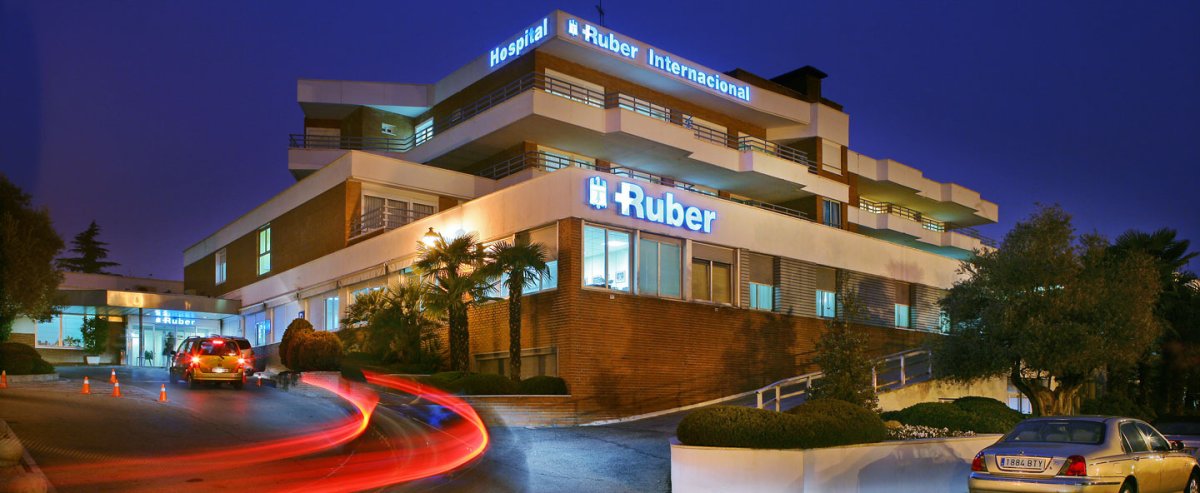
تعد جراحة مرض بيروني في إسبانيا آمنة ويقوم بها أطباء مسالك بولية مؤهلون تأهيلاً عالياً في مرافق معتمدة من قبل اللجنة الدولية المشتركة (JCI). غالباً ما يحمل المتخصصون شهادة المجلس الأوروبي للمسالك البولية (FEBU). تتبع المستشفيات مثل كويرون برشلونة وروبير إنترناشيونال بروتوكولات سلامة صارمة للاتحاد الأوروبي. تصل معدلات النجاح لتصحيح الانحناء إلى 85%.
- مؤهلات المتخصصين: غالباً ما يحمل الجراحون زمالات من المجلس الأوروبي للمسالك البولية.
- الخبرة السريرية: يتمتع خبراء رائدون مثل الدكتور أنطونيو ألونا بخبرة تزيد عن 40 عاماً.
- تقنيات متقدمة: توفر المرافق تقنيات ترقيع وطي متخصصة لتصحيح تشريحي دقيق.
- معايير الاعتماد: تحافظ المراكز الرائدة على شهادات السلامة من اللجنة الدولية المشتركة (JCI) أو ISO.
رؤية خبير Bookimed: يُظهر تحليل المراكز الإسبانية الرائدة اتجاهاً حيث توجد أعلى معدلات النجاح مع المديرين الذين يقودون أيضاً مجموعات بحثية. على سبيل المثال، يجمع الدكتور خافيير روميرو أوتيرو بين الممارسة السريرية في HM Sanchinarro وقيادة البحث والتطوير في صحة الرجال. غالباً ما يشير هذا الدور المزدوج إلى أن الجراح مطلع على أحدث تقنيات الجراحة المجهرية التي تساعد في الحفاظ على وظيفة الانتصاب.
إجماع المرضى: يؤكد المرضى على أهمية العثور على جراح لديه خبرة محددة في مرض بيروني بدلاً من طبيب مسالك بولية عام. ويشيرون إلى أن التواصل الشخصي حول النتائج المحتملة بعد العملية أكثر أهمية من الترتيب العام للعيادة.
ما هي التقنيات الجراحية المتاحة في إسبانيا لتصحيح انحناء القضيب؟
يقوم أطباء المسالك البولية الإسبان بتصحيح انحناء القضيب باستخدام تقنيات الطي (Plication)، والترقيع (Grafting)، وزراعة الأطراف الاصطناعية. يختار الجراحون غالباً تقنية الطي للانحناءات المعتدلة التي تقل عن 60 درجة. تتطلب الحالات الشديدة إجراء ترقيع للحفاظ على الطول. توفر مرافق مثل مستشفى HM Sanchinarro الجامعي ومستشفى كيرون برشلونة هذه الإجراءات التجميلية الذكورية المتقدمة.
- تقنيات الطي: طرق تعتمد على الخياطة مثل Nesbit أو 16-DOT تعمل على استقامة القضيب عن طريق تقصير جانب واحد.
- إجراءات الترقيع: يستخدم الجراحون TachoSil أو مادة الكولاجين لملء الفجوات في الانحناءات الشديدة التي تصل إلى 60 درجة.
- زراعة القضيب: يعالج هذا الحل الانحناء المصحوب بضعف الانتصاب الشديد للحصول على صلابة وظيفية.
- خبراء متخصصون: يتمتع الدكتور أنطونيو ألونا في مستشفى روبر الدولي بأكثر من 40 عاماً من الخبرة.
رؤية خبير Bookimed: تظهر البيانات تركيزاً عالياً للخبرة التجميلية في مدريد وبرشلونة. يقود الدكتور خافيير روميرو أوتيرو مجموعة بحث وتطوير مخصصة لصحة الرجال. يجب على المرضى إعطاء الأولوية لهذه المراكز النشطة بحثياً. غالباً ما يجمع الجراحون هنا بين البحث الأكاديمي والممارسة السريرية، مما يضمن الوصول إلى أحدث مواد الترقيع وبروتوكولات الطي المتطورة.
إجماع المرضى: يشير المرضى إلى أن اختيار العيادات الخاصة في إسبانيا يجنبهم فترات الانتظار الطويلة في القطاع العام. ويؤكدون على أهمية مناقشة احتمالية فقدان الطول وتوقعات التعافي مع الجراحين قبل الإجراء.
ما هي المخاطر والمضاعفات الرئيسية لجراحة مرض بيروني في إسبانيا؟
تنطوي جراحة مرض بيروني في إسبانيا على مخاطر مثل قصر القضيب، وضعف الانتصاب، وتغيرات حسية. في حين أن المراكز المتخصصة المعتمدة من قبل JCI في مدريد وبرشلونة تحافظ على معدلات نجاح عالية، يجب على المرضى موازنة ذلك مقابل التغيرات الوظيفية المحتملة. تعتمد النتائج بشكل كبير على التقنية الجراحية المحددة المختارة لتصحيح الانحناء.
- قصر القضيب: الأكثر شيوعاً بعد عملية الطي (Plication)، وعادة ما ينطوي على فقدان من 0.5 سم إلى 1.5 سم.
- ضعف الانتصاب: تحمل إجراءات التطعيم (Grafting) خطراً أعلى، حيث تؤثر على 5% إلى 53% من المرضى.
- فقدان الإحساس: يحدث خدر في الحشفة في 4% إلى 21% من حالات التطعيم بسبب التلاعب بالأعصاب.
- معدل التكرار: قد يعود الانحناء لدى 8% إلى 11% من المرضى بعد الإصلاح الجراحي الأولي.
- مضاعفات الجهاز: تواجه غرسات القضيب خطر عدوى بنسبة 1% إلى 8% أو فشل ميكانيكي محتمل.
رؤية خبير Bookimed: بينما يركز الكثيرون على الجراحة نفسها، تظهر بياناتنا أن اختيار متخصص ذو حجم حالات كبير هو العامل الأكثر أهمية لتقليل المضاعفات. في إسبانيا، نرى تركيزاً للخبرة في مراكز مثل مستشفى Hospital Universitario HM Sanchinarro و Quirónsalud Marbella. يجلب الدكتور أنطونيو ألونا في مستشفى Hospital Ruber Internacional والدكتور أنطونيو ألكاراز في مستشفى Hospital Quiron Barcelona أكثر من 30 عاماً من الخبرة. غالباً ما يرتبط هذا المستوى من الأقدمية بحفاظ أفضل على الطول ووظيفة الانتصاب مقارنة بمقدمي الخدمات الأقل خبرة.
إجماع المرضى:
ما هي مدة الإقامة الموصى بها في إسبانيا بعد جراحة بيروني، ومتى يمكنني السفر إلى المنزل؟
يجب على المرضى التخطيط للبقاء في إسبانيا لمدة 7 إلى 14 يوماً بعد الجراحة. يسمح معظم الجراحين للمرضى بالقيام برحلات جوية قصيرة بعد 3 إلى 5 أيام. بالنسبة للسفر لمسافات طويلة، من الضروري الانتظار لمدة 10 أيام على الأقل لمنع حدوث جلطات دموية. يتطلب السفر الحصول على تصريح شخصي من طبيب المسالك البولية.
- التعافي الأولي: ابقَ بالقرب من العيادة لمدة 48 ساعة للثلج والمراقبة.
- المتابعة الأولى: يقوم الجراحون عادةً بفحص موقع الجراحة في غضون يوم إلى يومين.
- الجدول الزمني للطيران: الرحلات الجوية قصيرة المدى ممكنة بعد 5 أيام إذا كان التورم في حده الأدنى.
- الوقاية من تجلط الأوردة العميقة: يجب على المسافرين لمسافات طويلة الانتظار لمدة 10 أيام واستخدام جوارب الضغط.
رؤية خبير Bookimed: تظهر البيانات من مراكز إسبانية رفيعة المستوى مثل مستشفى HM Sanchinarro الجامعي وQuironsalud Madrid تركيزاً كبيراً على جراحة المسالك البولية الترميمية. يجلب الدكتور أنطونيو ألونا في مستشفى Ruber Internacional أكثر من 40 عاماً من الخبرة في الحالات المعقدة. غالباً ما يختار المرضى مدريد أو برشلونة لهذه الإجراءات المتخصصة بسبب الكثافة العالية للمرافق المعتمدة من JCI وأنظمة الجراحة الروبوتية. في حين أن الأساس يشير إلى 3 أيام، تشير اتصالاتنا السريرية إلى أن المتخصصين غالباً ما يفضلون أسبوعاً كاملاً من المراقبة المحلية لضمان عدم تطور أي أورام دموية قبل السفر جواً.
إجماع المرضى: يؤكد المرضى على أهمية حجز رحلات عودة مرنة. يلاحظ الكثيرون أن البقاء لمدة 10 إلى 12 يوم
ما هي المدن أو المستشفيات في إسبانيا التي تضم أعلى تركيز لأخصائيي مرض بيروني؟
تضم مدريد وبرشلونة أعلى تركيز لوحدات المسالك البولية وأمراض الذكورة المتخصصة في مرض بيروني في إسبانيا. هذه المدن هي مراكز إحالة وطنية. وهي تتميز بمرافق معتمدة من اللجنة الدولية المشتركة (JCI). يقدم كبار الخبراء هناك تصحيحاً جراحياً متقدماً وجراحة ترميمية للقضيب.
- مراكز مدريد: مستشفى HM Sanchinarro الجامعي وRuber Internacional هما الرائدان في الحالات الترميمية.
- خبرة برشلونة: مستشفى Quiron Barcelona وCentro Médico Teknon متخصصان في أمراض الجهاز البولي التناسلي.
- جراحون خبراء: الدكتور أنطونيو ألونا والدكتور خافيير روميرو أوتيرو يخدمان المرضى في مدريد.
- خيارات الساحل: يقدم Quirónsalud Marbella جراحة مسالك بولية متخصصة للذكور في الجنوب.
رؤية خبير Bookimed: بينما تضم مدريد وبرشلونة أكبر عدد من المتخصصين، ابحث عن جراحين لديهم خبرة محددة في التطعيمات والغرسات. يتمتع كل من الدكتور أنطونيو ألكاراز في برشلونة والدكتور أنطونيو ألونا في مدريد بأكثر من 30 عاماً من الخبرة في المسالك البولية. غالباً ما يؤدي هذا الحجم الكبير من الحالات إلى دقة أفضل في تصحيحات الانحناء المعقدة.
إجماع المرضى: يسافر المرضى من المدن الصغيرة مثل فالنسيا أو إشبيلية بشكل متكرر إلى مدريد أو برشلونة لتلقي العلاج. ويشيرون إلى أن العثور على موظفين يتحدثون الإنجليزية أسهل في هذه العيادات الخاصة الكبرى في المناطق الحضرية.
ما هي حزمة الرعاية بعد الجراحة التي يتم تضمينها عادةً للمرضى الدوليين؟
تشمل الرعاية بعد الجراحة لعلاج مرض بيروني في إسبانيا عادةً مراقبة طبية فورية ومساعدة لوجستية. يتلقى المرضى الدوليون استشارات متابعة قبل الخروج لضمان الشفاء السليم. غالبًا ما تتضمن الحزم القياسية انتقالات خاصة من المطار، وتنسيقًا من قبل موظفين متعددي اللغات، ومستلزمات العناية الأولية بالجروح.
- زيارات المتابعة: يقوم الجراحون بإجراء فحوصات شخصية ومراقبة الجروح قبل السفر.
- التنسيق الطبي: يساعد موظفون متخصصون في إدارة الجدول الزمني والتنقل المحلي.
- الدعم اللوجستي: غالبًا ما تتضمن الحزم انتقالات VIP بين المطار والعيادة.
- الوصول إلى الإقامة: توفر العديد من المراكز خيارات إقامة في فنادق قريبة للتعافي.
رؤية خبير Bookimed: تتعامل المراكز الإسبانية مثل مستشفى جامعة HM Sanchinarro ومستشفى Quiron Barcelona مع أكثر من 400,000 مريض سنويًا. هذا الحجم الكبير يعني أن لديهم أنظمة راسخة للتنسيق الدولي. يجب على المرضى البحث عن جراحين مثل الدكتور أنطونيو ألونا في مستشفى Ruber Internacional. لديه أكثر من 40 عامًا من الخبرة ويحمل شهادة زميل المجلس الأوروبي للمسالك البولية (FEBU)، مما يضمن خبرة متخصصة في جراحة الأعضاء التناسلية الترميمية.
إجماع المرضى: يشير المرضى إلى أنه من المهم الحصول على ملاحظات جراحية مكتوبة باللغة الإنجليزية. ويقترحون التنسيق مع طبيب مسالك بولية في بلدهم الأم في وقت مبكر لأن العيادات الإسبانية قد تركز بشكل أساسي على المرحلة الجراحية الأولية.