فقر الدم الصغيرة العلاج في إسبانيا - التكاليف 2026


تمت مراجعة المقالة طبيا من قبل
فهد مولود
ما هي تكلفة فقر الدم الصغيرة إجراءات التشخيص والعلاج في إسبانيا؟ اعرف الآن
مزاياك وضماناتك مع Bookimed
أسعار مباشرة
Bookimed لا يضيف رسوماً إضافية على أسعار علاج فقر الدم الصغيرة. الأسعار مأخوذة من قوائم الأسعار الرسمية للعيادات. تدفع مباشرة في العيادة مقابل علاجك عند وصولك إلى البلد.
عيادات وأطباء معتمدون فقط
Bookimed ملتزم بسلامتك. نحن نعمل فقط مع المؤسسات الطبية التي تحافظ على معايير دولية عالية في علاج فقر الدم الصغيرة ولديها التراخيص اللازمة لخدمة المرضى الدوليين في جميع أنحاء العالم.
مساعدة مجانية على مدار الساعة
Bookimed يقدم مساعدة خبراء مجانية. منسق طبي شخصي يدعمك قبل وأثناء وبعد العلاج، ويحل أي مشاكل. لن تكون وحيداً أبداً في رحلة علاج فقر الدم الصغيرة.

منسقك الطبي الشخصي في Bookimed
- يدعمك في كل مرحلة
- المساعدة في اختيار العيادة الطبية المناسبة والطبيب المناسب
- يضمن الوصول السريع والمريح إلى المعلومات
اكتشف أفضل فقر الدم الصغيرة العيادات في إسبانيا: 1 خيار معتمدة والأسعار


احصلوا على تقييم طبي لـ فقر الدم الصغيرة في إسبانيا: استشيروا أطباء ذوي خبرة الآن
عرض جميع الأطباء
Blanca Lopez Ibor
تقود الدكتورة بلانكا لوبيز إيبور وحدة أمراض الدم والأورام لدى الأطفال في مجموعة HM، وهي متخصصة في أمراض الدم والسرطان الخطيرة لدى الأطفال والمراهقين.
- أكثر من _doctor_683_عاماً_ من الخبرة في أمراض الدم والأورام لدى الأطفال
- مستشارة لمنظمة الصحة العالمية واليونسكو في هذا المجال
- ترأس مؤسستين مكرستين لتحسين جودة علاج الأطفال
- عضو في الجمعية الأمريكية لأمراض الدم والجمعية الإسبانية لطب الأطفال
- محاضرة في جامعة كومبلوتنسي بمدريد وجامعة CEU سان بابلو
مشاركة المحتوى
قصص فيديو من مرضى Bookimed
 Anna Leonova
أسئلة متكررة حول علاج فقر الدم الصغيرة في إسبانيا
ماذا يعني اكتشاف فقر الدم صغير الكريات في فحص الدم الإسباني الخاص بي؟
يعني اكتشاف فقر الدم صغير الكريات في فحص الدم الإسباني أن خلايا الدم الحمراء أصغر من الطبيعي. يشار إلى ذلك بواسطة VCM (Volumen Corpuscular Medio) أقل من 80 fL. يشير هذا عادةً إلى انخفاض مستويات الهيموجلوبين، وغالبًا ما ينتج عن نقص الحديد أو السمات الوراثية الموروثة.
- VCM (MCV): يقيس حجم خلايا الدم الحمراء. القيم الأقل من 80 fL تشير إلى صغر الكريات.
- Hb (الهيموجلوبين): يفحص البروتين الناقل للأكسجين. المستويات المنخفضة تؤكد وجود فقر الدم.
- HCM (MCH): يقيس متوسط الهيموجلوبين لكل خلية. القيم المنخفضة تشير إلى نقص الصباغ أو الخلايا الشاحبة.
- الأسباب الشائعة: غالبًا ما يكون بسبب نقص الحديد، أو سمات الثلاسيميا، أو الأمراض الالتهابية المزمنة.
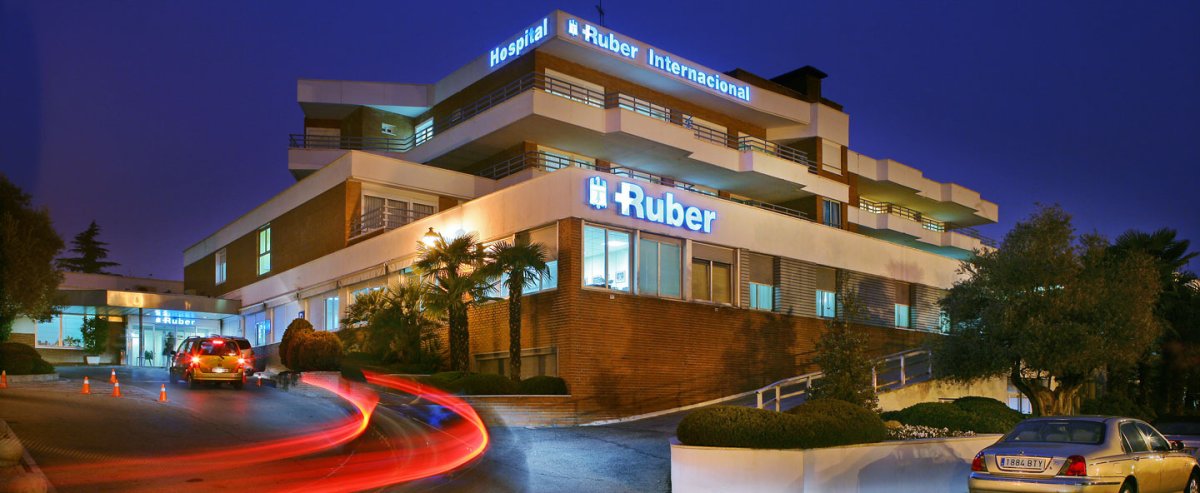
رؤية خبير Bookimed: غالبًا ما يعطي أطباء الدم الإسبان الأولوية لاختبارات Ferritina (الفيريتين) على حديد المصل لتأكيد النقص. في مدريد، تستخدم المراكز المعتمدة من JCI مثل مستشفى روبير الدولي (Hospital Ruber Internacional) مختبرات تشخيصية عالية الحجم لهذه الفحوصات. إذا ظل VCM منخفضًا على الرغم من العلاج بالحديد، فقد يقوم متخصصون مثل الدكتورة بلانكا لوبيز إيبور بالتحقيق في سمات الثلاسيميا الشائعة في مناطق البحر الأبيض المتوسط.
إجماع المرضى: يلاحظ المرضى أن صغر الكريات غالبًا ما يكون دليلاً وليس تشخيصًا نهائيًا. ويؤكدون على فحص مستويات الفيريتين تحديدًا، حيث يمكن أن يخفي الهيموجلوبين الطبيعي أحيانًا نقص الحديد في مراحله المبكرة.
ما هي اختبارات المتابعة التشخيصية المحددة التي يجب أن أتوقعها؟
يستخدم أطباء أمراض الدم الإسبان اختبارات متابعة محددة لمراقبة علاج فقر الدم صغير الكريات. يجب أن تتوقع إجراء تعداد دم كامل واختبارات فيريتين متكررة. كما يتحقق الأطباء من تشبع الحديد ومستويات الترانسفيرين. تتحقق هذه الاختبارات مما إذا كانت خلايا الدم الحمراء تعود إلى حجمها وحجمها الطبيعيين.
- مورفولوجيا الدم: يفحص المتخصصون أشكال خلايا الدم الحمراء باستخدام مجاهر متطورة.
- مراقبة الفيريتين: يتتبع هذا مخزون الحديد في جسمك لضمان فعالية العلاج.
- عدد الخلايا الشبكية: تشير الأعداد المرتفعة إلى أن نخاع العظم ينتج المزيد من الخلايا.
- تشبع الترانسفيرين: يقيس هذا الاختبار مقدار الحديد الذي يتم نقله فعليًا.
رؤية خبير Bookimed: بينما يركز الكثيرون على مستويات الحديد الأساسية، يؤكد كبار أطباء أمراض الدم الإسبان مثل البروفيسورة الدكتورة بلانكا لوبيز إيبور على تشخيص نظام كريات الدم الحمراء. في المراكز المعتمدة من قبل JCI في مدريد، يعطي المتخصصون الأولوية لتتبع مستقبل الترانسفيرين القابل للذوبان. يساعد هذا المؤشر المحدد في التمييز بين نقص الحديد البسيط وفقر الدم الأكثر تعقيدًا المرتبط بالالتهاب المزمن. تضمن هذه التفاصيل دقة خطة علاجك وتجنب التحميل الزائد غير الضروري للحديد.
إجماع المرضى: يشير المرضى إلى أنه من المفيد الصيام لمدة 12 ساعة قبل سحب الدم المتكرر. وغالبًا ما يذكرون أن رؤية زيادة حجم خلايا الدم الحمراء في تقارير المختبر توفر راحة بال كبيرة.
ما هي العلاجات الطبية الأساسية لفقر الدم صغير الكريات؟
تركز العلاجات الطبية الأساسية لفقر الدم صغير الكريات على حل السبب الكامن وراءه. في إسبانيا، تعالج المراكز المعتمدة من قبل JCI نقص الحديد باستخدام المكملات الفموية أو الحقن الوريدي. تتطلب الحالات الأكثر تعقيدًا، مثل الثلاسيميا أو الاضطرابات الالتهابية، عمليات نقل دم متخصصة، أو علاج الاستخلاب، أو إدارة المرض الأساسي.
- تعويض الحديد: يستعيد مستويات المعادن عبر الكبريتات الفموية أو الحقن الوريدي السريع.
- إدارة الثلاسيميا: يستخدم عمليات نقل الدم والاستخلاب لإزالة الحديد الزائد.
- حل الأعراض: يتضمن عمليات نقل الدم لانخفاض الهيموجلوبين الحاد ولضمان سلامة القلب.
- علاج الأمراض المزمنة: يركز على علاج الجذور الالتهابية بمثبطات المناعة أو الإريثروبويتين.
رؤية خبير Bookimed: تستضيف إسبانيا أطباء أمراض دم من الطراز الأول مثل الدكتورة بلانكا لوبيز إيبور في HM مدريد. وهي توفر تشخيصًا متخصصًا لنظام كريات الدم الحمراء للأطفال والبالغين. تظهر بياناتنا أن المستشفيات الخاصة الإسبانية غالبًا ما تدمج التشخيص والعلاج في زيارة واحدة. تساعد هذه الكفاءة المرضى على الانتقال من اختبارات الدم إلى الحقن في غضون 24 ساعة.
إجماع المرضى: يلاحظ المرضى أنه من المهم العثور على السبب الدقيق قبل البدء في تناول الحديد. نجح الكثيرون في إدارة الآثار الجانبية مثل الغثيان عن طريق التحول من الحبوب إلى الحديد الوريدي.
هل يجب أن أراجع طبيب عام أم طبيب أمراض دم؟
ابدأ بطبيب عام لإجراء فحص أولي لفقر الدم صغير الكريات في إسبانيا. يطلب الأطباء العامون تعداد دم كامل للتحقق من الهيموجلوبين ومتوسط حجم الكريات. أنت بحاجة إلى طبيب أمراض دم إذا استمر فقر الدم بعد العلاج بالحديد أو إذا أشارت التحاليل المخبرية إلى اضطرابات دم معقدة.
- الفحص الأولي: يقوم الأطباء العامون بتقييم التعب ويطلبون تحاليل دم قياسية ودراسات الحديد.
- الإحالة إلى متخصص: يعالج أطباء أمراض الدم الحالات الشديدة أو المزمنة أو الوراثية مثل الثلاسيميا أو فقر الدم المنجلي.
- المعايير السريرية الإسبانية: تحافظ المراكز الكبرى مثل مستشفى روبر الدولي (Hospital Ruber Internacional) على شهادات السلامة JCI و ISO.
- استشارة الخبراء: يعالج متخصصون مثل الدكتورة بلانكا لوبيز إيبور اضطرابات الكريات الحمراء والنخاع المعقدة.
رؤية خبراء Bookimed: تتعامل المراكز الصحية الإسبانية مثل مستشفى روبر الدولي مع أكثر من 90,000 استشارة سنوياً. تظهر البيانات أن وحدات أمراض الدم الرائدة غالباً ما تكون مدمجة في مستشفيات كبيرة متعددة التخصصات. وهذا يسمح للمرضى بإجراء تصوير بالرنين المغناطيسي بقوة 3 تسلا أو خزعات نخاع العظم في مكان واحد. إذا حدد طبيبك العام عدم وجود استجابة للحديد، فإن الانتقال إلى هذه المراكز ذات الكثافة العالية يضمن الوصول إلى متخصصين لديهم أكثر من 30 عاماً من الخبرة.
إجماع المرضى: يشير المرضى إلى أنه من الضروري طلب فحص كامل لفقر الدم بما في ذلك الفيريتين وتشبع الترانسفيرين. يوصي الكثيرون برؤية متخصص على الفور إذا لم تؤدِ مكملات الحديد
هل يغطي التأمين الصحي العام (Seguridad Social) العلاج؟
يغطي التأمين الصحي العام في إسبانيا علاج فقر الدم صغير الكريات عندما يكون ذلك ضرورياً طبياً. يمول النظام الوطني للصحة (SNS) الرعاية الأولية، والإحالات إلى المتخصصين، واختبارات الدم التشخيصية. يمكن للمقيمين المسجلين الوصول إلى هذه الخدمات في المراكز الصحية العامة والمستشفيات دون دفع رسوم طبية مسبقة.
- الاختبارات التشخيصية: اختبارات الحديد والهيموغلوبين التي يطلبها الطبيب العام مغطاة بنسبة 100%.
- الرعاية المتخصصة: لا تتضمن إحالات أمراض الدم وحالات الدخول إلى المستشفى أي تكاليف مباشرة على المريض.
- الأدوية الموصوفة: تتطلب مكملات الحديد الخارجية دفع مبالغ مشتركة بناءً على الدخل تتراوح من 10% إلى 60%.
- علاج الطوارئ: يتم التعامل مع جميع مضاعفات فقر الدم الحادة مجاناً في المستشفيات العامة.
رؤية خبير Bookimed: يؤثر حجم المرضى على سرعة التشخيص في القطاع العام. تتعامل عيادات مدريد مثل مستشفى روبر الدولي مع أكثر من 93,000 استشارة سنوياً. في حين يغطي التأمين العام الأساسيات، فإن البحث عن متخصصين مثل الدكتورة بلانكا لوبيز إيبور في المراكز الخاصة يضمن وصولاً أسرع إلى تشخيص متقدم لنظام كريات الدم الحمراء.
إجماع المرضى: يشير المرضى إلى أن التأمين العام يتعامل مع العلاجات الشائعة بشكل جيد ولكنه يتطلب غالباً المثابرة. يؤكد الكثيرون أنه على الرغم من أن الرعاية مجانية، إلا أن الناس يدفعون أحياناً للمختبرات الخاصة لتجنب انتظار أسابيع لإجراء اختبارات المتابعة.
كم يستغرق علاج فقر الدم صغير الكريات حتى يبدأ مفعوله؟
عادةً ما يبلغ المرضى عن تحسن أولي في الأعراض في غضون أسبوع إلى أسبوعين. يبدأ نخاع العظم في إنتاج خلايا دم حمراء جديدة في غضون 7 أيام. يستغرق تصحيح مستويات الهيموجلوبين بالكامل شهرين. يتطلب إعادة بناء مخزون الحديد في الجسم عادةً من 3 إلى 6 أشهر من العلاج المستمر.
- استجابة الخلايا الشبكية: يبدأ إنتاج خلايا دم حمراء جديدة في غضون 3 إلى 7 أيام.
- تحسن الأعراض: غالبًا ما تبدأ مستويات الطاقة في الارتفاع بعد 10 إلى 14 يومًا.
- تطبيع الهيموجلوبين: تصل تحاليل الدم عادةً إلى النطاقات القياسية في غضون 8 أسابيع.
- تجديد المخزون: تتطلب مستويات الفيريتين ما يصل إلى 6 أشهر لتطبيعها بالكامل.
رؤية خبير Bookimed: تجمع المراكز الإسبانية مثل مستشفى روبير الدولي (Hospital Ruber Internacional) بين التشخيصات المعتمدة من اللجنة الدولية المشتركة (JCI) ووحدات أمراض الدم المتخصصة. يركز متخصصون ذوو خبرة مثل الدكتورة بلانكا لوبيز إيبور على اضطرابات كريات الدم الحمراء المعقدة. تظهر البيانات أن وحدات أمراض الدم للأطفال والبالغين في مدريد تستخدم بروتوكولات تشخيصية محددة للغاية. وهذا يضمن أن العلاج يعالج السبب الجذري وليس الأعراض فقط.
إجماع المرضى: يلاحظ المرضى أن الطاقة تعود قبل أن تبدو تحاليل الدم طبيعية بالفعل. يؤكد الكثيرون على ضرورة تجنب الشاي أو القهوة بالقرب من أوقات الجرعات لضمان نجاح العلاج.
كم مرة سأحتاج إلى إجراء فحوصات دم للمتابعة في إسبانيا؟
يخضع المرضى الذين يعالجون من فقر الدم صغير الكريات في إسبانيا عادةً لفحوصات دم للمتابعة كل أسبوعين إلى 8 أسابيع في البداية. يسمح هذا الجدول الزمني لأخصائيي أمراض الدم بمراقبة استجابة الهيموجلوبين وتجديد مخزون الحديد. غالبًا ما ينتقل المرضى المستقرون إلى إجراء الفحوصات كل 3 إلى 6 أشهر لضمان الحفاظ على الحالة على المدى الطويل داخل المرافق المعتمدة من قبل اللجنة الدولية المشتركة (JCI).
- المراقبة المبكرة: توقع إجراء فحوصات كل 2-8 أسابيع بعد بدء علاج الحديد.
- مرحلة الاستقرار: عادةً ما تتحول الفحوصات إلى كل 3-6 أشهر بمجرد تحسن المستويات.
- الاستجابة للأعراض: قد يؤدي التعب أو الدوار المستمر إلى إجراء فحوصات دم فورية وغير مجدولة.
- الفحوصات الشاملة: غالبًا ما تشمل المتابعة الفيريتين وتشبع الترانسفيرين، وليس الهيموجلوبين فقط.
رؤية خبير Bookimed: بينما تتبع الأنظمة العامة الاحتياجات السريرية الأساسية، توفر المراكز الخاصة في مدريد مثل مستشفى روبر الدولي (Hospital Ruber Internacional) مراقبة أكثر تكرارًا. يقدم متخصصون مثل الدكتورة بلانكا لوبيز إيبور في HM مدريد فحوصات أمراض دم متقدمة للحالات المزمنة. تسمح هذه العيادات الخاصة بإجراء فحوصات الدم في نفس اليوم مباشرة من خلال عيادة المتخصص. وهذا يوفر وقتًا كبيرًا مقارنة بانتظار مواعيد المختبر المنفصلة.
إجماع المرضى: يشير المرضى إلى أنه من المهم التحقق مما إذا كان يتم اختبار مخزون الحديد جنبًا إلى جنب مع الهيموجلوبين. يدرك الكثيرون أن الشعور بالتحسن لا يعني دائمًا أن مستويات الحديد قد ا