الخرف العلاج في إسبانيا - التكاليف 2026


تمت مراجعة المقالة طبيا من قبل
فهد مولود
ما هي تكلفة الخرف إجراءات التشخيص والعلاج في إسبانيا؟ اعرف الآن
مزاياك وضماناتك مع Bookimed
أسعار مباشرة
Bookimed لا يضيف رسوماً إضافية على أسعار علاج الخرف. الأسعار مأخوذة من قوائم الأسعار الرسمية للعيادات. تدفع مباشرة في العيادة مقابل علاجك عند وصولك إلى البلد.
عيادات وأطباء معتمدون فقط
Bookimed ملتزم بسلامتك. نحن نعمل فقط مع المؤسسات الطبية التي تحافظ على معايير دولية عالية في علاج الخرف ولديها التراخيص اللازمة لخدمة المرضى الدوليين في جميع أنحاء العالم.
مساعدة مجانية على مدار الساعة
Bookimed يقدم مساعدة خبراء مجانية. منسق طبي شخصي يدعمك قبل وأثناء وبعد العلاج، ويحل أي مشاكل. لن تكون وحيداً أبداً في رحلة علاج الخرف.

منسقك الطبي الشخصي في Bookimed
- يدعمك في كل مرحلة
- المساعدة في اختيار العيادة الطبية المناسبة والطبيب المناسب
- يضمن الوصول السريع والمريح إلى المعلومات
اكتشف أفضل الخرف العيادات في إسبانيا: 2 خيارات معتمدة والأسعار





احصلوا على تقييم طبي لـ الخرف في إسبانيا: استشيروا أطباء ذوي خبرة الآن
عرض جميع الأطباء
Anna Belmonte
الدكتورة Anna Belmonte Ibáñez متخصصة في الطب النفسي للبالغين في مركز تيكنون الطبي (برشلونة). وهي عضوة في PsiquiaTEK. لديها أكثر من 10 سنوات من الخبرة في الصحة النفسية العامة، والعيادات الخارجية، والاستشفاء النفسي دون الحاد.
الاعتمادات: درجة في الطب والجراحة (UAB، 1999–2005). اختصاصية في الطب النفسي عبر MIR (Parc de Salut Mar، 2007–2011). شغلت منصب رئيسة خدمة وحدة الاستشفاء النفسي دون الحاد في CAM (2016–2019). في تيكنون منذ 03/2020.
النطاق السريري: القلق، الاكتئاب، اضطرابات تنظيم
مشاركة المحتوى
قصص فيديو من مرضى Bookimed
 Anna Leonova
أسئلة متكررة حول علاج الخرف في إسبانيا
كيف أحصل على تشخيص رسمي للخرف أو الزهايمر في إسبانيا؟
يتطلب الحصول على تشخيص رسمي للخرف في إسبانيا إحالة من طبيب الرعاية الأولية (médico de cabecera) أو استشارة مباشرة مع طبيب أعصاب خاص. تتضمن العملية فحصاً معرفياً، وتحاليل دم لاستبعاد الأسباب القابلة للعلاج، وتصويراً عصبياً مثل الرنين المغناطيسي بقوة 3 تسلا أو الأشعة المقطعية.
- عملية الإحالة: قم بزيارة مركز صحي محلي (Centro de Salud) لإجراء فحص معرفي أولي ومراجعة التاريخ الطبي.
- التقييم العصبي: يقوم أطباء الأعصاب المتخصصون بإجراء اختبارات الذاكرة واللغة والسلوك لتحديد أنواع الخرف الفرعية.
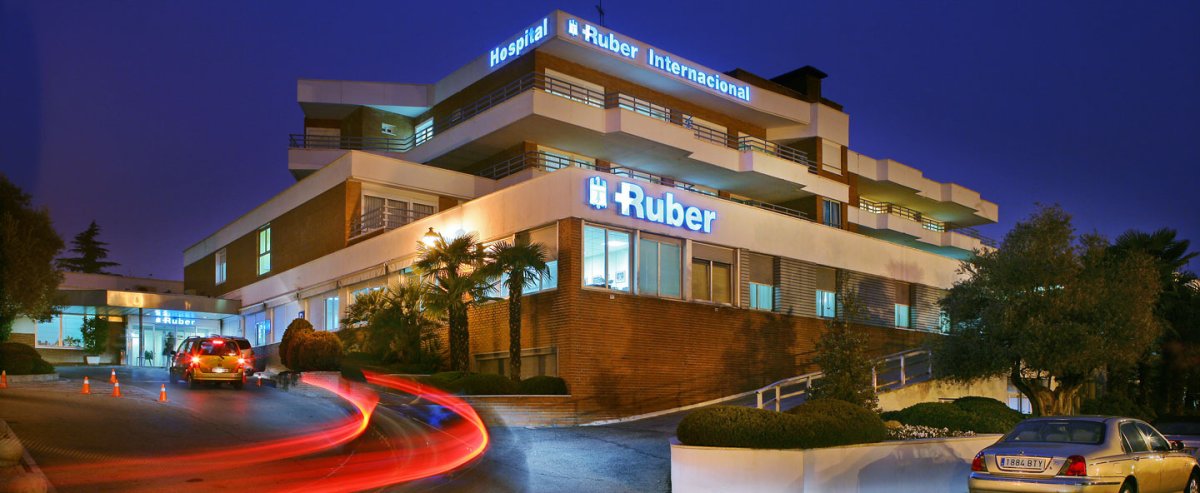
- تكنولوجيا التصوير: تستخدم المرافق المعتمدة من JCI مثل مستشفى روبير الدولي (Hospital Ruber Internacional) الرنين المغناطيسي بقوة 3 تسلا لتحليل دقيق لهيكل الدماغ.
- الدعم الإداري: التقرير المكتوب الرسمي ضروري للتقدم بطلب للحصول على إعانات الإعاقة والاعتماد الإقليمية.
رؤية خبير Bookimed: بينما توفر استشارات الأعصاب الخاصة في مدريد أو برشلونة وصولاً أسرع إلى فحوصات الرنين المغناطيسي عالية الدقة بقوة 3 تسلا، يجب على المرضى التأكد من مشاركة جميع التقارير مع طبيبهم العام في النظام العام. إن دمج التشخيص الخاص في النظام الصحي الوطني الإسباني أمر حيوي للوصول إلى الوصفات الطبية المدعومة طويلة الأجل وخدمات الرعاية الاجتماعية الإقليمية. يدمج المتخصصون ذوو الخبرة مثل الدكتورة إيلينا بالومو ليرتكوندي أيضاً الطب الدقيق، مع التركيز على صحة الأمعاء والدماغ والتدخلات الغذائية لدعم طول العمر المعرفي إلى جانب العلاج الدوائي التقليدي.
إجماع المرضى: يشير ال
ما هي العلاجات الطبية والأدوية المتاحة للخرف في إسبانيا؟
يستخدم علاج الخرف في إسبانيا أدوية معتمدة من وكالة الأدوية الأوروبية (EMA) مثل دونيبيزيل، وريفاستيجمين، وجالانتامين للتحكم في الأعراض. توفر مراكز متخصصة مثل مستشفى روبر الدولي (Hospital Ruber Internacional) تصويراً عصبياً متطوراً ورنيناً مغناطيسياً بقوة 3 تسلا لتحديد المرحلة بدقة. يوفر الاعتماد الأوروبي الأخير لعقار ليكانيماب خياراً معدلاً للمرضى في المراحل المبكرة من مرض الزهايمر.
- الأدوية العرضية: يعمل دونيبيزيل وجالانتامين على تثبيت الذاكرة. غالباً ما يُستخدم ريفاستيجمين عبر لصقات جلدية.
- العلاجات المتقدمة: تستهدف حقن ليكانيماب الوريدية لويحات الأميلويد للمرضى المؤهلين في المراحل المبكرة.
- الإدارة النفسية: تُستخدم مضادات الذهان ومضادات الاكتئاب قصيرة المدى للتحكم في الهياج الشديد أو اضطرابات النوم.
- تكنولوجيا التشخيص: تستخدم المستشفيات الرنين المغناطيسي بقوة 3 تسلا ومسح PET لتأكيد وجود أمراض الأميلويد.
رؤية خبراء Bookimed: تحتل إسبانيا المرتبة السادسة عالمياً في الطلبات الطبية، مما يعكس بنية تحتية قوية لطب الأعصاب المعقد. بينما يبحث الكثيرون عن الأدوية، تجمع مراكز مثل مستشفى روبر الدولي بين أكثر من 800 متخصص وأدوات متطورة مثل سكين جاما (Gamma Knife). وهذا يسمح برعاية متكاملة حيث يتعاون أطباء الأعصاب وجراحو الأعصاب في الحالات التي تنطوي على الخرف الوعائي أو الأمراض المصاحبة المعقدة.
إجماع المرضى: يلاحظ المرضى أن الأطباء غالباً ما يعطون الأولوية للحفاظ على الوظائف اليومية من خلال جداول أدوية مخصصة. يؤكد مقدمو الرعاي
هل توجد مساعدة مالية حكومية لرعاية مرضى الخرف على المدى الطويل؟
تتوفر المساعدة المالية الحكومية لرعاية مرضى الخرف على المدى الطويل في إسبانيا من خلال نظام الاستقلالية ورعاية التبعية (SAAD). يوفر هذا القانون تمويلاً عاماً للمساعدة المنزلية، والمراكز النهارية، والإقامات السكنية. تعتمد الأهلية على تقييم طبي لمستوى تبعية الفرد ووضعه المالي.
- تقييم التبعية: تقوم الخدمات الاجتماعية الإقليمية بتقييم قيود الحياة اليومية قبل منح المساعدة.
- الأهلية المالية: ترتبط مبالغ التمويل ارتباطاً مباشراً بدخل مقدم الطلب وأصوله.
- أنواع الخدمات: يشمل الدعم الرعاية عن بعد، والمساعدة المنزلية، وإعانات جزئية لدور رعاية المسنين.
- بدل مقدم الرعاية: يتأهل بعض المرضى للحصول على مزايا نقدية لدفع أجور أفراد الأسرة.
رؤية خبير Bookimed: تُظهر بيانات الرعاية الصحية الإسبانية تحولاً نحو الدعم المنزلي بدلاً من الإيداع المؤسسي الفوري. تركز عيادات مثل مستشفى روبير الدولي (Hospital Ruber Internacional) في مدريد على التشخيص المتقدم مثل التصوير بالرنين المغناطيسي بقوة 3 تسلا لتحديد مرحلة الخرف بدقة. هذا الدليل السريري حيوي لتقييم التبعية. غالباً ما يساعد الحصول على هذه التقارير مبكراً العائلات في الوصول إلى المساعدات الإقليمية بشكل أسرع من أولئك الذين لديهم سجلات طبية غير مكتملة.
إجماع المرضى: يشير المرضى إلى أنه من المهم التقدم بطلب للحصول على المساعدة قبل الوصول إلى مرحلة الأزمة. تجد معظم العائلات أن المساعدة الحكومية تغطي عادةً جزءاً فقط من تكاليف الإقامة بدوام كامل.
ما هي العلاجات غير الدوائية المستخدمة بشكل شائع في إسبانيا؟
تركز العلاجات غير الدوائية في إسبانيا على التحفيز المعرفي، والنشاط البدني، والاندماج الاجتماعي. تستخدم العيادات الإسبانية مثل مستشفى روبر الدولي (Hospital Ruber Internacional) التكامل متعدد الحواس. غالبًا ما تشمل هذه العلاجات تدريب الذاكرة، والعلاج بالموسيقى، والتدخلات المهنية المصممة خصيصًا. تساعد هذه البروتوكولات في إدارة الأعراض دون الاعتماد فقط على الأدوية.
- التحفيز المعرفي: تعمل الألغاز المنظمة ومهام الذاكرة على تحسين المشاركة الذهنية في الرعاية اليومية.
- التمارين البدنية: تحافظ الحركة الخاضعة للإشراف، وتمارين التوازن، والمشي على القدرة على الحركة وتحسن المزاج.
- الطب النفسي الوظيفي: يدمج خبراء مثل الدكتورة إيلينا بالومو ليرتكسوندي اليقظة الذهنية والتدريب الغذائي.
- البرامج الاجتماعية: توفر مراكز الرعاية النهارية المجتمعية أنشطة خاضعة للإشراف وراحة أساسية للعائلات.
رؤية خبير Bookimed: تحتل إسبانيا المرتبة السادسة عالميًا في الطلبات الطبية على منصتنا، مما يعكس جودة عالية. بينما يبحث الكثيرون عن تشخيصات متقدمة، تأتي أفضل النتائج من الأطباء النفسيين التكامليين. غالبًا ما يجمع هؤلاء المتخصصون في برشلونة ومدريد بين العلاج النفسي واليوغا العلاجية. يعالج هذا النهج الشامل محور الأمعاء والدماغ إلى جانب برامج التحفيز المعرفي التقليدية.
إجماع المرضى: تلاحظ العائلات أن الروتين الراسخ والبيئات المنزلية المبسطة تقلل من التوتر اليومي بشكل كبير. يجدون أن تشغيل موسيقى مألوفة أو استخدام صور قديمة غالبًا ما يحسن التواصل بشكل غير متو
أين يمكنني العثور على دعم مؤسسي موثوق لرعاية مرضى الخرف في إسبانيا؟
يتم توفير الدعم المؤسسي الموثوق للخرف في إسبانيا من قبل الخدمات الاجتماعية الحكومية، والجمعيات الوطنية مثل CEAFA، والمرافق الطبية المعتمدة من قبل اللجنة الدولية المشتركة (JCI). تستخدم أنظمة الدعم قانون التبعية لتمويل الرعاية النهارية، والمساعدة المنزلية، والعلاج العصبي المتخصص من خلال شبكة تضم 320 جمعية عائلية محلية.
- الوصول إلى الصحة العامة: يقوم الأخصائيون الاجتماعيون المحليون بتفعيل التمويل العام لمراكز الرعاية النهارية والمساعدة في الرعاية المنزلية.
- المؤسسات المتخصصة: توفر CEAFA وFundación Alzheimer España استشارات نفسية وورش عمل للتحفيز المعرفي.
- التشخيص المتقدم: توفر المراكز المعتمدة من JCI مثل مستشفى روبير الدولي (Hospital Ruber Internacional) تصوير بالرنين المغناطيسي بقوة 3 تسلا واستشارات عصبية متخصصة.
- الدعم باللغة الإنجليزية: تساعد منظمات مثل Age in Spain غير الناطقين بالإسبانية في التنقل في نظام الرعاية الصحية الإقليمي.
رؤية خبير Bookimed: على الرغم من أن إسبانيا تحتل المرتبة السادسة عالمياً من حيث الطلبات الطبية في نظامنا، إلا أن رعاية الخرف لا تزال إقليمية للغاية. يمكن للوصول إلى المستشفيات الخاصة المعتمدة من JCI في مدريد أو برشلونة تجاوز فترات الانتظار الطويلة للتشخيص المتخصص. على سبيل المثال، يضم مستشفى روبير الدولي 42 قسماً متميزاً ويخدم 25,000 مريض سنوياً، مما يضمن خبرة عالية الحجم للفحوصات العصبية المعقدة.
إجماع المرضى: يشير المرضى إلى أنه على الرغم من أن النظام العام يوفر رعاية طويلة الأجل موثوقة،
هل تتوفر مجموعات دعم أو خدمات باللغة الإنجليزية؟
تقدم إسبانيا خدمات دعم باللغة الإنجليزية بشكل أساسي من خلال شبكات العيادات الخاصة ومراكز المجتمع الدولي. وتوفر مناطق المغتربين الرئيسية مثل أليكانتي ومايوركا وكوستا ديل سول أكبر عدد من الخيارات. تحافظ المراكز المتخصصة مثل مستشفى روبر الدولي (Hospital Ruber Internacional) على معايير عالية من الرعاية النفسية والعصبية للمرضى الدوليين.
- التوفر الإقليمي: تتركز الخدمات باللغة الإنجليزية بشكل أساسي في مدريد وبرشلونة والمراكز الساحلية الرئيسية للمغتربين.
- الرعاية التخصصية الخاصة: غالبًا ما توفر العيادات الخاصة متخصصين ثنائيي اللغة، بما في ذلك الأطباء النفسيون التكامليون وخبراء طب الشيخوخة.
- الشهادات السريرية: تمتلك أفضل المرافق مثل مستشفى روبر الدولي اعتمادات الجودة من اللجنة الدولية المشتركة (JCI) والمنظمة الدولية للمعايير (ISO).
- المساعدة اللغوية: يتوفر مترجمون محترفون لسد فجوات التواصل أثناء استشارات التشخيص المعقدة.
رؤية خبراء Bookimed: تحتل إسبانيا المرتبة السادسة عالميًا في شبكتنا من حيث إمكانية الوصول إلى الرعاية الطبية. تظهر البيانات أن عيادات مثل مستشفى روبر الدولي تتعامل مع أكثر من 93,000 استشارة سنويًا. توفر هذه المراكز ذات الحجم الكبير عادةً تنسيقًا باللغة الإنجليزية أكثر سلاسة من المرافق العامة الأصغر. بالنسبة للعائلات، يضمن استهداف المستشفيات المعتمدة من JCI وجود قسم دولي منظم بالفعل للمساعدة.
إجماع المرضى: يشير المرضى إلى أن العثور على دعم متخصص أسهل بكثير في المدن الكبيرة والمناطق الساحلية. وغالبًا ما يقترحون