علاج اصطدام الكاحل الأمامي في إسبانيا — احصل على 3 عيادات مختارة خصيصاً لك


تمت مراجعة المقالة طبيا من قبل
فهد مولود
كيف نعمل؟
ما هي تكلفة اصطدام الكاحل الأمامي إجراءات التشخيص والعلاج في إسبانيا؟ اعرف الآن
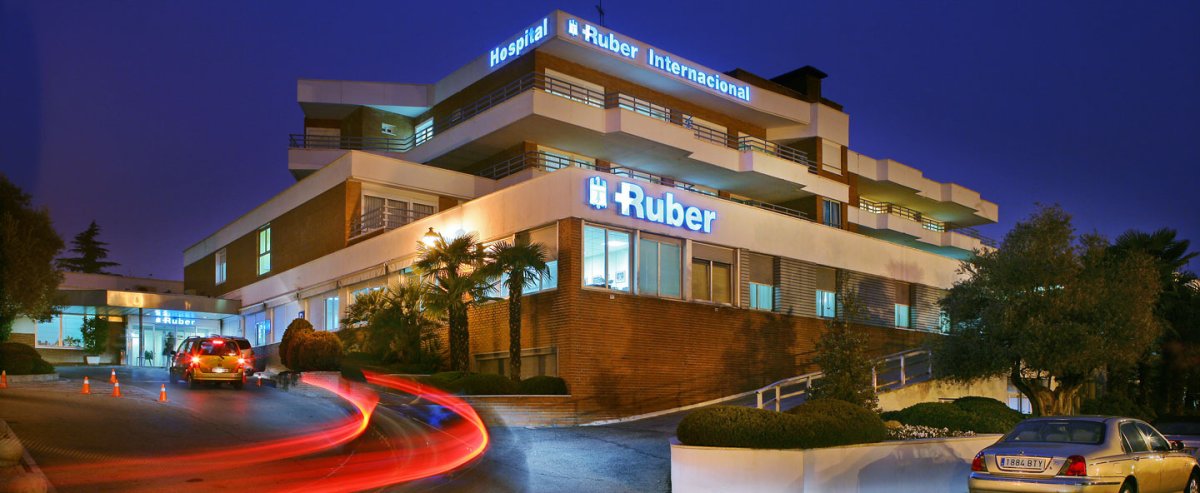
اكتشف أفضل اصطدام الكاحل الأمامي العيادات في إسبانيا: 2 خيارات معتمدة والأسعار




احصلوا على تقييم طبي لـ اصطدام الكاحل الأمامي في إسبانيا: استشيروا أطباء ذوي خبرة الآن
عرض جميع الأطباء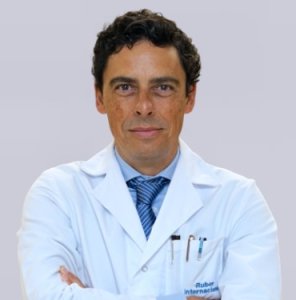
Pablo De La Cuadra
الدكتور بابلو دي لا كوادره (Pablo Cuadra de la Virgili) جرّاح عظام واختصاصي طب الرضوح في مدريد. يختص بإصابات الرياضيين وجراحة الكتف في Hospital Ruber Internacional، حيث يعمل منذ عام 1999. لديه خبرة تفوق 25 عامًا. يقود وحدة متعددة التخصصات ويرأس فريقًا متخصصًا في طب الرضوح. يُعد خبيرًا معترفًا به في اضطرابات الكتف المعقدة. يستخدم تقنيات تنظير مفصلي وترميم متقدمة لعلاج عدم الاستقرار وإصابات الكفة المدورة.
المؤهلات: دكتور في الطب (1993) ودكتوراه في الطب (2001) من جامعة مدريد المستقلة. اخت
مشاركة المحتوى
قصص فيديو من مرضى Bookimed
 Anna Leonova
أسئلة متكررة حول علاج اصطدام الكاحل الأمامي في إسبانيا
ما هي طرق التشخيص المستخدمة في إسبانيا لتأكيد انحشار الكاحل الأمامي؟
يستخدم المتخصصون الإسبان الفحوصات السريرية والتصوير لتأكيد انحشار الكاحل الأمامي. يبدأ التشخيص باختبار مولوي (Molloy test) لإعادة إنتاج الألم من خلال ثني الظهر القسري. تستخدم المراكز الرائدة مثل مستشفى روبر الدولي (Hospital Ruber Internacional) التصوير بالرنين المغناطيسي بقوة 3 تسلا والأشعة السينية أثناء التحميل لتحديد النتوءات العظمية أو انحشار الأنسجة الرخوة.
- التقييم السريري: يقوم المتخصصون بإجراء مناورات استفزازية مثل اختبار مولوي للألم.
- التصوير الشعاعي الرقمي: تحدد صور الأشعة أثناء التحميل النتوءات العظمية على عنق الظنبوب أو الكاحل.
- التصوير بالرنين المغناطيسي المتقدم: تقيم فحوصات 3 تسلا تضخم الغشاء الزليلي وتستبعد آفات الغضاريف.
- الموجات فوق الصوتية الديناميكية: يصور المسح في الوقت الفعلي انحشار الأنسجة أثناء حركة الكاحل النشطة.
- الحقن التشخيصي: تؤكد حقن التخدير الموضعي الانحشار إذا زال الألم مؤقتًا.
رؤية خبير Bookimed: على الرغم من أن الأشعة السينية هي المعيار، إلا أن المراكز المعتمدة من JCI في مدريد مثل مستشفى روبر الدولي غالبًا ما تعطي الأولوية للتصوير بالرنين المغناطيسي بقوة 3 تسلا للحالات المعقدة. يشير الدكتور بابلو دي لا كوادرا إلى أن التصوير عالي الدقة حيوي للرياضيين النخبة. فهو يمنع الجراحة غير الضرورية من خلال التمييز المبكر بين النتوءات العظمية والالتهاب البسيط.
إجماع المرضى: يلاحظ المرضى أن الأطباء يبدأون عادةً بالفحص البدني والأشعة السينية. يؤكد الكثيرون على طلب إجراء تصوير
متى تكون الجراحة ضرورية، وما هي التقنية المفضلة في إسبانيا؟
تكون الجراحة ضرورية لعلاج انحشار الكاحل الأمامي عندما يستمر الألم المزمن أو فقدان الحركة بعد العلاج غير الجراحي. يفرض المتخصصون الإسبان الجراحة في حالات الانسداد الميكانيكي أو فشل إعادة التأهيل. تنظير الكاحل هو التقنية المفضلة. يستخدم هذا النهج طفيف التوغل شقوقاً صغيرة لإزالة النتوءات العظمية أو الأنسجة الندبية.
- متطلبات الجراحة: يتم التدخل بعد فشل العلاج الطبيعي أو الحقن أو تعديل الأنشطة.
- التقنية المفضلة: يعطي الجراحون الأولوية لتنظير الكاحل لتجنب الشقوق المفتوحة الكبيرة.
- الهدف الأساسي: يزيل الإجراء النتوءات العظمية أو الأنسجة الملتهبة التي تسبب انحشار المفصل.
- الفوائد السريرية: تقلل جراحة ثقب المفتاح من الألم بعد الجراحة وتضمن عودة أسرع للحركة.
رؤية خبير Bookimed: تستفيد وحدات العظام الإسبانية مثل مستشفى روبر الدولي (Hospital Ruber Internacional) من خبرة جراحية عالية المستوى. يتمتع الدكتور بابلو دي لا كوادرا بأكثر من 25 عاماً من الخبرة في إصابات الرياضة والتنظير. هذا العمق في الخبرة حيوي لأن التنظيف الناجح يتطلب تحديداً دقيقاً لمصدر الانحشار. غالباً ما تجمع المراكز ذات الحجم الكبير بين التصوير بالرنين المغناطيسي 3-تسلا التشخيصي والتنظيف بالمنظار للحصول على دقة فائقة.
إجماع المرضى: يلاحظ المرضى أن الجراحة تحسن نطاق الحركة بشكل أكثر موثوقية من الألم المزمن. يؤكد الكثيرون أن التعافي من التنظير سريع، لكن التورم قد يستمر لعدة أسابيع أثناء إعادة التأهيل.
ما هي العلاجات التحفظية المقدمة قبل الجراحة في إسبانيا؟
تعطي العيادات الإسبانية الأولوية للعلاجات التحفظية لاصطدام الكاحل الأمامي لتقليل الالتهاب وتثبيت المفصل. تشمل البروتوكولات القياسية العلاج الطبيعي المتخصص، وتعديل الأنشطة، والإدارة الدوائية. تهدف هذه الطرق غير الجراحية إلى استعادة القدرة على الحركة. كما أنها تلبي متطلبات المرافق المعتمدة من JCI لتجارب الرعاية التحفظية الموثقة.
- العلاج الطبيعي: يركز على مرونة الساق، وحركة الكاحل، وتمارين تثبيت المفصل.
- تعديل الأنشطة: يشمل تجنب الثني الظهري المتكرر، أو القفز، أو وضعيات القرفصاء العميقة.
- إدارة الألم: يستخدم مضادات الالتهاب غير الستيرويدية وحقن الكورتيكوستيرويد أو حمض الهيالورونيك الموجهة.
- الدعم التقويمي: يستخدم دعامات مخصصة، أو أشرطة لاصقة، أو أحذية داعمة للحد من التهيج.
رؤية خبير Bookimed: غالبًا ما ترتبط مؤشرات الجودة في إسبانيا بأحجام استشارة عالية. تعامل مستشفى روبير الدولي (Hospital Ruber Internacional) مع أكثر من 93,000 استشارة في عام 2022. يشير هذا الحجم إلى أن متخصصين مثل الدكتور بابلو دي لا كوادرا يتعاملون بشكل متكرر مع حالات معقدة دون جراحة فورية. ابحث عن العيادات الحاصلة على شهادات ISO 9001 لضمان بروتوكولات إعادة تأهيل موحدة.
إجماع المرضى: يلاحظ المرضى أن تغيير الأحذية وتجنب زوايا معينة للكاحل يحدث فرقًا كبيرًا. يؤكد الكثيرون أنه على الرغم من أن الحقن توفر الراحة، إلا أنهم غالبًا ما ينظرون إلى العلاج الطبيعي كأداة أساسية غير جراحية.
ما هو الجدول الزمني النموذجي للتعافي بعد تنظير المفصل؟
يستغرق التعافي من انحشار الكاحل الأمامي بعد تنظير المفصل من 4 إلى 6 أسابيع للأنشطة اليومية. يتطلب التئام المفصل بالكامل عادةً من 3 إلى 6 أشهر. يسمح هذا الإجراء طفيف التوغل بالخروج في نفس اليوم. يبدأ العلاج الطبيعي الرسمي عادةً في غضون أسبوع إلى أسبوعين لاستعادة المرونة.
- الإقامة في المستشفى: يعود المرضى إلى منازلهم في نفس اليوم كإجراء خارجي.
- تحميل الوزن الأولي: غالبًا ما يتم تشجيع تحميل الوزن الجزئي في غضون الأيام الثلاثة الأولى.
- إزالة الغرز: يقوم الجراحون عادةً بإزالة الغرز غير القابلة للامتصاص بعد حوالي 7 إلى 10 أيام من الجراحة.
- العودة للرياضة: تُستأنف الأنشطة أو الرياضات عالية التأثير عمومًا بين 3 و 6 أشهر.
رؤية خبير Bookimed: تدمج المراكز الإسبانية مثل مستشفى روبر الدولي فرق جراحة العظام المتخصصة مع إعادة التأهيل المتقدمة. يتمتع الدكتور بابلو دي لا كوادرا بأكثر من 25 عامًا من الخبرة في هذه الإجراءات. يضمن اختيار منشأة حاصلة على اعتماد JCI أن بروتوكولات ما بعد الجراحة تلبي معايير السلامة الدولية الصارمة.
إجماع المرضى: يلاحظ المرضى أن المشي يتحسن بسرعة ولكنهم يؤكدون أن التورم قد يستمر. يحذر الكثيرون من أن الشعور بالتحسن ليس هو نفسه الشفاء التام.
هل تُعد إسبانيا وجهة معترف بها لطب الرياضة بالمنظار عالي الجودة؟
تُعد إسبانيا رائدة عالمياً في طب الرياضة بالمنظار. فهي تتميز ببروتوكولات جراحية متقدمة ورعاية رياضية للنخبة. تحمل العديد من المرافق اعتماد اللجنة الدولية المشتركة (JCI). أبلغ المتخصصون الإسبان عن معدلات نجاح تتراوح بين 85% إلى 90% في جراحات العظام بالمنظار. يحصل المرضى على علاجات من مستوى النخبة يستخدمها الرياضيون المحترفون.
- خبرة متخصصة: يركز جراحون مثل الدكتور بابلو دي لا كوادرا على إصابات الملاعب.
- شهادات سريرية: تحافظ أفضل المرافق على معايير اللجنة الدولية المشتركة (JCI) ومعايير الأيزو (ISO).
- حجم عمليات مرتفع: يجري مستشفى روبر الدولي (Hospital Ruber Internacional) أكثر من 6,000 عملية جراحية سنوياً.
- تصوير متقدم: تستخدم المراكز تقنية الرنين المغناطيسي 3-تسلا لتشخيص دقيق لانحشار الكاحل.
رؤية خبير Bookimed: تتمثل إحدى المزايا الرئيسية في إسبانيا في التخصص العالي للجراحين داخل المستشفيات الكبيرة. في مستشفى روبر الدولي، تركز فرق منفصلة حصرياً على إصابات المفاصل بدلاً من جراحة العظام العامة. يتضح هذا التركيز في الخبرة من خلال حجم استشاراتهم الذي يبلغ 93,000 استشارة سنوياً. بالنسبة لحالات الانحشار، هذا يعني أن جراحك يقوم على الأرجح بمئات عمليات المنظار سنوياً.
إجماع المرضى: يؤكد المرضى على أهمية العثور على متخصص في القدم والكاحل بدلاً من طبيب عام. ويشيرون إلى أن التعافي من منظار الكاحل غالباً ما يكون أبطأ ويصاحبه تورم أكثر مما كان متوقعاً. ينصح الكثيرون بمطابقة نتائج الفحص البدني مع التصوير لضمان أن الجراحة تعالج السبب
هل يغطي التأمين الصحي الدولي تنظير مفصل الكاحل الأمامي في إسبانيا؟
عادةً ما يغطي التأمين الصحي الدولي تنظير مفصل الكاحل الأمامي في إسبانيا عندما يكون ذلك ضروريًا طبيًا. تتطلب البوليصات عادةً توثيقًا للعلاجات التحفظية الفاشلة أو تصويرًا تشخيصيًا واضحًا. تعتمد التغطية على المزايا العالمية. يستثني معظم شركات التأمين الحالات الموجودة مسبقًا ما لم يتم تضمينها بشكل خاص في الخطط المميزة.
- الضرورة الطبية: تتطلب شركات التأمين إثباتًا للألم أو عدم الاستقرار.
- التفويض المسبق: الموافقة الكتابية إلزامية قبل جدولة الجراحة.
- نوع المنشأة: الفوترة المباشرة شائعة في المستشفيات الخاصة المعتمدة من JCI.
- قيود الشبكة: استخدم العيادات المعتمدة مثل مستشفى روبر الدولي (Hospital Ruber Internacional).
رؤية خبير Bookimed: غالبًا ما يغفل المرضى أن كبار أخصائيي العظام في إسبانيا، مثل الدكتور بابلو دي لا كوادرا، يعملون داخل مراكز خاصة ذات حجم كبير مثل مستشفى روبر الدولي. تدير هذه المنشأة أكثر من 6000 عملية جراحية سنويًا. إن اختيار مثل هذه المؤسسات الراسخة يبسط عملية المطالبة بالتأمين لأن أقسام الفوترة لديهم لديها خبرة في المعايير الدولية مثل JCI. إنهم يقدمون فواتير مفصلة دقيقة وترميزًا جراحيًا تتطلبه شركات التأمين للسداد.
إجماع المرضى: يشير المرضى إلى أن نجاح التغطية يعتمد على استخدام الصياغة التشخيصية الدقيقة من الجراح. ويؤكدون أنه على الرغم من أن الجراحة قد تكون مغطاة، فقد تحتاج إلى الدفع مقدمًا وتقديم الأوراق لاسترداد الأموال لاحقًا.
كم من الوقت يجب أن يبقى المريض الدولي في إسبانيا بعد الجراحة؟
يبقى المرضى الدوليون عادةً في إسبانيا لمدة تتراوح بين 14 إلى 21 يوماً بعد جراحة العظام. تضمن هذه الفترة التئام الجروح بشكل آمن وتسمح بإزالة الغرز. يقدم الجراحون شهادة لياقة للطيران بعد تقييم الحركة والتورم لمنع حدوث مضاعفات أثناء السفر جواً.
- تعقيد الإجراء: تتراوح فترات التعافي من 14 يوماً لتنظير المفاصل إلى 21 يوماً لعمليات إعادة البناء.
- العناية بالجروح: تقوم الفرق المتخصصة عادةً بإزالة الغرز الجراحية حوالي اليوم العاشر بعد الجراحة.
- سلامة الطيران: تقلل الإقامات الطويلة من مخاطر التورم وجلطات الدم أثناء تغيرات ضغط الهواء.
- الرعاية المتخصصة: يحافظ مستشفى روبير الدولي (Hospital Ruber Internacional) على اعتماد اللجنة الدولية المشتركة (JCI) لبروتوكولات المتابعة الجراحية عالية المستوى.
رؤية خبير Bookimed: تجذب إسبانيا العديد من الرياضيين للحصول على رعاية متخصصة في العظام بفضل المراكز الخاصة مثل مستشفى روبير الدولي. تجري هذه المرافق أكثر من 6,000 عملية جراحية سنوياً وتوفر وحدات إعادة تأهيل متكاملة. غالباً ما يؤدي اختيار عيادة بها علاج طبيعي في الموقع إلى تقصير الوقت اللازم قبل أن يتمكن المريض من التنقل في بيئات المطارات بأمان وبشكل مستقل.
إجماع المرضى: يشير المرضى إلى أن المشي عبر المطارات والجلوس أثناء الرحلات الطويلة أصعب مما كان متوقعاً. يوصي الكثيرون بالبقاء لأيام إضافية لضمان استقرار القدم والسيطرة الجيدة على الألم قبل السفر إلى المنزل.