علاج إدمان المخدرات في كوريا الجنوبية — احصل على 3 عيادات مطابقة مع التكاليف


تمت مراجعة المقالة طبيا من قبل
فهد مولود
ما هي تكلفة علاج إدمان المخدرات في كوريا الجنوبية؟ اكتشف الآن
تتراوح تكلفة علاج الإدمان في كوريا الجنوبية عادةً بين $4,500 و $7,500. تعتمد التكلفة الإجمالية على أسلوب العلاج، ومدة الإقامة، ومستوى المنشأة. تشمل البرامج عادةً إزالة السموم، والأدوية، والدعم النفسي الاجتماعي.
- إعادة التأهيل الداخلي: تعكس عادةً أعلى تكلفة بسبب الإشراف الطبي على مدار الساعة وتوفير الإقامة.
- البرامج الخارجية: تعد أكثر ملاءمة من حيث التكلفة لمن يحتاجون إلى جداول مرنة دون إقامة داخلية.
- خدمات إزالة السموم: غالباً ما تتطلب مرحلة إدارة أعراض الانسحاب الأولية رسوماً إضافية نظراً للحاجة إلى مراقبة مكثفة.
- المراكز في سول: قد تفرض المراكز الموجودة في العاصمة رسوماً أعلى بنسبة 15-20 % مقارنة بالعيادات الإقليمية.
رأي خبراء Bookimed: يوفر اختيار منشأة تابعة لجامعة مثل مستشفى غانغام سيفيرانس قيمة فريدة. كان هذا المستشفى أول مؤسسة تحصل على اعتماد JCI في كوريا. كما صُنف ضمن قائمة نيوزويك لأفضل مستشفيات العالم لعامي 2021 و2022. يستفيد المرضى من السجلات الصحية الإلكترونية المتطورة والفرق متعددة التخصصات ضمن نظام طبي عالمي. تدمج المستشفيات الرائدة غالباً التصوير الرقمي والذكاء الاصطناعي لمراقبة تقدم التعافي بفعالية.
المزايا الرئيسية
لماذا يختار المرضى جمهورية كوريا لعلاج إدمان المخدرات؟
- العيادات المعتمدة: المستشفيات المعتمدة من JCI تقدم معايير رعاية معترف بها دوليًا. هذا يضمن علاجًا عالي الجودة.
- أحدث التقنيات: تُستخدم تقنيات مثل العلاج السلوكي المعرفي (CBT) والعلاج المساعد بالأدوية (MAT) باستخدام علامات تجارية مثل Suboxone وVivitrol لتحسين نتائج التعافي.
- نسب نجاح عالية: برامج العلاج في كوريا الجنوبية أظهرت نسبة فعالية تتراوح بين 70-80%. هذه البرامج تقلل بشكل فعال من معدلات الانتكاس بين المرضى الذين يعانون من اضطرابات تعاطي المواد.
- ممارسون خبراء: أخصائيو الإدمان الرائدون، المعتمدون من الجمعية الكورية لطب الإدمان، عالجوا أكثر من 5,000 حالة. خبرتهم الواسعة ومعرفتهم معترف بها جيدًا.
احصل على حلول متقدمة لعلاج إدمان المخدرات في عيادات موثوقة من $4,500.
| كوريا الجنوبية | تركيا | إسبانيا | |
|---|---|---|---|
| علاج إدمان المخدرات | ≈ $4,500 | من $11,000 | من $13,300 |
مزاياك وضماناتك مع Bookimed
أسعار مباشرة
Bookimed لا يضيف رسوماً إضافية على أسعار علاج إدمان المخدرات. الأسعار مأخوذة من قوائم الأسعار الرسمية للعيادات. تدفع مباشرة في العيادة مقابل علاج إدمان المخدرات عند وصولك.
عيادات وأطباء معتمدون فقط
Bookimed ملتزم بسلامتك. نحن نعمل فقط مع المؤسسات الطبية التي تحافظ على معايير دولية عالية في علاج إدمان المخدرات ولديها التراخيص اللازمة لخدمة المرضى الدوليين في جميع أنحاء العالم.
مساعدة مجانية على مدار الساعة
Bookimed يقدم مساعدة خبراء مجانية. منسق طبي شخصي يدعمك قبل وأثناء وبعد العلاج، ويحل أي مشاكل. لن تكون وحيداً أبداً في رحلة علاج إدمان المخدرات.

منسقك الطبي الشخصي في Bookimed
- يدعمك في كل مرحلة
- المساعدة في اختيار العيادة الطبية المناسبة والطبيب المناسب
- يضمن الوصول السريع والمريح إلى المعلومات
اكتشف أفضل علاج إدمان المخدرات العيادات في كوريا الجنوبية: 1 خيار معتمدة والأسعار



نظرة عامة على علاج إدمان المخدرات في كوريا الجنوبية
- علاج إدمان المخدرات - من $4,500
يساعد الإجراء في التغلب على إدمان المواد ، واستخدام العلاج ، والأدوية ، ودعم التغيرات الحياتية.
- علاج إدمان الكحول - من $3,800
يساعد هذا العلاج في التغلب على إدمان الكحول من خلال إزالة السموم وتقديم المشورة والأدوية والدعم طويل الأمد.
اليوم الأول - الوصول
- الوصول إلى المطار.
- الانتقال إلى فندق 4 نجوم.
اليوم 2 - ما قبل المعالجة
- استشارة أولية مع أخصائي الإدمان.
- التقييم الطبي الشامل.
- التقييم النفسي.
- اختبارات إضافية إذا لزم الأمر.
من اليوم الثالث إلى اليوم الثلاثين - العلاج
- المشاركة في العلاجات الفردية والجماعية.
- الخضوع للإشراف الطبي لإزالة السموم إذا لزم الأمر.
- تلقي العلاج الدوائي إذا لزم الأمر.
- فحوصات منتظمة من قبل الطاقم الطبي.
من الأسبوع الرابع إلى الأسبوع الثاني عشر - بعد العلاج
- استمرار الجلسات العلاجية.
- استشارات منتظمة مع الأطباء لمراقبة التقدم.
- تعديلات في خطة العلاج إذا لزم الأمر.
الأسبوع 12 وما بعده - إعادة التأهيل
- عودة تدريجية إلى العمل من الأسبوع 12.
- استئناف الرياضة والأنشطة الأخرى من الأسبوع السادس عشر.
- المتابعة المنتظمة لمنع الانتكاس.
- يمكن رؤية النتيجة النهائية خلال فترة زمنية.
يرجى ملاحظة أن رحلة كل مريض نحو الشفاء فريدة وقد يختلف الجدول الزمني.
- إيداع Bookimed: 200 دولار أو 200 يورو.
- وديعة العيادة: ادفع نسبة محددة مقدمًا.
مشاركة المحتوى
قصص فيديو من مرضى Bookimed
 Anna Leonova
حقائق سريعة عن علاج إدمان المخدرات
علاج إدمان المخدرات
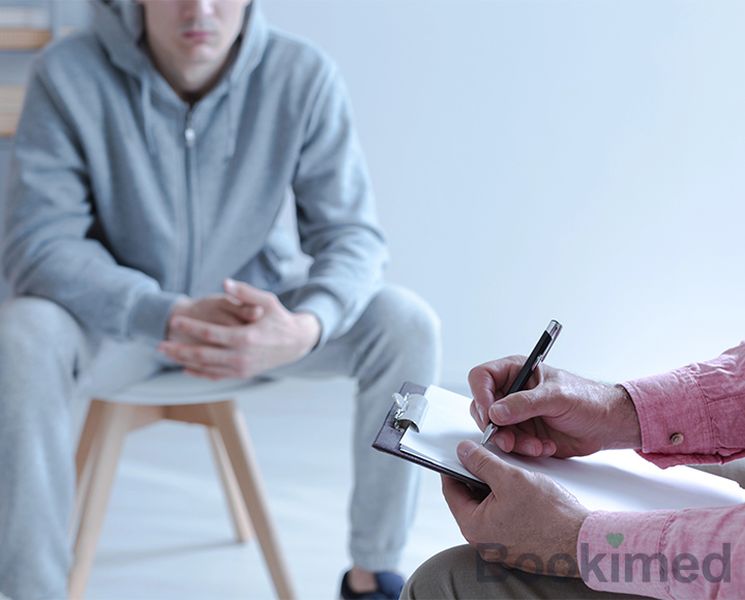
ينطوي هذا الإجراء على نهج شامل لمعالجة إدمان المخدرات من خلال التدخلات العلاجية والطبية المختلفة.
أسئلة متكررة حول علاج إدمان المخدرات في كوريا الجنوبية
ما هي مرافق إعادة التأهيل في كوريا الجنوبية التي توفر علاج الإدمان تحت إشراف طبي؟
يتم توفير علاج الإدمان تحت إشراف طبي في كوريا الجنوبية بشكل أساسي من قبل المستشفيات الجامعية المتخصصة ومراكز الصحة العقلية التي تديرها الحكومة. توفر مرافق مثل مستشفى Gangnam Severance ومركز Samsung الطبي إزالة السموم السريرية، وتقليل جرعات المواد الأفيونية، ورعاية التشخيص المزدوج وفقًا لمعايير اللجنة الدولية المشتركة (JCI) وKOIHA.
- مقدمو خدمات إزالة السموم السريرية: توفر المستشفيات الجامعية غرفًا خاصة مع تقليل تدريجي مُدار وعلاج بالترطيب.
- المرافق الحكومية: يوفر المركز الوطني للصحة العقلية خدمات الاستقرار الطبي التي تديرها الدولة.
- معايير الاعتماد: تحافظ المراكز رفيعة المستوى على شهادات الجودة من اللجنة الدولية المشتركة (JCI) وKOIHA.
- رعاية التشخيص المزدوج: يجمع مستشفى Severance بين التعافي من المواد المخدرة والدعم النفسي للصحة العقلية.
رؤية خبير Bookimed: على الرغم من وجود 81 عيادة في كوريا الجنوبية، إلا أن القليل منها فقط يقدم رعاية طوعية عالية الجودة. توفر المستشفيات الجامعية الخاصة مثل Gangnam Severance أكثر البيئات خصوصية. تعطي هذه المرافق الأولوية للخصوصية أكثر من المراكز الحكومية منخفضة التكلفة. هذا أمر حيوي بالنظر إلى الوصمة الثقافية المحلية المتعلقة بالإدمان.
إجماع المرضى: يجد العديد من المرضى أن البرامج الجامعية الخاصة أكثر نظافة وأقل إصدارًا للأحكام من الخيارات العامة. ومع ذلك، يختار بعض المغتربين بدائل إقليمية لأن البرامج الكورية غالبًا ما تركز بشكل صارم على إزالة السموم الطبية.
كم تستغرق برامج إعادة تأهيل مدمني المخدرات في كوريا عادةً وما الذي يحدد المدة؟
تستغرق برامج إعادة تأهيل مدمني المخدرات في كوريا الجنوبية عادةً من 30 إلى 90 يومًا للرعاية المكثفة للمرضى الداخليين. وتعد البرامج الممتدة التي تتراوح من 6 أشهر إلى سنة واحدة شائعة للتعافي من المنشطات. تعتمد المدة على شدة الإدمان، ونوع المادة، والوضع القانوني بموجب قانون مكافحة المخدرات.
- إزالة السموم قصيرة المدى: يتطلب الاستقرار البدني الأولي وإدارة الانسحاب عادةً من 7 إلى 14 يومًا.
- الرعاية المكثفة القياسية: يستغرق الاستشارة النفسية والعلاج السلوكي عادةً من 60 إلى 90 يومًا.
- التعافي من المنشطات: غالبًا ما يمتد علاج الميثامفيتامين إلى 6 إلى 12 شهرًا لتحقيق الاستقرار.
- التفويضات القانونية: غالبًا ما تتطلب إعادة التأهيل بأمر من المحكمة كبديل للسجن 6 أشهر من المراقبة.
رؤية خبير Bookimed: بينما يسعى الكثيرون إلى إزالة السموم السريعة، تشير البيانات السريرية في كوريا الجنوبية إلى أن نموذج المرحلتين هو الأكثر فعالية. تستخدم المرافق الرائدة مثل مستشفى Gangnam Severance تصويرًا رقميًا متقدمًا لمراقبة التعافي العصبي. غالبًا ما يغفل المرضى أن النجاح على المدى الطويل يتطلب 18 إلى 36 شهرًا من المتابعة الخارجية. يضمن اختيار مستشفى معتمد من JCI معايير السلامة الدولية خلال هذه التحولات عالية الكثافة.
إجماع المرضى: يؤكد المرضى أن جداول التعافي مرنة وليست ثابتة حسب التقويم. يعتمد النجاح على اجتياز فحوصات المخدرات وتحقيق معالم سلوكية محددة يحددها المستشارون السريريون.
ما هي العلاجات الطبية والنفسية الاجتماعية التي تعتبر قياسية لعلاج إدمان المخدرات في كوريا؟
يجمع العلاج القياسي لإدمان المخدرات في كوريا بين إزالة السموم الطبية الإلزامية في المستشفيات وإعادة التأهيل النفسي الاجتماعي المنظم. يخضع المرضى عادةً لبرنامج مدته من 3 إلى 12 شهرًا في أجنحة نفسية متخصصة أو مراكز تديرها الحكومة. تشمل الأساليب الرئيسية إدارة الانسحاب باستخدام البنزوديازيبينات، والاستشارة الجماعية المكثفة، وجلسات التربية الأخلاقية المدمجة من قبل المحكمة.
- إزالة السموم الطبية: يستخدم الأطباء بشكل أساسي البنزوديازيبينات للانسحاب. يظل الوصول إلى الميثادون والبوبرينورفين مقيدًا بشدة.
- بيئة العلاج: تتطلب معظم البرامج إقامة لا تقل عن 3 أشهر في وحدات نفسية معتمدة من قبل JCI.
- العلاجات النفسية الاجتماعية: تشمل إعادة التأهيل جلسات مستوحاة من الخطوات الـ 12، والعلاج النفسي الفردي، والعلاج السلوكي المعرفي.
- الامتثال الإلزامي: غالبًا ما تفرض الأنظمة القانونية العلاج. تشمل فترة ما بعد الإفراج اختبارات بول غير محددة المدة ومراقبة بأمر من المحكمة.
رؤية خبير Bookimed: تقدم العيادات الخاصة في سيول مثل مستشفى Gangnam Severance بديلاً أكثر إنسانية للمرافق الحكومية. تؤكد هذه المراكز على الرعاية متعددة التخصصات مع تشخيصات متقدمة. يساعد البحث عن علاج خاص مبكرًا المرضى على تجنب الوصمة العالية للأجنحة النفسية التي تفرضها المحكمة. غالبًا ما يؤدي هذا النهج الاستباقي إلى نتائج أفضل لإعادة الاندماج الاجتماعي على المدى الطويل.
إجماع المرضى: يجد الكثيرون أن الانضباط على الطراز العسكري والمحاضرات الأخلاقية تمثل تحديًا أثناء التعافي.
هل يمكن للمواطنين الأجانب أو المخالفين لأول مرة تلقي العلاج بدلاً من السجن، وهل هذا سري؟
يمكن للمواطنين الأجانب والمخالفين لأول مرة في كوريا الجنوبية الحصول على أحكام مع وقف التنفيذ مع أوامر علاج، على الرغم من أن الأهلية محدودة للغاية. يتمتع القضاة بتقدير كبير في القضايا غير العنيفة التي تنطوي على كميات صغيرة. ومع ذلك، غالبًا ما تؤدي الإدانات المتعلقة بالمخدرات إلى الترحيل الإلزامي لغير المواطنين على الرغم من إكمال العلاج بنجاح.
- الأهلية القانونية: قد يتأهل المخالفون لأول مرة في تهم غير عنيفة للحصول على أحكام مع وقف التنفيذ.
- أوامر العلاج: يمكن للمحاكم فرض برامج إعادة تأهيل في مرافق متخصصة مثل مستشفى جانجنام سيفيرانس.
- خطر الترحيل: يواجه غير المواطنين مخاطر عالية بالإبعاد الفوري بعد أي إدانة تتعلق بالمخدرات.
- حدود الخصوصية: تظل السجلات الطبية سرية ما لم تكن مطلوبة بموجب أوامر قضائية للإجراءات الجنائية.
رؤية خبير Bookimed: بينما تتعامل المستشفيات العامة مع القضايا التي تأمر بها المحكمة، يوفر العلاج الخاص ميزة حاسمة للتدخل المبكر. يمكن أن يؤدي طلب المساعدة الطوعية في المراكز المعتمدة من JCI قبل التورط القانوني إلى منع وجود سجل جنائي. هذا المسار ضروري لأن النظام القضائي في كوريا الجنوبية نادراً ما يعطي الأولوية لإعادة التأهيل على العقاب بمجرد حدوث الاعتقال.
إجماع المرضى: يؤكد المرضى أن سياسات المخدرات عقابية للغاية مقارنة بالمعايير الغربية. ويحذرون من أن الاعتقالات البسيطة يمكن أن تؤدي إلى إلغاء دائم للتأشيرات وحظر التوظيف في المستقبل داخل البلاد.
هل يغطي التأمين الوطني الكوري العلاج الدوائي في العيادات الخارجية (البوبرينورفين أو النالتريكسون)؟
بدءاً من عام 2024، يغطي التأمين الصحي الوطني في كوريا الجنوبية العلاج الدوائي في العيادات الخارجية للإدمان على المخدرات للمقيمين الذين يحتاجون إلى حماية علاجية. في حين أن النالتريكسون متاح على نطاق واسع، يظل الوصول إلى البوبرينورفين مقتصراً على تركيبات محددة. يدفع المرضى عادةً ما بين 30% إلى 70% من التكاليف الطبية اعتماداً على نوع المنشأة.
- أهلية التأمين: متاح للمواطنين والمقيمين الأجانب الذين يقيمون لأكثر من 6 أشهر.
- توافر الأدوية: النالتريكسون شائع، لكن البوبرينورفين يقتصر في الغالب على اللصقات.
- تغطية المنشأة: تنطبق معدلات استرداد أعلى على العيادات مقارنة بالمستشفيات الكبيرة.
- هيكل التكلفة: يغطي المرضى دفعاً مشتركاً بنسبة 30% إلى 70% من خلال التأمين.
رؤية خبير Bookimed: على الرغم من أن إصلاحات عام 2024 وسعت التغطية، إلا أن البيانات السريرية تظهر فجوة في البنية التحتية للعيادات الخارجية. يظل معظم العلاج متركزاً في وحدات إزالة السموم بالمستشفيات مثل Gangnam Severance. يجب على المرضى الذين يبحثون عن البوبرينورفين التحقق من مخزون الصيدليات المحدد في سيول قبل بدء العلاج. هذا يمنع الانقطاع في العلاج بسبب نقص الإمدادات المحلي.
إجماع المرضى: يجد الكثيرون أنه على الرغم من قواعد التأمين الجديدة، تظل التكاليف التي يتحملها المريض كبيرة. غالباً ما تؤدي مخاوف الخصوصية والوصمة الاجتماعية إلى تفضيل المرضى للعيادات الخاصة على المستشفيات الكبيرة.
ما هي خدمات الدعم الاجتماعي التي تساعد المرضى على إعادة الاندماج بعد الخروج من إعادة التأهيل؟
يستفيد المرضى الذين يعيدون الاندماج بعد إعادة التأهيل في كوريا الجنوبية من خدمات دعم اجتماعي متخصصة تشمل منظمة مدمني المخدرات المجهولين في كوريا (KNA)، وبرامج مراكز الصحة العامة في المناطق، والعلاج الأسري المنظم. تركز هذه الخدمات على المساءلة بين الأقران، والامتثال القانوني، وإعادة الاندماج في مكان العمل للتخفيف من مخاطر الانتكاس العالية خلال أول 90 يوماً.
- دعم الأقران: الوصول إلى اجتماعات مدمني المخدرات المجهولين في كوريا (KNA) عبر Naver لتحقيق المساءلة المجتمعية اليومية.
- الرعاية اللاحقة الحكومية: إكمال المتابعات الإلزامية في مراكز الصحة بالمنطقة للبقاء ممتثلاً للوائح المحلية.
- المراقبة الرقمية: المشاركة في مجموعات خاصة للخريجين على KakaoTalk للحصول على دعم فوري من الأقران وتسجيلات الوصول.
- شبكات التوظيف: استخدام شبكات مشاركة الوظائف التابعة لـ NA للعثور على أصحاب عمل داعمين والتعامل مع وصمة العار في مكان العمل.
- الاستشارة الأسرية: المشاركة في جلسات أسرية منظمة لوضع الحدود ومنع الإرهاق المنزلي.
رؤية خبير Bookimed: في حين توفر مرافق رفيعة المستوى مثل مستشفى Gangnam Severance إزالة سموم سريرية عالمية المستوى، فإن التركيز الثقافي على التعافي بقيادة الأسرة في كوريا فريد من نوعه. تشير البيانات إلى أن أقوى النتائج تحدث عندما يجمع المرضى بين الإشراف الطبي في المستشفى ومراقبة مركز الصحة في المنطقة المحلية. يضمن هذا النهج المزدوج السلامة السريرية والامتثال القانوني الاجتماعي طويل الأمد.
إجماع المرضى:
ما هي المخاطر القانونية التي يواجهها الزوار إذا وصلوا بأدوية خاضعة للرقابة أو تعاطوا القنب سابقاً؟
يواجه زوار جمهورية كوريا مخاطر قانونية جسيمة، بما في ذلك الاعتقال الفوري والاحتجاز والترحيل لحيازة مواد خاضعة للرقابة أو نتيجة اختبار إيجابية لتعاطي القنب سابقاً. تتبع كوريا الجنوبية سياسة عدم التسامح مطلقاً حيث يمكن لاختبارات الشعر والبول اكتشاف نواتج أيض المخدرات من أشهر سابقة.
- اختبار المخدرات: يمكن للجمارك فرض اختبارات البول أو الشعر لأي اشتباه في تعاطي المخدرات.
- نافذة الكشف: تستخدم السلطات تكنولوجيا متقدمة للعثور على آثار القنب حتى بعد 90 يوماً.
- قواعد الوصفات الطبية: تتطلب أدوية مثل Adderall أو Xanax موافقة مسبقة من السفارة الكورية والعبوة الأصلية.
- تأثير التأشيرة: تؤدي نتيجة اختبار THC الإيجابية عادةً إلى إلغاء فوري ودائم لتأشيرة السياحة.
رؤية خبير Bookimed: بينما يقدم مستشفى Gangnam Severance في سيول رعاية طبية عالمية المستوى مع اعتماد JCI، يواجه المسافرون الذين يبحثون عن علاج للإدمان تدقيقاً شديداً. تشير بياناتنا إلى أن المسؤولين غالباً ما ينظرون إلى السفر المرتبط بالمخدرات بريبة، مما يؤدي أحياناً إلى حجر صحي إلزامي لمدة 5 أيام أو رفض الدخول. لهذا السبب، يفكر العديد من المرضى الدوليين الآن في وجهات بديلة ذات مخاطر قانونية أقل للدخول لأغراض إعادة التأهيل.
إجماع المرضى: يفيد المرضى بأن ماسحات الجمارك والاختبارات العشوائية فعالة للغاية، مما يجعل من الضروري أن تكون نظيفاً لأكثر من 90 يوماً. يوصي معظمهم بالحصول على خطابات من السفارة لجميع الأدوية قبل 3 أشهر على الأقل من رحلتك المجدولة.