علاج الأطفال والمراهقين الذين يعانون من مرض انفصام الشخصية في كوريا الجنوبية — احصل على 3 عيادات مطابقة مع التكاليف


تمت مراجعة المقالة طبيا من قبل
فهد مولود
ما هي تكلفة علاج الأطفال والمراهقين الذين يعانون من مرض انفصام الشخصية في كوريا الجنوبية؟ اكتشف الآن
المزايا الرئيسية
لماذا يختار المرضى جمهورية كوريا لعلاج الأطفال والمراهقين المصابين بالفصام؟
- العيادات المعتمدة: المستشفيات الحاصلة على شهادة JCI تقدم معايير رعاية معترف بها دوليًا. وهذا يضمن علاجًا عالي الجودة.
- أحدث التقنيات: استخدام أساليب مثل العلاج السلوكي المعرفي (CBT) وأجهزة مثل التحفيز المغناطيسي عبر الجمجمة (TMS) يوفر نهجًا مبتكرًا لإدارة أعراض الفصام لدى المرضى الصغار.
- نسب نجاح عالية: تصل فعالية العلاج إلى 70%. مما يحسن الأعراض ونوعية الحياة للأطفال والمراهقين المصابين بالفصام.
- الأطباء الخبراء: أطباء نفسيون وعلماء نفس رائدون، معتمدون من الجمعية الكورية للطب النفسي العصبي، لديهم خبرة واسعة. بعضهم عالج أكثر من 500 حالة من الفصام لدى الأطفال.
احصل على حلول علاج متقدمة للأطفال والمراهقين المصابين بالفصام في العيادات الموثوقة من $9,000.
| كوريا الجنوبية | تركيا | إسبانيا | |
|---|---|---|---|
| علاج الأطفال والمراهقين الذين يعانون من مرض انفصام الشخصية | ≈ $9,000 | ≈ $4,500 | ≈ $6,500 |
مزاياك وضماناتك مع Bookimed
أسعار مباشرة
Bookimed لا يضيف رسوماً إضافية على أسعار علاج الأطفال والمراهقين الذين يعانون من مرض انفصام الشخصية. الأسعار مأخوذة من قوائم الأسعار الرسمية للعيادات. تدفع مباشرة في العيادة مقابل علاج الأطفال والمراهقين الذين يعانون من مرض انفصام الشخصية عند وصولك.
عيادات وأطباء معتمدون فقط
Bookimed ملتزم بسلامتك. نحن نعمل فقط مع المؤسسات الطبية التي تحافظ على معايير دولية عالية في علاج الأطفال والمراهقين الذين يعانون من مرض انفصام الشخصية ولديها التراخيص اللازمة لخدمة المرضى الدوليين في جميع أنحاء العالم.
مساعدة مجانية على مدار الساعة
Bookimed يقدم مساعدة خبراء مجانية. منسق طبي شخصي يدعمك قبل وأثناء وبعد العلاج، ويحل أي مشاكل. لن تكون وحيداً أبداً في رحلة علاج الأطفال والمراهقين الذين يعانون من مرض انفصام الشخصية.

منسقك الطبي الشخصي في Bookimed
- يدعمك في كل مرحلة
- المساعدة في اختيار العيادة الطبية المناسبة والطبيب المناسب
- يضمن الوصول السريع والمريح إلى المعلومات
اكتشف أفضل علاج الأطفال والمراهقين الذين يعانون من مرض انفصام الشخصية العيادات في كوريا الجنوبية: 1 خيار معتمدة والأسعار
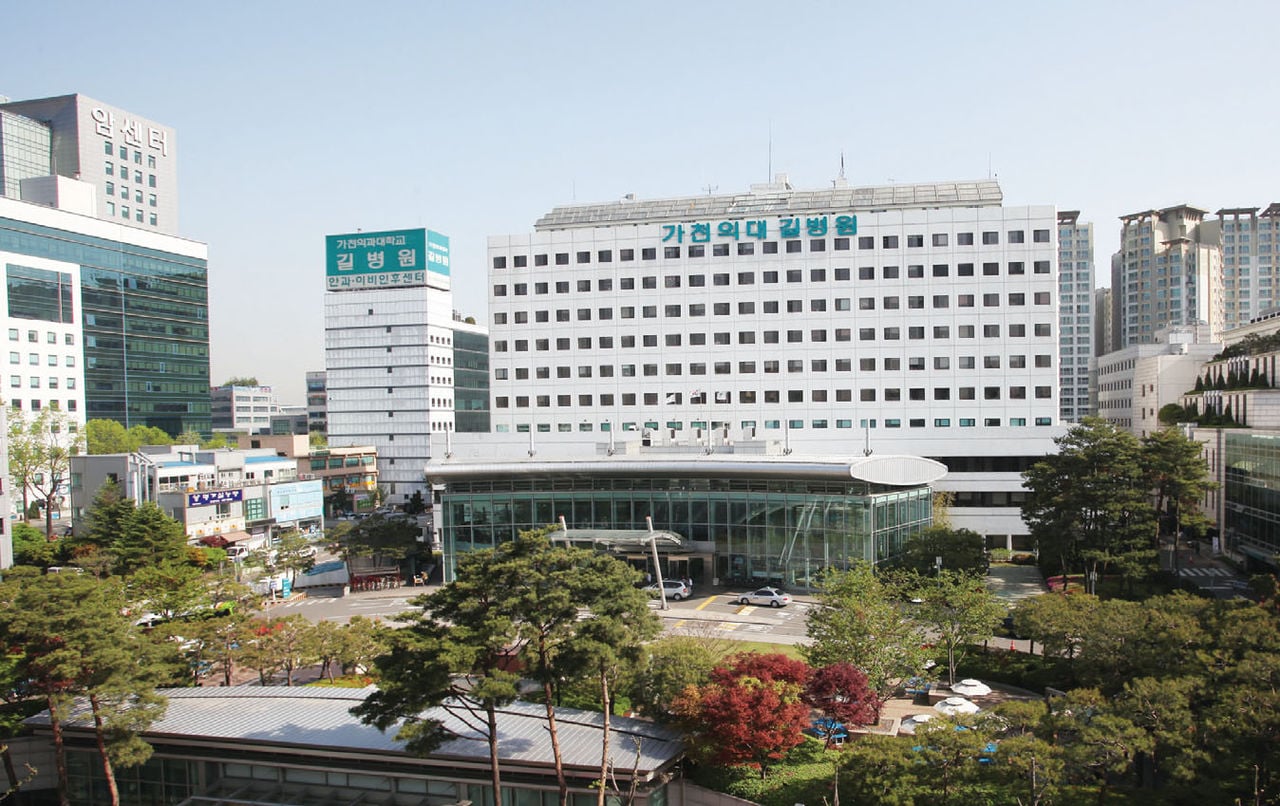

نظرة عامة على علاج الأطفال والمراهقين الذين يعانون من مرض انفصام الشخصية في كوريا الجنوبية
- العلاج النفسي - من $200
يساعد هذا العلاج الأفراد على فهم المشاعر وتعزيز التغيير الإيجابي والعافية العقلية من خلال المناقشات اللفظية.
- علاج الفصام عند البالغين - من $5,500
يعالج هذا العلاج أعراض الفصام ، ويستخدم الأدوية ، والعلاج النفسي ، ويقلل من تأثير المرض ، ويعزز نوعية حياة البالغين.
- علاج الأطفال والمراهقين الذين يعانون من مرض انفصام الشخصية - من $9,000
يساعد هذا الإجراء المرضى الصغار على إدارة الذهان من خلال الاستشارة والأدوية والرعاية الداعمة لتحسين نوعية الحياة.
اليوم الأول - الوصول
- الوصول إلى العيادة واستكمال التسجيل.
- التقِ بالطبيب النفسي المختص للاستشارة الأولية.
- الخضوع لتقييم نفسي شامل.
اليوم الثاني - المعالجة المسبقة
- التشاور مع المتخصصين مثل أطباء الأطفال وأطباء الأعصاب.
- إجراء الفحوصات الطبية اللازمة ، مثل فحوصات الدم وأشعة الدماغ.
- ناقش خطة العلاج مع الطبيب النفسي.
الأسبوع الأول - العلاج
- ابدأ العلاج الدوائي بالأدوية المضادة للذهان.
- احضر جلسات العلاج النفسي التي تركز على إدارة الأعراض.
- المشاركة في العلاج السلوكي المعرفي (CBT).
من الأسبوع الثاني إلى الأسبوع الرابع - استمرار العلاج
- استمر في تناول الدواء كما هو موصوف.
- احضر بانتظام جلسات العلاج النفسي والعلاج المعرفي السلوكي.
- راقب أي آثار جانبية واضبط العلاج حسب الحاجة.
الأسبوع الخامس - بعد العلاج
- قيم التقدم مع الطبيب النفسي.
- ناقش الإدارة طويلة المدى وخطط المتابعة.
- ابق في العيادة لمزيد من المراقبة إذا لزم الأمر.
الأسبوع السادس وما بعده - إعادة التأهيل
- استمر في العلاج في العيادة الخارجية والأدوية.
- إعادة الاندماج تدريجيًا في الأنشطة المدرسية والاجتماعية بحلول الأسبوع الثامن.
- الوصول إلى الشفاء الأمثل والإدارة في غضون 6 أشهر إلى سنة واحدة.
يرجى ملاحظة أن كل حالة من حالات انفصام الشخصية فريدة وأن الجدول الزمني المقدم هو دليل عام. قد تختلف الجداول الزمنية الفردية وخطط العلاج بناءً على شدة الأعراض والاستجابة للعلاج وعوامل فردية أخرى.
- إيداع Bookimed: 200 دولار أو 200 يورو.
- وديعة العيادة: ادفع نسبة محددة مقدمًا.
مشاركة المحتوى
قصص فيديو من مرضى Bookimed
 Anna Leonova
أسئلة متكررة حول علاج الأطفال والمراهقين الذين يعانون من مرض انفصام الشخصية في كوريا الجنوبية
هل دواء مضادات الذهان لمرض الفصام المبكر آمن للأطفال الكوريين؟
تعتبر أدوية مضادات الذهان آمنة وفعالة للأطفال الكوريين عند إعطائها تحت إشراف سريري صارم. العلاجات غير التقليدية الشائعة مثل أريبيبرازول وكويتيابين معتمدة من قبل وزارة سلامة الغذاء والدواء. يعتمد النجاح على فحوصات التمثيل الغذائي الأساسية ومعايرة الجرعة ببطء لإدارة المخاطر العصبية.
- العوامل المعتمدة: أريبيبرازول وكويتيابين هما الدواءان الأساسيان المعتمدان للاستخدام النفسي للأطفال.
- المراقبة العصبية: خطر الإصابة باضطرابات الحركة أعلى بـ 3 إلى 8 مرات بدون إشراف مناسب.
- السلامة الأيضية: الفحوصات المنتظمة لسكر الدم والكوليسترول وزيادة الوزن هي متطلبات إلزامية.
- المبادئ التوجيهية السريرية: تعطي خوارزمية الأدوية الكورية للفصام الأولوية لأدوية الجيل الثاني على البدائل الأقدم.
رؤية خبير Bookimed: بينما تركز البروتوكولات الغربية غالبًا على قمع الأعراض، تستخدم المراكز الكورية مثل مركز جاشون الجامعي الطبي نهجًا متعدد التخصصات. تشير البيانات إلى أن الأطباء النفسيين الكوريين غالبًا ما يصفون جرعات أولية أقل من نظرائهم الغربيين. تساعد هذه المعايرة المحافظة في تخفيف فترة الخطر القصوى البالغة 30 يومًا للآثار الجانبية لدى الأطفال.
إجماع المرضى: تؤكد العائلات أن التدخل المبكر يحسن الأداء الأكاديمي بشكل كبير على الرغم من بعض التململ الأولي أو زيادة الوزن. يوصي الكثيرون بتتبع تغيرات المزاج والحركة يوميًا لمساعدة الأطباء على التمييز بين تأثيرات الدواء وتطور المرض.
ما هو العلاج الأكثر فعالية بعد بدء تناول الدواء؟
يُعد العلاج السلوكي المعرفي (CBT) والتعليم النفسي الأسري أكثر العلاجات فعالية للأطفال والمراهقين بعد بدء تناول أدوية الفصام. تعمل هذه التدخلات على تحسين الالتزام بالدواء والأداء الاجتماعي. في كوريا، يؤدي الجمع بين العلاج النفسي الموجه للشباب والأدوية إلى تقليل الأعراض بشكل أكثر فعالية من استخدام الأدوية وحدها.
- التعليم النفسي الأسري: يعزز الالتزام بالدواء ويقلل من التوتر المنزلي باستخدام تقنيات التدخل القائمة على الأسرة.
- العلاج السلوكي المعرفي: يستهدف الهلوسة والمهارات الاجتماعية من خلال جلسات أسبوعية متخصصة تركز على الشباب.
- العلاج بالفن والموسيقى: يعزز التنظيم العاطفي للمراهقين الذين يجدون صعوبة في العلاج بالكلام التقليدي.
- التدريب على المهارات الاجتماعية: يستخدم الدعم المتكامل في المدرسة لمساعدة المراهقين على التعامل بنجاح مع التفاعلات الاجتماعية اليومية.
رؤية خبير Bookimed: تُظهر البيانات الصادرة عن مركز جاشون الجامعي الطبي (Gachon University Gil Medical Center) اتجاهاً نحو الطب النفسي للأطفال متعدد التخصصات. وبينما تعمل الأدوية على استقرار الأعراض، تعطي المراكز الرائدة في كوريا الأولوية للدعم المتكامل في المدرسة. يضمن هذا النهج الفريد استمرار التقدم السلوكي في البيئة الأكاديمية الطبيعية للطفل.
إجماع المرضى: يجد الآباء أن إشراك الأشقاء في العلاج الأسري يحسن بشكل كبير من أجواء المنزل. يقترح الكثيرون الانتظار حتى تستقر الأدوية قبل البدء في جلسات الكلام المكثفة لتجنب إرهاق الطفل.
كم من الوقت سيحتاج طفلي للبقاء في المستشفى للنوبة الأولى؟
عادة ما تستمر إقامات المستشفى للأطفال الذين يعانون من نوبة أولى من الفصام في جمهورية كوريا من 14 إلى 21 يوماً. يضمن هذا الإطار الزمني استقرار الذهان الحاد ومراقبة الأدوية. تركز الوحدات النفسية المتخصصة في إنتشون وسيول على تحقيق السلامة ووضع خطة علاج طويلة الأمد.
- الاستقرار الحاد: تتطلب تعديلات الأدوية الأولية عادةً من 7 إلى 14 يوماً من أجل السلامة.
- الأعراض الشديدة: الحالات التي تنطوي على عدوانية مستمرة أو ذهول قد تمتد إلى 4 إلى 6 أسابيع.
- دعم الأسرة: غالباً ما يؤدي الدعم الأسري القوي إلى تقصير فترات الإقامة إلى حوالي 10 أيام.
- معايير الخروج: يجب ألا يشكل المرضى تهديداً فورياً لأنفسهم أو للآخرين قبل الخروج.
رؤية خبير Bookimed: تدير المراكز الكورية الرائدة مثل مركز جامعة غاشون جيل الطبي 38,000 مريض سنوياً. غالباً ما توفر المستشفيات واسعة النطاق فرقاً متعددة التخصصات أكثر قوة للحالات الطبية المعقدة للأطفال. اختيار منشأة تضم أكثر من 1,000 سرير يضمن غالباً وصولاً أسرع إلى أدوات التشخيص المتخصصة المختلفة.
إجماع المرضى: يؤكد الآباء أن الأسبوعين الأولين هما الأكثر أهمية لمراقبة الآثار الجانبية. يوصي الكثيرون بترتيب علاج خارجي قبل الخروج لمنع الانتكاس الفوري أو إعادة الإدخال.
من هو المؤهل لعلاج الفصام لدى الأطفال في كوريا؟
يتطلب علاج الفصام لدى الأطفال بشكل مؤهل في كوريا أطباء نفسيين للأطفال والمراهقين معتمدين ومعترف بهم من قبل الجمعية الكورية للطب النفسي العصبي. يكمل هؤلاء الأطباء إقامة في الطب النفسي لمدة 4 سنوات بالإضافة إلى زمالة متخصصة في طب الأطفال. توفر الفرق متعددة التخصصات في المرافق المعتمدة من قبل JCI مثل مركز جاشون الجامعي الطبي (Gachon University Gil Medical Center) رعاية شاملة.
- مؤهلات الأخصائيين: يجب على الأطباء إكمال إقامة في الطب النفسي لمدة 4 سنوات بالإضافة إلى زمالة في طب الأطفال لمدة 1-2 سنة.
- المرافق المعتمدة: توجد رعاية من الدرجة الأولى في المستشفيات الجامعية مثل جامعة سيول الوطنية.
- الأخصائيون النفسيون السريريون: يقدم المهنيون المرخصون العلاج السلوكي المعرفي والتقييمات النفسية الأساسية.
- الأخصائيون الاجتماعيون: ينسق أخصائيو الصحة النفسية الاجتماعيون خدمات إعادة التأهيل طويلة الأمد وخدمات الاستشارة الأسرية.
رؤية خبير Bookimed: نظام الصحة النفسية في كوريا مركزي للغاية. بينما يخدم مركز جاشون الجامعي الطبي 38,000 مريض سنوياً، يتجمع معظم خبراء الطب النفسي للأطفال في إنتشون أو سيول. يُنصح بالسفر إلى هذه المراكز بدلاً من العيادات الخاصة الإقليمية. توفر هذه المراكز الكبرى فرقاً متعددة التخصصات أكثر قوة، وهو أمر ضروري لحالات الأطفال المعقدة.
إجماع المرضى: من الضروري البحث عن الرعاية في المستشفيات الجامعية الكبرى للتغلب على التحيزات التشخيصية المحلية. التدخل المبكر حيوي، ويجب على العائلات الإصرار على إجراء تقييمات من قبل أ
هل توجد خيارات غير دوائية معتمدة في كوريا لعلاج الفصام المبكر؟
تقدم كوريا الجنوبية تدخلات غير دوائية معتمدة مثل العلاج السلوكي المعرفي (CBT)، والتثقيف النفسي للأسرة، وعلاجات التعديل العصبي لعلاج الفصام المبكر. غالبًا ما يتم دمج هذه البرامج في المبادرات التي تقودها الجامعات والمراكز المتخصصة لدعم إدارة الأعراض جنبًا إلى جنب مع العلاجات الدوائية القياسية.
- خدمات العلاج النفسي: متاحة بدءًا من $200 للجلسة الواحدة في مراكز المستشفيات الجامعية المتخصصة.
- خيارات التعديل العصبي: يُستخدم التحفيز المغناطيسي عبر الجمجمة (TMS) في المستشفيات المعتمدة من قبل JCI للمرضى الصغار.
- التثقيف النفسي للأسرة: تعمل البرامج المنظمة على تقليل معدلات الانتكاس بشكل كبير وتخفيف العبء عن مقدمي الرعاية.
- العلاجات الرقمية: يتم حاليًا اختبار تطبيقات الهواتف الذكية من أجل التعافي الوظيفي والمراقبة.
رؤية خبير Bookimed: يعالج مركز جاشون الجامعي الطبي (Gachon University Gil Medical Center) في إنتشون 38,000 مريض سنويًا باستخدام نهج متعدد التخصصات. يسلط تصنيفهم في مجلة نيوزويك الضوء على اتجاه حيث تعطي أفضل المستشفيات الكورية الأولوية للرعاية المتكاملة على الأدوية وحدها. يجب على المرضى البحث عن هذه المراكز الجامعية الكبيرة للحصول على أكثر خيارات العلاج تنوعًا.
إجماع المرضى: يغطي التأمين الوطني الأدوية بشكل كبير، لذا يجب على المرضى طلب علاج نفسي إضافي أو استشارة عائلية بشكل خاص. تجد العديد من العائلات أن حضور جلسات العلاج الأسري المنظمة هو الطريقة الأكثر فعالية لمنع الانتكاسات أثناء التعافي المبكر.
ما هي اختبارات مراقبة الآثار الجانبية الإلزامية أثناء تناول طفلي لمضادات الذهان في كوريا؟
تفتقر كوريا الجنوبية إلى تفويض قانوني وطني واحد لمراقبة مضادات الذهان لدى الأطفال. يتبع الأطباء بروتوكولات دولية تركز على الصحة الأيضية والعصبية والهرمونية. تشمل الممارسة القياسية تتبع مؤشر كتلة الجسم بانتظام، واختبارات الجلوكوز أثناء الصيام، وفحوصات الأعراض خارج الهرمية لإدارة مخاطر مثل زيادة الوزن واضطرابات الحركة.
- الفحص الأيضي: تتبع الوزن ومؤشر كتلة الجسم وضغط الدم وملفات الدهون كل 3-6 أشهر.
- التقييم العصبي: مراقبة الرعشة أو التيبس، خاصة خلال أول 30 يومًا.
- الفحوصات الهرمونية: اختبار مستويات البرولاكتين بعد 1-3 أشهر للكشف عن أي تغيرات تنموية محتملة.
- الفحوصات المخبرية الأساسية: إجراء تعداد دم كامل، وإنزيمات الكبد، وتخطيط كهربية القلب قبل بدء الدواء.
رؤية خبير Bookimed: بينما بدأت البروتوكولات الوطنية في الظهور، تحافظ المراكز الكبرى مثل مركز جامعة غاشون جيل الطبي على المعايير الدولية. تخدم هذه العيادة 38,000 مريض سنويًا وتحمل تصنيف أفضل مستشفيات العالم لعام 2021 من مجلة نيوزويك. يشير حجم عملهم الكبير إلى وجود بروتوكولات أمان داخلية قوية للحالات النفسية المعقدة لدى الأطفال.
إجماع المرضى: يوصي الآباء بطلب جدول مراقبة مكتوب قبل الجرعة الثانية. ويقترحون تنبيه الأطباء إذا زاد وزن الطفل بنسبة 10% خلال ثلاثة أشهر.
ما مدى سرعة عودة مراهقي إلى المدرسة بعد بدء العلاج؟
يعود المراهقون الذين يبدأون علاج الفصام في جمهورية كوريا عادةً إلى المدرسة في غضون أسبوعين إلى 8 أسابيع. يعتمد التعافي على الاستقرار من خلال الأدوية المضادة للذهان والقدرة العاطفية. توفر مرافق مثل مركز جاشون الجامعي الطبي (Gachon University Gil Medical Center) دعمًا متعدد التخصصات لإدارة التخدير والسيطرة على الأعراض قبل العودة.
- فترة الاستقرار: غالبًا ما تستمر الإقامة في المستشفى من أسبوع إلى 3 أسابيع لضمان سلامة الدواء.
- تعديل الدواء: قد تتطلب الآثار الجانبية الأولية مثل التخدير الشديد 3 أسابيع من الراحة في المنزل.
- العودة التدريجية: يوصي المتخصصون بالبدء بأيام دراسية مدتها 4 ساعات أو جداول زمنية معدلة لإدارة التوتر.
- الدعم الأكاديمي: يقدم الأطباء النفسيون الكوريون خطابات عذر للمساعدة في تنسيق الترتيبات المدرسية اللازمة.
رؤية خبير Bookimed: تسلط البيانات السريرية من مركز جاشون الجامعي الطبي، وهو مستشفى مصنف ضمن الأفضل من قبل مجلة نيوزويك، الضوء على أهمية الرعاية متعددة التخصصات. نظرًا لأن هذا المركز يخدم 38,000 مريض سنويًا، تؤكد بروتوكولاتهم على موازنة الآثار الجانبية للأدوية مع المتطلبات المدرسية. في حين أن بعض المرضى يستقرون في غضون أسبوع واحد، فإن الضغط الأكاديمي العالي في كوريا غالبًا ما يستلزم فترة أطول تصل إلى شهرين لتعديل الجرعة بالكامل.
إجماع المرضى: تجد العديد من العائلات أن مضادات الذهان تسبب نعاسًا كبيرًا، مما يجعل الأيام الدراسية الكاملة صعبة في البداية. غالبًا ما يكون من الأفضل إعطاء الأولوية للنوم ودعم