العودة إلى الصفحة الرئيسية
820К+ مريضًا حصلوا على المساعدة منذ عام 2014
50 دول
1,500 عيادات
6K+ تقييمات
3K+ طبيب مؤهل

ما هي تكلفة جراحة تكهف النخاع في كوريا الجنوبية؟ اكتشف الآن

تتراوح تكلفة جراحة تكهف النخاع في جمهورية كوريا عادةً بين $15,500 و $26,000. يعتمد السعر الإجمالي على التقنية الجراحية، ومستوى المستشفى، وحالة المريض. تُكلف الإجراءات المماثلة في المملكة العربية السعودية حوالي _price_compare_SA_average_ في المتوسط. يوفر المرضى حوالي _price_percent_discount_% مقارنة بالمملكة العربية السعودية. تشمل معظم الباقات الطبية في كوريا الجنوبية أتعاب الجراح، والتخدير، والرعاية الأولية بعد العملية.

  • مستوى المستشفى: غالباً ما تضع المراكز المتخصصة في سيئول أو سونغنام أسعاراً متميزة للمرضى الدوليين.
  • التكنولوجيا المتقدمة: قد ترفع المرافق التي تستخدم أنظمة الجراحة الروبوتية أو أدوات الذكاء الاصطناعي تكاليفها بنسبة 20-30 %.
  • عوامل التعقيد: تزيد الإجراءات التي تتطلب فك ضغط إضافي للنخاع الشوكي أو تثبيته من التكلفة النهائية عادةً.
  • الموقع: تشمل مراكز جراحة الأعصاب الرائدة مدن سيئول، وإنشون، وسونغنام.

رأي خبراء Bookimed: يضمن اختيار مستشفى رقمي مثل مستشفى جامعة سيئول الوطنية بوندانغ (SNUBH) قيمة استثنائية. يُحسن نظام BESTcare الخاص بهم سلامة العلاج بشكل كبير عبر تقليل الأخطاء الطبية. وبينما تُعد العيادات المرموقة مثل مستشفى سيفيرانس أو SNUH خيارات نخبوية، فهي تقدم نتائج عالمية لجراحات الأعصاب المعقدة. يتلقى رئيس كوريا الجنوبية علاجه في SNUH، مما يؤكد معايير الجراحة الفائقة في البلاد.

المزايا الرئيسية

لماذا تختار جمهورية كوريا لإجراء جراحة للسيرينغوميليا؟

  • عيادات معتمدة: المستشفيات المعتمدة من JCI تضمن رعاية عالية الجودة وتلتزم بمعايير السلامة الصارمة.
  • أحدث التقنيات: استخدام تقنيات مثل الجراحة التنظيرية الأقل تدخلاً وأجهزة مثل نظام التصوير الجراحي O-arm يعزز الدقة والنتائج.
  • معدلات نجاح عالية: تتمتع جراحة السيرينغوميليا في كوريا الجنوبية بمعدل فعالية يتراوح بين 85-90%. يشعر المرضى بتخفيف كبير للأعراض وتحسن في جودة الحياة.
  • جراحون خبراء: يعتبر جراحو الأعصاب الرائدون، المعتمدون من قبل الجمعية الكورية لجراحة الأعصاب، قد أجروا أكثر من 500 عملية جراحية للسيرينغوميليا. خبرتهم الواسعة ومهاراتهم معترف بها جيداً.

احصل على حلول متقدمة لجراحة السيرينغوميليا في عيادات موثوقة .

كوريا الجنوبيةتركياإسبانيا
جراحة تكهف النخاعمن $15,500من $10,000من $15,000
تم التحقق من البيانات بواسطة Bookimed اعتبارًا من August 2026، استنادًا إلى طلبات المرضى والعروض الرسمية من 41 عيادة حول العالم. تستند التكاليف المتوسطة إلى الفواتير الحقيقية (2025–2026) ويتم تحديثها شهريًا. قد تختلف الأسعار الفعلية.

مزاياك وضماناتك مع Bookimed

أسعار مباشرة

Bookimed لا يضيف رسوماً إضافية على أسعار جراحة تكهف النخاع. الأسعار مأخوذة من قوائم الأسعار الرسمية للعيادات. تدفع مباشرة في العيادة مقابل جراحة تكهف النخاع عند وصولك.

عيادات وأطباء معتمدون فقط

Bookimed ملتزم بسلامتك. نحن نعمل فقط مع المؤسسات الطبية التي تحافظ على معايير دولية عالية في جراحة تكهف النخاع ولديها التراخيص اللازمة لخدمة المرضى الدوليين في جميع أنحاء العالم.

مساعدة مجانية على مدار الساعة

Bookimed يقدم مساعدة خبراء مجانية. منسق طبي شخصي يدعمك قبل وأثناء وبعد العلاج، ويحل أي مشاكل. لن تكون وحيداً أبداً في رحلة جراحة تكهف النخاع.

لماذا نحن؟

منسقك الطبي الشخصي في Bookimed

  • يدعمك في كل مرحلة
  • المساعدة في اختيار العيادة الطبية المناسبة والطبيب المناسب
  • يضمن الوصول السريع والمريح إلى المعلومات

اكتشف أفضل جراحة تكهف النخاع العيادات في كوريا الجنوبية: 4 خيارات معتمدة والأسعار

تم تصنيف العيادات بواسطة نظام Bookimed الذكي، باستخدام تحليل علوم البيانات عبر 5 معايير رئيسية.
Asan Medical Center
Seoul National University Bundang Hospital (SNUBH)
Severance Hospital
Seoul National University Hospital (SNUH)

نظرة عامة على جراحة تكهف النخاع في كوريا الجنوبية

الوجبات الجاهزة
الإجراءات والتكاليف ذات الصلة
كيف نعمل؟
ماذا تتوقع
المزايا
دفع
مرضى يوصي -
85%
وقت الجراحة - 4 ساعات
البقاء في البلاد - 14 ايام
إعادة تأهيل - 30 ايام
تخدير - تخدير عام
تمت معالجة الطلبات - 21657
رسوم الحجز - $0

احصل على تقييم طبي لـ جراحة تكهف النخاع في كوريا الجنوبية: اختر أخصائيك من بين الأفضل في هذا المجال

عرض جميع الأطباء
يؤكد

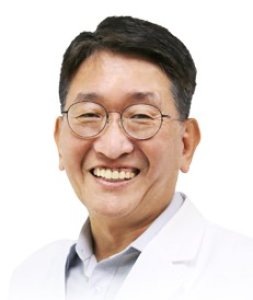
Lee Sanggu

40سنة خبره ١٦ سنة

الدكتور لي سانغو (MD, PhD) جرّاح أعصاب. يشغل منصب المدير الطبي الفخري ومدير مركز العمود الفقري، وهو أيضاً أستاذ جراحة الأعصاب في مركز غيل الطبي بجامعة غاتشون.

تشمل مجالات تركيزه السريري أورام العمود الفقري واضطراباته، وجراحة العمود الفقري قليلة التوغل، واضطرابات الفقرات العنقية. تشمل الإجراءات PEN وPNP، والحصر العصبي الانتقائي، واستئصال القرص بالميكروسكوب أو بالمنظار، واستبدال القرص الصناعي، والالتحام الفقري قليل التوغل، ورأب الفقرات.

نال درجة الدكتوراه في الطب من جامعة هانيانغ. شغل منصب رئيس قسم جراحة الأعصاب في المركز الطبي لخدمات المحاربين القدامى. وهو عضو في المجلس التنفيذي لكل من KNS وKNTS وKSNS، وقد شغل منصبي نائب الرئيس والرئيس في KSCS. وهو رئيس سابق لـ KOMISS وKAME وKSPNS. وهو عضو في لجنة AOSpine لآسيا والمحيط الهادئ وعضو كامل العضوية في NASS. أُدرج اسمه في Marquis Who’s Who عام 2010.

قصص فيديو من مرضى Bookimed

Elissa
إنه بالتأكيد مسار طويل، لكنني متحمس لرؤية النتائج تظهر!
إجراء: جراحة الأنف (انظر عملية تجميل الأنف)

المراجعات

جميع المراجعات
Haya • القرص الغضروفي
دولة قطر
١٢ يوليو ٢٠١٩
مراجعة تم التحقق منها.
كل من عماد وفارفارا مفيدان للغاية ويستجيبان لطلبي بسرعة كبيرة
ذهبنا إلى مستشفى سامسونغ للتشاور وكانوا رائعين وكانت الخدمة محترفة أيضًا عماد وفارفارا وكلاهما مفيدان للغاية ويستجيبان لطلبي بسرعة كبيرة
حول خدمة Bookimed
عماد وفارفارا كلاهما مفيدان للغاية ويستجيبان لطلبي بسرعة كبيرة

مشاركة المحتوى

Twitter XLinkedinFacebookWhatsAppEmail
أحصل على الرابط
محدث: 07/12/2019
تأليف
Anna Leonova
Anna Leonova
رئيس فريق تسويق المحتوى
محررة طبية معتمدة لديها خبرة تزيد عن 10 سنوات، طوّرت محتوى Bookimed الموثوق، مدعومة بماجستير في علم اللغة ومقابلات مع خبراء طبيين من جميع أنحاء العالم.
تمت المراجعة من قبل المستشار الطبي في Bookimed
فهد مولود
محرر طبي وعالم بيانات
طبيب عام. حاصل على 4 جوائز علمية. خدم في غرب آسيا. رئيس الفريق الطبي الناطق بالعربية سابقا ومسؤول عن معالجة البيانات ودقة المحتوى الطبي حاليا.
فهد مولود Linkedin
قد تحتوي هذه الصفحة على معلومات تتعلق بمختلف الحالات الطبية والعلاجات وخدمات الرعاية الصحية المتوفرة في بلدان مختلفة. يرجى العلم أن المحتوى مقدم لأغراض إعلامية فقط ولا ينبغي تفسيره على أنه نصيحة أو إرشادات طبية. يرجى استشارة طبيبك أو أخصائي طبي مؤهل قبل البدء أو تغيير العلاج الطبي.

أسئلة متكررة حول جراحة تكهف النخاع في كوريا الجنوبية

هذه الأسئلة الشائعة مأخوذة من مرضى حقيقيين يبحثون عن رعاية طبية عبر Bookimed. يتم تقديم الإجابات من قبل منسقين طبيين ذوي خبرة وممثلين موثوقين من العيادات.

How successful is surgery for syringomyelia in South Korea?

Surgery for syringomyelia in South Korea is highly successful, with radiological success rates reaching 84% to 97%. Major Seoul centres achieve significant syrinx reduction particularly through foramen magnum decompression. Clinical symptoms improve in over 80% of cases handled by JCI-accredited neurosurgical teams.

  • Radiological success: Surgeons achieve 50% syrinx diameter reduction in up to 97% of cases.
  • Symptom relief: Over 80% of patients report improved motor function and reduced pain.
  • Clinical volume: Seoul National University Hospital performs 3,800+ neurosurgical interventions annually.
  • Specialised techniques: Specialised shunting and decompression methods provide a 90% success rate.
  • Safety protocols: Facilities like SNUBH use digital systems to maintain high patient safety standards.

Bookimed Expert Insight: Success in Seoul depends heavily on the underlying cause. Direct syrinx drainage is technically difficult. However, South Korean surgeons at major tertiary centres like Severance Hospital excel at decompression for Chiari malformations. This approach naturally collapses the syrinx and offers better long-term outcomes than shunting alone.

Patient Consensus: Decompression surgery in the Republic of Korea often leads to clear syrinx collapse. Patients can expect significant neck stiffness and a four-month recovery period before returning to work.

What is the goal of surgery for syringomyelia in South Korea?

Surgery for syringomyelia in South Korea aims to restore normal cerebrospinal fluid flow. This stops the progression of spinal cord damage. Specialists focus on decompression techniques at JCI-accredited centres like Severance Hospital. This allows the syrinx to shrink naturally and preserves existing neurological function.

  • Restoring circulation: Doctors focus on normalising cerebrospinal fluid flow to let the syrinx collapse.
  • Chiari decompression: Surgeons remove small skull portions to create space at the brain-spine junction.
  • Halting damage: The primary objective is preventing further muscle weakness, sensory loss, and chronic pain.
  • Minimally invasive: Specialists like Dr Lee Sanggu use endoscopic techniques to reduce surgical trauma.

Bookimed Expert Insight: Patients often hope the syrinx disappears completely. However, South Korea’s leading neurosurgeons define success as stability. Data from high-volume centres like Seoul National University Hospital shows that preventing further growth is the priority. This is because direct syrinx drainage is often avoided due to high risks.

Patient Consensus: Success in South Korea often means the cyst stops growing rather than disappearing entirely. Patients find that addressing the underlying cause early is vital. This helps prevent permanent nerve pain and mobility issues.

Do all syrinxes require surgery for syringomyelia in South Korea?

Surgery for syringomyelia in South Korea is not required for all syrinxes. Neurosurgeons typically reserve surgical intervention for patients with progressive neurological symptoms or expanding fluid cavities. Specialists at JCI-accredited facilities focus on treating the underlying cause, such as Chiari malformation. They avoid automatic drainage.

  • Conservative monitoring: Specialists recommend regular MRI scans for stable, asymptomatic syrinxes found incidentally.
  • Surgical criteria: Intervention is necessary if symptoms like muscle weakness or numbness worsen over time.
  • Addressing causes: Surgeons often perform posterior fossa decompression to restore normal cerebrospinal fluid flow.
  • Clinical experience: Leading centres like Seoul National University Hospital treat 30,000+ international patients annually.

Bookimed Expert Insight: Specific Korean centres like Severance Hospital use robotic systems and digital imaging. This helps manage spinal disorders. While Australian costs average $28,400, patients here find excellent care from $15,500 to $26,000. Specialists often recommend a trial of pain management or physical therapy for stable cases. They consider invasive theatre options only if needed.

Patient Consensus: Many patients find that observation is the preferred path. This is the case when a syrinx remains small and stable for years in South Korea. They value the 24/7 interpreter services and thorough MRI reviews. These help determine if surgery is truly the last resort.

Can syringomyelia return after surgery in South Korea?

Syringomyelia can return or persist after surgery in South Korea if cerebrospinal fluid flow becomes blocked again. Neurosurgical centres like Seoul National University Hospital perform 3,800+ interventions annually. However, recurrence rates typically range from 6% to 22% due to scar tissue or underlying structural issues.

  • Technological precision: Clinics like Asan Medical Center use GammaKnife and robotic systems to address complex spinal obstructions.
  • Clinical volume: Surgeons at Severance Hospital manage over 40,000 operations annually. This builds extensive experience with rare spinal conditions.
  • Underlying causes: Recurrence often stems from unresolved Chiari malformations or new scar tissue blocking fluid pathways.
  • Monitoring protocols: Leading facilities like SNUBH use digital safety systems to track long-term recovery and fluid stability.

Bookimed Expert Insight: While a syrinx may return, South Korea’s major centres maintain survival and success rates that often exceed international averages. For example, Seoul National University Hospital reports superior outcomes in complex surgeries compared to leading US institutions. Patients should prioritise clinics with JCI or KOIHA accreditation so that these high safety standards are met during follow-up.

Patient Consensus: Surgery usually aims to stabilise the condition rather than provide a permanent cure. Patients in Korea say regular MRI scans every two years are essential for catching fluid refilling early.

What are the common types of surgery for syringomyelia in South Korea?

Neurosurgeons in South Korea primarily use decompression surgeries to treat syringomyelia. These procedures typically correct Chiari malformations to restore cerebrospinal fluid flow. Common operations include foramen magnum decompression, dural patch grafting, and C1 laminectomies. These interventions generally cost from $15,500 to $26,000.

  • Surgical decompression: Foramen magnum decompression with duraplasty addresses underlying pressure to stabilise the syrinx.
  • Syrinx shunting: Tubes drain fluid into the abdominal cavity if decompression alone is unsuccessful.
  • C1 laminectomy: Surgeons remove the posterior arch of the first vertebra to relieve cord compression.
  • Microsurgical tonsil reduction: Addressing arachnoid adhesions restores normal fluid circulation around the brainstem.

Bookimed Expert Insight: While many countries explore shunting early, Seoul’s top centres like Severance Hospital and SNUH focus on correcting the flow obstruction itself. These major hospitals perform over 3,000 neurosurgical interventions annually. This leads to a strong preference for complex decompression over simple drainage tubes.

Patient Consensus: Patients in South Korea highlight that fixing the underlying Chiari malformation provides better long-term stability than just draining the cyst. Most find that recovery involves neck immobilisation but allows for walking after one week.

How long does recovery after surgery for syringomyelia in South Korea take?

Recovery after syringomyelia surgery in South Korea typically requires a 2 to 5-day hospital stay, followed by 4 to 6 weeks for light activity. Neurological improvements in strength and sensation often continue for 3 to 6 months. Specialist centres in Seoul use minimally invasive techniques to support faster healing.

  • Initial healing: Patients often resume light daily movements within 2 weeks of the procedure.
  • Activity restrictions: Avoid heavy lifting or twisting for at least 4 weeks post-surgery.
  • Symptom resolution: Headaches may improve immediately, while nerve recovery takes 3 to 6 months.
  • Follow-up imaging: Clinics schedule MRI scans 3 to 6 months later to monitor syrinx reduction.

Bookimed Expert Insight: Leading Seoul hospitals like Severance and SNUH perform thousands of neurosurgical interventions annually. Data shows that presidents and international patients choose these centres for their 24/7 interpreter services. This support is vital for navigating complex post-operative instructions during the critical first 10 days.

Patient Consensus: Many patients walk around within 5 days but require 8 to 10 weeks for work. Icing the neck and using elevated pillows helps manage initial swelling and headaches in South Korea.

Why choose South Korea for surgery for syringomyelia?

South Korea is a premier destination for syringomyelia surgery. This is due to its neurosurgical precision and digital hospital infrastructure. Leading Seoul centres report a 94% patient improvement rate. Specialists use foramen magnum decompression to treat fluid-filled cysts within the spinal cord. The procedure has an exceptionally high success rate.

  • Specialised neurosurgical centres: Asan Medical Center and Severance Hospital manage some of the world's highest spinal volumes.
  • Proven clinical outcomes: Imaging shows syrinx reduction of over 20% in 85% of treated cases.
  • Digital surgical precision: SNUBH uses the BESTcare system to enhance safety during complex spinal cord procedures.
  • Recognised surgical leadership: Dr Lee Sanggu at Gachon University is a member of the North American Spine Society.

Bookimed Expert Insight: Many countries offer spinal surgery. However, South Korean centres like Seoul National University Hospital perform 3,800+ neurosurgical interventions annually. This massive volume means surgeons have handled virtually every variation of syringomyelia. Patients benefit from this collective experience. These hospitals have effectively standardised complex decompression protocols.

Patient Consensus: Patients value clinics that specialise exclusively in neurosurgery rather than general hospitals. They recommend confirming procedure availability early and appreciate the 24/7 interpreter services provided by major Seoul institutions.

احصل على استشارة مجانية

حدد أفضل طريقة للاتصال بك