عيادات ترقيع الجلد في كوريا الجنوبية


تمت مراجعة المقالة طبيا من قبل
فهد مولود
ما هي تكلفة ترقيع الجلد في كوريا الجنوبية؟ اكتشف الآن
من $6,900. يعتمد السعر النهائي على عمق الترقيع ومساحة السطح ومستوى اعتماد العيادة. تشمل عروض الأسعار الطبية الكورية رسوم الجراح والتخدير والرعاية الأساسية بعد الجراحة.
- ترقيع الجلد للحروق: من $4,500 إلى $8,500 للعلاج الترميمي للأنسجة المتضررة.
- الطعوم كاملة السماكة: تزيد تكلفتها عادة 30 % عن تقنيات السماكة الجزئية نظراً لتعقيدها.
- تكاليف عيادات سيئول: تفرض المرافق في حي جانغنام رسوماً أعلى بنسبة 15-20 % من المراكز الإقليمية.
- تحسين الندبات التجميلي: تبدأ الطعوم التجميلية الصغيرة المخصصة لندبات حب الشباب أو الندبات البسيطة بأسعار أقل.
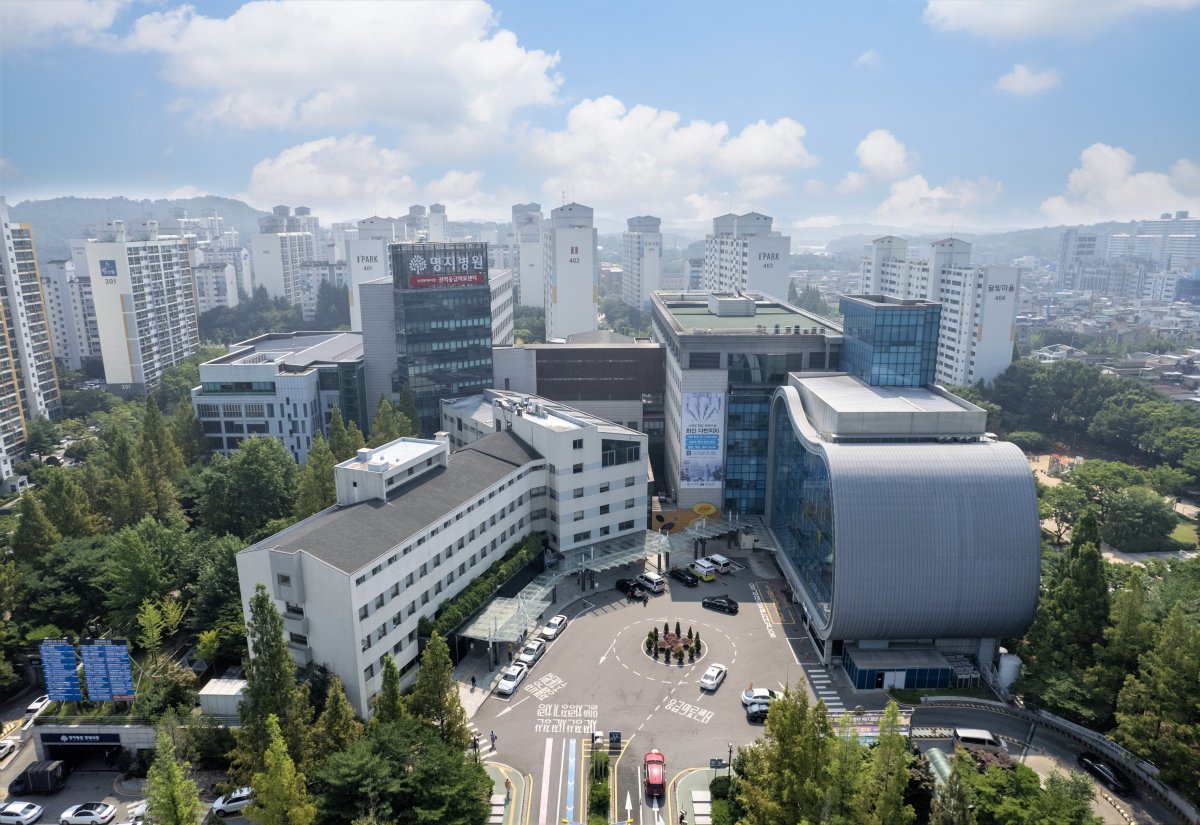
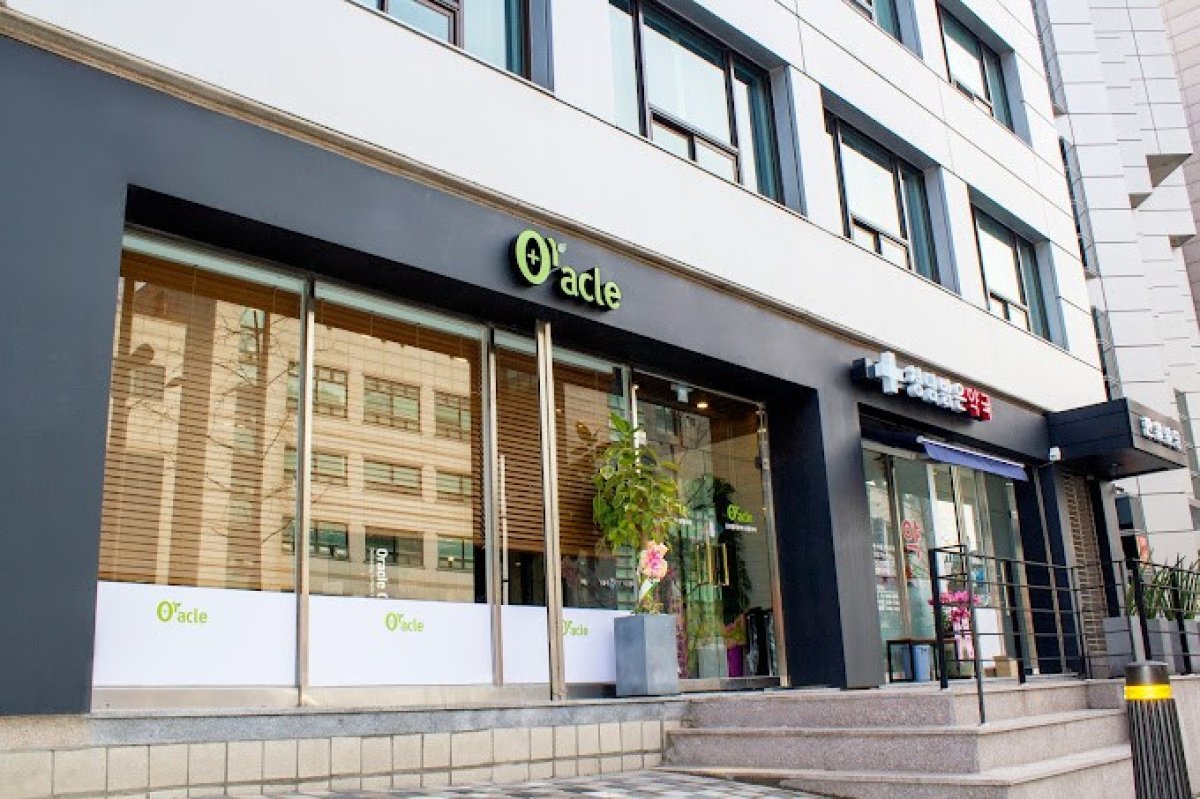
رأي خبراء Bookimed: يوفر اختيار مركز يتردد عليه عدد كبير من المرضى، مثل عيادة أوراكل تشيونغدام، قيمة ممتازة للمرضى الدوليين. يعالج المركز 25,000 مريض سنوياً ويحمل اعتمادات الجمعية الكورية الجنوبية لأمراض الجلد بالليزر. بينما تفرض عيادات جانغنام مثل في جي للبلاستيك سيرجري تكاليف أساسية أعلى، فهي توفر إقامة فاخرة. تعتمد هذه المراكز غالباً أنظمة سلامة متطورة وأخصائيين معتمدين لضمان نتائج تجميلية فائقة.
| تركيا | تايلاند | كوريا الجنوبية | |
|---|---|---|---|
| ترقيع الجلد | من $1,500 | ≈ $2,600 | من $6,900 |
| ترقيع الجلد لندبات حب الشباب | من $200 | ≈ $1,500 | من $500 |
| ترقيع الجلد للحروق | من $6,200 | ≈ $2,600 | ≈ $4,500 |
مزاياك وضماناتك مع Bookimed
أسعار مباشرة
Bookimed لا يضيف رسوماً إضافية على أسعار ترقيع الجلد. الأسعار مأخوذة من قوائم الأسعار الرسمية للعيادات. تدفع مباشرة في العيادة مقابل ترقيع الجلد عند وصولك.
عيادات وأطباء معتمدون فقط
Bookimed ملتزم بسلامتك. نحن نعمل فقط مع المؤسسات الطبية التي تحافظ على معايير دولية عالية في ترقيع الجلد ولديها التراخيص اللازمة لخدمة المرضى الدوليين في جميع أنحاء العالم.
مساعدة مجانية على مدار الساعة
Bookimed يقدم مساعدة خبراء مجانية. منسق طبي شخصي يدعمك قبل وأثناء وبعد العلاج، ويحل أي مشاكل. لن تكون وحيداً أبداً في رحلة ترقيع الجلد.

منسقك الطبي الشخصي في Bookimed
- يدعمك في كل مرحلة
- المساعدة في اختيار العيادة الطبية المناسبة والطبيب المناسب
- يضمن الوصول السريع والمريح إلى المعلومات
اكتشف أفضل ترقيع الجلد العيادات في كوريا الجنوبية: 3 خيارات معتمدة والأسعار
نظرة عامة على ترقيع الجلد في كوريا الجنوبية
- ترقيع الجلد - من $6,900
يتضمن الإجراء زرع الجلد لشفاء منطقة تفتقر إليه ، مما يوفر تعافيًا أسرع ويقلل من التندب.
- ترقيع الجلد لندبات حب الشباب - من $500
يعيد هذا العلاج تشكيل الجلد التالف باستخدام الأنسجة المزروعة ، مما يحسن مظهر ندبة حب الشباب ، ويعزز نعومة الجلد.
- ترقيع الجلد للحروق - من $4,500
تستخدم العملية جلدًا صحيًا لاستبدال المناطق المحترقة ، مما يعزز الشفاء السريع ويقلل من مخاطر التندب.
اليوم 1
- وصوله الى البلاد.
- التحويل للعيادة.
- الإقامة على الترتيب الخاص بك.
اليوم الثاني
- لقاء مع الجراح.
- الخضوع للفحوصات الطبية اللازمة.
- استشارة ما قبل الجراحة مع طبيب التخدير.
يوم 3
- إجراء تطعيم الجلد تحت التخدير العام.
- تستغرق العملية حوالي 2-3 ساعات.
- نقل إلى غرفة الإنعاش بعد العملية.
يوم 4-7
- رعاية ما بعد الجراحة في العيادة.
- فحوصات دورية من قبل الفريق الطبي.
- التدريب على العناية بالجروح إذا لزم الأمر.
الأسبوع 2
- الخروج من العيادة.
- استمرار الشفاء في المنزل أو الفندق.
- تغيير الضمادة بانتظام حسب التعليمات.
الأسبوع 3-6
- العودة التدريجية إلى الأنشطة العادية.
- تجنب الأنشطة أو الرياضة الشاقة.
- استمر في العناية بالجروح حسب التعليمات.
الأسبوع السابع
- استشارة متابعة مع الجراح.
- العودة إلى العمل حسب طبيعة الوظيفة.
- عادة ما تظهر النتيجة النهائية بعد 2-3 أشهر.
يرجى ملاحظة أن العملية قد تختلف قليلاً حسب الحالات الفردية ونصيحة الجراح.
- إيداع Bookimed: 200 دولار أو 200 يورو.
- وديعة العيادة: ادفع نسبة محددة مقدمًا.
قصص فيديو من مرضى Bookimed
المراجعات
جميع المراجعات




مشاركة المحتوى
 Anna Leonova
أسئلة متكررة حول ترقيع الجلد في كوريا الجنوبية
كم من الوقت يجب أن أخطط للبقاء في كوريا لإجراء عملية ترقيع الجلد والتعافي؟
خطط للبقاء في كوريا الجنوبية لمدة تتراوح بين 14 و21 يومًا لإجراء عملية ترقيع الجلد والتعافي. ستتيح هذه الفترة مراقبة التئام الطعم الجلدي بشكل دقيق، وتلقي رعاية طبية متخصصة للجروح، وإزالة الغرز، والتي تتم عادةً قبل 7 إلى 14 يومًا من الحصول على تصريح السفر الدولي.
- التحضير قبل العملية: الوصول إلى سيول قبل 3 أيام من الجراحة لإجراء فحص طبي وتحديد حدود موقع التبرع.
- مدة الإقامة في المستشفى: توقع الإقامة في المستشفى لمدة تتراوح من يوم إلى سبعة أيام حسب حجم الطعم والتخدير.
- المراقبة السريرية: يحتاج الجراحون إلى متابعة ما بعد الجراحة لمدة تتراوح من 10 إلى 14 يومًا لضمان نجاح التروية الدموية للطعم.
- السلامة أثناء السفر الجوي: يجب على المرضى الانتظار 14 يومًا على الأقل قبل السفر جوًا لمنع انزياح الطعم.
رأي خبراء بوكيمد: على الرغم من أن العديد من العيادات، مثل بيوفيس وفي جي للجراحة التجميلية، معتمدة من قبل KOIHA، إلا أن إجراءات التعافي تختلف باختلاف نوع الطعم. تتطلب عمليات ترقيع الجلد الجزئي عادةً إقامة في المستشفى لمدة 14 يومًا، بينما تتطلب عمليات ترقيع الجلد الكامل أو عمليات تجميل الوجه عادةً من 18 إلى 21 يومًا للعناية الآمنة بالجروح ومراقبة موقع التبرع.
ما الفرق بين ترقيع الجلد وترقيع الدهون (الترقيع النانوي) في كوريا؟
في كوريا، تُعدّ عملية ترقيع الجلد إجراءً جراحياً ترميمياً يتضمن زرع أنسجة جلدية كثيفة لعلاج الجروح العميقة أو الحروق. أما عملية حقن الدهون، بما في ذلك تقنية النانو، فهي إجراء تجميلي طفيف التوغل يتم فيه حقن الدهون السائلة لاستعادة حجم الوجه وتحسين ملمس الجلد.
- التطبيقات الطبية: يستخدم ترقيع الجلد لعلاج الحروق الشديدة والقرح، كما أن ترقيع الدهون يحسن من جماليات الوجه.
- المواد المستخدمة: يتم استخدام سدائل الأنسجة الصلبة لترقيع الجلد؛ ويتم استخدام الدهون المستحلبة ذات القوام السائل لزراعة الخلايا النانوية.
- طريقة الإعطاء: يقوم الجراحون بتثبيت طعوم الجلد جراحياً، بينما يتم إعطاء الدهون النانوية عن طريق الحقن من خلال قنيات رفيعة.
- الفوائد الرئيسية: يوفر ترقيع الجلد تغطية دائمة؛ تعمل الدهون النانوية على تعزيز تجديد البشرة باستخدام الخلايا الجذعية.
رأي خبراء بوكيمد: غالبًا ما تجمع العيادات الكورية بين تقنية النانو التجميلية والعلاج بالليزر لتحقيق تأثير "البشرة الزجاجية" الشهير. في حين تتراوح تكلفة ترقيع الجلد بين 908 و908 دولارًا أمريكيًا، فإن حقن الدهون التجميلي يتطلب عادةً عدة جلسات. وتشير البيانات إلى ارتفاع معدلات النجاح عند إجرائها في مراكز معتمدة من قبل المعهد
ما هي العيادات في سيول المعترف بها كمتخصصة في زراعة الجلد/الدهون، وما هي المؤهلات التي يجب أن أبحث عنها؟
في سيول، تشمل العيادات المعتمدة والمتخصصة في عمليات ترقيع الجلد والدهون عيادة VG لجراحة التجميل ومركز JK لجراحة التجميل. ينبغي على المرضى التحقق من حصول العيادة على شهادة من الجمعية الكورية لجراحي التجميل والترميم (KSPRS) واعتماد من KAHF أو KOIHA لضمان الامتثال لمعايير السلامة الدولية.
- العيادات المتخصصة: تتخصص عيادتا VG Plastic Surgery و JK Plastic Surgery في الحقن المجهري وزرع الدهون باستخدام الخلايا الجذعية.
- الشهادة المطلوبة: تأكيد عضوية الجراح في الجمعية الكورية لجراحي التجميل والترميم (KSPRS).
- المعايير المؤسسية: ابحث عن التسجيل لدى وزارة الصحة واعتماد المستشفى من قبل KOIHA أو JCI.
- بروتوكولات السلامة: التأكد من وجود طبيب تخدير بدوام كامل في الموقع والتأكد من استمرار المراقبة بالفيديو في غرفة العمليات.
رأي خبراء بوكيمد: تعالج عيادات كبيرة مثل بيوفيس 25,000 مريض سنويًا، ما يدل على خبرتها الواسعة في جراحة التجميل. غالبًا ما تستخدم العيادات الرائدة في سيول تقنية الدهون النانوية والخلايا الجذعية لتحسين فرص نجاح عمليات الزرع على المدى الطويل. وتشير البيانات إلى أن العيادات المتخصصة لم تشهد أي إصابات خلال 20 عامًا من العمل.
ما هي أنواع الدعم المتخصص الذي يتم تقديمه للمرضى الأجانب الذين يخضعون لعمليات زراعة الأعضاء في كوريا؟
يحظى المرضى الدوليون الذين يخضعون لعمليات ترقيع الجلد في كوريا الجنوبية بدعم منظم من خلال منسق سياحة طبية مرخص وطنياً، مما يضمن انتقالاً سلساً من مرحلة الاستشارة إلى مرحلة التعافي. تشمل هذه الرعاية المتخصصة طاقماً طبياً متعدد اللغات، وإجراءات سلامة معتمدة حكومياً مثل خدمة "جانجنام ميديكال كونسيرج"، ومعايير جودة صارمة بفضل العيادات المعتمدة من قبل "KOIHA".
- المنسقون المرخصون: كوريا تقدم أول نظام ترخيص وطني لمنسقي السياحة الطبية الدولية (IMCs).
- توافر اللغات: تتوفر في عيادات مثل VG Plastic Surgery أخصائيون متعددو اللغات للاستشارات وإنجاز المعاملات الورقية.
- الحماية القانونية: يوفر مركز جانجنام الطبي (GMC) الحماية للمرضى الدوليين في حالة النزاعات الطبية غير المتوقعة.
- المساعدة في الحصول على التأشيرة: توفر المؤسسات الطبية الوثائق اللازمة للمعالجة الفعالة للتأشيرات الطبية من الفئات C-3-3 أو G-1-10.
رأي خبراء بوكيمد: على الرغم من أن العديد من عيادات سيول، مثل عيادة بيوفيس، تعالج آلاف المرضى سنويًا، إلا أن الدعم الأكثر موثوقية يأتي من المرافق المعتمدة من قبل الهيئة الكورية للرعاية الصحية المتكاملة (KOIHA). تضمن هذه الشهادة الوطنية امتثال العيادة لمعايير ا