إعادة بناء المفاصل وأصابع القدم في كوريا الجنوبية — احصل على 3 عيادات مطابقة مع التكاليف


تمت مراجعة المقالة طبيا من قبل
فهد مولود
ما هي تكلفة إعادة بناء المفاصل وأصابع القدم في كوريا الجنوبية؟ اكتشف الآن
تتراوح تكلفة إعادة بناء مفاصل القدم وأصابعها في جمهورية كوريا بين $5,500 و $12,500. يعتمد السعر النهائي على التقنية الجراحية، ومستوى المستشفى، ومدى تعقيد التشوه. تشمل معظم الباقات الطبية الفحوصات قبل الجراحة، والتخدير، والعملية، والإقامة في المستشفى لعدة أيام.
- جراحة إبهام القدم الأروح: غالباً ما تكون تكلفتها أقل بنسبة 30-40% من جراحات إعادة بناء المفاصل المتعددة والمعقدة.
- موقع المستشفى: قد تكون الأسعار أعلى قليلاً في مراكز العظام المتخصصة في سيئول أو إنتشون.
- مستوى المنشأة: غالباً ما تفرض المؤسسات الكبرى متعددة التخصصات، مثل مركز آسان الطبي، رسوماً أعلى.
- التصوير التشخيصي: تزيد تكاليف التصوير بالرنين المغناطيسي المدفوعة خارج الباقة من التكلفة الإجمالية ببضع مئات من الدولارات.
رأي خبراء Bookimed: يضمن اختيار مراكز ذات معدلات كبرى كمركز سيفيرانس الطبي أو المستشفى الوطني الجامعي بسيئول الحصول على رعاية معتمدة من JCI. تستقبل هذه المرافق آلاف المرضى يومياً وتوفر تقنيات التصوير الرقمي، والروبوتات المتقدمة. لجراحات القدم، يُنصح بالبحث عن خبراء حاصلين على زمالة تخصصية كالدكتور يانغ يونغ جون. يتخصص الطبيب في الجراحات المجهرية لليد والقدم بمركز نا-إيون الطبي. يوفر هذا رعاية متخصصة بأسعار قد تكون أقل من المستشفيات العامة الكبرى.
المزايا الرئيسية
لماذا تختار جمهورية كوريا لإعادة بناء مفاصل القدم وأصابع القدم؟
- العيادات المعتمدة: المستشفيات الحاصلة على شهادة JCI تقدم رعاية صحية تتوافق مع المعايير الدولية. تركز هذه المستشفيات على سلامة المرضى وجودة الرعاية.
- أحدث التقنيات: تقنيات مثل الغرسات المطبوعة بتقنية ثلاثية الأبعاد وأدوات الجراحة ذات التدخل البسيط، بما في ذلك نظام NanoScope من Arthrex، تعزز الدقة وتقلل من فترات التعافي.
- نسب نجاح عالية: أظهرت الإجراءات الخاصة بإعادة بناء مفاصل القدم وأصابع القدم نسبة نجاح ملحوظة تتراوح بين 85-90% في استعادة الوظيفة وتقليل الألم في مختلف الحالات.
- جراحون خبراء: يعتبر أفضل جراحي العظام، المعتمدين من قبل الجمعية الكورية لجراحة العظام، قد أجروا أكثر من 2000 حالة إعادة بناء ناجحة. وهذا يبرز خبرتهم والتزامهم بالتميز.
احصل على حلول متقدمة لإعادة بناء مفاصل القدم وأصابع القدم في عيادات موثوقة من $5,500.
| كوريا الجنوبية | تركيا | إسبانيا | |
|---|---|---|---|
| إعادة بناء المفاصل وأصابع القدم | ≈ $5,500 | من $6,100 | من $16,800 |
مزاياك وضماناتك مع Bookimed
أسعار مباشرة
Bookimed لا يضيف رسوماً إضافية على أسعار إعادة بناء المفاصل وأصابع القدم. الأسعار مأخوذة من قوائم الأسعار الرسمية للعيادات. تدفع مباشرة في العيادة مقابل إعادة بناء المفاصل وأصابع القدم عند وصولك.
عيادات وأطباء معتمدون فقط
Bookimed ملتزم بسلامتك. نحن نعمل فقط مع المؤسسات الطبية التي تحافظ على معايير دولية عالية في إعادة بناء المفاصل وأصابع القدم ولديها التراخيص اللازمة لخدمة المرضى الدوليين في جميع أنحاء العالم.
مساعدة مجانية على مدار الساعة
Bookimed يقدم مساعدة خبراء مجانية. منسق طبي شخصي يدعمك قبل وأثناء وبعد العلاج، ويحل أي مشاكل. لن تكون وحيداً أبداً في رحلة إعادة بناء المفاصل وأصابع القدم.

منسقك الطبي الشخصي في Bookimed
- يدعمك في كل مرحلة
- المساعدة في اختيار العيادة الطبية المناسبة والطبيب المناسب
- يضمن الوصول السريع والمريح إلى المعلومات
اكتشف أفضل إعادة بناء المفاصل وأصابع القدم العيادات في كوريا الجنوبية: 4 خيارات معتمدة والأسعار
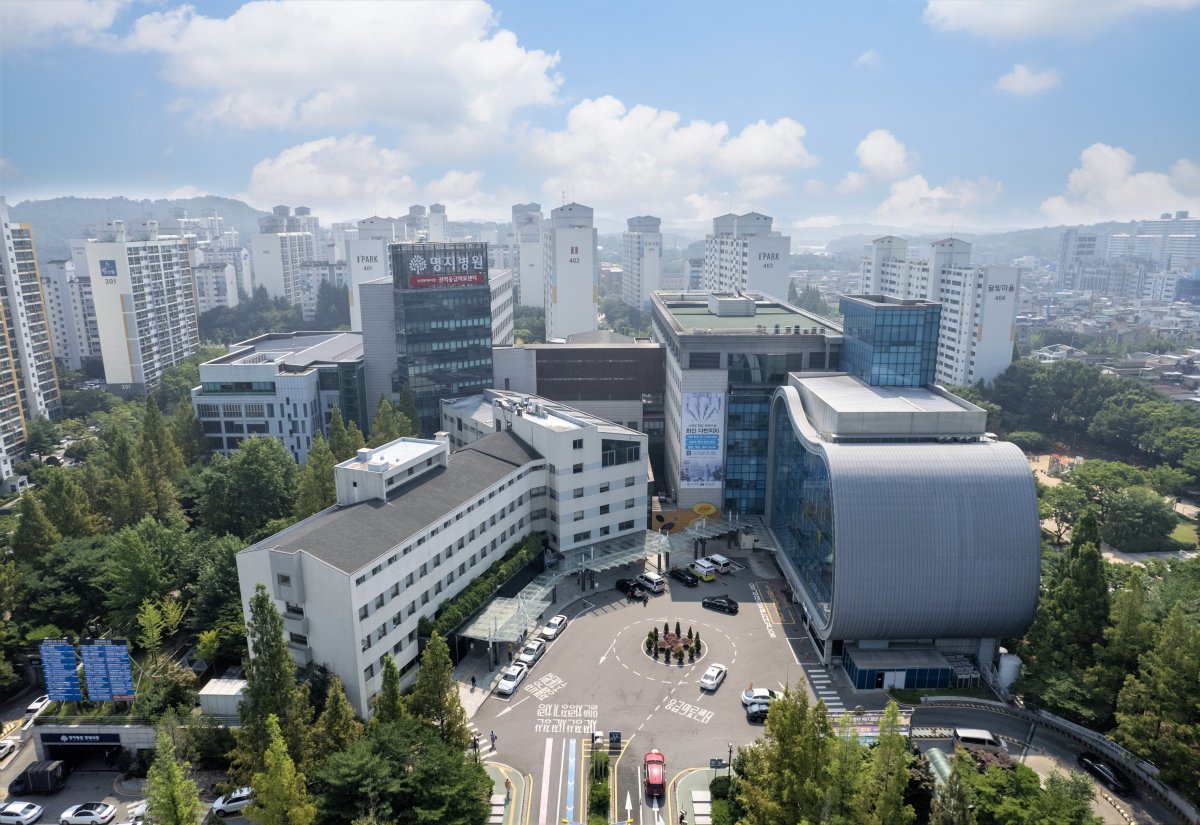




عيادة العمود الفقري والمفاصل Leadheal






نظرة عامة على إعادة بناء المفاصل وأصابع القدم في كوريا الجنوبية
- جراحة إعادة بناء الثدي - من $9,000
تعيد العملية شكل الثدي بعد استئصاله ، باستخدام الغرسات أو أنسجة الجسم. يعزز الثقة بالنفس وصورة الجسم.
- إعادة بناء المفاصل وأصابع القدم - من $5,500
يصحح هذا الإجراء تشوهات مفاصل القدم والقدم مما يعزز الحركة ويقلل الألم ويحسن الصحة العامة للقدم.
- عملية ناجحة - من $8,500
يستعيد هذا العلاج وظائف الجسم ويحسن المظهر من خلال الإصلاح الجراحي ويستفيد بشكل كبير من تقنيات التطعيم.
- إعادة بناء الثدي خلف الصدر - من $9,500
هذه الجراحة تعيد تشكيل الثدي بعد استئصال الثدي ، وتضع الغرسات فوق عضلات الصدر للحصول على مظهر أكثر طبيعية ، وتسريع الشفاء.
- جراحة سديلة الثاقبة البطنية السفلية العميقة - من $14,000**DIEP Flap Reconstruction (Deep Inferior Epigastric Perforator Flap Surgery):** This surgery rebuilds the breast using skin and fat from the lower abdomen, preserving muscle for a natural appearance and smoother recovery.
اليوم 1
- الوصول والانتقال إلى سكنك.
- استشارة أولية مع جراح العظام.
- اختبارات ما قبل الجراحة بما في ذلك الأشعة السينية واختبارات الدم.
اليوم الثاني
- التعيين مع طبيب التخدير للتقييم قبل الجراحة.
- مناقشة الخطة الجراحية والمخاطر المحتملة.
يوم 3
- التحويل إلى العيادة لإجراء الجراحة.
- إعادة بناء مفاصل القدم وأصابع القدم تحت التخدير العام.
- تستغرق الجراحة حوالي 2-3 ساعات.
يوم 4-7
- رعاية ما بعد الجراحة في العيادة.
- إدارة الألم والعناية بالجروح.
- تخطيط الخروج مع فريق الرعاية الصحية.
الأسبوع 1-2
- الراحة والتعافي في المنزل.
- العناية بالجروح والفحوصات الدورية.
الأسبوع 3-6
- ابدأ العلاج الطبيعي لحركة القدم.
- العودة التدريجية إلى الأنشطة اليومية الخفيفة.
الأسبوع 7-12
- استمر في العلاج الطبيعي والفحوصات المنتظمة.
- العودة إلى العمل والأنشطة العادية في هذه المرحلة.
الشهر 6
- يمكن ملاحظة النتيجة النهائية لإعادة الإعمار.
يرجى ملاحظة أن شفاء كل مريض قد يختلف وأن الجدول الزمني المقدم هو دليل عام.
- إيداع Bookimed: 200 دولار أو 200 يورو.
- وديعة العيادة: ادفع نسبة محددة مقدمًا.
المراجعات
جميع المراجعاتمشاركة المحتوى
قصص فيديو من مرضى Bookimed
 Anna Leonova
أسئلة متكررة حول إعادة بناء المفاصل وأصابع القدم في كوريا الجنوبية
هل أحتاج إلى تأشيرة لكوريا الجنوبية؟
ما هو مستوى الطب في كوريا الجنوبية؟
الرعاية الصحية هي قطاع التنمية الرئيسي للحكومة الكورية. السلطات الكورية مقتنعة بأن رعاية صحة المواطنين يجب أن تكون أولوية غير مشروطة لسياسة الدولة ، وتنفق سنويًا حوالي مليار دولار لجذب السياح الطبيين.
وفقًا لمارك بريتنيل ، تهيمن المستشفيات على نظام الرعاية الصحية. 94٪ من المستشفيات مملوكة للقطاع الخاص.
ما هي أشهر جراحات التجميل؟
وفقًا لإحصاءات ASPS ، تم إجراء 17.7 مليون عملية تجميل و 5.8 مليون عملية ترميمية في عام 2018. تشمل الإجراءات التجميلية الأكثر شيوعًا ما يلي:
- تكبير الثدي
- شفط الدهون
- عملية تجميل الأنف
- جراحة الجفن
- شد البطن.
تعد إزالة الورم ، والتئام الدموع ، وجراحة الوجه والفكين ، ومراجعة الندبات ، وجراحة اليد من أكثر العمليات شيوعًا في سياق الجراحة الترميمية.
ما هي المستندات المطلوبة لتقديم طلب تأشيرة لكوريا الجنوبية للعلاج؟
تتطلب تأشيرات السفر إلى كوريا الجنوبية عددًا من المستندات . يمكن تقديم الأوراق اللازمة قبل 90 يومًا من المغادرة المخطط لها. قائمة الوثائق تشمل:
- بطاقة الهوية
- تأكيد التسجيل عبر الإنترنت وملء الاستبيان
- شهادة الدخل وتوافر الأموال
- بوليصة تأمين للإقامة في كوريا الجنوبية (أصلية ونسخة)
- صورتان (5x6)
- الحصول على تأشيرة
- حجز الطيران والفنادق
- رأي الطبيب في الحاجة للعلاج.
ما الذي تريد معرفته عن كوريا الجنوبية قبل السفر؟
عملة | وون كوري جنوبي (الدفع مقابل الخدمات ممكن أيضًا بالدولار) |
أفضل فترة للسفر | أبريل ومايو ويونيو أو سبتمبر وأكتوبر ونوفمبر. |
لغة | الكورية (معظم الطاقم الطبي يتحدث الإنجليزية بطلاقة) |
تأشيرة | غير مطلوب للإقامة لمدة تصل إلى 90 يومًا أو أقل |
فارق التوقيت مع أوروبا | الساعة 9 |
فارق التوقيت من الولايات المتحدة الأمريكية | الساعة 9 |
عاصمة | سيول |
في كوريا الجنوبية ، توجد فنادق ذات نطاقات أسعار ومستويات خدمة مختلفة. يختار معظم السياح فنادق 4 و 5 نجوم مع وجبات شاملة كليًا. تحتوي هذه الفنادق على كل شيء لإقامة مريحة: طعام متنوع ، منطقة كبيرة جيدة الإعداد ، رسوم متحركة للأطفال والكبار. تحتوي بعض الفنادق على حديقة مائية خاصة بها ، والتي يمكن للضيوف استخدامها مجانًا. يمكن للمسافرين ذوي الميزانية المحدودة حجز فندق اقتصادي من فئة 3 نجوم مع إقامة مع وجبتي طعام أو بدون وجبات على الإطلاق. |