عيادات زراعة الكلى في كوريا الجنوبية


تمت مراجعة المقالة طبيا من قبل
فهد مولود
ما هي تكلفة زراعة الكلى في كوريا الجنوبية؟ اكتشف الآن
من $52,800. تعتمد الأسعار على مصدر المتبرع، ومدة الإقامة في المستشفى، والتقنية الجراحية المستخدمة.
- نوع المتبرع: تزيد تكلفة زراعة الكلى من متبرع حي بنسبة 8-10% مقارنة بالعمليات التي تعتمد على متبرعين متوفين بسبب إجراء جراحتين.
- مرافق المستشفى: غالباً ما تكون تكاليف المراكز الطبية الكبرى في سيؤول أعلى مقارنة بالعيادات الموجودة في المدن الإقليمية الصغيرة.
- الرعاية بعد العملية: تقتضي حالة المرضى الدوليين عادةً مراقبة ممتدة لمدة 38 يوماً تقريباً بعد الخروج من المستشفى.
- مثبطات المناعة: تختلف تكاليف الأدوية طويلة الأمد بناءً على الاستجابة المناعية المحددة لكل مريض والنظام الدوائي المتبع.
رأي خبراء Bookimed: يوفر اختيار منشأة رقمية بالكامل مثل مستشفى جامعة سيؤول الوطنية (SNUH) قيمة استثنائية. يعتمد المستشفى أنظمة رقمية متكاملة، ويقدم خدماته لرئيس الدولة، مما يضمن أعلى المعايير التقنية. وفي حين تبدأ التكاليف الأساسية في المراكز المعتمدة من JCI، مثل مستشفى سيفيرانس، بحوالي 18,000 $، يُنصح بتخصيص ميزانية للباقات الشاملة. تغطي هذه الباقات عادةً فترة التعافي المكثفة لمدة 7 أيام داخل المستشفى والتنسيق بين تخصصات طبية متعددة.
| كوريا الجنوبية | تركيا | إسبانيا | |
|---|---|---|---|
| زراعة الكلى | من $52,800 | من $16,000 | ≈ $68,000 |
مزاياك وضماناتك مع Bookimed
أسعار مباشرة
Bookimed لا يضيف رسوماً إضافية على أسعار زراعة الكلى. الأسعار مأخوذة من قوائم الأسعار الرسمية للعيادات. تدفع مباشرة في العيادة مقابل زراعة الكلى عند وصولك.
عيادات وأطباء معتمدون فقط
Bookimed ملتزم بسلامتك. نحن نعمل فقط مع المؤسسات الطبية التي تحافظ على معايير دولية عالية في زراعة الكلى ولديها التراخيص اللازمة لخدمة المرضى الدوليين في جميع أنحاء العالم.
مساعدة مجانية على مدار الساعة
Bookimed يقدم مساعدة خبراء مجانية. منسق طبي شخصي يدعمك قبل وأثناء وبعد العلاج، ويحل أي مشاكل. لن تكون وحيداً أبداً في رحلة زراعة الكلى.

منسقك الطبي الشخصي في Bookimed
- يدعمك في كل مرحلة
- المساعدة في اختيار العيادة الطبية المناسبة والطبيب المناسب
- يضمن الوصول السريع والمريح إلى المعلومات
اكتشف أفضل زراعة الكلى العيادات في كوريا الجنوبية: 3 خيارات معتمدة والأسعار
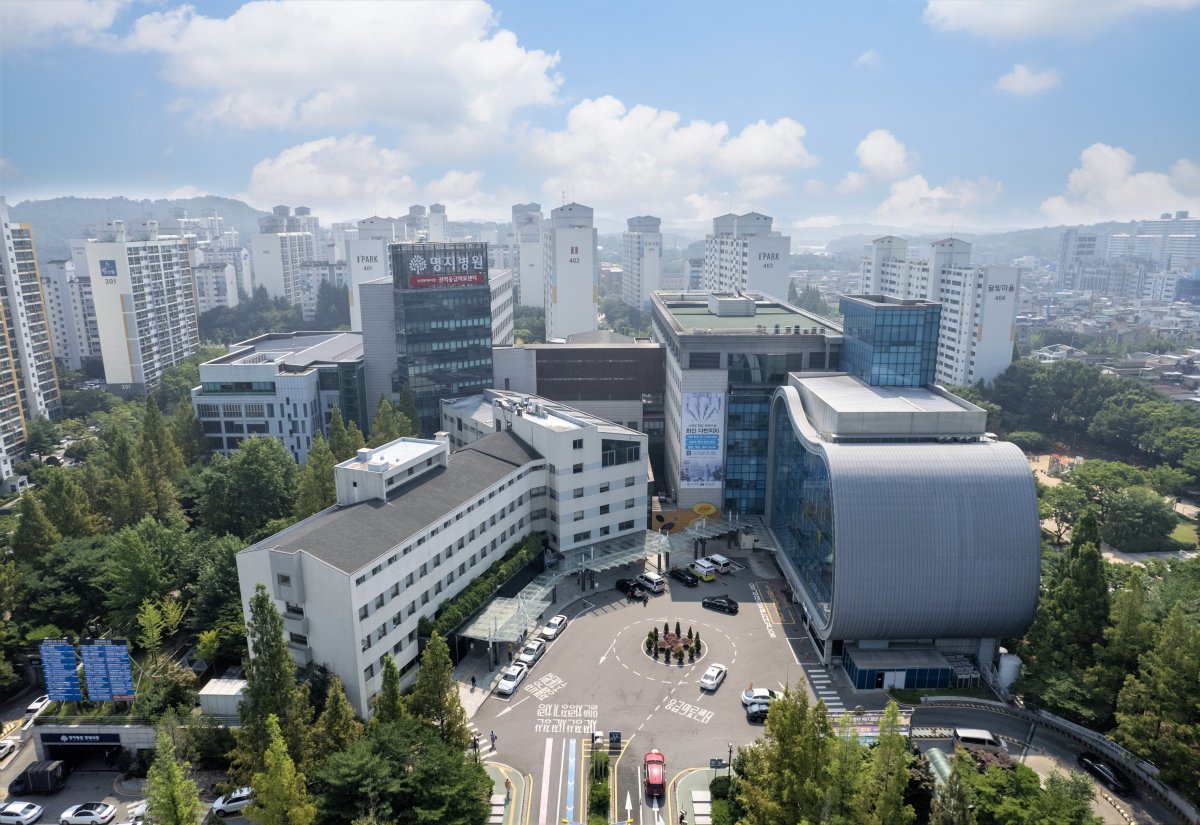







نظرة عامة على زراعة الكلى في كوريا الجنوبية
- زراعة الكلى - من $52,800
تستبدل العملية الكلية المعيبة بأخرى صحية لاستعادة وظائف الكلى الطبيعية.
اليوم الأول - الوصول
- تصل إلى المطار.
- الانتقال إلى الفندق الذي توفره العيادة.
- المساعدة اللغوية متاحة إذا لزم الأمر.
اليوم 2 - ما قبل العملية
- قابل طبيب أمراض الكلى للاستشارة.
- الخضوع للفحوصات الطبية اللازمة.
- سيقوم فريق الزرع بمراجعة الاختبارات.
اليوم الثالث - زراعة الكلى
- الوصول إلى العيادة لإجراء عملية الزرع.
- الخضوع للتخدير ، وعادة ما يكون التخدير العام.
- العملية التي قد تستمر من 2-4 ساعات.
اليوم 4-6 - بعد العملية
- ابق في المستشفى للمراقبة الدقيقة.
- ابدأ بتناول الأدوية بعد العملية.
- فحوصات دورية من قبل الفريق الطبي.
الأسبوع 2
- نقل من المستشفى إلى الفندق.
- زيارات دورية للعيادة لإجراء الفحوصات.
- اضبط الدواء بناءً على عملية الشفاء.
الأسبوع 3-6 - إعادة التأهيل
- العودة التدريجية للأنشطة الخفيفة.
- متابعة المتابعة في العيادة أو مع الطبيب المحلي.
الأسبوع السابع وما بعده
- العودة إلى العمل حسب الوظيفة.
- العودة التدريجية لممارسة الرياضة والأنشطة القوية الأخرى.
- بحلول الأسبوع 12 ، راجع النتائج النهائية لعملية الزرع.
يرجى ملاحظة أن حالة كل مريض فريدة من نوعها ، لذلك قد تختلف الجداول الزمنية والأنشطة.
ماذا يحب المرضى:
- يكلف. تتراوح تكلفة زراعة الكلى في جمهورية كوريا من 20.000 دولار إلى 30.000 دولار. هذا أقل بكثير مما هو عليه في الولايات المتحدة ، حيث يبلغ متوسط التكلفة حوالي 400000 دولار.
- احتراف الأطباء. يقدر المرضى المستوى العالي من الاحتراف. الأطباء الكوريون حاصلون على شهادات دولية وعضويات في منظمات مرموقة.
- مستوى الخدمة. تمت الإشادة بالخدمة الودية التي تركز على المريض. الموظفون مستعدون دائمًا للإجابة على الأسئلة.
- فعالية زراعة الكلى. تستخدم التقنيات الحديثة في كوريا. هذا يؤدي إلى نتائج ناجحة ومعدلات عالية لرضا المرضى.
- الخدمات اللوجستية. يجد المرضى عملية الحصول على الاختبارات والتقارير فعالة ومنظمة.
ما لا يحبه المرضى:
- حاجز اللغة. يواجه بعض المرضى صعوبات بسبب الاختلافات اللغوية. ومع ذلك ، هذا يمكن التحكم فيه.
- خيارات الطعام. خيارات الطعام بحاجة إلى تحسين. يقترح المرضى الدوليون قائمة أكثر تنوعًا.
- إيداع Bookimed: 200 دولار أو 200 يورو.
- وديعة العيادة: ادفع نسبة محددة مقدمًا.
احصل على تقييم طبي لـ زراعة الكلى في كوريا الجنوبية: اختر أخصائيك من بين الأفضل في هذا المجال
عرض جميع الأطباء
Jung Cheol-woong
تدرب في مراكز دولية رائدة بما في ذلك مستشفى الملكة ماري وجامعة سينسيناتي، متخصص في جراحة زراعة الكلى.
- زمالة في جراحة الزراعة معتمدة من الجمعية الأمريكية للزراعة
- عضو في الجمعية الدولية لزراعة البنكرياس والجزر
- عضو دائم في جمعية الزراعة
- عضو أيضاً في الجمعية الأمريكية لجراحي الزراعة
قصص فيديو من مرضى Bookimed
مواد ذات صلة

تكلفة جراحة زرع الكلى المعقولة - من أين تجد وكيف تحصل عليها
كتب بواسطة Ana Hurevska

أفضل 5 مستشفيات لزراعة الكلى في العالم
كتب بواسطة Ana Hurevska
مشاركة المحتوى
 Anna Leonova
أسئلة متكررة حول زراعة الكلى في كوريا الجنوبية
هل جراحة زراعة الكلى آمنة في كوريا الجنوبية؟
تعتبر جراحة زراعة الكلى في كوريا الجنوبية آمنة للغاية، حيث تحافظ على معدلات نجاح الكسب غير المشروع لمدة عام واحد بين 90% و 98%. تستخدم المؤسسات الرائدة مثل مستشفى سيفيرانس ومستشفى جامعة سيول الوطنية أنظمة مساعدة روبوتية وبروتوكولات معتمدة من JCI لتقليل مخاطر العدوى أثناء هذه الإجراءات المعقدة.
- معدلات النجاح السريري: غالبًا ما تتجاوز نسبة البقاء على قيد الحياة لمدة عام واحد 95% في مراكز زراعة الأعضاء رفيعة المستوى في سيول.
- التكنولوجيا المتقدمة: يستخدم الجراحون أنظمة دافنشي الروبوتية لاستئصال الكلية من المتبرع بأقل قدر من التدخل الجراحي.
- أوراق اعتماد الخبراء: يحمل متخصصون مثل الدكتور جونغ تشيول وونغ زمالات من الجمعية الأمريكية لزراعة الأعضاء.
- الاعتماد الصارم: تحافظ المرافق على شهادات JCI و KOIHA لضمان معايير السلامة العالمية.
رؤية خبير Bookimed: بينما تعتبر معايير السلامة من النخبة، فإن كوريا الجنوبية فريدة من نوعها لخبرتها في عمليات الزرع غير المتوافقة مع فصائل الدم (ABO). تظهر بياناتنا أن مستشفيات مثل أسان وسيفيرانس تقوم بنجاح بإجراء هذه الحالات عالية المخاطر بانتظام. وهذا يجعل كوريا وجهة رئيسية لأزواج المتبرع والمتلقي الذين لديهم فصائل دم غير متطابقة والذين يواجهون خيارات محدودة في أماكن أخرى.
إجماع المرضى: يصف المرضى البنية التحتية الطبية بأنها عالمية المستوى، مشيرين إلى أن المراقبة على مدار الساعة طوال أيام الأسبوع والمنسقين الناطقين بالإنجليزية يجعلون التعافي سلسًا للغاية. يسلط الكثيرون الضوء على برامج التباد
ما هي معايير التأهيل التي يجب أن يستوفيها المرضى الأجانب؟
يجب على المرضى الأجانب الذين يسعون للحصول على زراعة كلى في كوريا الجنوبية تقديم أدلة موثقة على الإصابة بمرض الكلى في المرحلة النهائية، وعادةً ما يكون معدل الترشيح الكبيبي المقدر (eGFR) أقل من 20 أو الخضوع لغسيل الكلى النشط. يتطلب القبول وجود متبرع حي قانوني بعلاقة مثبتة، وتصريح طبي شامل، وتأشيرة طبية خاصة طويلة الأجل (D-10).
- الأهلية الطبية: يجب أن تثبت الوثائق السريرية وجود مرض كلوي مزمن متقدم أو الاعتماد الحالي على غسيل الكلى.
- متطلبات المتبرع: تتطلب المراكز الكورية علاقة بيولوجية أو قانونية مثبتة للمتبرعين الأحياء.
- الاختبارات التشخيصية: يجب إجراء اختبارات HLA والمطابقة المتقاطعة في مرافق كورية مثل مستشفى سيفيرانس.
- الإثبات المالي: يجب على المرضى إظهار أموال تغطي الجراحة و3-6 أشهر من الرعاية بعد العملية الجراحية.
رؤية خبير Bookimed: التوقيت هو العامل الأكثر تجاهلاً في كوريا الجنوبية. في حين تقبل العديد من البلدان السجلات القديمة، غالبًا ما ترفض المستشفيات من الدرجة الأولى في سيول مثل مستشفى جامعة سيول الوطنية (SNUH) الاختبارات التي تم إجراؤها في بلد المنشأ إذا كانت أقدم من 6 أشهر. يجب على المرضى مزامنة فحوصات الدم وفحوصات القلب المحلية الخاصة بهم مباشرة قبل السفر لتجنب الاختبارات المكلفة وغير الضرورية عند الوصول إلى كوريا.
إجماع المرضى: يؤكد العديد من المرضى أن عملية التأشيرة الطبية تستغرق من 4 إلى 6 أسابيع. يوصي معظم الناجين بالبقاء في كوريا لمدة 8 أسابيع بعد الجراحة لضمان التعافي المستقر وتعديل الأدوية بشكل صحيح
ما هي المخاطر والمضاعفات النموذجية؟
تشمل مضاعفات زراعة الكلى في كوريا الجنوبية رفض العضو، والنزيف الجراحي، والعدوى. يدير الجراحون في المراكز المعتمدة من قبل اللجنة الدولية المشتركة (JCI) مثل مستشفى سيفيرانس هذه المخاطر باستخدام الأنظمة الروبوتية والذكاء الاصطناعي. ينتقل معظم المرضى من المراقبة في المستشفى إلى المراقبة المنزلية بعد تأكيد استقرار وظيفة العضو المزروع من قبل المتخصصين.
- رفض العضو: تحدث النوبات الحادة غالبًا في غضون 3-6 أشهر، مما يتطلب تعديل مثبطات المناعة.
- خطر العدوى: تزيد مثبطات المناعة من القابلية للإصابة بالفيروس المضخم للخلايا (CMV)، وفيروس BK، والتهابات المسالك البولية المتكررة.
- تأثيرات الأدوية: قد تسبب الأدوية القياسية مثل تاكروليموس رعشة أو مرض السكري حديث الظهور.
- الأوعية الدموية الجراحية: تتطلب الجلطات الدموية المحتملة أو تضيق الشرايين مراقبة فورية عبر الموجات فوق الصوتية دوبلر.
رؤية خبير Bookimed: تستخدم المراكز الكورية المتقدمة مثل مستشفى جامعة سيول الوطنية سجلات رقمية بالكامل لتتبع بقاء العضو المزروع. تظهر البيانات أنه على الرغم من ارتفاع معدل بقاء العضو المزروع، فإن الاستعداد لعملية زراعة ثانية بعد 15 عامًا يعد جزءًا قياسيًا من التخطيط طويل الأجل. تساعد هذه الرؤية المستقبلية المرضى على إدارة القلق العاطفي المرتبط باحتمالية فقدان العضو المزروع في المستقبل.
إجماع المرضى: يؤكد المرضى أن الرفض يمكن أن يحدث دون أعراض، مما يجعل فحوصات الدم الروتينية أمراً حيوياً. يشير الكثيرون إلى أن إدارة الآثار الجانبية مثل زيادة الوزن أو الرعشة
ما الذي تتضمنه باقة زراعة الكلى للمرضى الدوليين؟
تغطي باقات زراعة الكلى في كوريا الجنوبية عادةً اختبارات التوافق قبل الجراحة، وجراحة الزراعة لكل من المتلقي والمتبرع، وإقامة في المستشفى لمدة تتراوح بين 10 إلى 21 يوماً في غرفة خاصة. تشمل هذه الخطط الشاملة الأدوية المثبطة للمناعة الأولية وإعادة التأهيل اللاحقة في مرافق معتمدة من اللجنة الدولية المشتركة (JCI) في سيول.
- الاختبارات التشخيصية: تشمل تحاليل الدم، ومطابقة الأنسجة، وتحديد النمط الجيني HLA، وتصوير الأشعة المقطعية المتقدم.
- الرسوم الجراحية: تغطي جراحي الزراعة، وأطباء التخدير، وإجراءات استئصال الكلية بالمنظار للمتبرع.
- الرعاية الداخلية: توفر إقامة من 10 إلى 21 يوماً في غرف خاصة مع تمريض متخصص.
- الدعم بعد الجراحة: يشمل العلاج الطبيعي الأساسي والمتابعة عبر الطب الاتصالي لمدة 3 أشهر.
رؤية خبير Bookimed: تعطي الباقات الكورية الجنوبية الأولوية لعمليات زراعة الأعضاء من متبرعين أحياء للمرضى الدوليين لتقليل أوقات الانتظار. في حين أن عيادات مثل مستشفى سيفيرانس تقدم تكنولوجيا روبوتية عالمية المستوى، تشير بيانات المرضى إلى ضرورة تخصيص ميزانية إضافية بنسبة 20% للتكاليف الخارجية. غالباً ما تقع نفقات مثل اختبارات PCR الإلزامية ورسوم المترجم اليومية خارج سعر الباقة الأساسي.
إجماع المرضى: يؤكد المرضى على الحاجة إلى إثبات الأموال لمعالجة التأشيرة والتحويلات البنكية المسبقة. ينصح معظمهم بتأمين إمدادات الأدوية طويلة الأمد بشكل مستقل لأن الباقات تغطي الأشهر القليلة الأولى فقط.
كم من الوقت أحتاج للبقاء والسفر داخل كوريا الجنوبية؟
يجب على المرضى التخطيط لإقامة تتراوح بين 6 إلى 8 أسابيع في كوريا الجنوبية لإجراء عملية زرع كلى. تشمل هذه المدة من 2 إلى 4 أسابيع من الإقامة الإلزامية في المستشفى تليها 2 إلى 4 أسابيع إضافية من المراقبة المكثفة للمرضى الخارجيين لاستقرار مستويات الكرياتينين.
- الإقامة في المستشفى: توقع من 14 إلى 28 يومًا من الرعاية الداخلية للتعافي الأولي والمراقبة.
- فترة الاستقرار: يطلب معظم الجراحين ما مجموعه 5 إلى 7 أسابيع قبل منح تصريح السفر الجوي الآمن.
- قيود السفر: تجنب وسائل النقل العام لمدة أسبوعين بعد الخروج من المستشفى لتقليل مخاطر العدوى الخطيرة.
- استراتيجية الإقامة: اختر سكنًا تابعًا للمستشفى أو إقامات هادئة بالقرب من مراكز سيول لإجراء الفحوصات المتكررة.
رؤية خبير Bookimed: في حين أن السياحة العامة في سيول يمكن إدارتها في 10 أيام، يجب على مرضى الزرع إعطاء الأولوية للقرب على مشاهدة المعالم السياحية. تقع المرافق الرائدة مثل مستشفى سيفيرانس ومستشفى جامعة سيول الوطنية في مناطق ذات حركة مرور عالية، لذا فإن حجز سكن في نطاق 1.6 كم يوفر ضغوطًا كبيرة خلال المرحلة الحرجة من المتابعة مرتين أسبوعيًا.
إجماع المرضى: يؤكد الكثيرون أن الأطباء الكوريين يطبقون بروتوكولات خروج صارمة للغاية مقارنة بالدول الأخرى. يوصي المرضى بحجز رحلات عودة مرنة لأن الجراحين لن يصرحوا بالسفر حتى تصبح المؤشرات الطبية مثالية.
هل ستكون هناك ندوب مرئية بعد زراعة الكلى؟
تترك جراحة زراعة الكلى في جمهورية كوريا ندبة دائمة مرئية في أسفل البطن. يتراوح طول معظم الشقوق بين 5 إلى 20 سنتيمتراً. غالباً ما يستخدم الجراحون الكوريون تقنيات متقدمة لضمان تلاشي هذه العلامات بشكل كبير، وعادة ما تتحول إلى خط باهت في غضون عام إلى عامين.
- موقع الشق: يقوم الجراحون بإجراء الشق المنحني الذي يتراوح طوله بين 10 و15 سنتيمتراً في منطقة الأربية السفلية اليسرى أو اليمنى.
- تأثير التقنية: يمكن للأساليب الروبوتية أو التنظيرية في مراكز سيول تقليل طول الندبة إلى 5–8 سنتيمترات.
- الجدول الزمني للشفاء: عادة ما تتحول العلامات الحمراء أو الأرجوانية الأولية إلى خط دقيق بلون الجلد بحلول العام الثاني.
- إزالة الغرز: تقوم الفرق الطبية في مرافق مثل مستشفى سيفيرانس عادةً بإزالة الدبابيس الجراحية بعد 10–14 يوماً.
رؤية خبير Bookimed: غالباً ما تتجاوز مؤشرات الجودة في أفضل مستشفيات سيول المعايير الدولية لرعاية زراعة الأعضاء. على سبيل المثال، يعالج مستشفى جامعة سيول الوطنية أكثر من 10,000 مريض يومياً ويحافظ على تصنيفات عالمية للنخبة. يسمح هذا الحجم الهائل للفرق الجراحية بتحسين تقنيات الإغلاق التي تقلل من مخاطر الجدرة (keloid) الشائعة في أنواع البشرة المختلفة.
إجماع المرضى: يقارن العديد من المتلقين العلامة النهائية بندبة الولادة القيصرية الاحترافية التي تظل مخفية بسهولة تحت ملابس السباحة. يؤكد المرضى على استخدام هلام السيليكون في وقت مبكر وتجنب التعرض لأشعة الشمس بصرامة لضمان أفضل نتيجة تجميلية.