جراحات استسقاء الرأس ، تحويلات العمليات الجراحية في كوريا الجنوبية — احصل على 3 عيادات مطابقة مع التكاليف


تمت مراجعة المقالة طبيا من قبل
فهد مولود
ما هي تكلفة جراحات استسقاء الرأس ، تحويلات العمليات الجراحية في كوريا الجنوبية؟ اكتشف الآن
تتراوح تكلفة جراحات استسقاء الرأس وتركيب التحويلات في جمهورية كوريا بين $12,000 و $20,500. يعتمد السعر الإجمالي على التقنية الجراحية، واستخدام أنظمة الملاحة المدعومة بالذكاء الاصطناعي، والبنية الرقمية للمستشفى. تشمل معظم الباقات الكورية التشخيص الأولي، ورعاية العناية المركزة، والإقامة بالمستشفى لمدة تتراوح بين 5 إلى 14 يوماً.
- جراحة تحويلة البطين الصفاقي (VP shunt): تتراوح تكلفتها عادةً في عيادات سول بين 8,000 $ و 18,000 $.
- التقنيات المتقدمة: قد تؤدي دقة الروبوت والذكاء الاصطناعي إلى زيادة تكاليف الجراحة التقليدية بنسبة 20-30%.
- باقة التشخيص: تشمل الرسوم الإضافية تصوير الرنين المغناطيسي للدماغ (400$-1,100$) والأشعة المقطعية (300$-500$).
- مستوى الإقامة: تزيد المراقبة المكثفة في العناية المركزة أو التأهيل العصبي التخصصي من تكلفة الباقة الأساسية.
رأي خبراء Bookimed: يضمن اختيار مستشفى رائد رقمياً، مثل مستشفى جامعة سول الوطنية في بوندانغ (SNUBH)، الوصول إلى نظام BESTcare والدقة المستندة إلى الذكاء الاصطناعي. قد تفرض المرافق المتميزة في سول رسوماً أولية أعلى، لكنها توفر أعلى معايير السلامة المعتمدة من JCI و GHA. تقدم هذه المستشفيات متعددة التخصصات قيمة استثنائية للمرضى الدوليين، حيث تجمع بين الجراحة العصبية المتطورة والرقمنة الكاملة وتعالج أكثر من 1.5 مليون مريض سنوياً بمعدلات نجاح عالية.
المزايا الرئيسية
لماذا تختار جمهورية كوريا لجراحات استسقاء الدماغ وجراحات التحويلة؟
- عيادات معتمدة: المستشفيات المعتمدة من JCI تقدم رعاية عالية الجودة وتلتزم بالمعايير الدولية للرعاية الصحية.
- أحدث التقنيات: تُستخدم إجراءات مثل فغر البطين الثالث بالمنظار (ETV) والتحويلات القابلة للبرمجة مثل أنظمة كودمان حكيم وميتروتونيك ستراتا لتحقيق أفضل النتائج.
- نسب نجاح عالية: تظهر جراحات استسقاء الدماغ وجراحات التحويلة فعالية تتراوح بين 85-90% في تحسين الأعراض عبر حالات المرضى المختلفة.
- جراحون خبراء: يقوم جراحو الأعصاب الرائدون، الذين غالبًا ما يكونون معتمدين من مؤسسات مرموقة، بأداء أكثر من 500 عملية جراحية لاستسقاء الدماغ والتحويلة. وهذا يبرز خبرتهم الواسعة وكفاءتهم.
احصل على حلول متقدمة لجراحات استسقاء الدماغ وجراحات التحويلة في عيادات موثوقة من $12,000.
| كوريا الجنوبية | تركيا | إسبانيا | |
|---|---|---|---|
| جراحات استسقاء الرأس ، تحويلات العمليات الجراحية | ≈ $12,000 | من $5,300 | من $39,200 |
مزاياك وضماناتك مع Bookimed
أسعار مباشرة
Bookimed لا يضيف رسوماً إضافية على أسعار جراحات استسقاء الرأس ، تحويلات العمليات الجراحية. الأسعار مأخوذة من قوائم الأسعار الرسمية للعيادات. تدفع مباشرة في العيادة مقابل جراحات استسقاء الرأس ، تحويلات العمليات الجراحية عند وصولك.
عيادات وأطباء معتمدون فقط
Bookimed ملتزم بسلامتك. نحن نعمل فقط مع المؤسسات الطبية التي تحافظ على معايير دولية عالية في جراحات استسقاء الرأس ، تحويلات العمليات الجراحية ولديها التراخيص اللازمة لخدمة المرضى الدوليين في جميع أنحاء العالم.
مساعدة مجانية على مدار الساعة
Bookimed يقدم مساعدة خبراء مجانية. منسق طبي شخصي يدعمك قبل وأثناء وبعد العلاج، ويحل أي مشاكل. لن تكون وحيداً أبداً في رحلة جراحات استسقاء الرأس ، تحويلات العمليات الجراحية.

منسقك الطبي الشخصي في Bookimed
- يدعمك في كل مرحلة
- المساعدة في اختيار العيادة الطبية المناسبة والطبيب المناسب
- يضمن الوصول السريع والمريح إلى المعلومات
اكتشف أفضل جراحات استسقاء الرأس ، تحويلات العمليات الجراحية العيادات في كوريا الجنوبية: 4 خيارات معتمدة والأسعار








نظرة عامة على جراحات استسقاء الرأس ، تحويلات العمليات الجراحية في كوريا الجنوبية
- جراحات استسقاء الرأس ، تحويلات العمليات الجراحية - من $12,000
يعالج هذا العلاج تراكم السائل الدماغي الزائد ، باستخدام أنبوب لتحويل السوائل بأمان ، وتعزيز صحة الدماغ ووظائفه.
اليوم 1
- الوصول إلى البلاد والانتقال إلى الفندق.
- تسجيل الوصول في الفندق والراحة.
اليوم الثاني
- استشارة جراح أعصاب وطبيب أعصاب.
- إجراء تصوير الرأس بالرنين المغناطيسي.
يوم 3
- اختبارات ما قبل الجراحة والاستشارة النهائية مع الجراح.
- التحضير للجراحة بما في ذلك الصيام.
اليوم الرابع
- التحويل إلى العيادة لإجراء الجراحة.
- جراحة تحويلة استسقاء الرأس تحت التخدير العام.
- مراقبة ما بعد العملية في وحدة الاسترداد.
يوم 5
- استشارة ما بعد الجراحة مع الجراح.
- ابدأ الرعاية بعد الجراحة والمراقبة.
الأسبوع 1
- البقاء في الفندق ، مع متابعة الاستشارات المنتظمة.
- بدء عملية إعادة التأهيل.
الأسبوع 2 - 3
- التعافي المستمر في المنزل مع متابعة العيادات الخارجية.
- العودة التدريجية إلى الأنشطة غير الشاقة.
الأسبوع الرابع - السادس
- استمرار تمارين وفحوصات إعادة التأهيل.
- العودة إلى العمل والأنشطة العادية الأخرى.
يرجى ملاحظة أن هذا دليل عام وقد تختلف الحالات الفردية. استشر طبيبك دائمًا للحصول على خطة علاج مخصصة.
- إيداع Bookimed: 200 دولار أو 200 يورو.
- وديعة العيادة: ادفع نسبة محددة مقدمًا.
احصل على تقييم طبي لـ جراحات استسقاء الرأس ، تحويلات العمليات الجراحية في كوريا الجنوبية: اختر أخصائيك من بين الأفضل في هذا المجال
عرض جميع الأطباء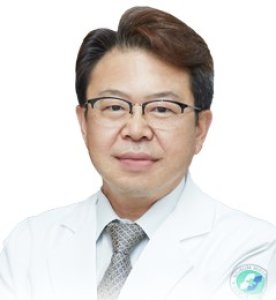
Han Yeongmin
الدكتور هان يونغمين جرّاح أعصاب (MD، PhD). يشغل منصب المدير الطبي ومدير مركز جراحة الأعصاب في مستشفى سانت ماري في إنتشيون. يعالج أمراض الأوعية الدموية الدماغية واضطرابات الأعصاب الطرفية، ويختص أيضًا بأورام الدماغ وجراحة قاعدة الجمجمة. تشمل الحالات السكتة الدماغية والنزف الدماغي والاحتشاء الدماغي ومرض مويا مويا. يجري إجراءات PEN وPNP وSNB. ويقدّم أيضًا الاستئصال المجهري والتنظيري للقرص، واستبدال القرص الصناعي، واندماج العمود الفقري طفيف التوغل/MIS-TLIF، ورأب الفقرة.
نال درجتي الطب والدك
قصص فيديو من مرضى Bookimed
المراجعات
جميع المراجعاتمشاركة المحتوى
 Anna Leonova
أسئلة متكررة حول جراحات استسقاء الرأس ، تحويلات العمليات الجراحية في كوريا الجنوبية
هل أحتاج إلى تأشيرة لكوريا الجنوبية؟
ما هو مستوى الطب في كوريا الجنوبية؟
الرعاية الصحية هي قطاع التنمية الرئيسي للحكومة الكورية. السلطات الكورية مقتنعة بأن رعاية صحة المواطنين يجب أن تكون أولوية غير مشروطة لسياسة الدولة ، وتنفق سنويًا حوالي مليار دولار لجذب السياح الطبيين.
وفقًا لمارك بريتنيل ، تهيمن المستشفيات على نظام الرعاية الصحية. 94٪ من المستشفيات مملوكة للقطاع الخاص.
ما هي أشهر جراحات التجميل؟
وفقًا لإحصاءات ASPS ، تم إجراء 17.7 مليون عملية تجميل و 5.8 مليون عملية ترميمية في عام 2018. تشمل الإجراءات التجميلية الأكثر شيوعًا ما يلي:
- تكبير الثدي
- شفط الدهون
- عملية تجميل الأنف
- جراحة الجفن
- شد البطن.
تعد إزالة الورم ، والتئام الدموع ، وجراحة الوجه والفكين ، ومراجعة الندبات ، وجراحة اليد من أكثر العمليات شيوعًا في سياق الجراحة الترميمية.
ما هي المستندات المطلوبة لتقديم طلب تأشيرة لكوريا الجنوبية للعلاج؟
تتطلب تأشيرات السفر إلى كوريا الجنوبية عددًا من المستندات . يمكن تقديم الأوراق اللازمة قبل 90 يومًا من المغادرة المخطط لها. قائمة الوثائق تشمل:
- بطاقة الهوية
- تأكيد التسجيل عبر الإنترنت وملء الاستبيان
- شهادة الدخل وتوافر الأموال
- بوليصة تأمين للإقامة في كوريا الجنوبية (أصلية ونسخة)
- صورتان (5x6)
- الحصول على تأشيرة
- حجز الطيران والفنادق
- رأي الطبيب في الحاجة للعلاج.
ما الذي تريد معرفته عن كوريا الجنوبية قبل السفر؟
عملة | وون كوري جنوبي (الدفع مقابل الخدمات ممكن أيضًا بالدولار) |
أفضل فترة للسفر | أبريل ومايو ويونيو أو سبتمبر وأكتوبر ونوفمبر. |
لغة | الكورية (معظم الطاقم الطبي يتحدث الإنجليزية بطلاقة) |
تأشيرة | غير مطلوب للإقامة لمدة تصل إلى 90 يومًا أو أقل |
فارق التوقيت مع أوروبا | الساعة 9 |
فارق التوقيت من الولايات المتحدة الأمريكية | الساعة 9 |
عاصمة | سيول |
في كوريا الجنوبية ، توجد فنادق ذات نطاقات أسعار ومستويات خدمة مختلفة. يختار معظم السياح فنادق 4 و 5 نجوم مع وجبات شاملة كليًا. تحتوي هذه الفنادق على كل شيء لإقامة مريحة: طعام متنوع ، منطقة كبيرة جيدة الإعداد ، رسوم متحركة للأطفال والكبار. تحتوي بعض الفنادق على حديقة مائية خاصة بها ، والتي يمكن للضيوف استخدامها مجانًا. يمكن للمسافرين ذوي الميزانية المحدودة حجز فندق اقتصادي من فئة 3 نجوم مع إقامة مع وجبتي طعام أو بدون وجبات على الإطلاق. |