زراعة أطقم الأسنان الهجينة All-on-4 في كوريا الجنوبية — احصل على 3 عيادات مطابقة مع التكاليف


تمت مراجعة المقالة طبيا من قبل
فهد مولود
ما هي تكلفة زراعة أطقم الأسنان الهجينة All-on-4 في كوريا الجنوبية؟ اكتشف الآن
تتراوح تكلفة طقم الأسنان الهجين بنظام All-on-4 في جمهورية كوريا عادةً بين $9,500 و $16,000 لكل فك. يعتمد السعر النهائي على نوع الزرعات، والمواد التعويضية كالزركون، والمدينة. تشمل الباقة القياسية غالباً تصوير الأشعة المقطعية ثلاثي الأبعاد، وأربع دعامات جراحية، والأعمدة، والجسر الثابت النهائي.
- علامات الزرعات الكورية: يقلل اختيار العلامات التجارية المحلية مثل Osstem أو Dentium من التكلفة الإجمالية عادةً.
- هياكل الزركون: تميل أطقم الأسنان الكاملة المصنوعة من الزركون المتجانس إلى أن تكون أعلى تكلفة من الخيارات الهجينة الأكريليكية.
- الملاحة ثلاثية الأبعاد: قد تزيد الجراحة الموجهة رقمياً بدون شق جراحي من التكلفة مقابل دقة أعلى.
- مراكز المدن: تتركز مراكز الأسنان الكبرى بشكل أساسي في سول، ودايجون، ومناطق حضرية أخرى.
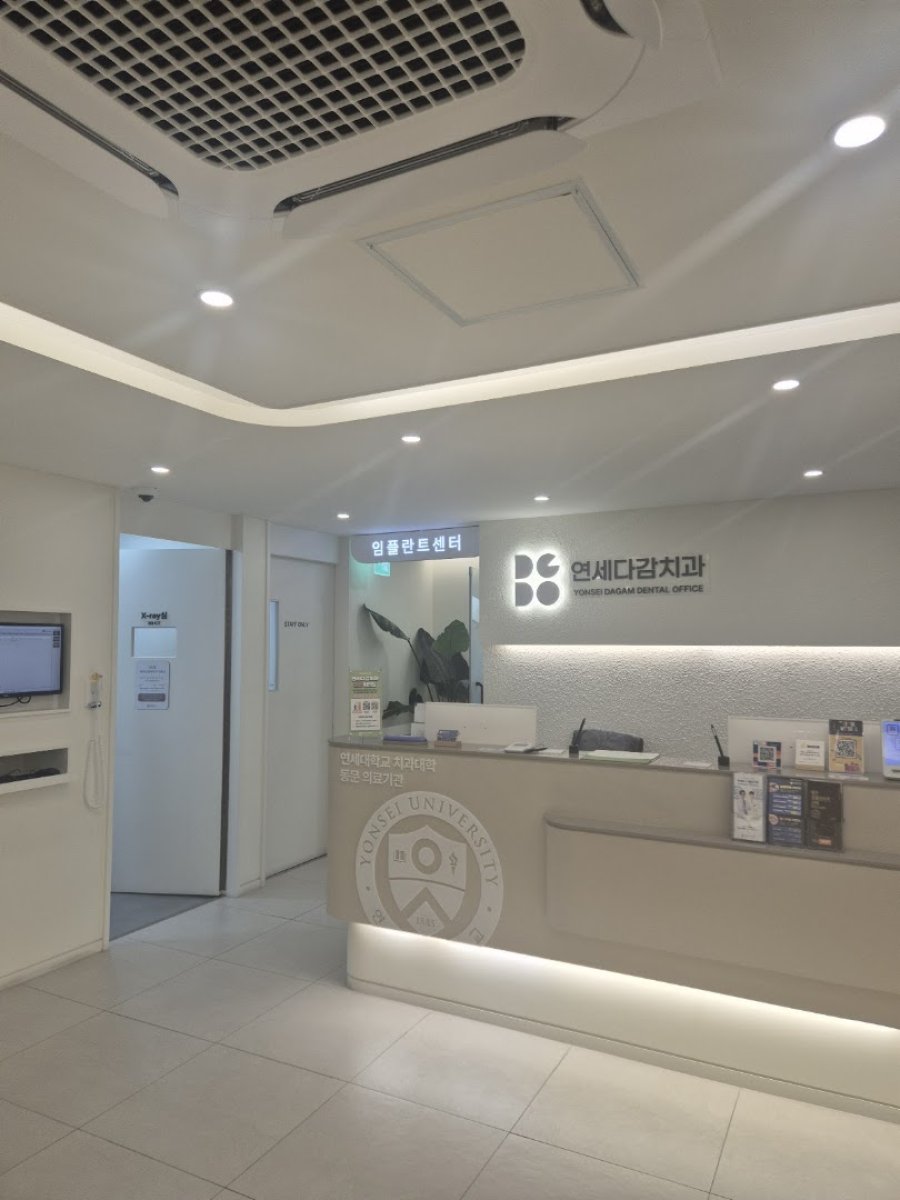
رأي خبراء Bookimed: يتيح اختيار سول لترميم كامل الفك الوصول إلى أخصائيين متميزين مثل أطباء عيادة 365 Seoul OneTop Dental Clinic المعتمدين من وزارة الصحة والرعاية الاجتماعية. تعد كوريا الجنوبية رائدة عالمياً في تقنيات الأسنان، حيث توفر عيادات مثل Yonsei Dagam Dental تقنية الملاحة ثلاثية الأبعاد للجراحات طفيفة التوغل. تضمن هذه التقنية المتقدمة دقة تؤكد مكانة المركز في قطاع الرعاية المتميزة مقارنة بالمزودين الأقل مستوى.
مزاياك وضماناتك مع Bookimed
أسعار مباشرة
Bookimed لا يضيف رسوماً إضافية على أسعار زراعة أطقم الأسنان الهجينة All-on-4. الأسعار مأخوذة من قوائم الأسعار الرسمية للعيادات. تدفع مباشرة في العيادة مقابل زراعة أطقم الأسنان الهجينة All-on-4 عند وصولك.
عيادات وأطباء معتمدون فقط
Bookimed ملتزم بسلامتك. نحن نعمل فقط مع المؤسسات الطبية التي تحافظ على معايير دولية عالية في زراعة أطقم الأسنان الهجينة All-on-4 ولديها التراخيص اللازمة لخدمة المرضى الدوليين في جميع أنحاء العالم.
مساعدة مجانية على مدار الساعة
Bookimed يقدم مساعدة خبراء مجانية. منسق طبي شخصي يدعمك قبل وأثناء وبعد العلاج، ويحل أي مشاكل. لن تكون وحيداً أبداً في رحلة زراعة أطقم الأسنان الهجينة All-on-4.

منسقك الطبي الشخصي في Bookimed
- يدعمك في كل مرحلة
- المساعدة في اختيار العيادة الطبية المناسبة والطبيب المناسب
- يضمن الوصول السريع والمريح إلى المعلومات
اكتشف أفضل زراعة أطقم الأسنان الهجينة All-on-4 العيادات في كوريا الجنوبية: 3 خيارات معتمدة والأسعار

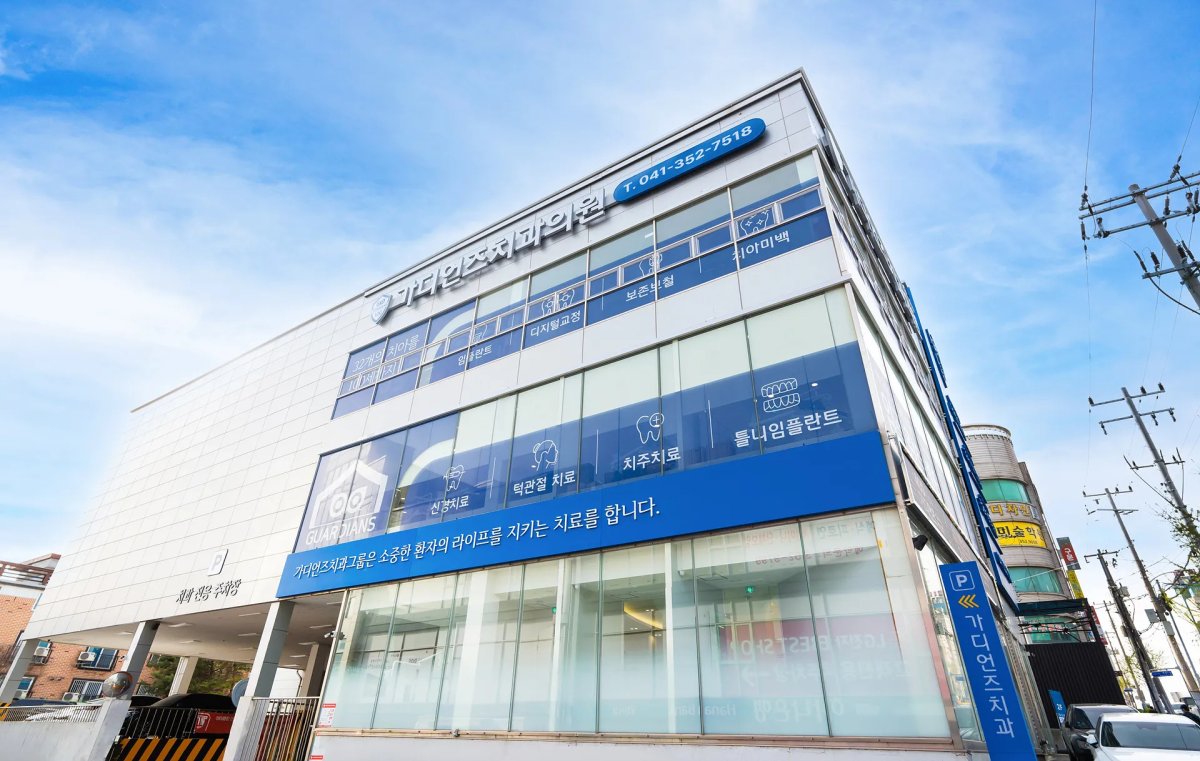
نظرة عامة على زراعة أطقم الأسنان الهجينة All-on-4 في كوريا الجنوبية
- طقم أسنان - من $1,200
يتضمن هذا العلاج استخدام بدائل قابلة للإزالة للأسنان المفقودة ، وتعزيز القدرة على الكلام والمضغ.
- تركيب طقم أسنان كامل - من $1,500
يحل هذا العلاج محل جميع الأسنان الأصلية ، ويحسن القدرة على المضغ ، والكلام ، والثقة ، من خلال تركيب الأطراف الاصطناعية المخصصة.
- التركيب الفوري لأطقم الأسنان - من $900
يتضمن الإجراء تركيب مجموعة أسنان بديلة مباشرة بعد قلعها ، وتقليل وقت الشفاء والحفاظ على المظهر.
- زراعة أطقم الأسنان الهجينة All-on-2 - من $6,500
يستخدم هذا العلاج غرستين لدعم طقم أسنان كامل ، مما يوفر الثبات والمظهر الطبيعي الذي يشبه الأسنان.
- زراعة أطقم الأسنان الهجينة All-on-4 - من $9,500
يقدم هذا العلاج ترميمًا ثابتًا كامل القوس باستخدام أربع عمليات زرع أسنان ، مما يعزز وظيفة الفم وجمالياته.
- زراعة أطقم الأسنان الهجينة All-on-6 - من $2,900
يستبدل هذا العلاج جميع الأسنان بستة غرسات ، مما يوفر حلاً فوريًا ودائمًا للأسنان المفقودة.
يتضمن الإجراء إدخال أربع غرسات ، ودعم أطقم الأسنان بقضيب التيتانيوم المصمم رقميًا لتعزيز الاستقرار والوظيفة.
يستخدم هذا الإجراء ستة غرسات من التيتانيوم لتأمين أطقم الأسنان الكاملة ، وزيادة المتانة وثبات العض.
اليوم 1
- الوصول والانتقال إلى فندق 4 نجوم.
- الراحة والتأقلم مع البيئة الجديدة.
اليوم الثاني
- استشارة أولية مع جراح الأسنان.
- اختبارات ما قبل الجراحة مثل تصوير الأسنان وانطباعاتها.
يوم 3
- مشاورات إضافية إذا لزم الأمر.
- الاستعدادات النهائية للعملية الجراحية.
اليوم الرابع
- عملية زرع الأسنان الهجينة All-on-4 تحت التخدير العام.
- تستغرق العملية حوالي 2-3 ساعات.
يوم 5
- الراحة بعد الجراحة في العيادة تحت الملاحظة الطبية.
الأسبوع 1
- أول فحص بعد الجراحة.
- تعديلات على طقم الأسنان إذا لزم الأمر.
الأسبوع 2-4
- استمرار الشفاء والتكيف مع أطقم الأسنان الجديدة.
- الفحص الثاني بعد الجراحة والتعديلات النهائية.
الأسبوع الخامس
- العودة إلى العمل والأنشطة الأخرى.
- النتائج النهائية مرئية وكاملة الشفاء المتوقع.
يرجى ملاحظة أن عملية الشفاء لكل مريض مختلفة وأن الجدول الزمني قد يختلف.
- إيداع Bookimed: 200 دولار أو 200 يورو.
- وديعة العيادة: ادفع نسبة محددة مقدمًا.
احصل على تقييم طبي لـ زراعة أطقم الأسنان الهجينة All-on-4 في كوريا الجنوبية: اختر أخصائيك من بين الأفضل في هذا المجال
عرض جميع الأطباء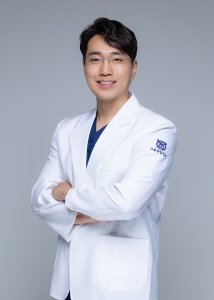
Kim Geun-il
2200 عملية تجميل أنف في عام 2014 في مستشفى ميموريال.
- تدرب خلال فترة الإقامة في كلية الطب بجامعة جونز هوبكنز
- ندير قاعدة بيانات تضم 1200 حالة مرضية تحتوي على 350,000 عملية استبدال مفصل الورك بالكامل.
- حقائق الطبيب تؤكد إجراء عمليات في مركز إم دي أندرسون للسرطان المعتمد في جراحة الأورام بما في ذلك جراحي الأورام.
- 1500 عملية تقويم مفصل الورك بالكامل - يجري فقط إجراءات بمساعدة الروبوت.
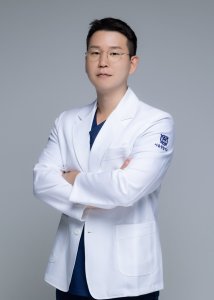
Kwon Jae-won
يتخصص الدكتور كوون جاي وون في أطقم الأسنان الهجينة من نوع All-on-4، ويقدم خطط علاج مخصصة بناءً على تشخيص شامل للفم.
- تخرج بمرتبة الشرف من كلية طب الأسنان بجامعة سيول الوطنية
- أخصائي في طب زراعة الأسنان معتمد من وزارة الصحة والرعاية الاجتماعية
- حاصل على شهادة التدريب السريري لزراعة الأسنان من Osstem
- عضو في الأكاديمية الكورية لزراعة الأسنان
- أكمل فترة الإقامة في مستشفى طب الأسنان بجامعة سيول الوطنية
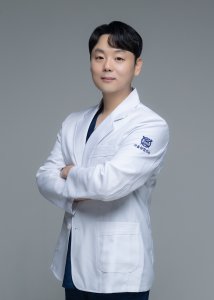
Lim Gi-hyeon
أخصائي معتمد في جراحة الفم والوجه والفكين وحاصل على درجة الدكتوراه من جامعة يونسي - يركز الدكتور ليم على وضع أطقم الأسنان المزروعة بدقة.
- تدرب في المستشفيات التابعة لكلية الطب بجامعة هارفارد
- عضو اللجنة الاستشارية السريرية لشركة Osstem Implant
- عضو دائم في الجمعية الكورية لجراحي الفم والوجه والفكين
- متخصص في تقنيات Hybrid All-on-4

Jung Sung Lee
متخصص في إجراءات طب الأسنان الخالية من التوتر مع التخدير الواعي - مثالي للمرضى الذين يعانون من القلق ويحتاجون إلى علاجات معقدة مثل أطقم الأسنان الهجينة All-on-4.
- يتعاون مع أطباء تخدير معتمدين لضمان تخدير آمن
- يخصص خطط التخدير لتقليل الانزعاج
- يسمح بإجراء عدة عمليات في زيارة واحدة
- تعافي أسرع مقارنة بالتخدير العام
قصص فيديو من مرضى Bookimed
المراجعات
جميع المراجعاتمشاركة المحتوى
 Anna Leonova
حقائق سريعة عن زراعة أطقم الأسنان الهجينة All-on-4
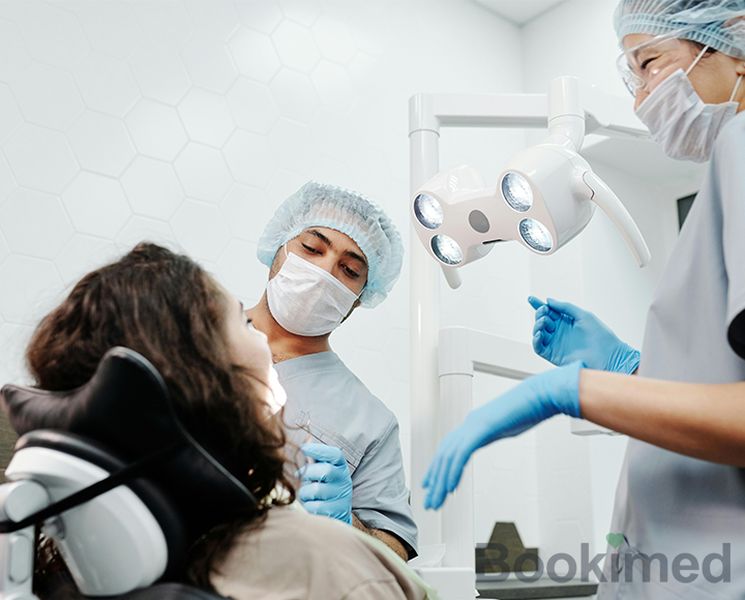
طقم الأسنان الهجين المدعوم بزراعة All-on-4
تشمل هذه العملية تثبيت قوس كامل من الأسنان الاصطناعية على أربعة زراعة أسنان موضوعة بشكل استراتيجي للحصول على حل ثابت ودائم.
أسئلة متكررة حول زراعة أطقم الأسنان الهجينة All-on-4 في كوريا الجنوبية
ما هو معدل نجاح عمليات زراعة الأسنان بتقنية "All-on-4" في جمهورية كوريا؟
في جمهورية كوريا، تُظهر زراعة الأسنان بتقنية "أول-أون-فور" معدلات نجاح عالية للغاية، تتراوح بين 91.9% وأكثر من 98%. وتشير البيانات السريرية طويلة الأمد إلى أن معدلات بقاء التركيبات السنية تصل إلى 99.6%، وذلك بفضل الجراحة المتقدمة الموجهة بالتصوير المقطعي المحوسب ثلاثي الأبعاد، وحجم العمليات الجراحية الكبير الذي يتجاوز 1.8 مليون عملية زرع سنوياً.
- البقاء على قيد الحياة على المدى الطويل: في الدراسات الكورية، تصل معدلات نجاح العلاج المسجلة خلال 18 عامًا من المتابعة إلى 91.9٪.
- النتائج الخاصة بالفك: تميل جراحات الفك السفلي إلى تحقيق معدلات نجاح أعلى، حيث تتراوح في المتوسط من 95٪ إلى 98٪.
- الدقة الرقمية: يقلل الاستخدام المكثف للمسح ثلاثي الأبعاد وبرنامج Anatomage بشكل كبير من الأخطاء البشرية في وضع الأشياء.
- الخبرة المتخصصة: توظف عيادات مثل عيادة دارون لطب الأسنان أخصائيي طب أسنان معتمدين من الولايات المتحدة لعلاج الحالات المعقدة.
رأي خبراء بوكيمد: يعود تفوق كوريا في معدلات نجاح زراعة الأسنان إلى قاعدة بياناتها المحلية الواسعة. فبينما تنتشر العلامات التجارية العالمية، تُظهر الزرعات المحلية المعتمدة من إدارة الغذاء والدواء الأمريكية، مثل أوستم، معدل نجاح يصل إلى 9
هل عادةً ما تكون عملية ترقيع العظام مطلوبة في كوريا عند استخدام نظام All-on-4؟
في جمهورية كوريا، يُغني نظام "الكل على أربعة" عادةً عن الحاجة إلى ترقيع العظام. تعتمد هذه التقنية على أربعة غرسات، اثنتان منها تُوضعان في الجزء الخلفي من الفك بزاوية 45 درجة. يُحسّن هذا التصميم كثافة عظم الفك الموجود، ويُغني عن الحاجة إلى جراحة ترميم العظام أو رفع الجيوب الأنفية.
- الزرعات المائلة: الزرعات الخلفية المائلة بزاوية 45 درجة تتجاوز بشكل فعال مناطق العظام منخفضة الكثافة.
- التصوير المقطعي ثلاثي الأبعاد: تسمح تقنيات التصوير المتقدمة في عيادات مثل عيادة دارون لطب الأسنان بالتأكيد الدقيق على كفاية العظام.
- معدلات النجاح: حوالي 80% من المرضى يستوفون معايير جراحة All-on-4 بدون زرع بناءً على نتائج الفحص.
- الاستثناءات الخاصة: لا تكون عملية ترقيع العظام ضرورية إلا في حالات الامتصاص الشديد أو فقدان العظام العمودي الشديد.
رأي خبراء بوكيميد: تُظهر بيانات من 76 عيادة في جميع أنحاء جمهورية كوريا تفضيلًا للتخطيط الجراحي بمساعدة التقنيات الرقمية. غالبًا ما يستخدم جراحون مثل الدكتور جيونغ سيونغ لي نظام الملاحة الحاسوبية لتحديد مواقع الجيوب العظمية المستقرة. تُمكّن هذه الدقة المرضى الذين يعانون من فقدان متوسط في العظام من تجنب عمليات الزرع، والتي قد تكون ضرورية في ا
كم تستغرق عملية العلاج بأكملها باستخدام طريقة "الكل على 4" الهجينة؟
في جمهورية كوريا، تستغرق عملية العلاج الكاملة باستخدام نظام "هايبرد أول-أون-4" عادةً من 3 إلى 6 أشهر. تشمل هذه الفترة الزرع الجراحي الفوري للغرسات وتركيب جسر مؤقت في اليوم الأول، يليه فترة اندماج عظمي مدتها 12 أسبوعًا قبل تركيب الطرف الاصطناعي الهجين النهائي.
- الاستشارة الأولية: تستغرق عملية التصوير المقطعي الرقمي ثلاثي الأبعاد والتخطيط عادةً من أسبوع إلى أسبوعين.
- يوم الجراحة: يتم تركيب الغرسات والأطراف الاصطناعية المؤقتة في جلسة واحدة.
- اندماج العظام: تندمج غرسات التيتانيوم مع عظم الفك خلال فترة شفاء مدتها 3 أشهر.
- الترميم النهائي: يستغرق تركيب الجسر الدائم وإجراء 4-6 تعديلات لاحقة من أسبوعين إلى أربعة أسابيع.
يقول خبراء بوكيمد: إن تقنيات المسح الرقمي المتقدمة في عيادات سيول، مثل عيادة دارون لطب الأسنان، تُقلل بشكل ملحوظ من أوقات انتظار المختبر. وغالبًا ما يُكمل فنيو الأسنان المعتمدون في الولايات المتحدة مرحلة التئام الأنسجة الرخوة في غضون أسبوعين. هذه الكفاءة تُتيح للمرضى الدوليين العودة إلى ديارهم في وقت أقرب من البروتوكول العالمي القياسي الذي يستغرق ثمانية أشهر.
رأي المرضى: يُقدّر المرضى بش
ما الفرق بين تقنية All-on-4 والطرف الاصطناعي الهجين؟
تقنية "الكل على أربعة" هي بروتوكول جراحي محدد يستخدم أربعة غرسات لدعم قوس الأسنان بالكامل. في المقابل، يُعدّ التركيب الهجين جسراً حقيقياً مثبتاً بشكل دائم على هذه الغرسات. وتستخدم معظم العيادات الكورية التركيبات الهجينة كخيار ترميم نهائي للمرضى الذين يخضعون لتقنية "الكل على أربعة".
- الإعداد الجراحي: يستخدم نظام All-on-4 زرعتين أماميتين مستقيمتين وزرعتين خلفيتين بزاوية 35 درجة.
- تصميم أطقم الأسنان: تعمل أطقم الأسنان الهجينة مثل الجسور الثابتة بدون سقف الحنك، مما يحسن التذوق والنطق.
- خيارات المواد: تستخدم أطقم الأسنان الهجينة عادةً الزركونيا أو السيراميك المعدني لتوفير قوة ونظافة فائقة.
- احتياجات الصيانة: يجب على أطباء الأسنان إزالة أطقم الأسنان الهجينة أثناء الفحوصات الروتينية كل 3 أشهر للتنظيف العميق.
رأي خبراء بوكيمد: على الرغم من اعتقاد الكثيرين أن تقنية "أول-أون-فور" مجرد تركيبات أسنان، إلا أنها في الواقع استراتيجية للحفاظ على عظام الفك. في سيول، توظف عيادات متخصصة مثل "دارون دينتال" أخصائيي تركيبات أسنان معتمدين من الولايات المتحدة. ويولون اهتمامًا خاصًا لملاءمة طقم الأسنان الهجين لضمان عدم تراكم بقايا الطعام، وهو سبب شائع ل
ما هي العيادات في سيول التي تشتهر بتركيبات الأسنان الهجينة بتقنية "All-on-4"؟
في سيول، تُعتبر عيادات دارون لطب الأسنان، ويونسي جيه دبليو لطب الأسنان، و سمايل ستوديو من أفضل المراكز المتخصصة في تركيبات الأسنان الهجينة بتقنية "أول-أون-4". وتضم هذه المراكز أخصائيي تركيبات أسنان معتمدين من الولايات المتحدة الأمريكية، حاصلين على شهادات من الجمعية الكورية لتركيبات الأسنان (KOIHA). كما توفر عيادات خاصة متخصصة في منطقتي غانغنام وسيودايمون مختبرات داخلية، وفحصًا ثلاثي الأبعاد بالأشعة المقطعية، وتركيبات أسنان فورية للمرضى الدوليين.
- مؤهلات الجراح: في عيادة دارون لطب الأسنان، يعمل فقط أخصائيو تركيبات الأسنان المعتمدون من الولايات المتحدة في الحالات المعقدة.
- تقنيات مبتكرة: يستخدم المتخصصون أساليب غير جراحية حاصلة على براءات اختراع لتقليل تلف الأنسجة والتورم.
- الإنتاج الداخلي: تقوم العيادات الرائدة بتنفيذ العملية بأكملها، من التشخيص إلى تصنيع الأطراف الاصطناعية، تحت سقف واحد لضمان أقصى سرعة.
- معايير الاعتماد: المرافق ذات الأداء العالي معتمدة من قبل KOIHA، مما يضمن الامتثال لبروتوكولات الجودة والسلامة الدولية.
رأي خبراء بوكيمد: تخدم عيادة دارون لطب الأسنان 1200 مريض سنويًا، على الرغم من وجود أخصائي رئيسي واحد فقط. يُظهر هذا الحجم الكبير من العمل ك