العودة إلى الصفحة الرئيسية
820К+ مريضًا حصلوا على المساعدة منذ عام 2014
50 دول
1,500 عيادات
6K+ تقييمات
3K+ طبيب مؤهل

ما هي تكلفة استئصال القرص بالمنظار في كوريا الجنوبية؟ اكتشف الآن

السعر المتوسط ل في كوريا الجنوبية هو $20,000. الحد الأدنى للسعر هو $20,000 والحد الأقصى $20,000.
المزايا الرئيسية

لماذا يختار المرضى جمهورية كوريا لإجراء استئصال القرص بالمنظار؟

  • العيادات المعتمدة: المستشفيات الحاصلة على شهادة JCI تضمن رعاية عالية الجودة وتلتزم بمعايير صارمة لسلامة المرضى.
  • أحدث التقنيات: تُستخدم تقنيات مثل نظام YESS (نظام يونغ للعمليات الجراحية بالمنظار للعمود الفقري) وأجهزة مثل TESSYS (نظام الجراحة بالمنظار عبر الثقبة). توفر هذه التقنيات حلولاً طفيفة التوغل بدقة عالية.
  • معدلات نجاح عالية: يتمتع استئصال القرص بالمنظار في كوريا الجنوبية بمعدل فعالية مثير للإعجاب يتراوح بين 90-95%. وهو فعال بشكل خاص لحالات الانزلاق الغضروفي القطني.
  • جراحون خبراء: يقوم أخصائيو جراحة الأعصاب وجراحة العظام الرائدون، الذين غالبًا ما يكون لديهم تدريب وشهادات دولية، بإجراء أكثر من 2000 عملية استئصال قرص بالمنظار. يضمن ذلك أنهم يجلبون خبرة واسعة ومهارة إلى ممارساتهم.

احصل على حلول متقدمة لاستئصال القرص بالمنظار في عيادات موثوقة من $20,000.

مزاياك وضماناتك مع Bookimed

أسعار مباشرة

Bookimed لا يضيف رسوماً إضافية على أسعار استئصال القرص بالمنظار. الأسعار مأخوذة من قوائم الأسعار الرسمية للعيادات. تدفع مباشرة في العيادة مقابل استئصال القرص بالمنظار عند وصولك.

عيادات وأطباء معتمدون فقط

Bookimed ملتزم بسلامتك. نحن نعمل فقط مع المؤسسات الطبية التي تحافظ على معايير دولية عالية في استئصال القرص بالمنظار ولديها التراخيص اللازمة لخدمة المرضى الدوليين في جميع أنحاء العالم.

مساعدة مجانية على مدار الساعة

Bookimed يقدم مساعدة خبراء مجانية. منسق طبي شخصي يدعمك قبل وأثناء وبعد العلاج، ويحل أي مشاكل. لن تكون وحيداً أبداً في رحلة استئصال القرص بالمنظار.

لماذا نحن؟

منسقك الطبي الشخصي في Bookimed

  • يدعمك في كل مرحلة
  • المساعدة في اختيار العيادة الطبية المناسبة والطبيب المناسب
  • يضمن الوصول السريع والمريح إلى المعلومات

لا تفوت الصفقات الحصرية استئصال القرص بالمنظار في كوريا الجنوبية لمدة يوليو 2026

العمود الفقري 25

كوريا الجنوبية, سول

Sangwon Hwang

30سنة خبره ١٦ سنة
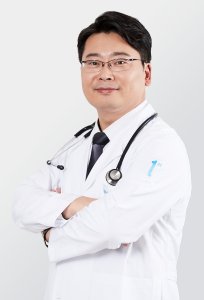
  • لقد أجرى سانغوون هوانغ أكثر من 6,000 عملية جراحية في العمود الفقري، وهو متخصص في التقنيات طفيفة التوغل للحالات المعقدة.
  • يشتهر مستشفى ليدهيل بالرعاية المتقدمة للعمود الفقري، بقيادة مركز متخصص في العمود الفقري لإجراء العمليات الجراحية المتخصصة.
  • الخدمات المشمولة: خدمات تمريض على مدار 24 ساعة، وثلاث وجبات يومياً من قِبل أخصائي تغذية، وغرفة لكبار الشخصيات، وخدمة نقل من المطار إلى العيادة إلى المطار.
  • معلومات الإقامة: الإقامة في المستشفى لمدة أربعة أيام متضمنة؛ لا توجد إقامة فندقية أو مشمولة في السعر.
  • التقنية: جراحة العمود الفقري طفيفة التوغل لتقليل الألم وسرعة التعافي.

نظرة عامة على استئصال القرص بالمنظار في كوريا الجنوبية

الوجبات الجاهزة
كيف نعمل؟
المزايا
دفع
مرضى يوصي -
85%
وقت الجراحة - 1 ساعة
البقاء في البلاد - 10 ايام
إعادة تأهيل - 14 ايام
تخدير - تخدير موضعي
تمت معالجة الطلبات - 23249
رسوم الحجز - $0

احصل على تقييم طبي لـ استئصال القرص بالمنظار في كوريا الجنوبية: اختر أخصائيك من بين الأفضل في هذا المجال

عرض جميع الأطباء
يؤكد

Sangwon Hwang

30سنة خبره ١٦ سنة

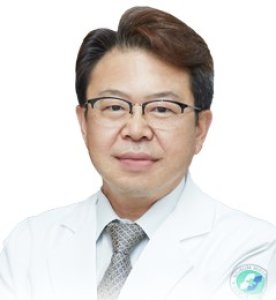
الدكتور سانغ وون هوانغ جرّاح أعصاب متخصص في جراحة العمود الفقري. يمتلك نحو 30 عاماً من الخبرة وأجرى أكثر من 6,000 عملية على العمود الفقري. يتقن التقنيات طفيفة التوغل والتنظيرية، ويُجري أيضاً استبدال القرص الصناعي العنقي. يهدف نهجه إلى تعافٍ أسرع وألم أقل ونتائج أفضل.

يدير حالات معقدة، بما في ذلك أورام العمود الفقري وجراحات المراجعة. يعتمد على تشخيص دقيق وخطط علاج شخصية.

الرئيس التنفيذي، رئيس جراحة العمود الفقري، ومدير مركز العمود الفقري في مستشفى ليد هيل. حاصل على درجة الطب (MD) من كلية الطب بجامعة إنها. الجوائز: جائزة أونبيونغ الكبرى 2021 (جائزة التبرع الجميل) وجائزة الخدمة الطبية 2019. العضويات: جمعية الشرف (صندوق مجتمع كوريا)، الجمعية الكورية لجراحة أعصاب العمود الفقري، رابطة المستشفيات الكورية لجراحة الأعصاب، ورابطة المستشفيات الإقليمية الكورية.

يؤكد

Han Yeongmin

36سنة خبره ١٦ سنة

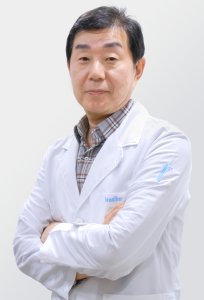
الدكتور هان يونغمين جرّاح أعصاب (MD، PhD). يشغل منصب المدير الطبي ومدير مركز جراحة الأعصاب في مستشفى سانت ماري في إنتشيون. يعالج أمراض الأوعية الدموية الدماغية واضطرابات الأعصاب الطرفية، ويختص أيضًا بأورام الدماغ وجراحة قاعدة الجمجمة. تشمل الحالات السكتة الدماغية والنزف الدماغي والاحتشاء الدماغي ومرض مويا مويا. يجري إجراءات PEN وPNP وSNB. ويقدّم أيضًا الاستئصال المجهري والتنظيري للقرص، واستبدال القرص الصناعي، واندماج العمود الفقري طفيف التوغل/MIS-TLIF، ورأب الفقرة.

نال درجتي الطب والدكتوراه من الجامعة الكاثوليكية في كوريا. عمل أستاذًا زائرًا في جراحة الأوعية الدماغية وقاعدة الجمجمة في معهد بارو لطب الأعصاب (فينيكس، أريزونا، الولايات المتحدة). كما عمل في مركز هاربورفيو الطبي، جامعة واشنطن (سياتل، الولايات المتحدة).

تشمل منشوراته المشاركة في تأليف الفصل 52 من كتاب جراحة الأوعية الدموية الدماغية الكورية. كما شارك في تأليف كتاب أورام الورم العصبي السمعي (Acoustic Neuroma Oncology). وهو عضو عامل في جمعيات KNS وKSCVS وKSBS وKBTS وKNTS وKSNS وKSPNS.

يؤكد

Jang Hyo Kim

36سنة خبره ١٦ سنة

الدكتور جانغ هيو كيم جرّاح عظام يركّز على الحفاظ على المفاصل وإعادة البناء المعقّدة. يختص بمناظير المفاصل للكتف والركبة والكاحل والمرفق والمعصم. يُجري استبدال مفاصل الكتف والركبة والكاحل والمرفق والورك. يشمل عمله في العمود الفقري تثبيت ودمج الفقرات العنقية والقطنية. كما يُجري استئصال القرص، واستئصال الصفيحة الفقرية، وترميم الأعصاب، ورأب الفقرة. وتشمل ممارسته علاج الكسور وإصلاح العضلات والأربطة.

هو أستاذ منتسب في جامعة كيونغ هي، ويشغل منصب مدير مركز المفاصل في مستشفى فيري غود. وشغل سابقًا منصب رئيس أو مدير في مستشفيات يونغغوانغ جنرال، سونغجونغ سارانغ، سيووري–ديجون، سيول وِلفير، وذا بارون. وكان عضوًا استشاريًا في مجلس تعويضات عمال غوانغجو–جونام. وهو عضو عامل في الجمعية الكورية لجراحة العظام (KOA) والجمعيات الكورية لمناظير المفاصل والركبة وطب الرياضة والورك والألم والسمنة. يحمل اعتماد علاج TPI. أتمّ زمالة إليزاروف في كورغان، روسيا، كما أكمل تدريبًا في مناظير الكتف.

قصص فيديو من مرضى Bookimed

Elissa
إنه بالتأكيد مسار طويل، لكنني متحمس لرؤية النتائج تظهر!
إجراء: جراحة الأنف (انظر عملية تجميل الأنف)

المراجعات

جميع المراجعات
مجهول • التشاور مع أخصائي تقويم العظام
كازاخستان
١٣ ديسمبر ٢٠٢٢
مراجعة تم التحقق منها.
شكرا لكم جميعا
لقد أحببنا ذلك تمامًا المستشفى والأطباء جميعًا مترجمون ودودون ، كل شيء على أعلى مستوى شكرًا لكم جميعًا
حول خدمة Bookimed
نعم تماما

مشاركة المحتوى

Twitter XLinkedinFacebookWhatsAppEmail
أحصل على الرابط
محدث: 12/13/2022
تأليف
Anna Leonova
Anna Leonova
رئيس فريق تسويق المحتوى
محررة طبية معتمدة لديها خبرة تزيد عن 10 سنوات، طوّرت محتوى Bookimed الموثوق، مدعومة بماجستير في علم اللغة ومقابلات مع خبراء طبيين من جميع أنحاء العالم.
تمت المراجعة من قبل المستشار الطبي في Bookimed
فهد مولود
محرر طبي وعالم بيانات
طبيب عام. حاصل على 4 جوائز علمية. خدم في غرب آسيا. رئيس الفريق الطبي الناطق بالعربية سابقا ومسؤول عن معالجة البيانات ودقة المحتوى الطبي حاليا.
فهد مولود Linkedin
قد تحتوي هذه الصفحة على معلومات تتعلق بمختلف الحالات الطبية والعلاجات وخدمات الرعاية الصحية المتوفرة في بلدان مختلفة. يرجى العلم أن المحتوى مقدم لأغراض إعلامية فقط ولا ينبغي تفسيره على أنه نصيحة أو إرشادات طبية. يرجى استشارة طبيبك أو أخصائي طبي مؤهل قبل البدء أو تغيير العلاج الطبي.

أسئلة متكررة حول استئصال القرص بالمنظار في كوريا الجنوبية

هذه الأسئلة الشائعة مأخوذة من مرضى حقيقيين يبحثون عن رعاية طبية عبر Bookimed. يتم تقديم الإجابات من قبل منسقين طبيين ذوي خبرة وممثلين موثوقين من العيادات.

What are the success rates and risks of endoscopic discectomy in Republic of Korea?

Endoscopic discectomy in Republic of Korea has success rates between 90% and 96% for pain relief and mobility. Specialists use Percutaneous Endoscopic Lumbar Discectomy (PELD) and biportal techniques to treat herniated discs. These minimally invasive procedures typically result in 1% infection rates and low reoperation risks.

  • Pain relief: Patients typically report 85% improvement in leg pain and 65% in back pain.
  • Surgical volume: Leading neurosurgeons like Dr Sangwon Hwang at Leadheal Hospital have performed 6,000+ spine surgeries.
  • Clinical safety: Research indicates low 90-day reoperation rates of approximately 3.0% across Korean specialist centres.
  • Recovery speed: Minimal muscle damage allows most patients to return to daily activities within weeks.

Bookimed Expert Insight: Leadheal Hospital in Seoul serves over 44,000 patients annually and specifically caters to Australians. Their A$34,500 comprehensive packages include 4 days of inpatient care with 24-hour nursing. This extended hospital stay offers better post-operative monitoring than the same-day discharge common in other regions.

Patient Consensus: Patients in Republic of Korea highlight that while success is high, it often means significant pain reduction rather than total symptom removal. They frequently praise the smaller incisions and faster recovery times compared to traditional open back surgery.

What qualifications and expertise do Korean surgeons have for endoscopic discectomy?

South Korean spine surgeons are global leaders in endoscopic discectomy. They often complete PhDs and specialised fellowships in minimally invasive spine surgery (MISS). Many senior specialists have performed 6,000+ spinal procedures, refining techniques that allow for faster recovery and reduced tissue trauma compared to traditional open surgery.

  • Clinical volume: Leading surgeons at clinics like Leadheal Hospital have performed over 6,000+ successful spinal operations.
  • Academic rigour: Most specialists hold MD and PhD degrees from top-tier institutions like The Catholic University of Korea.
  • Global influence: Experts such as Dr Han Yeongmin have served as visiting professors at US neurological institutes.
  • Deep specialisation: Surgeons often focus exclusively on endoscopic techniques, which have a steep 30–75 case learning curve.

Bookimed Expert Insight: Many countries treat spine surgery as a broad field. However, South Korean centres like Leadheal Hospital treat endoscopy as a distinct subspecialty. Their lead neurosurgeons frequently have nearly 30 years of experience specifically in minimally invasive techniques. This high concentration of cases within a single method often results in refined precision. Generalist surgeons elsewhere may not match this.

Patient Consensus: Patients in the Republic of Korea find that specialists perform these procedures so regularly that the technique is considered a routine standard. Patients should check a surgeon’s specific endoscopic case volume to confirm they have moved past the initial learning phase.

How long does recovery after endoscopic discectomy in Republic of Korea take?

In the Republic of Korea, recovery from endoscopic discectomy is fast. Most patients return to daily activities within 2 to 4 weeks. This minimally invasive approach often enables walking within 24 hours. Full physical recovery and lifting restrictions typically resolve between 3 and 6 months post-surgery.

  • Hospital stay: Specialised Seoul clinics like Leadheal Hospital typically include a 4-day inpatient stay.
  • Initial mobility: Walking generally starts within 24 to 48 hours to prevent blood clots.
  • Work timeline: Desk-based staff often return to duties within 1 to 2 weeks post-procedure.
  • Activity limits: Heavy lifting and twisting must be avoided for approximately 6 weeks for healing.

Bookimed Expert Insight: Many clinics offer one-day surgery. However, Leadheal Hospital in Seoul includes 4-day stays with 24-hour nursing. This longer observation period is vital for international patients. It helps doctors monitor for rare nerve flares. These typically peak 2 weeks after the procedure.

Patient Consensus: After the operation in Korea, patients often feel immediate relief from leg and back pain. This can start within hours. They suggest waiting at least 2 weeks before flying back to Australia. Patients also expect calf strength to return gradually over several months.

What spinal conditions can be treated with endoscopic discectomy in Korea?

Endoscopic discectomy in Korea treats lumbar and cervical disc herniations. It also addresses spinal stenosis and foraminal narrowing. Specialists use minimally invasive techniques like Percutaneous Endoscopic Lumbar Discectomy. This relieves nerve pressure through 8 mm incisions. This approach treats sciatica and slipped discs. It preserves spinal stability and surrounding muscle tissue.

  • Lumbar herniations: Treats extruded fragments at L4-L5 and L5-S1 effectively.
  • Spinal stenosis: Surgeons decompress narrowed spinal canals to relieve chronic radiating leg pain.
  • Foraminal narrowing: Specialised transforaminal approaches clear nerve exit paths with minimal bone removal.
  • Cervical conditions: Posterior endoscopic techniques manage neck pain without requiring traditional spinal fusion.

Bookimed Expert Insight: Surgeons in Korea often perform these procedures under local anaesthetic. This allows patients to provide real-time feedback during nerve decompression. Leading specialists like Dr Sangwon Hwang at Leadheal Hospital have performed 6,000+ spine surgeries. They use these methods. This high volume delivers precision in complex cases where preserving nerve function is critical.

Patient Consensus: Patients report faster recovery and less blood loss compared to open surgery. They appreciate the ability to communicate with the surgeon during the procedure in Korea.

What is the difference between uniportal (PELD) and biportal (UBE) endoscopic surgery in Korea?

South Korean spine clinics specialise in two minimally invasive techniques. PELD (uniportal) uses a single incision for simple herniations. UBE (biportal) uses two separate incisions for complex stenosis. Leading Seoul centres provide these endoscopic discectomy procedures to Australian patients. The surgery typically involves a four-day hospital stay.

  • Incision count: PELD requires one tiny cut while UBE uses two separate surgical portals.
  • Instrument mobility: UBE allows independent movement of tools, providing greater flexibility for complex cases.
  • Clinical application: PELD suits standard herniations; UBE treats severe spinal stenosis and multilevel disease.
  • Surgeon view: PELD offers narrow magnified vision; UBE provides a wider panoramic surgical field.

Bookimed Expert Insight: UBE allows surgeons to use familiar open-surgery tools through two ports. Still, choose a specialist based on their specific volume. Surgeons like Dr Sangwon Hwang at Leadheal Hospital have performed 6,000+ spine surgeries. This high volume often leads to better precision regardless of whether one or two portals are used.

Patient Consensus: PELD leaves smaller scars and causes less tissue disruption in Korea. Patients recommend asking surgeons about their specific re-herniation rates. They also stress the importance of having clear post-operative imaging plans before returning to Australia.

How do I prepare for endoscopic discectomy surgery in Republic of Korea?

Preparing for endoscopic discectomy in the Republic of Korea involves remote imaging review, a 2-day pre-operative arrival, and medication adjustments. Dr Sangwon Hwang at Leadheal Hospital has performed 6,000+ spine surgeries. Surgeons like him use minimally invasive techniques that typically require a 4-day hospital stay.

  • Imaging assessment: Submit recent MRIs or CT scans for review before booking travel to Seoul.
  • Medication review: Stop blood thinners or specific supplements as directed by their surgeon in Incheon.
  • Anaesthesia plan: Confirm if the procedure uses local anaesthesia, sedation, or general anaesthesia before arrival.
  • Infection prevention: Expect post-operative antibiotics which may cause temporary nausea, exhaustion, or digestive changes.
  • Activity planning: Arrange a written plan for walking, sitting, and flying back to Australia safely.

Bookimed Expert Insight: Leadheal Hospital serves over 44,000 patients annually and provides a dedicated spine centre. Their all-inclusive packages accommodate AU patients by bundling VIP rooms, three nutritionist-prepared meals daily, and 24-hour nursing care to manage the early recovery phase.

Patient Consensus: Expect tiny 1 cm incisions and rapid relief from leg pain. Patients suggest confirming how surgeons verify full disc removal. They also recommend preparing for the physical sensations if choosing local anaesthesia.

احصل على استشارة مجانية

حدد أفضل طريقة للاتصال بك