عيادات زراعة الأسنان مع دعامة الأسنان في كوريا الجنوبية


تمت مراجعة المقالة طبيا من قبل
فهد مولود
كيف نعمل؟
ما هي تكلفة زراعة الأسنان مع دعامة الأسنان في كوريا الجنوبية؟ اكتشف الآن
من $580. يعتمد السعر النهائي على نوع الزرعة وموقع العيادة والإجراءات التحضيرية مثل تطعيم العظم. تشمل الباقات القياسية عادةً القطعة التيتانيوم والدعامة والأشعة المقطعية ثلاثية الأبعاد وتاجاً مخصصاً.
- ماركات الزرعات المحلية: غالباً ما تكون أكثر توفيراً بنسبة 30-40% من الخيارات العالمية الفاخرة مثل Straumann أو Astra Tech.
- المراكز الطبية الكبرى: ترتفع أسعار العيادات في مناطق سيول مثل جانجنام عادةً عن مثيلاتها في إنتشون.
- تطعيم العظم: تضاف تكلفة إضافية كبيرة إذا كانت كثافة عظم الفك غير كافية للزراعة الفورية.
- جراحة رفع الجيوب الأنفية: يرتفع إجمالي التكلفة عند احتياج زرعات الفك العلوي لإجراء رفع غشائي إضافي.
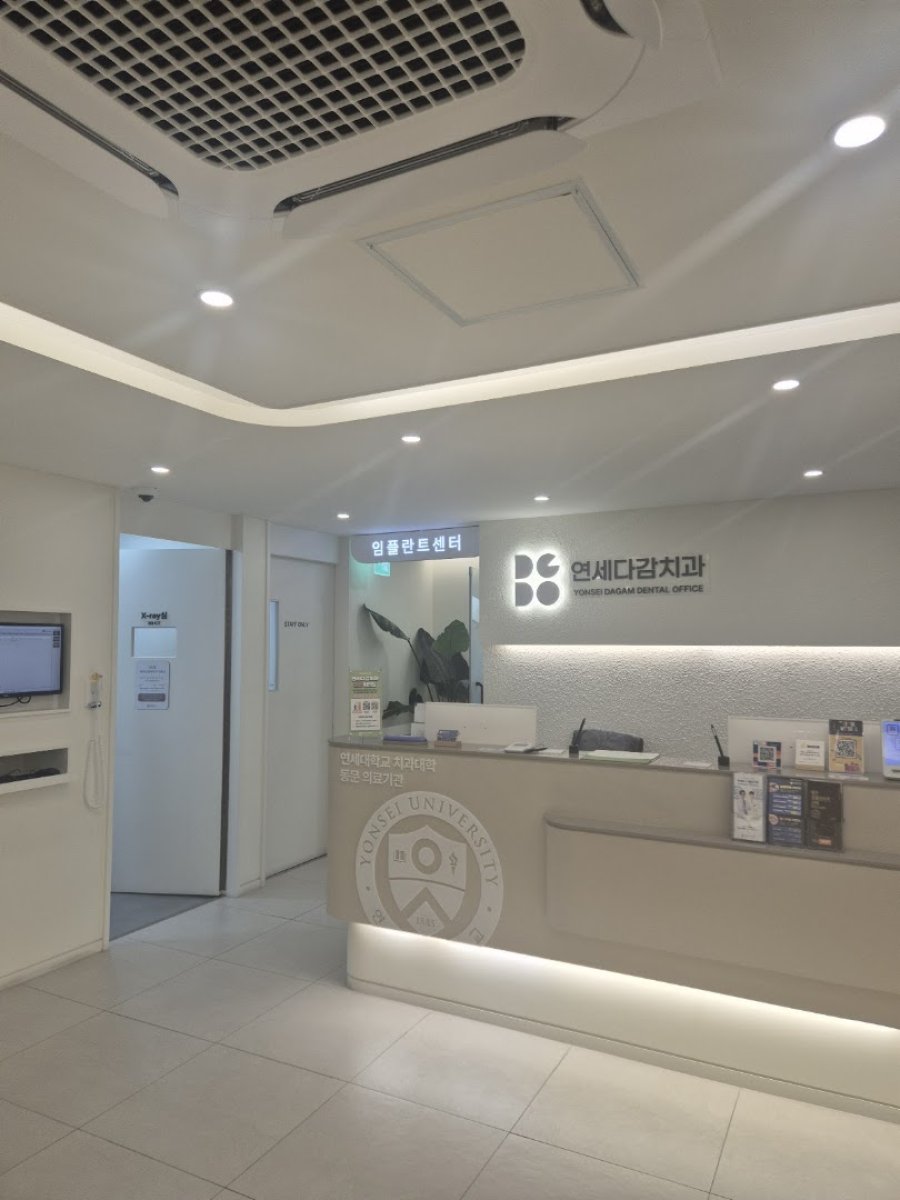
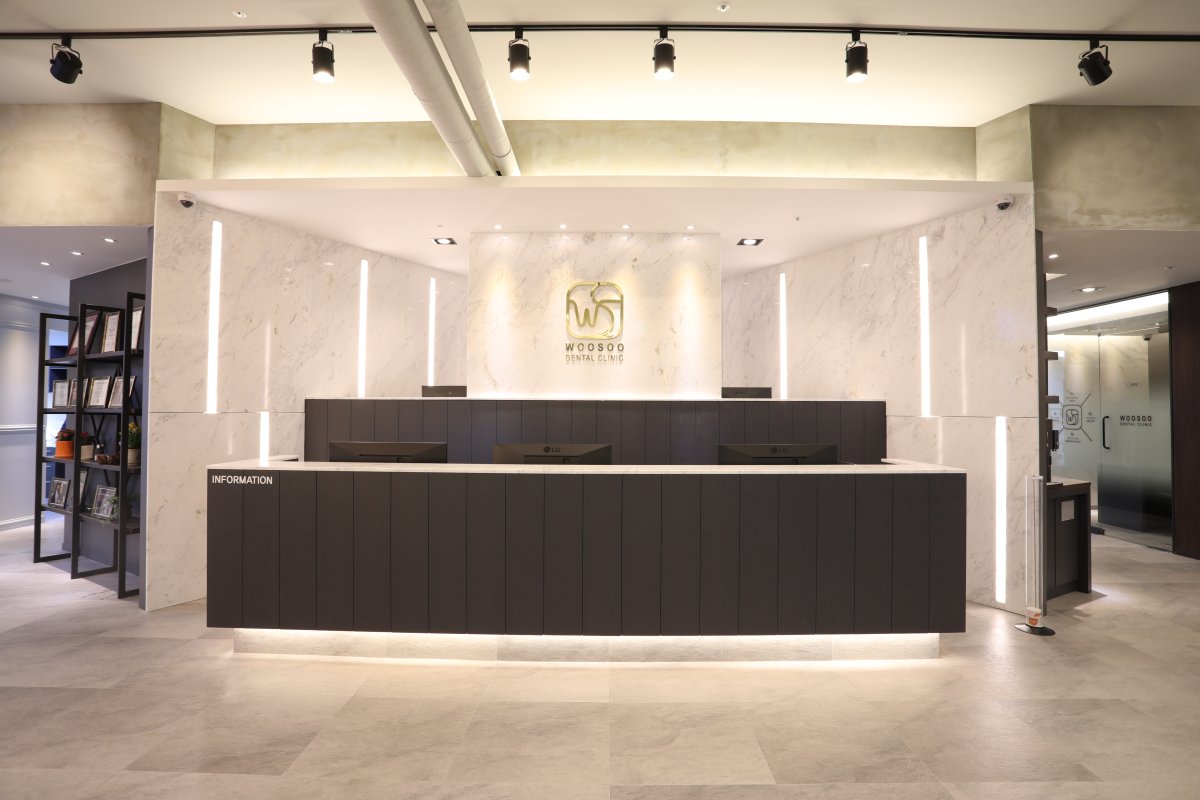
رأي خبراء Bookimed: يتيح اختيار عيادة في سيول الوصول إلى أخصائيين بارزين مثل دكتور كانج دونج هو، الحاصل على دكتوراه في الاستعاضات السنية. تعالج مراكز عديدة، مثل عيادة ووسو لطب الأسنان، أكثر من 2000 مريض سنوياً وهي معتمدة من AAID. تتوفر خبرات عالمية المستوى في عيادة يونسي جي دبليو لطب الأسنان، حيث يحمل الأطباء غالباً درجات علمية من جامعة سيول الوطنية ومؤسسات أمريكية مثل جامعة بنسلفانيا.
| تركيا | تايلاند | كوريا الجنوبية | |
|---|---|---|---|
| زراعة الأسنان مع دعامة الأسنان | من $350 | ≈ $1,100 | من $580 |
اكتشف أفضل زراعة الأسنان مع دعامة الأسنان العيادات في كوريا الجنوبية: 5 خيارات معتمدة والأسعار
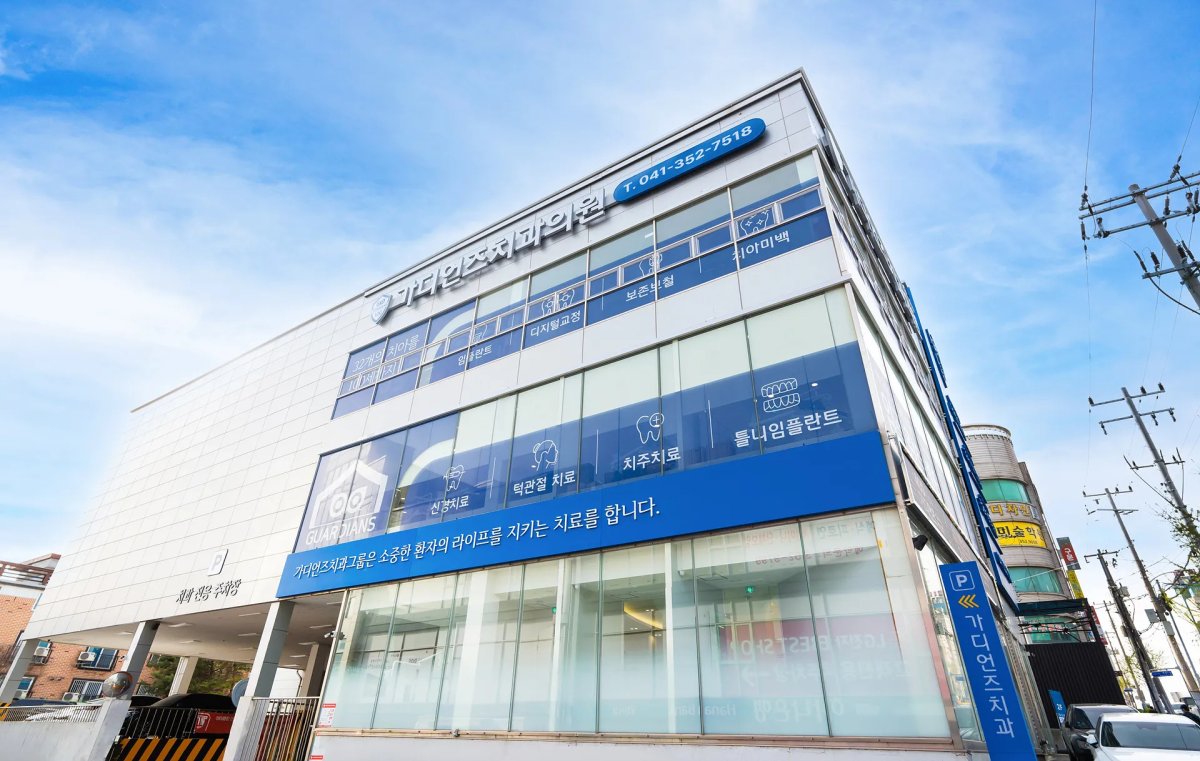
نظرة عامة على زراعة الأسنان مع دعامة الأسنان في كوريا الجنوبية
- زراعة الأسنان برنامج شامل - 4 - من $7,500
يعيد هذا العلاج مجموعة كاملة من الأسنان باستخدام أربع عمليات زرع في الفك ، مما يوفر المتانة والراحة والمظهر الطبيعي.
- زراعة الأسنان برنامج شامل - 6 - من $6,400
يستبدل هذا العلاج أقواس الأسنان بالكامل باستخدام ستة غرسات فقط ، مما يوفر للمرضى الاستقرار والراحة.
- زراعة الأسنان المصغرة - من $700
يستبدل هذا العلاج الأسنان المفقودة باستخدام دعامات معدنية صغيرة ، مما يضمن مظهرًا طبيعيًا وسهل المضغ.
- زرع سن مع التاج - من $2,000
يتضمن هذا العلاج وضع جذر وغطاء للأسنان الاصطناعية لاستعادة السن المفقودة ، وتوفير المتانة والمظهر الطبيعي.
- زرع الأسنان - من $750
يقوم هذا العلاج بتثبيت جذور الأسنان الاصطناعية لاستعادة الوظيفة والمظهر ، مما يوفر المتانة والراحة والشعور الطبيعي.
- زراعة الأسنان مع دعامة الأسنان - من $580
يقوم الإجراء بتثبيت جذر سن اصطناعي وموصل لسن اصطناعي ، مما يعزز صحة الفم والابتسامة.
- زراعة الأسنان الكل على 2 على 2 - من $6,500
يستبدل هذا العلاج الأسنان المفقودة بغرستين وجسر أسنان كامل لتحسين نوعية الحياة.
اليوم 1
- الوصول إلى البلاد والتسجيل في فندق 4 نجوم.
- قم بجولة لمشاهدة معالم المدينة إذا رغبت في ذلك.
اليوم الثاني
- استشارة أولية مع أخصائي طب الأسنان.
- الخضوع للفحوصات الطبية اللازمة.
يوم 3
- التحضير لعملية زراعة الأسنان.
- التشاور النهائي مع الأخصائي.
اليوم الرابع
- إجراء زراعة الأسنان مع إجراء الدعامة.
- تستغرق العملية حتى ساعتين.
- يتم إعطاء التخدير الموضعي.
يوم 5
- فحص ما بعد العملية في العيادة.
- استرح في الفندق.
الأسبوع 1
- فحص المتابعة مع المختص.
- النقل المنتظم للفحوصات.
الأسبوع 2-4
- العودة التدريجية إلى الأنشطة العادية.
- يمكن استئناف الأنشطة الرياضية الخفيفة.
الأسبوع 4-6
- العودة إلى العمل اعتمادًا على تقدم الاسترداد.
- النتيجة النهائية لزراعة الأسنان مرئية.
حالة كل مريض فردية ، وهذه الخطوات هي إرشادات عامة. استشر طبيبك للحصول على خطة التعافي الشخصية.
- إيداع Bookimed: 200 دولار أو 200 يورو.
- وديعة العيادة: ادفع نسبة محددة مقدمًا.
احصل على تقييم طبي لـ زراعة الأسنان مع دعامة الأسنان في كوريا الجنوبية: اختر أخصائيك من بين الأفضل في هذا المجال
عرض جميع الأطباء
Ji Ho Ahn
الدكتور جي هو آهن هو أخصائي تعويضات سنية وأستاذ مساعد في جامعة سيول الوطنية، وحاصل على درجة الدكتوراه في التعويضات السنية.
- متخصص في زراعة الأسنان مع تدريب مكثف في التعويضات السنية
- عمل في مركز زراعة الأسنان بمستشفى جامعة سيول الوطنية للأسنان
- عضو الأكاديمية الكورية للتعويضات السنية
- عضو الأكاديمية الكورية لوظائف الفم والإطباق
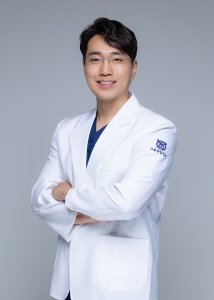
Kim Geun-il
أخصائي في طب زراعة الأسنان معتمد من وزارة الصحة والرعاية الاجتماعية – يركز الدكتور كيم على خطط علاج دقيقة دون إجراءات غير ضرورية.
- خريج كلية طب الأسنان بجامعة سيول الوطنية
- أكمل فترة الإقامة في مستشفى جامعة سيول الوطنية لطب الأسنان
- عضو معتمد في الأكاديمية الكورية لزراعة الأسنان
- عضو في الفريق الدولي لزراعة الأسنان (ITI)
- تدريب مكثف على أنظمة زراعة الأسنان Osstem و MegaGen
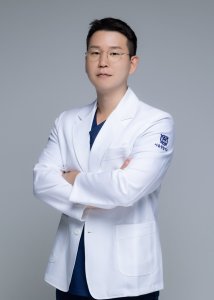
Kwon Jae-won
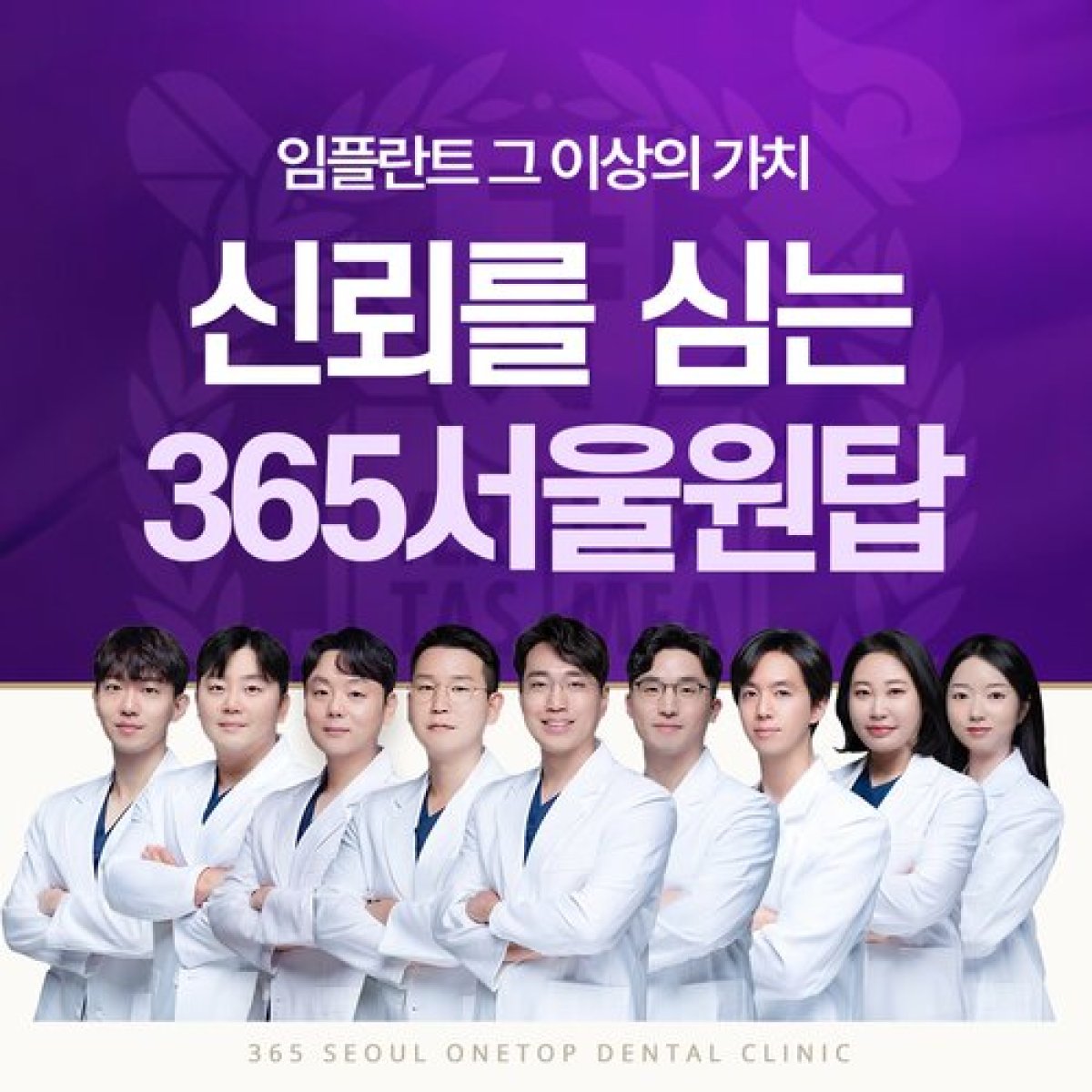
أخصائي في زراعة الأسنان حاصل على شهادات من Osstem و MegaGen – يركز الدكتور كوون حصرياً على زراعة الأسنان في عيادة 365SeoulOneTop365 لطب الأسنان.
- تخرج بمرتبة الشرف من كلية طب الأسنان بجامعة سيول الوطنية
- أكمل فترة الإقامة في مستشفى جامعة سيول الوطنية لطب الأسنان
- حاصل على تخصص مزدوج في زراعة الأسنان وطب الأسنان المتكامل
- عضو نشط في خمس جمعيات مهنية كورية كبرى لطب الأسنان
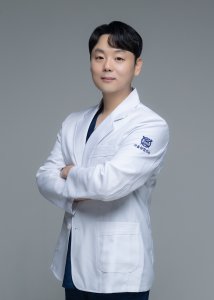
Lim Gi-hyeon
حاصل على شهادة البورد في جراحة الفم وإعادة بناء الفكين – الدكتور ليم متخصص في زراعة الأسنان الدقيقة في عيادة 365SeoulOneTop365 للأسنان.
- أكثر من 15 عاماً من الخبرة في طب زراعة الأسنان
- تدرب في مستشفيات تابعة لكلية الطب بجامعة هارفارد
- عضو اللجنة الاستشارية السريرية لشركة Osstem Implant
- عضو في نادي دراسة زراعة الأسنان ITI مع التركيز على التقنيات المتقدمة
- يجري عمليات إعادة بناء معقدة بعد الصدمات أو فقدان العظام
قصص فيديو من مرضى Bookimed
المراجعات
جميع المراجعاتمشاركة المحتوى
 Anna Leonova
حقائق سريعة عن زراعة الأسنان مع دعامة الأسنان
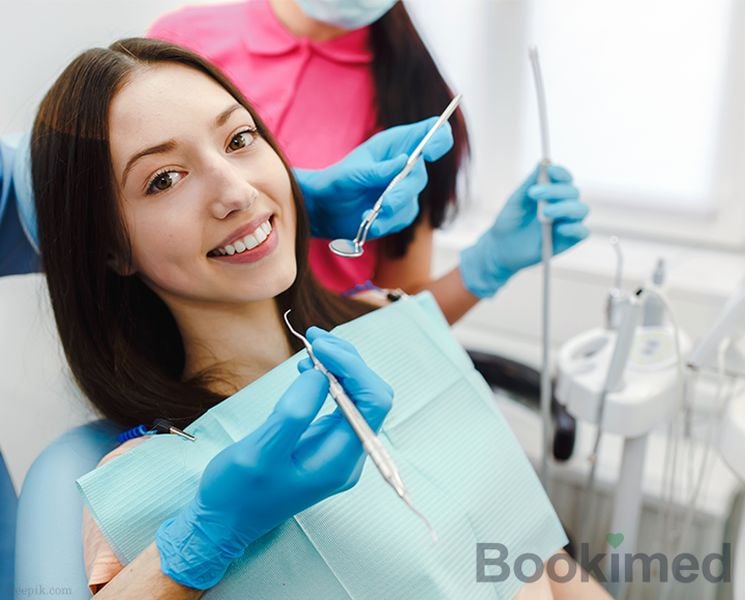
زراعة الأسنان مع الدعامة
تشمل زراعة الأسنان وضع عمود من التيتانيوم في عظم الفك، يعمل كجذر لبروستhesis الأسنان مثل التاج.
أسئلة متكررة حول زراعة الأسنان مع دعامة الأسنان في كوريا الجنوبية
هل أحتاج إلى تأشيرة لكوريا الجنوبية؟
ما هو مستوى الطب في كوريا الجنوبية؟
الرعاية الصحية هي قطاع التنمية الرئيسي للحكومة الكورية. السلطات الكورية مقتنعة بأن رعاية صحة المواطنين يجب أن تكون أولوية غير مشروطة لسياسة الدولة ، وتنفق سنويًا حوالي مليار دولار لجذب السياح الطبيين.
وفقًا لمارك بريتنيل ، تهيمن المستشفيات على نظام الرعاية الصحية. 94٪ من المستشفيات مملوكة للقطاع الخاص.
ما هي أشهر جراحات التجميل؟
وفقًا لإحصاءات ASPS ، تم إجراء 17.7 مليون عملية تجميل و 5.8 مليون عملية ترميمية في عام 2018. تشمل الإجراءات التجميلية الأكثر شيوعًا ما يلي:
- تكبير الثدي
- شفط الدهون
- عملية تجميل الأنف
- جراحة الجفن
- شد البطن.
تعد إزالة الورم ، والتئام الدموع ، وجراحة الوجه والفكين ، ومراجعة الندبات ، وجراحة اليد من أكثر العمليات شيوعًا في سياق الجراحة الترميمية.
ما هي المستندات المطلوبة لتقديم طلب تأشيرة لكوريا الجنوبية للعلاج؟
تتطلب تأشيرات السفر إلى كوريا الجنوبية عددًا من المستندات . يمكن تقديم الأوراق اللازمة قبل 90 يومًا من المغادرة المخطط لها. قائمة الوثائق تشمل:
- بطاقة الهوية
- تأكيد التسجيل عبر الإنترنت وملء الاستبيان
- شهادة الدخل وتوافر الأموال
- بوليصة تأمين للإقامة في كوريا الجنوبية (أصلية ونسخة)
- صورتان (5x6)
- الحصول على تأشيرة
- حجز الطيران والفنادق
- رأي الطبيب في الحاجة للعلاج.
ما الذي تريد معرفته عن كوريا الجنوبية قبل السفر؟
عملة | وون كوري جنوبي (الدفع مقابل الخدمات ممكن أيضًا بالدولار) |
أفضل فترة للسفر | أبريل ومايو ويونيو أو سبتمبر وأكتوبر ونوفمبر. |
لغة | الكورية (معظم الطاقم الطبي يتحدث الإنجليزية بطلاقة) |
تأشيرة | غير مطلوب للإقامة لمدة تصل إلى 90 يومًا أو أقل |
فارق التوقيت مع أوروبا | الساعة 9 |
فارق التوقيت من الولايات المتحدة الأمريكية | الساعة 9 |
عاصمة | سيول |
في كوريا الجنوبية ، توجد فنادق ذات نطاقات أسعار ومستويات خدمة مختلفة. يختار معظم السياح فنادق 4 و 5 نجوم مع وجبات شاملة كليًا. تحتوي هذه الفنادق على كل شيء لإقامة مريحة: طعام متنوع ، منطقة كبيرة جيدة الإعداد ، رسوم متحركة للأطفال والكبار. تحتوي بعض الفنادق على حديقة مائية خاصة بها ، والتي يمكن للضيوف استخدامها مجانًا. يمكن للمسافرين ذوي الميزانية المحدودة حجز فندق اقتصادي من فئة 3 نجوم مع إقامة مع وجبتي طعام أو بدون وجبات على الإطلاق. |